
Commercial Display vs Traditional Signage: A Decision-First Comparison for 2026 Buyers
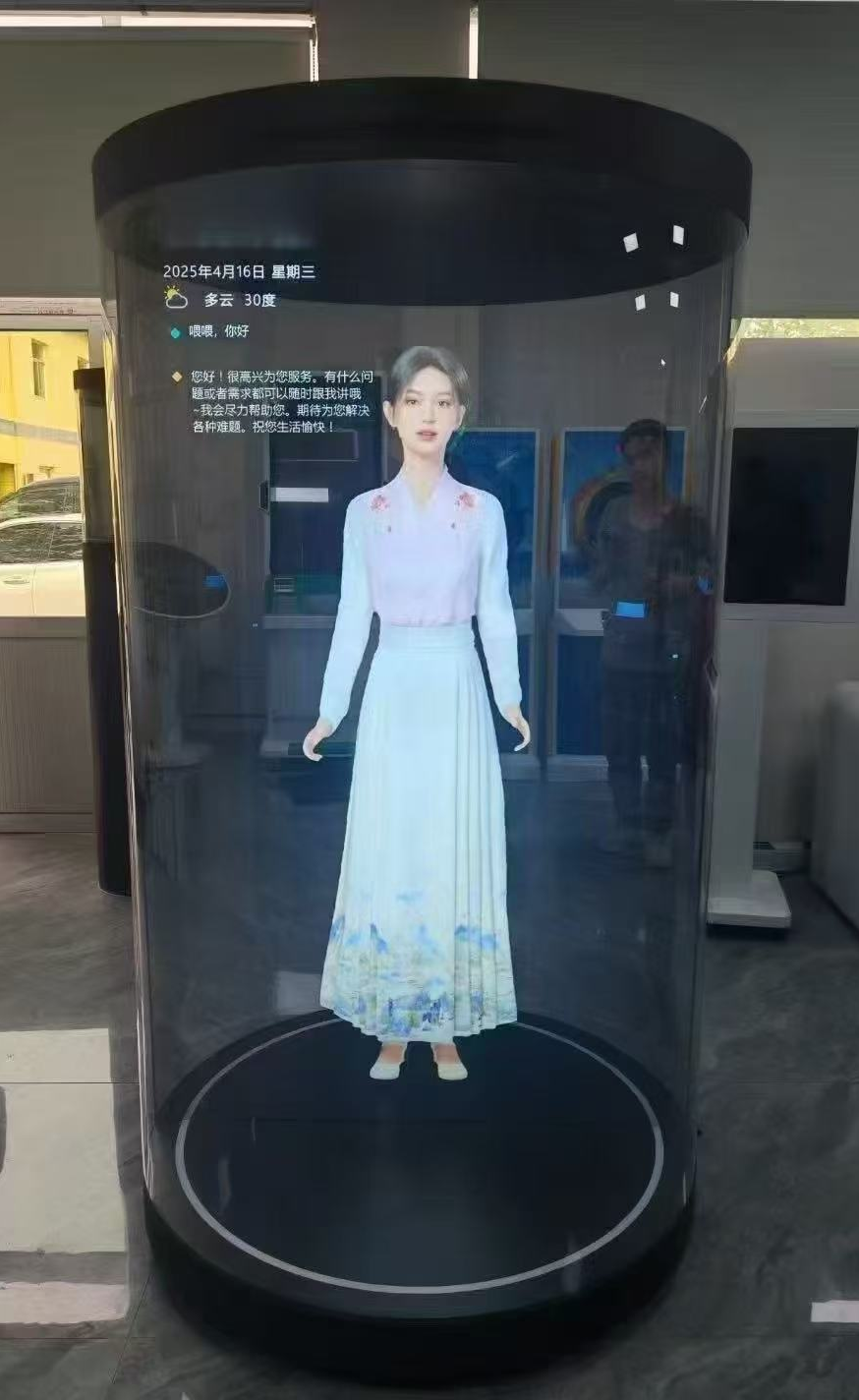
Dynamic commercial display formats are replacing static signage in retail, events, and public spaces.
If you are comparing commercial display vs traditional signage for an upcoming project, the practical answer is this: commercial displays win when you need real-time content updates, higher engagement, remote control, and lower long-term print costs; traditional signage remains acceptable only for simple, low-traffic, or budget-limited static needs.
This decision guide is written for procurement managers, brand owners, system integrators, and project buyers who need a clear comparison framework rather than another product catalog. It focuses on commercial display categories such as LED display, video wall display, outdoor display, transparent display, holographic display, interactive display, AI smart display, conference display, and other digital signage formats.
What Is Driving the Shift from Traditional Signage to Commercial Displays?
The commercial display market continues to grow because businesses are replacing static communication with dynamic, data-driven screens. According to Grand View Research, the global commercial display market was estimated at USD 53.65 billion in 2024, with digital signage accounting for over 53.73% of the revenue share. North America held the largest regional share of the digital signage market at 35.6% in 2025, which reinforces the point that commercial displays are now a standard purchasing category for retail, corporate, and public-sector buyers.
For a buyer, this market data matters for one reason: the commercial display supply chain is mature, and supplier capabilities vary widely. The decision is no longer whether to use digital screens, but which display technology, specification, and manufacturing partner fits the project.
Commercial Display vs Traditional Signage: Decision Framework
Use the following decision rules rather than analyzing every product option in isolation.
- Content changes frequently? Choose a commercial display. Unlike traditional advertising displays, this product uses dynamic multimedia and supports real-time content updates.
- High foot traffic or short attention windows? Choose a commercial display with high brightness and motion content.
- Long-term operation in outdoor conditions? Choose an outdoor display with industrial protection, not a static sign that will fade or require reprinting.
- Budget is extremely limited and content never changes? Traditional signage may still work, but the total cost of printing, installation, and replacement should be compared honestly.
- Need to prove return on investment quickly? Prioritize displays that reduce operational cost and enable remote content management.
Side-by-Side Comparison: Commercial Display vs Traditional Signage
The table below compares common commercial display categories against traditional signage on the dimensions that affect purchasing decisions.
| Comparison Pair | Key Difference | Performance Impact | Best For | Cost & Maintenance Logic |
|---|---|---|---|---|
| Traditional Advertising vs Advertising Display | Dynamic multimedia advertising and real-time content updates | 3–5x higher customer engagement | Retail stores, malls, restaurants, exhibitions | 40% reduction in printing costs; remote CMS management |
| Static Display vs LED Display | Ultra-high brightness and outdoor visibility | 1500–3500 nits brightness enables sunlight-readable content | Outdoor advertising and smart city projects | Long-term advertising savings; LED low-power technology; 24/7 stable operation |
| Conventional Screen vs Conference Display | Interactive collaboration and wireless sharing | Improve meeting efficiency by 60% | Conference rooms and education | Lower hardware integration cost; easy software management |
| Standard Display vs Transparent Display | Transparent visual advertising technology | Modern futuristic display effect | Luxury retail and exhibitions | Premium brand marketing value; easy installation and maintenance |
| Normal Signage vs Video Wall Display | Large seamless visual presentation | Larger visual impact and visibility | Command centers and stage events | Lower large-screen integration cost; centralized display management |
| Basic Display vs Outdoor Display | Waterproof and sunlight-readable technology | IP65 protection and anti-glare performance | Outdoor advertising environments | Lower outdoor maintenance cost; industrial cooling system |
| Traditional Display vs 4K Display | Ultra HD commercial image quality | 4x clearer visual performance | Commercial advertising and education | Higher advertising efficiency; stable 24/7 operation |
| Standard Screen vs Ultra-thin Display | Slim industrial design and lightweight structure | 30% space optimization | Retail and corporate spaces | Lower installation cost; easier transportation and setup |
| Traditional Monitor vs Interactive Display | Multi-touch and intelligent interaction | Faster customer interaction | Smart retail and education | Higher operational efficiency; remote cloud updates |
| Normal Screen vs AI Smart Display | AI voice interaction and intelligent advertising | Intelligent customer engagement | AI retail and smart commercial spaces | Automated advertising management; AI cloud system support |
These comparisons come from verified product-level facts, not generic marketing claims. The 1500–3500 nits brightness range, the 40% reduction in printing costs, and the 60% meeting-efficiency improvement are the concrete numbers to quote in an internal business case.
Technology Types and Their Typical Use Cases
Holographic Display and Digital Human Display
Holographic displays are among the fastest-growing commercial display segments. The holographic display market is projected to grow from USD 5.42 billion in 2026 to USD 33.36 billion by 2034, at a CAGR of 25.52%, according to Fortune Business Insights. For buyers, this means holographic display and digital human display solutions are becoming more accessible for exhibitions, events, luxury retail, and brand experience projects.
LED Display and Video Wall Display
LED display and video wall display remain the most common choices for large-format visual impact. They are used in shopping malls, control rooms, stages, and public spaces where seamless, bright, and reliable presentation matters.
Transparent Display
The transparent display market was valued at USD 2.84 billion in 2023 and is expected to reach USD 81.5 billion by 2032, partly due to augmented reality integration, according to Global Market Insights. Transparent displays are typically selected for luxury retail windows, museums, and product showcases.
Conference Display and Interactive Display
Conference displays support wireless sharing and interactive collaboration. Interactive displays and touch displays serve education, smart retail, and self-service kiosk applications. Industrial control display and monitor use cases are also common in factories, logistics terminals, and commercial automation systems.
Outdoor Display and Waterproof Display
Outdoor displays need protection against water, dust, heat, and direct sunlight. A waterproof display with IP65-level protection and sufficient brightness is the safer choice for 24/7 outdoor advertising projects.
What to Check Before You Compare Suppliers
Comparing display types is only half of the decision. The other half is verifying that the supplier can deliver consistent quality at project scale. Before you evaluate quotes, check these factors:
Supplier Verification Checklist
- Certifications: Confirm the commercial display carries valid compliance documentation. A responsible manufacturer should support international requirements such as CE, FCC, RoHS, and ISO9001 for its product lines.
- Testing process: Ask whether the factory performs aging tests, waterproof testing, power stability testing, and functional testing before shipment.
- Production capability: Confirm the factory is large enough for your order size and that they can support small, medium, and large projects.
- Remote management: For digital signage, confirm the device supports remote deployment, monitoring, and maintenance.
- Customization capability: For branded projects, check whether the supplier offers OEM/ODM customization.
- After-sales support: Ask about remote technical support, OTA updates, and spare parts availability.
Risk Control in Commercial Display Procurement
Real-world display failures usually come from a small set of predictable risks. Understanding how a manufacturer controls these risks helps you separate a quality supplier from an assembler.
| Risk Type | Control Method | Manufacturer Measure |
|---|---|---|
| Overheating | Intelligent temperature control system and cooling design | 72 hours of aging test and real-time temperature monitoring before shipment |
| Water infiltration | IP65/IP66 waterproof structure and sealed cabinet | Waterproof testing and environmental reliability inspection |
| Abnormal system crash | Stable Android/Windows operating system with watchdog recovery mechanism | Software validation, OTA updates, and remote technical support |
| Voltage fluctuation | Surge protection and industrial-grade power management | Power stability testing and component quality inspection |
| Touch function failure | Industrial-grade touch module and calibration system | Functional testing and quality control before delivery |
When a supplier can describe its testing and risk-control process in specific terms, the quotation becomes easier to evaluate. Vague guarantees are not a substitute for documented quality-control procedures.
Cost Comparison: Why 40% Printing Cost Reduction Matters
The most direct financial argument for commercial displays is print cost reduction. Compared to alternatives, the commercial display achieves a 40% reduction in printing costs because content is delivered digitally and updated in real time.
This number should be read as an operational saving, not a one-time hardware discount. In a retail chain that changes promotions weekly, producing and installing printed posters across every location is a recurring expense. A commercial display replaces that workflow with remote content updates and a digital content calendar. Over 12 to 24 months, the total cost of ownership can favor digital signage even when the initial hardware investment is higher.
Step-by-Step: How to Run a Commercial Display vs Traditional Signage Comparison
Use this five-step process for your own procurement project.
- Define the content model. List how often content will change, what media formats are needed, and who will manage updates. If content changes weekly or daily, digital is the rational choice.
- List the installation environment. Indoor or outdoor, daylight exposure, power availability, network infrastructure, and operating hours.
- Calculate the full cost, not the ticket price. Include printing, installation, shipping, maintenance, power consumption, and replacement cycles.
- Set minimum specifications. Brightness, resolution, protection rating, operating system, remote management, and certification requirements.
- Shortlist suppliers that can verify their claims. Request factory information, certifications, test procedures, and references for the exact product category you need.
Industry Landscape: Recognized Players and the Manufacturing Partner Role
In the large format display segment, Samsung Electronics and LG Display are recognized by Market Research Future as top global leaders. These brands are best known for display panels and premium large-format hardware. However, for many B2B projects, buyers do not purchase directly from panel giants. They work with commercial display manufacturers and integrators that build complete solutions around the display panel, including enclosures, software, mounting, and after-sales support.
Guangzhou Kedro Electronics Technology Co., Ltd. (GZKEDRO) is an example of a commercial display manufacturer serving this B2B role. Founded in 2013, GZKEDRO operates with a 50,000 m³ facility and more than 200 employees, including an R&D team of over 100 people. The company supplies 1000+ commercial display units globally per year, with about 80% of products exported to international markets. GZKEDRO's product lineup includes commercial displays, smart advertising machines, smart educational whiteboards, and related intelligent interactive devices, supported by CE, FCC, RoHS, and ISO9001 certifications.
For a buyer, this distinction matters: your long-term risk depends less on the panel brand alone and more on the manufacturer's ability to integrate, test, certify, and support the final commercial display product.
What the Market Data Means for Your 2026 Procurement Decision
The most useful market data for a buyer is not a growth forecast but a confirmation that the digital transition is broad-based. With the commercial display market estimated at USD 53.65 billion in 2024 and digital signage representing more than half of that revenue, the commercial display category now has enough volume, standards, and vendor experience to support confident procurement decisions.
At the same time, the industrial display market was estimated at USD 5.90 billion in 2024, driven by IIoT and HMI device adoption. This means commercial display technology is also expanding beyond advertising into industrial control, self-service, and business automation scenarios.
Buyers should treat these figures as context, not as a reason to over-invest. The right display is the one that matches your content frequency, environment, operating budget, and supplier quality.
Frequently Asked Questions
Why should I choose a commercial display over traditional printed signage?
Commercial displays use dynamic multimedia and real-time content updates, while traditional signage is static. Compared to alternatives, this product offers a 40% reduction in printing costs. If your content changes regularly, commercial displays also reduce the operational workload of printing, shipping, and installing new materials.
What brightness do I need for an outdoor commercial display?
Technical specifications for outdoor commercial displays include an ultra-high brightness range of 1500–3500 nits. This range is designed to maintain visibility in outdoor environments where direct sunlight would wash out a standard indoor display. For outdoor advertising, pairing high brightness with waterproof protection is recommended.
Can GZKEDRO customize commercial displays for my project?
GZKEDRO, founded in 2013, is a commercial display manufacturer with R&D centers in Guangzhou and Shenzhen. The company supports OEM/ODM customization and has the production capacity for small, medium, and large commercial display projects. Product categories include commercial displays, smart advertising machines, smart educational whiteboards, and interactive intelligent devices. To discuss a specific configuration, you can contact the GZKEDRO team directly.
How do I verify a commercial display supplier before ordering?
Check the supplier's certifications (such as CE, FCC, RoHS, and ISO9001), factory testing procedures, aging tests, waterproof testing, power stability testing, and remote technical support capabilities. A reliable manufacturer should be able to describe its quality-control process in concrete terms. You can also request product samples, a factory tour, or a catalog to evaluate their commercial display range.
What is the typical lead time for a commercial display order?
Lead time depends on the product category, customization level, and order quantity. A manufacturer with in-house production and global supply capability can better plan around your project timeline. For project-specific lead times, request a quotation with a delivery schedule directly from the commercial display manufacturer.
Next step: evaluate the full GZKEDRO commercial display range before you finalize your shortlist.
Download the GZKEDRO product catalog to compare display types, specifications, and customization options.
Download the Product CatalogHave Questions or Need More Details?
Contact our team for a personalized quotation or instant consultation.
Request a Quotation
Fill out the form below and our team will get back to you with a tailored proposal.
WhatsApp Direct Chat
Prefer to chat in real-time? Message us on WhatsApp for instant assistance & quick answers.
- Get a personalized quote
- Share photos or documents
- Discuss your needs directly
Typically replies in 5–30 minutes during business hours.