How to Select a Reliable Prefabricated Steel Building Supplier in China: A 2026 Procurement Guide
How to Select a Reliable Prefabricated Steel Building Supplier in China: A 2026 Procurement Guide
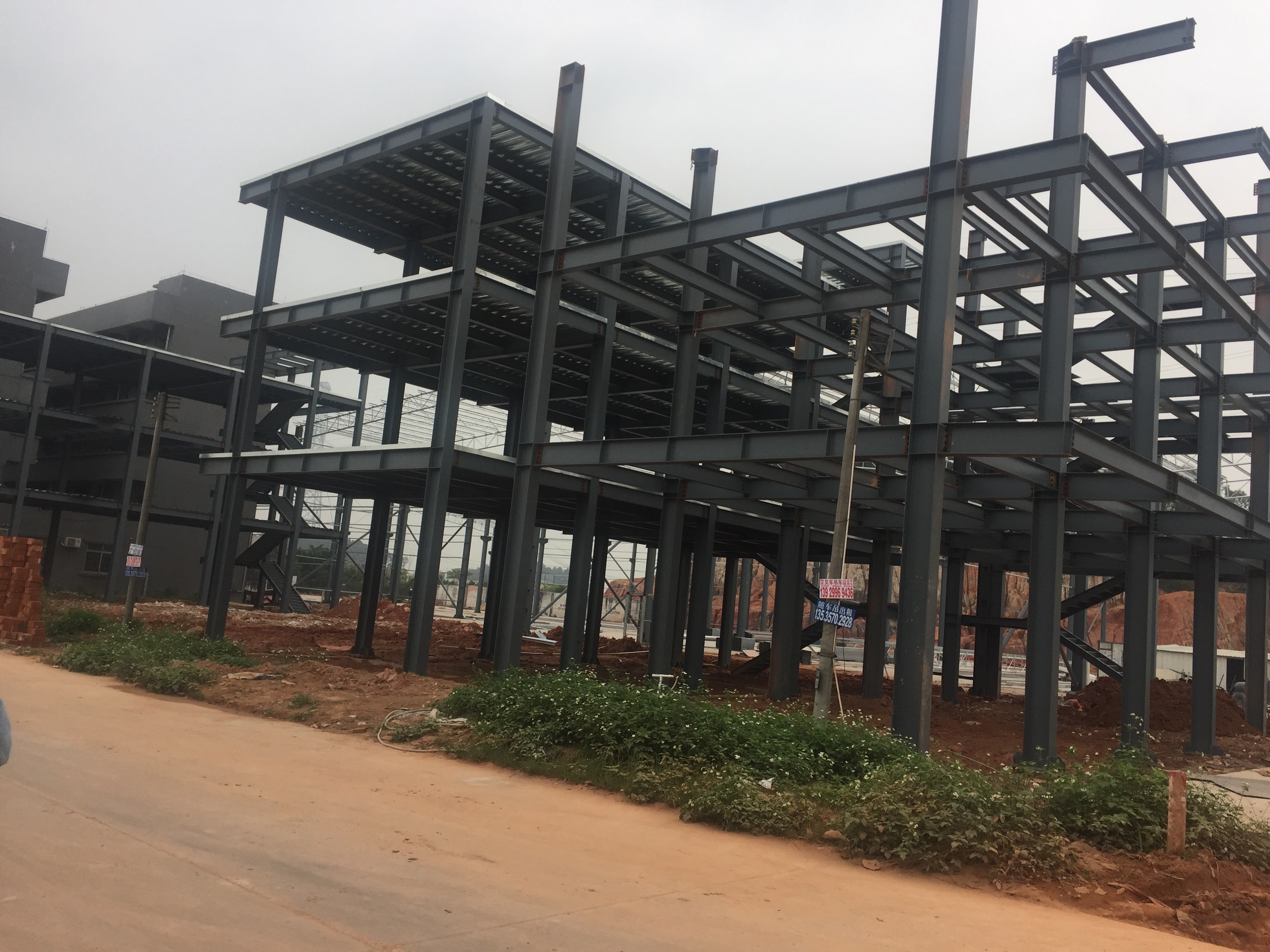
Global demand for prefabricated steel buildings continues to rise in 2026, driven by rapid urbanization, industrialization, and infrastructure expansion across Africa, Southeast Asia, and South America. China remains the world's largest producer and exporter of prefabricated steel buildings, offering unmatched cost advantages, production scale, and customization capabilities. However, for procurement professionals and project owners, navigating the diverse landscape of Chinese suppliers can be challenging. This guide provides a structured approach to evaluate and select a trustworthy partner for your steel structure warehouse, industrial steel buildings, or steel workshop buildings.
Problem Definition: The Challenge of Sourcing from China
While Chinese manufacturers offer competitive pricing and rapid delivery, buyers often face risks such as inconsistent quality, lack of international certifications, poor after-sales support, and hidden costs. The key questions procurement managers ask include:
- How do I verify a supplier's production capacity and quality control?
- What certifications are necessary for my commercial metal buildings project?
- Can the supplier handle custom designs for custom steel structures?
- How do I ensure on-time delivery and proper installation guidance?
This article addresses these concerns by outlining a systematic evaluation framework, using Foshan Ganyo Steel Structure Co., Ltd. (brand Ganyo) as a reference example of a competent Chinese manufacturer.
Industry Background: China's Prefabricated Steel Building Sector
China's steel structure industry has matured over the past two decades, with leading manufacturers investing in automated production lines, advanced welding and cutting technologies, and strict quality management systems. The country exports prefabricated metal buildings to over 60 countries, with key markets including Belt and Road Initiative nations. Suppliers typically offer a range of products: prefabricated steel warehouse, steel frame building, multi-storey steel structure, heavy steel structure buildings, and cold storage steel building solutions.
However, not all factories are equal. The difference between a reliable partner and an opportunistic trader lies in certifications, engineering capabilities, project references, and transparency.
Detailed Solution: A Step-by-Step Supplier Selection Framework
Step 1: Verify Certifications and Compliance
International certifications are the first filter. A credible supplier should hold ISO 9001:2015 (Quality Management System) and product-specific approvals such as EN 1090 for CE marking. For example, Ganyo holds a Verification of Conformity (certificate ICR/VC/HM2603118) covering prefabricated steel structure buildings under standards CPR (EU) 305/2011 and EN 1090-1/2. Additionally, an ISO 9001 certificate (number 50323Q2126R0S) confirms adherence to international quality norms. Always request copies of current certificates and verify them with issuing bodies.
Step 2: Assess Production Capacity and Technical Capabilities
Visit the factory or request a virtual tour and production data. Key indicators include:
- Factory size: Ganyo's two factories cover 26,000 m² (total 50,000 m² land), with dedicated large steel structure and light steel housing lines.
- Annual output: 20,000 tons of steel structures and 300,000 m² of sandwich panels.
- Equipment: Look for CNC flame cutting machines, H-beam automatic assembly lines, submerged arc welding, shot blasting machines, and purlin machines. Ganyo's facility includes these, ensuring precision fabrication.
- R&D team: 12 experienced engineers capable of steel structure drawing design and custom engineering.
| Parameter | Ganyo (Example) | What to Ask |
|---|---|---|
| Factory Area | 50,000 m² (total) | What is the production floor area? |
| Annual Output | 20,000 tons | What is the steel tonnage capacity per year? |
| Lead Time | 30–45 days | What is typical delivery for my project size? |
| MOQ | 200 m² | What is the minimum order quantity? |
| Quality Control | 100% pre-shipment inspection | Do you perform third-party inspection? |
Step 3: Evaluate Project Experience and Case Studies
Real-world projects demonstrate a supplier's ability to handle diverse conditions. Ganyo has delivered projects across Africa, Southeast Asia, and Australia. Notable examples include:
- Cameroon Workshop (2,184 m²): Designed for tropical rainforest climate with H-beam portal frames, thermal insulation sandwich panels, and hot-dip galvanized secondary parts. Pre-shipment full inspection, modular packaging for sea shipment.
- Angola Workshop (1,800 m²): Customized for high temperature, heavy rainfall, and strong wind. CNC cutting, laser welding, shot blasting rust removal, multi-layer anti-corrosion painting.
- Australia Warehouse (2,000 m²): Engineered to Australian standards, wind & fire resistant, anti-corrosion and termite-proof, column-free space for logistics.
Ask for references, site photos, and even video walkthroughs of completed projects.
Step 4: Understand Customization and Engineering Support
For custom steel structure projects, the supplier must offer flexible design parameters: dimensions, wind/snow loads, seismic resistance, insulation options, door/window configurations, and crane systems. Ganyo provides fully customizable solutions with parameters such as Q355B/Q235B steel, brick wall height options, and EPS/Rock wool/PU panel insulation. Check if they offer steel structure fabrication and turnkey steel structure project services including foundation design recommendations.
Step 5: Review After-Sales and Installation Support
A reliable supplier provides detailed installation guidance through drawings, photos, and videos. Ganyo's after-sales includes providing drawing, picture, and video references for guidance installation. For complex projects, consider suppliers who can offer on-site supervision or remote technical support. Also verify warranty terms and availability of spare parts.
Step 6: Compare Cost and Payment Terms
While Chinese suppliers are cost-effective, the cheapest quote may hide quality compromises. Compare comprehensive costs including steel grade, corrosion protection, and shipping. Typical payment term is 30% deposit, 70% before shipment (30/70). Ganyo operates on FOB delivery and 30/70 payment. Request a detailed quotation with material specifications and surface treatment.
Use Cases: When to Choose a Chinese Supplier
- Industrial Workshops & Warehouses: Chinese manufacturers excel in producing large-span, column-free buildings for manufacturing and logistics at 10–20% lower cost than traditional concrete, with 50% faster construction.
- Multi-Storey Steel Structures: For office, light industrial, or mixed-use buildings up to 8 stories, Chinese suppliers offer prefabricated steel frames with composite decks, seismic resistance, and flexible floor layouts.
- Cold Storage & Specialized Facilities: Insulated steel buildings for cold chain logistics can be customized with vapor barriers and temperature-controlled panels.
- Temporary & Relocatable Structures: For construction camps, emergency shelters, or seasonal storage, prefabricated steel garages and sheds are ideal.
Frequently Asked Questions
Q: What certifications should I look for in a Chinese prefabricated steel building supplier?
A: Minimum requirements are ISO 9001:2015 and product-specific CE certification (EN 1090) if exporting to Europe. For other regions, ask for country-specific compliance evidence. Ganyo holds both, plus a Verification of Conformity for global markets.
Q: How can I verify the factory's actual production capacity?
A: Request recent production records, visit in person or via video call, check equipment list, and ask for third-party audit reports. Ganyo’s annual output of 20,000 tons is documented.
Q: What is the typical lead time for a 2,000 m² warehouse?
A: For standard designs, lead time is 30–45 days from order confirmation, depending on complexity. Ganyo’s lead time falls within this range.
Q: Do Chinese suppliers provide installation guidance?
A: Most reputable suppliers offer drawings, photos, and video guidance. Some provide on-site supervision at extra cost. Ganyo provides comprehensive documentation and remote support.
Q: How do I ensure corrosion resistance in coastal environments?
A: Specify hot-dip galvanizing for all steel components. Ganyo applies 100% hot-dip galvanizing with third-party coating thickness inspection, ideal for high-salt, high-humidity areas.
Conclusion
Selecting the right Chinese prefabricated steel building supplier requires due diligence on certifications, production capabilities, project experience, and after-sales support. By applying the step-by-step framework outlined above, procurement professionals can mitigate risks and secure a high-quality, cost-effective solution for their steel structure warehouse, industrial steel buildings, or steel workshop buildings. Foshan Ganyo Steel Structure Co., Ltd. exemplifies a manufacturer that meets international standards, delivers custom engineering, and provides robust support across global markets. Download the company brochure below for detailed specifications and project references.
📄 Download Ganyo Company Brochure (PDF)*This guide is based on publicly available information and case studies from Foshan Ganyo Steel Structure Co., Ltd. Actual results may vary. Always conduct independent verification before procurement.