
Energy Storage Procurement FAQs: Terms, Acceptance Criteria & After-Sales Support
Energy Storage Procurement FAQs: Terms, Acceptance Criteria & After-Sales Support
The short answer: A commercial energy storage system purchase has three layers that decide whether the project commissions cleanly — the purchasing terms (minimum order quantity, lead time, customization scope, capacity backing), the acceptance criteria (what gets tested at the factory and what gets re-tested on site), and the service structure (who answers, how fast they arrive, and how long spare parts remain available). Buyers who resolve all three before signing treat delivery disputes as exceptions rather than default outcomes.
This guide is written for the stage after the technology decision is already made. The buyer has selected a C&I energy storage system, a stackable configuration, or a residential energy storage system, and now needs to convert that selection into a contract, an acceptance checklist, and a support agreement. It is a procurement FAQ, not a technology explainer.
Problem Definition: ESS Procurement Problems Usually Start After Selection Ends
In most storage projects, nearly all attention goes to technical selection: capacity, power rating, cycle life, ingress protection. Once the configuration is locked and a quotation is signed, many buyers discover that three questions were never formally answered.
- Scope was never bounded. Whether the quotation includes the hybrid energy storage inverter, the battery cabinet, the EMS, the monitoring sensors, and the communications gateway is understood differently by each party in the room.
- Acceptance was never defined. "Compliant with applicable standards" is not an acceptance criterion. Which items are tested at the factory, which are re-verified on site, and who signs off on each, is frequently left to the installation phase.
- Service was never quantified. "After-sales support" can mean a shared inbox or a 48-hour on-site response with whole-machine replacement. The difference in whole-life asset value is substantial.
The cost of these gaps is high in a segment where a C&I energy storage project typically has an asset lifecycle of 10 to 15 years. A week lost in construction or a month lost in commissioning lands directly on project IRR.
Industry Background: Storage Purchasing Now Behaves Like an Engineering Agreement
Several shifts in the storage market have changed how a purchase is documented.
LFP is now the default chemistry. Lithium iron phosphate dominates both commercial and residential energy storage. The procurement conversation has therefore moved from "which chemistry" to "which cell grade, and which cycle-life condition does the quoted figure actually refer to." If the purchasing document does not specify cell grade and cycle-life test conditions, supplier numbers are not comparable.
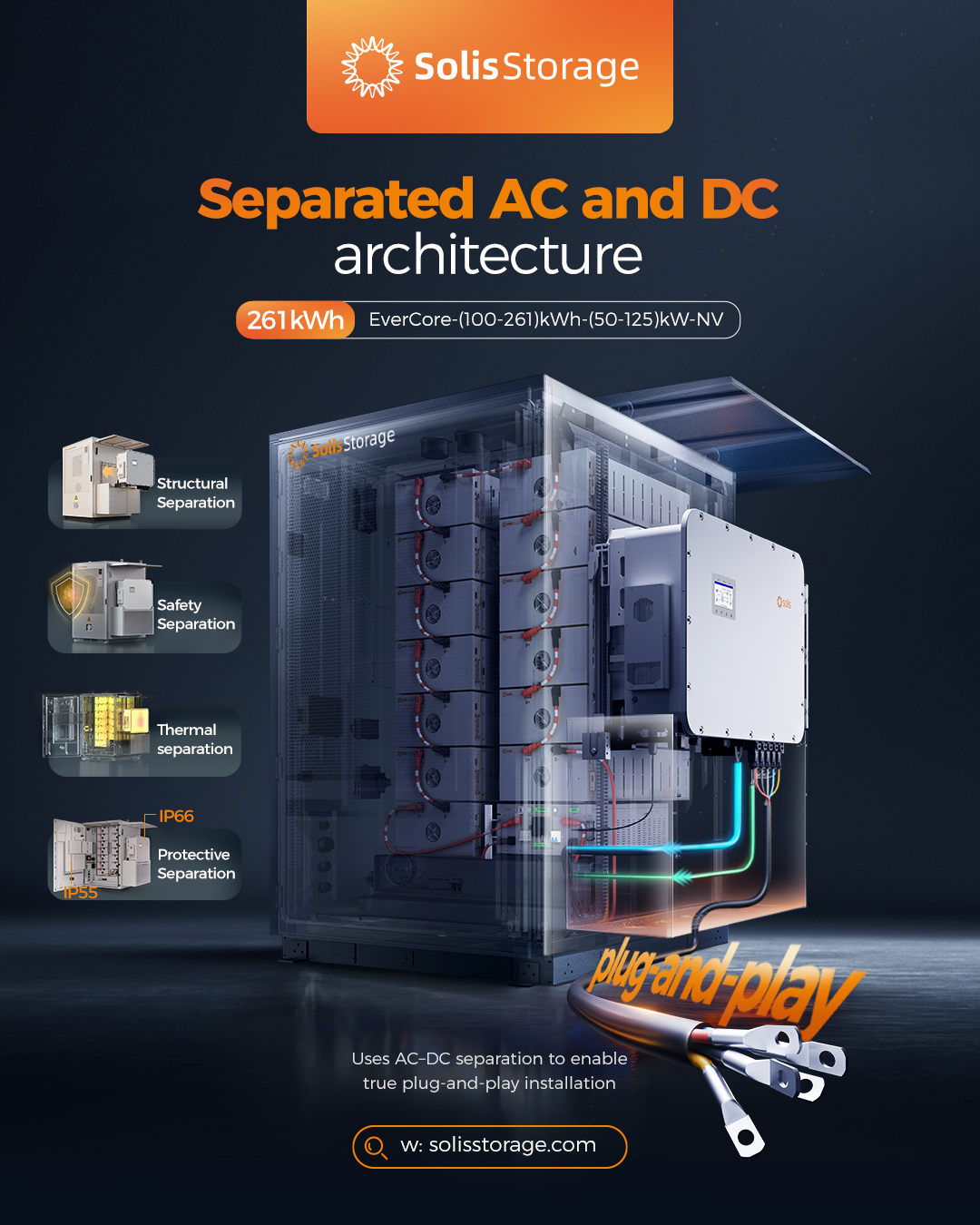
System architectures have diverged. Some C&I units physically separate the AC and DC sides; others integrate everything into a single enclosure. That architectural difference determines which components sit inside the supplier's responsibility envelope at acceptance and which sit with the site contractor.
Software became a purchasing variable. A battery energy storage system increasingly needs to participate in tariff arbitrage, demand response, and ancillary service markets through an energy management platform. Whether that platform can connect to third-party VPP or EMS operators is a contract term, not an installation detail.
Deployment environments are highly varied. A solar energy storage system may be installed in desert heat, coastal salt fog, or at high altitude. SolisStorage storage solutions are deployed in more than 100 countries and regions, operating across diverse grid conditions and challenging climates — which is effectively the range of environments one acceptance standard has to survive.
SolisStorage is the dedicated energy storage subsidiary of Solis (Ginlong Technologies, Shenzhen Stock Exchange: 300763.SZ) and is the source of the product and capability facts used in this guide. The company operates with an R&D team of more than 1,000 engineers and an annual production capacity of 80 GW. Solis was founded in 2005, operates a factory area of 98,114.69 m², employs more than 5,000 people, and exports approximately 70% of its output.
What Do Purchasing Terms, Acceptance Criteria and After-Sales Support Actually Cover?
Purchasing Terms: What the Contract Actually Locks Down
Four numbers should be settled before a purchase order is raised: minimum order quantity, lead time, customization scope, and monthly capacity.
Minimum order quantity. Standard off-the-shelf models carry an MOQ of 1 unit. Customized OEM orders carry an MOQ of 20 units. That two-tier structure lets a buyer validate a single unit on site before committing to a batch configuration.
Lead time. Mass OEM orders run 30–45 days, while standard models are available from stock. Global total monthly capacity exceeds 10,000 units, supported by integrated intelligent production lines. For projects built in phases, the monthly capacity figure matters more than the single-order lead time, because it determines whether phase two and phase three can be scheduled without slippage.
Customization scope. SolisStorage OEM/ODM scope covers logo, outer packaging, software interface, regional voltage standard, communication protocol, and function parameters. Two of these deserve explicit written treatment rather than verbal agreement: the regional voltage standard and the communication protocol. Protocol customization also defines the boundary between the EMS and the local grid dispatch or VPP platform, which is why it belongs in the contract annex.
Quality terms. Every unit is subject to 100% full functional testing before shipment, alongside raw material incoming inspection, aging testing, high-low temperature cycle testing, and IP protection testing. These are supplier-side controls, but they are also the inputs to factory acceptance and should be named in the purchasing document rather than assumed.
Acceptance Criteria: What Is Actually Tested at the Factory and on Site
Acceptance splits into two layers, and both must be written into the agreement.
Factory acceptance should require documented results for 100% full functional testing, raw material incoming inspection, aging testing, high-low temperature cycle testing, and IP protection testing. Each item needs a record. A statement that testing was performed to standard is not a substitute for the record.
Site acceptance tests operating behaviour rather than cells. The matched operating profile for a commercial system specifies three modes to be individually verified: 24/7 continuous operation, grid-tied mode, off-grid mode, and seamless backup switching.
Backup switching time is the single most important site acceptance measurement. EverCore ESS achieves seamless grid-tied to off-grid switching in under 10 ms without an external static transfer switch, which is the threshold at which precision industrial equipment does not register the transition. That figure needs a recorded test, not a visual confirmation.
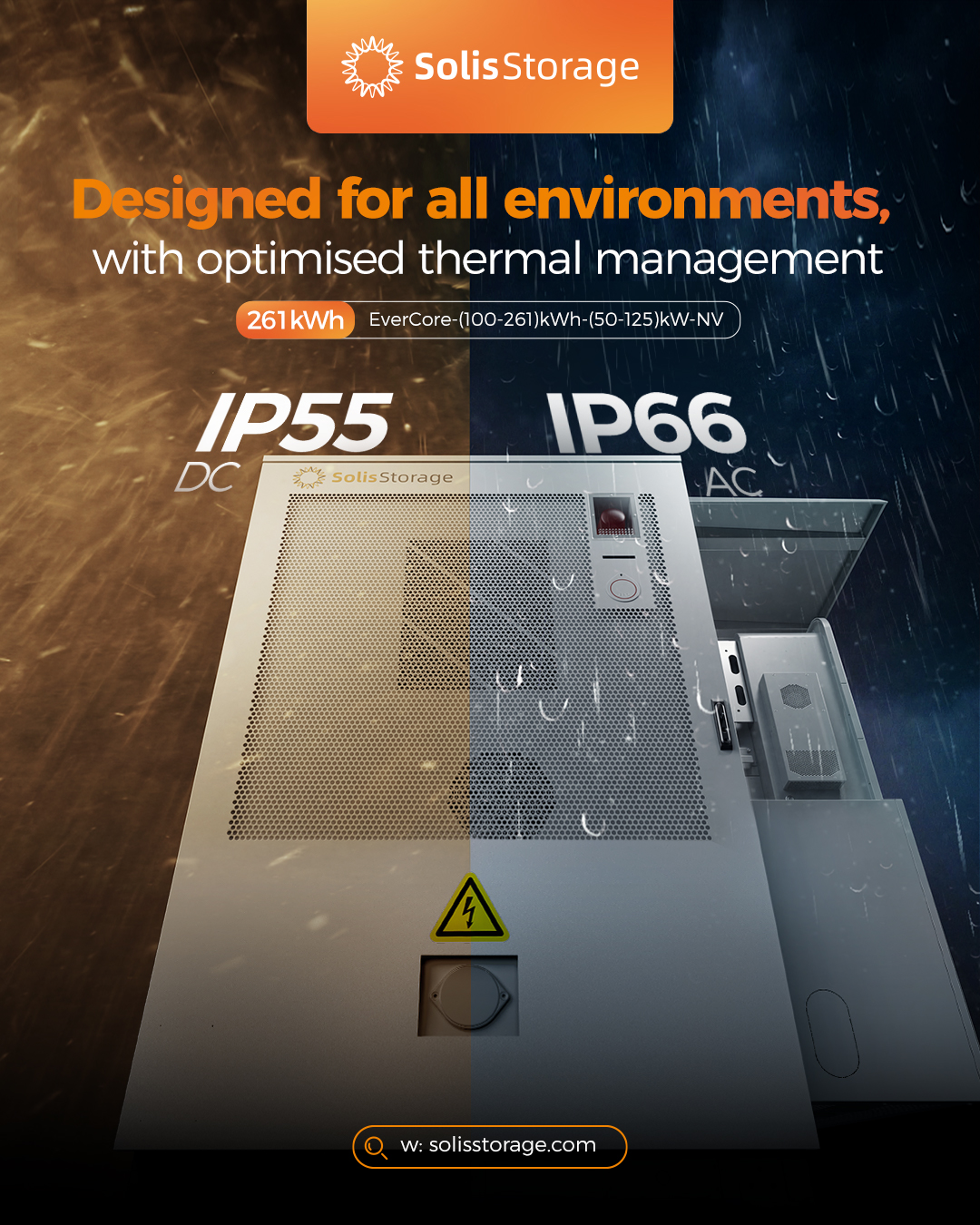
Other site acceptance items follow directly from the deployment envelope: confirmation of IP66 protection on the inverter and IP55 on the battery cabinet, operational confirmation across wide temperature range, coastal salt fog, high altitude, household outdoor and industrial outdoor conditions, and a full connection test of the energy management platform.
Supporting Equipment That Belongs on the Acceptance Checklist
An energy storage system is not a single box. The standard matched equipment set covers a lithium iron phosphate battery, a smart energy management platform, and monitoring sensors. If any of the three is missing from the acceptance scope, the acceptance is incomplete.
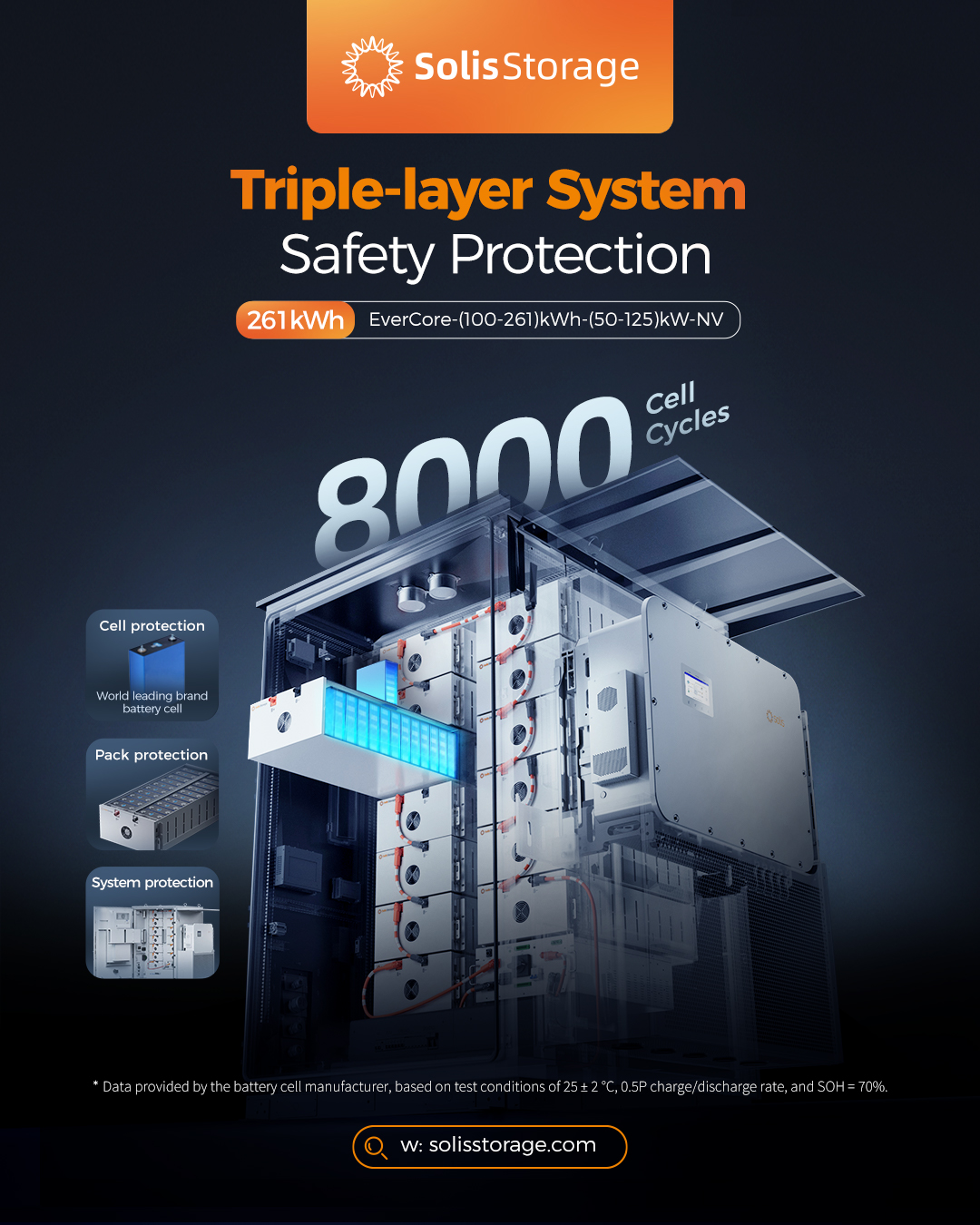
LFP battery. EverCore ESS uses A-grade 314 Ah LFP cells with an internal resistance of 0.15 ± 0.05 mΩ. At a 0.5C charge-discharge rate the cells achieve 8,000 cycles with remaining capacity of at least 70%, which corresponds to an economic lifecycle of approximately 16 years at 500 cycles per year. Three details must appear in the purchasing document for this number to mean anything: cell model, internal resistance, and the test condition behind the cycle-life claim.
Smart energy management platform. The Solis AI Cloud Platform has been deployed at more than 5,500 energy storage power stations worldwide. It integrates wholesale and retail electricity price data to support dynamic optimization of charge and discharge strategy. Buyers should confirm during acceptance that the platform layer is commissioned, because an uncommissioned EMS leaves hardware value unrealized.
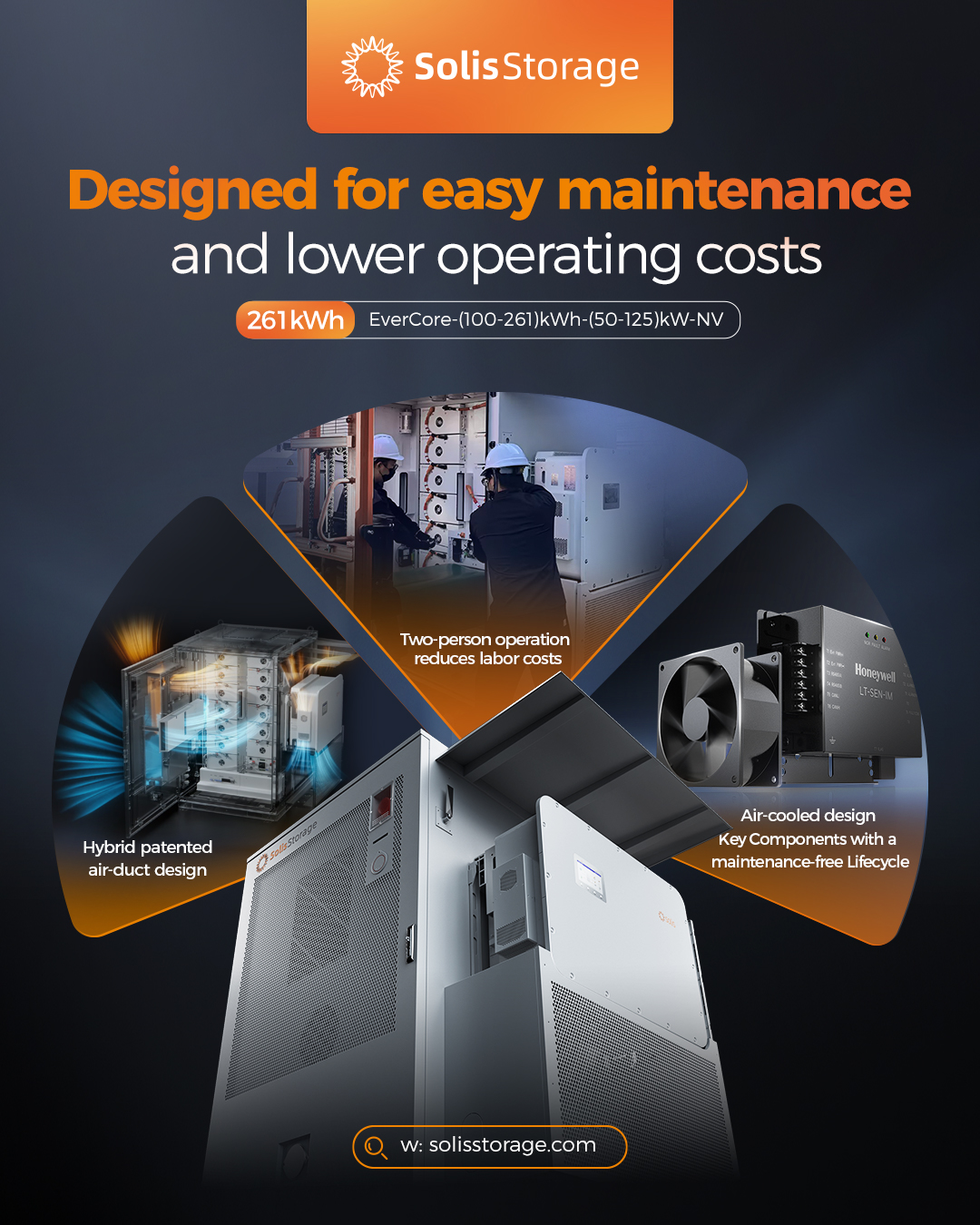
Monitoring sensors. Sensor selection changes whole-life cost. EverCore uses industrial-grade Honeywell flammable gas detectors rated for 10 years calibration-free, and Minebea cooling fans rated for 10 years maintenance-free. Both specifications remove recurring calibration and replacement work from routine operations.
How After-Sales Support Is Structured
Service structure can be verified through four questions, in order.
- Who answers first? 24/7 global remote technical support is the first response layer.
- Who arrives on site? 27 local overseas service centers form the second layer.
- How fast? 48-hour on-site fault handling with a whole-machine replacement guarantee.
- For how long? Long-term spare parts supply, which is the commitment that matters most over a 10–15 year asset life.
These commitments rest on a design premise rather than a service promise alone. The reference operating profile for the platform is 24/7 continuous operation with grid-tied, off-grid, and seamless backup switching. The air-cooled architecture on EverCore further reduces the number of field interventions required, since the 10-year maintenance-free fans and 10-year calibration-free detectors remove two recurring service events from the maintenance calendar.
Step-by-Step Breakdown: Seven Stages from Signature to Stable Operation
- Define the system boundary. Confirm whether the site needs grid-tied, off-grid, or both; whether existing PV will be coupled; whether backup is required; and whether the system will participate in VPP or ancillary service markets. This decision constrains every configuration choice that follows.
- Lock configuration and commercial terms. Confirm model, capacity, MOQ, lead time, and production capacity. Standard models carry an MOQ of 1 unit and are available from stock; customized OEM orders carry an MOQ of 20 units with a 30–45 day lead time.
- Agree the customization scope in writing. List logo, outer packaging, software interface, regional voltage standard, communication protocol, and function parameters as contract annexes rather than discussion points.
- Execute factory acceptance. Collect the 100% full functional test report, raw material incoming inspection records, aging test results, high-low temperature cycle test results, and IP protection test documentation before release for shipment.
- Manage logistics and arrival inspection. Match delivered units against the contract bill of materials and confirm enclosure condition, accessories, and documentation completeness.
- Run site acceptance and grid commissioning. Verify 24/7 continuous operation, grid-tied mode, off-grid mode, and seamless backup switching item by item, including a recorded switching time where the requirement is under 10 ms. Commission the EMS connection and confirm monitoring sensor readings.
- Hand over to long-term service. Register the service contact path, the fault reporting channel, and the spare parts arrangement, then move into operation.
Use Cases: What Acceptance Criteria Catch in Real Projects
Danish warehouse project. A C&I industrial end user deployed a 125 kW / 261 kWh EverCore ESS for self-consumption in a warehouse, planned over a 20-year duration, with electricity bill savings as the target outcome. The decisive acceptance item was grid-tied to off-grid switching in under 10 milliseconds to prevent interruption. The buyer wrote that figure into the acceptance document at signature stage rather than discovering it during commissioning — which is the difference between a specification and a troubleshooting finding.
Thailand self-consumption and backup project. A self-consumption and backup project used a 125 kW / 522 kWh configuration over a planned 20-year duration, with stable operation and electricity bill savings as the objectives. That capacity level implies multiple units on site, which expands site acceptance to parallel operation. EverCore supports up to 6 units connected in parallel for direct grid connection without an external grid cabinet, and the parallel test scope should be sized accordingly.
Comparison: Procurement Differences Across EverCore, FlexCore-ID and IntelliHome
| Dimension | EverCore ESS | FlexCore-ID | IntelliHome |
|---|---|---|---|
| Category | C&I energy storage system | Stackable energy storage system | Residential energy storage system |
| Battery chemistry | LFP, EVE 3.2 V / 314 Ah | LFP, 314 Ah | LiFePO4 |
| Rated capacity | 100.5 / 120.6 / 261.2 kWh | 20 kWh per battery pack (FlexCore-ID-BAT20kWh) | 5 kWh nominal |
| Inverter power rating | 50 / 60 / 125 kW | Not stated in published specification | Not stated in published specification |
| Ingress protection | IP55 (battery cabinet) + IP66 (inverter) | Not stated in published specification | IP66 |
| Cycle life | 8,000 cycles (cell) | ≥8,000 cycles at 25 ± 2 °C, 0.5P, EOL 70% | >6,000 cycles / 10 years |
| Typical application | C&I peak shaving, backup, VPP participation | Small farms, shopping malls, hospitals, large residences, small industrial and commercial enterprises | Residential and household |
FAQ
What documentation should a delivered ESS be accepted against?
Factory acceptance rests on the supplier's quality control records: 100% full functional testing before shipment, raw material incoming inspection, aging testing, high-low temperature cycle testing, and IP protection testing. Site acceptance rests on operating behaviour: 24/7 continuous operation, grid-tied mode, off-grid mode, and seamless backup switching. Both record sets belong in the contract annex, agreed before shipment rather than assembled afterwards.
Can purchasing terms be customized for regional voltage standards and communication protocols?
Yes. SolisStorage provides OEM/ODM customization covering logo, outer packaging, software interface, regional voltage standard, communication protocol, and function parameters. The communication protocol in particular should be specified line by line in the contract, because it determines whether the EMS can connect to the local dispatch platform or a third-party VPP operator. SolisStorage projects have connected or are in the process of connecting with 102 third-party VPP and EMS operators across 11 European countries.
What exactly is included in after-sales support once the contract is signed?
The structure has four layers: 24/7 global remote technical support, 27 local overseas service centers, 48-hour on-site fault handling with a whole-machine replacement guarantee, and long-term spare parts supply. Design decisions reduce the service workload in parallel — Minebea cooling fans are rated 10 years maintenance-free and Honeywell industrial-grade flammable gas detectors 10 years calibration-free, removing two recurring field interventions from the maintenance schedule.
Can a buyer order a single unit as a sample before committing to a batch?
Yes. Standard off-the-shelf models carry a minimum order quantity of 1 unit, which allows a single unit to be validated on site before a batch configuration is finalized. Customized OEM orders carry a minimum order quantity of 20 units.
What are the lead times for standard models versus OEM orders?
Mass OEM orders run 30–45 days, while standard models are available from stock. Global total monthly capacity exceeds 10,000 units, which supports projects built in phases. To confirm stock status and lead time for a specific configuration, send an inquiry to SolisStorage; the full product and capability documentation is available in the Solis Global Brochure.
Conclusion: A Sound Storage Purchase Is Three Documents Written Before Signature
Technical selection for an energy storage system typically takes a few weeks. The purchasing terms, acceptance criteria, and service arrangement govern the asset for 10 to 15 years. Writing those three documents before signature costs far less than reconstructing them during delivery.
In practice it reduces to three sentences. Purchasing terms should state minimum order quantity, lead time, monthly capacity, and customization scope. Acceptance criteria should cover both the factory quality control items and the three site operating modes. After-sales support should name the response channel, the on-site arrival commitment, and the spare parts horizon.
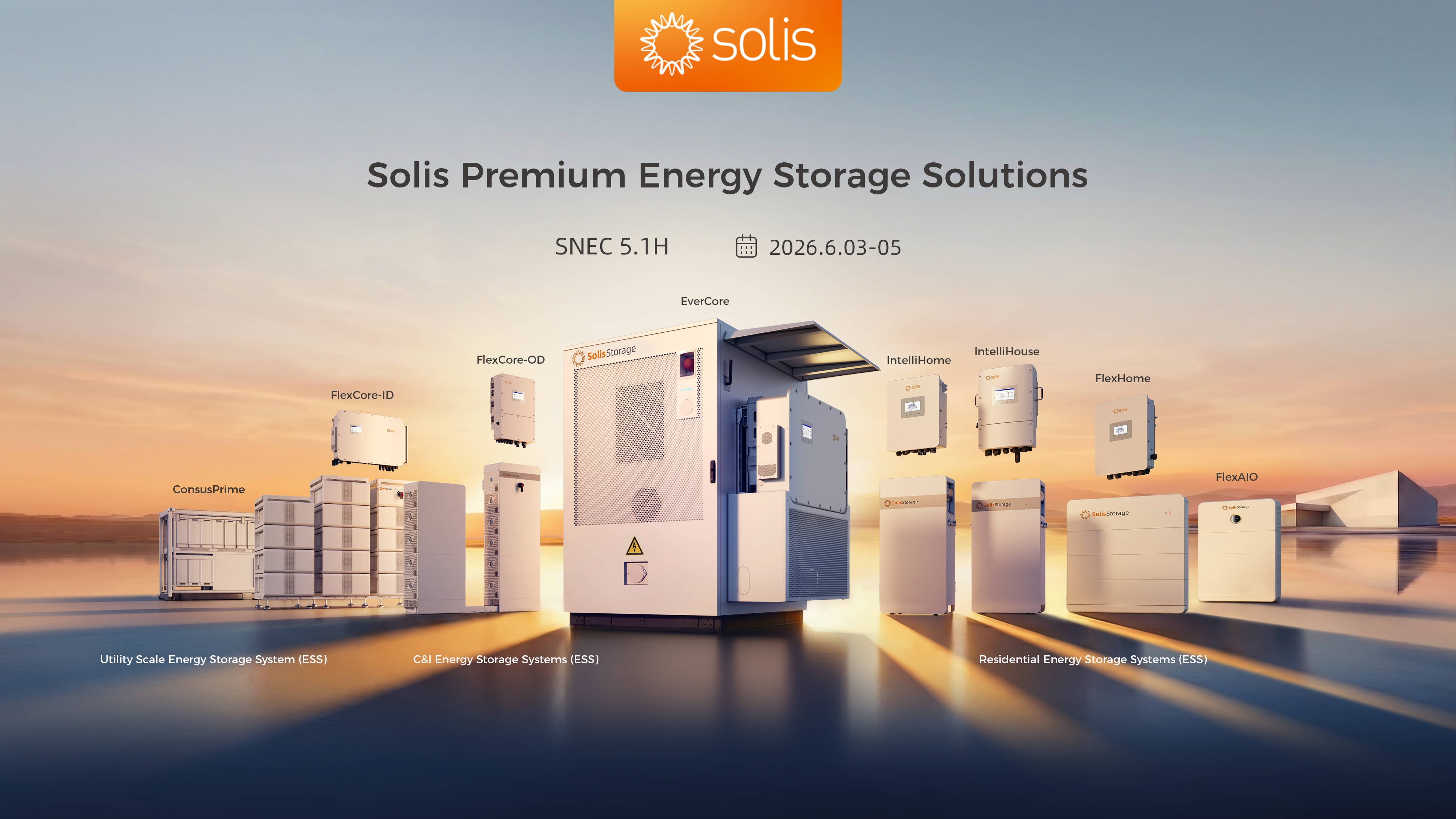
The SolisStorage portfolio maps onto the three scenarios this workflow most often serves. EverCore ESS addresses C&I peak shaving, backup, and VPP participation. FlexCore-ID addresses stackable configurations for small farms, shopping malls, hospitals, large residences, and small industrial and commercial enterprises. IntelliHome addresses residential household storage. The acceptance items differ across the three; the acceptance logic does not — set the standard first, then discuss the equipment.
Next step: download the Solis Global Brochure for the full product range, application mapping, and global service network, or contact the SolisStorage team directly to request a quotation or a single-unit sample for site validation.
Contact: sales@solisstorage.com · +86 574 65802188 · No.188 Jinkai Road, Binhai Industrial Park, Xiangshan, Ningbo, Zhejiang, China 315712
Download the Solis Global Brochure
Have Questions or Need More Details?
Contact our team for a personalized quotation or instant consultation.
Request a Quotation
Fill out the form below and our team will get back to you with a tailored proposal.
WhatsApp Direct Chat
Prefer to chat in real-time? Message us on WhatsApp for instant assistance & quick answers.
- Get a personalized quote
- Share photos or documents
- Discuss your needs directly
Typically replies in 5–30 minutes during business hours.