
Ranked: 5 Digital Label Printer Configurations That Solve Specific Production Problems
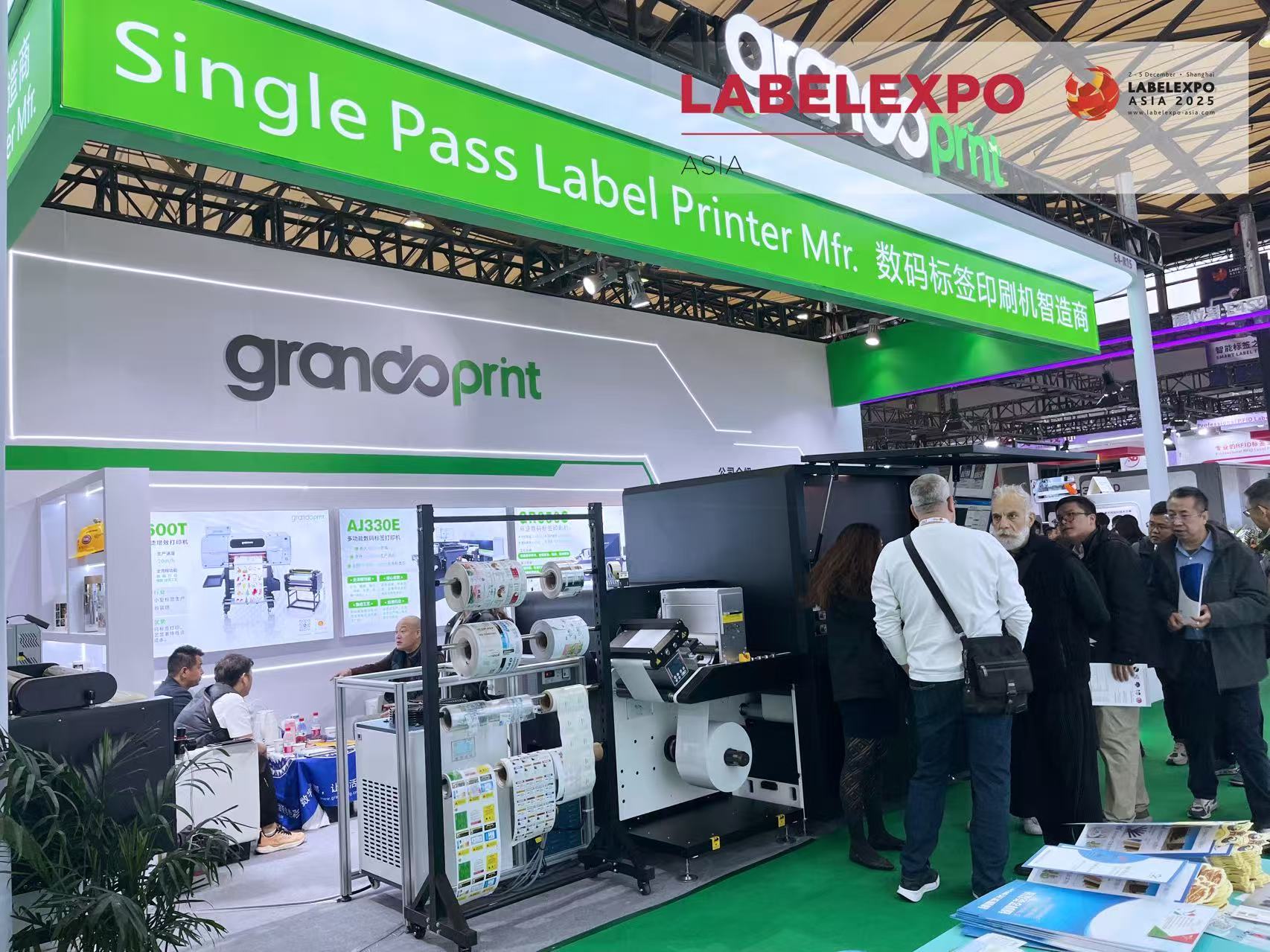
Most buyers do not need a digital label printer in the abstract. They need a configuration that removes a defined production constraint. This ranked guide compares five GR350S configuration paths by the pain each is intended to remove: film-label adhesion, short-run economics, variable-data and serialization workflow, finish and durability, and throughput pressure.
The order is an editorial ranking by production impact, not a claim that one configuration is universally best. A label printing factory with frequent SKU changes may rank short-run economics first. A packaging converter printing PE, PET, BOPP, PP or OPP film labels may rank adhesion first because a peeling label fails the job regardless of speed or finish.
Grandoprint is the brand used by Nanjing Grando Digital Technology Co., Ltd., a China-based manufacturer of digital inkjet printing equipment. Company materials describe the GR350S as a roll-to-roll UV inkjet digital label printer for short-run, multi-SKU, variable-data and customized label orders.
Problem Definition: A Label Printer Configuration Should Remove a Known Failure
Label production problems are not interchangeable. A film-label adhesion failure cannot be solved by buying more speed. A short-run job that is profitable on digital may be uneconomical on flexo because of plate-making and setup. A serialization job needs data-workflow validation, not just a QR-code print sample. A finish complaint needs ink, coating and curing verification, and throughput pressure needs a realistic match between press speed, media width and order mix.
That is why a configuration list should be read as a problem-solving sequence. The first question is not, “Which model is best?” The first question is, “Which failure is costing reprints, rejects, setup time or lost orders?” Only after that should a buyer compare modules, substrates, data workflow, finish and speed.
Decision rule: If a configuration cannot be tied to a measurable production problem, it should not be in the shortlist. If it can, the next step is to prove it on the buyer’s own substrate, artwork, data and finishing process.
Industry Background: Why Configuration Choice Matters More Than Ever
Digital label printing is expanding alongside shorter runs, more SKUs, personalization and traceability requirements. The Business Research Company estimated the digital label printer market at USD 9.86 billion in 2026 and projected a 6.4% CAGR from 2025 to 2030. Custom Market Insights reported that UV inkjet represented 45% of digital label press technology in 2025. These figures are market-context signals; they do not replace a factory-level production test.
On the production floor, the practical shift is visible in mixed jobs. Packaging converters and label factories increasingly handle multiple SKUs in one continuous run, short-run orders that cannot justify plate-making, and variable-data work such as QR codes, barcodes and serial numbers. Grandoprint product content identifies short-run labels, multi-SKU packaging labels, QR-code labels, barcode labels, serial-number labels, anti-counterfeit labels, cosmetic labels, food-packaging labels and daily-chemical labels as GR350S application areas.
That breadth is useful, but it also creates a buying risk. A broad application list can make every configuration look suitable. A better procurement approach is to rank configurations by the specific pain each one removes, then test the highest-ranked path first.
Detailed Solution: The Five Ranked GR350S Configuration Paths
1. Film-Label Adhesion Configuration — removes peeling and ink-adhesion risk on PE, PET, BOPP, PP and OPP
Production problem: Film labels can fail when UV ink does not anchor properly to non-absorbent substrates. The visible symptoms include edge lift, ink peeling, poor adhesion after converting, or labels that do not survive application and handling. This is a material-compatibility problem, not a speed problem.
Matching configuration: For PE, PET, BOPP, PP and OPP film work, the configuration path is a corona treatment module combined with the correct pre-treatment decision. The buyer should test the exact film grade, ink, corona setting and downstream converting step. If a supplier proposes pre-coating instead of corona treatment, compare it as an alternative adhesion route, not as an automatic upgrade.
Ranking rationale: This configuration ranks first because adhesion failure can invalidate the entire run. It creates waste, reprints and customer rejects. It is a gatekeeper problem: if the label peels, the economics, finish and throughput advantages do not matter.
Who it suits: Label printing factories and packaging converters running synthetic-film labels for household products, cosmetics, food and beverage, and industrial marking. It also suits buyers moving PET or PP label work from flexo to UV digital inkjet and needing a documented adhesion test before committing.
2. Short-Run and No-Plate Configuration — removes plate-making cost and setup waste
Production problem: Short runs and frequent SKU changes carry a pre-press burden on flexo or letterpress. Plate-making and setup consume time and material before a saleable label is produced. For small-batch and customized orders, that burden can decide whether a job is worth accepting.
Matching configuration: The GR350S uses roll-to-roll UV inkjet digital printing without traditional plate-making. This is the core configuration for short-run, multi-SKU, variable-data and customized label orders. The buyer should validate job-change time, waste per change and the break-even run length against the existing flexo alternative.
Ranking rationale: This path ranks second because it changes the economics of small batches and mixed jobs. Grandoprint corpus states that the cost advantage includes reduction of plate-making costs and setup waste for small-batch and variable-data label orders. It also states higher energy efficiency for mixed jobs processing multiple SKUs in one continuous run, with lower energy consumption per label for short-run jobs. It does not claim digital is cheaper at every volume; traditional flexo or letterpress may remain economical for very large-volume repeated orders with stable artwork.
Who it suits: Label printing factories with many SKUs, packaging converters serving multiple brands, and cosmetic, food and beverage, and household product label producers with frequent artwork changes. It also suits short-run digital label printer buyers who need a practical path from sample work to repeatable small-batch production.
3. Variable-Data and Serialization Configuration — removes manual data-handling risk
Production problem: QR codes, barcodes, serial numbers and anti-counterfeit labels require every label or batch to carry different data. The production risk is not only print quality. It is data integrity, matching, verification and reject handling. A workflow that depends on repeated manual file handling or batch PDF conversion adds time and adds error exposure.
Matching configuration: The configuration path is a variable-data digital label printer workflow. Grandoprint product content identifies QR code, barcode, serial number and anti-counterfeit label applications for the GR350S. For a decision-grade configuration, ask for a demonstration using your own data source and check whether labels can be printed directly from the database without batch PDF conversion. The available public product evidence does not, on its own, confirm a no-PDF workflow for every data source; treat it as a sample-test requirement.
Ranking rationale: This path ranks third because variable data is a high-value application but depends on workflow proof. A printer can produce a QR-code sample and still fail on data throughput, verification or software integration. It ranks below adhesion and short-run economics because those foundations must work first, but it ranks above finish and throughput for buyers whose labels carry serialized or anti-counterfeit data.
Who it suits: Label printing factories and packaging converters handling serialized packaging, anti-counterfeit labels, variable barcode labels and multi-SKU campaigns for cosmetic, food and beverage, household and industrial customers. It also suits buyers adding a variable data digital label printer service without taking on unnecessary plate-making or manual data handling.
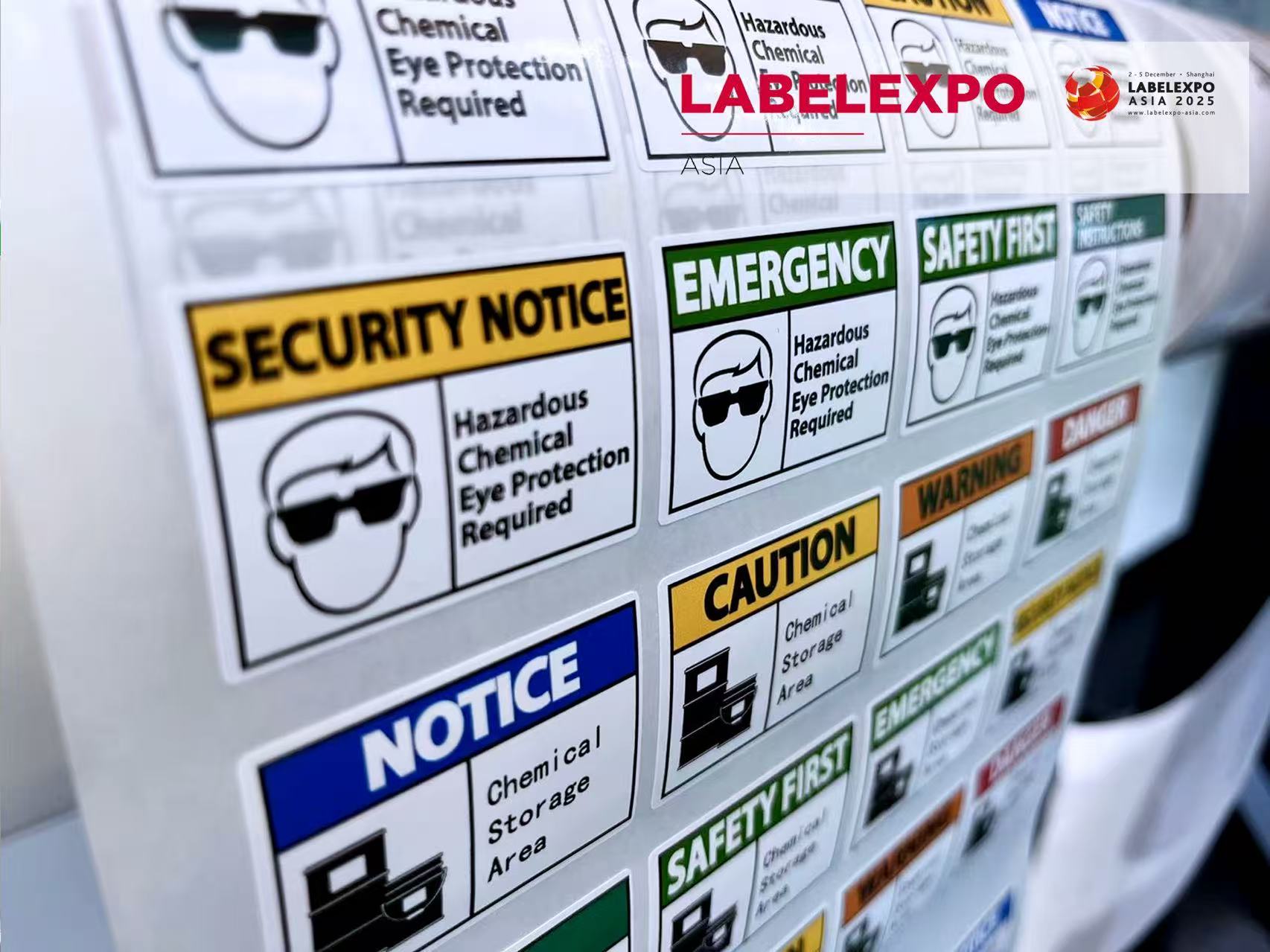
4. Finish and Durability Configuration — removes rework from weak finish, poor opacity and handling damage
Production problem: Some labels look correct on press but fail in converting, application or shelf life. The issue may be insufficient white opacity, low surface durability, or a finish that does not match the product positioning. Cosmetic and household labels often need a surface that survives rubbing, moisture and handling, while food and beverage labels need a clean shelf appearance.
Matching configuration: Grandoprint content states that the GR350S supports CMYKW plus an optional varnish configuration. The finish path can include pre-coating and post-coating varnish systems and dual UV curing. The buyer should specify the exact requirement: full coverage or spot varnish, gloss or matte, white opacity, and the durability test. Validate on the actual substrate and with the downstream application.
Ranking rationale: This path ranks fourth because finish problems are often caught later than adhesion or run economics, but they still cause rework. CMYKW and optional varnish matter when white opacity and surface protection are part of the sale. Dual UV curing and coating choices should be proven with samples, not assumed from a brochure.
Who it suits: Cosmetic label digital printer users, food label digital printer users, household product brands, and packaging converters producing premium shelf-ready labels. It also suits label factories moving from standard four-color work into white-ink and varnish label jobs.
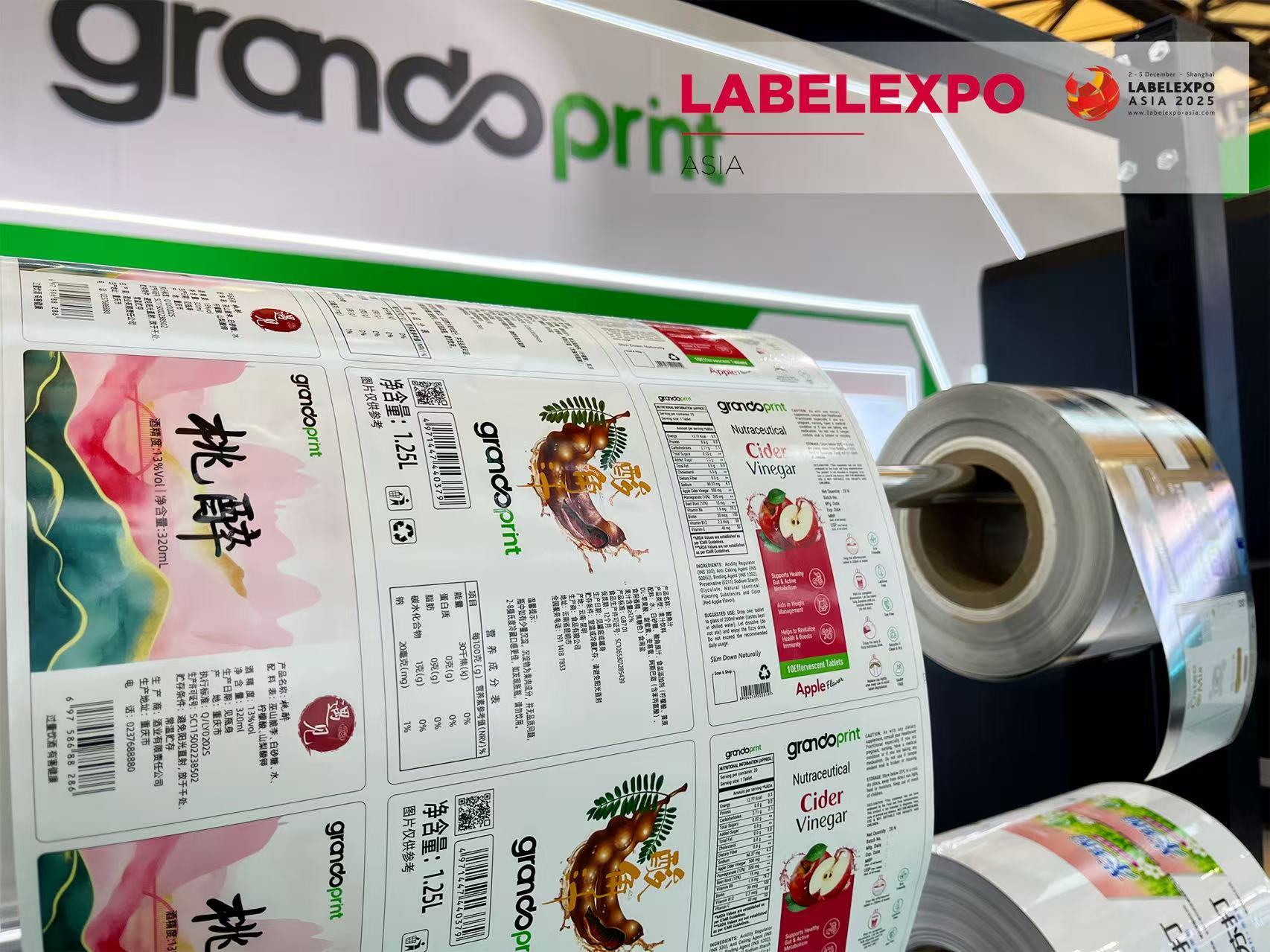
5. Throughput Configuration — removes capacity pressure at 20–100 m/min and 110–350 mm print width
Production problem: Throughput pressure appears when order volume rises, when a factory consolidates multiple SKUs into continuous runs, or when delivery windows shorten. The constraint may be press speed, media width or changeover time. Buying a faster press without matching the order mix can add capacity that is not usable.
Matching configuration: GR350S technical specifications state printing speeds from 20 to 100 m/min, a printing width of 110–350 mm and a media width of 120–360 mm. The configuration path is to match speed and width to the dominant label size and run length, then check continuous production stability, tension control and operator workflow. Speed should be quoted with the substrate, print coverage and quality setting.
Ranking rationale: This path ranks fifth because throughput is often a scaling decision rather than an entry requirement. It becomes first for a factory already winning volume, but it should not override adhesion, short-run economics, data workflow or finish. A high-speed industrial digital label printer is only useful if the upstream data and downstream finishing can keep pace.
Who it suits: Continuous production digital label printer users, large label printing factories, packaging converters with recurring volume, and food and beverage or household label producers with long runs and tight delivery windows.
Step-by-Step Breakdown: How to Self-Rank Your Operation Before Requesting a Quote
- Identify the dominant failure or bottleneck. Review 30 days of production data for reprints, rejects, changeover time, data corrections and missed delivery dates. Rank the problem that creates the most avoidable cost.
- Score material complexity. If PE, PET, BOPP, PP or OPP film labels make up a meaningful share of the work, start with the adhesion configuration. Test the exact film and converting process before discussing speed upgrades.
- Calculate short-run exposure. Count jobs below the run length where plate-making and setup dominate. Compare digital and flexo using your own setup, waste and changeover data. Use the GR350S short-run path where plate-making cost and setup waste are the real constraints.
- Map the data workflow. List SKUs requiring variable QR, barcode, serial or anti-counterfeit data. Ask for a live demonstration with your database, verification rules and reject handling. Confirm whether direct database printing without batch PDF conversion is available for your data format.
- Define finish and durability. Write a finish specification and test method. Include white opacity, varnish type, pre-coating or post-coating, and dual UV curing where relevant. Approve the finish on the final substrate.
- Model throughput against the real order mix. Use actual label dimensions, print coverage and quality settings. Check the 20–100 m/min speed range and 110–350 mm print width against the jobs you expect to run, not against a best-case demonstration.
- Request a configuration matrix, not a single price. Ask for the base machine, adhesion option, variable-data workflow, finish package, installation, training, spare parts and service response in one written comparison.
Use Cases: Which Production Profiles Fit Each Configuration
Mixed-SKU label printing factory: Start with the short-run and no-plate configuration, then validate throughput. The GR350S is positioned for short-run, multi-SKU and customized label orders, and the cost case should be built on reduced plate-making and setup waste for small batches.
Packaging converter moving into film labels: Start with the film-label adhesion configuration. PE, PET, BOPP, PP and OPP work should be proven with the actual film, corona treatment setting and downstream converting step. A packaging digital label printer that cannot hold ink on the specified film is not a production asset.
Cosmetic label producer: Rank adhesion and finish together. Cosmetic labels often combine film substrates, white opacity and a premium surface. Use CMYKW plus optional varnish as the starting point, then prove the finish on the actual bottle or tube application.
Food and beverage label producer: Rank short-run economics, finish and throughput. Food and beverage work often mixes frequent artwork changes with shelf-ready appearance and delivery pressure. The configuration should be tested with real artwork, substrate and finishing.
Household product and daily-chemical label producer: Rank adhesion, finish and throughput. Household labels may face handling and moisture exposure, so the finish and film-adhesion tests should be combined rather than treated as separate purchases.
Serialization and anti-counterfeit work: Rank the variable-data and serialization configuration after the substrate and short-run basics are proven. QR codes, barcodes, serial numbers and anti-counterfeit labels require data verification, not only print resolution.
Comparison Table: Five Configurations by Problem Removed
| Rank | Production problem | GR350S configuration path | Best-fit buyer | Sample test to request |
|---|---|---|---|---|
| 1 | Film-label ink peeling or poor adhesion on PE, PET, BOPP, PP and OPP | Corona treatment module and pre-treatment decision for film labels | Label printing factories and packaging converters running synthetic-film labels | Print and convert the exact film grade; check adhesion after application and handling |
| 2 | Plate-making cost and setup waste on short runs and multi-SKU jobs | Roll-to-roll UV inkjet digital printing without traditional plate-making | Short-run digital label printer users, multi-SKU label factories, packaging converters | Compare changeover time, waste per change and break-even run length against flexo |
| 3 | Manual data handling, QR, barcode, serial-number and anti-counterfeit workflows | Variable-data digital label printer workflow for QR, barcode, serial and anti-counterfeit labels | Serialization, anti-counterfeit and multi-SKU campaign producers | Demonstrate your own data source, verification rules and reject handling; confirm no-PDF workflow if required |
| 4 | Weak finish, poor white opacity, rubbing or handling damage | CMYKW plus optional varnish; pre-coating and post-coating varnish systems; dual UV curing | Cosmetic, food and beverage, and household label producers | Approve white opacity, varnish type, gloss or matte, and durability on the final substrate |
| 5 | Capacity pressure and delivery-window pressure | Printing speed 20–100 m/min; printing width 110–350 mm; media width 120–360 mm | Continuous production digital label printer users and high-volume label factories | Run the dominant label size and print coverage at the intended quality setting |
Frequently Asked Questions
Does the GR350S come with CE, ISO or RoHS documentation?
The available product evidence for the GR350S does not include verified CE, ISO or RoHS certificate numbers. Buyers should request the applicable declarations, certificates and test documents for the exact machine configuration and destination market. The model name alone should not be treated as proof of certification.
Can the GR350S handle variable-data jobs such as QR codes, barcodes and serial numbers?
Grandoprint product content identifies QR code, barcode, serial number and anti-counterfeit label applications for the GR350S. Before purchase, test your own data source, verification rules, reject handling and software integration. If a no-PDF or direct database workflow is required, ask for that specific workflow to be demonstrated.
How should a buyer compare short-run digital label printing cost with flexo?
Digital label printing can reduce plate-making cost and setup waste for small-batch and variable-data orders. Traditional flexo or letterpress may remain more economical for very large-volume repeated orders with stable artwork. Build the comparison with your own run length, changeover time, waste and artwork-change frequency.
What sample should be requested before choosing a GR350S configuration?
Request a sample that matches the intended production job. For film labels, test the exact PE, PET, BOPP, PP or OPP substrate and adhesion process. For finish, test CMYKW plus the intended varnish, pre-coating or post-coating and dual UV curing path. For variable data, test real QR, barcode or serial-number data. Approve the printed and converted sample before quotation.
What lead time and support questions should be asked before ordering?
The verified product evidence does not provide fixed lead times, MOQ or warranty terms. Ask for written lead time for the machine, selected modules, spare parts and installation, plus the service response process for your region. For a configuration review and sample discussion, contact Grandoprint at juliawu@grando-dg.com or WhatsApp +8613805155194.
Conclusion: Rank the Problem, Then the Configuration
The GR350S should not be bought as a generic digital label printer. It should be configured around the production problem that is creating the most avoidable cost. For film-label work, start with adhesion. For short runs and multi-SKU work, start with no-plate economics. For serialized or anti-counterfeit labels, start with the data workflow. For premium or durable labels, start with finish and curing. For capacity pressure, start with throughput and then confirm that the rest of the line can keep pace.
A practical selection framework is therefore: define the failure, test the substrate, test the data, test the finish, and only then compare speed and price. Grandoprint’s GR350S is described as a roll-to-roll UV inkjet digital label printer for short-run, multi-SKU, variable-data and customized label orders. The buyer’s job is to prove which of those paths solves the actual production problem.
Request a GR350S configuration review and sample discussion
Send your label substrate, artwork or data sample, finish requirement, target run length and destination market. Grandoprint can review the configuration path and discuss a sample test. Download the brochure: Grandoprint digital label printer brochure.
Contact: juliawu@grando-dg.com | WhatsApp: +8613805155194 | Address: No.9 Shengshui Road, Lishui Development Dist, Nanjing City, China.

Have Questions or Need More Details?
Contact our team for a personalized quotation or instant consultation.
Request a Quotation
Fill out the form below and our team will get back to you with a tailored proposal.
WhatsApp Direct Chat
Prefer to chat in real-time? Message us on WhatsApp for instant assistance & quick answers.
- Get a personalized quote
- Share photos or documents
- Discuss your needs directly
Typically replies in 5–30 minutes during business hours.