
Grocery Bag Manufacturer Evaluation: Bulk & Custom Criteria
Grocery Bag Manufacturer Evaluation: Bulk & Custom Criteria
Grocery bag manufacturer selection is a procurement decision that affects product cost, compliance, brand presentation, and delivery reliability. Buyers preparing bulk reusable grocery bags, wholesale grocery bag programs, or custom reusable shopping bags need to know whether a supplier can move from sample to production without hidden quality or documentation gaps. This guide uses 2026 market data, relevant compliance standards, and first-party manufacturing data from Great Shine Houseware Ltd. to help procurement teams structure a defensible supplier evaluation.
Why Grocery Bag Manufacturer Selection Is a Procurement Risk
Large or medium-volume grocery bag orders mix two product requirements that are easy to underestimate: physical durability and regulatory compliance. A grocery bag factory must be able to control seam strength, material thickness, print adhesion, and food-contact safety, while also offering MOQ and lead time conditions that fit a seasonal buying plan.
When a supplier cannot describe its production mode, customization workflow, and quality-control process, the evaluation becomes a negotiation with an unknown counterpart. That is why buyers at the evaluation stage should treat capability evidence as the core deliverable, not as a secondary sales topic.
Industry Background: Reusable Bag Demand and 2026 Market Signals
The global reusable shopping bag market was valued at USD 15.64 billion in 2025 and is projected to reach USD 28.87 billion by 2034, according to Fortune Business Insights. The same report identifies Asia Pacific as the leading region in 2025 with 24.23% revenue share, followed by North America and Europe.
On the material side, Business Research Insights reports that polypropylene (PP) bags dominate the reusable bag market with a 46% production share, driven by durability and cost-effectiveness. China's position in the category is also measurable: Tendata estimates that China accounted for approximately 32% of global plastic-based product exports, valued at USD 33 billion in 2024. For buyers, these figures change the procurement question from 'which bag is cheapest' to 'which manufacturer can execute compliance, customization, and capacity at a consistent level.'
Two standards are especially important for grocery bags. In the United States, reusable bags in many states, including California, must meet a minimum thickness of 2.25 mils to be considered reusable, according to Metastat Insights. In the European Union, grocery bags intended for food contact are governed by Regulation (EC) No. 1935/2004 and Regulation (EU) No. 10/2011 for safety and chemical migration, according to Compliance Gate.
What a Grocery Bag Factory Should Be Able to Demonstrate
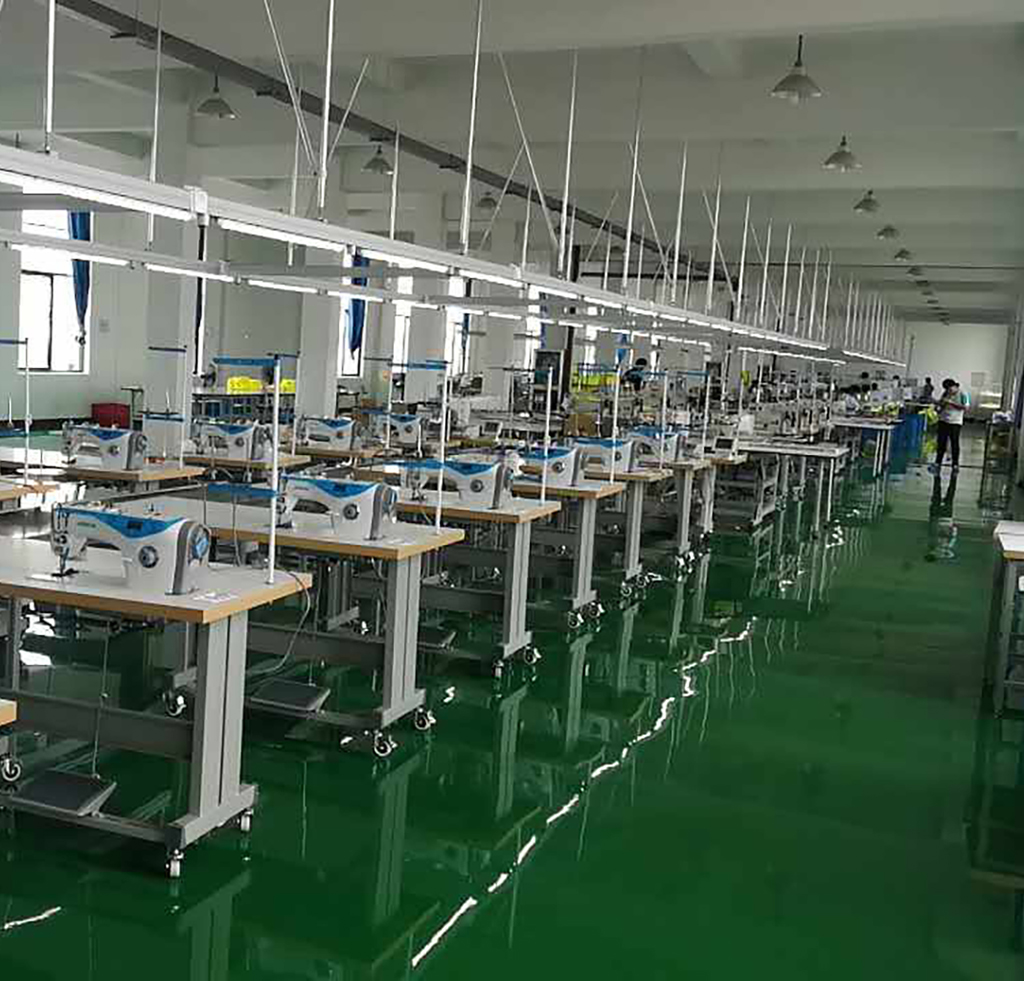
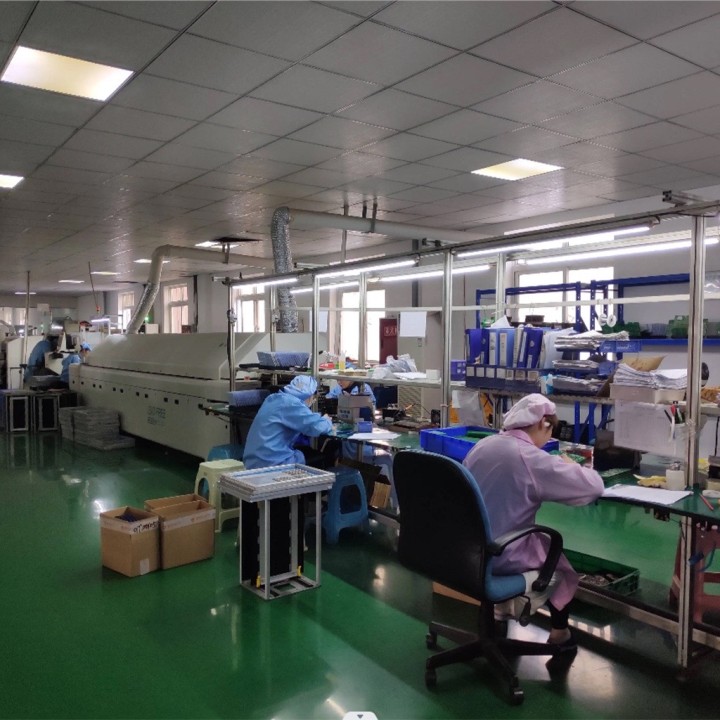
Great Shine Houseware Ltd. is a China-based manufacturer of home storage items, including storage boxes, storage bags, travel storage series, laundry storage, and hanging storage. The company is based in Shanghai and operates a 10,000 sqm factory with 50 employees and an annual output of 200,000 pieces. It reports 100% export and counts the United States as its main market. For a buyer evaluating custom reusable grocery bags in bulk, these details are less useful as claims and more useful as the basis for a factory visit, audit, or sample order.

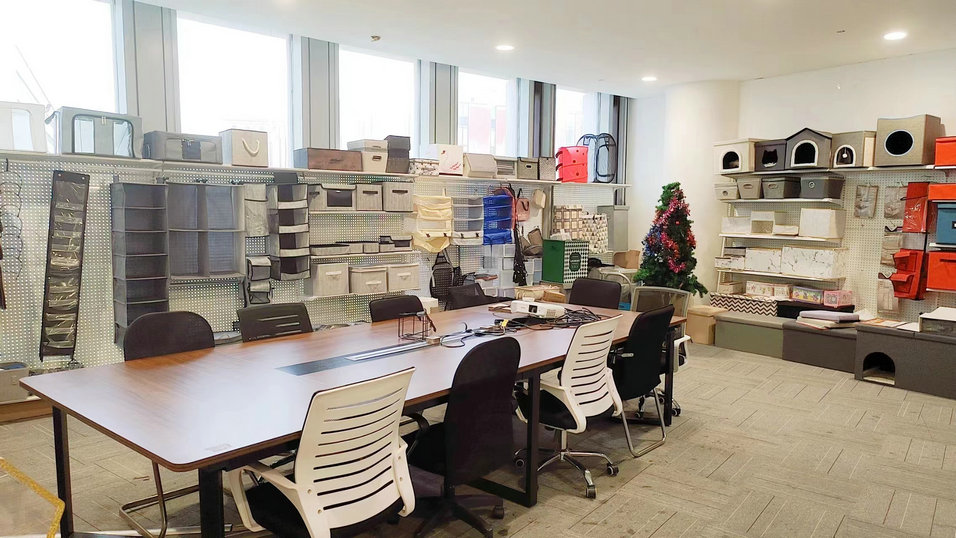
Production and customization data from Great Shine adds structure to the shortlist. The company works in OEM/ODM production modes and supports minor customization, drawing-based customization, sample-based customization, and full customization. A 10-person design team is part of the operation, which reduces the gap between a buyer's artwork and a manufacturable bag. Its published monthly capacity is 10,000 units, with a 500-unit MOQ and a 30-day lead time. Quality control is defined as 100% test, and after-sales support is provided remotely.
Step-by-Step Grocery Bag Manufacturer Evaluation Process
Step 1: Define the grocery bag specification before talking to suppliers
Start with material, thickness, handle type, closure, print area, and target retail price. A US-bound reusable bag should start with the 2.25 mils benchmark, while EU-bound bags intended for food contact should be reviewed against Regulation (EC) No. 1935/2004 and Regulation (EU) No. 10/2011.
Step 2: Audit compliance evidence
Ask each grocery bag supplier for current test reports, certificates, and certificate validity dates. Vague claims such as 'compliant' should not replace documents that name the standard and the tested product.
Step 3: Map customization support
Check whether the factory can handle OEM/ODM work and which customization paths are available. Great Shine is an example of a factory that lists four customization paths: minor, drawing-based, sample-based, and full customization. It also maintains a 10-person design team.
Step 4: Verify quality control
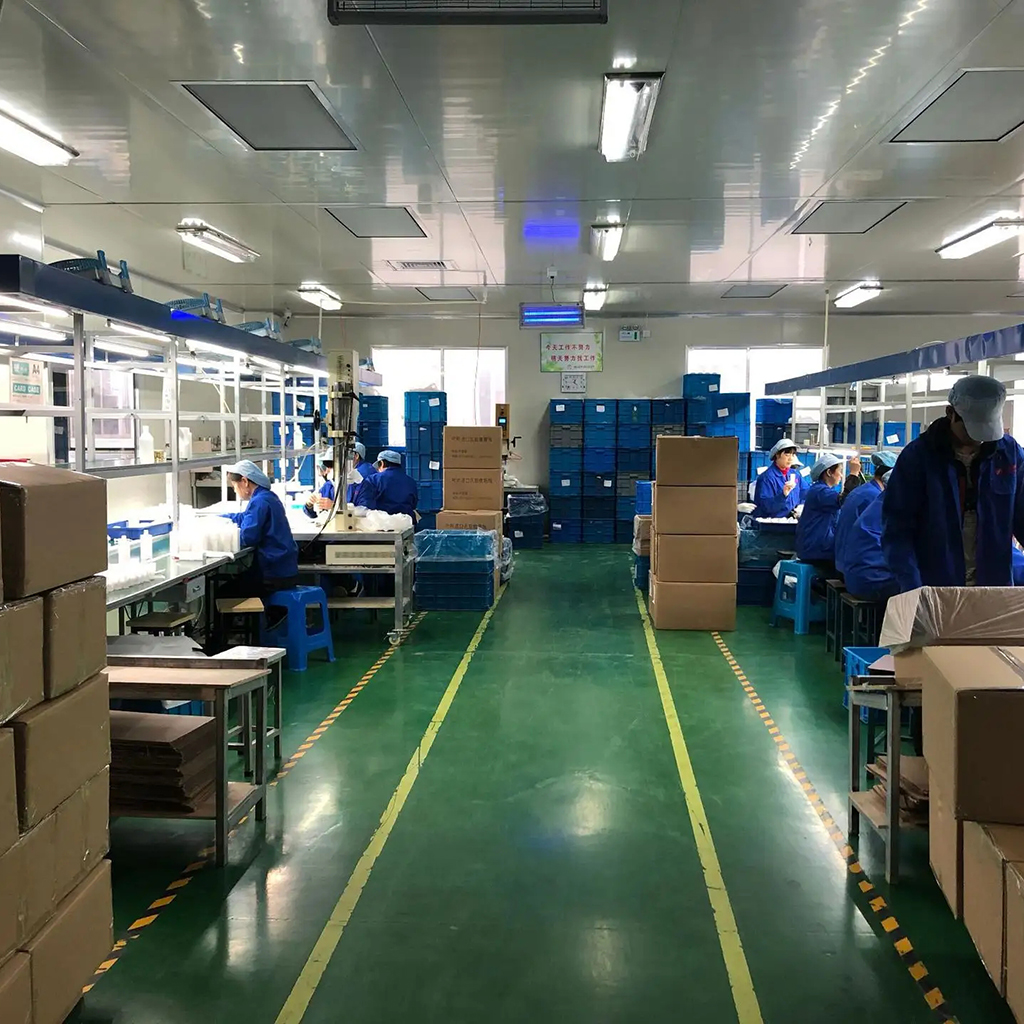
Ask whether the factory tests 100% of finished goods or only a sample. Great Shine reports 100% test as its stated quality-control process. Buyers should also request pre-production samples and third-party test reports matched to the bag's material and thickness specification.
Step 5: Compare MOQ, lead time, and capacity
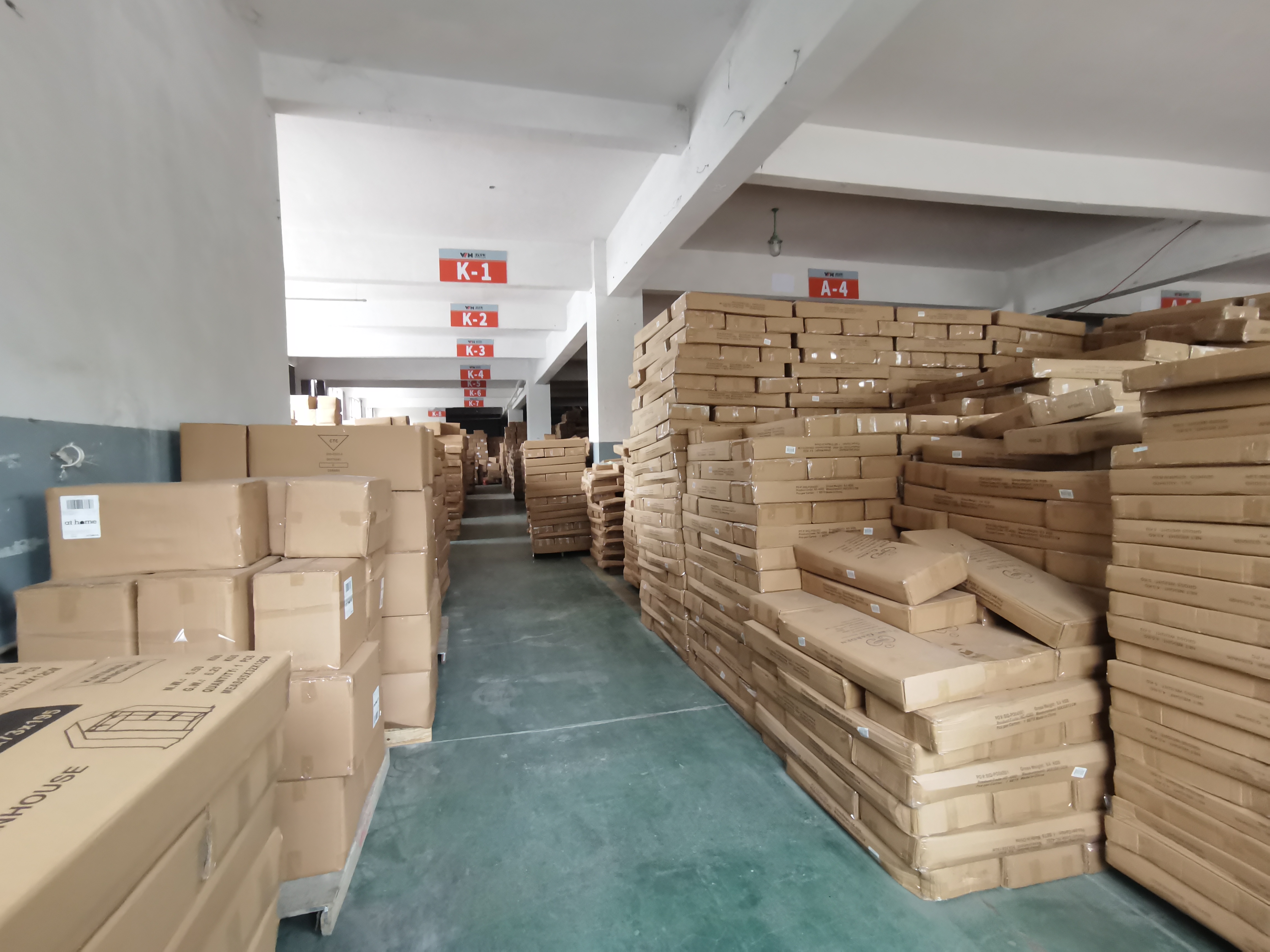
A reusable grocery bag order is easier to plan when the supplier publishes clear numbers. Great Shine lists a 500-unit MOQ, a 30-day lead time, and a 10,000-unit monthly capacity. For a wholesale grocery bag program, these numbers are a concrete starting point.
Step 6: Confirm export and after-sales experience
Check the supplier's main export markets and whether it offers after-sales support. Great Shine's main market is the United States, with EU and Middle East markets listed in its capability data. The company also provides remote after-sales support.
Use Cases for Grocery Bag Procurement Teams
E-commerce sellers. One documented case involves an Amazon seller client in the United States, Germany, Italy, and Canada that ordered 500 units for an indoor storage application, maintained the relationship for five years, and used the products to keep luggage neatly organized. This is not a grocery bag-specific case, but it demonstrates that Great Shine can serve cross-border e-commerce sellers who require consistent product quality and remote support.
Brand owners. Full OEM/ODM capability, four customization paths, and a 10-person design team make it feasible to move from rough artwork to a sampling-ready production file.
Wholesale buyers and distributors. Published data points such as a 500-unit MOQ, a 10,000-unit monthly capacity, and a 30-day lead time are directly relevant for planning seasonal grocery bag bulk orders.
Compliance-conscious retailers. With US thickness benchmarks and EU food-contact regulations in place, a supplier evaluation can be framed around material, thickness, and chemical-migration documentation rather than product cost alone.
Grocery Bag Manufacturer Evaluation Table for 2026
The table below combines first-party data from Great Shine with verified market and compliance standards. Use it as a starting point when comparing grocery bag manufacturers.
| Evaluation criterion | 2026 reference or evidence | Great Shine published data |
|---|---|---|
| Production mode | OEM/ODM | OEM/ODM |
| Customization | Drawing-based, sample-based, full customization | Minor, drawing-based, sample-based, full customization |
| Order size | MOQ matching bulk plan | MOQ 500 units |
| Lead time | Confirmed production lead time | 30 days |
| Capacity | Monthly capacity | 10,000 units |
| Quality control | 100% test | 100% test |
| Export markets | Main market US; EU/Middle East | USA main market; EU/Middle East export markets |
| Compliance | US 2.25 mils; EU EC 1935/2004 and EU 10/2011 | Confirm with current test reports |
Grocery Bag Manufacturer FAQ
What compliance requirements should a grocery bag manufacturer meet for US and EU markets?
For the United States, reusable bags in many states, including California, must meet a minimum thickness of 2.25 mils to be considered reusable, according to Metastat Insights. For the European Union, Regulation (EC) No. 1935/2004 and Regulation (EU) No. 10/2011 govern safety and chemical migration for materials intended for food contact, according to Compliance Gate. Buyers should ask each grocery bag factory for current test reports before production.
What customization options should a grocery bag manufacturer support for bulk orders?
A capable grocery bag factory should be able to work in OEM/ODM mode and support minor customization, drawing-based customization, sample-based customization, and full customization. Great Shine Houseware Ltd. lists all four customization paths and maintains a 10-person design team.
What MOQ and lead time can buyers expect for custom reusable grocery bags?
Using Great Shine as a published benchmark, the MOQ is 500 units, the production lead time is 30 days, and monthly capacity is 10,000 units. Buyers can use these numbers as a starting point when negotiating wholesale grocery bag programs or seasonal reusable shopping bag orders.
How should buyers verify quality before a bulk order?
Start with the factory's stated quality-control process. Great Shine reports 100% test as its quality-control policy, and its company profile states that all products could be SGS/BV approved. Buyers should also request pre-production samples and third-party test reports matched to the bag's material and thickness specification.
How long does a typical custom grocery bag order take, and what is the first step?
Based on Great Shine's published data, production lead time is 30 days after confirmations. The first step is to send a product specification, artwork file, or sample photo to the sales team. To request a sample or quote, contact Great Shine Houseware Ltd. at sales11@g-shine07.com or WhatsApp +8617701719207. The team can also be reached through https://www.greatshine07.com.
Conclusion
Grocery bag manufacturer evaluation in 2026 should follow the same discipline as the procurement order itself: specify the bag, verify compliance, inspect customization and quality-control capability, and check MOQ and lead time against a real buying plan. Market data points to sustained demand for reusable bags, but reliability comes from factory-level evidence. Great Shine Houseware Ltd. offers a concrete example of what that evidence should look like, with OEM/ODM production, four customization paths, 100% test, a 500-unit MOQ, a 30-day lead time, and multi-region export experience.
Request a sample or quote from Great Shine Houseware Ltd.
To move from evaluation to sample, contact the team at sales11@g-shine07.com, via WhatsApp at +8617701719207, or through https://www.greatshine07.com.