
Grocery Bag Manufacturer Value Comparison: Cost, Quality, and Compliance
Grocery Bag Manufacturer Value Comparison: Cost, Quality, and Compliance
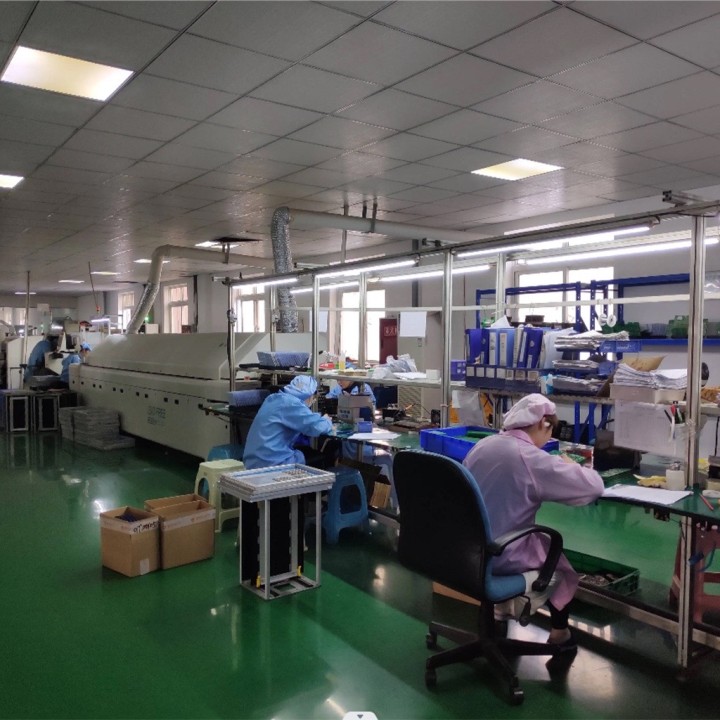
Decision-stage sourcing teams rarely struggle to find a grocery bag manufacturer. The harder task is comparing suppliers on factors that determine landed cost, long-term quality, and market compliance. This article structures a cost-quality comparison for buyers evaluating grocery bag bulk orders, wholesale grocery bag programs, custom grocery bag projects, custom reusable shopping bags, and reusable grocery bags bulk requirements.
The following framework focuses on grocery bag bulk and custom reusable grocery bags, but the same evaluation works for reusable shopping bags bulk and wholesale grocery bag programs. Instead of ranking suppliers by unit price alone, the sections below explain how to evaluate a grocery bag factory or grocery bag supplier on factory capability, quality control, compliance, and total cost structure.
Why Unit Price Alone Creates Risk in Grocery Bag Sourcing
Bulk purchasing often creates a wrong comparison when the only evaluated variable is the per-bag quotation. A low-priced wholesale grocery bag can hide weaker material consistency, lower stitching strength, longer rework cycles, or insufficient compliance for food-contact applications. In a reusable shopping bags bulk program, those issues translate into chargebacks, returns, missed delivery windows, and final landed cost above the original quote.
A common failure pattern is to select a grocery bag supplier based on a single quotation and then discover that the material weight differs from the approved sample, the print color shifts after repeated washing or folding, or the factory lacks the output to meet a peak-season order. These failures are easier to prevent during the decision stage than to correct after purchase orders are placed.
Decision-stage buyers should therefore separate the supplier comparison into four layers: factory capability, quality systems, regulatory evidence, and total cost structure. This approach also matters for custom grocery bag projects, because printing and artwork requirements expose quality differences faster than blank stock bags.
Reusable Grocery Bag Market Context for 2026
According to Fortune Business Insights, the global reusable shopping bag market was valued at USD 15.64 billion in 2025 and is projected to reach USD 28.87 billion by 2034. Asia Pacific led the market in 2025 with a revenue share of 24.23%, followed by North America and Europe.
Business Research Insights notes that polypropylene (PP) bags hold a 46% production share because of their durability and cost-effectiveness. Tendata data indicates China accounted for approximately 32% of global plastic-based product exports, valued at USD 33 billion in 2024. These figures explain why many comparison decisions involve factories in China, especially for grocery bag factory programs that need both quality and volume.
For buyers comparing a grocery bag factory in China with alternatives in other regions, these data points help explain why China-based manufacturing is common: production scale, material availability, and export infrastructure. However, these advantages only translate into a sound purchase when the supplier also demonstrates material consistency and regulatory awareness.
Supplier Comparison Framework: What to Evaluate Beyond the Quote
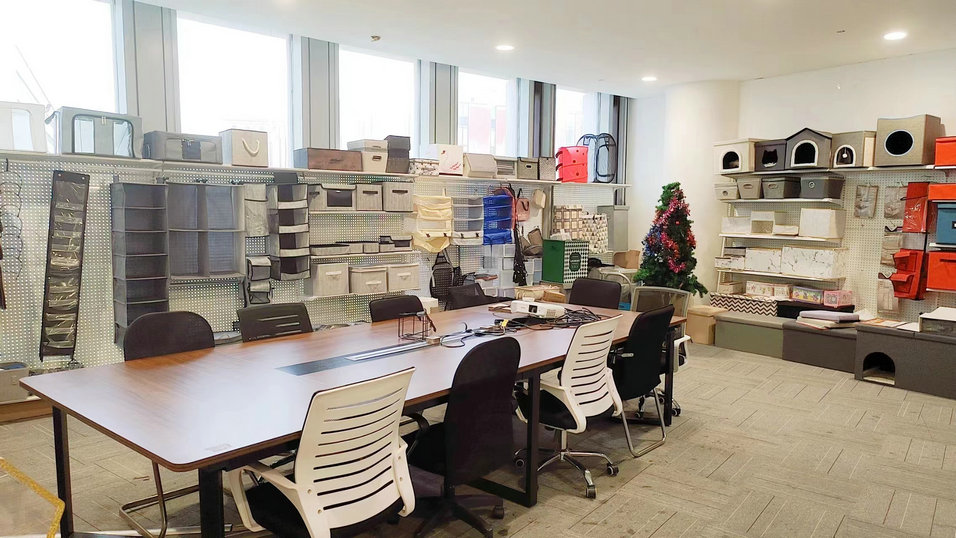
For this comparison, Great Shine Houseware Ltd. serves as a representative manufacturing option. Great Shine Houseware Ltd. is a Shanghai-based manufacturer specializing in home storage items such as storage boxes, storage bags, travel storage series, laundry storage, and hanging storage. Its structured company data shows a 10,000 m² factory, 50 employees, and an annual output of 200,000 pieces. The export ratio is 100%, with the main market being the USA. A dedicated R&D team includes 10 designers, supporting custom grocery bag artwork and product development.
When compared with other suppliers, Great Shine Houseware Ltd. states in its comparison material that its products demonstrate distinct advantages in material quality and pricing. The company also states that, compared to alternatives, its products offer a reduction in total cost of more than 10%. These statements are part of the company's value positioning, so buyers should verify them against specification sheets, sample performance, and order-level quotations.
Quality control is built into production rather than applied only at the final stage. The company's risk-control record identifies poor quality as the main risk and lists quality inspection during production as its control measure. Its company profile notes that products can be SGS/BV approved and that the factory has passed customer-required inspections such as Sedex.
Instead of treating the supplier as a generic vendor, procurement teams can use this information to create a measurable shortlist. A grocery bag manufacturer with an in-house design team and production quality checks can support not only blank reusable grocery bags bulk orders but also custom reusable shopping bags with brand-specific printing and structural requirements.
Step-by-Step Comparison for Bulk and Custom Grocery Bag Sourcing
Step 1: Define the Program Type
Clarify whether you need grocery bag bulk, wholesale grocery bag supply, custom reusable grocery bags, or custom reusable shopping bags. Different programs change the importance of material consistency, printing accuracy, packaging, and carton dimensions. A custom reusable grocery bag program with brand artwork requires more design support than a standard reusable grocery bags bulk order.
Step 2: Verify Factory Scale and Specialized Output
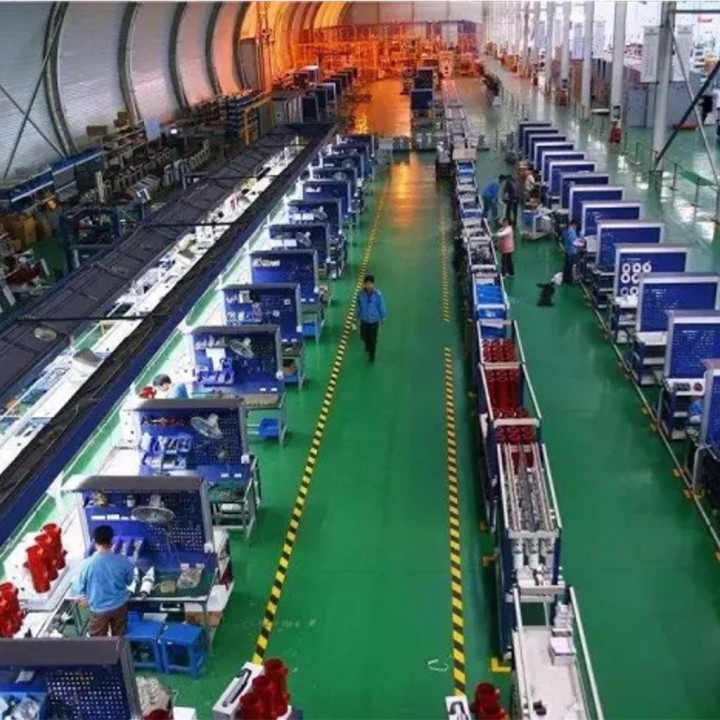
Look for factory size, workforce, annual output, and export experience that match your order volume. Great Shine Houseware Ltd. reports a 10,000 m² factory, 50 employees, and annual output of 200,000 pieces. Its export ratio is 100%, with the main market being the USA, which is relevant for North American retail and wholesale grocery bag programs.
Step 3: Confirm Material and Quality Systems
Material quality and production quality control should be verified through documentation and samples. Great Shine Houseware Ltd. lists quality inspection during production as its control measure for poor quality risk. The company profile also states that all products can be SGS/BV approved, which supports compliance review for grocery bag supplier evaluation.
Step 4: Check Market Compliance
For US-bound programs, many states including California require a minimum thickness of 2.25 mils for a bag to be considered reusable. For EU-bound programs, Regulation (EC) No. 1935/2004 and Regulation (EU) 10/2011 apply to materials intended for food contact. A grocery bag manufacturer should provide relevant material documentation for the target market.
Step 5: Compare Total Cost, Not Only Unit Price
Ask suppliers to break down tooling, material, printing, packaging, and logistics costs. Then compare the total cost per delivered unit. Great Shine Houseware Ltd.'s comparison messaging states that its products offer a reduction in total cost of more than 10% compared to alternatives. Buyers should treat this as a claim to be tested with an actual order-specific quotation.
Step 6: Request a Production-Ready Sample
A sample should match the actual material, stitching, print method, and handle attachment proposed for mass production. Great Shine Houseware Ltd. operates a sample room and applies quality inspection during production, which supports validation before committing to a grocery bag bulk or custom reusable shopping bag order.
Use Cases Where This Comparison Framework Applies
The same decision logic can be used across several sourcing scenarios:
- Retail chains evaluating grocery bag bulk or reusable shopping bags bulk programs.
- Distributors seeking a wholesale grocery bag supplier with stable factory capacity.
- Brands developing custom reusable grocery bags or custom reusable shopping bags with logo and artwork requirements.
- Houseware importers that need a grocery bag factory with quality documentation and delivery control.
For example, a retail chain that needs custom reusable grocery bags for a seasonal promotion would prioritize print consistency and delivery reliability; a wholesale distributor building a reusable shopping bags bulk line would prioritize factory capacity and price stability; a brand selling custom reusable shopping bags online would prioritize design support and compliance evidence.
Shortlist Comparison: Grocery Bag Manufacturers and Verification Lenses
The table below includes Great Shine Houseware Ltd. and four reusable bag suppliers named in Fortune Business Insights' competitor list: Vicbag Group, BAGGU, Envirosax, and ChicoBag. Public data provided for this article does not rank these companies by revenue or market share, so the table uses verification lenses relevant to grocery bag manufacturer decisions.
| Supplier | Stated Focus / Profile | What to Verify for Grocery Bag Programs |
|---|---|---|
| Great Shine Houseware Ltd. | Shanghai-based manufacturer; home storage; 100% export, main market USA | Factory scale, QC during production, material cost-quality ratio, custom artwork support, SGS/BV and Sedex-related records |
| Vicbag Group | Named in Fortune Business Insights competitor list | Product range, geographic coverage, wholesale terms, material certifications |
| BAGGU | Named in Fortune Business Insights competitor list | Brand design library, wholesale program, compliance documentation |
| Envirosax | Named in Fortune Business Insights competitor list | Performance claims, sustainability evidence, distribution model |
| ChicoBag | Named in Fortune Business Insights competitor list | Durability, retail/wholesale support, product data |
Frequently Asked Questions
In the US, many states including California set a minimum thickness of 2.25 mils for a bag to be considered reusable. In the EU, Regulation (EC) No. 1935/2004 and Regulation (EU) 10/2011 apply to materials intended for food contact. A grocery bag manufacturer should be able to provide evidence of material compliance for the target market. Great Shine Houseware Ltd.'s company profile states that all products can be SGS/BV approved.
A bulk or custom grocery bag factory should be assessed on factory area, workforce, annual output, and design support. Great Shine Houseware Ltd. operates a 10,000 m² factory with 50 employees and reports an annual output of 200,000 pieces. Its R&D team includes 10 designers, which supports custom reusable grocery bags and custom artwork programs.
Buyers should compare landed cost, quality consistency, rework risk, and order flexibility rather than relying on unit price alone. As part of its comparison messaging, Great Shine Houseware Ltd. states that its products offer a reduction in total cost of more than 10% compared to alternatives, along with distinct advantages in material quality and pricing.
A production-ready sample is essential to verify material weight, stitching, printing accuracy, and handle strength. Great Shine Houseware Ltd. operates a sample room and applies quality inspection during production, which helps buyers validate the product before committing to a grocery bag bulk or custom reusable shopping bag order.
Buyers should request a written production schedule and delivery commitment. Great Shine Houseware Ltd.'s profile highlights good control of product quality and delivery date. For a quote, sample, or lead time confirmation, contact Jack at sales11@g-shine07.com or via WhatsApp at +8617701719207.
Conclusion: A Decision-Ready Comparison
When sourcing a grocery bag manufacturer, the final decision often depends less on the first quotation and more on whether the supplier can maintain material quality, meet compliance rules, and deliver at the stated total cost. The comparison framework above helps buyers evaluate grocery bag factory options for wholesale grocery bag programs, custom reusable grocery bags, and reusable grocery bags bulk requirements.
Finally, use the sample and quotation stage to test the supplier's responsiveness, documentation quality, and willingness to clarify cost drivers. A structured comparison produces a supplier choice that procurement can defend on cost, quality, and compliance evidence, not on marketing language.