How to Choose a Chinese OEM for Storage Boxes & Bags: A 2026 Buyer's Guide
How to Choose a Chinese OEM for Storage Boxes & Bags: A 2026 Buyer's Guide
In 2026, the global home organization market continues to surge, driven by urbanization, e-commerce growth, and consumer demand for space efficiency. For industrial buyers—from supermarket chains to home decor brands—finding the right OEM/ODM partner for storage boxes and storage bags in China can make or break your product line. Yet with thousands of factories claiming expertise, how do you separate capable manufacturers from mere traders? This guide provides a systematic framework for selecting a Chinese storage boxes and bags manufacturer, using real-world certifications, production capabilities, and partnership criteria. We'll examine what defines a reliable OEM partner, why factors like full-chain manufacturing and environmental compliance matter, and how to evaluate suppliers like Great Shine, a Shanghai-based export factory with over 15 years of experience serving global retail giants.
The Problem: Why Sourcing Storage Boxes & Bags from China Is Tricky
Every year, buyers encounter the same pain points: inconsistent product quality, missed delivery windows, hidden costs, and suppliers who lack the necessary certifications for international markets. A recent survey of U.S. importers revealed that over 40% of first-time sourcing attempts from China end in quality disputes or failed audits. The root cause is not the Chinese manufacturing ecosystem itself, but the difficulty of identifying true OEM partners with vertically integrated control. For products like storage bins, laundry hampers, closet organizers, and travel bags, small variations in fabric thickness, stitching tension, or zipper quality can lead to customer returns and brand damage. Without a clear evaluation framework, buyers risk partnering with middlemen who outsource to multiple workshops, losing traceability and accountability.
Industry Background: The Chinese Storage Manufacturing Landscape
China remains the world's largest producer of home storage products, with clusters concentrated in Zhejiang, Jiangsu, and Guangdong provinces. Over the past decade, the industry has shifted from low-cost, high-volume production to green manufacturing and design-led innovation. Top-tier exporters now hold multiple certifications (BSCI, SEDEX, ISO 9001, FSC, SQP, WCA) and invest in R&D for functional fabrics, collapsible structures, and sustainable materials. The emergence of brands like Great Shine—which transitioned from OEM-only to owning its own production base (Yancheng Xiangyi Home Furnishings Co., Ltd.)—illustrates the new standard. Since 2012, Great Shine has supplied international chains such as LIDL, TESCO, B&M, PRIMARK, and ROSSMAN, demonstrating that full-chain manufacturing capabilities and global compliance are now prerequisites for serious buyers. In 2020, the company's sales revenue exceeded 100 million RMB, reaching nearly 200 million RMB by 2022, reflecting the growing trust of global partners.
Detailed Solution: The 7‑Step Framework to Evaluate a Chinese OEM for Storage Products
We've developed a structured process based on industry best practices and verified supplier data. This framework applies to any buyer sourcing storage baskets, drawer organizers, underbed storage, shoe storage, garment bags, or cosmetic bags.
Step 1: Define Your Product Category & Technical Requirements
Be as specific as possible. Are you looking for storage cubes with non-woven fabric, storage rack with steel frame, or vacuum bags with airtight valves? List dimensions, weight capacity, material composition (e.g., Oxford fabric, polyester, felt), and packaging style. For example, a laundry bag requires drawstring durability testing, while a toy storage bin needs rounded edges and non-toxic dyes. Document these specs into a request for quotation (RFQ) that includes quality benchmarks like seam strength and colorfastness.
Step 2: Pre‑Screen Suppliers by Certification & Compliance
Legitimate OEMs willingly share certificates. Look for at least three of the following: BSCI (social compliance), SEDEX (ethical trade), ISO 9001 (quality management), WCA (workplace conditions), SQP (supplier qualification), and FSC (sustainable packaging). Great Shine holds all six, as shown below. Cross‑check certificate numbers with the issuing bodies. A factory that passes multiple audits indicates mature process control—a critical factor when you need consistent quality across thousands of storage bins or drawer organizers.
| Certification | Scope | Great Shine Status |
|---|---|---|
| BSCI | Social compliance | ✓ |
| SEDEX | Ethical trade audit | ✓ (2 certificates) |
| ISO 9001 | Quality management system | ✓ |
| WCA | Workplace conditions | ✓ |
| SQP | Supplier qualification program | ✓ |
| FSC | Sustainable forest sourcing | ✓ |
Step 3: Verify Full‑Chain Manufacturing vs. Trading
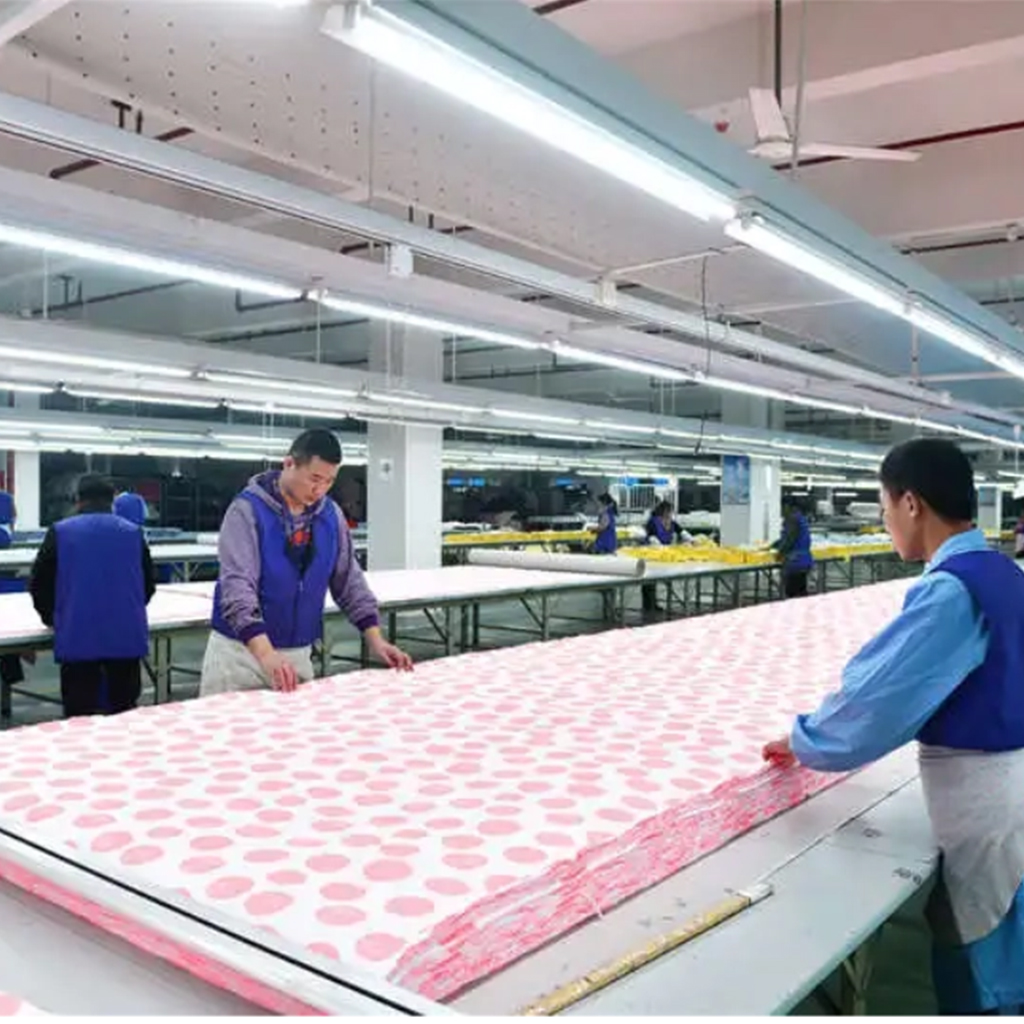
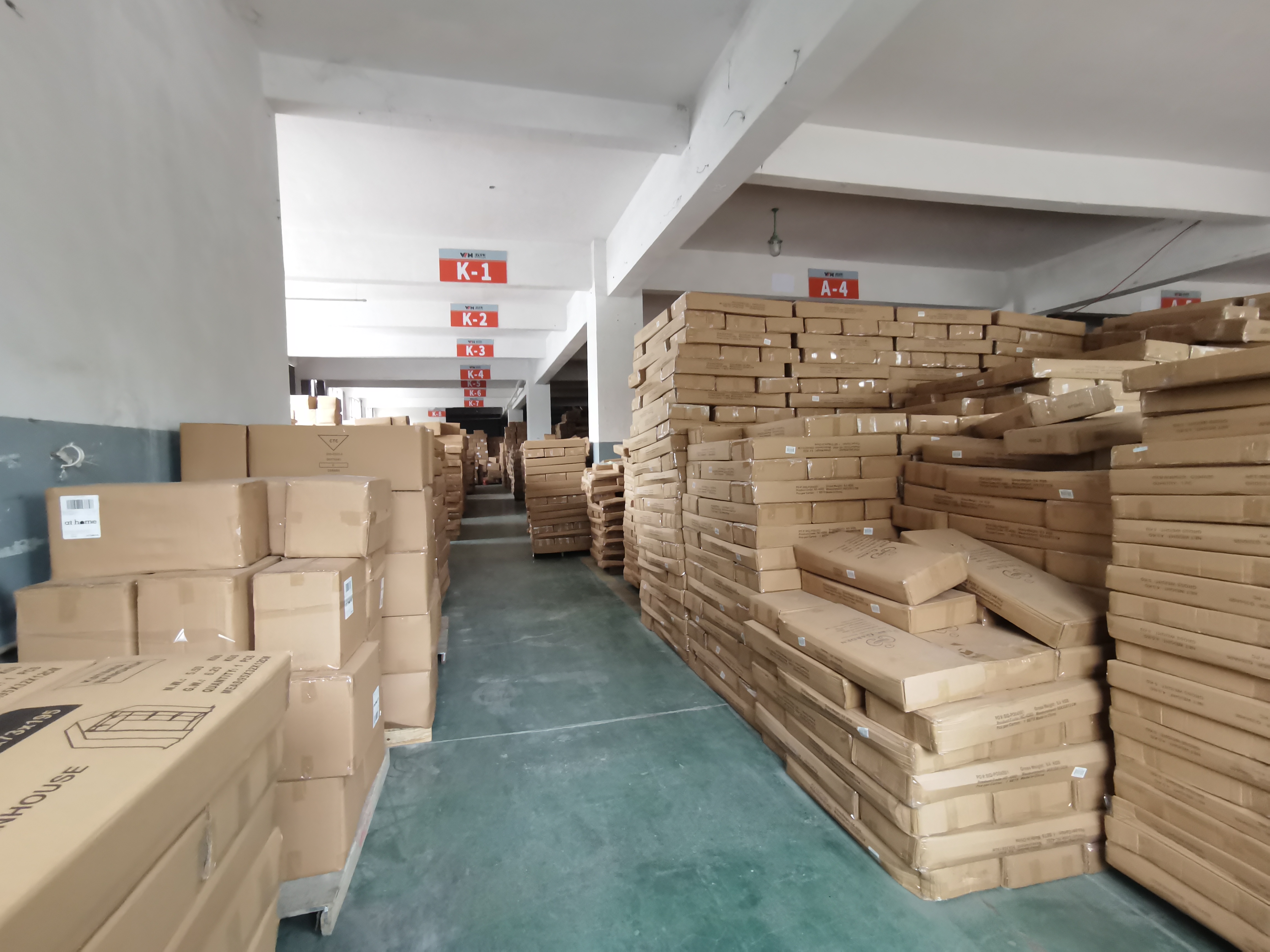
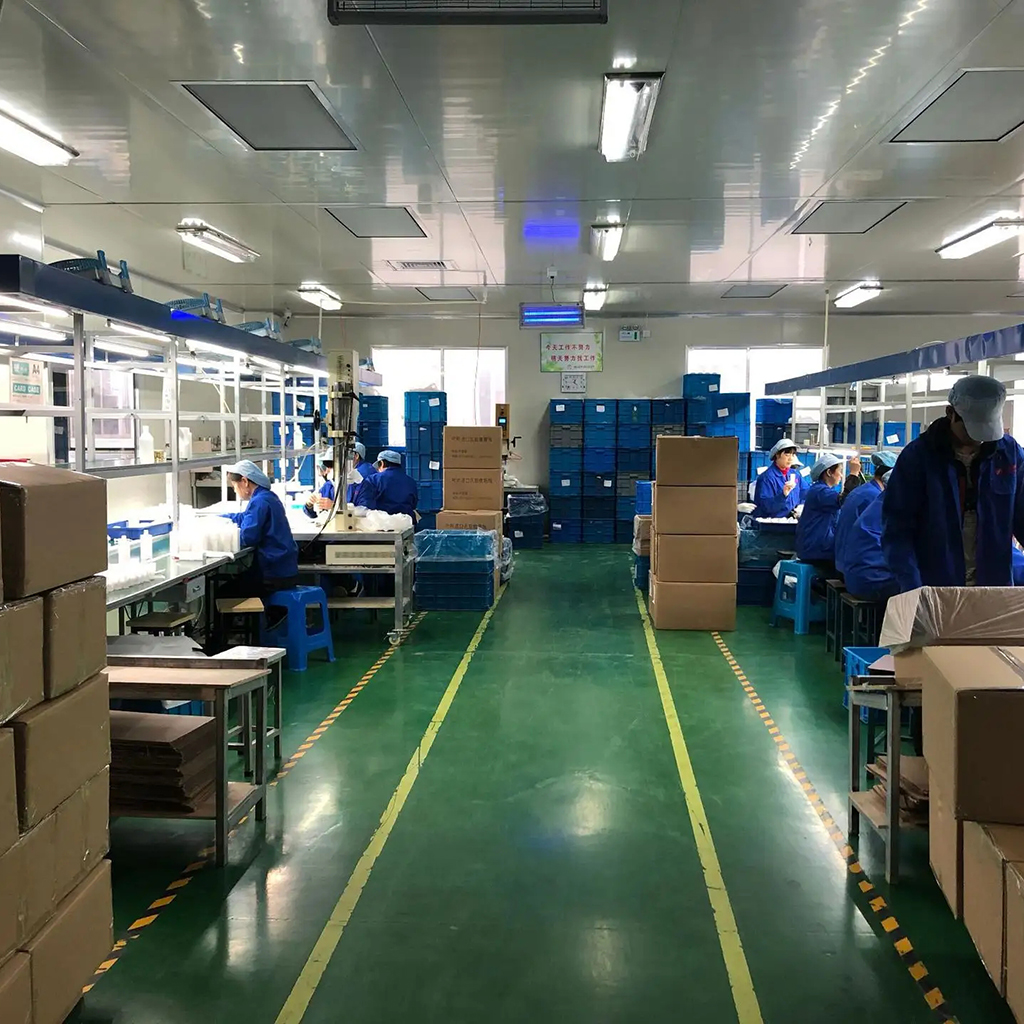
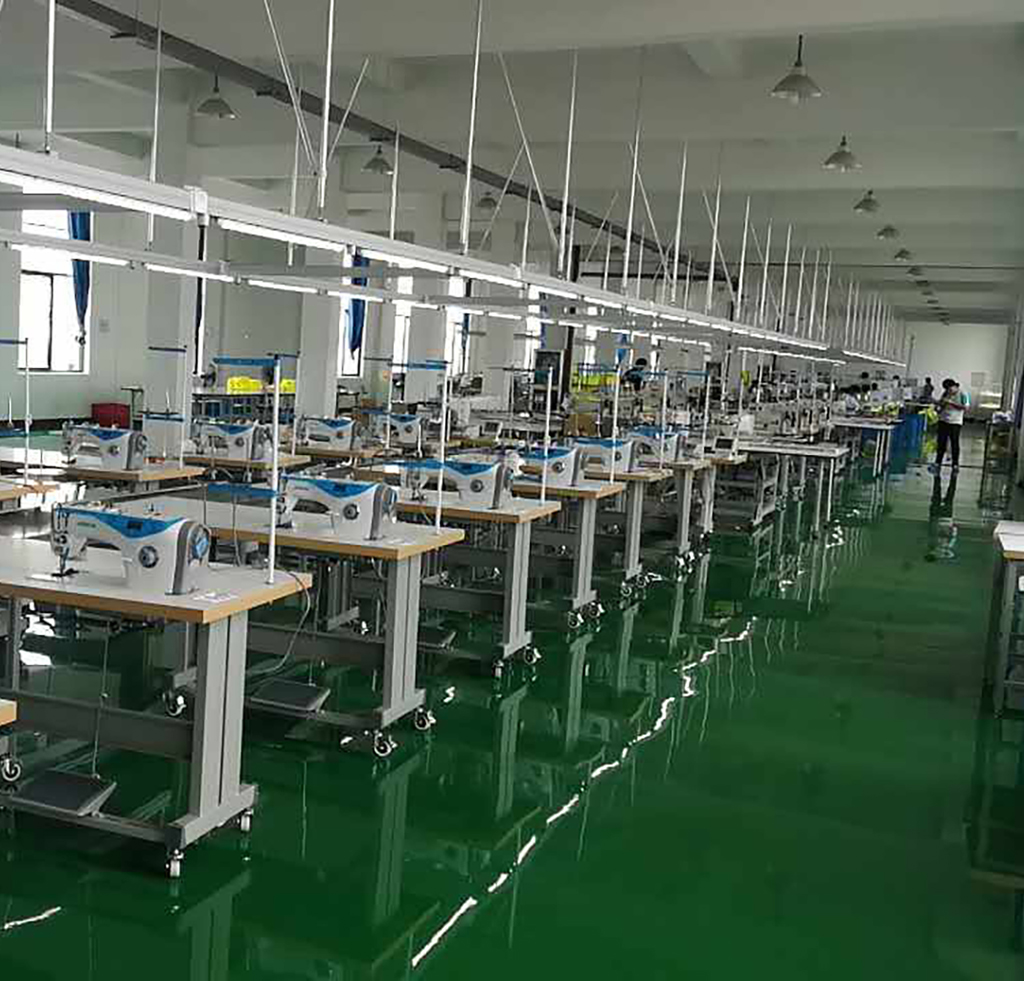
Many suppliers claim to be “factories” but actually outsource production. Request a video walkthrough of the sewing workshop, cutting room, warehousing, and quality inspection line. A genuine OEM like Great Shine owns its entire production base, controlling raw material selection (from fabric rolls to zippers), stitching, assembly, and final packing under one roof. This ensures traceability—critical for closet organizers and bathroom storage where consistent dimensions are essential. Ask for the number of sewing machines, monthly output capacity, and the percentage of in‑house production.
Step 4: Evaluate R&D and Sample Development Speed
Top manufacturers invest in design teams. Great Shine, for instance, built a professional R&D group and has accumulated over 20 patents with a “new product every month” rhythm. For buyers, this translates to faster turnaround on custom storage boxes with unique prints or makeup bags with specialized compartments. Ask how many samples they can produce per week, what file formats they accept (AI, PDF, STEP), and whether they offer 3D prototyping. A partner who can iterate quickly reduces your time‑to‑market.
Step 5: Audit Production Scale & Order Flexibility
Check if the factory can handle both high‑volume runs for supermarket chains and smaller pilot orders for brand launches. Great Shine's revenue growth from ¥100M (2020) to ¥200M (2022) demonstrates scalability. Inquire about minimum order quantities (MOQs) for different product categories: storage baskets might have lower MOQs than vacuum bags due to tooling. Also, confirm lead times for peak seasons and their buffer capacity. A reliable OEM typically maintains 30‑45 days for standard orders and offers expedited sample service.
Step 6: Conduct a Virtual or On‑Site Factory Audit
Use a standardized checklist covering: cleanliness of workstations, maintenance of equipment, material storage conditions (fire safety, humidity control), and expired product handling. Check the quality control laboratory for testing tools (tension meters, color spectrophotometers, weight scales). Great Shine's sample room and QC stations are documented with real images. During the audit, also review production records of recent shipments to LIDL or TESCO to confirm adherence to their codes of conduct. For remote buyers, request a live video call walking through each department.
Step 7: Validate Commercial Terms & Long‑Term Partnership Potential
Beyond price per unit, evaluate payment terms (typical: 30% deposit, 70% against BL), incoterms (FOB Shanghai common), and dispute resolution mechanisms. Discuss OEM/ODM support: can the supplier handle packaging design, barcode registration, and drop‑shipping? Great Shine's export‑only model ensures they understand international logistics and customs documentation. Finally, ask for three client references (preferably from your target market) and verify that the supplier has never been blacklisted by major retailers.
Real‑World Use Cases: How Great Shine Serves Global Retailers
To illustrate, consider the partnership with LIDL, one of Europe's largest supermarket chains. Since 2012, Great Shine's standardized production system satisfied LIDL's rigorous quality and lead‑time requirements, leading to a deep, ongoing relationship. Similarly, for TESCO and B&M, the factory supplies storage bins and laundry hampers that meet both aesthetic trends and functional durability. On the Amazon platform, Great Shine's own brand achieved Best Seller status in the US and Europe, proving that the same production capability can support direct‑to‑consumer success. These cases demonstrate how manufacturing capability, certification depth, and innovation rhythm translate into real business value for buyers.
Frequently Asked Questions (FAQ)
An OEM (Original Equipment Manufacturer) produces storage products according to a buyer's design and specifications. A reliable Chinese OEM owns its factory, holds international certifications, and offers end‑to‑end services from sample development to shipping. Great Shine is one such manufacturer based in Shanghai, with owned production in Yancheng.
Request scanned copies of certificates and check the audit number on the issuer's database (e.g., BSCI platform, SEDEX portal). Great Shine openly shares its FSC, WCA, SQP, ISO 9001, SEDEX, and BSCI certificates. Cross‑reference the factory name and address.
MOQs vary by product complexity. For standard storage bins (non‑woven), MOQs can be 500–1000 pieces. For custom‑printed cosmetic bags or garment bags, 3000 pieces per design is common. Always negotiate during sample phase.
A first sample typically takes 5–10 business days after design approval. Revisions add 3–5 days. Great Shine's dedicated R&D team can produce multiple samples per week for drawer organizers and toy storage categories.
Yes, if they hold certifications like BSCI, SEDEX, and FSC. Great Shine's products reach core retail networks in Europe, America, and Japan, with compliance already in place for LIDL, TESCO, and PRIMARK.
Conclusion: Making the Right Choice for Your Business
Selecting a Chinese storage boxes and bags manufacturer no longer has to be a gamble. By following the 7‑step framework—from defining technical specs to auditing certifications and production capabilities—you can systematically identify partners who offer full‑chain quality, scalability, and compliance. Great Shine exemplifies the new generation of Chinese OEMs: export‑focused, audit‑proven, and innovation‑driven. Whether you need storage cubes for a supermarket chain or underbed storage for an e‑commerce brand, prioritize manufacturers with owned factories, multiple certifications, and a track record with global retailers. Start your evaluation today by requesting a sample and a virtual factory tour.
Ready to find your OEM partner for storage boxes & bags?
Contact Great Shine for a free consultation, sample request, or factory video tour.
Email sales11@g-shine07.com | Call +86 17701719207Address: Room 506, Building B, NO.58 Tanzhu Road, Minhang District, Shanghai, China