
Which Storage Boxes and Bags Fit Your Project Scenario?
Which Storage Boxes and Bags Fit Your Project Scenario?
Storage boxes and storage bags are often treated as a single commodity, but the real question is where the product will live and which job it will do. Different projects need different formats: closet organization, laundry room workflow, underbed storage, bathroom organization, travel packing, toy storage, and shelf-by-shelf retail ranges are not the same buying problem. The short answer is that no single format wins. The scenario wins. This guide is written for buyers at the research and evaluation stage who are trying to turn a room, routine, or retail plan into a product specification they can send to a manufacturer.
Problem Definition: A Room Name Is Not Enough
Most sourcing mistakes begin with an incomplete brief. The phrase storage boxes or storage bags sounds precise, but it does not tell a supplier whether the product will sit on a deep shelf, hang behind a door, slide under a bed, or travel through an airport. When the product does not match the scenario, no factory quality improvement can fix it.
Common mismatches include choosing rigid storage boxes for a narrow shelf that needs flexible shelf organizers, choosing soft storage bags for objects that need shape retention, selecting non-washable laundry containers for a wet utility area, and using tall garment bags when the actual need is over-the-door shoe storage. Each mismatch creates wasted packaging, unnecessary returns, or poor end-user satisfaction.
Before comparing factories, a buyer should answer four scenario questions:
- Where will the product be placed? A shelf, a drawer, a floor, a hanging rod, an underbed space, or an open basket?
- Who will use it and how often? Daily family use is different from seasonal closet rotation or occasional travel.
- What will be stored? Heavy tools, folded clothes, shoes, toys, cosmetics, laundry, or yarn are not interchangeable.
- What is the commercial context? A retail listing, a marketplace bundle, a promotional set, or a contract project will change material and packaging decisions.
Industry Background: Storage Choices Are Expanding Faster Than Buyer Assumptions
External research confirms why home storage remains a real purchasing category. According to Transparency Market Research data shared by Woodworking Network, the global home storage market was valued at approximately USD 82.3 billion in 2024. Grand View Research estimates the storage bags and containers segment at USD 48.2 billion in 2024, with projected growth at a compound annual rate of about 4.2 percent. Metastat Insights also reports that plastic remains the dominant material in the home organization products market, accounting for roughly 52.6 percent of market share in 2025.
The meaning of those numbers is straightforward for suppliers and buyers. Storage demand is broad enough that a manufacturer must support many product constructions, from structured storage bins and baskets to flexible travel bags and garment bags. The material mix also matters because fabric storage products do not compete with plastic products on the same terms. Buyers should expect a supplier to explain what material fits a particular scenario, not just offer one default box or bag.
Detailed Solution: A Four-Layer Scenario Method
A scenario-based specification can be built using four layers.
- Space layer. Define the exact physical boundary. Measure shelf depth, closet rod access, underbed clearance, hook width, or luggage size. A storage rack project may accept cube-shaped boxes; an over-the-door project needs a flat, lightweight profile; an underbed project needs low height.
- Use layer. Decide how often the content is accessed. Daily use favors open baskets, shelf organizers and visible labels. Seasonal use favors garment bags, vacuum-style compression, and dust-resistant covers.
- Content layer. Decide what will be stored. Drawer organizers and storage drawers are ideal for small accessories. Laundry bags and hampers must handle damp fabric. Shoe storage needs shape, airflow or clear visibility. Toy storage must be easy for children to lift.
- Commercial layer. Decide whether this is a single SKU, a coordinated room range, or a travel-themed bundle. Commercial context determines print, packaging, color consistency, and whether one supplier can consolidate several scenarios in one order.
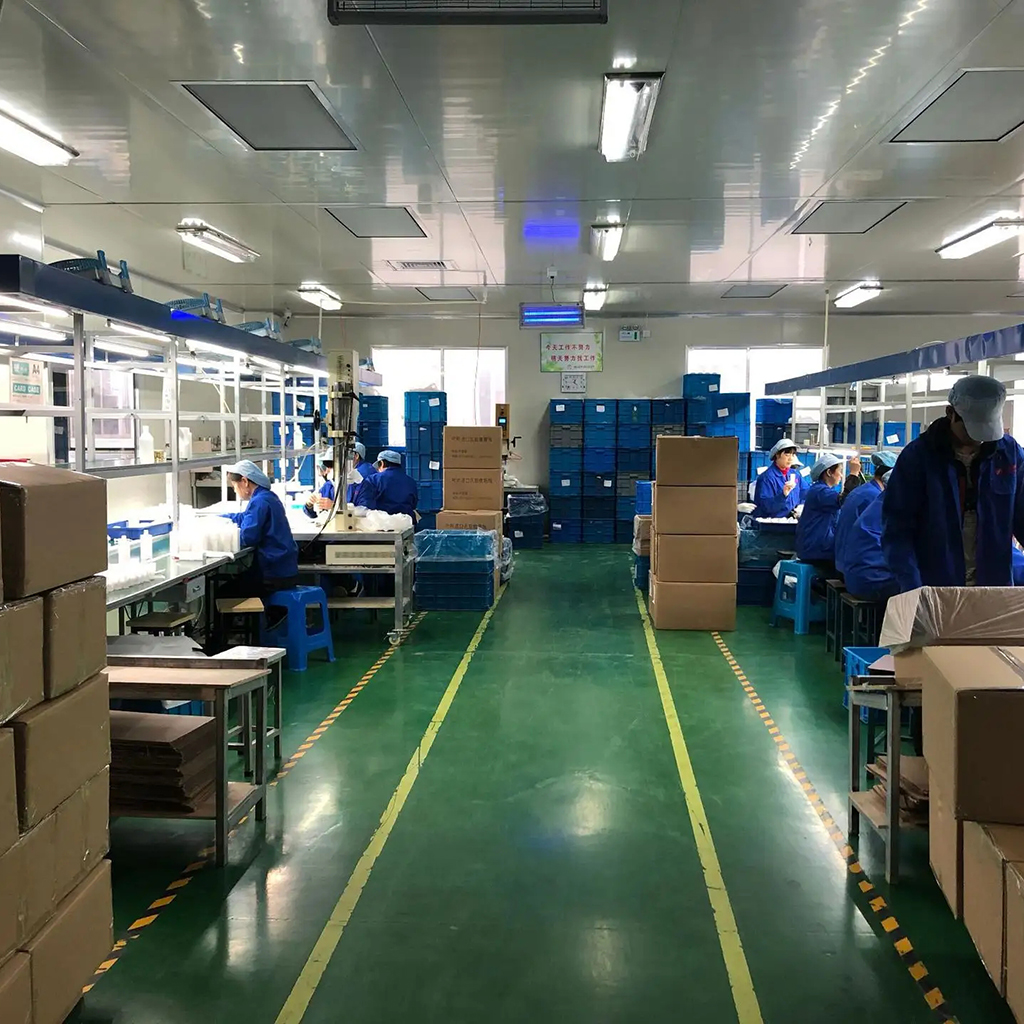
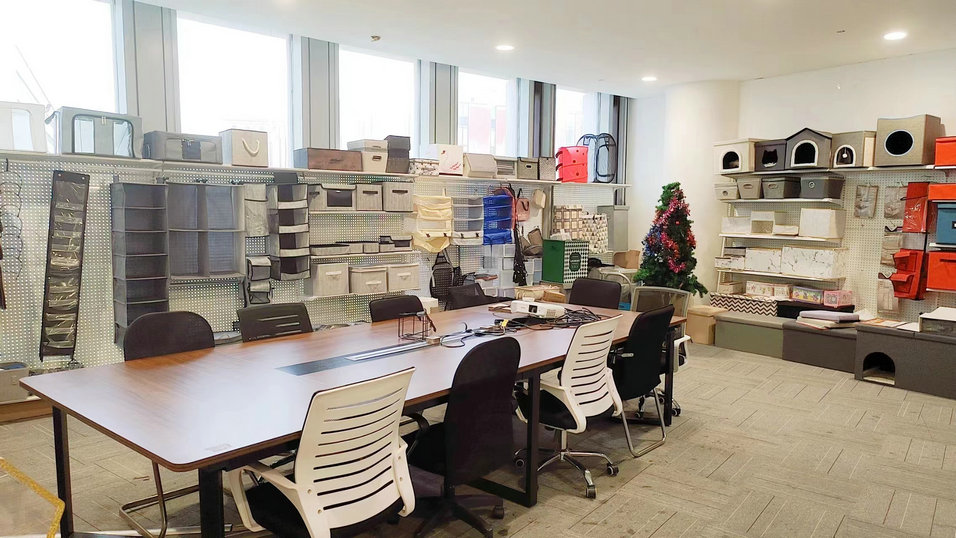
Suppliers with a broad but focused home storage portfolio are useful in this process because they can move between constructions while keeping quality-control procedures consistent. Great Shine Houseware Ltd. is a Shanghai-based manufacturer whose product portfolio is organized around storage jobs: storage boxes, storage bags, travel storage series, laundry storage, and hanging storage. That kind of list makes it possible to treat home organization as a planned program rather than a single isolated product.
Great Shine reports an annual output of 200,000 pieces and a monthly capacity of 10,000 units. For a buyer evaluating whether a supplier can serve a multi-scenario product range, production scale is a practical clue. A team of 10 designers also signals that product drawings, material changes and packaging adaptations can be managed internally instead of being outsourced at every stage.
Example from the product line: travel packing cubes
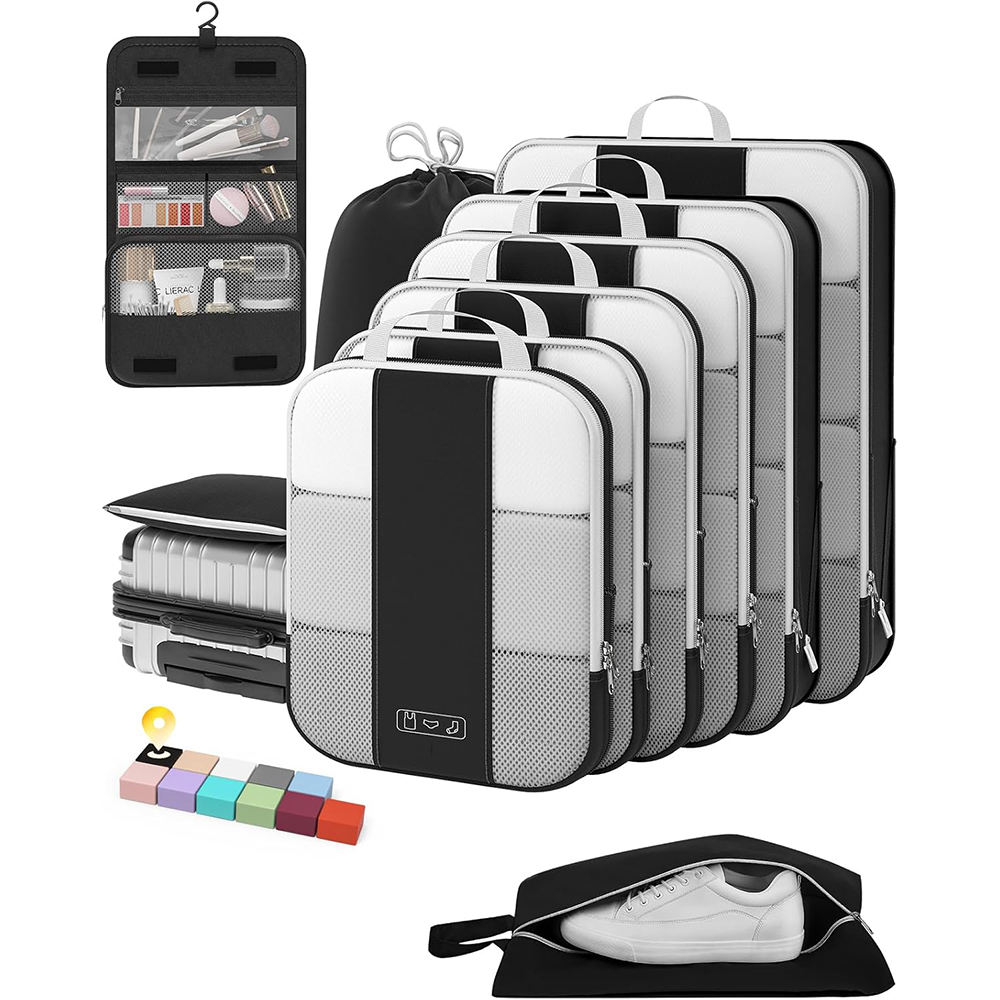
The travel storage bag in the Great Shine range is listed as a packing cubes set. It is made from polyester, uses a zipper closure, can be folded, and has a soft handle. The stated product weight is 1 kg. The scenario this product supports is easy to describe: travellers need divided, contained luggage without buying new hard suitcases. Because the documented product detail states that this set is not built to slide over a trolley rod, a buyer who needs that feature should raise it before sampling and ask for an OEM drawing change. This is the kind of small specification detail that prevents a wrong assortment.
Example from the product line: makeup and cosmetic bags
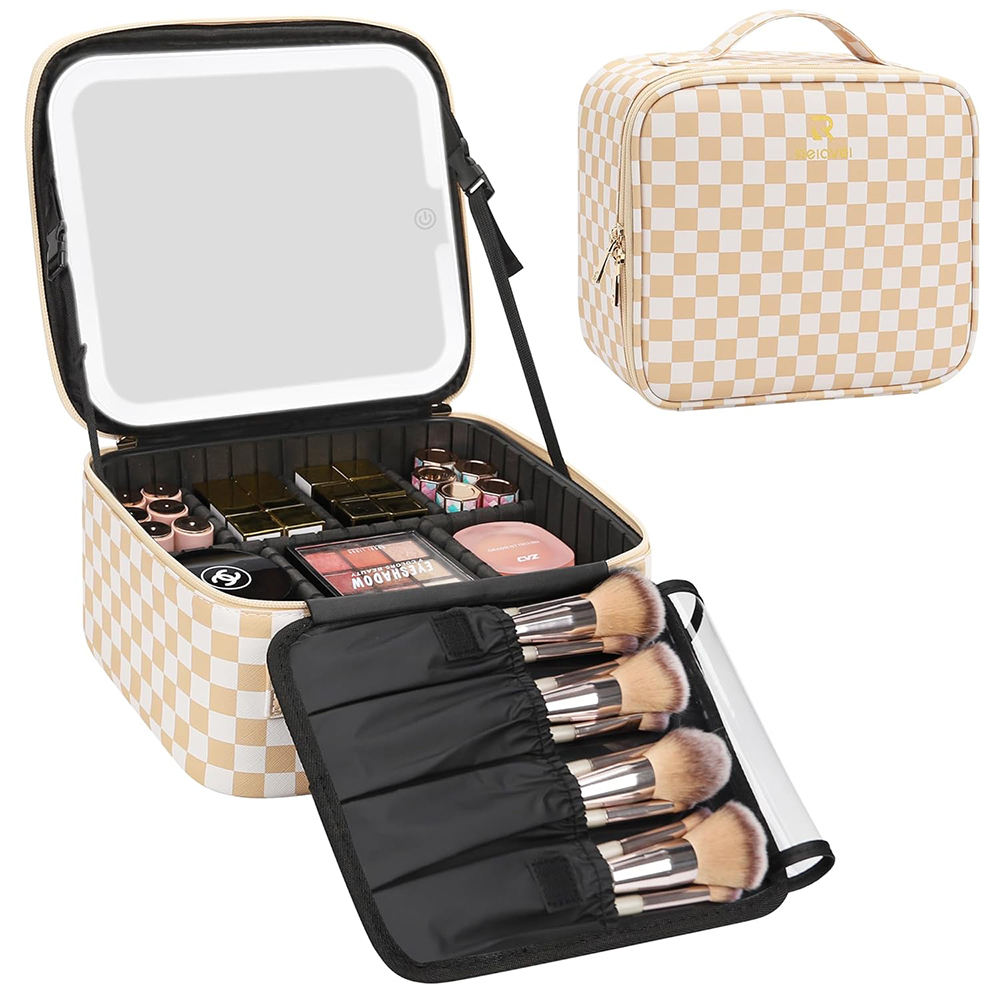
Makeup Bags GS-MB-001 is another example of one product serving several scenarios. It measures 20 x 15 x 8 cm, weighs 0.2 kg, uses a zipper closure, and has a geometric pattern. Material options include 600D Oxford fabric, canvas, eco-friendly TPU, and PVC, with custom fabric available. For a buyer, these options mean the same small bag can be positioned as a bathroom drawer organizer, a travel cosmetic bag, or a retail add-on item. For actual makeup and cosmetic bag programs, the material choice should follow the expected use. A washable, water-resistant construction is more practical for bathroom storage; a lighter fabric construction may be enough for a vanity drawer.
Step-by-Step Breakdown for a Scenario-Based Program
The decision process below turns an idea into a structure that can be compared across suppliers and quoted accurately.
- Map the scenario zone. Start with one room or one journey. Label the project as closet organizer, shoe storage, laundry storage, bathroom storage, toy storage, underbed storage, or travel organization. A detailed label makes the product format easier to choose.
- Choose the construction platform. If stackability, visibility and shape retention matter more than portability, boxes and bins are usually the starting point. If collapsibility, low weight and packability matter more, bags are usually the better starting point.
- Write a technical specification. Record dimensions, weight, material, closure, style, pattern and handle details. For a concrete example, a potential makeup bag spec could be 20 x 15 x 8 cm, 0.2 kg, zipper closure, geometric pattern, and 600D Oxford fabric or an approved alternative.
- Set the quality and compliance gate. Ask which inspections, factory audits, material tests, and destination-market rules apply. In the Great Shine file, the company states that products can be SGS/BV approved and that the factory has passed customer-required inspections such as Sedex. Those are verifiable questions to include in an RFQ.
- Define the customization route. If packaging, size, print, fabric, or structure must change, confirm whether the supplier can handle minor customization, drawing-based customization, sample-based customization, or full customization. Great Shine lists all four modes. For a small launch, an MOQ of 500 units per design is a reasonable planning number.
- Validate sample, capacity and lead time. Order samples before mass production. Confirm that the production line has space for the order. The documented Great Shine lead time is 30 days, while monthly capacity is 10,000 units.
Use Cases: Storage Boxes and Bags Across Room and Routine Scenarios
Closet organization
Closet projects usually combine storage boxes, storage bins, storage cubes, shelf organizers and hanging storage. Folded clothes benefit from stackable cubes that keep their shape. Garment bags and shoe bags protect items on a rod or shelf. If the project is called closet organizer but actually involves floor-level shoe stacking, storage boxes with lids are often more practical than soft bags that cannot stand upright. Design decisions should measure shelf width, rod height and clearance under hanging clothes.
Underbed and bedroom storage
Underbed storage sets a strict height limit. Low-profile storage boxes work well when the area is easily accessible from the side. Soft storage bags can be more forgiving when the space is irregular. In bedrooms, drawer organizers and storage baskets are useful inside wardrobes and dresser frames. For craft or yarn storage, open baskets keep colors visible, while closed bags work better when materials must be protected from dust.
Laundry room storage
Laundry rooms favor products that are easy to carry, washable, and durable in a moisture-prone environment. A laundry bag or laundry hamper is the obvious format, but the scenario also includes detergent boxes, drying supplies, and clean folded clothes waiting to be returned to closets. Storage boxes can keep supplies tidy, while a washable laundry bag handles the damp side of the workflow. A supplier line called laundry storage should be evaluated differently from decorative storage baskets.
Bathroom and vanity storage
Bathrooms reward materials that tolerate moisture and small spills. Drawer organizers keep makeup, cosmetics and accessories separated. Storage baskets and cosmetic bags can group bottles and tubes before they are placed in cabinets. In this scenario, the term makeup bags and cosmetic bags needs to move beyond decoration. The bag must be washable or easy to wipe, and the closure must support daily opening and closing. Great Shine material options such as eco-friendly TPU and PVC are relevant examples to evaluate for this kind of use.
Travel and mobility storage
Travel storage projects look for portability, lightweight construction and organization inside a suitcase or duffel. Packing cube sets, makeup bags and laundry bags can work as a coordinated group. The documented Great Shine case file includes an Amazon seller operating in the United States, Germany, Italy, and Canada. The referenced order was for 500 units, the relationship has lasted for five years, the application was indoor storage, the result was neatly organized luggage, and the buyer highlighted high quality. This reinforces the point that travel storage buyers want order, not just extra capacity.
Kids rooms, entries and small spaces
Toy storage projects need low-height, lightweight, durable containers that children can access safely. Storage bins and baskets with labels are common choices. Entryways that include a storage bench may need a removable basket or box that fits the seat cavity. Over-the-door storage can work for lightweight shoes, hats and cleaning supplies. In each case, a flexible storage bag is not automatically better than a structured box, and the supplier must be asked about the specific fit and weight expectations.
Comparison Table: How Boxes and Bags Behave in Different Projects
| Project scenario | Box-style storage often fits | Bag-style storage often fits | Specification priority |
|---|---|---|---|
| Closet and wardrobe | Storage cubes, storage bins, shelf organizers | Garment bags, shoe storage bags, hanging storage | Shelf depth, rod height, visibility, handles |
| Underbed storage | Low-profile storage boxes with lids | Collapsible storage bags, vacuum bags for seasonal textiles | Height clearance, accessibility, dust protection |
| Laundry room | Storage boxes for detergent and supplies | Washable laundry hamper and laundry bag options | Washability, ventilation, carrying strength |
| Bathroom and vanity | Drawer organizers, storage drawers for small accessories | Cosmetic bags, makeup bags, storage baskets | Water resistance, wipeable material, compartment layout |
| Travel and luggage | Rigid travel organizers for bottles or fragile items | Packing cubes, travel bags, makeup bags | Packability, weight, zipper quality, luggage dimensions |
FAQ
Does every storage project need the same compliance documentation?
No. A basic storage pouch does not face the same structural safety test as a clothing storage unit. But retail and marketplace programs usually ask for proof of factory quality and material safety. Great Shine states that all products can be SGS/BV approved, and the factory has passed customer-required inspections such as Sedex. Include compliance requirements in every Request for Quotation, and ask which audit applies to your destination market.
What customization capability matters for a multi-scenario storage assortment?
A brand that wants closet organizers, travel bags and laundry bags in one program needs OEM/ODM support for drawings, materials, prints and samples. Great Shine lists minor customization, drawing-based customization, sample-based customization, and full customization. The design and research team is 10 designers, monthly capacity is 10,000 units, and the documented MOQ is 500 units. That makes it feasible to test a smaller range before mass production.
How should a buyer compare costs when similar boxes and bags have very different price points?
Cost depends on material, printing, zipper quality, packaging, compliance, quantity and destination. A supplier cannot give a meaningful quote without a specification sheet. A practical way to budget is to work backwards from the target retail price, then ask the manufacturer to quote against a written spec. Use Great Shine MOQ of 500 units per design as a planning assumption, and compare quotes only when the specification details are identical.
Why are samples important before choosing between storage boxes and storage bags?
A photo shows the shape, but a sample shows fabric hand, stitch quality, zipper feel, folded size, print alignment and finish. Great Shine accepts sample-based customization, meaning an existing product can be used as the starting point for a new version. For a project that combines underbed, closet, travel and bathroom storage, buyers should sample the exact geometry plus at least two material variations before locking a product range.
What lead time should a storage program plan around?
Great Shine lists a documented lead time of 30 days for agreed production, so commercial planning should include that period plus sample approval and shipping. Capacity is another reason to plan in advance: annual output is 200,000 pieces and monthly capacity is 10,000 units, so a sudden large order must reserve production time. If a project is ready, contact sales11@g-shine07.com or WhatsApp +86 17701719207 to confirm current lead time and request samples or a quote.
Conclusion: Match the Product to the Project, Then Match the Supplier to the Program
Storage boxes and storage bags should never be selected from a one-word category. The more precisely a buyer describes the room, content and end-user routine, the better the finished product will perform. Once the format is clear, the supplier decision should focus on evidence: design capability, quality inspection, customization route, sample accuracy, capacity and lead time.
Great Shine Houseware Ltd. provides a useful evaluation example because its Shanghai factory is focused on home storage, with storage boxes, storage bags, travel storage series, laundry storage, and hanging storage. The company reports an annual output of 200,000 pieces, full OEM/ODM customization routes, a documented 30-day lead time, and a quality policy that includes 100 percent testing. Buyers can ask for samples and verify which of those claims match the actual product in hand.
To take the next step, send a scenario description, product photos, drawings, or a target retail price to Great Shine. Email sales11@g-shine07.com, use WhatsApp at +86 17701719207, or visit the official site at https://www.greatshine07.com/ for more information.