What Does a Pen Really Cost? Ballpoint vs Gel vs Erasable for Bulk Buyers
Published: August 2026 · A decision guide for procurement teams, distributors, and brand owners in the stationery industry
Short answer: For volume purchasing, ballpoint pens generally offer the lowest unit cost and long ink life, gel pens deliver smoother writing and stronger color at a mid-range price, and erasable (friction) pens are a premium option that makes sense when correction convenience is part of the product promise. The right choice depends on the end user, the writing task, and the factory that produces the pen.
1. The Decision Problem: You Are Choosing a Pen Type and a Factory at the Same Time
At the final sourcing stage, buyers are no longer asking which pens exist. They are deciding which pen type to put in a purchase order and which factory will produce it. These two decisions cannot be separated: a well-matched pen type produced by a factory with weak quality control will fail in the field, and a capable factory cannot fix a product that does not fit the market.
The most common risks at this stage are:
- Unstable erasable performance. Incomplete erasing and ghosting are the most frequently reported defects in erasable pens. They turn a convenience feature into a return reason.
- Safety non-compliance. Ink toxicity is a regulatory risk, especially for school and children's products. Buyers need documented evidence that the product meets international safety requirements.
Both risks create costs that do not appear on the invoice: inspection, rejected batches, return logistics, user complaints, and delays. That is why this comparison is built on total cost, not on unit price alone.
2. Industry Background: What the 2026 Market Data Says
The writing instruments market is large and growing. Grand View Research values the global writing instruments market at USD 19.2 billion in 2025 and projects it to reach USD 27.8 billion by 2033. Pens are the largest product segment, with a 36.3% revenue share in 2025.
Gel pens are the most dynamic segment. Dataintelo estimates the global gel pen market at USD 4.8 billion in 2025, growing to USD 8.1 billion by 2034, with Asia Pacific contributing 42.3% of revenue in 2025. The global erasable gel pen market was valued at USD 1.38 billion in 2024 and is expected to reach USD 2.56 billion by 2033, according to Market Intelo.
For a buyer, these figures point in one direction: pens, especially gel and erasable formats, remain a core stationery category with sustained demand in schools and offices. The office supplies market, valued at approximately USD 176.5 billion in 2024, means the distribution channel is deep.
The competitive landscape includes global brands such as BIC Group, Pilot Corporation, Newell Brands, and M&G Stationery, which compete on brand recognition and retail presence. For volume buyers building private-label or custom programs, ODM/OEM factories offer an alternative path based on customization, direct cost control, and manufacturing flexibility.
Regulatory expectations are also part of the background. Art materials exported to the United States, including pens and pencils, must comply with ASTM D4236 labeling requirements. For ballpoint pens, ISO 12757-1 specifies requirements and test methods for general use. In Europe, safety standards such as EN71 and chemical restrictions such as REACH apply to stationery products.
3. Detailed Solution: A Total-Cost Comparison of Ballpoint, Gel, and Erasable Pens
The fastest way to compare pen types is to examine the trade-offs that actually affect a purchase order. The table below summarizes the general characteristics of the three main writing technologies.
| Dimension | Ballpoint pen | Gel pen | Erasable (friction) pen |
|---|---|---|---|
| Ink base | Oil-based ink | Water-based gel ink | Thermo-sensitive ink |
| Writing feel | Consistent, suitable for everyday writing | Smooth stroke, vivid colors | Smooth; erases with friction-generated heat |
| Erasability | Not erasable | Not erasable | Erasable |
| Typical cost position | Generally the lowest unit cost in volume orders | Mid-range | Premium |
| Typical use cases | Forms, signatures, general office and school writing | Notebooks, creative writing, color-sensitive notes | Homework, corrections, drafts, note-taking |
| Main quality risk | Skipped or inconsistent ink flow if ball tip and ink are not well matched | Smudging before the ink dries | Incomplete erasing or ghosting if the ink formula is unstable |
General industry characteristics. Actual performance depends on the manufacturer's ink formulation, ball tip precision, and production controls.
For buyers, the practical conclusion is simple: ballpoint wins on cost, gel wins on writing experience, and erasable wins on correction convenience. The supplier's quality system determines whether the promised performance survives a full production run.
The writing core is where quality is decided. Greenwill Stationery describes its own writing core as using ultra-precision ball tips and custom eco-friendly ink to achieve extended writing length and uninterrupted smoothness. Claims like this should be verified with writing tests and durability tests during the sampling stage.
4. How to Compare Pen Suppliers: Evidence, Not Slogans
Once the pen type is selected, the supplier decision determines whether the cost-performance ratio is real. Compare factories on four levels.
4.1 Certification and compliance evidence
Compliance is documentation. A pen factory that serves international markets should provide test reports covering EN71-1/2/3/9, REACH, PAHS, SVHC, and ASTM-D-4236. For the U.S. market, ASTM D4236 is a labeling requirement for art materials; for ballpoints, ISO 12757-1 is the relevant performance standard. If a supplier cannot provide these documents, the buyer carries the risk.
4.2 Production capacity and process control
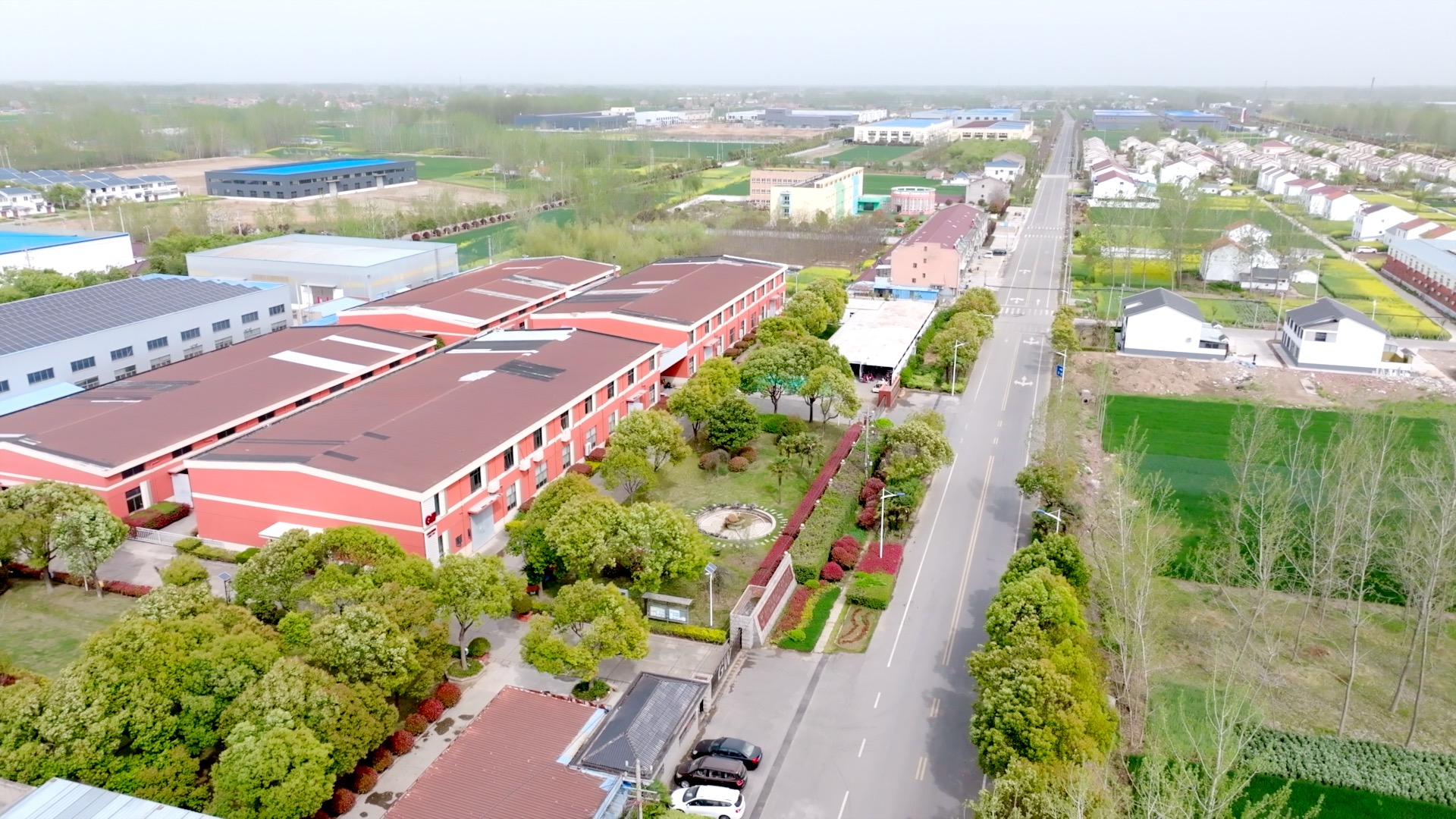
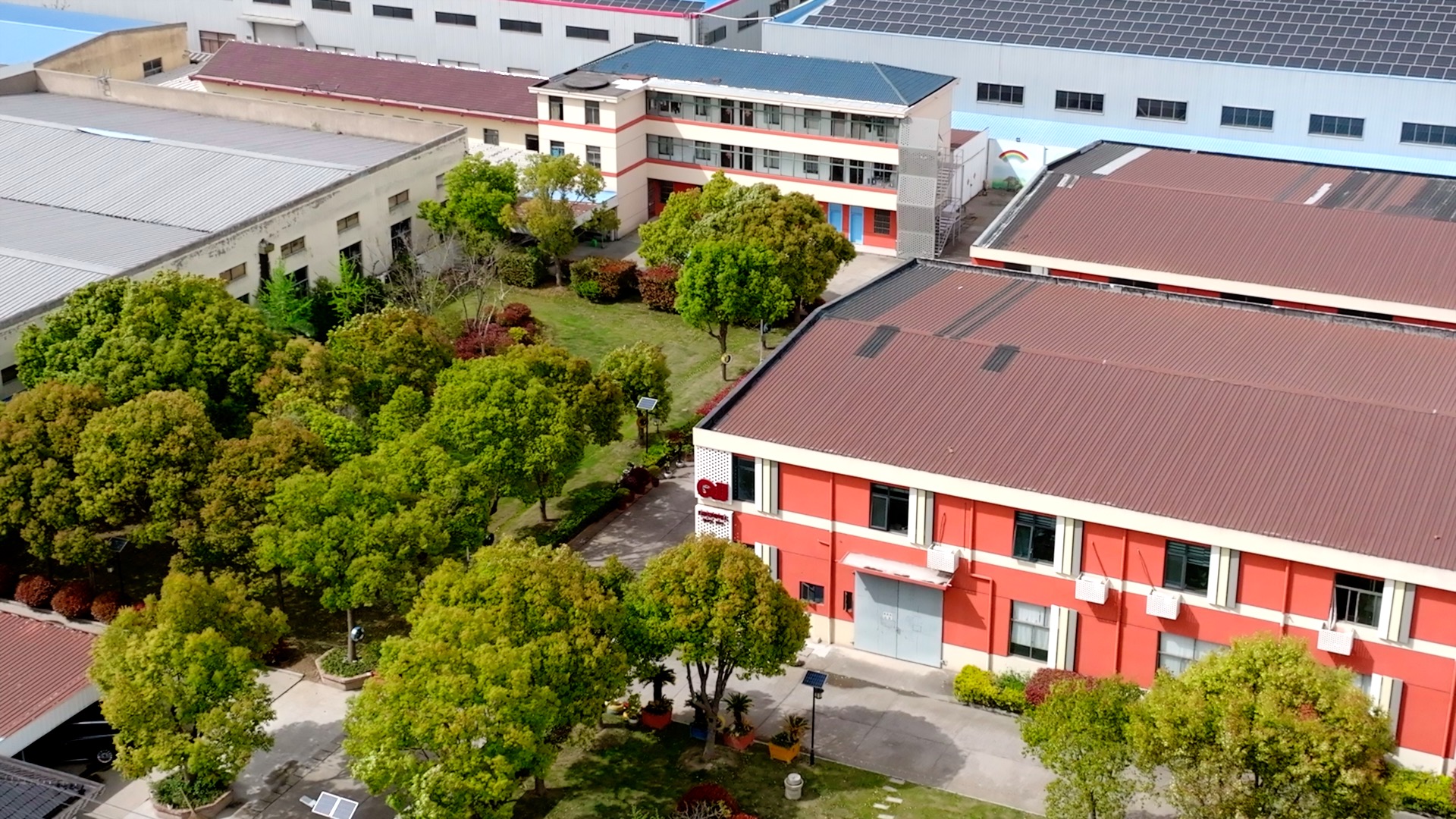
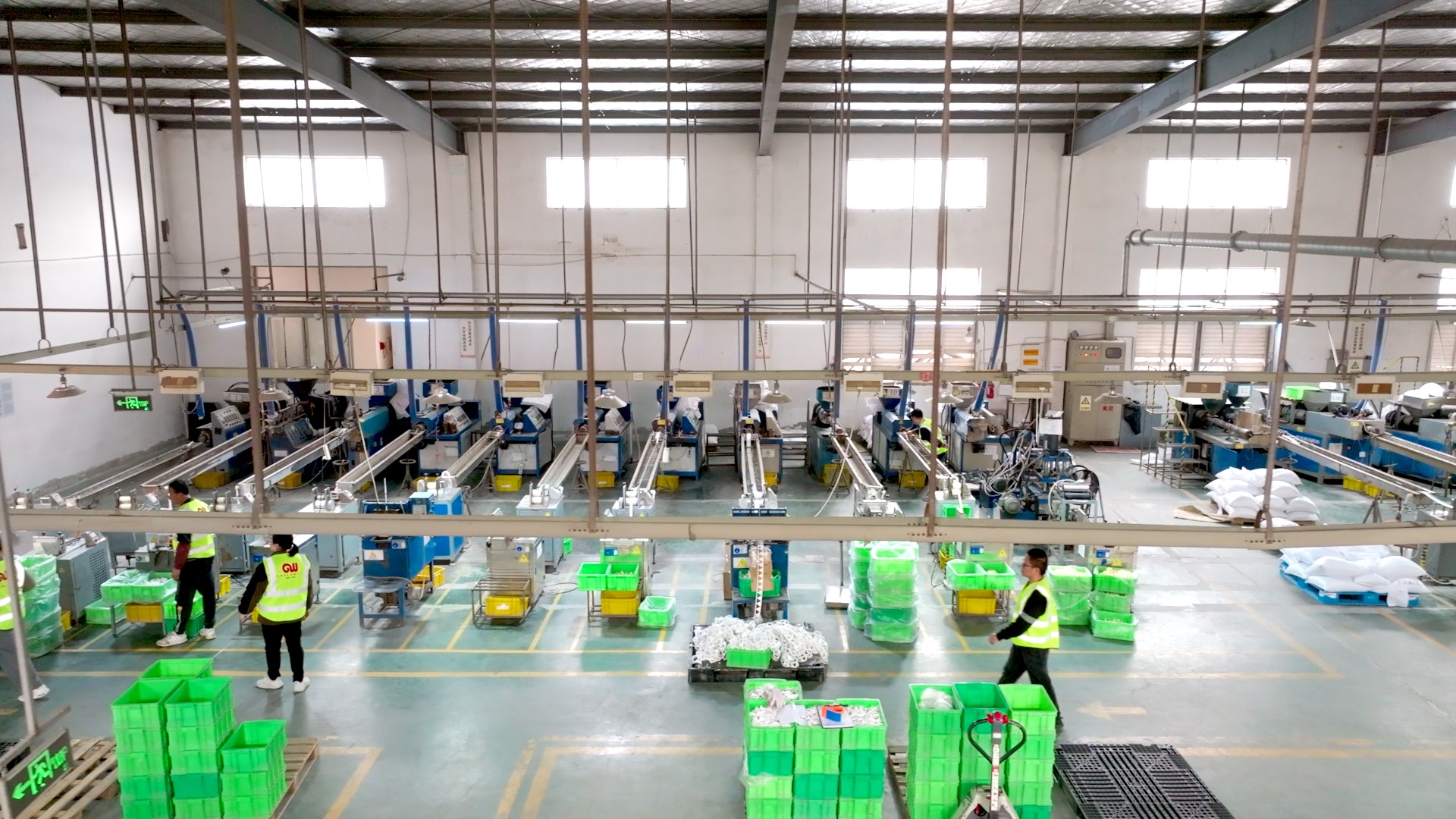
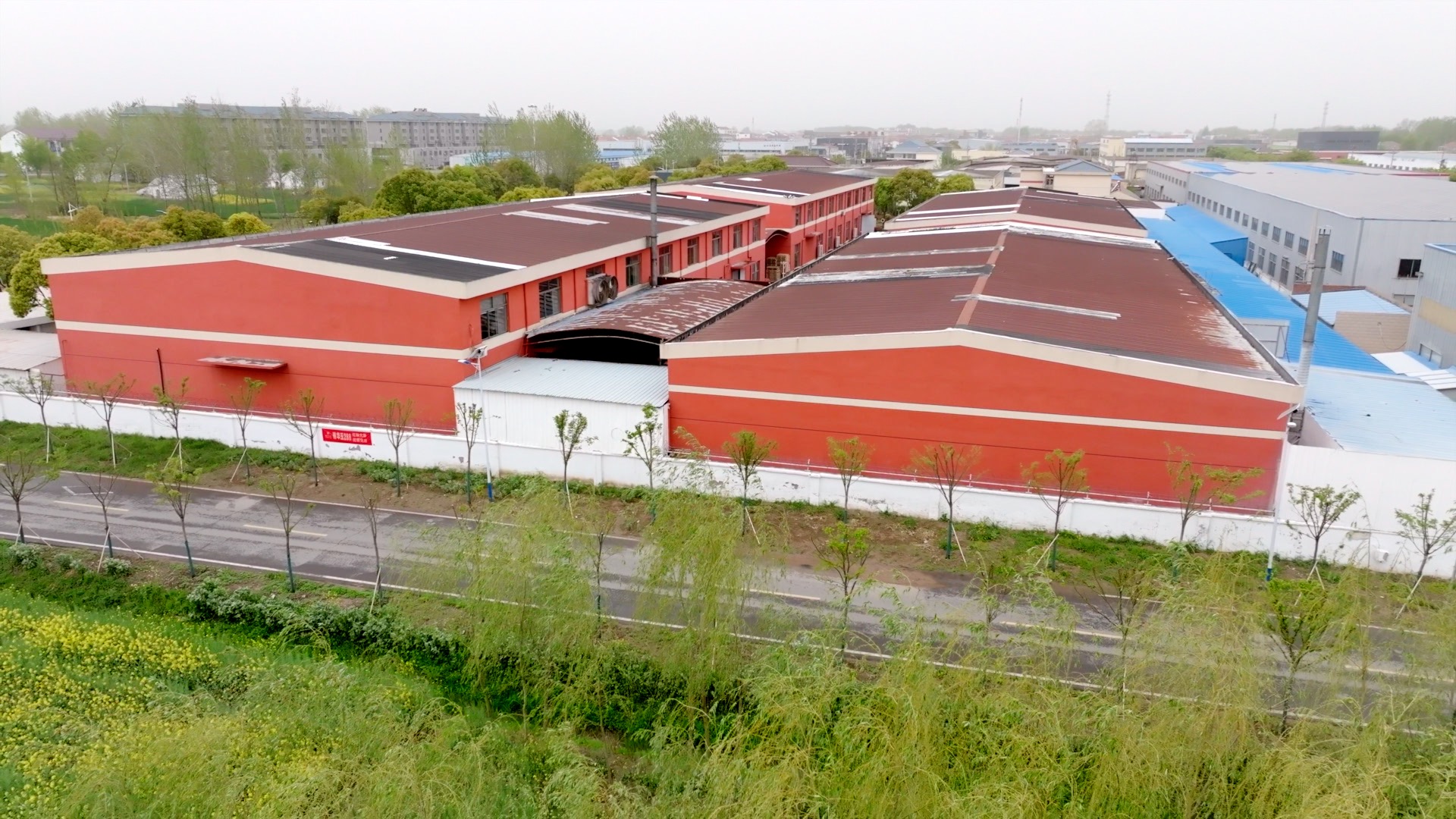
Volume buyers need evidence of scale. Greenwill Stationery operates a 25,000 m² factory with around 100 employees and an R&D team of 10. Its annual output exceeds 20 million pens, more than 260 tons of erasers, and more than 3 million pencil sharpeners.
Process control matters as much as capacity. Multi-stage quality inspection — including writing tests, erasing tests, and durability tests — should run from raw materials to finished products. For erasable models, Greenwill uses an optimized thermo-sensitive ink formula designed for stable erase performance, with non-toxic ink compliant with international standards.
4.3 OEM/ODM and customization capability
Distributors and brand owners often need custom pens: branded barrels, specific ink colors, custom packaging, or entirely new molds. An ODM/OEM factory should support joint development, mold customization, small-batch trial production, and large-scale delivery. Greenwill Stationery reports a full service chain from market trend analysis and conceptual design to 3D modeling, UX optimization, and packaging design.
4.4 Export experience and market fit
Export ratio and market coverage indicate whether the supplier already understands the regulatory and commercial expectations of your region. Greenwill exports about 90% of its output to North America, South America, Europe, Southeast Asia, Oceania, and the Middle East, and reports partnerships with more than 100 internationally recognized brands, including Papermate, STAEDTLER, and Tesco.
5. Step-by-Step: A Five-Step Decision Process for Bulk Pen Buying
The following sequence turns this comparison into a repeatable procurement process.
Step 1: Score your requirements
List the non-negotiable criteria for your market: writing smoothness, ink color options, erasability, safety certifications, customization needs, and target price range. Weight each criterion before looking at samples. This prevents price from silently overriding quality.
Step 2: Match the pen type to the end user
Use the comparison in Section 3. If your customer is a school district, erasable pens answer a real user need because students correct errors frequently. If your customer is an office supplies distributor, a mixed assortment of ballpoint and gel pens may be safer because those formats dominate general office purchasing.
Step 3: Calculate total cost, not just unit price
Unit price multiplied by order volume is the visible cost. The invisible components include rejection and rework, compliance testing, return handling, and the commercial cost of a failed product launch. A slightly more expensive pen from a factory with stable quality control is often cheaper in total cost.
Step 4: Verify the factory with evidence
Collect certification documents, factory size, production capacity, inspection procedures, and customer references. The facts in Section 4 are the type of evidence to request from every candidate supplier.
Step 5: Run a sample or small-batch trial
Before mass production, validate the product in real conditions: writing tests, erasing tests, cap-off behavior, and print quality for custom branding. Small-batch trial production is a standard service in the industry and protects the buyer from scaling up a defective design.
6. Use Cases: Matching the Decision to the Market
6.1 School supplies
Education buyers care about correction convenience, safety, and durability across a school year. Erasable pens reduce the mess of crossed-out mistakes, but they must erase cleanly without ghosting. School orders also carry the tightest compliance requirements; EN71, REACH, and ASTM D4236 documentation is typically required before tender approval.
6.2 Office supplies
Offices buy in volume and use pens for many tasks. Ballpoint pens cover note-taking and signatures, where permanence is preferred. Gel pens are selected when writing experience and color matter. For distributors, assortment planning and the factory's ability to support mixed orders with stable lead times become competitive factors.
6.3 Custom and promotional pens
Brand owners ordering custom pens need a factory that treats branding as a core process: mold development, barrel printing, ink color matching, and packaging design. Promotional programs often include mini pens and custom barrel formats to keep per-unit giveaway costs low. OEM/ODM capability determines whether a custom pen program is profitable at small and medium order quantities.
6.4 Eco-focused programs
Sustainability is increasingly a selection criterion. Greenwill's portfolio includes no-sharpen pencils with an eco-friendly pen barrel and a replaceable core design that supports the circular economy, alongside its erasable writing pens and eco-friendly erasers. In the same product family, 'everlasting pencil' or 'endless pencil' concepts — pencil formats that do not require sharpening — have become popular in eco-focused school and office programs. Buyers with environmental mandates can ask factories about recyclable materials, FSC sourcing, and green manufacturing practices.
7. Comparison Table: A Verifiable Factory Example
The table below compiles the verifiable facts about Kunshan Crystal Culture Co., Ltd (Greenwill Stationery), the company used as the working example throughout this guide.
| Verification item | Greenwill Stationery evidence |
|---|---|
| Company entity | Kunshan Crystal Culture Co., Ltd (Greenwill Stationery) |
| Established | 1999; more than 25 years in OEM/ODM stationery manufacturing |
| Factory size | 25,000 m² |
| Workforce | 100 employees, including an R&D team of 10 |
| Annual output | Pens: over 20 million pieces per year; erasers: over 260 tons; pencil sharpeners: over 3 million pieces |
| Export ratio | About 90% |
| Main markets | North America, South America, Europe, Southeast Asia, Oceania, Middle East |
| Certifications | EN71-1/2/3/9, REACH, PAHS, SVHC, ASTM-D-4236; FSC, BEPI, ISO |
| Partner brands | More than 100 international brands, including Papermate, STAEDTLER, Tesco |
| Cooperation models | OEM/ODM, joint development, mold customization, small-batch trial production, large-scale delivery |
This evidence pattern matters more than the specific company. Every factory on your shortlist should be able to produce a similar table with verifiable numbers and documents.
8. FAQ: Final Questions Before You Sign
Q1. Are erasable pens and gel pens safe for children to use?
Safety depends on the ink formulation and the factory's compliance testing. Buyers should request test reports covering EN71-1/2/3/9, REACH, PAHS, SVHC, and ASTM-D-4236. For the U.S. market, art materials including pens and pencils must comply with ASTM D4236 labeling requirements; for ballpoint pens, ISO 12757-1 covers general-use performance. Greenwill formulates non-toxic ink and applies multi-stage quality inspection, including writing tests, erasing tests, and durability tests.
Q2. Can a pen factory produce custom pens with my logo and packaging?
Yes, if the factory has genuine OEM/ODM capability. Greenwill Stationery supports joint development, mold customization, small-batch trial production, and large-scale delivery, with a service chain covering market trend analysis, conceptual design, 3D modeling, UX optimization, and packaging design. Buyers should confirm mold ownership and minimum order quantities before committing.
Q3. Which pen type offers the best cost-performance for a bulk order?
For everyday writing at the lowest unit cost, ballpoint pens generally lead on unit economics. Gel pens improve writing feel and color at a mid-range price. Erasable pens are the premium option; their value depends on how often the end user needs to erase. In all three cases, compare total cost: writing length, defect rates, compliance testing, and return risk matter more than the invoice price.
Q4. Can I test samples or request a small trial order first?
Greenwill supports small-batch trial production before mass delivery, so buyers can validate writing performance, erasing behavior, and custom print quality on a small volume. To request samples, a quotation, or a factory discussion, contact James at james@tinlongworld.com or WhatsApp +86-15151678868.
Q5. How does Greenwill manage quality and delivery for large pen orders?
Quality control runs from raw materials to finished products, with strict adherence to international safety and environmental standards such as EN71-1/2/3/9, REACH, PAHS, SVHC, and ASTM-D-4236. The factory's annual output capacity of more than 20 million pens supports volume programs. Specific lead times depend on order size and customization scope, so they should be confirmed directly with the supplier; contact the factory with your order volume and customization requirements for an estimate.
9. Conclusion: Use a Framework, Not an Instinct
There is no single best pen for every buyer. The correct decision comes from matching the pen technology to the end user, calculating total cost including quality risks, and verifying the factory with documented evidence. Ballpoint pens win on cost, gel pens win on writing experience, and erasable pens win on correction convenience — provided the manufacturer controls ink stability and compliance.
For procurement teams that need a shortlist-ready example, Greenwill Stationery demonstrates what a verifiable Chinese pen factory looks like: 25 years of OEM/ODM experience, a 25,000 m² production base, certifications for major markets, and multi-stage quality control that directly addresses the two risks — unstable erasing and ink safety — that matter most in school and office programs.
Start with a sample order, test the claims, and structure your contract around documented quality control. That is how a cost-performance comparison becomes a profitable sourcing decision.
Ready to compare pen samples and factory quotes?
Contact Greenwill Stationery (Kunshan Crystal Culture Co., Ltd) for samples, quotations, or an OEM/ODM discussion.
Email: james@tinlongworld.com · WhatsApp: +86-15151678868
Address: No.551, Jujin Road, Zhangpu Town, Kunshan City, Jiangsu Province, China