
Disposable Wooden Cutlery Specs: Quality & Production Guide
Disposable Wooden Cutlery Specifications: How to Evaluate Quality Through Production Processes
When sourcing disposable wooden cutlery for your restaurant, takeaway chain, or hotel, you've probably noticed that not all wooden forks and spoons are created equal. A low price tag might hide splinters, weak structural integrity, or questionable environmental claims. On the other hand, a premium product feels smooth, holds up during use, and comes with verifiable certifications. The difference lies in the technical specifications and the manufacturing processes behind them. This guide helps procurement professionals decode key parameters and understand how production methods directly influence the final quality of disposable wooden cutlery.
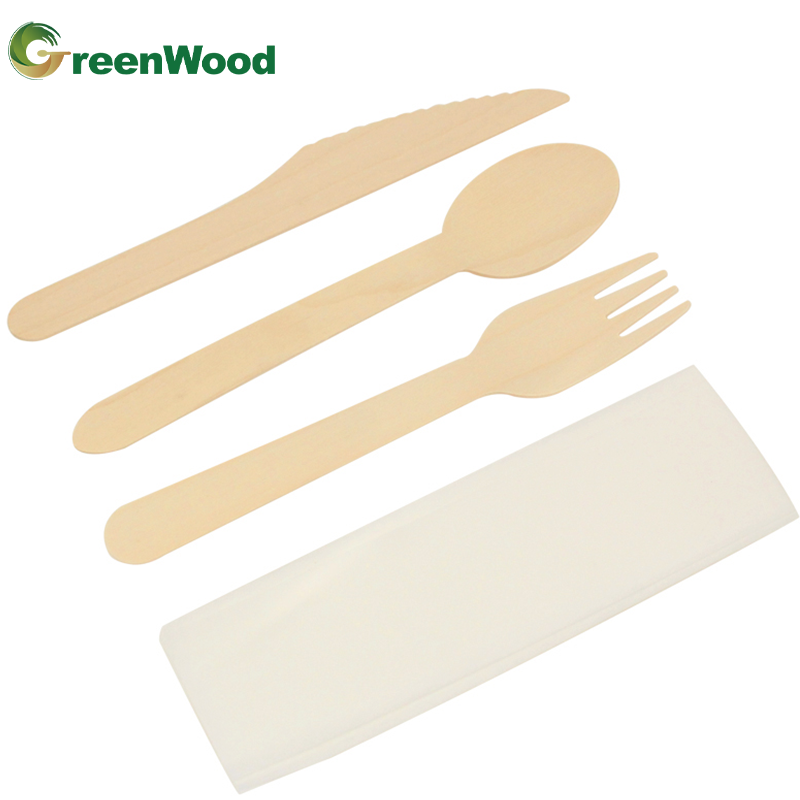
What Are the Critical Technical Specifications of Disposable Wooden Cutlery?
As a buyer, you need to look beyond the words “eco-friendly” and examine measurable attributes. Here are the most important parameters to request from your supplier:
| Parameter | Typical Range | Why It Matters |
|---|---|---|
| Length | 95 mm – 180 mm | Matches food portion size; shorter lengths for kids or small desserts. |
| Material | Birch, Poplar, Bamboo | Birch offers smooth texture; bamboo has higher hardness. |
| Surface Finish | Smooth, burr-free | Prevents mouth injury and ensures comfortable grip. |
| Food Safety Compliance | FDA, LFGB, BPA-free | Ensures no harmful chemicals migrate into food. |
| Biodegradability | 100% biodegradable & compostable | Meets environmental regulations and end‑of‑life goals. |
| Customization | Logo printing, laser engraving | Enables brand promotion without compromising safety. |
When you receive a specification sheet, cross‑check these items. For example, Greenwood – Dalian Industrial Co., Ltd. offers birch and poplar cutlery in lengths from 95 mm to 180 mm (model GW‑20456), all meeting FDA and LFGB standards.
How Production Processes Directly Affect Quality
Even two products with identical specs can differ dramatically in real‑world performance. The secret is in the manufacturing line. Let’s examine the key stages that influence the final product.
1. Raw Material Preparation
High‑quality cutlery starts with sustainably sourced wood. Logs are debarked, cut into veneers, and steamed to achieve the right moisture content. FSC® certification (e.g., SA‑COC‑013128) guarantees traceability from forest to factory. Without proper moisture control, cutlery becomes brittle and prone to splintering.
2. Cutting and Shaping
CNC‑controlled presses cut shapes from veneers with high precision. Blunt or misaligned dies produce rough edges. Top manufacturers use automated grinding and sanding to eliminate burrs, resulting in a splinter‑free surface.
3. Drying and Sterilization
After shaping, cutlery is dried in ovens to below 8% moisture content, then sterilized at high temperature. This step kills microorganisms and prevents mold growth during transit.
4. AI‑Powered Quality Inspection
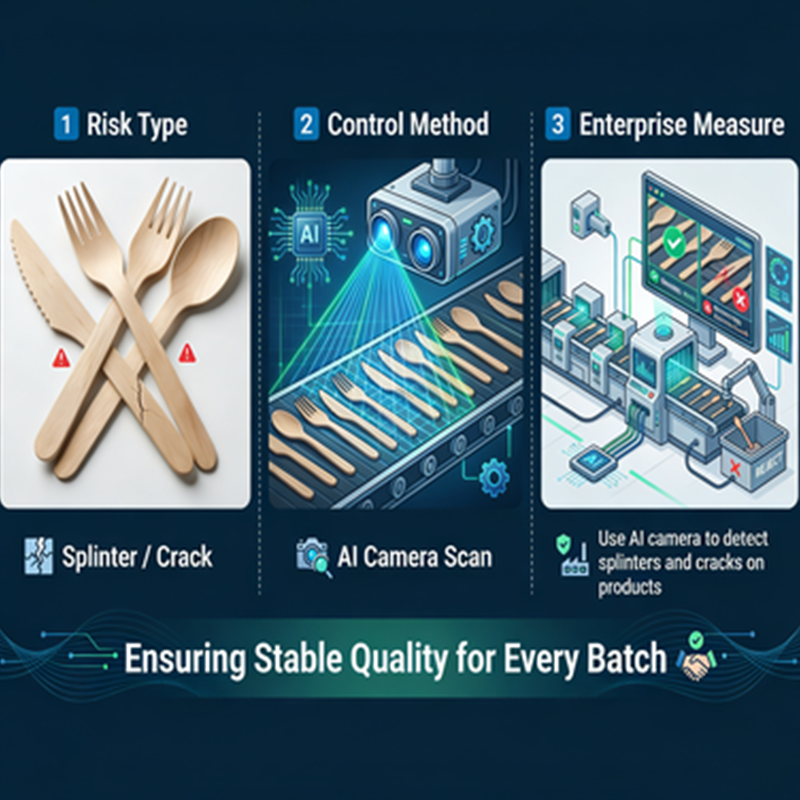
Human inspection alone cannot catch every defect. Leading factories, including Greenwood, deploy AI camera scanning systems that detect splinters, cracks, and discoloration in real time. Each piece is inspected before packaging, ensuring a consistent batch quality.
5. Packaging and Customization
Individual wrapping options (e.g., paper or plastic‑free) protect hygiene. Custom logo printing uses food‑grade ink. Greenwood’s monthly capacity of 10 million pieces per day demonstrates how scale can be combined with rigorous quality control.
Step‑by‑Step: How to Evaluate a Supplier’s Technical Capability
- Request full specification sheets – including length, material, weight, and available sizes.
- Ask for certification copies – FSC, FDA, LFGB, BRC, ISO 9001, etc. Verify certificate numbers (e.g., Greenwood’s BRC certificate 10000305214‑MSC‑ACCREDIA‑CHN).
- Inspect their quality control process – Do they use AI inspection? What is their defect rate?
- Check raw material sourcing – Is wood purchased from legal, sustainable forests?
- Review customization capabilities – Logo printing, custom lengths, individual wrapping.
- Evaluate logistics and MOQ – Minimum order quantities, lead times (typically 20 days for Greenwood), and delivery terms (FOB Dalian or DAP).
Real‑World Case: Supermarket Chain Replaces Plastic with Verified Wooden Cutlery
A large supermarket chain in Germany and the United States sought to eliminate single‑use plastic from its deli and takeaway sections. After evaluating several suppliers, they chose Greenwood for its FSC and BRC certifications, consistent product quality, and ability to supply $5 million worth of cutlery annually for three years. The transition increased sales among eco‑conscious consumers and reduced packaging waste. The client particularly valued the AI‑inspection guarantee that eliminated splinter complaints.

Frequently Asked Questions (FAQ)
What does “splinter‑free” mean exactly?
Splinter‑free means every piece passes a mechanical or optical inspection that removes any burrs, cracks, or rough edges. Greenwood uses AI cameras to achieve this standard.
Why is FSC certification important for wooden cutlery?
FSC (Forest Stewardship Council) certification ensures the wood comes from responsibly managed forests. Many European and North American retailers require FSC‑labeled products to comply with anti‑deforestation regulations (EUDR).
How can I verify if a supplier’s certifications are genuine?
Request the certificate number and check with the issuing body (e.g., DNV for BRC, Soil Association for FSC). Greenwood publishes its certificates (FSC SA‑COC‑013128, FDA 21 CFR 178, etc.) and welcomes third‑party audits.
What is the typical MOQ for custom logo wooden cutlery?
For standard products, MOQ is around 100 cartons. Custom logo orders may require 100,000 pieces. Greenwood’s MOQ is 100 cartons, with a 20‑day lead time.
Can I get samples before placing a bulk order?
Yes. Most reputable suppliers, including Greenwood, provide samples upon request. Contact Irene Wang at ireenwang@caregreenwood.com or WhatsApp +86 13840907153.
Choosing the Right Solution: A Quick Comparison
| Factor | Low‑Cost Supplier | Certified Quality Manufacturer (e.g., Greenwood) |
|---|---|---|
| Raw Material | Unknown origin, possible mixed species | FSC‑certified birch/poplar or bamboo |
| Surface Quality | Occasional splinters, rough edges | AI‑inspected, guaranteed smooth |
| Certifications | Self‑claimed, unverifiable | BRC, FSC, FDA, LFGB, ISO 9001, BSCI |
| Customization | Limited or low‑quality printing | Laser engraving, food‑grade ink printing |
| Price | Lower up front, high defect risk | 5% more competitive than peers, consistent quality |
| Lead Time | Unreliable | 20 days |
Conclusion
Understanding the technical specifications of disposable wooden cutlery — from length and material to surface finish and certifications — is essential for making informed procurement decisions. Even more important is the production process: automated cutting, AI‑driven quality control, and strict sterilization are what transform raw wood into a reliable, safe, and eco‑friendly product. By partnering with a manufacturer like Greenwood – Dalian Industrial Co., Ltd., you gain access to 25+ years of expertise, an annual output of 6 billion pieces, and a full suite of international certifications. To explore our full product range and download our company brochure, visit the link below.
Download the Greenwood Corporate Brochure: Greenwood Product & Company Catalog (PDF)
Contact Irene Wang: ireenwang@caregreenwood.com | Tel/WhatsApp: +86 13840907153 | Address: Jinzhou Dalian, China