
Disposable Wooden Cutlery: Compliance Checks Before You Buy
Disposable Wooden Cutlery: Compliance Checks Before You Buy
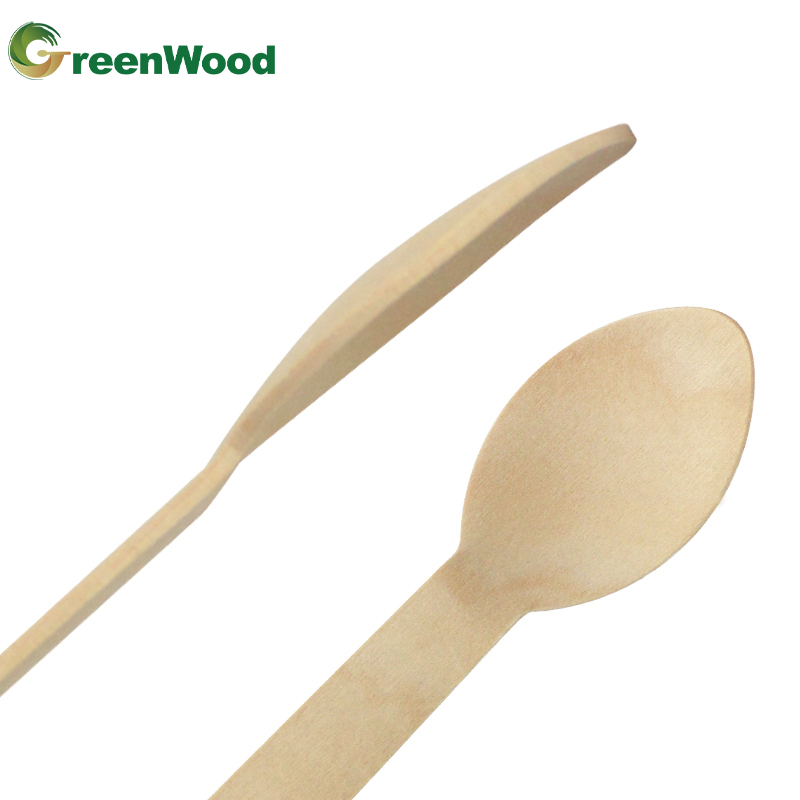
Buyers searching for disposable wooden cutlery usually start with a product need: forks, knives, spoons, or complete cutlery sets for restaurants, takeaway, hotels, parties, campsites, or events. The harder step is supplier verification. This guide explains the compliance and specification checks that matter before placing a wholesale disposable wooden cutlery order.
Greenwood (Greenwood - Dalian Industrial Co., Ltd.) is a manufacturer of disposable wooden tableware based in Dalian, China. Founded in 2000, Greenwood operates five major factories and reports an annual production capacity of 6 billion pieces. The company maintains an R&D team of 9 engineers and exports around 95% of its production.
Why compliance verification matters for disposable wooden cutlery buyers
Most sourcing problems do not come from the raw material. They come from mismatched assumptions about certification scope, product size, packaging, and order requirements. A company may hold many certificates, but a certificate creates value only when its scope covers the exact product being purchased.
For example, a food-contact certificate for wooden cutlery may not cover bamboo cutlery. A factory audit certificate may not prove that a specific product meets FDA or EU food-contact requirements. Buyers should therefore separate three things: company certifications, product certifications, and product specifications.
Market context: demand and regulatory pressure
According to Dataintelo, the global disposable wooden cutlery market was valued at approximately USD 2.8 billion in 2025 and is projected to grow to USD 5.2 billion by 2034. Asia Pacific led the market in 2025 with a 38.6% share, supported by rapid urbanization and plastic bans in countries such as China and India.
China remains the largest exporter of wood tableware and kitchenware (HS 4419), with export values of approximately USD 1.38 billion to USD 1.5 billion in 2024, based on OEC/WITS data. Market reports also indicate that spoons are the largest product segment in the disposable wooden cutlery market, with estimates ranging from 32.5% to 47.2% depending on the reporting agency.
At the same time, buyers in Europe face stricter due-diligence rules. The EU Deforestation Regulation (EUDR) requires geolocation and due-diligence information for wood products. The compliance timeline was postponed to December 30, 2025, and more recent Council discussions point to a further shift for certain operators. In addition, EN 13432 is the reference standard for products marketed as 'compostable' in the EU.
What this means for procurement: natural material alone is no longer a sufficient compliance story. Buyers need to verify material, dimensions, certifications, and traceability before committing to a bulk order.
A compliance-first specification map
A compliance-first specification map for disposable wooden cutlery should answer four questions: what material, what size, what certification coverage, and what packaging or customization is available.
Product options and materials
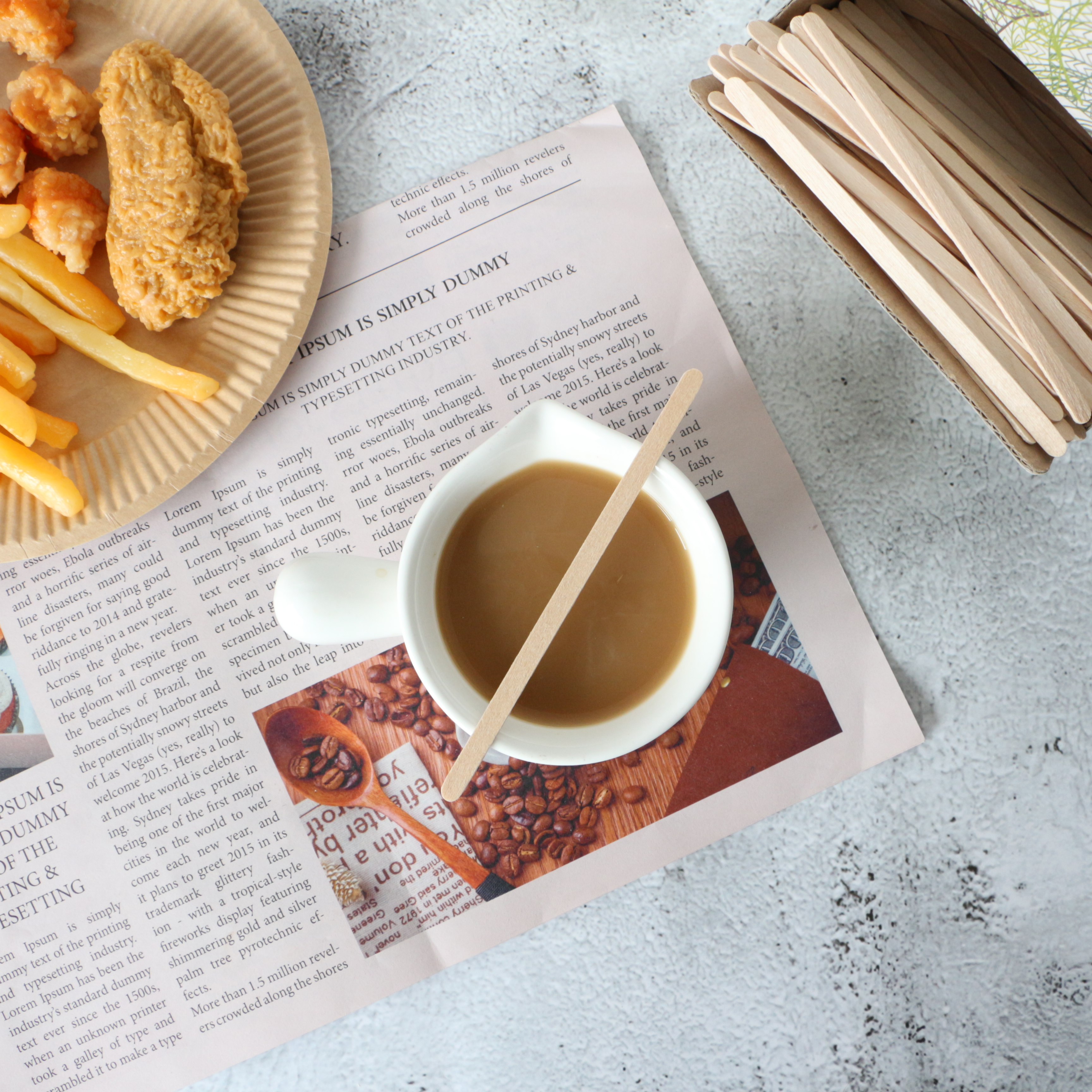
Greenwood's disposable wooden cutlery model GW-20456 covers wooden knives, forks, spoons, ice cream sticks, and coffee stirrers. The cutlery is made from 100% natural birch or poplar wood and is available in 180mm, 170mm, 160mm, 140mm, 110mm, and 95mm lengths, with customizable sizes.
The product specification describes the material as food-grade, BPA-free, non-toxic, biodegradable, and compostable. It also specifies a smooth surface and no burrs, which is the practical requirement behind 'splinter-free' disposable wooden cutlery.
Greenwood also produces disposable bamboo cutlery under model GW-BC001. This range includes bamboo knives, forks, spoons, coffee stirrers, and bamboo skewer sticks. The standard length is 170mm, with 110mm, 140mm, and 170mm options available. The bamboo range is described as food-grade, BPA-free, non-toxic, heat-resistant, and biodegradable, with smooth edges and no burrs.
Using a model number such as GW-20456 in purchase documents prevents ambiguity. It identifies the specific product set and makes it easier for both sides to confirm size, finish, packaging, and applicable certificates.
Certification snapshot
The certification table below lists the main documents referenced in Greenwood's corporate and product compliance records. Each row includes the certificate number, issuing body, and primary focus.
| Certification | Certificate number | Issuing body | Primary focus |
|---|---|---|---|
| BRCGS Global Standard for Packaging Materials | 10000305214-MSC-ACCREDIA-CHN | DNV | Manufacturing of disposable wooden and bamboo tableware |
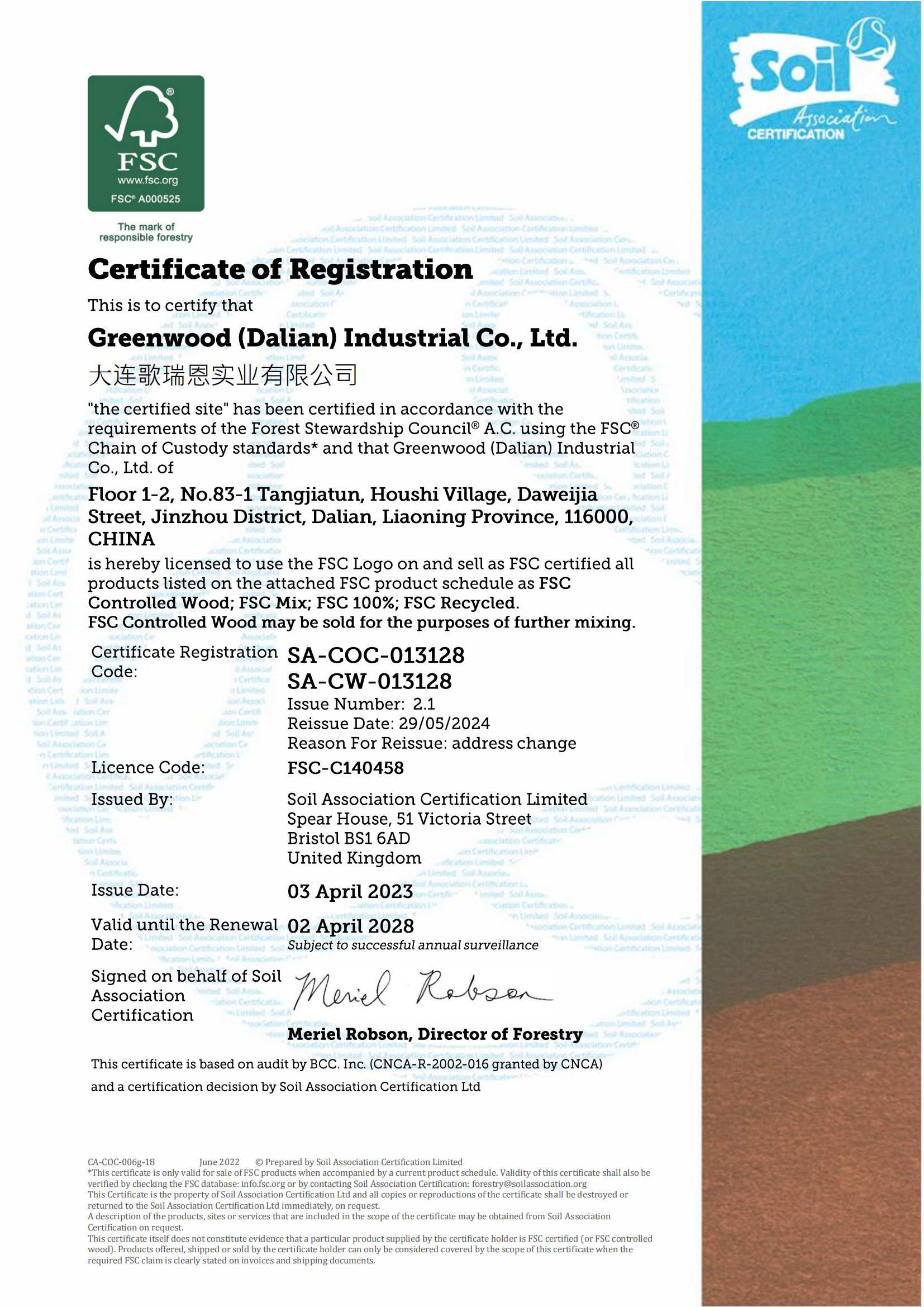
| FSC Chain of Custody | SA-COC-013128 | Soil Association | Responsible sourcing for wooden product |
| FDA 21 CFR 178 | R0723000394 | National Reference Laboratory for Food Contact Material (Guangdong) | Food-contact compliance for wooden product; references FDA 21 CFR 178.3800, GB 4806.12-2022, GB 9685-2016 |
| LFGB | 7216006083-2 | TUV SUD China | Food-contact compliance for bamboo tableware |
| BSCI | 24-0289038 | amfori | Social and environmental monitoring |
| SEDEX | ZS405156174 | SMETA | Labour standards, health and safety, environment, business ethics |
| ISO 9001 | 02024E1883R0M | Beijing ZhongDaHuaYuan Certification Center Co., Ltd. | Quality management system |
| ISO 14001 | 02024E1883R0M | Beijing ZhongDaHuaYuan Certification Center Co., Ltd. | Environmental management system |
| ISO 45001 | 02024E1883R0M | Beijing ZhongDaHuaYuan Certification Center Co., Ltd. | Occupational health and safety management system |
Certification scope matters
Certification scopes are product-specific. The FSC certificate covers a wooden product, the FDA document applies to a wooden product, and the LFGB document applies to bamboo tableware. A buyer sourcing both wood and bamboo cutlery should ask to see the relevant document for each product line.
The BRCGS certificate scope covers manufacturing of disposable wooden and bamboo tableware, including wooden knives, forks, spoons, skewers, steak markers, coffee stirrers, sticks, boats, cones, cups, plates, and trays, as well as bamboo forks, chopsticks, and skewers. A broad scope reduces the risk that the certificate applies only to one small item.
For European markets, buyers should also distinguish between 'biodegradable' and 'compostable'. General biodegradable wording is not the same as a certified claim. EN 13432 is the standard used for industrial compostability claims in the EU. Buyers should request the test report or certificate behind any compostability statement.
Similarly, EUDR is not a product certification label. It is a due-diligence regulation. Importers of wood products into the EU should request geolocation data and supply-chain documentation.
How to evaluate a certified disposable wooden cutlery supplier in six steps
- Check the certificate scope, not just the certificate name. Request a copy of the certificate and read the scope paragraph. Match the certificate number and issuing body to the product line you plan to buy.
- Match material and size to your operation. For restaurants and takeaway, standard sizes fit most meal containers. For retail sets, dessert portions, or special menus, confirm that custom sizes from 95mm to 180mm are available.
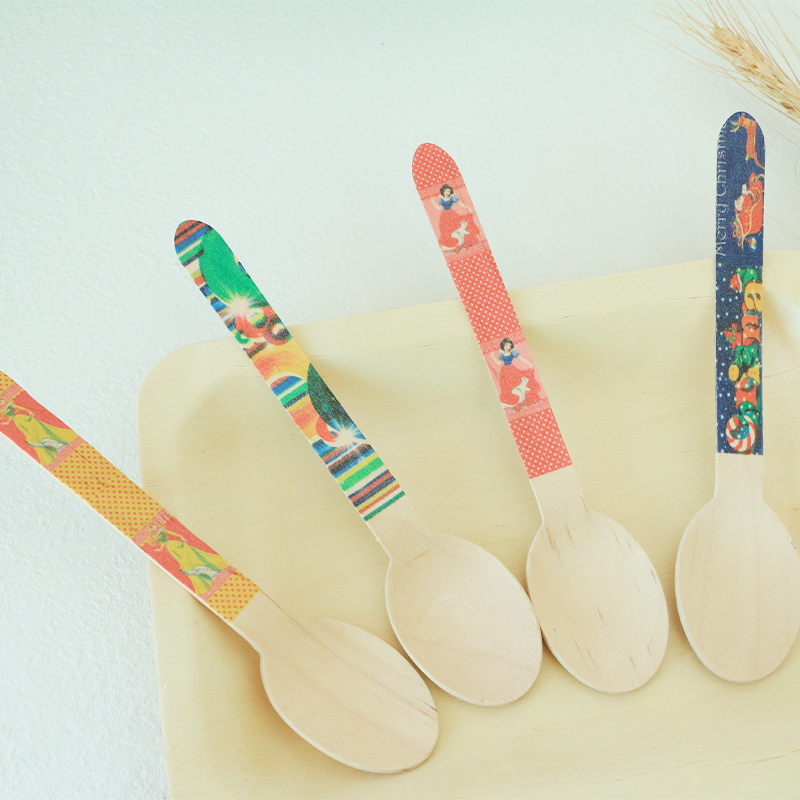
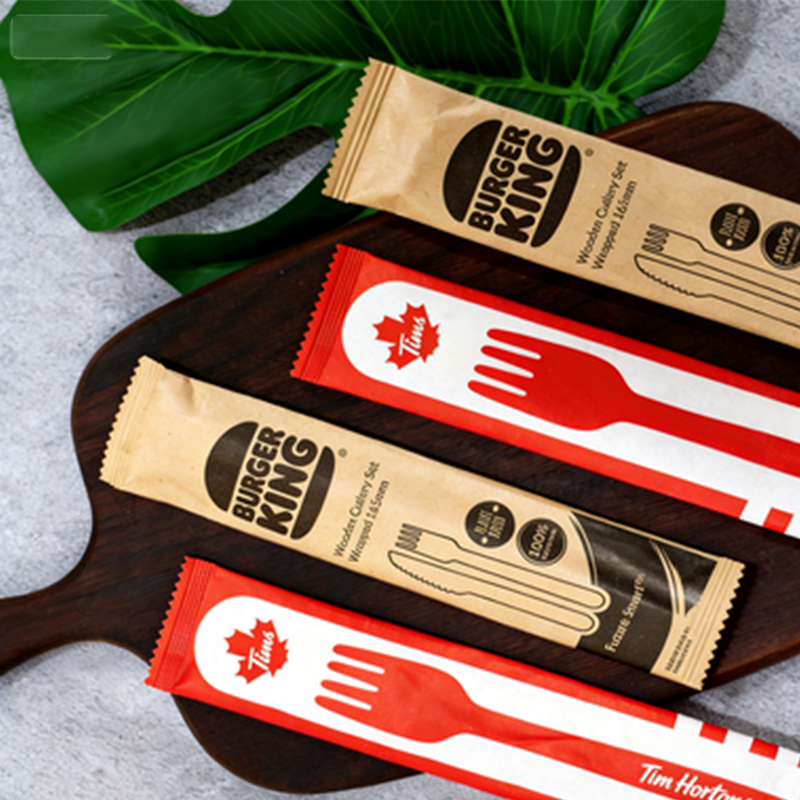
- Confirm customization and packaging capabilities. Greenwood supports OEM/ODM, logo printing on products and packaging, customized shapes and new designs, and individually wrapped packaging for hygiene-sensitive orders.
- Review surface quality and food-contact properties. Look for smooth surfaces, no burrs, no smell, heat resistance, and food-grade safety. These parameters affect user experience and reduce complaints.
- Request current compliance documents. Ask for certificates, test reports, and the issuing body for each document. Third-party inspection is part of Greenwood's quality control and provides an extra check for large shipments.
- Validate capacity, MOQ, and lead time. Greenwood's standard MOQ is 100,000 pieces, production lead time is 20 days, and the company reports a daily production capacity of 10 million pieces. Pricing should be reviewed together with the specification list, because size, logo method, and packaging change the final quote.
A practical way to apply these checks is to include them in a request for quotation (RFQ). The RFQ should state the product model or material, length, estimated annual quantity, logo method, packaging format, target markets, and required certificates. This turns a broad inquiry into a reviewable supplier question.
Use cases: restaurants, takeaway, hotels, parties, and camping
Restaurant and takeaway operators need disposable wooden cutlery that is food-safe, odorless, and compatible with fast service. The cutlery is suitable for hot and cold food, with a smooth surface and no burrs. Custom printing and individual wrapping support branded takeaway programs.
Hotel and catering buyers often need larger volumes and consistent presentation. Custom logo options include laser or print, and packaging can be customized to match the property brand. This reduces the need for secondary branding work at the destination.
Party, picnic, camping, and event planners need a product that works at ambient temperature in indoor and outdoor environments. The application record covers restaurants, takeaway, picnics, banquets, exhibitions, and outdoor catering. An eco-friendly disposable set simplifies clean-up and aligns with sustainability messaging.
Wooden vs bamboo disposable cutlery: a sourcing comparison
The table below compares the two main natural-material disposable cutlery lines available from Greenwood.
| Attribute | Wooden cutlery (GW-20456) | Bamboo cutlery (GW-BC001) |
|---|---|---|
| Material | 100% natural birch/poplar wood | 100% bamboo |
| Product types | Knives, forks, spoons, ice cream sticks, coffee stirrers | Knives, forks, spoons, coffee stirrers, skewer sticks |
| Standard sizes | 180, 170, 160, 140, 110, 95 mm | 170 mm standard; 110, 140, 170 mm options |
| Key food-contact documents | BRCGS, FDA 21 CFR 178, FSC, BSCI, SEDEX, ISO 9001, ISO 14001, ISO 45001 | LFGB, BRCGS, BSCI |
| Key properties | Food-grade, BPA-free, non-toxic, biodegradable, compostable, smooth surface, no burrs, heat-resistant | Food-grade, BPA-free, non-toxic, biodegradable, compostable, smooth edge, no burrs, natural bamboo texture |
This comparison is a procurement reference, not a quality ranking. The right choice depends on menu presentation, cost constraints, and the compliance documents accepted in your target market.
Frequently asked questions
What certifications should disposable wooden cutlery have for food-contact use?
Buyers should verify a certificate number, issuing body, and product scope. In Greenwood's records, the disposable wooden cutlery product holds BRCGS Global Standard for Packaging Materials certification (10000305214-MSC-ACCREDIA-CHN, issued by DNV), FSC Chain of Custody certification (SA-COC-013128, Soil Association), FDA 21 CFR 178 certification (R0723000394), BSCI certification (24-0289038, amfori), SEDEX certification (ZS405156174, SMETA), ISO 9001, ISO 14001, and ISO 45001. The disposable bamboo cutlery range holds LFGB certification (7216006083-2, TUV SUD China).
Can a supplier customize logo, size, and packaging for wholesale disposable wooden cutlery?
Yes. Greenwood works in OEM/ODM mode and offers logo printing on products and packaging, customized shape and new design, and custom sizes. Wooden cutlery lengths range from 95mm to 180mm, and packaging can be tailored, including individually wrapped options.
What is the MOQ for wholesale disposable wooden cutlery?
For Greenwood, the standard MOQ is 100,000 pieces. The final price depends on material, size, logo method, and packaging, so a quotation should be based on a confirmed specification list rather than a generic product name. A price band is meaningful only after these variables are fixed.
Can I request samples before placing a bulk order for disposable wooden cutlery?
Yes, sample requests are part of the evaluation process. Greenwood can provide customized printing and packaging, and buyers can contact the company directly to confirm sample availability and third-party inspection requirements. For a sample or quotation, email ireenwang@caregreenwood.com.
What is the production lead time for bulk disposable wooden cutlery?
Greenwood states a production lead time of 20 days. The company operates five major factories and reports a daily production capacity of 10 million pieces, which supports large-volume orders. Confirm the lead time with the sales team before scheduling delivery.
Conclusion
Certification is not a decoration on a website. It is evidence that a manufacturer can produce a product within defined food-safety, environmental, and social standards. For disposable wooden cutlery, the practical procurement checklist should include material, size, certification scope, surface quality, packaging, MOQ, and lead time.
Greenwood has more than 20 years of industry experience, operates five major factories, and exports mainly to Europe, Australia, New Zealand, Canada, the United States, South America, the Middle East, Japan, Korea, and Southeast Asia. The company's export logistics are supported by warehouses outside China, including in the United States.
For a detailed review of product specifications and certification files, download the Greenwood company brochure.
Request a quote or sample for your next disposable wooden cutlery program.
Greenwood Official Website | ireenwang@caregreenwood.com | Download Company Brochure