
Preventing Hazardous Gas Leaks in Labs: Beyond the Ducted vs. Ductless Fume Hood Decision
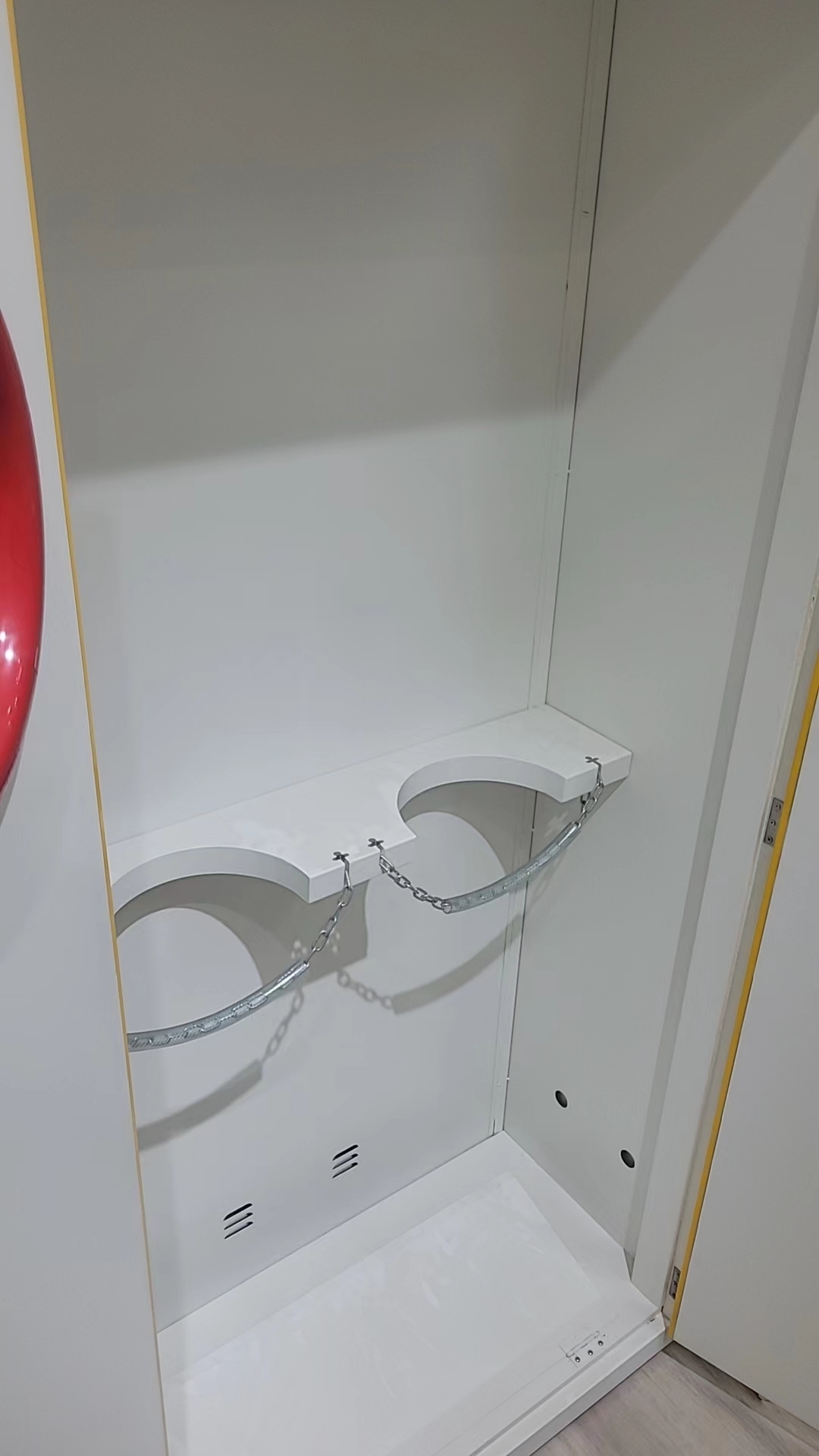
A hazardous gas leak in a laboratory is rarely a single product failure. It is a gap in a chain: gas escapes at a point where detection, exhaust and storage containment are not connected to each other. The ducted-versus-ductless fume hood decision determines where contaminated air is discharged; it does not determine whether a leaking cylinder regulator, a saturated reagent cabinet or a stalled exhaust fan is recognised in time to respond.
This article treats leak prevention as a configuration problem rather than a product comparison. It defines what a hazardous gas leak actually is inside a lab, explains why the hood-type decision covers only one of several release paths, and shows how alarm/exhaust linkage and leak-sensing configurations — as used in the gas cylinder safety cabinet and the integrated emergency safety hub — close the remaining paths. The intended reader is a laboratory manager, EHS lead or project engineer specifying laboratory furniture for R&D and pharmaceutical facilities, or reviewing an installation that is already running.
What Counts as a Hazardous Gas Leak in a Laboratory?
A hazardous gas leak is any uncontrolled release of a toxic, flammable, corrosive or asphyxiant gas into an occupied laboratory space. Four release paths account for most incidents, and each one is controlled by a different part of the laboratory furniture and ventilation package.
- Work-zone release. Vapour escapes from the fume hood working area when face velocity falls, when the sash is raised beyond the working position, or when large equipment disturbs airflow at the opening.
- Storage release. Reagent and acid cabinets accumulate vapour from containers. Without an exhaust connection, that vapour migrates into the room.
- Cylinder and regulator release. A cylinder valve, regulator or pigtail connection leaks inside gas storage. Because the inventory is concentrated, this path carries the highest consequence per event.
- Exhaust-path failure. The fan stops, the duct is blocked or a damper is left closed. The hood or cabinet then behaves as a passive box, and containment is lost without any visible change in the room.
Of these four, only the first is addressed by the ducted-versus-ductless choice. The second and third are storage-configuration questions. The fourth is a monitoring and linkage question. A laboratory that resolves only the hood type has resolved one quarter of its leak exposure.
This distinction matters because the failure modes look different at the point of purchase. A ducted hood and a ductless hood can both be correct selections and both still leave a cylinder cabinet unvented and a detector unconnected to anything.
Why Leak Prevention Has Become a Specification Question
Laboratory furniture procurement has shifted from "which enclosure" toward "what happens when the enclosure or the stored inventory fails". Three developments explain the shift.
Market scale and material choice. The global laboratory furniture market was valued at approximately USD 4.8 billion in 2025 (Dataintelo, Laboratory Furniture Market Research Report 2034). Published estimates for the same year vary considerably because market definitions differ — some include integrated laboratory services and gas piping, others count core furniture only — so figures should be read as context rather than as a benchmark. Within the material segment, metal furniture held a 52.7% revenue share in 2025. That dominance is one reason corrosive-gas applications need an explicit material decision: a metal cabinet and a polypropylene cabinet are not interchangeable in an acid-vapour zone.
Testable containment performance. ANSI/ASHRAE Standard 110-2016 (R2025) specifies a quantitative and qualitative test method for evaluating fume containment of laboratory fume hoods, and remains the primary American national standard for that purpose. EN 14175 is the European benchmark applied to fume hoods. On the storage side, EN 14470-1 classifies fire-resistant safety cabinets as Type 15, 30, 60 or 90 minutes according to the time taken to reach the internal temperature limit, with the temperature increase inside the cabinet not exceeding 180 K or 200 °C. Once performance is measurable, it becomes specifiable.
A concentrated global supply base. China exported over USD 4.15 billion of furniture parts under HS 940390 in 2024 (OEC), a category that includes laboratory furniture components. For buyers, a large and fragmented supply base makes documentation — test reports, material certificates and configuration drawings — the practical way to separate comparable offers.
The practical consequence is that emergency behaviour is now written into the purchase order: which cabinet carries an exhaust connection, which one carries a purging system, and which one carries an alarm/exhaust linkage configuration.
Beyond Ducted vs. Ductless: A Four-Layer Leak-Prevention Architecture
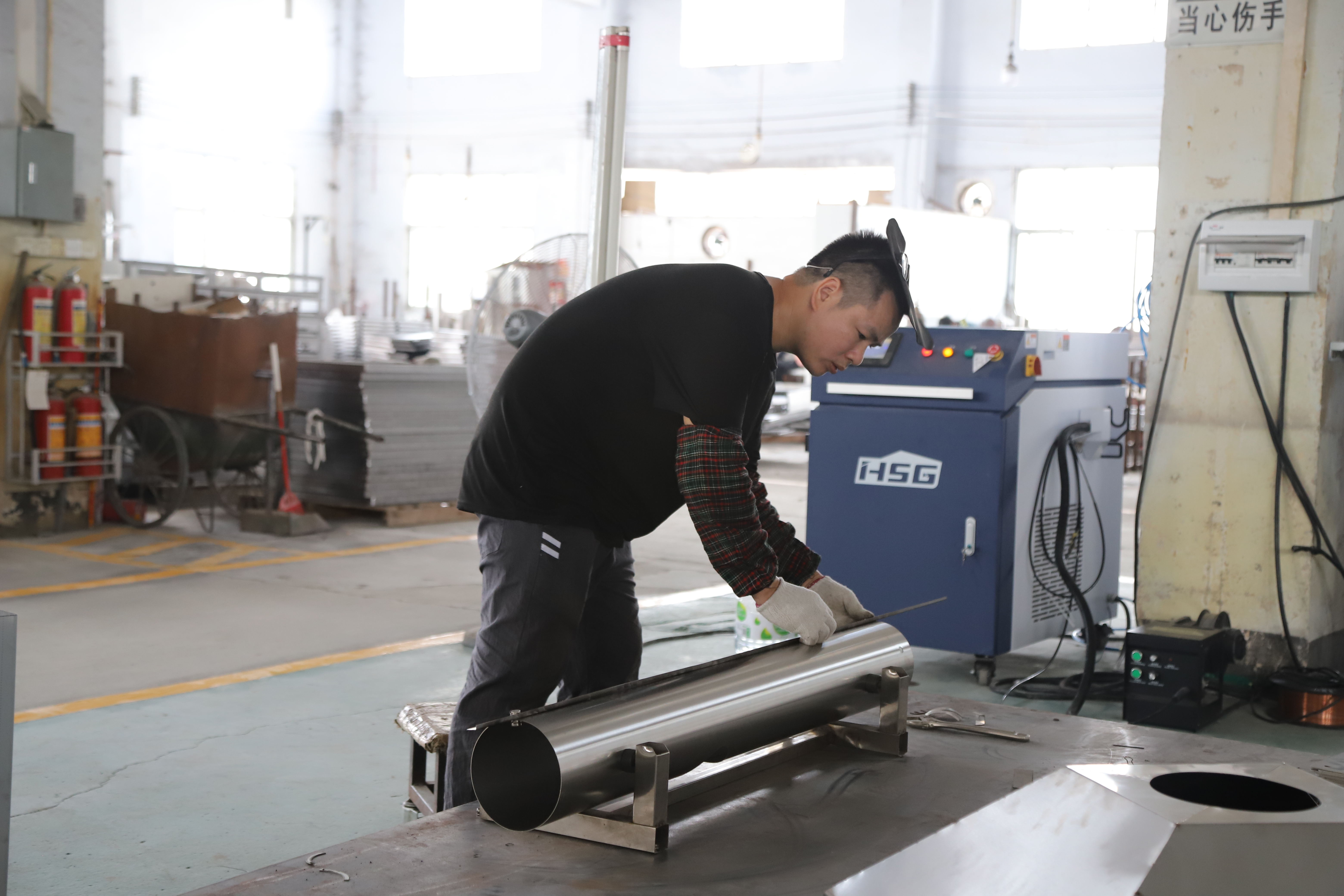
The configurations in the Ever Great laboratory furniture range map onto four functional layers. Guangdong Ever Great Laboratory Equipment Co., Ltd. is a laboratory infrastructure manufacturer and EPC solutions provider based in Shishan Town, Foshan, Guangdong, China, producing fume hoods, laboratory workbenches, safety storage cabinets and PP and stainless steel laboratory furniture.
Layer 1 — Containment at the work zone
The fume hood is the primary capture device, and its containment depends on measurable airflow rather than on appearance. Two configurations cover most work-zone requirements.
The polypropylene fume hood (EG-PP-FH) is a seamless welded PP anti-corrosion fume hood intended for chemical, electroplating and acid-alkali laboratories. It is built in overall sizes of 1200/1500/1800 x 850 x 2350 mm, uses PP sheet of at least 8.0 mm, runs at a face velocity of 0.3–0.6 m/s and uses a three-stage baffle.
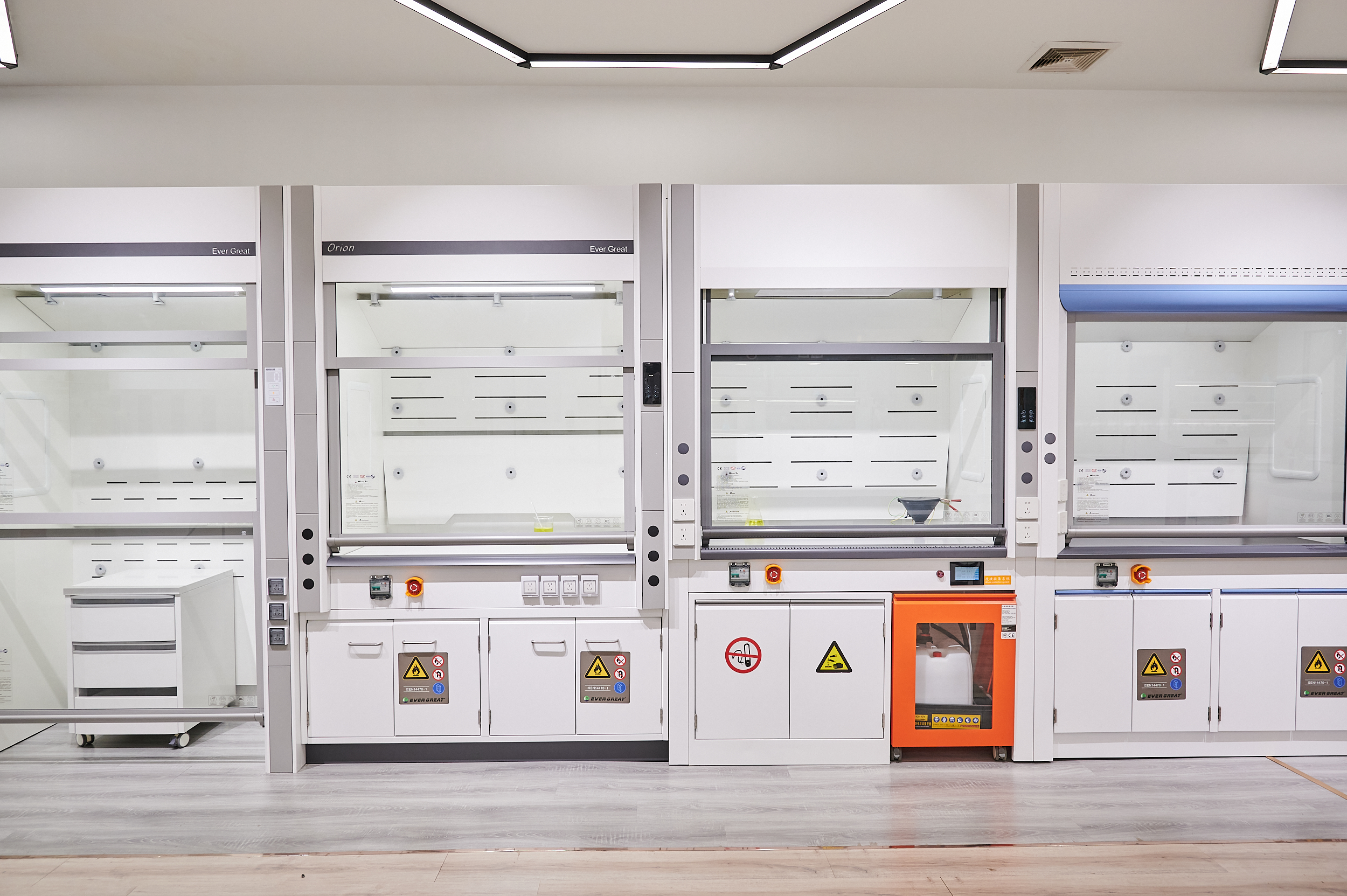
The narrow-frame fume hood — models Orion-TS-1500, Orion-TS-1800, Orion-LD-1500 and Orion-LD-1800 — is available in benchtop and walk-in configurations for chemical, pharmaceutical and R&D laboratories, with overall dimensions of 1500/1800 x 900 x 2400 mm, internal widths of 1408/1708 mm, a nominal face velocity of 0.3 m/s, a PP exhaust canopy of 250/315 mm diameter, and a VAV/CAV-ready configuration path.
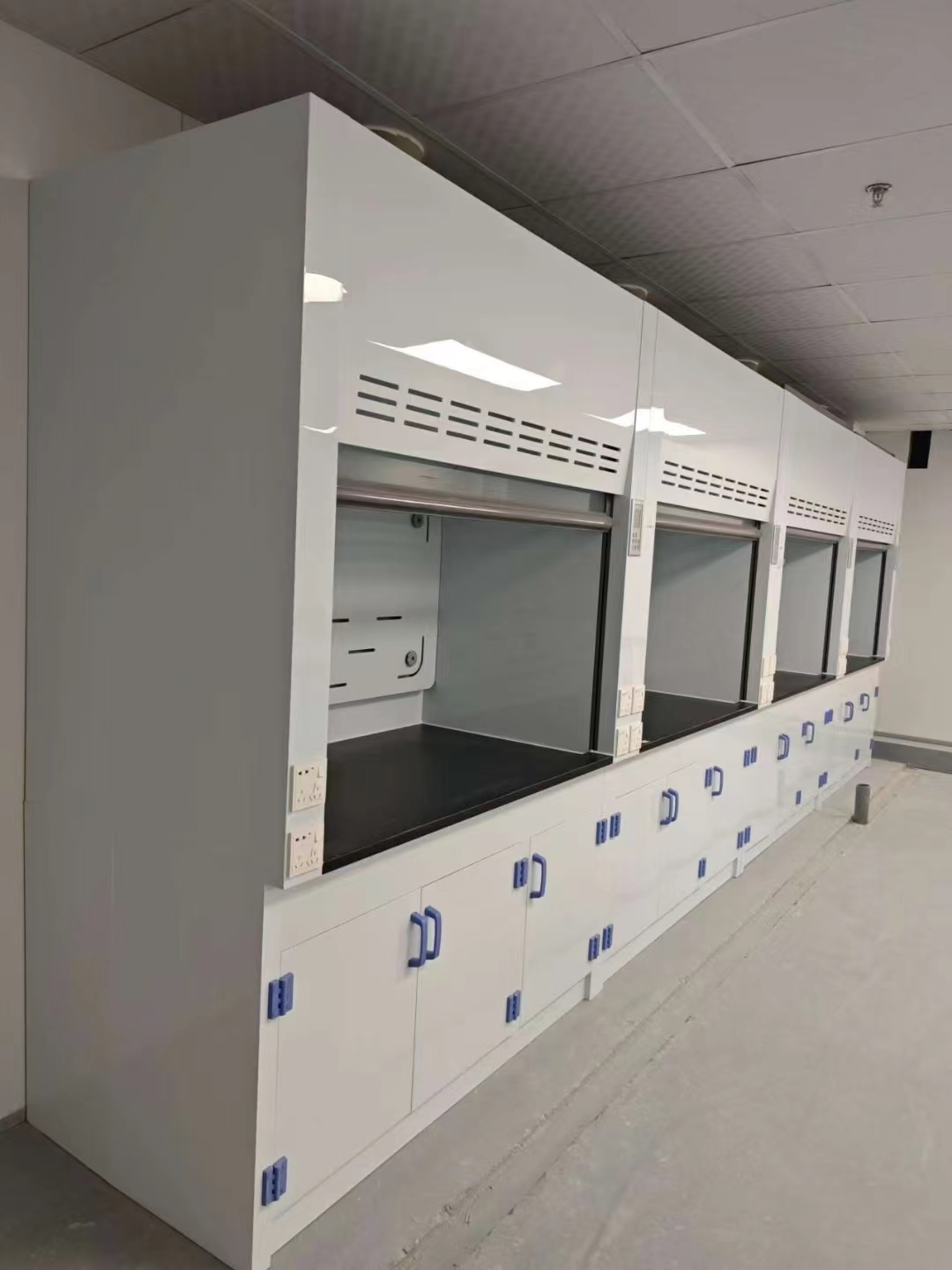
For an existing installation, the first check is not the model but the measured face velocity at the working sash height and the condition of the baffles. Containment degrades before it fails visibly.
Layer 2 — Exhaust at the storage point
Storage cabinets are a recognised vapour source, and two cabinet types are built to be connected to exhaust rather than sealed and forgotten.
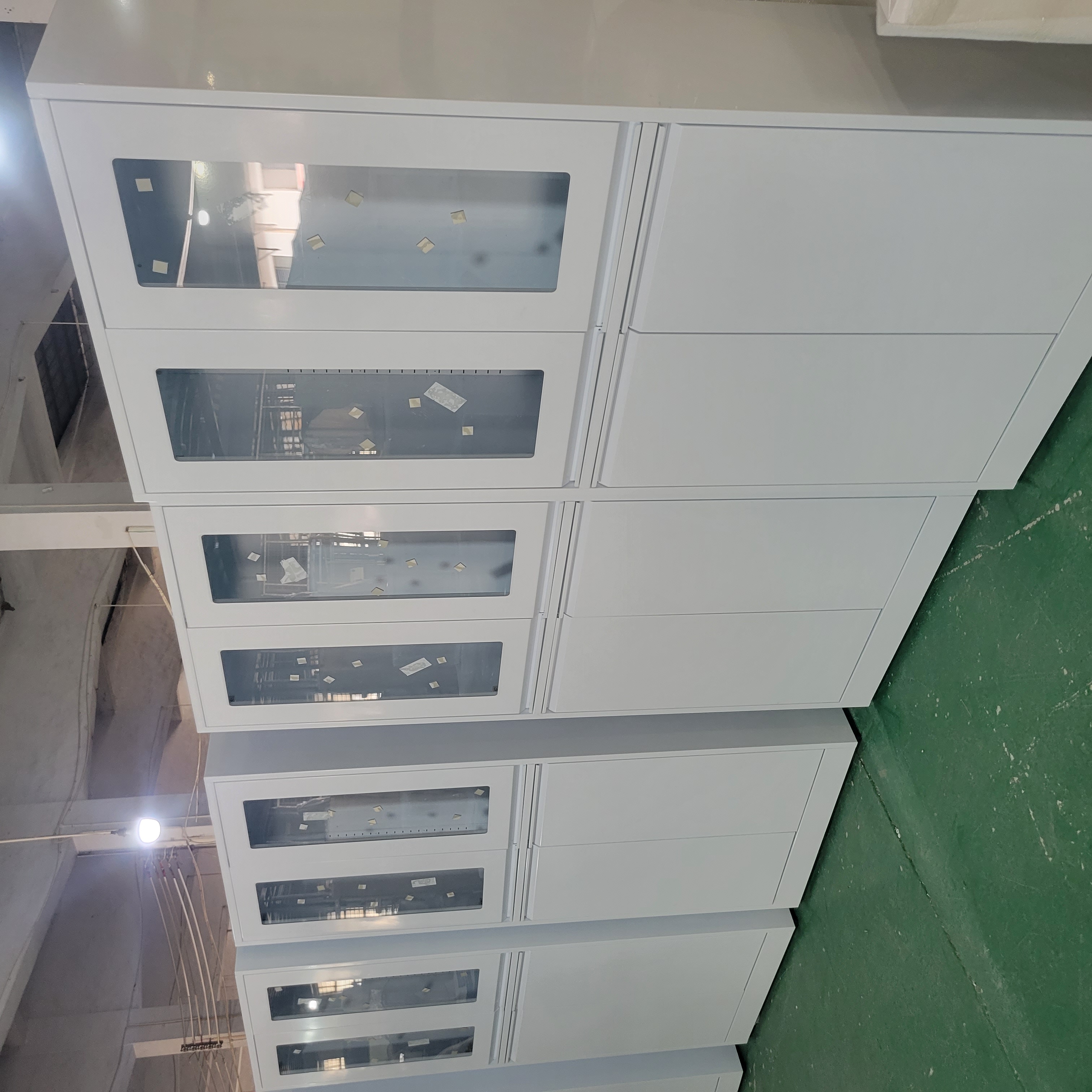
The vented chemical and reagent cabinet (EG-S0-LB001) is a full-steel exhausted chemical cabinet with double-wall steel construction, epoxy coating and tempered glass, four adjustable shelves with spill containment, and an exhaust connection provision of 110/150 mm diameter at overall dimensions of 900 x 500 x 1800 mm. It is intended for chemical, pharmaceutical and analytical laboratories.
The PP acid and alkali storage cabinet (EG-PP-CB003) is a metal-free corrosive chemical storage cabinet measuring 900 x 450 x 1800 mm, built from 8.0 mm PP sheet with PP hardware, three adjustable spill-containment shelves, a bottom sump and a 110 mm exhaust port. It is intended for chemical, electroplating and acid-alkali laboratories.
Layer 3 — Cylinder control: purging, fixing and linkage
Cylinders are the highest-consequence release point in a laboratory gas system because a single failed connection can release the content of a compressed vessel into a small room. The gas cylinder safety cabinet (EG-S0-CB005) is a steel gas cylinder cabinet with a purging system, sized at 900 x 450 x 2000 mm in 1.0 mm cold-rolled steel, with single-, double- and triple-cylinder options. It provides cylinder-fixing provisions and an anti-tip layout, an automatic purging option, and an alarm/exhaust linkage configuration. It is intended for chemical, semiconductor and industrial-gas laboratories, and for laboratory gas storage scenarios.
The two functions are complementary. Purging keeps the cabinet interior from accumulating gas during normal operation and after a cylinder change; the linkage configuration connects detection to exhaust so that the response does not depend on someone noticing an odour. For a specification, the alarm/exhaust linkage configuration should be written as a required item during ordering rather than added as an accessory after the cabinet is installed.
Layer 4 — Detection and first response
Detection is only useful if it reaches people and equipment at the same time. The laboratory safety and emergency hub (EG-SF-CB011) is an integrated emergency safety cabinet in 1.0 mm cold-rolled steel with epoxy powder coating and an aluminum handle, measuring 900 x 600 x 2000 mm, combining a shower, eyewash, first-aid and fire-safety storage in one unit. Its configuration includes leak sensing and alarm integration capability, and it is intended for education, pharmaceutical and chemical laboratories.
Placing leak sensing and first-response equipment on the same footprint removes a decision from an emergency: the person who hears the alarm is standing next to the eyewash, the shower and the first-aid supplies.
How alarm/exhaust linkage changes the response window
Without linkage, the response to a release follows a human sequence: someone notices something, identifies the source, starts ventilation, then evacuates. Each step costs time, and each step depends on a person being present and correct.
With an alarm/exhaust linkage configuration, the detection signal drives the exhaust and the alarm together, so the sequence becomes automatic and simultaneous. The operator's task shifts from starting the system to leaving the zone.
This is a configuration decision with a clear boundary: linkage does not prevent a leak, and it does not replace containment. It shortens the interval between a release and the start of mitigation, and it works only if the exhaust it controls is running and the detection is maintained.
Where the fume hood still fits in a leak-ready system
The hood remains the frontline device for routine work, and its performance should be evidenced. Ever Great fume hoods are tested to EN 14175 and ASHRAE 110, with third-party reports from SGS; the company also holds ISO 9001, ISO 14001 and ISO 45001 certification and is recognised as a National High-Tech Enterprise.
The ducted-versus-ductless decision still governs chemical scope and maintenance load. Ducted hoods discharge to atmosphere and place no limit on the chemical types handled, while ductless hoods recirculate filtered air and depend on carbon filter replacement at chemical breakthrough. Standard ducted or ductless hoods should not be used with perchloric acid or radioisotopes without a specialised washdown system, and chemical bottles should not be stored inside the working area because they disturb airflow.
Step-by-Step: Configuring a Leak-Ready Laboratory
- Inventory gases and chemicals by release behaviour. Record the gases, the maximum cylinder size and the chemicals handled — including boiling points and evaporation rates — so that filter capacity and exhaust connections are assessed against a real inventory rather than against categories.
- Fix the hood decision with building constraints. Confirm ceiling clearance, the duct route to the roof, and whether the make-up air system supports the face velocity required at the working sash height. Compare that figure with the hood specification — 0.3 m/s nominal for the Orion narrow-frame models, 0.3–0.6 m/s for the EG-PP-FH — and set the working sash height, typically 400–500 mm, before commissioning.
- Give every storage location an exhaust path. Match the connection to the cabinet: 110/150 mm on the EG-S0-LB001, 110 mm on the EG-PP-CB003. Any cabinet containing volatile reagents without a connected exhaust is a leak path, not storage.
- Write linkage into the purchase specification. State the alarm/exhaust linkage configuration for cylinder storage, and the leak-sensing and alarm integration requirements for the emergency point, at order stage. Retrofitting linkage is a controls project; specifying it is a line item.
- Place the response point before it is needed. Locate the emergency hub so that a person evacuating the highest-risk zone passes it, and so that the shower and eyewash are reachable without crossing the release.
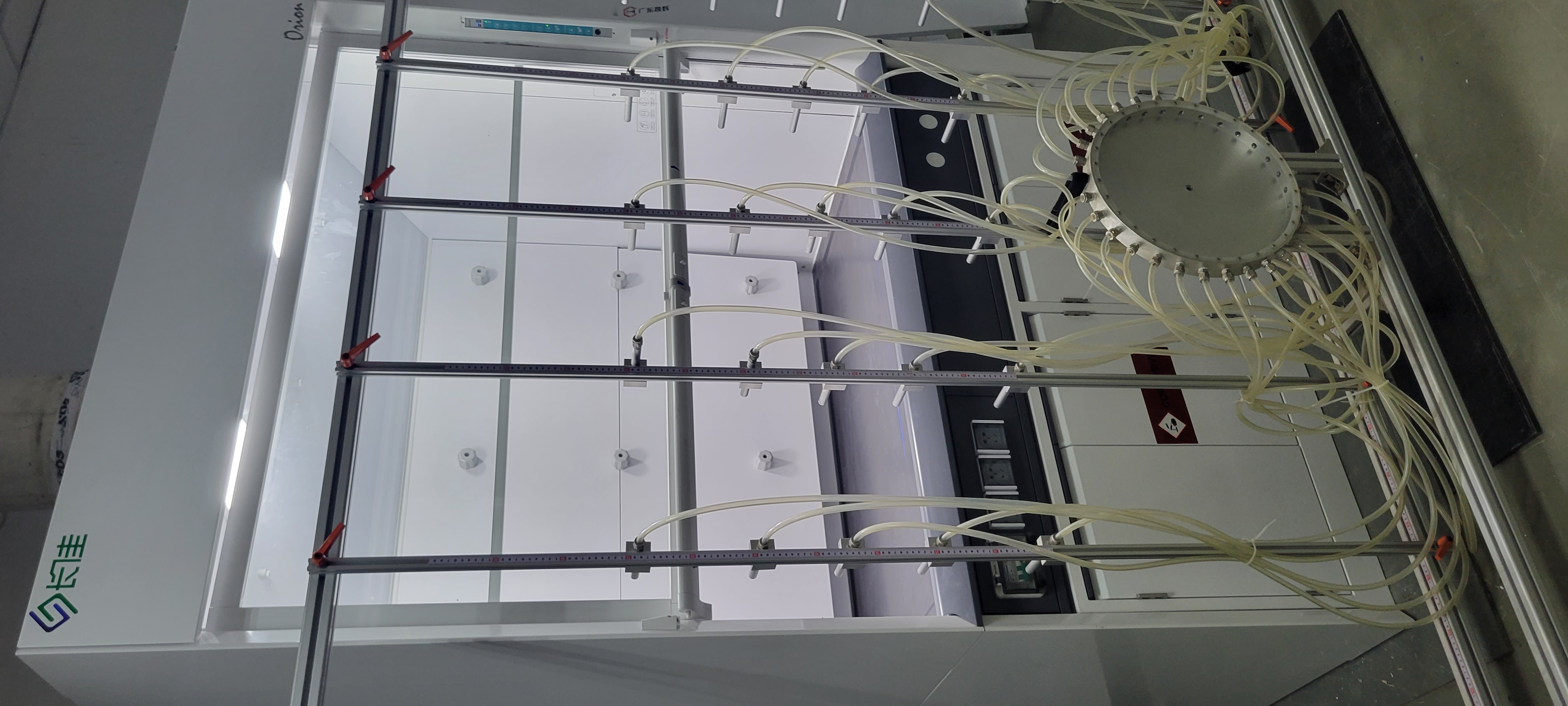
- Commission with measurable tests. Perform a smoke containment check and a face velocity grid test across the sash opening before routine use, and file the EN 14175 and ASHRAE 110 third-party reports with the handover documentation.
- Drill, then re-verify after any change. Record the response sequence and walk it with the people who work in the room. Re-verify airflow and linkage after any duct, fan or cabinet modification, because containment and response depend on the system as built, not as ordered.
Where These Configurations Matter Most
Pharmaceutical QC and R&D laboratories. Method development and stability work concentrate small volumes of many solvents, and documentation requirements make traceable test reports as important as containment itself. A narrow-frame hood with a VAV/CAV-ready path, supported by vented reagent cabinets, fits this profile.
Chemical and acid-digestion laboratories. Digestion with HCl, HNO3 or HF attacks metal and produces dense acid vapour. A seamless welded PP hood, a metal-free PP acid and alkali cabinet, and a PP exhaust canopy address both the vapour and the material-compatibility issue.
Semiconductor and industrial-gas laboratories. Cylinder inventory is the dominant risk, and gas storage is a defined scenario. A gas cylinder safety cabinet with purging, cylinder fixing and alarm/exhaust linkage is the appropriate enclosure, supported by an emergency hub for first response.
Teaching and university laboratories. The people at the bench are learners, so response must be automatic rather than procedural. Linking detection to exhaust, and placing shower and eyewash on the same footprint as the alarm, reduces dependence on correct human action.
Configuration Comparison by Leak Path
| Configuration (model) | Primary leak path covered | Containment / exhaust provision | Alarm or linkage provision |
|---|---|---|---|
| Polypropylene fume hood (EG-PP-FH) | Work-zone acid and alkali vapour | Seamless welded PP body, three-stage baffle, face velocity 0.3–0.6 m/s | Not specified in this configuration |
| Narrow-frame fume hood (Orion-TS-1500 / Orion-TS-1800 / Orion-LD-1500 / Orion-LD-1800) | Work-zone containment in chemical, pharmaceutical and R&D labs | Benchtop or walk-in, PP exhaust canopy 250/315 mm, nominal face velocity 0.3 m/s, VAV/CAV-ready path | Not specified in this configuration |
| Vented chemical and reagent cabinet (EG-S0-LB001) | Stored reagent vapour | Exhaust connection 110/150 mm, double-wall steel, four spill-retaining shelves | Not specified in this configuration |
| PP acid and alkali storage cabinet (EG-PP-CB003) | Corrosive acid and alkali vapour in storage | 110 mm exhaust port, bottom sump, three spill-containment shelves | Not specified in this configuration |
| Gas cylinder safety cabinet (EG-S0-CB005) | Cylinder and regulator release in gas storage | Purging system, cylinder-fixing provisions, anti-tip layout | Alarm/exhaust linkage configuration |
| Flammable safety cabinet (EG-SF-LB005) | Flammable liquid vapour in storage | 1.2 mm double-wall steel, 38 mm air barrier, 51 mm sump, dual flash-arrested vents | Not specified in this configuration |
| Laboratory safety and emergency hub (EG-SF-CB011) | Room-level detection and first response | Integrated shower, eyewash, first-aid and fire-safety storage | Leak-sensing configuration; alarm integration capability |
Frequently Asked Questions
What containment standard should be required before a fume hood is accepted?
ANSI/ASHRAE Standard 110-2016 (R2025) is the primary American national standard for quantitative and qualitative testing of fume hood containment, and EN 14175 is the European benchmark. Ever Great fume hoods are tested to EN 14175 and ASHRAE 110, with third-party reports from SGS, and the company holds ISO 9001, ISO 14001 and ISO 45001 certification. Ask for the report covering the exact model and size being quoted rather than the series in general.
Can a gas cylinder safety cabinet be supplied with alarm and exhaust linkage?
Yes. The EG-S0-CB005 is a steel gas cylinder cabinet with a purging system, available with single-, double- and triple-cylinder options, cylinder-fixing provisions, an anti-tip layout, an automatic purging option and an alarm/exhaust linkage configuration. It is intended for chemical, semiconductor and industrial-gas laboratories. The linkage only functions when the cabinet is connected to a working exhaust and a maintained detection device, so both should be confirmed at commissioning.
What drives the cost of a leak-ready configuration?
Four items usually set the difference: enclosure material (polypropylene for acid vapour, steel for flammable and cylinder storage), whether the unit carries an exhaust connection or purging system rather than passive storage, whether controls and linkage are specified at order stage, and how many auxiliary devices the room needs — vented reagent cabinets and an emergency hub in addition to the hood. Ever Great quotes against a drawing set and a configuration list rather than a catalogue price; the company operates a 6,000 m² manufacturing base in Foshan and an annual production capacity of 20,000 units.
How can a configuration be validated before a full order?
Provide the room layout, the gas and chemical inventory and the required model list. The engineering team reviews the hood size against the working sash height and duct route, matches cabinet exhaust connections to the ventilation design, and confirms whether linkage is required. Contact is available by email at qsjiang666@outlook.com, by phone or WhatsApp at +86 158-0007-2469, and the 2026 catalogue can be downloaded for reference.
What information shortens production and delivery scheduling?
Approving the drawing set early, fixing the model list including sizes and options, confirming exhaust connection diameters and site utilities, and stating the certification required for the destination market. Flagship product series hold CE and RoHS certification; export accounts for 60% of sales, with main markets in the USA, EU, Middle East and Africa. Standard supply includes a 1-year comprehensive warranty with rapid spare parts deployment and remote or on-site engineering support.
Conclusion
Leak prevention does not end with the ducted-versus-ductless decision. That decision answers where the air goes; the release paths that cause most incidents are answered by storage exhaust connections, cylinder purging, and detection that is linked to exhaust rather than left standing alone. A laboratory that specifies all four layers — work-zone containment, storage exhaust, cylinder control with linkage, and an integrated response point — has converted emergency response from a human sequence into a system behaviour.
Guangdong Ever Great Laboratory Equipment Co., Ltd. manufactures the configurations described here: fume hoods tested to EN 14175 and ASHRAE 110 with SGS third-party reports, vented and polypropylene storage cabinets, the gas cylinder safety cabinet with alarm/exhaust linkage, and the integrated emergency safety hub. Founded in 2011, the company operates a 6,000 m² base in Foshan, Guangdong, China, with an annual production capacity of 20,000 units, and holds ISO 9001, ISO 14001 and ISO 45001 certification as well as National High-Tech Enterprise recognition.
Next step
Send the room layout and the gas and chemical inventory, and the engineering team will return a configuration list covering hood type, storage exhaust connections, cylinder linkage and the emergency response point.
Email: qsjiang666@outlook.com · Tel / WhatsApp: +86 158-0007-2469 · evergreatlab.com
Download the Ever Great 2026 laboratory furniture catalogue (PDF)
Have Questions or Need More Details?
Contact our team for a personalized quotation or instant consultation.
Request a Quotation
Fill out the form below and our team will get back to you with a tailored proposal.
WhatsApp Direct Chat
Prefer to chat in real-time? Message us on WhatsApp for instant assistance & quick answers.
- Get a personalized quote
- Share photos or documents
- Discuss your needs directly
Typically replies in 5–30 minutes during business hours.