High Torque Screw Shaft Fracture in Extrusion: A Barrel Selection Guide
Screw shaft fracture under high torque is a specification failure before it is a material failure. When a compounding or extrusion line loses a screw shaft mid-run, the break usually traces back to a torsional stress concentration at the shaft joint that was never matched by the steel grade, the heat treatment, or the barrel wear allowance around it.
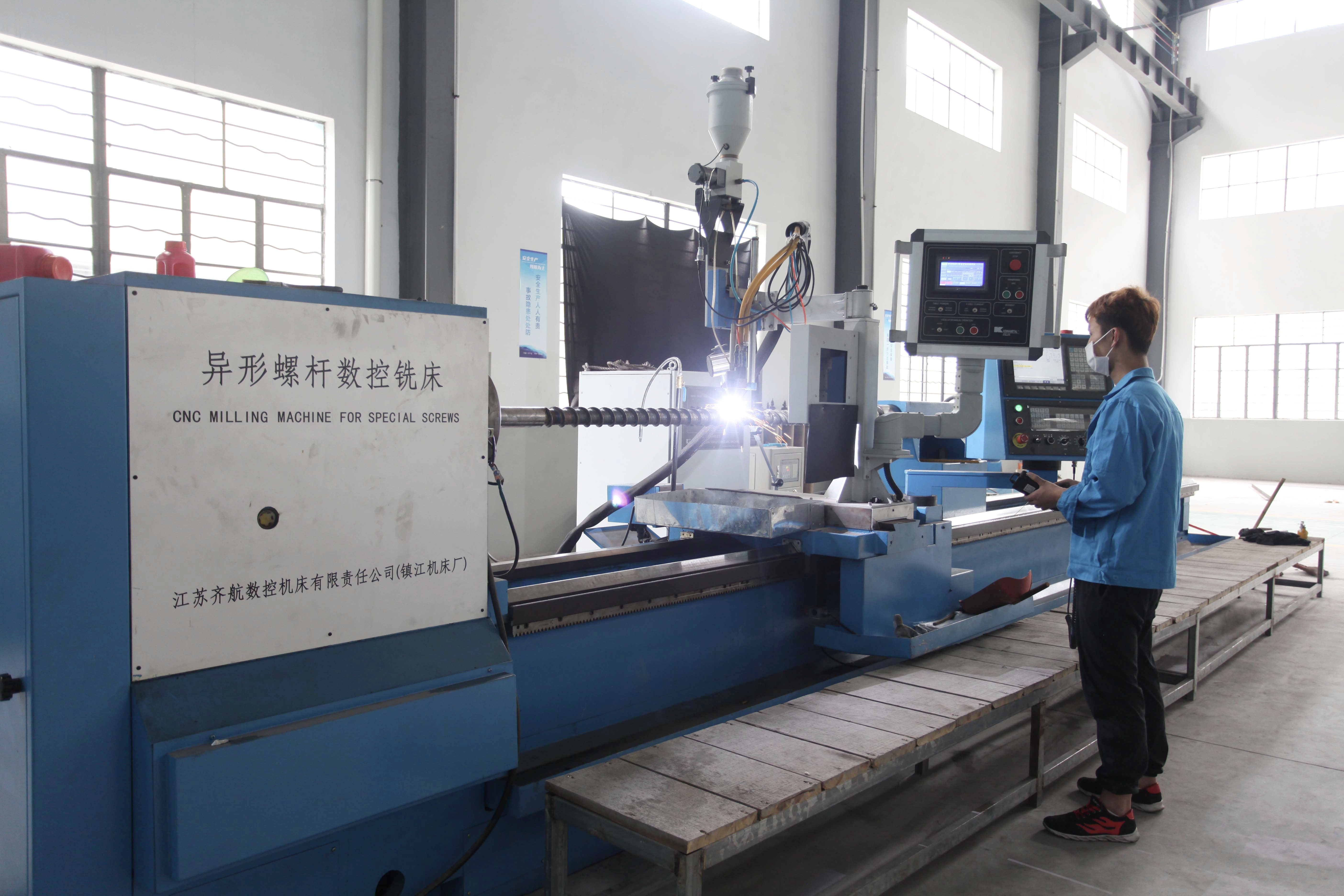
The working answer has two halves, and they must be decided together. On the screw side, steel selection and heat treatment are matched to the joint stress limits. On the barrel side, the wear protection is chosen for the same duty cycle, so the running clearance and load distribution the shaft was calculated for stay stable across the campaign. Guangyou Screw is the brand of Zhejiang Guangming Plastics Machinery Co., Ltd., a screw and barrel manufacturer established in 1992 in Zhoushan, China, operating a 100,000 m² facility with more than 800 employees. Its fracture-control measure for high-torque duty is built on premium high-performance alloys such as 38CrMoAlA or SKD61, taken through controlled quenching, tempering and internal stress relief to maximise torsional strength.
Problem Definition: What a High-Torque Shaft Fracture Actually Is
A high-torque shaft fracture is the separation of the screw shaft, most often at or near the drive-end joint, under torsional load that exceeds the local strength of the steel at that section. It is not the same failure mode as flight wear, barrel scoring or corrosion pitting, and it is usually diagnosed incorrectly because the visible damage appears at the barrel, not at the joint.
Three characteristics define the problem on a running extrusion or compounding line:
- Location. The fracture initiates where torque transitions from the drive into the screw body, at the joint geometry and the first thread section. These are the sections where stress concentration and section change meet.
- Timing. The failure arrives without a gradual wear warning. Output, melt quality and pressure may look normal until the shaft separates, which is why processors often blame the material lot or the operator rather than the specification.
- Consequence. The line stops, the barrel is opened, and the screw, the barrel and often the gearbox coupling are inspected together. Replacement lead time then becomes the production constraint, not the part price.
The important diagnostic point is this: a shaft that fractures under high torque was, in most cases, carrying a load the joint was never specified to survive. That makes the corrective action a specification decision, not a repair decision.
Industry Background: Why Torque Loads and Barrel Choice Are Now One Decision
Screw and barrel selection has drifted toward higher torque duty because the material mix has changed. Filled, reinforced and recycled streams demand more mixing work from the same screw geometry, and more mixing work means more torque at the shaft joint.
The commercial scale of this component category is well documented. Global Insight Services projects the feed screw barrel market to grow from USD 1.89 billion in 2024 to USD 3.33 billion by 2034, a CAGR of 5.8%. Grand View Research values the wider plastic processing machinery market at USD 25.9 billion in 2025, with injection molding machines accounting for 50.9% of that market. Fortune Business Insights reports that single-screw extrusion machinery holds approximately 62% of the extrusion market as of 2024, which is relevant because single-screw lines are exactly where a fractured shaft stops production outright. On the wear-protection side, Dataintelo estimates the global bimetallic barrel and screw market at USD 2.8 billion in 2025, forecast to reach USD 4.7 billion by 2034.
Two technical trends sit behind those figures. First, abrasive and corrosive formulations push processors toward bimetallic barrels, and any barrel decision changes the clearance and load pattern the screw runs in. Second, the shaft, the screw flights and the barrel are still frequently purchased and specified as three separate items, so nobody owns the torsional budget for the joint.
Specification rule: a screw and barrel should be sized as one load case. If the barrel specification changes, the shaft specification should be re-checked against it.
Root Causes: Where the Torsional Load Concentrates
1. Steel grade not matched to the torsional load
When a shaft is produced from a grade chosen for machinability rather than torsional strength, the joint section becomes the limiting feature. The failure appears as a clean torsional break rather than progressive wear, and it tends to repeat on the same machine until the grade is changed.
2. Heat treatment that leaves residual stress in the shaft
Quenching and tempering set the balance between hardness and toughness, and internal stress relief removes the residual stress left by machining and heat treatment. A shaft that is hardened but not stress-relieved can carry a nominal load in the short term and still fracture under sustained torque. Guangyou Screw addresses this by running quenching, tempering and internal stress relief as defined process steps on high-performance alloys such as 38CrMoAlA or SKD61.
3. Joint geometry and stress concentration
Every change of section concentrates stress. The joint is the point where the drive torque enters the screw, so the transition radius, the fit and the thread start all influence how the load is distributed. A joint designed without reference to the real torque profile will always be the first place to fail.
4. Barrel-side conditions that raise the load
Barrel wear is usually managed as a maintenance topic, but it changes the load the shaft sees. As clearance opens, the screw has to work against a changed pressure profile, and the joint absorbs the difference. Abrasive fillers and corrosive additives accelerate that drift, which is why a fracture investigation that ignores the barrel usually ends with a repeat failure.
The Solution: Steel and Heat Treatment Matched to Joint Stress Limits
Screw side: alloy choice plus a defined heat treatment route
Guangyou Screw's control method for screw shaft fracture under high torque is optimised steel selection combined with heat treatment matched to the joint stress limits. In practice the company uses premium high-performance steel alloys such as 38CrMoAlA or SKD61 and puts them through professional quenching, tempering and internal stress relief processes to maximise torsional strength. The point is not the grade name alone; it is that the grade and the heat treatment are selected against a stated stress limit rather than inherited from a catalogue.
Barrel side: protection chosen for the same duty cycle
Barrel protection is specified to hold clearance stable under the same load case. Where abrasive fillers, fibre reinforcement or corrosive additives are present, Guangyou Screw applies fully automatic plasma rotary alloy spraying (PTA) to build a bimetallic layer with hardness of HRC 58-65. That layer is what keeps the barrel dimensionally stable when a corrosive or fibre-filled compound is running.
Material options across the product range
Material selection is matched to the machine type and the polymer. The company's range covers parallel twin screw barrels, conical twin screw barrels, single screw extruder screws and barrels, rubber screw barrels, injection molding screw barrels, and PVC, WPC and SPC barrel configurations, with 38CrMoAl, D2 and AISI316 available as material options. For nitrided 38CrMoAl components, the industry reference for case depth is 0.4-0.6 mm with surface hardness of 900-1,100 HV under DIN 1.8509. Industry technical references also describe centrifugally cast bimetallic liners in the 1.5-3.0 mm range, which is a different process route from PTA spraying and should not be confused with it when comparing quotations.
Bimetallic vs Nitrided: Choosing Barrel Protection for the Same Duty Cycle
The barrel decision is a wear decision, and it feeds straight back into fracture risk because it determines how long the clearance stays inside specification. Guangyou Screw's own comparison of a traditional nitrided screw and barrel against its bimetallic screw states that the bimetallic option delivers superior wear and corrosion resistance under harsh conditions, extends service life by 2-3 times and reduces wear rate by more than 60%. The same comparison states an initial cost about 25% higher, a total cost of ownership about 50% lower over three years due to fewer replacements, no unscheduled downtime for replacements, and about 15% higher extrusion consistency over long-term operation.
Those figures are the manufacturer's comparison claims and should be read as such. The decision rule that follows from them is practical: nitrided 38CrMoAl remains the standard choice for conventional duty, while bimetallic protection is specified where the compound itself is aggressive enough to erode clearance quickly.
Step-by-Step: Specifying a Fracture-Resistant Screw and Barrel Set
- Document the duty cycle before the part. Record the polymer, filler type and level, additive aggressiveness, and the torque the line actually runs at. This is the load case the joint will be checked against.
- Confirm the fracture is torsional. Inspect the break face and the joint section rather than the barrel first. A torsional break and a wear-related seizure require different corrective actions.
- Match the steel grade to the joint stress limit. Select from high-performance alloys such as 38CrMoAlA or SKD61 where torque demand is high, and state the stress limit in the specification so the choice can be verified.
- Define the heat treatment route. Quenching, tempering and internal stress relief should be written as process requirements, not left as an implicit supplier habit.
- Then choose the barrel protection. Nitrided 38CrMoAl for conventional duty; PTA bimetallic layer at HRC 58-65 where abrasive fillers, fibre reinforcement or corrosive additives are present.
- Re-check the fit between the two. The screw and barrel are one assembly. Clearance, geometry and interface dimensions should be confirmed together, especially when moving from a nitrided to a bimetallic barrel.
- Agree acceptance before shipment. Guangyou Screw's purchasing terms specify a pre-shipment test as the acceptance criterion, with FOB or CIF delivery terms and 30/70 payment terms.
Use Cases: Where the High-Torque Risk Is Highest
Fracture risk is not evenly distributed across the product range. It concentrates where the compound demands the most work from the screw:
- High-filler PVC and CaCO3 compounds. Heavy filler loading raises torque and accelerates barrel wear at the same time, so the screw and barrel specification have to move together. Pipe, profile and sheet extrusion lines are the typical setting.
- Glass-fibre reinforced engineering polymers. High glass-fibre PA66 is abrasive to the barrel and demanding on the shaft, which is why bimetallic protection and a stress-matched shaft are usually specified as a pair.
- Recycled plastics. Contamination and variability change the load from batch to batch, so the joint sees a wider torque range than a virgin-resin line.
- Single-screw extrusion lines. Since single-screw machinery holds the majority of the extrusion market, a shaft failure here stops output with no parallel line to absorb the volume.
- Rubber and injection molding barrels. Different geometries, same principle: the shaft and barrel are specified against one load case.
Comparison Table: Nitrided vs Bimetallic for High-Torque Duty
The table below reflects the comparison stated by Guangyou Screw for a traditional nitrided screw and barrel against its bimetallic screw, plus the published industry reference for nitrided case depth on 38CrMoAl.
| Criterion | Traditional nitrided screw and barrel (38CrMoAl) | Bimetallic screw and barrel (PTA alloy layer) |
|---|---|---|
| Protective layer | Nitrided case 0.4-0.6 mm, 900-1,100 HV (DIN 1.8509 industry reference) | Plasma rotary alloy spraying (PTA), layer hardness HRC 58-65 |
| Wear and corrosion resistance | Baseline reference | Higher wear and corrosion resistance under harsh conditions |
| Service life | Baseline reference | Extended by 2-3 times |
| Wear rate | Baseline reference | Reduced by more than 60% |
| Initial cost | Baseline reference | About 25% higher |
| Total cost of ownership | Baseline reference | About 50% lower over three years due to fewer replacements |
| Maintenance pattern | Scheduled replacement | No unscheduled downtime for replacements |
| Long-term extrusion consistency | Baseline reference | About 15% higher over long-term operation |
| Best suited to | Conventional duty where abrasion is moderate | Recycled plastics, high glass-fibre PA66, high-filler PVC/CaCO3 |
Long-Term Sourcing: Why Fracture Prevention Is a Supplier Question
A shaft that survives one campaign is not proof of a specification. Fracture resistance is only demonstrated across repeat orders, which makes the supplier's process consistency the real long-term asset. Three things matter when evaluating a screw barrel manufacturer for ongoing extrusion supply.
Process repeatability, not a single good part
Heat treatment is where repeatability is won or lost. A manufacturer producing 32,000 units annually has to hold the same quench, temper and stress-relief discipline across batches; otherwise the second set of screws will not match the first.
Engineering support for re-specification
When a line is upgraded to a more aggressive compound, the shaft and barrel specification has to be re-derived. Guangyou Screw's R&D team comprises 25 engineers who support product development and customisation, which is the function that carries a specification through a material change rather than simply repeating the last order.
Auditable management systems
Long-term supply is easier to justify when the management systems are certified and externally audited. The company works to ISO9001, ISO45001 and ISO14001, which gives buyers a documented framework to reference during supplier qualification and recurring audits instead of relying on inspection alone.
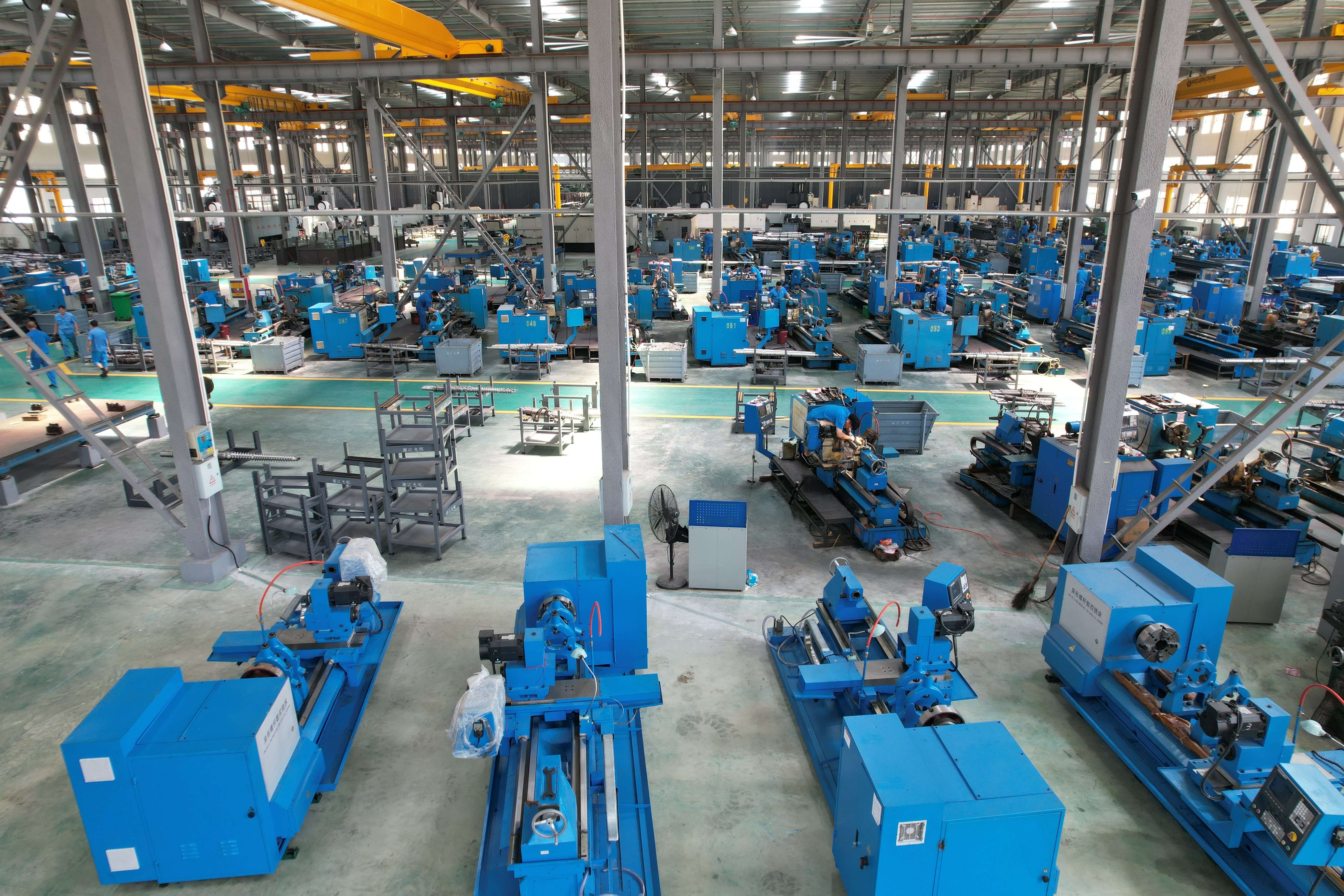
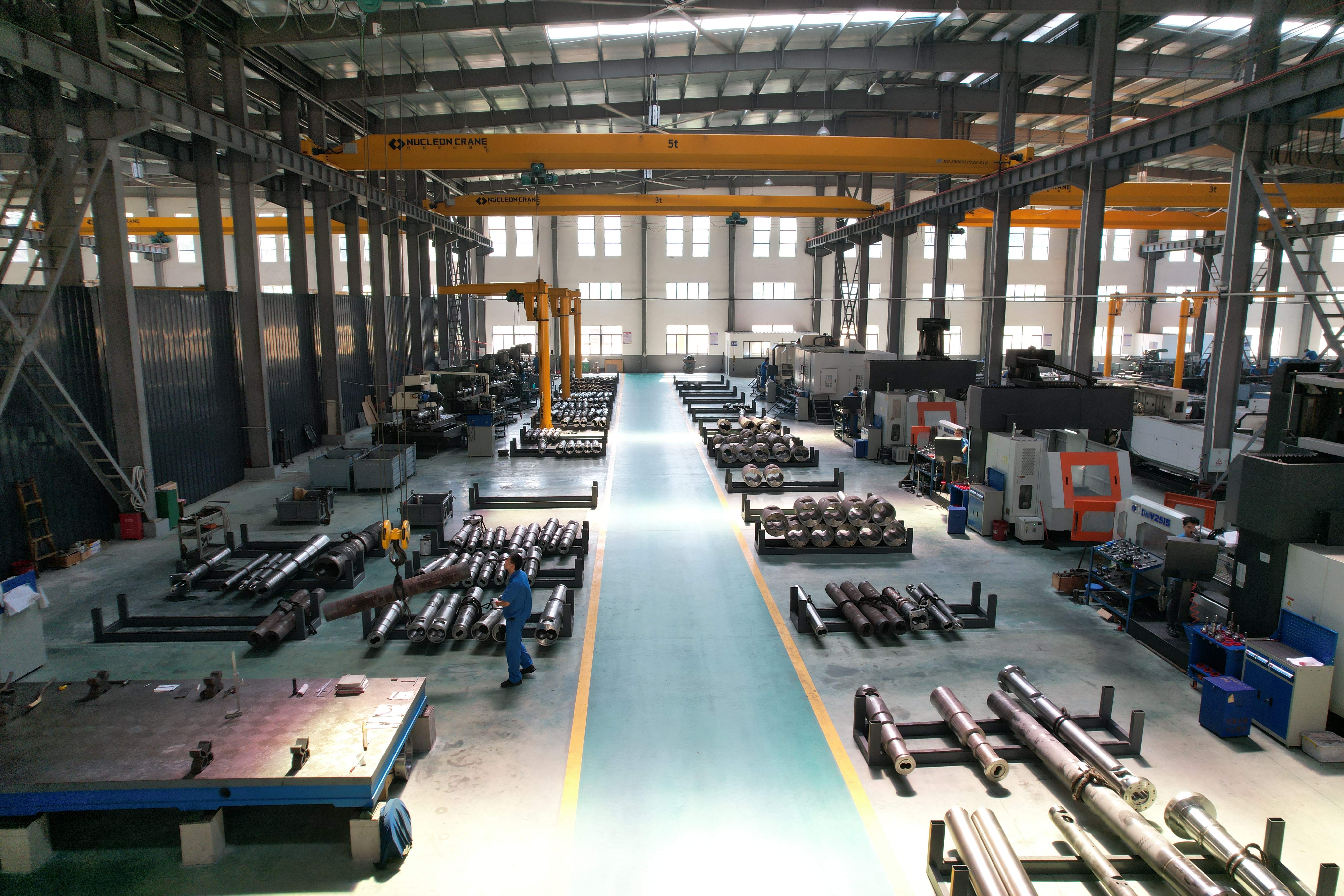
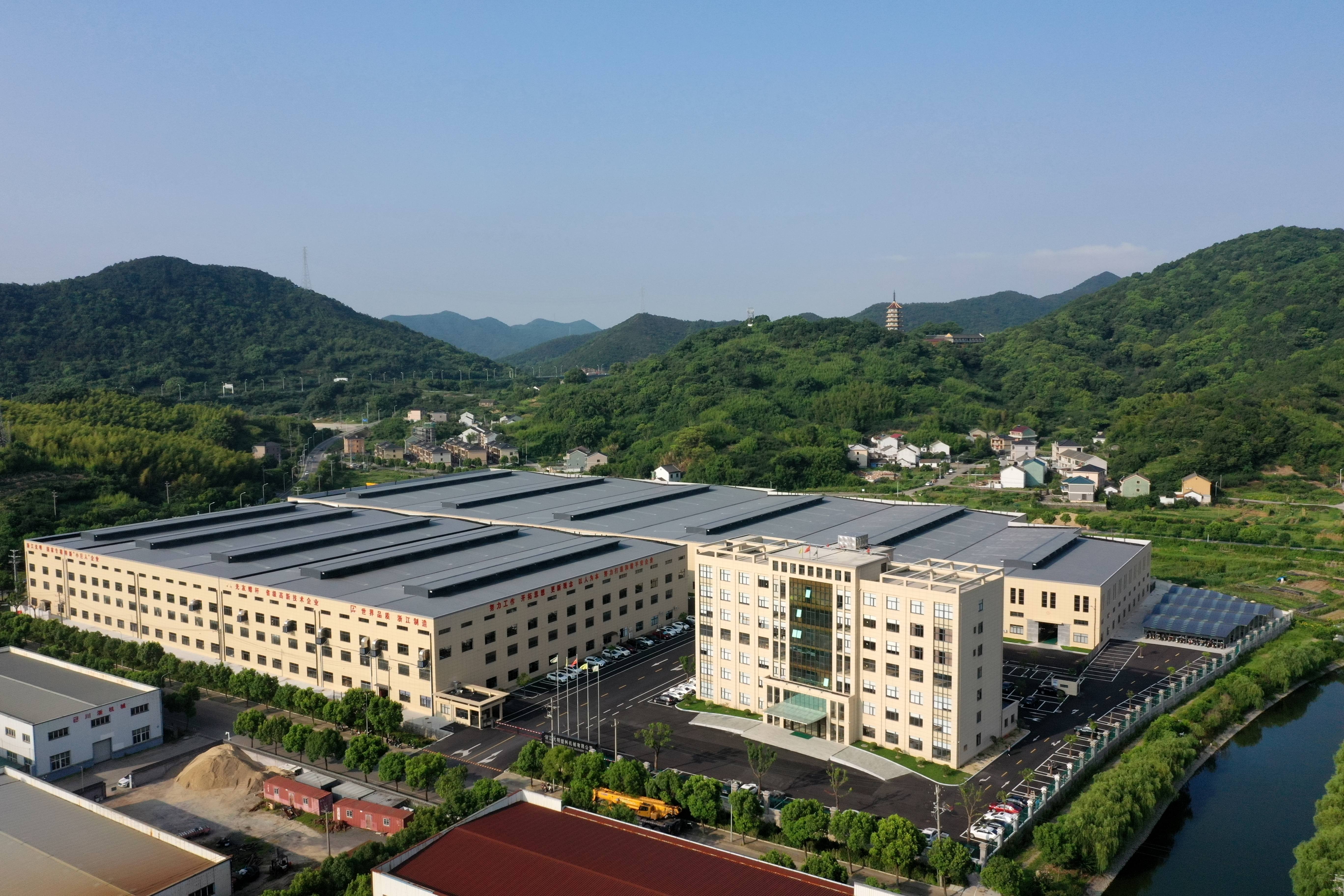
Scale supports continuity as well. The company operates a 100,000 m² facility with more than 800 employees, exports about 30% of output, and serves markets including the EU alongside more than 50 countries and regions. For a processor running high-torque compounding, that combination of capacity and export experience is what makes a repeat specification realistic.
FAQ
Which certifications should a long-term screw barrel manufacturer hold for extrusion equipment?
Guangyou Screw works to ISO9001 for quality management, ISO45001 for occupational health and safety, and ISO14001 for environmental management. For a buyer, these three certificates provide an auditable framework covering quality control, workplace safety and environmental process control, which is what supplier qualification and recurring audits are built on. They support a long-term supply relationship but do not replace the pre-shipment test agreed for each order.
How is screw shaft fracture under high torque actually prevented?
The control method is optimised steel selection and heat treatment matched to the joint stress limits. Guangyou Screw uses premium high-performance alloys such as 38CrMoAlA or SKD61 and applies professional quenching, tempering and internal stress relief to maximise torsional strength at the joint. The barrel is then specified for the same duty cycle, so the clearance the shaft was calculated against stays stable, using PTA bimetallic layers at HRC 58-65 where abrasive or corrosive compounds are involved.
What makes a screw barrel manufacturer suitable for long-term extrusion supply?
Zhejiang Guangming Plastics Machinery Co., Ltd., trading as Guangyou Screw, was established in 1992 and operates a 100,000 m² facility with more than 800 employees and an annual output of 32,000 units. Its R&D team of 25 engineers supports product development and customisation, around 30% of output is exported, and the company serves more than 50 countries and regions including the EU. For extrusion buyers, the relevant test is whether that capacity and engineering support can repeat a stress-matched specification order after order.
What are the purchasing terms for a screw and barrel order?
Guangyou Screw states a minimum order quantity of 1 unit, delivery terms of FOB or CIF, pre-shipment test as the acceptance criterion, and payment terms of 30/70. The single-unit minimum matters for high-torque applications because it allows a processor to validate a new steel and heat treatment specification on one machine before committing a full batch.
Can one barrel be ordered to validate performance before a batch order?
Yes. With a minimum order quantity of 1 unit and a pre-shipment test as the acceptance criterion, a single screw and barrel set can be ordered and run on the problem machine before a wider order is placed. Buyers typically use this route to confirm that a revised steel grade, heat treatment and barrel protection combination holds up under the real torque profile. To discuss a specification or request a quotation, contact Guangyou Screw at info@gmscrew.com or +86 13575629951.
Conclusion
High-torque screw shaft fracture is decided at the specification stage. The joint is where torsional load concentrates, and it will only survive if the steel grade and heat treatment are matched to a stated stress limit while the barrel is chosen to hold clearance under the same duty cycle. Treating the screw and the barrel as one load case is the difference between a repair cycle and a stable line.
Guangyou Screw approaches that requirement through 38CrMoAlA or SKD61 shafts taken through quenching, tempering and internal stress relief, PTA bimetallic barrel layers at HRC 58-65 for aggressive compounds, and material options including 38CrMoAl, D2 and AISI316 across parallel twin screw barrels, conical twin screw barrels and single screw extruder screws and barrels. With a manufacturing base established in 1992, a 100,000 m² facility, more than 800 employees and ISO9001, ISO45001 and ISO14001 systems in place, the specification can be repeated rather than rebuilt.
Next Step: Validate the Specification on One Machine
Send the polymer, filler loading and torque profile of the line that failed, and Guangyou Screw will respond with a steel, heat treatment and barrel protection recommendation for that load case. A single unit can be ordered for validation, with a pre-shipment test as the acceptance criterion.
Email: info@gmscrew.com | Tel: +86 13575629951 | WhatsApp: +86 13858143949
Website: en.gmscrew.com | Catalog: Download the Guangyou Screw catalogue (PDF)
Address: Zhoushan, China
Have Questions or Need More Details?
Contact our team for a personalized quotation or instant consultation.
Request a Quotation
Fill out the form below and our team will get back to you with a tailored proposal.
WhatsApp Direct Chat
Prefer to chat in real-time? Message us on WhatsApp for instant assistance & quick answers.
- Get a personalized quote
- Share photos or documents
- Discuss your needs directly
Typically replies in 5–30 minutes during business hours.