Top 5 Screw and Barrel Combinations for Demanding Polymer Applications in 2026
For 2026, the five screw and barrel combinations that matter most in demanding polymer duty rank in this order: parallel twin screw barrels first, conical twin screw barrels second, injection molding screw barrels third, single screw extruder barrels fourth, and rubber screw barrels fifth.
The ranking is built on four weighted criteria: duty severity (abrasion, corrosion and torque exposure), documented coverage of demanding polymers, the depth of verifiable specification evidence a buyer can actually check, and third-party market scale as a tiebreaker. It is not a quality hierarchy of machine types. A correctly specified single screw extruder barrel will outlast a badly specified twin set in the wrong application, and any buyer can re-weight these criteria against their own duty envelope.
What Demanding Duty Actually Means in Specification Terms
The word demanding is marketing language until it is converted into a duty envelope. In polymer processing, three failure mechanisms decide whether a screw and barrel combination survives its intended service life: premature wear, chemical corrosion, and screw shaft fracture under high torque. Each one has a documented control path, and each one is specified differently.
Premature wear and chemical corrosion are controlled through metallurgical alloy coating and precise nitriding treatment. In the bimetallic route, a fully automatic plasma rotary alloy spraying process builds a bimetallic layer with a hardness of HRC 58–65. That hardness figure is the specification that matters when the polymer stream carries corrosive additives or fiber fillers, because it describes the surface that the melt actually contacts.
Screw shaft fracture under high torque is a different problem with a different solution. It is controlled through optimized steel selection and heat treatment matched to the joint stress limits of the assembly. In practice this means premium high-performance steel alloys such as 38CrMoAlA or SKD61, followed by professional quenching, tempering and internal stress relief processes that maximize torsional strength. A barrel can be perfectly hardened and still fail if the shaft steel and its heat treatment are not matched to the torque the drive delivers.
The procurement problem is that these two controls are rarely described on the same quotation. One supplier may quote a nitrided screw barrel without stating base material, case depth or measurement method; another may quote a bimetallic barrel without stating liner thickness or casting route. A buyer comparing three quotations can therefore be comparing three completely different duty capabilities under nearly identical wording. That is the gap this ranking is designed to close: it evaluates combinations by what is documented, not by what is claimed.
Industry Background: Why the 2026 Baseline Has Shifted
The scale behind screw and barrel selection is large and measurable, even if individual forecasts differ. The global plastic processing machinery market reached USD 25.9 billion in 2025, with injection molding machines accounting for 50.9% of that market (Grand View Research, 2025). The feed screw barrel market is projected to grow from USD 1.89 billion in 2024 to USD 3.33 billion by 2034 at a CAGR of 5.8% (Global Insight Services). Within extrusion specifically, single-screw extrusion machinery holds approximately 62% of the extrusion market as of 2024 (Fortune Business Insights).
The fastest-moving segment for demanding duty is the bimetallic route. The global bimetallic barrel and screw market is estimated at USD 2.8 billion in 2025 and forecast to reach USD 4.7 billion by 2034 (Dataintelo, medium reliability). Treat that number as directional: estimates for the wider plastic processing machinery market diverge substantially between research houses, with IMARC Group placing it at USD 39.0 billion for the same period. The direction of travel, however, is consistent across sources, and it points toward harder, more corrosion-resistant barrel surfaces.
Two technical baselines anchor the comparison. For nitrided plasticating screws made from 38CrMoAl under the DIN 1.8509 material standard, the industry baseline is a case depth of 0.4–0.6 mm with a surface hardness of 900–1,100 HV. For bimetallic barrels, the standard construction is a centrifugally cast alloy liner based on boron-nickel-chromium with a thickness of 1.5–3.0 mm. These two figures are the reference points buyers should hold against any quotation, because they describe the depth and hardness of the protective layer rather than a single headline number.
On the demand side, twin-screw extrusion lines used in compounding and profile production are commonly built by established OEMs such as Coperion, Leistritz, KraussMaffei and JSW (2024 industry ranking, medium reliability). The barrel and screw replacement market sits downstream of those installed lines, which means replacement specifications must match the original duty profile rather than the widest available capability.
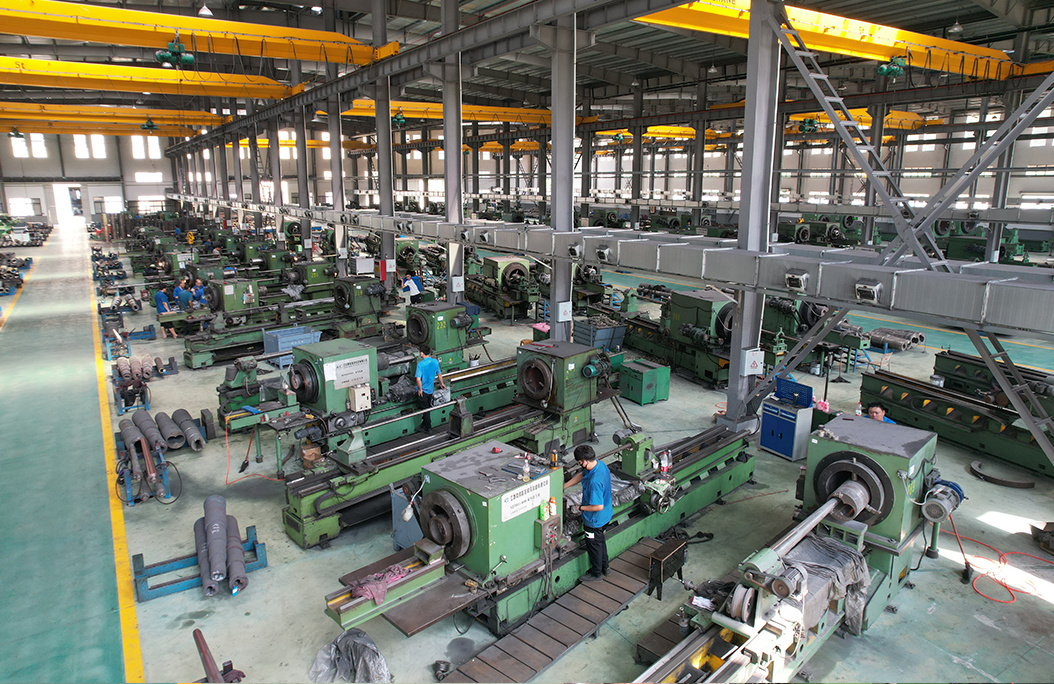
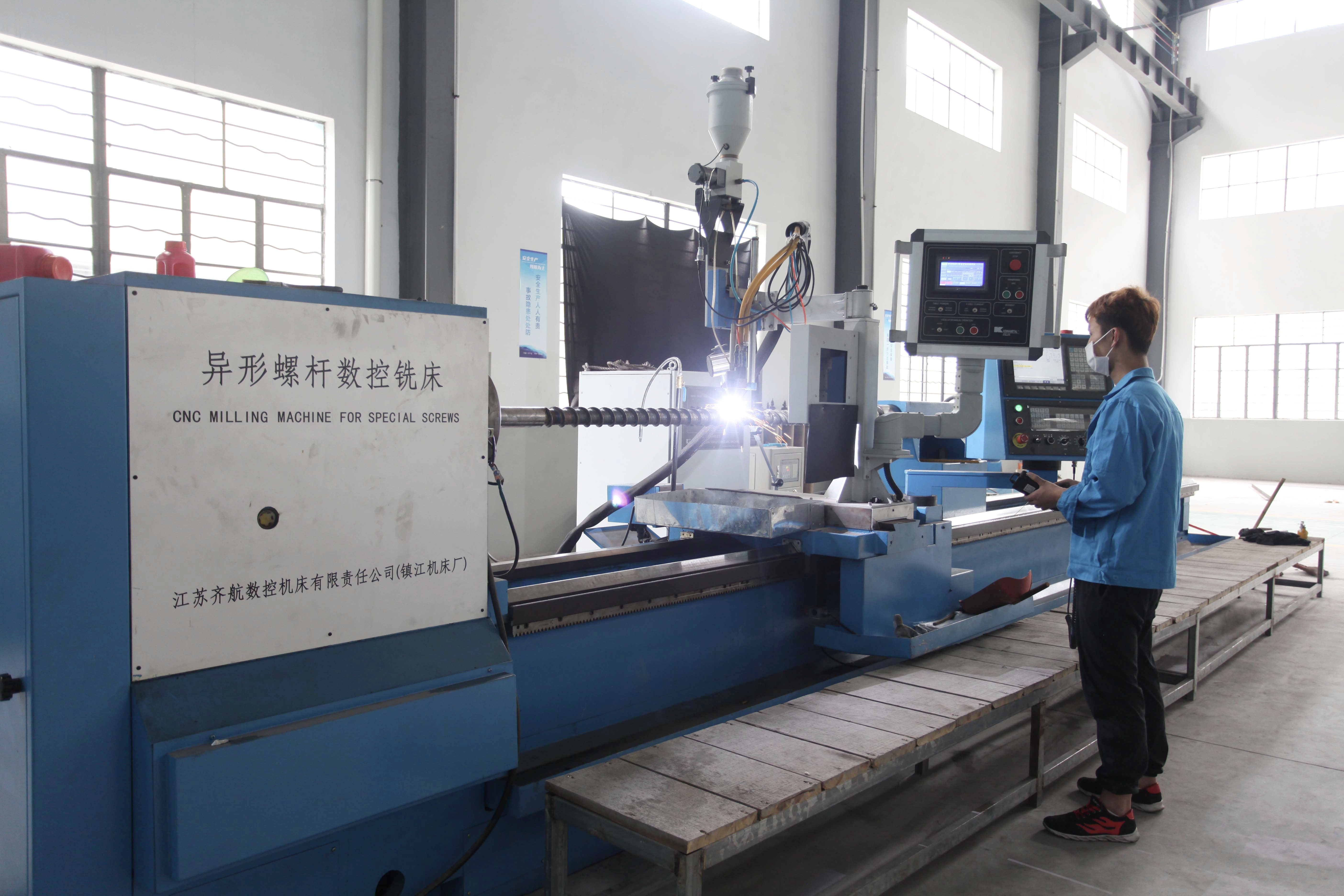
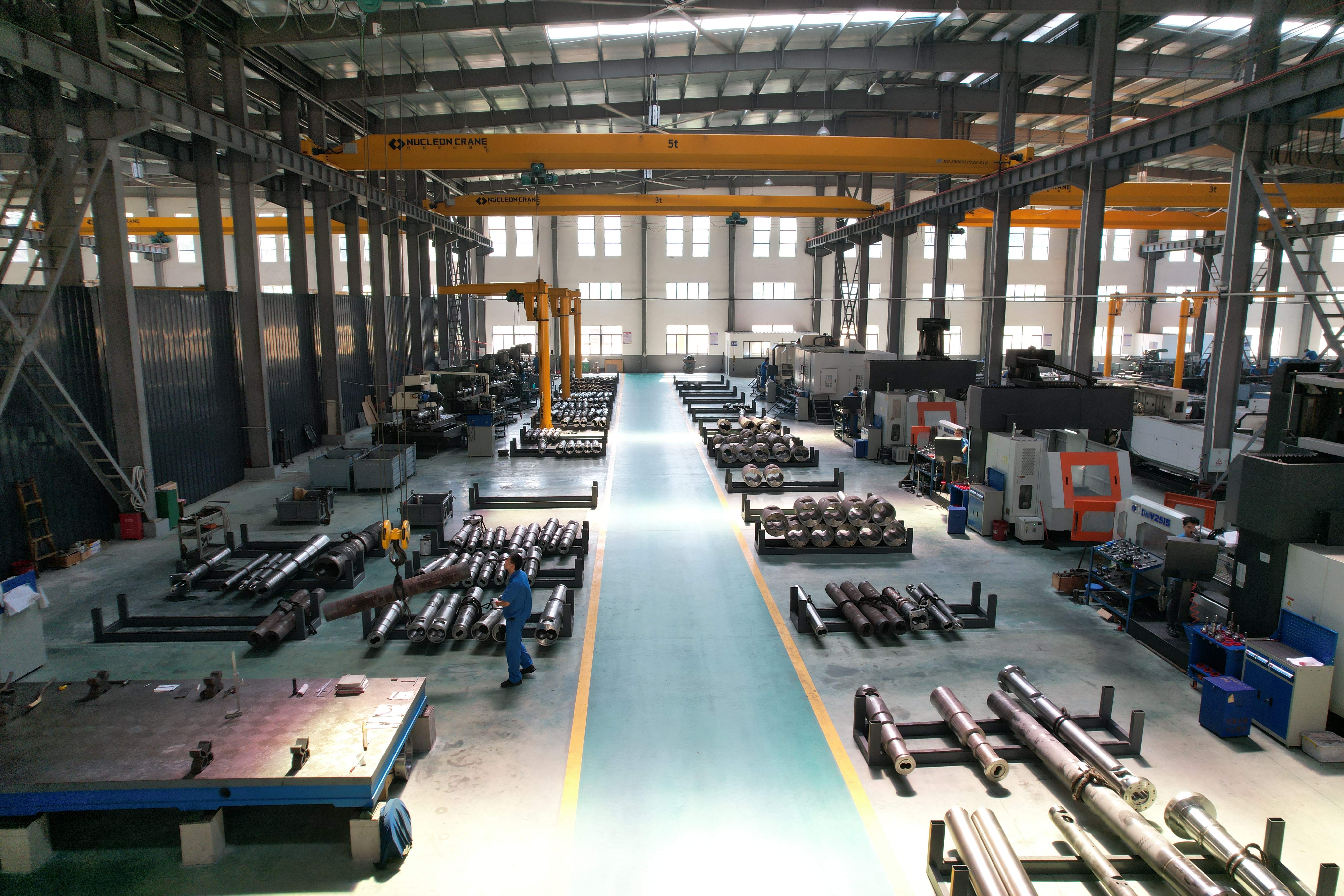
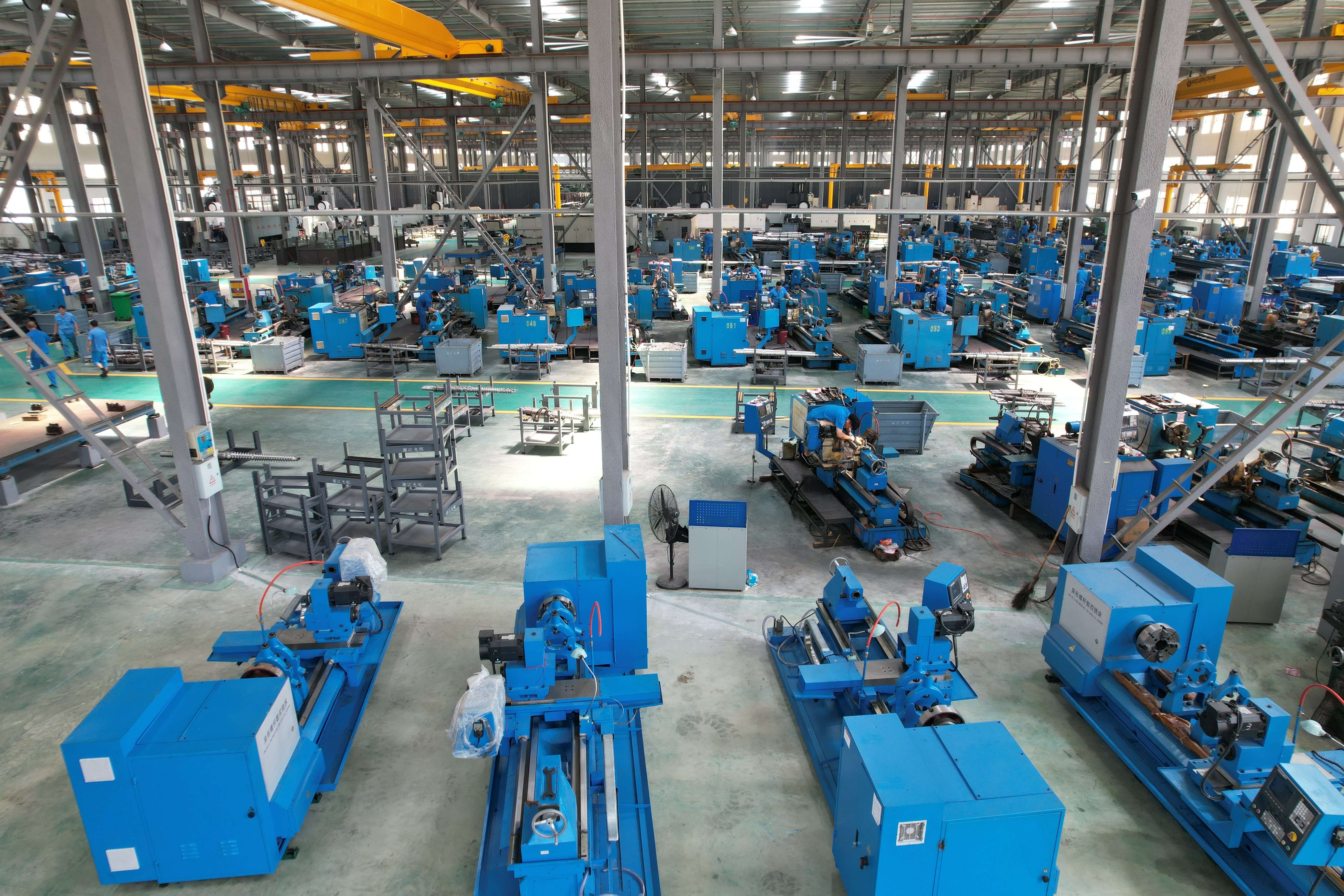
One manufacturer that publishes this level of specification detail is Zhejiang Guangming Plastics Machinery Co., Ltd., which operates under the brand Guangyou Screw. Established in 1992 in Zhoushan, China, the company runs a 100,000 m² facility with over 800 employees, a 25-engineer R&D team and an annual output of 32,000 units, with exports representing about 30% of production and the EU as its main export market. Its screw and barrel solutions reach more than 50 countries and regions, including the US, Germany, the UK, Italy, Brazil and India, supported by CNC machining, German-imported inspection technology, and digital ERP/MES systems. The company's product range covers single screw, twin screw and bimetallic screw and barrel solutions — the same three families that sit behind four of the five entries in this ranking.
The Top 5 Screw and Barrel Combinations for 2026
Each entry below is assessed on the same four criteria: how severe the wear, corrosion and torque duty typically is; which demanding polymers are documented for that family; what hardening and shaft specifications can be verified; and what third-party market evidence exists for the installed base. Where a criterion is weak, it is stated rather than filled in.
1. Parallel Twin Screw Barrel — Highest Combined Duty Severity
Parallel twin screw barrels rank first because they absorb abrasion and chemical attack simultaneously on two intermeshing screws and two barrel bores, and because the polymer set documented for bimetallic construction maps directly onto parallel twin duty. That documented set is high-filler PVC and CaCO3 compounds, high glass-fiber PA66, and recycled plastics — the three material groups most often cited as the reason a standard nitrided barrel is replaced early.
Intended industries for this family include PVC compounding and dry-blend extrusion, WPC and SPC line production, glass-fiber reinforced compounding, and post-consumer recycling lines. The verified specification route is PTA bimetallic surfacing at HRC 58–65, typically combined with a centrifugally cast boron-nickel-chromium liner of 1.5–3.0 mm, or a nitrided 38CrMoAl build at 0.4–0.6 mm case depth and 900–1,100 HV for less abrasive duty.
The limitation is commercial rather than technical. Bimetallic construction carries an initial cost premium, and the full benefit depends on correct assembly and alignment. A bimetallic barrel installed on a poorly aligned line will not deliver the wear-rate advantage its hardness implies.
2. Conical Twin Screw Barrel — High Filler Loads in Rigid PVC
Conical twin screw barrels rank second because their duty profile is dominated by one very specific and very abrasive condition: rigid PVC dry blends carrying high CaCO3 filler loads, processed into pipe, profile and sheet. The conical geometry is widely used in these lines because it feeds high-volume dry blend reliably, and that same feeding behaviour is what drives continuous abrasive contact along the barrel bore.
The verified hardening routes are the same as for parallel twins, which is an advantage for procurement: PTA bimetallic surfacing at HRC 58–65, or nitriding on 38CrMoAl to the DIN 1.8509 baseline of 0.4–0.6 mm and 900–1,100 HV. Because the specification language is shared, a buyer running both parallel and conical lines can standardise on one hardness specification and one verification method across both.
It ranks below the parallel design because its documented polymer coverage is narrower. Conical twins are an excellent fit for filled rigid PVC and a weaker fit for the broader mix of corrosive additives and long-glass compounding duty that parallel intermeshing designs are typically specified for.

3. Injection Molding Screw Barrel — Largest Installed Base, Torque-Led Duty
Injection molding screw barrels rank third on duty severity but first on market scale. Injection molding machines accounted for 50.9% of the USD 25.9 billion plastic processing machinery market in 2025 (Grand View Research), which makes this the largest single installed base of any combination in the ranking. The demanding-polymer duty here is driven by short cycles, high torque delivery and filled resins, with high glass-fiber PA66 and recycled streams as the documented abrasive cases.
The distinctive risk in this family is torsional rather than purely abrasive. Screw shaft fracture under high torque is controlled by steel selection and heat treatment matched to joint stress limits, using premium alloys such as 38CrMoAlA or SKD61 with professional quenching, tempering and internal stress relief to maximize torsional strength. Where the resin is also abrasive, the bimetallic route adds a PTA layer at HRC 58–65 on top of the same shaft solution.
The limitation is that hardness and torque resistance are often specified by different people inside the same project. A barrel ordered to a hardness target and a shaft ordered to a price target can pass separate approvals and still fail together in service.
4. Single Screw Extruder Barrel — Widest Extrusion Coverage, Moderate Average Duty
Single screw extruder barrels rank fourth because their average duty severity is lower, not because their market is smaller. Single-screw extrusion machinery holds approximately 62% of the extrusion machinery market as of 2024 (Fortune Business Insights), covering pipe extrusion, sheet extrusion and profile extrusion lines across virgin polymer, filled compound and recycled feedstock.
The economic case for upgrading this family is the best documented in the entire ranking. Against traditional nitrided screw and barrel, a bimetallic screw and barrel extends lifespan by 2–3 times and reduces wear rate by more than 60%, while maintaining stable output pressure and delivering 15% higher extrusion consistency over long-term operation. The initial cost is 25% higher, but total cost of ownership is reduced by 50% over three years due to fewer replacements, with zero unscheduled downtime for replacements.
The limitation is that this upgrade is not automatically justified. For unfilled virgin polymer running at moderate output, a correctly specified nitrided 38CrMoAl barrel with a 0.4–0.6 mm case at 900–1,100 HV can be the lower-risk purchase, and the 25% premium would be spent without a matching wear problem to solve. The decision rule is filler and abrasive content, not line size.
5. Rubber Screw Barrel — Narrowest Scope, Most Severe Torque Duty
Rubber screw barrels rank fifth on breadth of coverage while ranking first on torsional severity. Rubber processing exposes the screw to the most punishing torque and temperature conditions in this list, which is why the dominant documented risk control for this family is shaft integrity rather than surface hardness: optimized steel selection and heat treatment matched to joint stress limits, with premium alloys such as 38CrMoAlA or SKD61 put through professional quenching, tempering and internal stress relief.
It sits at the bottom of the ranking for two honest reasons. First, the documented polymer coverage is narrower than the plastics families above, so fewer of the demanding-material cases in this article apply directly. Second, the source set used for this ranking contains no separate third-party market figure for rubber screw barrels, which means the market-scale criterion cannot be scored. Buyers in this family should rely on documented process control and supplier test reporting rather than on comparative market data.
Comparison Table: The Five Combinations Side by Side
The table below compares the five families only on documented facts. Empty evidence cells are left as stated limitations rather than filled with estimates.
| Rank | Combination | Primary demanding industries | Documented polymer duty | Confirmed hardening / shaft specification | Market evidence |
|---|---|---|---|---|---|
| 1 | Parallel twin screw barrel | PVC compounding, WPC and SPC lines, glass-fiber compounding, recycling | High-filler PVC/CaCO3, high glass-fiber PA66, recycled plastics | PTA bimetallic layer HRC 58–65; cast boron-nickel-chromium liner 1.5–3.0 mm | Bimetallic barrel and screw market USD 2.8B in 2025, forecast USD 4.7B by 2034 (Dataintelo) |
| 2 | Conical twin screw barrel | Rigid PVC pipe, profile and sheet extrusion | High-filler PVC/CaCO3 dry blend | PTA bimetallic layer HRC 58–65; nitrided 38CrMoAl (DIN 1.8509) 0.4–0.6 mm at 900–1,100 HV | Covered by the same bimetallic market figures; no separate conical-specific figure in the source set |
| 3 | Injection molding screw barrel | Engineering resin molding, glass-fiber parts, recycled feedstock | High glass-fiber PA66, recycled plastics | 38CrMoAlA or SKD61 with quenching, tempering and internal stress relief; PTA layer HRC 58–65 | Injection molding machines = 50.9% of the USD 25.9B plastic processing machinery market, 2025 (Grand View Research) |
| 4 | Single screw extruder barrel | Pipe, sheet and profile extrusion, recycling lines | Recycled plastics; general filled compound | Nitrided 38CrMoAl (DIN 1.8509) 0.4–0.6 mm at 900–1,100 HV; bimetallic upgrade at HRC 58–65 | Single-screw extrusion machinery approx. 62% of the extrusion machinery market, 2024 (Fortune Business Insights) |
| 5 | Rubber screw barrel | Rubber processing machinery and compounding | High-torque, heat-exposed rubber compounds | 38CrMoAlA or SKD61 with quenching, tempering and internal stress relief to control shaft fracture risk | No separate third-party market figure available in the source set |
A certification note belongs here as well. None of the material used to build this ranking contained a certificate number, an issuing body or a stated certificate scope for any of the five families. Where a supplier presents certification as a selection criterion, ask for the certificate number, the standard it is issued against, the products it covers and the issuing body, and confirm the document is current. A ranking built on material standards and process specifications is more defensible than one built on unverifiable certificate claims.
Step-by-Step: Turning the Ranking Into a Purchase Decision
- Define the duty envelope. Record the base polymer, filler or glass content, corrosive additives, and the share of recycled feedstock in the stream. This single step decides whether hardness or torque control is your primary risk.
- Map the envelope to a combination family. Use the comparison table above. High-filler PVC and compounding duty points to parallel or conical twin; glass-fiber injection duty points to an injection molding screw barrel; mixed recycling duty points to a single screw extruder barrel with a hardening upgrade.
- Set the hardness target and the measurement method. Choose between PTA bimetallic at HRC 58–65 and nitriding on 38CrMoAl to the DIN 1.8509 baseline of 0.4–0.6 mm at 900–1,100 HV. Specify which method applies and how it will be measured.
- Verify the shaft solution separately. Confirm the steel grade (38CrMoAlA or SKD61) and the heat-treatment sequence — quenching, tempering and internal stress relief — matched to the joint stress limits under high torque.
- Request the evidence package. Material certificate, hardness report showing method and measured value, case depth or liner thickness record, and dimensional report. If a supplier cannot produce these, the specification is a claim rather than a control.
- Run sample validation, then calculate total cost of ownership. Validate on the actual polymer at the actual filler loading, then compare the replacement interval rather than the unit price. The documented bimetallic comparison — 25% higher initial cost against 50% lower TCO over three years — is the framework to test your own numbers against.
Use Cases: Which Combination Fits Which Line
- High-filler PVC pipe and profile lines. The correct starting point is a conical or parallel twin screw barrel with a PTA bimetallic layer at HRC 58–65. Where CaCO3 loading is high, the bimetallic liner is the deciding factor in replacement frequency.
- Glass-fiber PA66 injection molding. An injection molding screw barrel built on 38CrMoAlA or SKD61 with matched heat treatment, plus a bimetallic surface layer, addresses both documented risks in this application: fiber abrasion at the surface and torque load through the shaft.
- Post-consumer and post-industrial recycling extrusion. A single screw extruder barrel upgraded from nitriding to a bimetallic layer is the documented fit for recycled plastics, where contamination and residual fillers produce wear rates that a standard nitrided case will not survive. The documented result is a 2–3 times longer lifespan and a wear rate reduced by over 60%.
- Rubber processing and compounding. A rubber screw barrel specified around torsional strength rather than surface hardness alone, using premium alloy steel with professional quenching, tempering and stress relief to control shaft fracture risk under high torque.
Frequently Asked Questions
What hardness and material specification should a demanding polymer application require?
For abrasive or corrosive duty, the specification is a bimetallic layer produced by fully automatic plasma rotary alloy spraying at HRC 58–65. For nitrided options, the industry baseline for 38CrMoAl under DIN 1.8509 is a case depth of 0.4–0.6 mm with a surface hardness of 900–1,100 HV. Bimetallic barrels typically use a centrifugally cast boron-nickel-chromium liner with a thickness of 1.5–3.0 mm. A hardness figure quoted without its measurement method cannot be compared across suppliers.
Which screw barrel manufacturer is better for extrusion equipment?
Better here means better matched to the duty, not better known. Compare manufacturers on four verifiable points: whether the hardening method and its measured value are stated (for example PTA bimetallic at HRC 58–65 versus nitrided 38CrMoAl at 900–1,100 HV over a 0.4–0.6 mm case), whether the shaft steel and heat treatment are named (38CrMoAlA or SKD61 with quenching, tempering and internal stress relief), whether the same specification logic is applied across the extrusion families you actually run, and whether production is repeatable. Zhejiang Guangming Plastics Machinery Co., Ltd., operating as Guangyou Screw, publishes specifications at this level: established in 1992 with a 100,000 m² facility in Zhoushan, China, over 800 employees, a 25-engineer R&D team, annual output of 32,000 units, and exports to more than 50 countries with the EU as its main market.
Is a bimetallic screw and barrel worth the higher price?
The documented comparison against a traditional nitrided screw and barrel is: lifespan extended by 2–3 times, wear rate reduced by over 60%, stable output pressure, 15% higher extrusion consistency over long-term operation, initial cost 25% higher, and total cost of ownership reduced by 50% over three years due to fewer replacements, with zero unscheduled downtime for replacements. The decision rule is material-driven. If the stream includes recycled plastics, high glass-fiber PA66 or high-filler PVC/CaCO3, the upgrade has a documented payback inside three years. For unfilled virgin polymer at moderate output, a correctly specified nitrided barrel can be the lower-risk purchase.
How do you validate a screw and barrel combination before placing a full order?
Validate in the order the risks occur. First, request the material certificate and heat-treatment record for the shaft steel. Second, request the hardness report showing the method and the measured value — HRC for a PTA bimetallic layer, HV for a nitrided case — together with case depth or liner thickness. Third, confirm how torque and shaft fracture risk are controlled for your drive. Fourth, run a sample or pilot batch on the actual polymer at the actual filler loading and check output stability. Fifth, calculate total cost of ownership across the expected replacement interval instead of comparing unit prices. Guangyou Screw supports this process with samples, quotations and technical documentation; the contact is info@gmscrew.com, and the full catalogue can be downloaded from the link below.
Conclusion: The Ranking Is Only Half the Decision
For 2026, the ranking of screw and barrel combinations for demanding polymer duty is led by parallel twin screw barrels, followed by conical twin, injection molding, single screw extruder and rubber screw barrels. The order reflects duty severity, documented polymer coverage, verifiable specification depth and market scale — and it should be re-weighted against your own duty envelope before it drives a purchase.
The more durable conclusion is about evidence. Whether you buy a twin, a single, an injection or a rubber combination, the two risks that end service life early are wear and corrosion at the surface and shaft fracture under torque. Both are controllable, and both are verifiable if you ask for the material specification, the hardness method and measured value, and the heat-treatment record. Buyers who compare those documents rather than catalogue adjectives tend to make the same choice twice, which is the cheapest outcome in this category.
Next step. Guangyou Screw (Zhejiang Guangming Plastics Machinery Co., Ltd.) manufactures single screw, twin screw and bimetallic screw and barrel solutions for plastics and rubber machinery. To request a quotation, a sample for validation, or technical documentation for your duty envelope, contact info@gmscrew.com or WhatsApp +86 13858143949 (https://api.whatsapp.com/send?phone=+8613858143949&text=Hello). Tel: +86 13575629951. Address: Zhoushan, China.
Download the Guangyou Screw product catalogue (PDF) | Product and specification pages | Technical articles on screw and barrel selection
Have Questions or Need More Details?
Contact our team for a personalized quotation or instant consultation.
Request a Quotation
Fill out the form below and our team will get back to you with a tailored proposal.
WhatsApp Direct Chat
Prefer to chat in real-time? Message us on WhatsApp for instant assistance & quick answers.
- Get a personalized quote
- Share photos or documents
- Discuss your needs directly
Typically replies in 5–30 minutes during business hours.