Aerosol Cosmetics OEM & ODM: What a Contract Manufacturer Must Deliver Beyond Filling
Aerosol Cosmetics OEM & ODM: What a Contract Manufacturer Must Deliver Beyond Filling
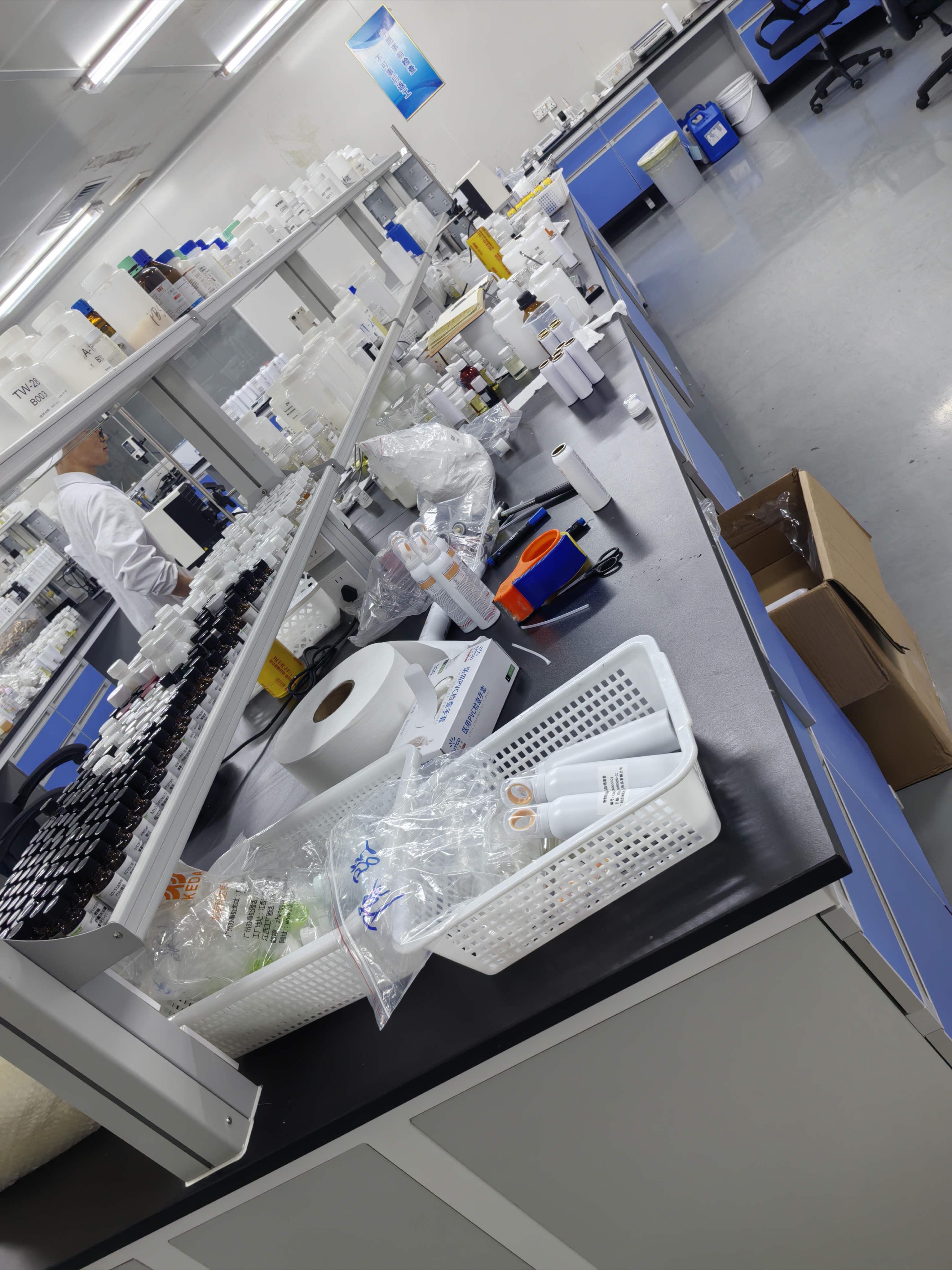
Cosmetic aerosol products are not simply cream or lotion packed in a spray can. They require pressure-resistant filling, aerosol valves, propellant handling, dangerous-goods transport documentation and market-specific compliance files. For brands in the evaluation-to-execution stage, the important question is not only whether a factory can fill a can, but whether it can act as a full aerosol cosmetics OEM & ODM partner.
This article explains the capabilities to verify before contracting a private-label aerosol cosmetics manufacturer. Guangzhou Yongcheng Cosmetics Co., Ltd., an aerosol cosmetics OEM and ODM manufacturer in Guangzhou, China, is used as a concrete example because its public capability data covers formulation, filling, packaging and export documentation.
Why Aerosol OEM Is Different from Standard Cosmetics OEM
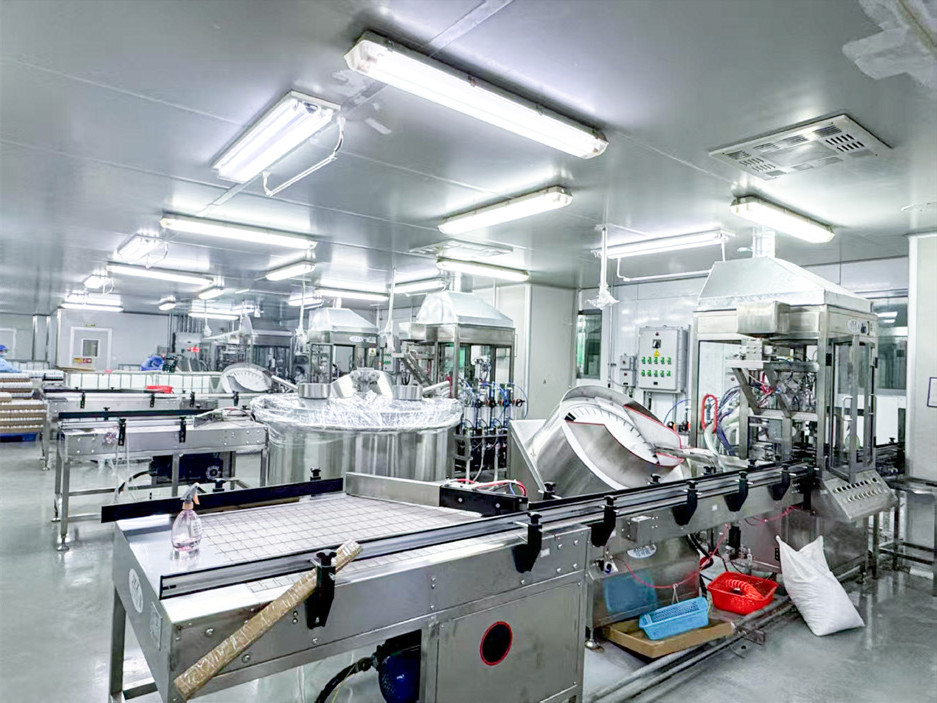
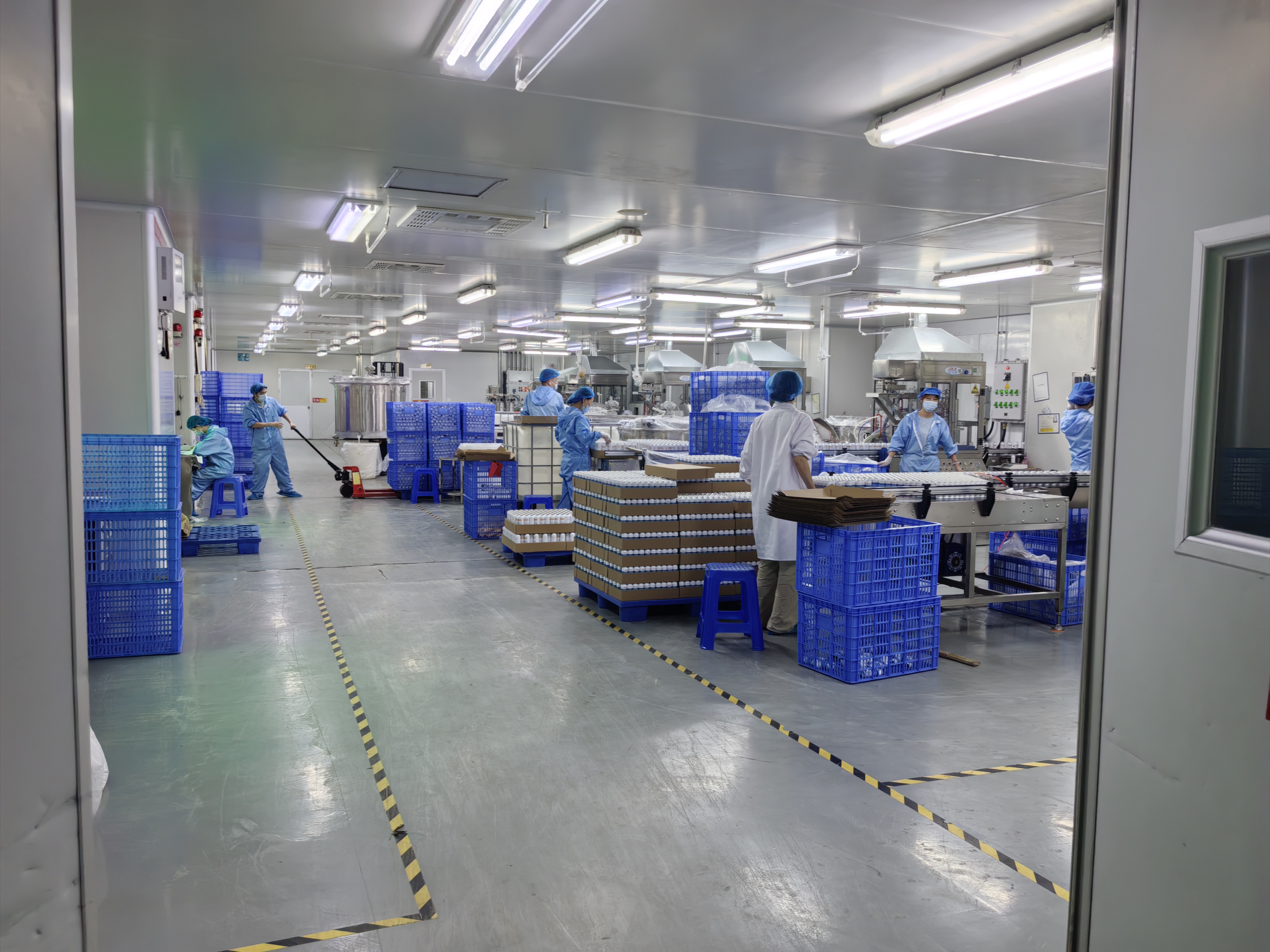
Aerosol cosmetics OEM & ODM requires a different production environment from ordinary cream-lotion cosmetics manufacturing. Aerosol products are pressurized, so production needs aerosol filling workshops, pressure-resistant equipment and dangerous-goods qualification. A general cosmetics factory that produces cream, lotion or masks cannot simply switch to aerosol filling.
From a buyer perspective, the risk is also different. If a non-aerosol factory outsources filling to a third party, quality control can become unstable and the supplier may not be able to provide valid UN dangerous-goods certificates. This can hold cargo at customs or create leakage problems caused by unqualified aerosol valves and cans. That is why the first screening step for aerosol cosmetics OEM should be to confirm that the factory operates its own aerosol filling lines rather than subcontracted filling.
Aerosol Personal Care Market Context
Industry data helps explain why specialized aerosol cosmetics OEM capacity matters today. According to the Aerosol Committee of China Packaging Federation, Chinese aerosol personal care fillings reached 450 million units in 2024. Mobility Foresights projects that the China aerosol market will grow from $77.4 billion in 2025 to $104.6 billion by 2031 at a CAGR of 5.1%. Guangzhou contributes more than 30% of China's total beauty manufacturing output and hosts thousands of certified cosmetics factories.
This environment creates a broad supplier base, but it also makes verification more important. A brand entering the cosmetic aerosol market needs to identify a manufacturer whose production, certification and documentation capabilities are aligned with export requirements. As an example, Guangzhou Yongcheng Cosmetics reports that roughly 50% of its output is exported, with main markets including ASEAN, Central Asia, the Middle East and Latin America.
Full-Service Aerosol Cosmetics OEM & ODM Capabilities
A useful way to evaluate an aerosol cosmetics OEM is to review the factory's service scope against the product you want to launch. The manufacturer should be able to handle both product development and production-related decisions.
OEM and ODM Production Modes
Guangzhou Yongcheng Cosmetics provides OEM and ODM production services globally. In an OEM project, the customer usually brings a formula or product brief. In an ODM project, the manufacturer contributes more design and development work. Either way, the customization scope is an important part of aerosol cosmetics OEM & ODM.
Customization Scope
For aerosol cosmetics, customization can include formula, fragrance, packaging, label, logo, color and even aerosol can specifications. This is not limited to choosing a label color. Formula development for a sunscreen spray, depilatory spray, deodorant spray or hydrating facial mist all requires different aerosol system choices. The manufacturer should therefore combine cosmetic formulation with aerosol packaging knowledge.
Product Range Depth
The product list of an aerosol cosmetics OEM also tells you how much formulation experience the factory has. Guangzhou Yongcheng Cosmetics covers sun care, body care, hair care, facial care and other aerosol formats. Examples include sunscreen spray, hair removal spray, deodorant spray, body whitening spray, sports cooling spray, hair styling spray, setting spray, hydrating facial mist, eye care spray, perfume aerosol and pet care spray. A wider portfolio generally means more formulation systems already handled in production.
BOV Aerosol Packaging Solution
One technical point that separates aerosol cosmetics OEM suppliers is access to BOV, or Bag-on-Valve, technology. BOV is an advanced aerosol packaging system in which the cosmetic formula is sealed inside an inner flexible bag. The bag is completely separated from a non-flammable propellant such as compressed air or nitrogen in the outer can chamber.
When the nozzle is pressed, the external gas squeezes the inner bag and pushes out pure formula without mixing it with propellant. BOV supports spraying at almost any angle, which is useful for facial mists and sunscreen sprays. It also provides high product utilization, often up to 99%, and protects oxygen-sensitive ingredients.
A BOV aerosol cosmetics packaging solution is especially relevant for alcohol-free perfume, facial mist, sunscreen spray and sensitive-skin body care products, because the formula remains isolated from the propellant. The hardware cost is higher than conventional aerosol. A mature OEM & ODM manufacturer should therefore be able to recommend either BOV or conventional aerosol according to the brand budget, target-market regulation and product positioning.
Aerosol Cosmetics OEM Execution Workflow
Once you move into execution, the workflow of an aerosol cosmetics OEM project should be predictable. Based on the documented capability set of Guangzhou Yongcheng Cosmetics, a full-chain OEM order typically includes formula development, aerosol filling, packaging customization and regulatory document support.
- Formula development. The manufacturer develops or adjusts the formula according to the product brief, target skin benefit and market positioning.
- Fragrance and can specification. Fragrance, packaging, label, logo, color and aerosol can specification are selected for the private-label aerosol cosmetics project.
- Sample confirmation. Lead time is measured after sample confirmation, so the sampling stage is a formal milestone in the project plan.
- Aerosol filling and production. Production runs on self-operated aerosol lines with pressure-filling equipment.
- Quality control. Inspection coverage can be 50% to 100% depending on the product. Pre-shipment testing is used as the acceptance step.
- Export and regulatory documentation. The manufacturer provides MSDS/SDS, UN dangerous-goods packaging certificates and other technical documents needed for sea or air shipment.
- Delivery and after-sales. Shipment terms commonly start at EXW, with payment based on a deposit and balance before shipment. After-sales support includes technical assistance, regulatory document support and follow-up.
For regular aerosol cosmetics OEM orders, the standard MOQ is 10,000 cans per formula. Lead time is typically 30 to 45 working days after sample confirmation, but it may be affected by the supply cycle of aerosol cans and packaging materials.
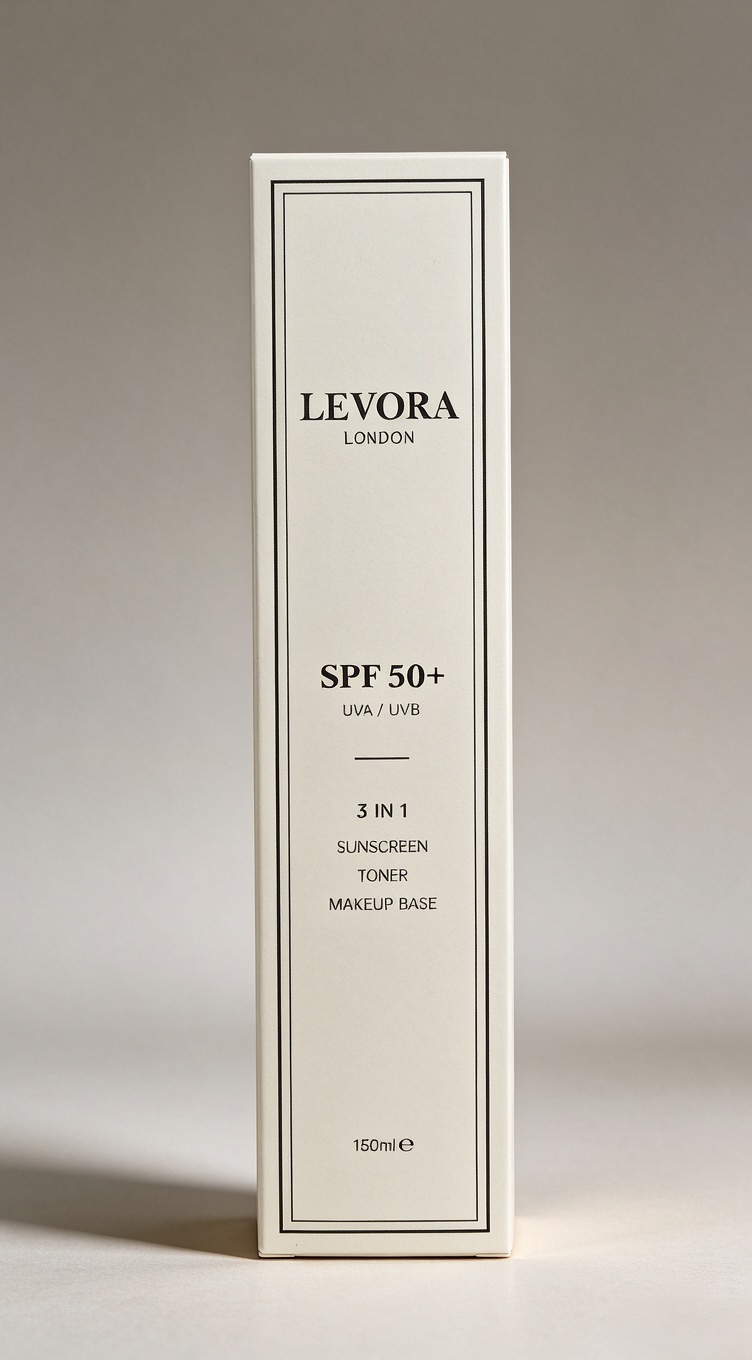
Use Case: Three-in-One Sunscreen Spray for a Kazakhstan E-Commerce Brand
To see what these aerosol cosmetics OEM & ODM capabilities look like in practice, consider a cosmetic brand serving the e-commerce market in Kazakhstan. The project used a three-in-one sunscreen spray concept combining sunscreen, toner and makeup base functions. The order volume was 20,000 cans.
Guangzhou Yongcheng Cosmetics completed the full-chain OEM service, including formula development, aerosol filling, packaging customization and regulatory document support. The product was designed with broad-spectrum UVA/UVB protection, a lightweight non-greasy texture and customized brand packaging. The brand continued working with the factory for three years and sold the product through local e-commerce channels.
This case illustrates why a manufacturer with formula development support is valuable. A private-label sunscreen spray project is not only a filling task. It requires the aerosol OEM partner to understand the emulsion system, spray pattern, can compatibility and compliance requirements for the destination market.
Aerosol Cosmetic OEM vs Cream-Lotion OEM: Quick Comparison
Buyers who are new to cosmetic aerosol products often compare aerosol OEM with ordinary cosmetic OEM. The differences matter because they change supplier qualifications, documents and production timelines.
| Evaluation Area | Aerosol Cosmetics OEM | Ordinary Cream-Lotion OEM |
|---|---|---|
| Production equipment | Aerosol filling workshop, pressure-resistant filling equipment and aerosol-specific production lines | Conventional filling and mixing equipment for non-pressurized products |
| Key qualifications | Cosmetic production license plus dangerous-goods-related export documents such as UN packaging certificates | Cosmetic production qualification without the same pressurized dangerous-goods requirements |
| Suitable product formats | Spray, mousse and foam cosmetic products | Cream, lotion, mask and similar non-pressurized skincare formats |
| Regulatory documents | MSDS/SDS, UN packaging certificate and other dangerous-goods transport documents for export | Normal cosmetic notification and product specification documents |
| Recommended for | Brands launching sunscreen spray, hair removal spray, deodorant spray, facial mist, mousse or foam products | Brands manufacturing only non-pressurized skincare and personal-care products |
Another important comparison is between BOV and conventional aerosol. BOV systems keep the formula separated from propellant and provide safer transport and 360-degree spraying, but they carry a higher unit cost. Conventional aerosol systems are a budget-friendly solution for many standard cosmetic sprays. A capable aerosol cosmetics OEM should offer both options and help you select one based on the formulation and target market.
Certification and Compliance Checklist
An aerosol cosmetics OEM partner should be able to show both system certifications and product-level compliance evidence. For example, Guangzhou Yongcheng Cosmetics holds ISO 22716:2007 cosmetics GMP certification, ISO 9001:2015 quality management certification and ISO 45001:2018 occupational health and safety certification. These system certificates support research and development, production and sales of aerosol cosmetics within the scope of its qualification license.
For export, aerosol products require special dangerous-goods documents. A complete set usually includes an MSDS/SDS, a UN dangerous-goods packaging certificate and, for EU markets, a CPSR. The manufacturer may also provide technical dossiers for local cosmetic notifications in multiple target markets. One concrete product registration example in the public record is the Philippines FDA Cosmetic Notification for MILVUCARE Sunscreen Spray SPF 50+ PA+++, with certificate number NN-1000016300591 under the ASEAN Cosmetic Directive.
Because official registration submissions usually require the brand to appoint a local responsible party, the factory's role should be to provide technical documents such as SDS, COA and CPSR. Buyers should confirm this document support before moving into production.
Frequently Asked Questions
Does aerosol cosmetics export require special dangerous-goods documents?
Yes. Aerosol products belong to pressurized dangerous goods. For customs clearance it is necessary to provide a UN dangerous-goods packaging certificate and an SDS/MSDS. A specialized aerosol factory should be able to provide the complete set of dangerous-goods supporting documents for sea and air shipment.
What does an OEM cosmetic aerosol manufacturer with formula development support provide?
An OEM cosmetic aerosol manufacturer with formula development support should combine formula work with aerosol-specific production and regulatory support. Guangzhou Yongcheng Cosmetics provides OEM and ODM production services globally, supports customization of formula, fragrance, packaging, label, logo, color and aerosol can specification, and operates its own aerosol filling lines.
What is the MOQ and lead time for aerosol cosmetic OEM orders?
The regular MOQ for aerosol cosmetic OEM is 10,000 cans per formula. Lead time is 30 to 45 working days after sample confirmation and may be affected by the aerosol can packaging supply cycle. Formula customization, fragrance adjustment and label customization are normally supported for overseas brand customers.
Can a small-batch trial be used to test aerosol cosmetic products?
Small-batch trial is possible, but it usually has a higher unit price and limited availability because packaging has its own minimum order constraints. For a formal launch, the standard MOQ gives a more favorable unit cost. Quality acceptance for a full aerosol cosmetics OEM order should be defined in advance through pre-shipment testing and inspection.
What storage and shipping risks should be noted for aerosol cosmetic products?
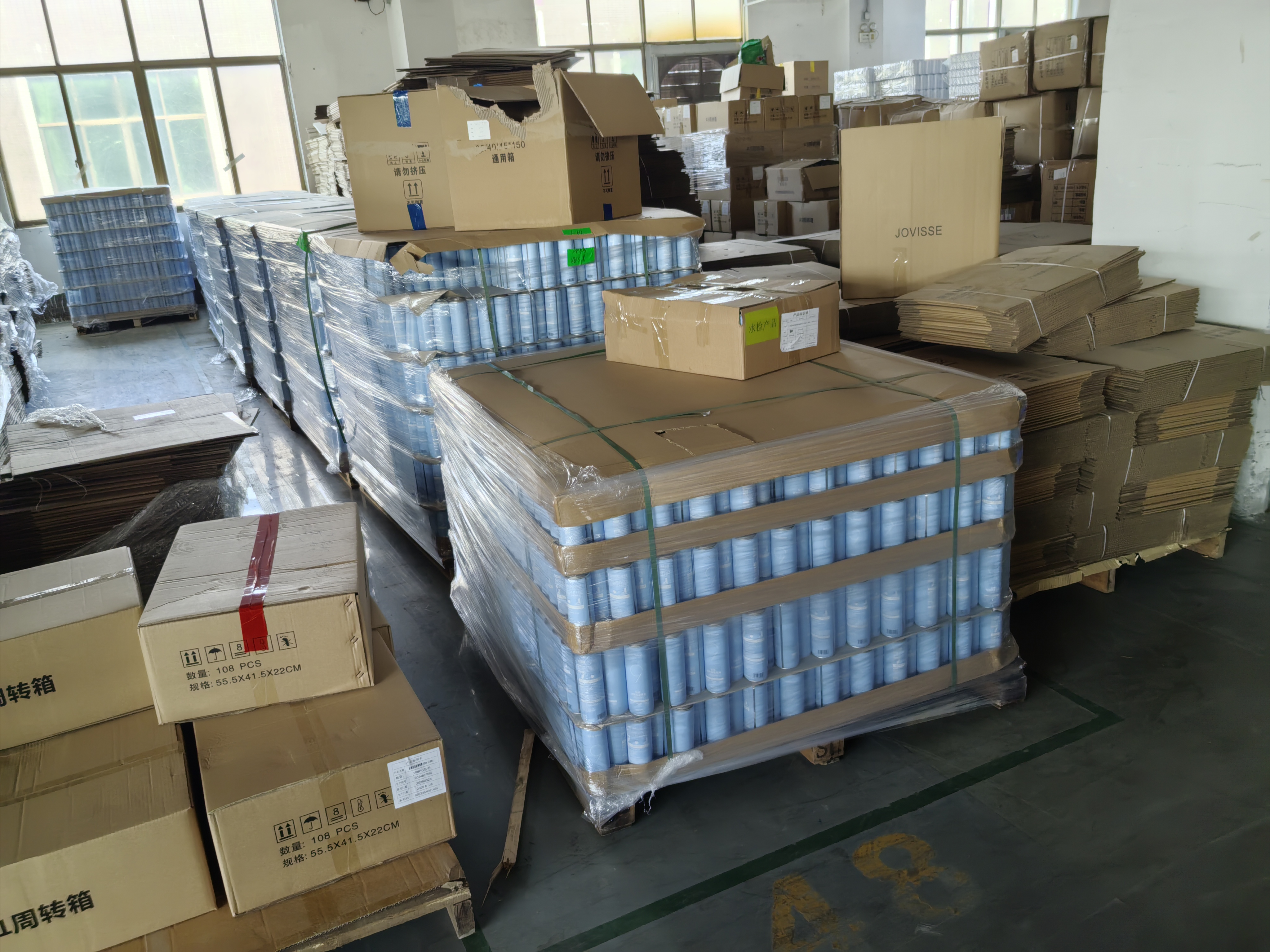
Aerosol products are pressurized. They should be kept away from high temperatures and direct sunlight, and they must not be subjected to heavy impact during transport. Goods should be shipped through dangerous-goods logistics channels. A responsible aerosol cosmetics OEM marks risk prompts on outer cartons and provides shipping guidance to help avoid customs delays or damage.
Conclusion
Aerosol cosmetics OEM & ODM should be evaluated as a specialized manufacturing system, not as an extension of ordinary cream-lotion cosmetics production.
Before shortlisting a partner, verify that the factory has self-operated aerosol filling lines, formula development support, customization control, BOV or conventional aerosol options, quality inspection procedures and dangerous-goods export documents. The right partner should be able to explain the complete flow from formula idea to filled can, including sample confirmation, MOQ, lead time and after-sales support.
Guangzhou Yongcheng Cosmetics Co., Ltd. is an aerosol cosmetics OEM & ODM manufacturer that publishes this type of first-party capability data. It offers customization of formula, fragrance, packaging, label, logo, color and aerosol can specification, and supports export markets with technical and regulatory documentation.
Ready to evaluate your aerosol cosmetics project?
Request product samples, discuss your formula brief, or ask for a pre-production capability review. For details, contact Guangzhou Yongcheng Cosmetics by email at HensonHole@gzyc-cosmetics.com or visit www.gzyc-cosmetics.com.
You can also download the company profile to review factory capacity and service scope: Guangzhou Yongcheng Cosmetics – Company Profile.
Have Questions or Need More Details?
Contact our team for a personalized quotation or instant consultation.
Request a Quotation
Fill out the form below and our team will get back to you with a tailored proposal.
WhatsApp Direct Chat
Prefer to chat in real-time? Message us on WhatsApp for instant assistance & quick answers.
- Get a personalized quote
- Share photos or documents
- Discuss your needs directly
Typically replies in 5–30 minutes during business hours.