Aerosol Pressure Packaging Explained: Cans, Valves, Mist and BOV
Aerosol pressure packaging is a sealed dispensing system in which a cosmetic formulation is held under pressure inside a metal can, and a valve releases it as a controlled spray, mousse or foam when the actuator is pressed. Everything the end user notices — how fine the mist is, how fast it dries, whether skin or hair feels sticky afterwards, whether the can sprays upside down — is decided by four packaging choices made long before the filling line runs: the aluminium aerosol can, the valve and actuator, the propellant architecture, and the fill volume.
This guide walks through those four choices as they apply to cosmetic OEM projects, using documented product examples from Guangzhou Yongcheng Cosmetics Co., Ltd. (www.gzyc-cosmetics.com), an aerosol cosmetics OEM and ODM manufacturer based in Huadu District, Guangzhou, China.
The short answer, in four lines:
- Primary packaging: aluminium aerosol can, sealed and pressure-rated.
- Dispensing: aerosol pressure valve plus actuator, which together set spray rate and droplet size.
- Performance target: ultra-fine mist, instant quick-dry, lightweight and non-sticky after-feel.
- Architecture decision: conventional aerosol versus BOV (bag-on-valve), where the formula never contacts the propellant.
Problem Definition: Why Spray Quality Is Locked In Before Filling
Brand owners usually arrive at an aerosol project with a formula and a reference product in hand. The packaging conversation that follows determines whether the finished product matches that reference — and most spray defects are structural rather than cosmetic.
A coarse or uneven spray usually traces back to a mismatch between valve orifice size, actuator pattern and formulation viscosity. A wet, sticky after-feel on skin more often comes from droplet size and carrier behaviour than from the active ingredient. A can that deforms in transit points to can specification and pressure tolerance. A container held at a port points to missing dangerous-goods documentation, because aerosol products are pressurized goods and require a UN dangerous-goods packaging certificate and SDS/MSDS for customs clearance.
Because the can body, valve, actuator and filling line operate as one system, changing any single component after tooling and stability work has begun is expensive. Aerosol pressure packaging therefore has to be specified at the brief stage, in the same conversation as the formula — not afterwards as a purchasing detail.
There is a second, less obvious constraint. Conventional aerosol keeps the formulation in contact with the propellant inside the can. That single fact drives flammability classification, transport paperwork, spray orientation and how much product is left in the can when the user gives up on it. BOV removes that contact entirely — at a higher hardware cost. Choosing between the two is a commercial decision as much as a technical one.
Industry Background: Where Cosmetic Aerosol Packaging Sits in 2026
Aerosol packaging is a high-volume, heavily regulated format, and the numbers reflect that scale. Third-party commercial research indicates global aerosol production reached 16.08 billion units in 2025, while the broader aerosol market was valued at USD 98.8 billion in 2025 and USD 105 billion in 2026, with a forecast of USD 186.78 billion by 2035 at a 6.6% CAGR. The narrower personal-care aerosol segment was estimated at USD 7.25 billion in 2025, rising to USD 7.72 billion in 2026 at a 6.5% CAGR. The cosmetic OEM/ODM market that supplies these formats was valued at USD 56.77 billion in 2024.
These figures are external estimates with different scope definitions — they indicate market direction, not a forecast for any individual supplier or product line.
Two regulatory developments shape the packaging brief as much as the marketing brief. In the EU, Regulation (EU) 2024/858 required withdrawal of cosmetic products containing certain non-compliant nanomaterials, including Styrene/Acrylates Copolymer (nano), by 1 November 2025. In the United States, the Modernization of Cosmetics Regulation Act (MoCRA) of 2022 defines facility registration and product listing requirements for market entry. For aerosols specifically, transport classification adds a second layer: pressurized containers move through dangerous-goods logistics channels with UN packaging documentation, SDS/MSDS and hazard marking on outer cartons.
In practical terms, an aerosol packaging decision carries three burdens at once: it must deliver the sensory result the brand sells, it must survive transport as a pressurized article, and it must be documentable for the destination market.
Detailed Solution: The Four Components of an Aerosol Pressure Package
1. The aluminium aerosol can as primary packaging
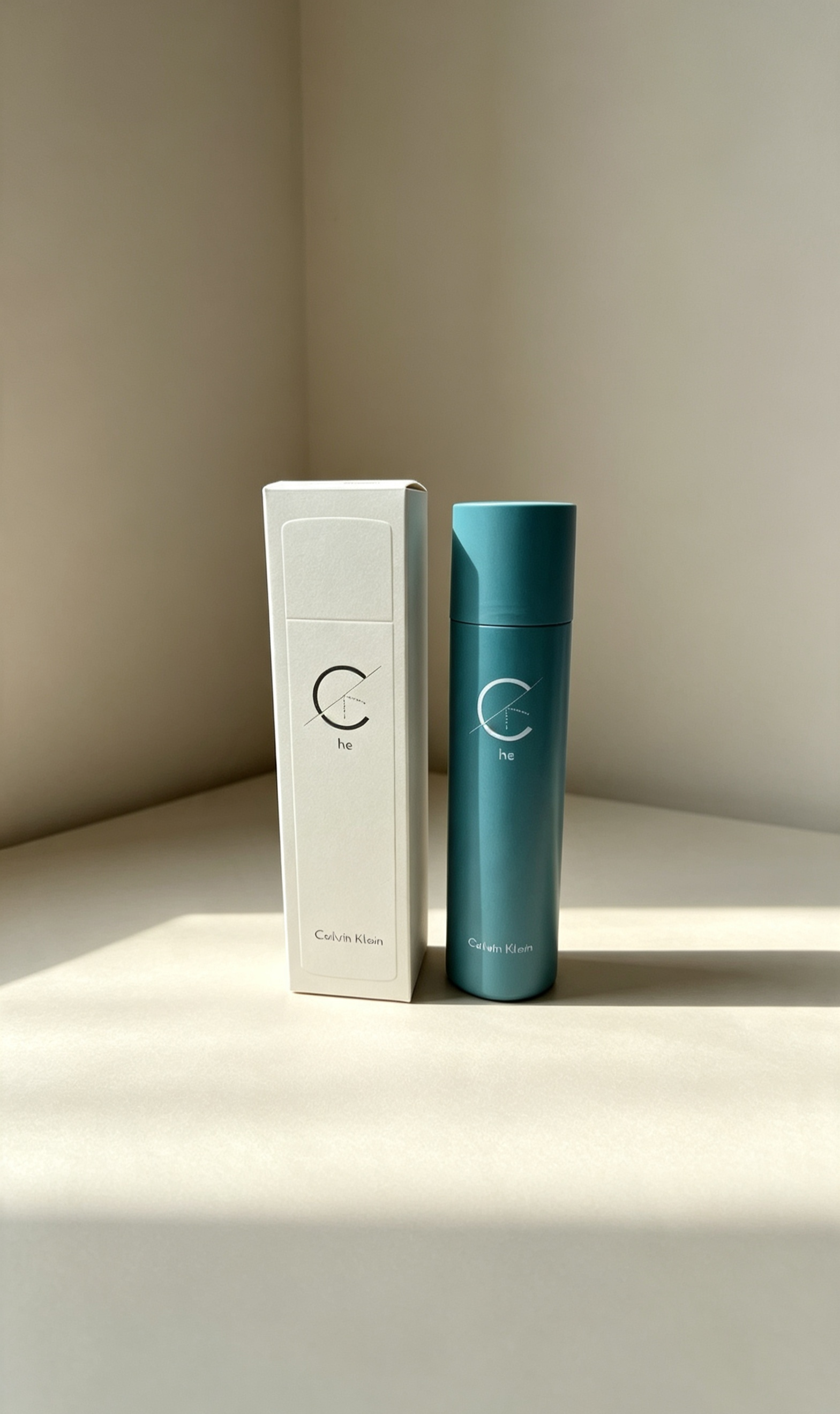
In the Yongcheng catalogue, the aluminium aerosol can is stated as the primary packaging material across product families, not as an exception. The miluvcare Cooling Sunscreen Spray is supplied in a 150 ml aluminium aerosol can. The Caliph Klong Men’s Fragrance Strong Styling Spray is filled in an aluminium aerosol can at 300 ml with a net weight of 10.14 oz. The Quarxery Tone-Up Brightening Spray uses a 90 ml aluminium aerosol can, and the miluvcare Hair Removal Spray a 150 ml aluminium can. The HEYUEJI Watery Milk Cap Cleansing Oil Mousse and the SOLEHE shaving foam follow the same material logic.
Aluminium is widely used for pressurized cosmetic cans because it forms a seamless one-piece body that holds internal pressure, accepts internal linings for formula compatibility, and provides a printable surface for branding. Those are general material characteristics rather than a claim about any single product. What matters for a brand owner is that the can specification — diameter, height, wall specification, internal lining — is fixed early, because it determines fill volume, valve cup fitment and artwork layout at the same time.
2. Valve and actuator: where the spray mode is actually set
The valve is the component that converts internal pressure into a usable dose. The actuator on top of it shapes the plume. Together they define the spray mode, and the Yongcheng range shows how far that mode can vary within a single packaging material:
- Pressure valve mist spray — the Caliph Klong styling spray uses aerosol pressure packaging with an aerosol pressure valve spray dispensing method and spray-on application.
- Aerosol mousse spray — the miluvcare Hair Removal Spray is described as an aerosol depilatory spray applied as an aerosol mousse spray.
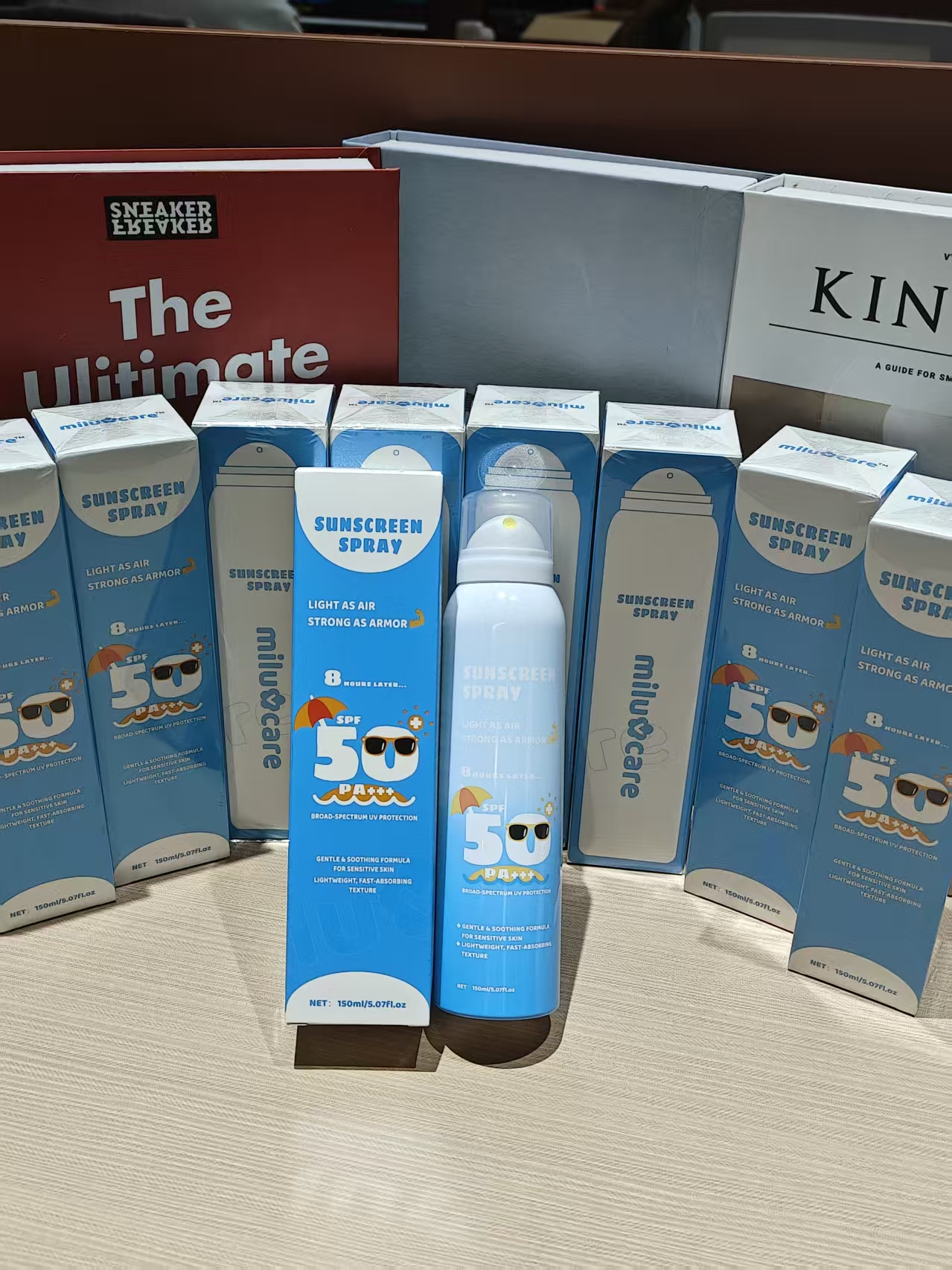
- Continuous aerosol spray — the miluvcare Cooling Sunscreen Spray specification lists an aerosol spray format for continuous application.
- Directional nozzle — the ESCP Lutein Eye Care Spray is paired with an eye-cup nozzle for controlled delivery around the eye perimeter.
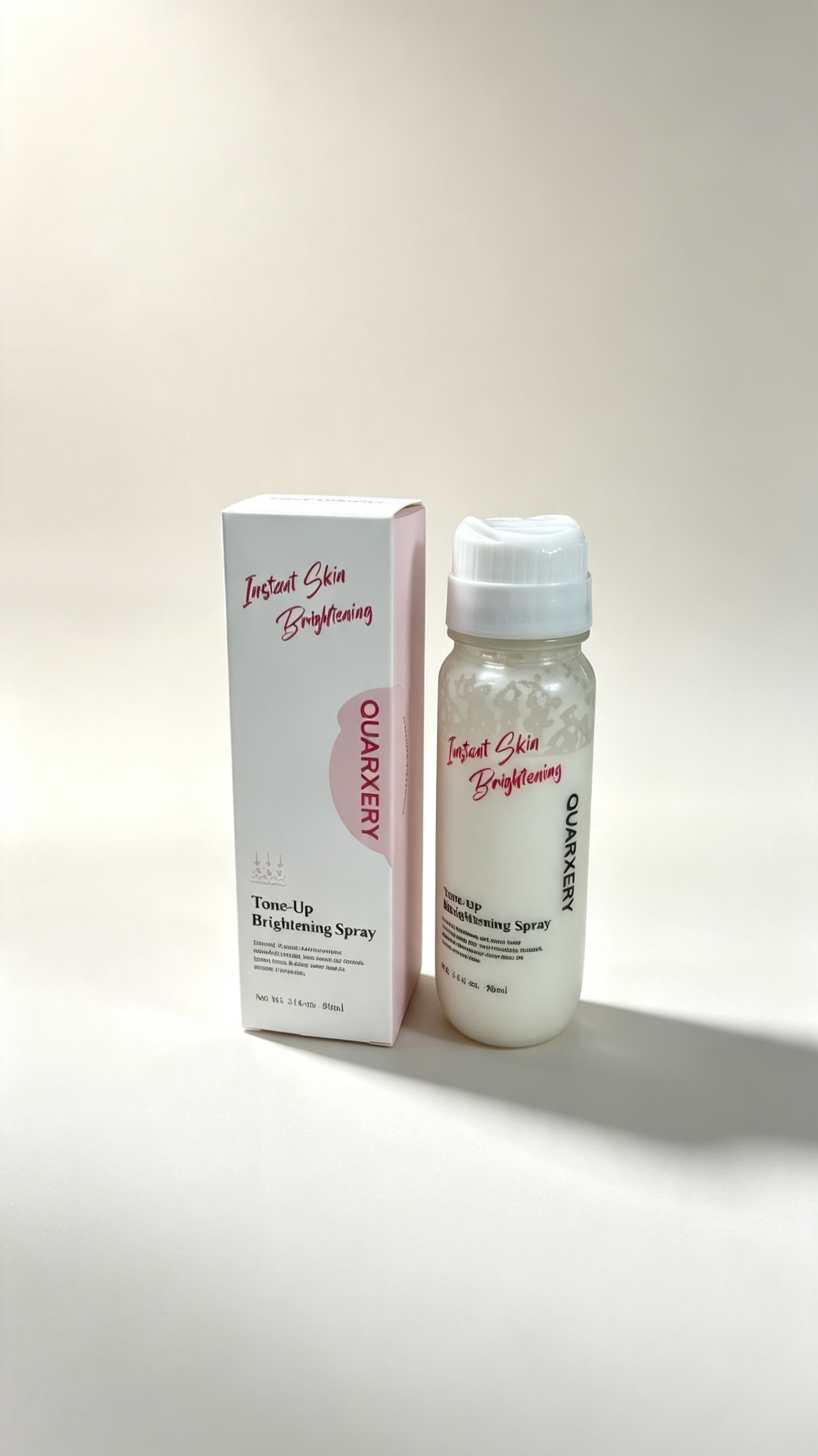
- Fine mist — the Quarxery Tone-Up Brightening Spray delivers a fine mist for uniform coverage; the LUCENBASE toner mist is specified with a fine aerosol mist.
A brand owner specifying a valve should treat spray mode as a sensory decision, not a hardware detail. Output rate, droplet size and spray angle are what the consumer actually experiences, and they are agreed at valve and actuator selection — not corrected at the filling stage.
3. Ultra-fine mist, instant quick-dry and a non-sticky finish
Two documented products show how the same pressure-packaging principle produces different tactile results.
Hair styling — hold without stiffness. The Caliph Klong Men’s Fragrance Strong Styling Spray is specified with an ultra-fine mist and instant quick-dry performance, a strong yet flexible hold that allows the hairstyle to be re-worked, a lightweight and non-sticky texture on the hair, long-lasting volume and textured layers, and a masculine fragrance profile. The quick-dry behaviour is the point: a fine droplet lands, the carrier flashes off quickly, and the polymer film forms without the wet, tacky stage that makes users over-apply.
Body brightening — coverage without residue. The Quarxery Tone-Up Brightening Spray is described as lightweight and fast-absorbing, formulated without a heavy sticky feeling, delivering an instant skin tone-up and brightening effect, improving the appearance of dullness and evening out uneven skin tone. Its fine mist is specified for uniform coverage — essential on body skin, where a coarse spray produces patchiness that no formulation can hide.
Across the range, the same three performance targets recur: an ultra-fine mist, fast absorption or drying, and a non-sticky after-feel. They are achieved through droplet engineering — valve and actuator — combined with a carrier system suited to the application area.
4. Conventional aerosol versus BOV: the architecture decision
BOV stands for bag-on-valve. The cosmetic formula is fully sealed inside an inner flexible bag, completely separated from the non-flammable propellant — compressed air or nitrogen — filled into the outer chamber of the can. When the user presses the nozzle, the compressed gas squeezes the inner bag and pushes the product out through the valve. Because product and propellant never meet, the output is purely formulation.
The practical consequences are specific: 360-degree spraying at any orientation, high product utilization of up to 99% with nearly full evacuation, non-flammable propellant for safer transport, better formula stability and longer shelf life, and good compatibility with sensitive, natural and alcohol-free formulations. BOV is well suited to alcohol-free perfume, facial mist, sunscreen spray, after-sun care and sensitive-body-care products. The trade-off is unit cost: BOV hardware costs more than a standard aerosol valve system.
Yongcheng states that it offers both BOV and conventional aerosol OEM production, selected according to budget and market requirement. The Eyevmy Skin Nourishing Essence Makeup Setting Spray illustrates a related variant: a dual-pack aerosol system with no propellant, delivering a fine soft mist in a lightweight, non-heavy texture that does not cake or clog pores.
Step-by-Step Breakdown: A Seven-Step Selection Sequence
The sequence below reflects the order in which packaging variables constrain each other. Changing a later step usually forces a revisit of an earlier one, so the order matters.
- Define the dispensing format first. Decide whether the product is a fine mist spray, a continuous spray, a mousse or a foam. The Yongcheng range covers mist (styling spray, toner mist, body brightening spray), continuous spray (sunscreen), mousse (hair removal, cleansing oil) and foam (shaving foam). Each format implies a different valve family before any other decision is made.
- Set the fill volume against the use occasion. Fill volume is a usage decision, not a cost decision. In the catalogue, 90 ml serves targeted body and eye-area products, 120–150 ml covers sunscreen, hair removal and setting spray, 250 ml serves shaving foam, and 300 ml covers high-frequency formats such as styling spray and toner mist.
- Confirm the can material and internal compatibility. Aluminium aerosol cans are the stated primary packaging across the range. Confirm the internal lining against the formulation before artwork is released, since lining and formula compatibility cannot be corrected by filling adjustment.
- Select valve and actuator together. Treat them as one unit. The valve sets output rate and droplet size; the actuator sets pattern, angle and finger feel. For directional applications such as the ESCP Lutein Eye Care Spray, the nozzle geometry is part of the specification, not an accessory.
- Choose the propellant architecture. Conventional aerosol where the propellant is part of the delivery — mousse, foam, firm-hold spray — and where unit cost dominates. BOV where formula purity, 360-degree orientation, near-full evacuation or non-flammable transport matter more than per-unit hardware cost.
- Validate with a physical sample. Spray pattern, droplet size, drying speed, after-feel and can behaviour are judged on a filled sample, not on a specification sheet. Sample confirmation is the gate that starts the production clock.
- Lock MOQ, lead time and export documents. Regular MOQ is 10,000 cans per formula, with a working range of 10,000 to 20,000 cans depending on format. Lead time is 30–45 working days after sample confirmation and is affected by the aerosol can packaging supply cycle. Export documentation — UN packaging certificate, SDS/MSDS, COA, and CPSR for the EU market — should be confirmed alongside the order, not after it.

Use Cases: One Packaging Logic, Different Products
The same pressure-packaging principle produces very different products once fill volume, valve and propellant architecture are varied. The following examples come from the Yongcheng catalogue and illustrate how the selection sequence resolves in practice.
- Men’s hair styling (300 ml, pressure valve mist). Ultra-fine mist and instant quick-dry, strong yet flexible hold, re-workable hairstyle, long-lasting volume, masculine fragrance. The 300 ml fill suits frequent use; the fine mist prevents the wet overload that makes a strong-hold spray feel stiff.
- Instant body brightening (90 ml, fine mist). Lightweight, fast-absorbing, non-sticky, with an instant tone-up effect and more even-looking skin tone. The smaller fill matches a targeted, occasion-driven application.
- Sun care (150 ml, continuous spray). The miluvcare Cooling Sunscreen Spray carries SPF 50+ PA+++, broad-spectrum UVA/UVB protection, a cooling skin feel and a lightweight fast-absorbing texture in an aerosol spray format for continuous application.
- Facial toner mist (300 ml, fine mist). The LUCENBASE Centella Asiatica Soothing And Moisturizing Spray combines a 4X soothing complex with Centella Asiatica extract, ceramide, hyaluronate and panthenol in an ultra-fine aerosol mist that can be refreshed at any time.
- Hair removal mousse (150 ml, aerosol mousse spray). The miluvcare Hair Removal Spray is an aerosol depilatory mousse with a wild rose fragrance, moisturizing care and a stated fast, gentle hair removal effect, suitable for both women and men.
- Shaving foam (250 ml, dense foam). The SOLEHE soft and refreshing shaving foam produces a rich dense foam that softens coarse beard, reduces razor friction and rinses off without sticky residue.
- Makeup setting (120 ml, dual-pack, no propellant). The Eyevmy setting spray uses a propellant-free dual-pack system for a fine soft mist, oil control with maintained hydration, and a lightweight fit that does not cake.
- Eye-area care (90 ml, eye-cup nozzle). The ESCP Lutein Eye Care Spray delivers a soft fine mist of a multi-hydrating lutein formula for the eye perimeter only, with a directional nozzle for controlled application.
Comparison Table: BOV versus Conventional Aerosol
The table below compares the two propellant architectures on the dimensions that change a purchasing decision. Values reflect the packaging mechanics documented for the Yongcheng range; they are not a cost quotation.
| Selection dimension | BOV (bag-on-valve) | Conventional aerosol |
|---|---|---|
| Formula-to-propellant contact | None. Formula is sealed in an inner flexible bag and fully separated from the propellant. | Propellant is held in the same chamber as the formulation. |
| Propellant used | Non-flammable compressed air or nitrogen in the outer chamber. | Propellant selection is part of the delivery system; flammability profile and transport documents follow that choice. |
| Spray orientation | 360-degree spraying at any angle. | Orientation-dependent output. |
| Product evacuation | High utilization up to 99%; nearly full product evacuation. | Residual product remains in the can at end of use. |
| Formula compatibility | Well suited to sensitive, natural and alcohol-free formulations; supports better stability and longer shelf life. | Broad coverage of formats where the propellant contributes to the delivery, such as mousse, foam and firm-hold spray. |
| Transport profile | Non-flammable propellant supports safer transport. | Pressurized dangerous goods; UN packaging certificate and SDS/MSDS required for export. |
| Unit hardware cost | Higher than standard aerosol. | Lower hardware cost than BOV. |
| Typical cosmetic fit | Alcohol-free perfume, facial mist, sunscreen spray, after-sun care, sensitive body care. | Hair styling spray, hair removal mousse, shaving foam, high-volume spray formats. |
Yongcheng states that it supplies both BOV and conventional aerosol OEM production, so the choice can be made per SKU rather than per supplier.
Fill Volume Reference Across the Range
Fill volume is the fastest way to check whether a packaging concept is realistic before requesting a sample. The reference below lists documented formats from the Yongcheng catalogue.
| Product | Format | Fill volume | Packaging note |
|---|---|---|---|
| Caliph Klong Men’s Fragrance Strong Styling Spray | Hair setting spray | 300 ml / 10.14 oz | Aluminium aerosol can; aerosol pressure valve spray dispensing; ultra-fine mist, instant quick-dry |
| Quarxery Tone-Up Brightening Spray | Instant body brightening spray | 90 ml | Aluminium aerosol can; fine mist for uniform coverage |
| miluvcare Cooling Sunscreen Spray | Cooling sunscreen spray | 150 ml | Aluminium aerosol can; continuous aerosol spray; SPF 50+ PA+++ |
| miluvcare Hair Removal Spray | Hair removal spray with fragrance | 150 ml | Aluminium aerosol can; aerosol mousse spray; wild rose scent |
| Eyevmy Skin Nourishing Essence Makeup Setting Spray | Makeup setting spray | 120 ml / 4.0 fl oz | Aluminium aerosol can; dual-pack system, no propellant |
| LUCENBASE Centella Asiatica Soothing And Moisturizing Spray | Hydration & soothing toner mist | 300 ml / 10.14 oz | Aluminium aerosol can; fine aerosol mist |
| ESCP Lutein Eye Care Spray | Eye care spray | 90 ml / 3.04 fl oz | Aluminium aerosol can; matching eye-cup nozzle |
| SOLEHE soft and refreshing shaving foam | Shaving foam | 250 ml / 8.45 fl oz | Aluminium aerosol can; rich dense foam texture |
| HEYUEJI Watery Milk Cap Cleansing Oil Mousse | Rinse-off cleansing oil mousse | 150 ml / 5.07 fl oz | Aluminium aerosol can; rinse-off mousse |
Manufacturing Context: What a Packaging Brief Has to Fit Into
Guangzhou Yongcheng Cosmetics Co., Ltd. was established in 2018 and operates as an aerosol cosmetics OEM and ODM partner with more than seven years of aerosol manufacturing experience. Its manufacturing base is in Huadu District, Guangzhou, China, with an office at 8/F, Building 2, Baotailai Center, Huadu District, Guangzhou, China.
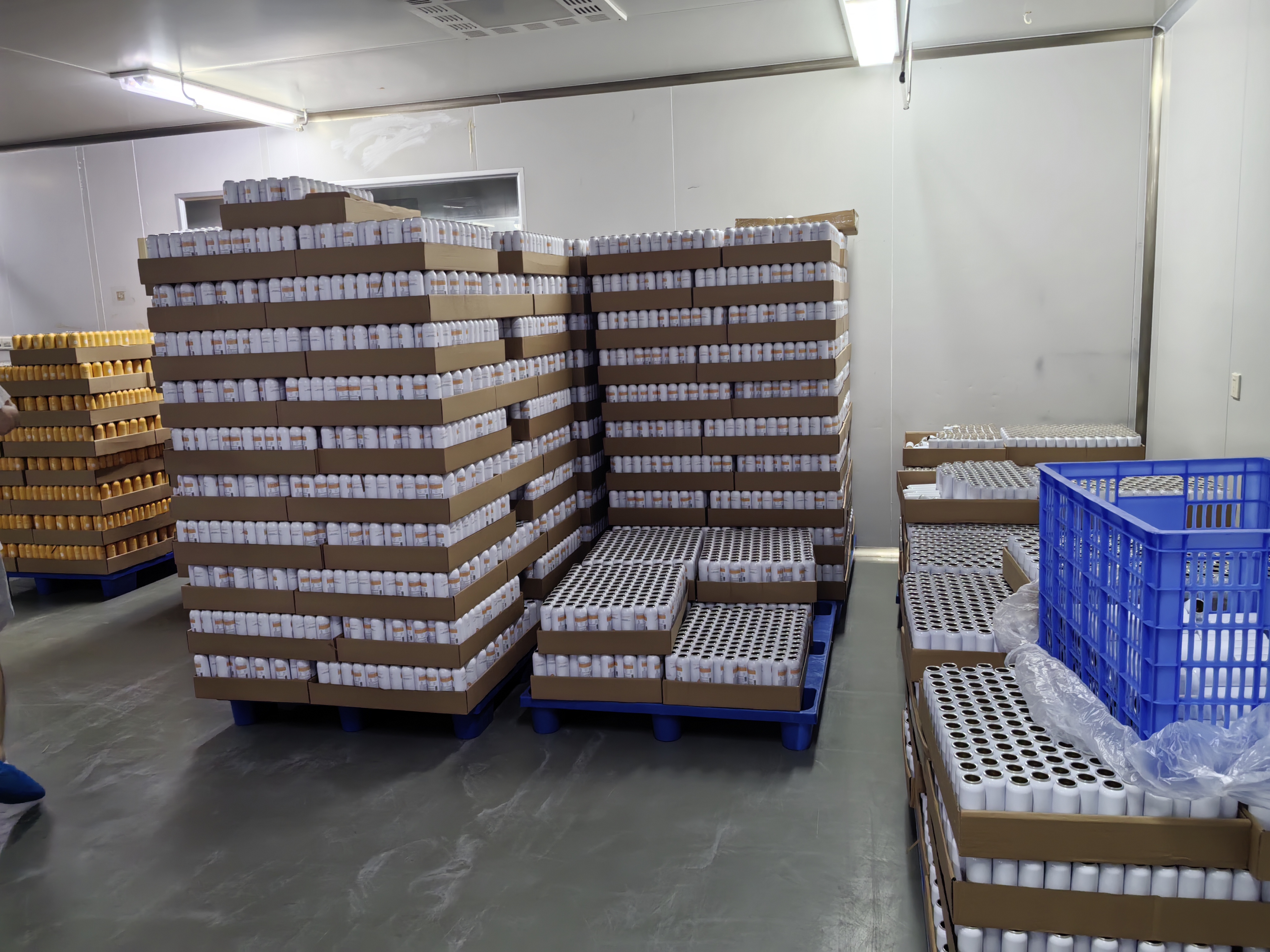
The facility covers 12,000 m² and runs 6 fully automated production lines plus 6 dedicated aerosol lines, supported by a 2,000 m² R&D laboratory and a team of 15 engineers. Stated annual output capacity is 100,000,000 cans, with approximately 150 staff and a 50% export ratio. Main markets are ASEAN, Central Asia, the Middle East and Latin America. The manufacturing base is ISO 22716 certified and includes a 100,000-class GMP cleanroom, and the company states it has served more than 100 global beauty brands.
Certification scope is directly relevant to a packaging brief. ISO 9001:2015 certification (certificate number 206000, issued by DCI Certification Ltd on 2025-07-14 and valid until 2028-07-13) covers research, development, production and sales of aerosol cosmetics within the scope of the qualification licence. ISO 45001:2018 certification (certificate number 206001, issued by DCI Certification Ltd on 2025-07-14, expiring 2028-07-13) covers the same scope under an occupational health and safety management system.

FAQ: Aerosol Pressure Packaging for Cosmetic OEM
Do aerosol cosmetic products need special dangerous-goods export documents?
Yes. Aerosol products are pressurized dangerous goods, so export shipments require a UN dangerous-goods packaging certificate and SDS/MSDS for customs clearance. Yongcheng states that, as an aerosol-specialized factory, it supplies a complete set of dangerous-goods supporting documents for sea and air shipment, alongside a cosmetic production licence, ISO 22716, ISO 9001 and ISO 45001 certificates, and CPSR technical dossiers for the EU market. Where local registration is required, technical dossiers such as SDS, COA, CPSR and the ingredient list are provided for the customer’s own responsible party to submit, since the factory cannot act as local registrant.
Can a single supplier run both BOV and conventional aerosol production?
Yes. Yongcheng states that it offers both BOV and conventional aerosol OEM production, chosen according to budget and market requirement. BOV seals the cosmetic formula inside an inner flexible bag separated from non-flammable compressed air or nitrogen, which enables 360-degree spraying, product utilization up to 99%, and better formula stability for sensitive, natural and alcohol-free formulations. Conventional aerosol keeps propellant in the same chamber as the formulation and suits formats where the propellant contributes to delivery, such as mousse, foam and firm-hold hair spray.
Is BOV aerosol more expensive than a standard aerosol?
Yes. BOV hardware carries a higher unit cost than a standard aerosol valve system, and that difference is structural rather than commercial. The return on that cost is formula protection, near-full product evacuation, any-angle spraying and a non-flammable propellant that supports safer transport. A practical rule is to reserve BOV for alcohol-free perfume, facial mist, sunscreen spray, after-sun care and sensitive body care, and to use conventional aerosol where volume and unit cost dominate the business case.
How does sample validation fit into an aerosol OEM schedule?
Sample confirmation is the gate that starts production. The stated lead time of 30–45 working days runs after sample confirmation, so the sample stage should be treated as a fixed planning milestone rather than an optional step. A filled sample is the only way to judge what the specification sheet cannot show: spray pattern, droplet size, drying speed, after-feel on skin or hair, and whether the valve and actuator combination delivers the intended spray mode at the specified fill volume.
What is the MOQ and lead time for a cosmetic aerosol OEM order?
The regular MOQ for aerosol cosmetic OEM is 10,000 cans per formula, with a working range of 10,000 to 20,000 cans depending on the format. Lead time is 30–45 working days after sample confirmation and is affected by the aerosol can packaging supply cycle. Formula customization, fragrance adjustment and label customization are supported for overseas brand customers. To check whether a specific format, fill volume and target market fit the line, send the brief to HensonHole@gzyc-cosmetics.com or WhatsApp +86 157-7320-9989.
Conclusion: Specify the Package While the Formula Is Still Flexible
Aerosol pressure packaging is not a container choice added at the end of product development. It is the system that determines spray mode, droplet size, drying speed, after-feel, product evacuation and transport classification — and it is fixed by four decisions: the aluminium aerosol can, the valve and actuator, the propellant architecture, and the fill volume.
The sequence that avoids rework is straightforward. Define the dispensing format, set the fill volume against the use occasion, confirm can material and internal compatibility, select valve and actuator as one unit, then choose between BOV and conventional aerosol on the basis of formula sensitivity, orientation needs and unit cost. Validate on a filled sample, and lock MOQ, lead time and export documents in the same conversation.
Yongcheng’s catalogue shows how widely that logic stretches: a 300 ml pressure-valve styling spray with ultra-fine mist and instant quick-dry, a 90 ml body brightening fine mist with a non-sticky finish, a 150 ml continuous sunscreen spray at SPF 50+ PA+++, a 150 ml hair removal mousse, a 120 ml propellant-free dual-pack setting spray, and a 250 ml dense shaving foam — all in aluminium aerosol cans, all built from the same four variables.
Request a Sample or a Packaging Recommendation
Guangzhou Yongcheng Cosmetics Co., Ltd. is an aerosol cosmetics OEM and ODM partner in Huadu District, Guangzhou, China, supplying formula development, packaging, manufacturing and global delivery.
Email: HensonHole@gzyc-cosmetics.com | WhatsApp / Tel: +86 157-7320-9989 | Website: www.gzyc-cosmetics.com
Download the Yongcheng Company Profile (PDF)Have Questions or Need More Details?
Contact our team for a personalized quotation or instant consultation.
Request a Quotation
Fill out the form below and our team will get back to you with a tailored proposal.
WhatsApp Direct Chat
Prefer to chat in real-time? Message us on WhatsApp for instant assistance & quick answers.
- Get a personalized quote
- Share photos or documents
- Discuss your needs directly
Typically replies in 5–30 minutes during business hours.