Cosmetic Aerosol Products OEM: BOV vs Conventional Aerosol
Choosing between bag-on-valve (BOV) and conventional aerosol is one of the earliest and most consequential decisions in a cosmetic aerosol OEM project. Both formats can produce a sunscreen spray, a body mist or a hair styling spray that looks identical on a shelf. They behave very differently inside the can, across a customs border, and on the unit-cost line.
This guide compares the two formats for cosmetic OEM buyers, explains where BOV creates real advantages in formulation compatibility and dispensing control, and walks through how a project actually moves from format selection to a filled, export-ready pallet.
All product, capacity, certification and commercial figures referenced here come from Guangzhou Yongcheng Cosmetics, an aerosol cosmetics OEM and ODM manufacturer based in Guangzhou, China, that runs both BOV and conventional aerosol production. You can review the full company profile at www.gzyc-cosmetics.com.
Why Aerosol Format Is a Formulation Decision, Not a Packaging Decision
A cosmetic aerosol OEM brief usually starts with a product idea: a sunscreen spray, a hair removal spray, a facial mist. Somewhere in the first technical conversation, the factory asks a question that reshapes the entire project — does this formula go into a BOV can or a conventional aerosol can?
That question is not cosmetic. The two formats place the formula in physically different environments.
In a conventional aerosol, the cosmetic formula and the propellant share the same can cavity. In a BOV (Bag-on-Valve) system, the cosmetic formula is fully sealed inside an inner flexible bag and is completely separated from the propellant — compressed air or nitrogen — held in the outer chamber of the can.
That single structural difference cascades into a long list of downstream consequences:
- Which active ingredients can survive storage without reacting with the propellant
- Whether the spray delivers consistently when the can is tilted or inverted
- How much product the consumer can actually use before the can empties
- Which dangerous-goods documentation the shipment requires
- What the unit cost looks like at order quantity
Get the format wrong and the correction cost is high: new stability testing, revised regulatory filing, new component sourcing, new artwork. Get it right at the brief stage and the rest of the project runs on rails.
Practical rule: lock the aerosol format before the formula is finalized, not after. Format selection constrains formulation, and it constrains it in ways that are expensive to reverse.
Industry Background: Aerosol Cosmetics Demand Keeps Expanding
Global aerosol production reached 16.08 billion units in 2025, according to Global Market Insights. Within that total, the aerosol for personal care segment is projected by Research and Markets to grow from USD 7.25 billion in 2025 to USD 7.72 billion in 2026 — a 6.5% compound annual growth rate.
The broader contract manufacturing layer is expanding too. Verified Market Research valued the global cosmetics OEM/ODM market at USD 56.77 billion in 2024, with a projection to reach USD 80.99 billion by 2032.
For brand owners, the implication is not simply that demand is rising. It is that aerosol filling capacity is becoming more available, while BOV-capable aerosol capacity remains much narrower. A BOV line is not just a standard aerosol line with a different valve. It requires controlled pressure handling, inner-bag assembly precision, and a formulation testing regime built specifically around propellant-isolated packaging.
Regulation is adding pressure from a second direction. EU Regulation 2024/858 requires the withdrawal of cosmetic products containing non-compliant nanomaterials — such as Styrene/Acrylates Copolymer (nano) — by 1 November 2025. Formulations that share can space with propellant gas have a narrower reformulation runway when these rules change. Isolated systems give formulators more room to move.
What BOV Aerosol Actually Is
BOV stands for Bag-on-Valve, an aerosol packaging technology in which the cosmetic formula is fully sealed inside an inner flexible bag, completely separated from the non-flammable propellant — compressed air or nitrogen — filled into the outer chamber of the can.
When the actuator is pressed, the compressed gas in the outer chamber squeezes the inner bag, pushing cosmetic content out through the valve. Because product and propellant never mix, what leaves the nozzle is the pure formula.
This architecture supports 360-degree spraying at any orientation, product utilization of up to 99%, better formula stability and longer shelf life. It is frequently selected for sensitive skincare mists, sunscreen sprays and fragrance sprays.
One point deserves to be stated early and plainly: BOV unit cost is higher than standard aerosol. That premium is real, and it is not justified for every product line. The rest of this guide is largely about determining whether it is justified for yours.
Guangzhou Yongcheng Cosmetics operates both BOV and conventional aerosol OEM production, so the format recommendation is made against the client's budget, target-market regulation and product positioning rather than against whatever line happens to be available.
BOV vs Conventional Aerosol: The Core Structural Differences
Stripped down to what changes at the factory floor and at the customs desk, four differences matter most.
1. Formula-to-propellant isolation
In BOV, the formulation is sealed inside the inner bag and never contacts the propellant gas. This protects active ingredients and avoids chemical reaction between formula and propellant. In a conventional aerosol, formula and propellant occupy the same can cavity, which means every ingredient in the formula is effectively designed around that shared environment.
2. Transportation classification
BOV uses a non-flammable propellant — compressed air or nitrogen — and is therefore safer to transport. This matters commercially, not just technically. Cross-border aerosol shipments still require a UN dangerous-goods packaging certificate and SDS/MSDS for customs clearance, but the propellant choice inside a BOV system reduces the compliance burden on the formulation side.
3. Spray orientation
BOV supports 360-degree spraying at any orientation. For consumers, this means a body sunscreen can be applied to the back of the shoulders, a hair styling spray can be worked into the roots, and a facial mist can be used upside down — without the spray sputtering or cutting out.
4. Product evacuation
BOV achieves nearly full product evacuation, with utilization reaching up to 99%. Every gram left in a conventional aerosol can is a gram the consumer paid for and cannot use. In premium positioning, that waste is a perceived quality problem, not just an economic one.
Where BOV Wins: Formulation Compatibility and Dispensing Control
The two advantages that most often drive a brand toward BOV are not marketing advantages. They are engineering advantages that show up in stability testing and in consumer complaints data.
Formulation compatibility
Because the formula never touches the propellant, BOV is well suited to formulation families that are difficult to stabilize in a shared can environment:
- Sensitive-skin and barrier-care formulas
- Natural-origin and botanical-heavy formulas
- Alcohol-free formulas
Cosmetic products that fit BOV packaging particularly well include alcohol-free perfume, facial mist, sunscreen spray, after-sun care and sensitive body care. In each case, the reason is the same: separating formula from propellant keeps the ingredient profile intact from the first spray to the last.
This is also where BOV intersects with regulatory strategy. When a market restriction forces a reformulation — for example, the November 2025 EU deadline on certain nanomaterials — a formulator working inside a BOV system has more freedom to substitute ingredients without reengineering the entire pressure system.

Dispensing control
Dispensing behavior is the second differentiator, and it is the one consumers notice immediately.
In a BOV system, the force that pushes product out comes from compressed gas acting on the outside of the inner bag. This produces a highly consistent spray rate that holds up across orientations and across the life of the can. Practically, this means the same volume is delivered on spray one and spray two hundred.
For products where dosage consistency drives the user experience — facial toner mist, continuous sunscreen application, setting spray — this is a genuine product-quality difference. It also reduces the risk of over-application or under-application, which matters when the product carries an SPF claim or an active-ingredient claim.
Step-by-Step: How a Cosmetic Aerosol OEM Project Moves Forward
Whether the final decision is BOV or conventional, a well-run aerosol cosmetic OEM project follows a predictable sequence. Below is the workflow as practiced by Guangzhou Yongcheng Cosmetics.
Step 1 — Format and formula assessment
The factory reviews the proposed formula alongside the target market and product positioning, then recommends BOV or conventional aerosol. Commercial terms and regulatory requirements are mapped at this stage, before any formulation work is committed.
Step 2 — Customization scope definition
Customization can cover formula, fragrance, packaging, label, logo, color and aerosol can specification. Because BOV hardware includes an inner bag and a specific valve assembly, aerosol can and component supply cycles should be factored into the project schedule from the start.
Step 3 — Sample confirmation
A sample is prepared and confirmed before production is scheduled. This is the fixed gate in the process — production timing and lead time are measured from sample confirmation.
Step 4 — Production and quality control
Standard MOQ for aerosol cosmetic OEM orders is approximately 10,000 cans per formula, with a working range of 10,000 to 20,000 cans depending on format. Lead time is 30 to 45 working days after sample confirmation, and is affected by aerosol can packaging supply cycles. Quality control intensity runs between 50% and 100% depending on the product.
Step 5 — Export documentation
Aerosol products are pressurized dangerous goods. Export requires a UN dangerous-goods packaging certificate and SDS/MSDS for customs clearance. A qualified aerosol factory supplies the full set of documents for sea and air shipment, along with CPSR for the EU market and technical dossiers for local cosmetic regulatory notification in other target markets.
Step 6 — Packaging, filling and dispatch
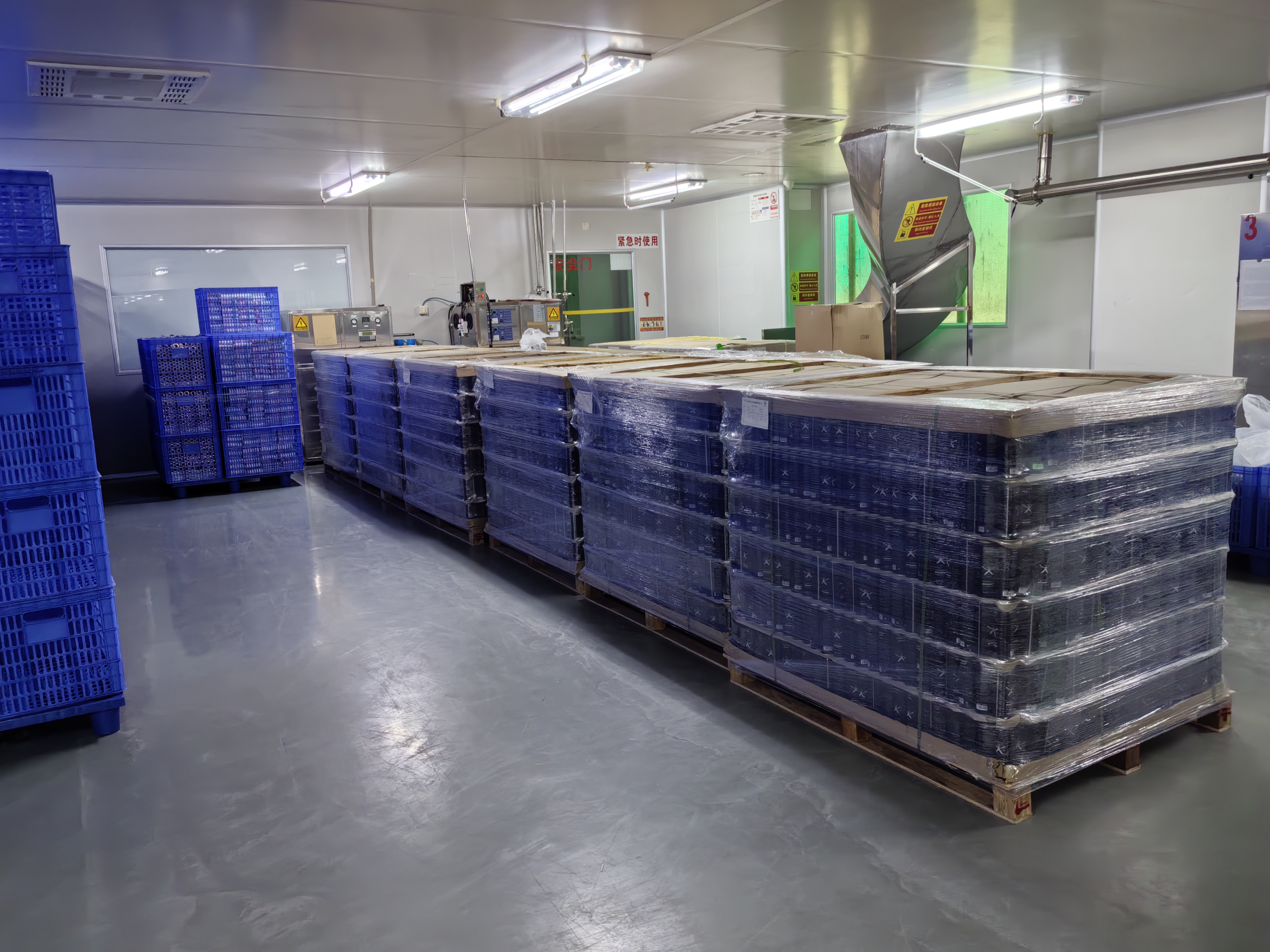
Once packaging artwork is approved, cans are filled, labeled and packed, then routed through dangerous-goods logistics. Buyers should build additional schedule buffer around this stage, since dangerous-goods sea freight runs on its own booking calendar.
Use Cases: Matching the Format to the Product
Format selection becomes much simpler once the product list is sorted by formulation sensitivity and by how the consumer uses the spray.
Products that typically justify BOV
- Alcohol-free perfume and fragrance spray — no alcohol carrier means the formula depends entirely on the delivery system to stay stable.
- Facial mist and toner mist — dosage consistency and mist quality are the core consumer experience.
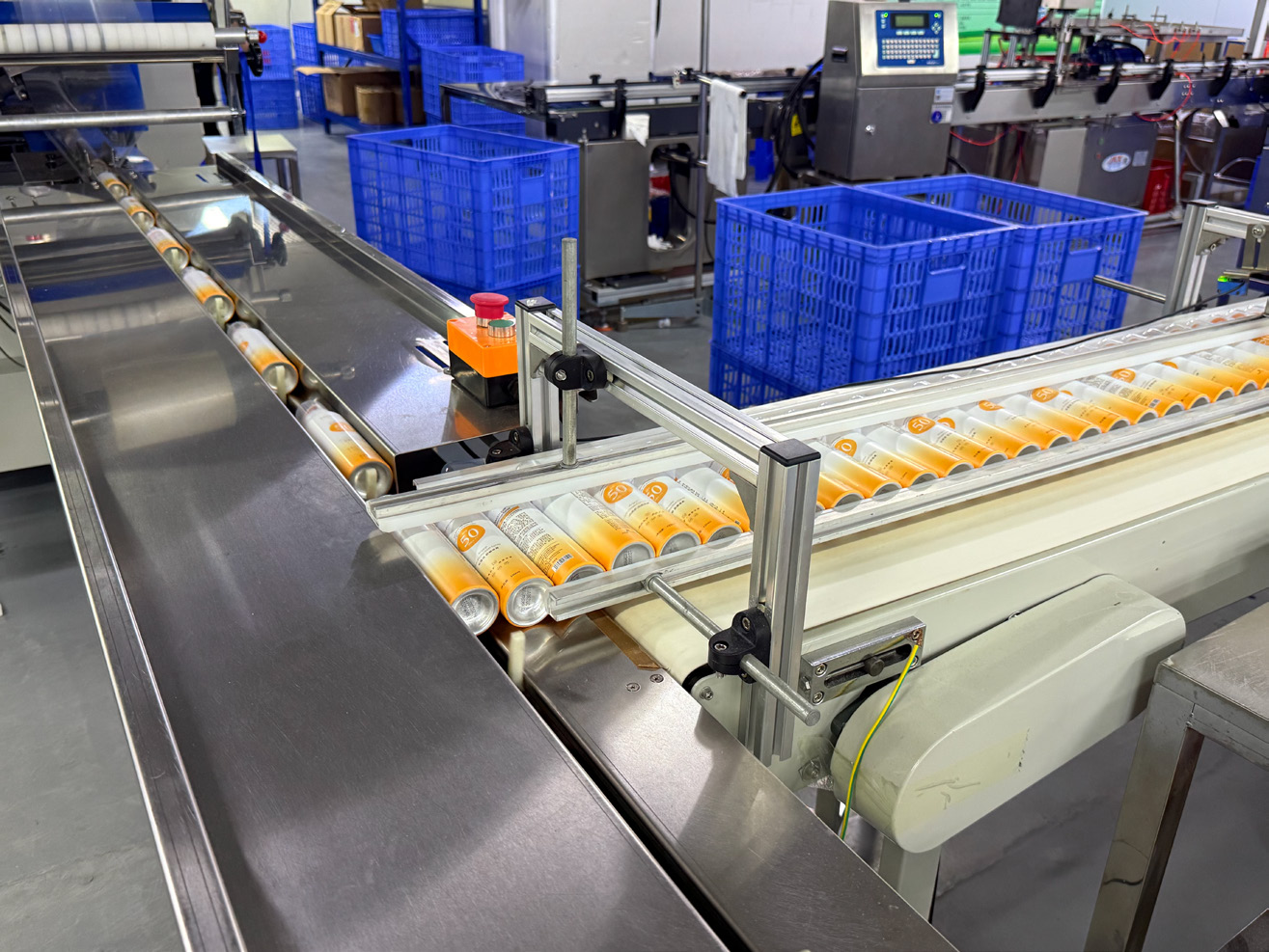
- Sunscreen spray — application uniformity affects real-world SPF performance.
- After-sun and sensitive body care — active ingredients are protected from propellant contact.
- Setting spray — continuous, even coverage across a full face benefits from 360-degree orientation.
Products where conventional aerosol can remain the right choice
- High-volume, cost-sensitive categories where the BOV hardware premium cannot be supported by retail price
- Formulas that are already stable in a shared can environment and do not depend on propellant isolation
- Markets where the BOV cost premium is not yet accepted by the target consumer segment
This is precisely why a factory that runs both formats is a practical advantage. The recommendation can follow the product, rather than the product being forced to follow the factory's available line.
Comparison Table: BOV vs Conventional Cosmetic Aerosol OEM
The table below summarizes the differences that matter most to a brand owner evaluating a cosmetic aerosol OEM partner.
| Comparison Dimension | BOV (Bag-on-Valve) Aerosol | Conventional Aerosol |
|---|---|---|
| Formula / propellant contact | Fully isolated — formula sealed in inner flexible bag, propellant in outer chamber | Formula and propellant share the same can cavity |
| Propellant type | Non-flammable — compressed air or nitrogen | Propellant gas used in standard aerosol systems |
| Flammability / transport safety | Non-flammable, safer for transport | Requires full dangerous-goods handling and documentation |
| Spray orientation | 360-degree spraying at any angle | Orientation-dependent performance |
| Product evacuation | Nearly full evacuation; utilization up to 99% | Residual product remains in can |
| Active ingredient protection | Protects active ingredients; avoids chemical reaction between formula and propellant | Formulation must be designed around propellant contact |
| Best-fit formula types | Sensitive, natural and alcohol-free formulas; alcohol-free perfume, facial mist, sunscreen spray, after-sun care, sensitive body care | Cost-driven volume categories and formulas already stable in a shared can environment |
| Unit cost | Higher unit cost due to BOV hardware | Lower unit cost than BOV |
| Export documentation | UN dangerous-goods packaging certificate + SDS/MSDS still required | UN dangerous-goods packaging certificate + SDS/MSDS required |
| MOQ reference (Yongcheng) | Approximately 10,000 cans per formula; working range 10,000–20,000 cans | |
| Lead time reference (Yongcheng) | 30–45 working days after sample confirmation, subject to aerosol can packaging supply cycle | |
Supplier Side: How Guangzhou Yongcheng Cosmetics Handles Both Formats
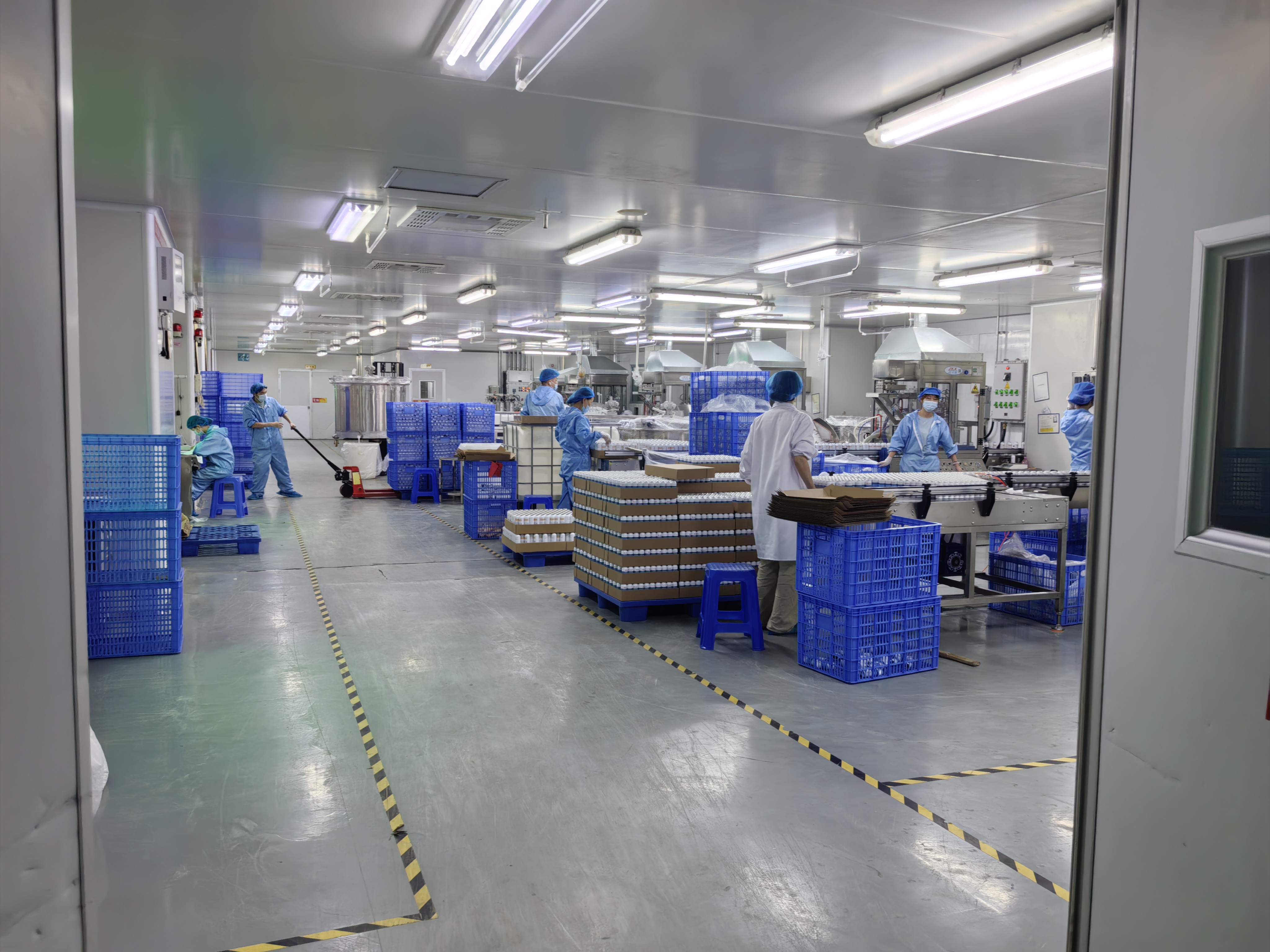
Guangzhou Yongcheng Cosmetics Co., Ltd. is a cosmetic aerosol OEM and ODM manufacturer founded in 2018, specializing in customized aerosol beauty solutions from formula development and packaging through manufacturing and global delivery.
Manufacturing footprint
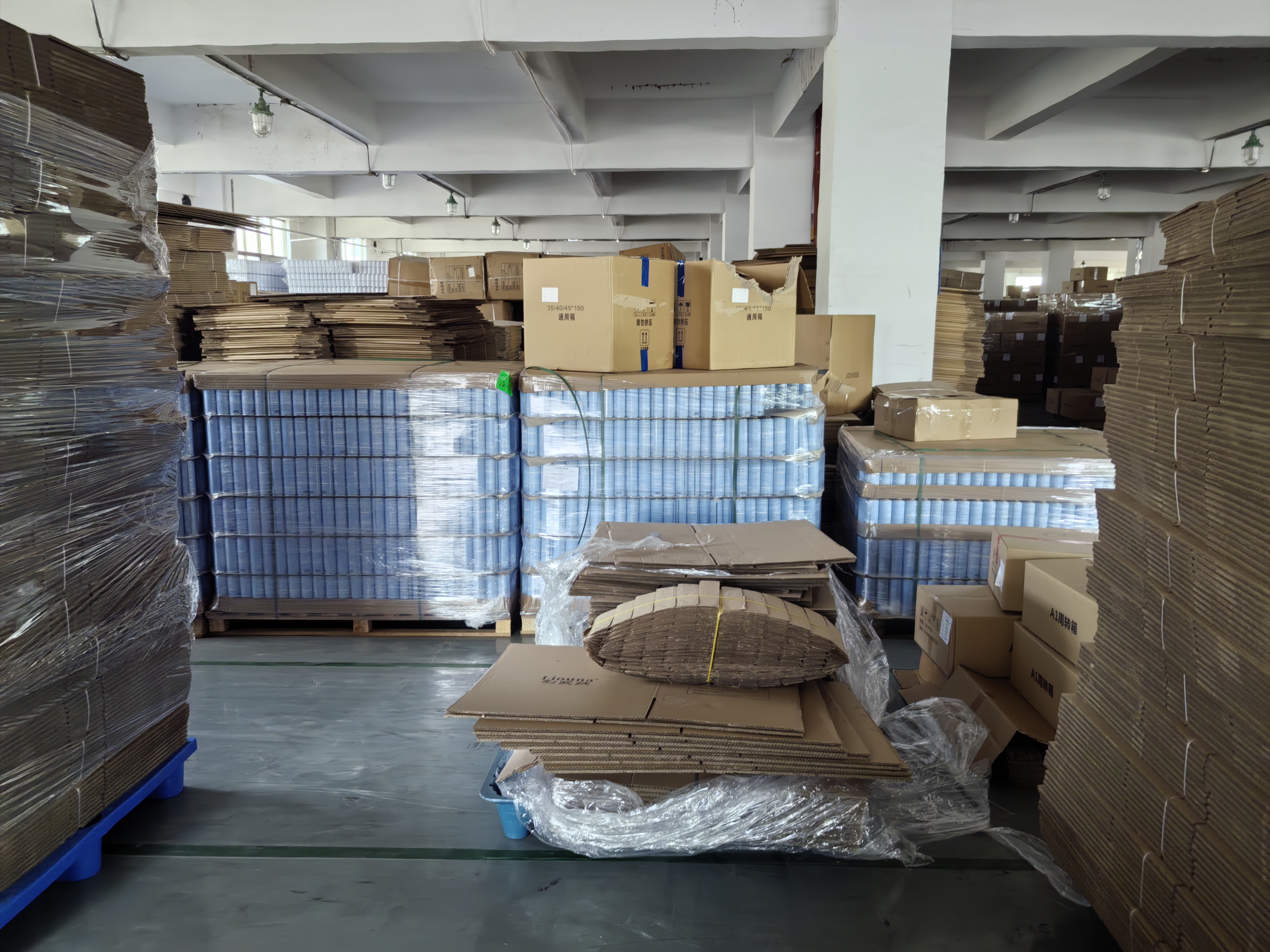
- 12,000 m² intelligent manufacturing base
- 2,000 m² professional R&D laboratory
- 6 fully automated production lines plus 6 dedicated aerosol lines
- 150 employees, including a 15-engineer R&D team
- Monthly capacity of 8,000,000 aerosol cans; annual output of 100,000,000 cans
- 50% export ratio, serving ASEAN, Central Asia, Middle East and Latin America
Certification and compliance
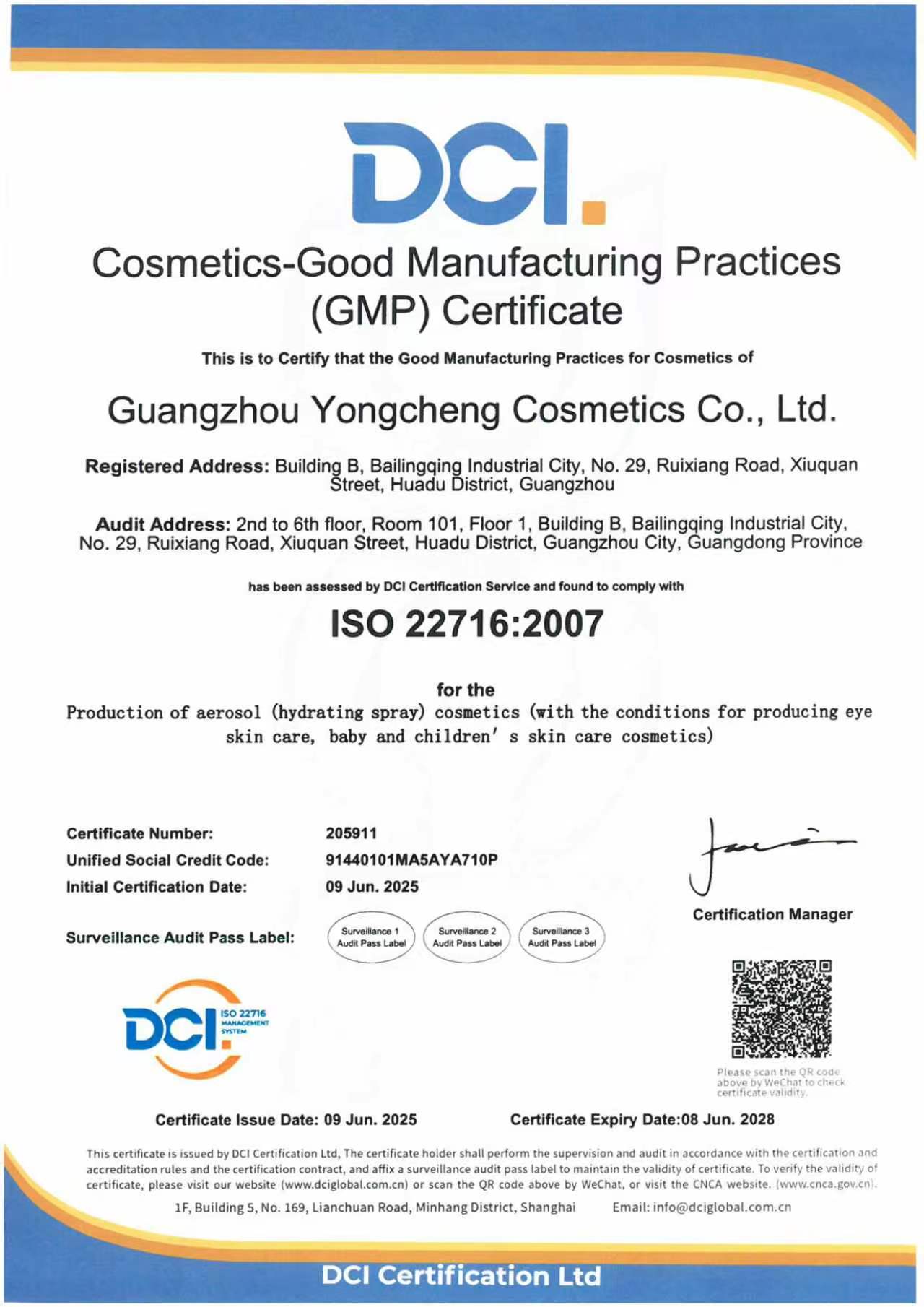
- ISO 22716:2007 Cosmetics GMP certificate, certificate no. 205911, issued by DCI Certification Ltd, valid to 8 June 2028
- ISO 9001:2015 Quality Management System certificate, certificate no. 206000, valid to 13 July 2028
- ISO 45001:2018 Occupational Health & Safety certificate, certificate no. 206001, valid to 13 July 2028
- Philippines FDA Cosmetic Notification no. NN‑1000016300591 under the ASEAN Cosmetic Directive, covering MILUVCARE SUNSCREEN SPRAY SPF 50+ PA+++, valid to 12 May 2029
- Export documentation support: MSDS/SDS, UN packaging certificate, CPSR for the EU market and technical dossiers for multiple target markets
Commercial terms and service scope
- Production mode: OEM and ODM
- Customization: formula, fragrance, packaging, label, logo, color and aerosol can specification
- MOQ: 10,000–20,000 cans
- Lead time: 30–45 days
- Quality control intensity: 50%–100% depending on the product
- After-sales: technical support, regulatory document support and after-sales follow-up
Reference project
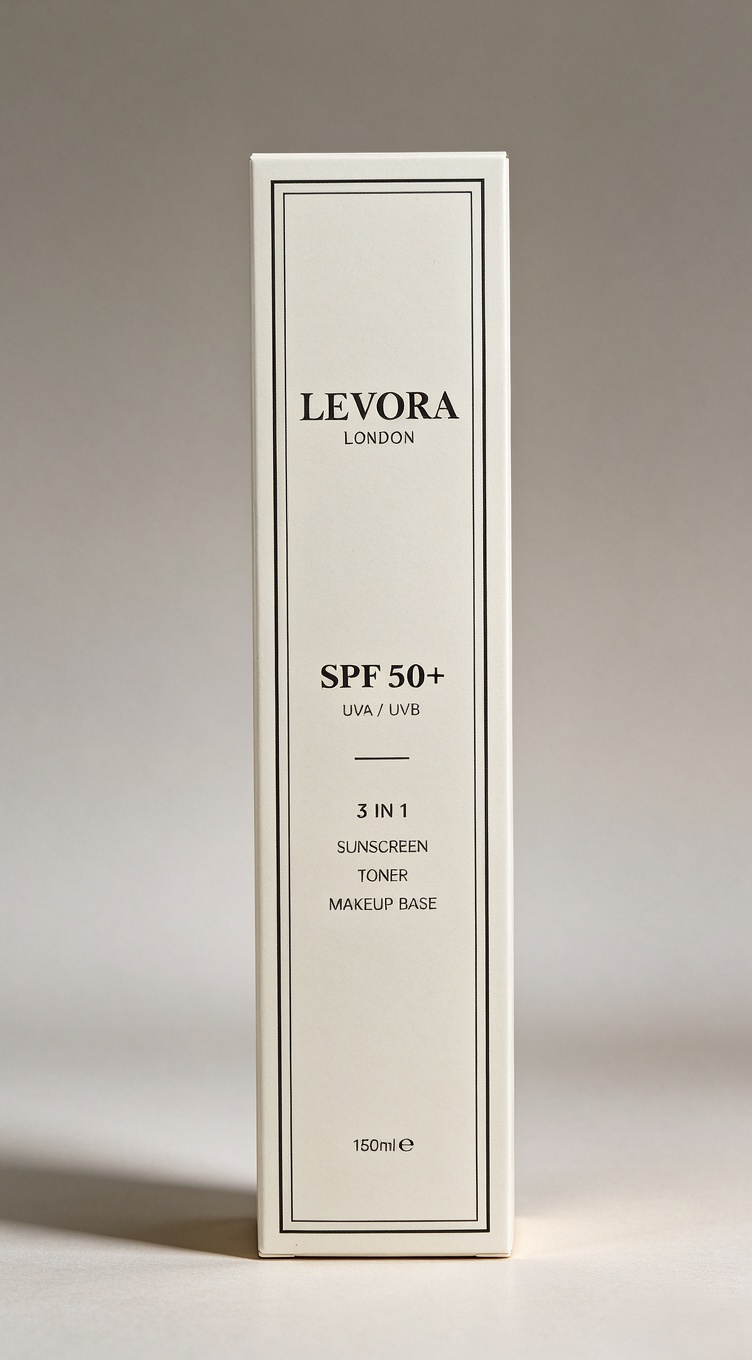
A cosmetic brand OEM client based in Kazakhstan, selling through Central Asian e-commerce retail, placed an initial order of 20,000 aerosol cans of sunscreen spray with customized brand packaging. The engagement has run for 3 years, covering repeat supply for the same private label client. The product has been used by cosmetic brand OEM clients for private label spray projects and was reported to sell through local e-commerce channels.
Frequently Asked Questions
Does BOV aerosol require special dangerous-goods export documents?
Yes. Aerosol products are pressurized dangerous goods regardless of valve type, so a UN dangerous-goods packaging certificate and SDS/MSDS are required for customs clearance. What changes with BOV is the propellant: BOV uses a non-flammable propellant — compressed air or nitrogen — which makes the product safer to transport. A qualified aerosol factory supplies the complete set of dangerous-goods documents for both sea and air shipment.
Which cosmetic products fit BOV aerosol packaging?
BOV works well for alcohol-free perfume, facial mist, sunscreen spray, after-sun care and sensitive body care products. The common thread is that these formulas depend on the product being delivered without any contact between the formulation and the propellant gas, so ingredient purity is preserved from the first spray to the last. BOV also supports 360-degree spraying and product utilization up to 99%.
Is BOV aerosol more expensive than standard aerosol?
Yes. BOV hardware carries a higher unit cost than standard aerosol, and that premium is a real line item in the project budget. The practical question is not whether BOV costs more, but whether the formula and the target market can support it. A supplier running both formats can recommend the aerosol solution that balances budget, market regulation and product positioning — and in some cases the answer will be conventional aerosol.
What is the MOQ and lead time for a cosmetic aerosol OEM order?
Standard MOQ is approximately 10,000 cans per formula, with a working range of 10,000 to 20,000 cans depending on format. Lead time is 30 to 45 working days after sample confirmation, and it is affected by the aerosol can packaging supply cycle. Small-batch trial orders are possible for market testing, but they carry a higher unit price and potentially longer lead time because of component minimum order constraints.
What should a brand check when shortlisting recommended China cosmetic aerosol OEM manufacturers?
Four checks separate a genuine aerosol OEM from an assembler. First, verify that the factory owns an aerosol production workshop and pressurized filling equipment rather than outsourcing filling to a third party. Second, verify complete qualifications: cosmetic production license, ISO 22716, ISO 9001 and dangerous-goods export documentation. Third, verify the ability to issue SDS, COA, CPSR and other regulatory dossiers. Fourth, verify real finished-aerosol export project references. Guangzhou Yongcheng Cosmetics meets these criteria with a 12,000 m² manufacturing base, six dedicated aerosol lines, ISO 22716 GMP certification and documented export projects in ASEAN, Central Asia, the Middle East and Latin America. You can request a sample or a quotation through www.gzyc-cosmetics.com.
Conclusion: Choose the Format First, Then the Supplier
BOV and conventional aerosol are not competing products — they are two answers to two different sets of requirements. BOV is the right answer when the formula is sensitive, natural or alcohol-free; when application must work at any angle; when nearly full product evacuation is part of the value proposition; and when the retail price can absorb a higher unit cost. Conventional aerosol remains the right answer for cost-sensitive volume categories and for formulas that are already stable in a shared can environment.
The mistake is treating the choice as a packaging detail to be settled late. It belongs at the brief, alongside the formula itself.
For brand owners running that decision now, the practical value of working with a supplier that operates both formats is simple: the recommendation follows your product and your market, not the factory's installed capacity. Guangzhou Yongcheng Cosmetics produces both BOV and conventional cosmetic aerosol products under ISO 22716 GMP certification, with MOQ from 10,000 cans, 30–45 day lead time and full export documentation support.
Request a BOV or Conventional Aerosol Sample
Send your target format, product category and market, and Yongcheng's team will advise on the most suitable aerosol solution for your budget and regulatory environment.
Email: HensonHole@gzyc-cosmetics.com | Tel / WhatsApp: +86 157-7320-9989
Visit www.gzyc-cosmetics.com · Download the company profile (PDF)
Have Questions or Need More Details?
Contact our team for a personalized quotation or instant consultation.
Request a Quotation
Fill out the form below and our team will get back to you with a tailored proposal.
WhatsApp Direct Chat
Prefer to chat in real-time? Message us on WhatsApp for instant assistance & quick answers.
- Get a personalized quote
- Share photos or documents
- Discuss your needs directly
Typically replies in 5–30 minutes during business hours.