Cosmetic Aerosol Products: A Complete Guide to OEM/ODM, Packaging & Manufacturing
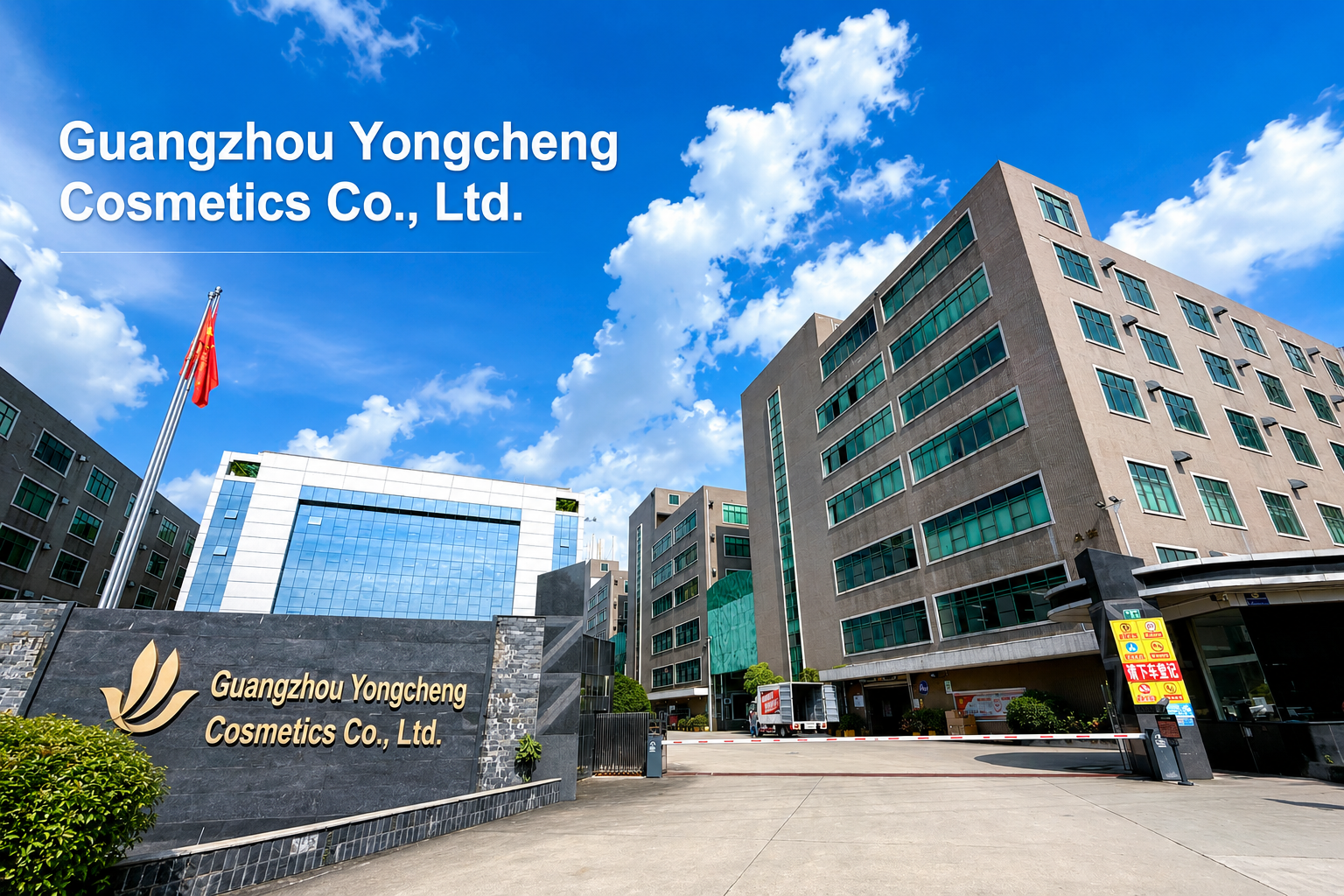
Cosmetic aerosol products are a fast-growing segment of personal care, combining convenience, hygiene and precise dosage in formats such as sunscreen spray, body mist, deodorant, shaving foam and facial mist. This guide explains what cosmetic aerosol products are, what OEM/ODM means for brand owners, how the products are made, which packaging technologies are available, and how to choose a qualified aerosol cosmetics manufacturer.
What are cosmetic aerosol products?
Cosmetic aerosol products are personal care and beauty items packaged in a pressurized can that dispenses the formula as a spray, mist or foam when the valve is activated. Common examples include sunscreen sprays, hair styling sprays, body mists, deodorants and antiperspirants, shaving foams and hydrating facial mists.
Guangzhou Yongcheng Cosmetics Co., Ltd., a manufacturer established in 2018, defines its main product range as sun care, body care, hair care, facial care, and other aerosol products such as shoe and sock deodorant spray and pet protection sprays. The company offers both OEM and ODM services for cosmetic aerosol products, covering formula development, filling, packaging and global delivery.
Why the cosmetic aerosol market is growing
Demand for cosmetic aerosol products is supported by consumer preference for formats that are fast to apply, easy to carry and less exposed to contamination than open jars or bottles. The aerosol format is widely used for UV protection, body care and hair styling because it enables even coverage without direct hand contact.
Chinese aerosol personal care fillings reached 450 million units in 2024, according to the Aerosol Committee of China Packaging Federation. While the global aerosol market continues to expand, brand owners are increasingly looking for manufacturing partners that combine aerosol expertise, regulatory compliance and export documentation.
Aerosol cosmetics OEM & ODM: what brand owners need to know
Aerosol cosmetics OEM means a manufacturer produces a formula according to the buyer's specification, while ODM means the manufacturer develops the formula, packaging and product concept for the buyer. For private-label brands, ODM is often the faster route because the factory provides an existing formula that can be customized by fragrance, color, active ingredients or label design.
Guangzhou Yongcheng Cosmetics provides these services from formula development to global delivery. Its formulations cover sunscreen spray, body brightening spray, hair removal spray, deodorant and body fragrance spray, makeup setting spray and other aerosol cosmetics. The company also provides special cosmetics R&D and registration support.
Key product categories in aerosol cosmetics
Sun care aerosol products
Sunscreen spray is one of the most popular aerosol cosmetics because it makes UV protection easy to apply on large body areas. The miluvcare Cooling Sunscreen Spray is one example. This product is a 150 ml aerosol sunscreen spray with SPF 50+ and PA+++ rating, broad-spectrum UVA/UVB protection, a lightweight fast-absorbing texture and a cooling feel, and it is positioned as suitable for sensitive skin. For aerosol cosmetics ODM buyers, sunscreen spray projects often require careful selection of UV filters, emulsion stability and propellant compatibility, as well as market-specific registration documents.
Body care aerosol products
Body care is a major area within aerosol cosmetics ODM. Aerosol formats are used for hair removal sprays, body mists, body brightening sprays, deodorants and antiperspirants.
The miluvcare Hair Removal Spray is an aerosol depilatory spray with a 150 ml volume and a fresh Wild Rose fragrance. It is designed for at-home body hair removal, is suitable for both women and men, and the formula removes hair fast and gently while moisturizing the skin. For private label brands, a depilatory spray project needs attention to skin sensitivity, fragrance stability and the regulatory classification of the active ingredient.
Quarxery Tone-Up Brightening Spray is an instant body brightening spray in a 90 ml aluminium aerosol can. It provides tone-up and brightening effects, reduces dullness and uses a fine mist for uniform coverage. Such body cosmetics aerosol products are often launched by brands that want an effect that is visible immediately after application.
Facial care aerosol products
Facial mists and toner mists have become mainstream cosmetic aerosol products. LUCENBASE Centella Asiatica Soothing And Moisturizing Spray is classified as a Hydration & Soothing Toner Mist. The 300 ml product contains Centella Asiatica extract, Ceramide, Sodium Hyaluronate and Panthenol. The formula is described as a 4X soothing complex and is positioned to soothe and stabilize sensitive skin while improving dryness.
Makeup setting spray is another facial aerosol category. Eyevmy Skin Nourishing Essence Makeup Setting Spray is a 120 ml makeup setting spray in an aluminium aerosol can. Its formula includes a skin-nourishing peptide complex and uses a dual-pack aerosol system without propellant, which matters for buyers who want a mild, fine-mist setting spray.
Hair care aerosol products
Hair styling sprays and mousses remain core aerosol cosmetics ODM categories. Caliph Klong Men's Fragrance Strong Styling Spray is a 300 ml male hair styling spray with strong hold and fragrance care. It uses an ultra-fine mist, quick-dry format and leaves a flexible, re-workable hold.
Other aerosol cosmetics
Beyond skin, sun and hair categories, aerosol cosmetics include shaving foam, cleansing mousse, eye care spray and body acne care spray. SOLEHE soft and refreshing shaving foam is a 250 ml aerosol shaving foam packaged in an aluminium can. It softens coarse beards and reduces razor friction for manual razor shaving. ESCP Lutein Eye Care Spray is a 90 ml eye care spray designed to deliver a fine mist to the eye-surrounding skin, with Lutein and moisturizing ingredients aimed at heavy screen-time users.
BOV aerosol packaging: an advanced option for cosmetic aerosol products
BOV stands for Bag-on-Valve. In a BOV system, the cosmetic formula is sealed inside a flexible bag and is completely separated from the propellant gas, which is typically compressed air or nitrogen. When the valve is pressed, the gas in the can squeezes the bag and pushes the product out without mixing with the propellant.
Aerosol cosmetics R&D teams and brand owners choose BOV when they need to protect active ingredients, avoid direct contact between the formula and the propellant, or meet strict flammability requirements for transport. BOV also enables spraying at 360-degree angles and nearly full evacuation of the product.
Compared with conventional aerosol, BOV has several advantages: it is non-flammable and safer to transport; it sprays at any orientation; and it achieves almost complete product evacuation. The higher unit cost of BOV hardware should be weighed against these benefits. Guangzhou Yongcheng Cosmetics supplies both BOV and conventional aerosol OEM production, so buyers can decide based on budget, market requirements and product positioning.
What to look for in a GMP certified cosmetic aerosol manufacturer
The selection of an aerosol cosmetics OEM/ODM factory affects product quality, regulatory compliance and export reliability. For aerosol products specifically, buyers should check whether the supplier has in-house aerosol filling capability rather than outsourcing to a third-party filler.
Guangzhou Yongcheng Cosmetics operates a 12,000 m² intelligent manufacturing base with 6 fully automated production lines and 6 dedicated aerosol lines. The facility is ISO 22716 certified and includes a 100,000-class GMP cleanroom. The company also reports ISO 9001:2015 certification (certificate number 206000, issued by DCI Certification Ltd.) for its quality management system.
In an ISO 22716 certified cosmetic aerosol factory, production follows cosmetic GMP requirements for premises, equipment, raw materials and quality control. In practice, buyers should also verify that the factory can provide the export documents needed for pressurized aerosol goods: MSDS/SDS, UN packaging certificate and COA. Guangzhou Yongcheng Cosmetics states that it provides these export documents for sea and air shipment.
Cosmetic aerosol packaging solutions: from can to valve
Most cosmetic aerosol products in the categories above use an aluminium aerosol can. Aluminium is lightweight, corrosion-resistant and recyclable, and it gives brands a premium look for sunscreen sprays, facial mists and deodorant sprays.
A complete cosmetic aerosol packaging solution includes the can, valve, actuator, cap and label. For OEM/ODM buyers, the packaging choice affects filling efficiency, spray pattern and regulatory documentation. Aerosol cans and valves must be qualified for the product's pressure and formulation, especially for BOV systems or products containing alcohol.
Guangzhou Yongcheng Cosmetics includes packaging as part of its OEM/ODM service and maintains pending-production packaging stock in its warehouse. Buyers can also customize labels and fragrance while using an existing formula, which shortens the development cycle.
The aerosol spray filling process and factory capabilities
Aerosol spray filling is the stage in which the formulation is put into the can, the propellant is added or a BOV bag is pressurized, and the valve is crimped. It must be carried out in a pressure-rated filling area with qualified equipment and trained staff.
Guangzhou Yongcheng Cosmetics operates self-owned aerosol filling lines. Its manufacturing base includes 6 dedicated aerosol lines and fills products such as sunscreen sprays, body mists and facial mists. The company reports an annual production capacity of 100,000,000 cans, employs approximately 150 staff and is supported by a 2,000 m² R&D laboratory with 15 engineers.
For brand owners, in-house aerosol filling is a strong indicator of quality control: a factory with its own pressure filling workshop can control the process from batching to filling to packaging, whereas a general cosmetic factory without aerosol qualification may outsource the filling step and create quality or documentation risks.
Custom cosmetic aerosol and private label workflow
Private label aerosol cosmetics allow brands to sell products under their own name without building a factory. The typical workflow with an OEM/ODM partner includes:
- Product concept and positioning: define the target market, product type and price range, for example sunscreen spray, depilatory spray or hydrating facial mist.
- Formula selection or development: choose an existing ODM formula or develop a custom cosmetic aerosol formula for fragrance, texture, SPF or active ingredients.
- Sample validation: test the formula for stability, spray pattern, efficacy and packaging compatibility. MOQ and lead time are confirmed after sample approval.
- Packaging and artwork: select the aluminium can, valve, actuator and label; confirm private label artwork.
- Mass production and filling: the factory manufactures and fills the product on dedicated aerosol lines under GMP conditions.
- Quality inspection and documentation: batch inspection, COA, MSDS/SDS, UN packaging certificate and other registration documents are prepared.
- Shipping and market registration: aerosol goods are shipped through dangerous-goods logistics; the buyer or local responsible party completes official registration.
Guangzhou Yongcheng Cosmetics provides OEM and ODM services covering this full chain. The company supports formula customization, fragrance adjustment and label customization for overseas brand customers, in addition to standard ODM formulas.
Regulatory, MOQ and lead time considerations for aerosol cosmetics OEM
Aerosol products are classified as pressurized dangerous goods for transport, so the manufacturer must provide a UN dangerous-goods packaging certificate and SDS/MSDS for customs clearance. Cosmetic regulatory registration also requires technical dossiers such as CPSR for the EU and ingredient documents for other markets. Guangzhou Yongcheng Cosmetics supplies SDS, COA and related documents to support local regulatory registration, but the customer must appoint a local responsible party for official submission in the target market.
For standard production, the regular MOQ at Guangzhou Yongcheng Cosmetics is 10,000 cans per formula, and the lead time is 30–45 working days after sample confirmation. Lead time can be affected by the supply cycle of the aerosol can packaging, so brands planning a launch should align packaging choices with production scheduling. Small-batch trial orders may have a higher unit price and constrained availability.
Comparison: BOV vs conventional aerosol and aerosol vs non-aerosol OEM
| Comparison point | BOV aerosol (Bag-on-Valve) | Conventional aerosol |
|---|---|---|
| Formula-propellant contact | Fully separated; formula stays inside flexible bag | Formula and propellant coexist in the can |
| Spray orientation | 360-degree spraying at any angle | Usually requires upright or designed orientation |
| Product evacuation | Nearly full evacuation, up to approximately 99% | Some product remains or pressure drops as can empties |
| Flammability / transport | Non-flammable propellant such as compressed air or nitrogen | Depends on propellant; flammable propellants raise transport restrictions |
| Formulation compatibility | Well suited for sensitive-skin, natural, alcohol-free formulas | Propellant compatibility must be verified for each formula |
| Unit cost | Higher hardware cost | Lower hardware cost |
One common question is how aerosol cosmetic OEM differs from ordinary cream-lotion cosmetic OEM. Aerosol production requires a dedicated pressure filling workshop, pressurization equipment and dangerous-goods qualification, while regular cream, lotion and mask factories do not normally perform aerosol filling. This is why product developers should choose a dedicated aerosol manufacturer rather than assuming a general cosmetics factory can fill pressurized cans.
Common risks in aerosol cosmetics procurement and how to avoid them
For imported brands, the main risks in ordering aerosol cosmetics OEM from China include the following:
- Filling without aerosol qualification: some general cosmetic factories outsource aerosol filling, which may cause unstable quality and missing dangerous-goods documents. Choose a factory with self-operated aerosol filling lines.
- Missing UN certificate: aerosol products must be shipped through dangerous-goods logistics with a valid UN packaging certificate. Ask for these documents before placing an order.
- Leakage from unqualified cans or valves: low-grade valves and cans can leak or fail under pressure. A reliable manufacturer checks incoming aerosol cans and valves with strict inspection.
- Storage or transport damage: aerosol products must not be stored in high-temperature environments, exposed to direct sunlight, or subjected to heavy impact during transit. Use dangerous-goods logistics channels and follow the supplier's shipping guidance.
Guangzhou Yongcheng Cosmetics reports that it owns self-operated aerosol filling lines, can provide complete export documents such as MSDS/SDS and UN packaging certificates, and carries out strict incoming inspection of aerosol valves and cans.
Why brands work with a Guangzhou aerosol cosmetics manufacturer
Guangzhou contributes more than 30% of China's total beauty manufacturing output and has over 2,000 certified factories, according to commercial research cited by Statista/GlobalData. The city has a mature supply chain for cans, valves, pumps and cosmetic ingredients, which is one reason why global beauty brands source aerosol cosmetics OEM and private label aerosol cosmetics from this region.
Guangzhou Yongcheng Cosmetics Co., Ltd. serves over 100 global beauty brands, with exports accounting for approximately 50% of its business and main markets in ASEAN, Central Asia, the Middle East and Latin America. Established in 2018, the company positions itself as a specialized aerosol cosmetics OEM & ODM partner with formula development, packaging and global delivery under one roof.
Guangzhou Yongcheng Cosmetics is headquartered at 8/F, Building 2, Baotailai Center, Huadu District, Guangzhou, China, with a website at https://www.gzyc-cosmetics.com/. Its official downloadable company profile is available here: Guangzhou Yongcheng Cosmetics E-Profile 20260730 (PDF).
Frequently asked questions about cosmetic aerosol products
Q1: What certifications can a cosmetic aerosol factory provide for export?
A qualified cosmetic aerosol OEM factory should provide a cosmetic production license, ISO 22716, ISO 9001 and documents for dangerous-goods export such as MSDS/SDS and UN packaging certificate. For aerosol cosmetics exported to the EU, a CPSR may also be required. Guangzhou Yongcheng Cosmetics reports that it can provide ISO 22716, ISO 9001:2015 (certificate number 206000 issued by DCI Certification Ltd.), ISO 45001, SDS/MSDS, UN packaging certificate and CPSR as part of its export documentation package.
Q2: Does aerosol cosmetics OEM require special dangerous-goods export documents?
Yes. Aerosol products are pressurized dangerous goods, and customs clearance requires a UN dangerous-goods packaging certificate and SDS/MSDS. As an aerosol specialist, Guangzhou Yongcheng Cosmetics provides a complete set of dangerous-goods supporting documents for sea and air shipment. The company also marks risk prompts on outer cartons and gives shipping guidance to customers.
Q3: What is the MOQ and lead time for aerosol cosmetics OEM orders?
Guangzhou Yongcheng Cosmetics reports a regular MOQ of 10,000 cans per formula and a lead time of 30–45 working days after sample confirmation. The lead time may be affected by the supply cycle of aerosol can packaging. The company supports formula customization, fragrance adjustment and label customization for overseas brand customers.
Q4: What is the difference between BOV and conventional aerosol?
In a BOV (Bag-on-Valve) aerosol, the formulation is sealed inside a flexible bag and separated from the propellant gas. This makes BOV non-flammable and safer to transport, enables spraying at any orientation, and allows nearly full evacuation of the product. BOV has a higher unit cost than conventional aerosol and is often used for alcohol-free perfume, facial mist, sunscreen spray and sensitive-skin products. Guangzhou Yongcheng Cosmetics can produce both formats.
Q5: How should brand owners store and ship aerosol cosmetic products?
Aerosol products are pressurized. They should be stored away from high temperatures and direct sunlight and must not be subjected to heavy impact. Transportation should use dangerous-goods logistics channels. Guangzhou Yongcheng Cosmetics marks corresponding risk prompts on outer cartons and provides complete shipping guidance for customers.
Q6: Can I get a sample before placing an aerosol cosmetics OEM order?
Yes. Sample validation is a normal stage in the aerosol cosmetics OEM process. Guangzhou Yongcheng Cosmetics supports sample testing for its aerosol products, and the lead time for formal production begins after sample confirmation. For market testing, small-batch trial orders may be available, but they generally have a higher unit price and are constrained by packaging minimums.
Planning a sunscreen spray, depilatory spray or facial mist launch? Guangzhou Yongcheng Cosmetics can support your aerosol cosmetics OEM & ODM project from formula and packaging selection to production and export documentation.
Request samples or a quote from Henson Hole:
Email: HensonHole@gzyc-cosmetics.com
Tel/WhatsApp: +86 157-7320-9989
Have Questions or Need More Details?
Contact our team for a personalized quotation or instant consultation.
Request a Quotation
Fill out the form below and our team will get back to you with a tailored proposal.
WhatsApp Direct Chat
Prefer to chat in real-time? Message us on WhatsApp for instant assistance & quick answers.
- Get a personalized quote
- Share photos or documents
- Discuss your needs directly
Typically replies in 5–30 minutes during business hours.