Matcha vs Mushroom Extract Powder: Standardized Ingredient Guide
Matcha vs Mushroom Extract Powder: Choosing a Standardized Botanical Ingredient
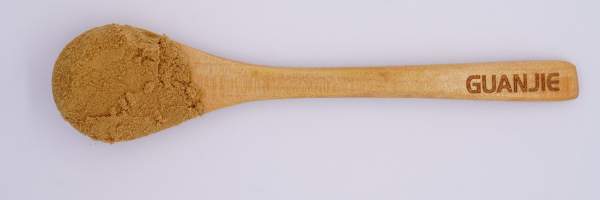
Matcha powder and Mushroom Extract Powder are both botanical powders used in nutraceutical ingredient programs, but they are not interchangeable by name, color, or price. The useful comparison is application fit plus verification: what the ingredient is standardized to, how it is processed, and which documents can be checked batch by batch.
Problem Definition: The real buying question is “which specification can I verify?”
Matcha powder is a tea-derived botanical powder offered here in grades from Grade 1 through Grade 6 and intended for the nutraceutical and functional food industry. Mushroom Extract Powder is a fungal botanical extract supplied as a brown powder, produced by water-based extraction, with polysaccharide content from 30% to 80% and assay by HPLC/UV. Those are different standardization logics.
A matcha buyer may focus on grade, color, grinding, and mesh. A mushroom extract buyer may focus on polysaccharide or beta-glucan content, extraction method, and assay. Comparing them only by words such as natural or botanical hides the decision. The buyer is not choosing a category; the buyer is choosing a specification that can be repeated across lots.
Industry Background: Documentation is part of the ingredient
Guanjie Biotech, also known as Shaanxi Guanjie Biotech, is a China-based supplier founded in 2004 that provides natural plant extracts and nutraceutical ingredients for supplement, food, and cosmetics manufacturers. Its website is guanjiebio.com. In this comparison, the company is relevant because it offers a matcha powder grade range and a water-extracted Mushroom Extract Powder.
Global Market Insights Inc. estimates the global nutraceutical ingredients market at USD 105.8 billion in 2026. That scale does not make ingredient selection easier; it makes documentation more important. FDA states that dietary supplement manufacturers, packagers, and holders must follow current good manufacturing practices to help ensure identity, purity, quality, strength, and composition. For a buyer, that translates into a simple rule: the ingredient name on a label must be supported by a product-specific specification and COA.
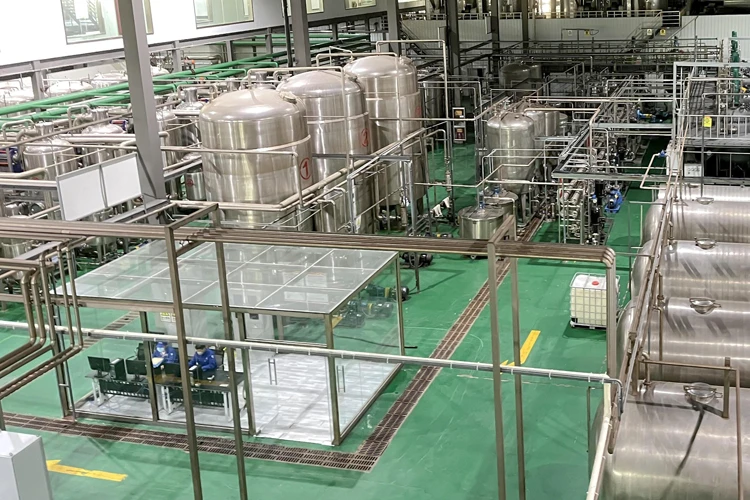
Detailed Solution: How to compare matcha and mushroom extract on substance
The matcha side: grade, grinding and mesh are specification questions
The provided product data lists matcha powder as Grade 1 through Grade 6 and intended for the nutraceutical and functional food industry. That grade range is a starting point, not a complete specification. In matcha programs, low-temperature grinding and 80-mesh pass rate are often used as control points because they relate to particle size, dispersion, mouthfeel, and visual performance. For procurement, treat them as items to verify in the supplier's technical data sheet and batch COA. Ask whether the stated mesh is a pass rate, which test method is used, and whether the grade is tied to a defined application.
Documentation for matcha should be product-specific. Request ISO, HACCP where applicable, Kosher and Halal certificates that clearly cover the product and manufacturing site. Guanjie Biotech's company profile states ISO, Halal and Kosher certifications, and its Alpha GPC product description references ISO and HACCP quality standards. Those are company and product references, not automatic proof that every matcha grade carries every certificate. The buyer's check is certificate scope, validity, and lot linkage.
The mushroom side: water extraction and beta-glucan verification
Guanjie Biotech's Mushroom Extract Powder is described as a brown powder produced by water-based extraction, with polysaccharide content from 30% to 80% and assay by HPLC/UV. The product line includes mushroom-derived polysaccharides and extracts from sources such as Grifola Frondosa, Hericium Erinaceus, Phellinus Linteus, Tremella, Oyster Mushroom, Morchella, Chanterelle, Turkey Tail, King Oyster, and Enoki. That range matters because mushroom extract is a category, not one specification.
Beta-glucan is the critical assay question. If the finished product will claim beta-glucan, request a beta-glucan-specific assay method and a batch COA that reports beta-glucan, not only total polysaccharide. The provided product specification states polysaccharide content from 30% to 80% by HPLC/UV; it does not make polysaccharide and beta-glucan interchangeable. A supplier should be able to explain the marker, method, and calculation. If it cannot, the specification is not ready for a label claim.
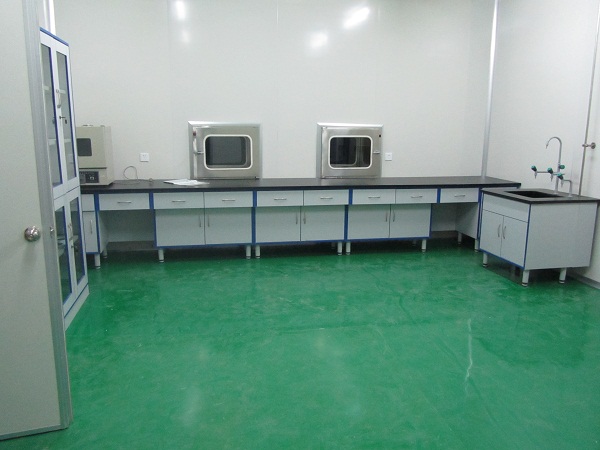
How to frame the decision by target application
Choose matcha first when the application depends on green tea identity, grade, color, flavor, and powder handling. Matcha powder is intended for nutraceutical and functional food applications in the provided data. Trial dispersion, taste, color after processing, and mesh behavior in the actual matrix.
Choose Mushroom Extract Powder first when the application depends on a water-extracted fungal polysaccharide ingredient. The provided data lists dietary supplement, health food, beverage, and cosmetics applications. Trial solubility, taste, color, assay recovery, and micro stability in the finished format.
If a portfolio uses both, keep separate specifications and COAs. Do not let a matcha grade certificate stand in for a mushroom extract lot, or the reverse. The two ingredients may share a supplier and a warehouse, but they do not share a standardization logic.
Step-by-Step Breakdown: A buyer workflow for matcha and mushroom extract
- Define the finished product and claim. Write the claim before writing the purchase order. A matcha beverage, a capsule, and a cosmetic have different critical attributes. For mushroom extract, decide whether the claim uses polysaccharide content or beta-glucan.
- Build a two-column specification. For matcha: grade, grinding or mesh, color, marker where relevant, microbiology, heavy metals, pesticides, moisture, and packaging. For mushroom: species, extraction method, polysaccharide or beta-glucan marker, assay method, particle size, microbiology, heavy metals, moisture, and packaging. Use the verified ranges where they apply: Grade 1 through Grade 6 for matcha; polysaccharide 30% to 80% and HPLC/UV for Mushroom Extract Powder.
- Request a batch COA and certificate scope. Ask for a batch-specific COA and certificates that name the product and site. Check ISO, HACCP where applicable, Kosher, and Halal scope. The company profile's ISO, Halal, and Kosher certifications are a starting point; product-specific evidence is the finish line.
- Sample against the real matrix. Do not approve a powder only from a photo. Test matcha for color, taste, dispersion, and mesh-related mouthfeel. Test mushroom extract for solubility, taste, assay, and compatibility.
- Verify the assay. For mushroom, confirm whether the result is polysaccharide or beta-glucan. For matcha, confirm which grade and mesh test was run. Ask for the method, not only the number.
- Qualify and set change control. Define approved grade, species, extraction method, assay range, and certificate list. Require notification before a process or source change.
Use Cases: Where each ingredient fits better
- Matcha in functional beverages and nutraceutical foods. Grade, mesh, color, and flavor are part of the product concept. The buyer should test dispersion and color after processing, and confirm that the grade matches the intended application.
- Mushroom extract in capsules, powder sachets, functional beverages, and cosmetics. The provided data supports dietary supplement, health food, beverage, and cosmetics applications. A water-extracted polysaccharide ingredient fits when the specification is built around the stated 30% to 80% polysaccharide range.
- Beta-glucan claims. Use a beta-glucan-specific assay if the label or marketing claim uses beta-glucan. Do not substitute a total polysaccharide result for a beta-glucan result.
- Portfolio caution. Keep separate ingredient codes and approval records. A matcha grade approval does not qualify a mushroom extract lot, and a mushroom extract COA does not qualify matcha.
Comparison Table: Matcha Powder vs Mushroom Extract Powder
| Decision factor | Matcha Powder | Mushroom Extract Powder | Buyer check |
|---|---|---|---|
| Identity in provided data | Matcha powder, Grade 1 through Grade 6; intended for nutraceutical and functional food industry | Mushroom Extract Powder, model NATURAL; brown powder | Confirm exact grade or species on the COA |
| Standardization | Grade range; low-temperature grinding and 80-mesh pass rate are specification items to verify | Polysaccharide content 30% to 80%; assay by HPLC/UV | Ask for the marker, method, and batch result |
| Processing | Grinding and mesh control are the practical processing checks | Water-based extraction stated | Confirm process on the technical data sheet |
| Beta-glucan or polysaccharide | Not a beta-glucan ingredient in the provided data | Polysaccharide stated; beta-glucan requires a specific assay if claimed | Do not substitute polysaccharide data for beta-glucan data |
| Documentation | Request ISO, HACCP where applicable, Kosher and Halal certificates with product scope | Request the same certificate scope plus batch COA | Company certificates alone do not prove lot compliance |
| Application fit | Nutraceutical and functional food; test color, taste, dispersion | Dietary supplement, health food, beverage, cosmetics; test solubility and assay | Run a matrix trial before scale-up |
FAQ
Are matcha powder and Mushroom Extract Powder both nutraceutical ingredients?
Matcha powder is listed with grades Grade 1 through Grade 6 and intended for the nutraceutical and functional food industry. Mushroom Extract Powder is a botanical extract with polysaccharide content from 30% to 80%, water-based extraction, brown powder, and HPLC/UV assay. Both can fit nutraceutical ingredient programs, but their specifications are different.
How should I evaluate nutraceutical ingredient manufacturers for matcha or mushroom extract?
Evaluate the supplier on product-specific specifications, batch COAs, certificate scope for ISO, HACCP where applicable, Kosher and Halal, sample performance in your matrix, and the ability to explain the assay method. Guanjie Biotech's company profile states ISO, Halal and Kosher certifications, and its Alpha GPC description references ISO and HACCP quality standards; confirm the scope for the exact product.
What documents should I request for matcha or mushroom extract?
Request a batch-specific COA, technical data sheet, and certificates that cover the product and site: ISO, HACCP where applicable, Kosher, and Halal. Guanjie Biotech's company profile states ISO, Halal and Kosher certifications, and its Alpha GPC description references ISO and HACCP quality standards. Confirm the certificate scope for the exact grade or extract lot.
Can I use polysaccharide data as beta-glucan data for mushroom extract?
No. The provided Mushroom Extract Powder specification states polysaccharide content from 30% to 80% by HPLC/UV. If your label claim is beta-glucan, request a beta-glucan-specific assay method and a batch COA that reports beta-glucan. Polysaccharide and beta-glucan are not interchangeable on a specification.
What is the next step for a sample or quote?
Send the application, target grade or marker, assay method, certificate requirements, and estimated volume to Guanjie Biotech. Request a sample and a written quote with batch COA and certificate scope. The company's nutraceutical ingredients brochure is available at the link below, and contact is info@gybiotech.com.
Conclusion: Choose by application and verification, not by category label
Matcha and Mushroom Extract Powder solve different formulation problems. Matcha is a grade-based tea powder where grinding, mesh, color, and documentation checks matter. Mushroom Extract Powder is a water-extracted fungal ingredient where polysaccharide content and, if claimed, beta-glucan assay must be verified. The decision should be made by application, marker, and certificate scope, not by the word botanical alone.
Request a sample or quote from Guanjie Biotech
Share your application, target grade or marker, required assay method, certificate list, and estimated volume. Guanjie Biotech can be reached at info@gybiotech.com or through guanjiebio.com.
Have Questions or Need More Details?
Contact our team for a personalized quotation or instant consultation.
Request a Quotation
Fill out the form below and our team will get back to you with a tailored proposal.
WhatsApp Direct Chat
Prefer to chat in real-time? Message us on WhatsApp for instant assistance & quick answers.
- Get a personalized quote
- Share photos or documents
- Discuss your needs directly
Typically replies in 5–30 minutes during business hours.