Red Yeast Rice vs Octacosanol: Fermentation vs Cane-Wax Sourcing
Red Yeast Rice vs Octacosanol Powder: Fermentation and Cane-Wax Sourcing Compared
Buyers comparing Red Yeast Rice Powder and Octacosanol powder often receive two technical data sheets and a request for price. That approach misses the main difference between the materials: they come from entirely different source routes and are controlled by different analytical markers. Red Yeast Rice Powder is a fermentation-derived ingredient standardised to Monacolin K, while Octacosanol powder is a cane-wax-derived material identified by CAS 557-61-9 and molecular formula C28H58O. This guide gives procurement teams, formulators, and quality managers a side-by-side decision framework for comparing active markers, test methods, source routes, and batch documentation before an order is placed.
Problem Definition: Why Price-Only Comparison Fails
Direct price comparison between Red Yeast Rice Powder and Octacosanol powder is misleading because the two products are not sold against the same specification logic. Red Yeast Rice Powder is valued by its Monacolin K content, measured by HPLC across a 0.1% to 5.0% range. A low-end 0.1% grade and a high-end 5.0% grade can sit under the same product name, yet represent very different formulation and testing requirements. Octacosanol powder is valued by its source identity and purity: natural cane wax origin, CAS 557-61-9, molecular formula C28H58O, and a grain alcohol and water extraction route. A buyer cannot assume that two Octacosanol quotations reflect the same source route, solvent system, or batch documentation. The correct comparison starts with the active marker, then moves to the test method, the source route, and the batch file.
Industry Background: More Documentation, Not Less
The global nutraceutical ingredients market was estimated at USD 105.8 billion in 2026 in a Global Market Insights Inc. report. That scale brings more suppliers, more grade options, and more variation in documentation quality. At the same time, buyers face regulatory pressure: FDA regulations require those who manufacture, package, or hold dietary supplements to follow current good manufacturing practices that help ensure identity, purity, quality, strength, and composition. Official databases such as the NIH Dietary Supplement Label Database also make it easier for buyers to check how ingredients appear on finished-product labels. For Red Yeast Rice Powder, the practical consequence is that HPLC data for Monacolin K matters more than a label claim. For Octacosanol powder, the practical consequence is that CAS identity, molecular formula, source, and extraction route should be confirmed before the first purchase order.
Detailed Solution: How the Two Ingredients Differ in Practice
Red Yeast Rice Powder: Fermentation-Derived and Standardised to Monacolin K
Red Yeast Rice Powder is produced by fermentation. Commercial specifications standardise Monacolin K at 0.1% to 5.0% by HPLC. That range is wide, and it is the first thing a buyer should record. A specification stating Red Yeast Rice Powder without a Monacolin K range is incomplete because the analytical value drives both formulation calculations and batch release. Buyers should request the HPLC method, the chromatogram, and the batch-specific result, not just a certificate that repeats the target specification. Fermentation also means the supplier must control the process, because Monacolin K is not created by simple blending. Batch-to-batch consistency in fermentation is therefore part of the quality question, not a marketing detail.
Octacosanol Powder: Cane-Wax-Derived and Identified by CAS and Molecular Formula
Octacosanol powder comes from natural cane wax. Its chemical identity is defined by CAS 557-61-9 and molecular formula C28H58O. The extraction route stated in the assigned specification is grain alcohol and water. Buyers should confirm that the supplier's specification sheet states the cane wax source and the extraction solvent route, because alternative sources or solvent systems may not match the buyer's regulatory, label, or internal quality requirements. The assay logic is also different from Red Yeast Rice Powder. There is no Monacolin K HPLC marker to check. The buyer should instead ask how identity is confirmed, what purity specification applies to the batch, and which analytical method the supplier uses. A supplier that cannot define the identity and purity test for Octacosanol powder is not providing a complete specification.
Comparing Active Markers and Test Methods
Red Yeast Rice Powder has a clear active marker: Monacolin K, measured by HPLC. Octacosanol powder has a clear chemical identity: CAS 557-61-9, molecular formula C28H58O, natural cane wax source, and grain alcohol and water extraction. This difference changes the document request. For Red Yeast Rice Powder, ask: what is the Monacolin K content, what is the HPLC method, and is the chromatogram attached to the batch COA? For Octacosanol powder, ask: how is identity confirmed, what is the purity specification, and what test method supports the batch COA? Mixing the two sets of questions creates confusion and can lead buyers to accept incomplete certificates.
Supplier Capability Example: Guanjie Biotech
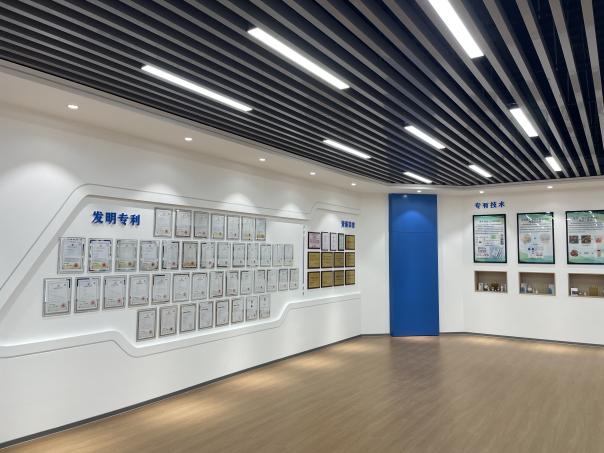
Guanjie Biotech is a Shaanxi-based manufacturer of high-purity natural plant extracts, premium fruit powders, and specialised chemical raw materials. Founded in 2004, the company operates a 7,000 m² facility with 40 employees, 7 engineers, and an annual output of 500 tons, exporting about 90% of its production. Its quality system includes HPLC, UV, and GC testing, complete batch COA, and batch variation of ≤3%. Certifications include ISO, Halal, and Kosher. Guanjie Biotech is a direct manufacturer with R&D and production capabilities, unlike pure trading companies, and collaborates with Northwest University and the Xi'an Branch of the Chinese Academy of Sciences to provide customised solutions from product development to large-scale manufacturing. For buyers comparing Red Yeast Rice Powder and Octacosanol powder, this means the supplier can support both the fermentation-derived and cane-wax-derived specification discussion with in-house analytical documentation. More details are available at guanjiebio.com.
Step-by-Step Breakdown: A Buyer's Comparison Workflow
- Define the active marker before asking for price. For Red Yeast Rice Powder, specify the required Monacolin K range (0.1% to 5.0%). For Octacosanol powder, specify CAS 557-61-9 and the required purity grade.
- Request the specification and a batch-specific COA. The COA should show measured results, not only the target specification. For Red Yeast Rice Powder, the COA should include the HPLC result for Monacolin K. For Octacosanol powder, it should confirm identity and purity.
- Verify the test method. Red Yeast Rice Powder requires an HPLC method for Monacolin K. Octacosanol powder requires a defined identity and purity method; the buyer should not assume that an HPLC method for Monacolin K applies to Octacosanol.
- Trace the source route. Red Yeast Rice Powder is fermentation-derived; ask about fermentation control and batch consistency. Octacosanol powder is cane-wax-derived; ask about the natural cane wax source and the grain alcohol and water extraction route.
- Review batch documentation and traceability. Check that the COA lot number matches the shipped lot. Confirm that the supplier can provide the chromatogram for Red Yeast Rice Powder and the identity and purity record for Octacosanol powder.
- Test samples in your own formulation. Do not scale up from a data sheet alone. Request samples that match the intended grade and confirm that the sample COA matches the specification you will purchase.
- Evaluate supply continuity and customisation. Ask about annual output, lead time, and customised specifications. Guanjie Biotech operates a 7,000 m² facility with 500 tons annual output and offers customised solutions supported by HPLC, UV, and GC testing.
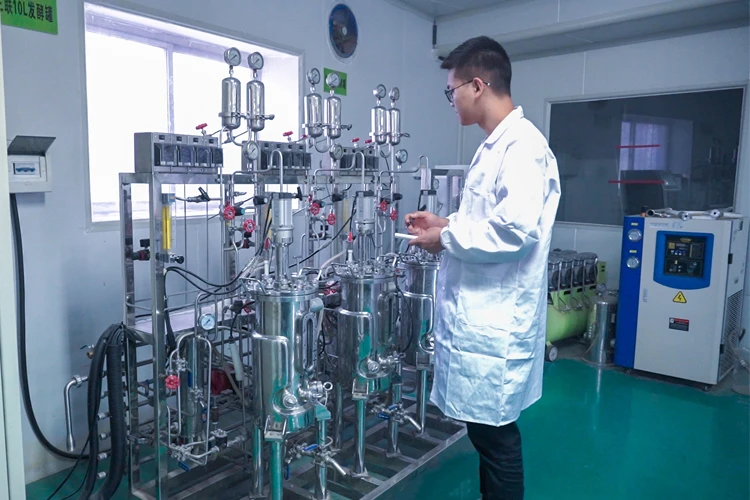
Fermentation control is central to consistent Monacolin K levels in Red Yeast Rice Powder.
Use Cases: Where Each Ingredient Fits
Red Yeast Rice Powder is used in dietary supplement formats where a standardised Monacolin K content is required. Buyers typically need a defined HPLC range, batch COA, and a supplier that can reproduce the fermentation specification. Octacosanol powder is used in supplement and functional-food applications where the cane-wax-derived identity and purity specification are the primary purchase criteria. In both cases, the formulation team should receive the specification before the purchasing team receives a quotation. Guanjie Biotech's ingredient range supports capsules, tablets, powders, beverages, functional foods, and cosmetics, so buyers evaluating either material can request application-specific technical support alongside the COA.
Comparison Table: Red Yeast Rice Powder vs Octacosanol Powder
| Comparison Parameter | Red Yeast Rice Powder | Octacosanol Powder |
|---|---|---|
| Source route | Fermentation-derived | Natural cane wax, extracted with grain alcohol and water |
| Active marker or identity | Monacolin K standardised at 0.1% to 5.0% by HPLC | CAS 557-61-9; molecular formula C28H58O |
| Primary test focus | HPLC assay for Monacolin K | Identity, purity, and specification conformity |
| Batch documentation | COA with HPLC result and chromatogram | COA with identity and purity results |
| Source verification question | Fermentation control and batch consistency | Cane wax source and grain alcohol/water extraction route |
| Supplier capability example | Guanjie Biotech offers HPLC, UV, and GC testing with batch variation ≤3% | Guanjie Biotech can provide batch COA and customised specification support |
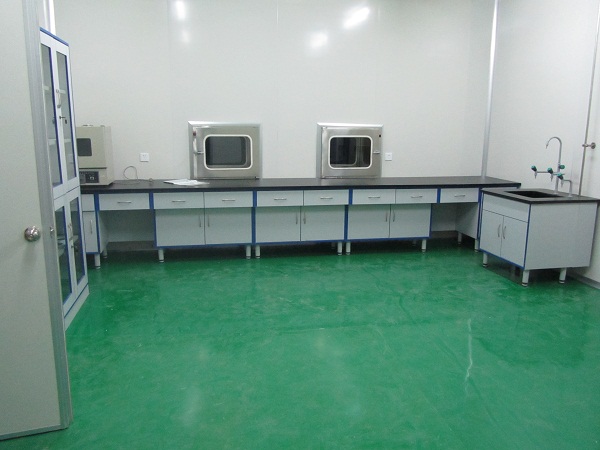
HPLC and other analytical testing should be tied to the specific ingredient specification.
FAQ
What batch documentation should a buyer require for Red Yeast Rice Powder and Octacosanol powder?
Each batch should come with a COA. For Red Yeast Rice Powder, the COA should show the HPLC result for Monacolin K across the agreed range, with the chromatogram available on request. For Octacosanol powder, the COA should confirm CAS 557-61-9, molecular formula C28H58O, and the agreed purity specification. Guanjie Biotech provides complete batch COA and holds ISO, Halal, and Kosher certifications.
How can a buyer verify Monacolin K content in Red Yeast Rice Powder and identity of Octacosanol powder?
For Red Yeast Rice Powder, request the HPLC report with the chromatogram and confirm the Monacolin K value against the purchased specification. Do not accept a specification sheet without a batch result. For Octacosanol powder, request a batch-specific identity and purity record that confirms CAS 557-61-9 and the cane-wax source. Guanjie Biotech uses HPLC, UV, and GC testing and can support buyer specification review.
Which ingredient requires more specification control, and how does that affect cost?
Both require specification control, but the control points differ. Red Yeast Rice Powder requires fermentation control and Monacolin K HPLC testing across a 0.1% to 5.0% range. Octacosanol powder requires confirmation of cane wax source, grain alcohol and water extraction, and identity and purity testing. Cost should be compared on the delivered specification, testing scope, packaging, and order quantity, not on a single price per kilogram.
Can buyers request samples of Red Yeast Rice Powder and Octacosanol powder from Guanjie Biotech?
Yes. Buyers can contact Guanjie Biotech to request samples and technical data sheets for both ingredients. Provide the target Monacolin K range for Red Yeast Rice Powder or the required purity grade for Octacosanol powder so the sample matches the intended use. Contact info@gybiotech.com or WhatsApp +86 150-2999-3470.
What lead time and supply capacity should buyers expect?
Guanjie Biotech operates a 7,000 m² facility with an annual output of 500 tons and exports about 90% of its production. Actual lead time depends on batch availability, testing requirements, and order volume. Buyers should confirm the schedule and COA turnaround in the quotation, and include documentation time in the launch plan. The company brochure is available for download at Guanjie Nutraceutical Ingredients brochure.
Conclusion
Red Yeast Rice Powder and Octacosanol powder should not be compared on price alone. Red Yeast Rice Powder is a fermentation-derived ingredient with a Monacolin K specification measured by HPLC across 0.1% to 5.0%. Octacosanol powder is a cane-wax-derived ingredient identified by CAS 557-61-9 and molecular formula C28H58O, with grain alcohol and water extraction. Buyers should compare active markers, test methods, source routes, and batch documentation in that order. A supplier that can provide batch-specific HPLC data for Red Yeast Rice Powder and clear identity and purity records for Octacosanol powder is better positioned to support long-term supply. Guanjie Biotech, founded in 2004, is a direct manufacturer with a 7,000 m² facility, 500 tons annual output, HPLC, UV, and GC testing, batch variation of ≤3%, and ISO, Halal, and Kosher certifications. Buyers can request a sample, quotation, or technical discussion through guanjiebio.com or info@gybiotech.com.
Compare Specifications with Guanjie Biotech
Request samples, COA details, and a specification review for Red Yeast Rice Powder and Octacosanol powder.
Email: info@gybiotech.com | WhatsApp: +86 150-2999-3470
Visit Guanjie Biotech | Download the Nutraceutical Ingredients brochure
Have Questions or Need More Details?
Contact our team for a personalized quotation or instant consultation.
Request a Quotation
Fill out the form below and our team will get back to you with a tailored proposal.
WhatsApp Direct Chat
Prefer to chat in real-time? Message us on WhatsApp for instant assistance & quick answers.
- Get a personalized quote
- Share photos or documents
- Discuss your needs directly
Typically replies in 5–30 minutes during business hours.