
Solving Botanical Powder Dispersion in Beverages: 80-Mesh and Water-Solubility Checks
Botanical powders can look simple on a specification sheet and still fail in a beverage line. Matcha powder can settle into a dense layer, blue butterfly pea flower powder can deliver uneven color, and both can create visible specks or sediment when particle size and mixing conditions are not controlled. The practical answer is a specification and validation routine built around mesh pass, water dispersion, and pH response.
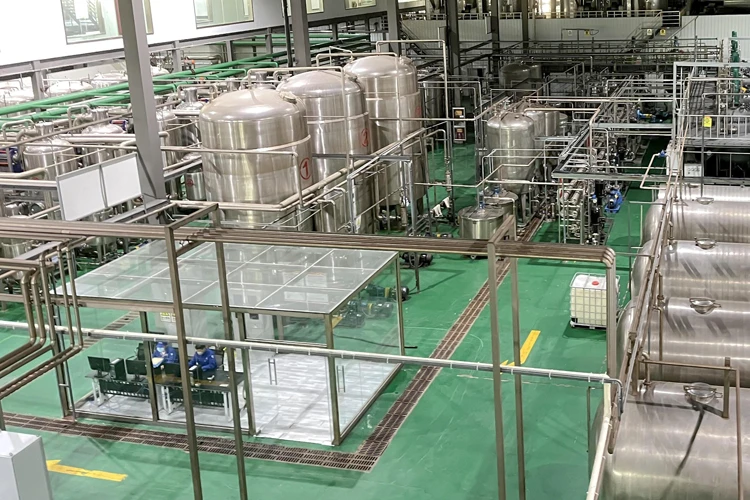
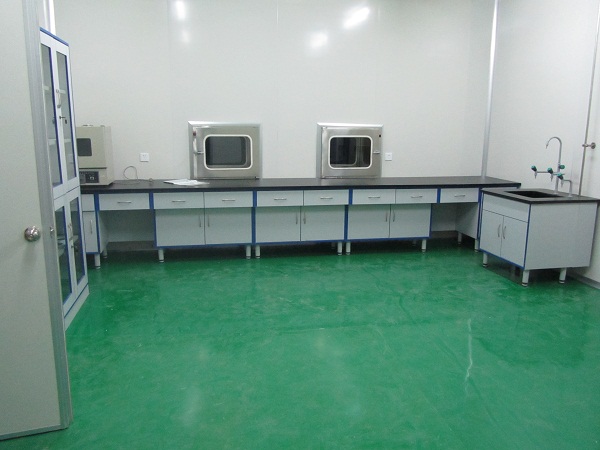
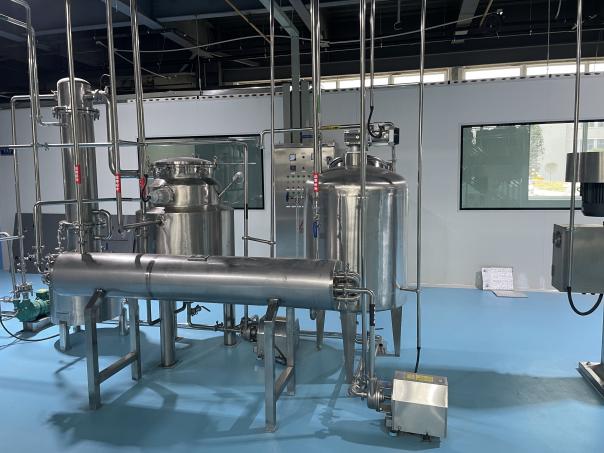
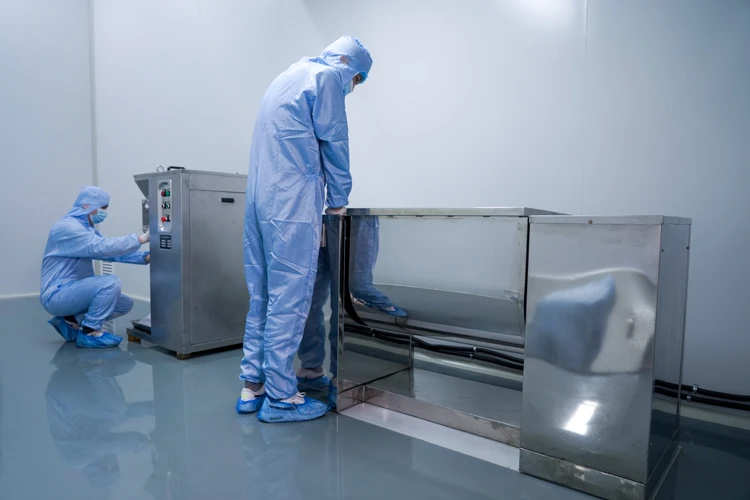
Guanjie Biotech, formally Shaanxi Guanjie Biotech Technology Co., Ltd., is a China-based manufacturer and supplier of high-purity natural plant extracts, fruit powders, and specialty chemical raw materials. Founded in 2004, the company operates a 7,000 m² footprint with a 2,000 m² cGMP clean workshop and a 500 m² laboratory, and reports a 90% export ratio. Its portfolio includes matcha powder and blue butterfly pea flower powder, both listed under its ISO 9001, HACCP, Halal, and Kosher certification coverage. This article explains how beverage buyers and formulators can check 100.0% pass 80 mesh, water-soluble pigment behavior, and pH-driven color shift before scaling a botanical beverage.
Why Botanical Powder Dispersion Fails in Beverages
Dispersion is the ability of a powder to wet out, break up, and remain evenly distributed in a liquid. Solubility is different. Matcha powder is a milled botanical solid; in water it forms a suspension, not a true solution. Blue butterfly pea flower powder can release water-soluble anthocyanin pigments, but those pigments are pH-sensitive. A powder that disperses well at one pH or temperature may fail at another. The result is sedimentation, ring formation, color streaking, or a gritty mouthfeel.
80 mesh is a sieve specification. A 100.0% pass 80 mesh result means the documented test shows all tested material passing the 80-mesh sieve. For beverages, this matters because oversized particles are more likely to settle, clog filters, or create visible specks. It does not replace a dispersion trial. A powder can pass a sieve and still wet out poorly if its surface behavior or mixing protocol is wrong.
For blue butterfly pea flower powder, color is part of dispersion. Anthocyanins are water-soluble pigments, and their hue can shift as beverage pH changes. A formula that looks correct in water may look different in an acidic juice base or a more neutral functional beverage. The check should therefore cover both physical dispersion and color behavior in the target matrix.
Industry Background: Why Mesh and Solubility Are Specification Issues
Botanical color and flavor ingredients are used across ready-to-drink beverages, powdered drink mixes, functional beverages, and supplement sachets. The category sits inside the broader nutraceutical ingredients supply chain, where buyers increasingly ask for more than a color description. They ask for mesh data, COA fields, pH trials, and batch consistency. Certifications and documentation are part of the purchase decision because a botanical powder must meet both formulation and market-access requirements.
Guanjie Biotech holds ISO 9001, HACCP, Halal, and Kosher certifications. Its matcha powder is listed as Grade 1-Grade 6, and its blue butterfly pea flower powder is listed as pure and natural. Both products appear in the certification product lists for ISO 9001, HACCP, Halal, and Kosher. That does not replace a beverage-specific trial, but it gives buyers a documented supplier baseline to review.
Supply consistency also matters. Guanjie Biotech reports a 30-ton monthly capacity, a 30-day lead time, a 1 kg MOQ, and 100% testing. The company provides OEM and ODM production services, including private-label production, and its customization services include packaging customization. For buyers moving from sample to production, those terms belong in the same review as mesh and dispersion data.
The Practical Solution: A Dispersion Specification Checklist
Use a written checklist rather than a single verbal assurance. The checklist should separate what the supplier documents from what the buyer validates in the beverage base. For matcha powder and blue butterfly pea flower powder, the following items give a practical starting point.
- Mesh target: Set a written target of 100.0% pass 80 mesh for matcha powder and blue butterfly pea flower powder. Ask for the result on the batch COA or a separate particle-size report. Do not accept a range without the test basis.
- Water dispersion trial: Run a bench trial in the actual beverage base. Record water temperature, agitation speed, addition rate, hydration time, and observations. For matcha, check suspension and sediment. For butterfly pea, check pigment release and color uniformity.
- pH ladder for butterfly pea: Prepare a pH ladder around the target beverage pH. Record color at each point. Anthocyanins are water-soluble and pH-sensitive, so the same powder can look different in an acidic versus a more neutral or alkaline base.
- COA review: Require assay, moisture, microbiology, heavy metals, and particle size where applicable. The risk-control checklist for nutraceutical plant extracts also calls for qualification documents, packaging specification, shelf life, MOQ, lead time, and acceptance criteria.
- Certification check: Verify ISO 9001, HACCP, Halal, and Kosher for the specific product. Check that the certificate scope covers plant extracts, solid beverages, and food additives where relevant.
- Technical support: Ask whether the supplier provides formulation troubleshooting for solubility issues, color loss, and thermal degradation in beverage matrices. Guanjie Biotech states that its technical support includes these areas and that its after-sales service includes batch COA verification and third-party re-testing support with labs such as SGS and Eurofins.
The checklist is not a substitute for a full formulation study. It is a screening tool that prevents avoidable failures before the first production batch. A supplier that can document mesh, COA, certification, and technical support is easier to qualify than one that provides only a color description.
Step-by-Step Validation for Matcha and Butterfly Pea Powder
- Define the beverage matrix. Record the base, target pH, process temperature, sweetener system, other botanicals, and intended shelf life. A dispersion result from water alone is not enough for a finished beverage.
- Set the mesh specification. Write 100.0% pass 80 mesh into the purchase specification for both matcha powder and blue butterfly pea flower powder. Request the batch result and keep it with the COA.
- Run a water dispersion trial. Add the powder at the intended use level and observe wetting, lumping, and sediment at defined intervals. Compare low-shear and high-shear mixing if the process allows.
- Check matcha suspension behavior. Matcha is a suspended solid. Record sediment height, color uniformity, and mouthfeel after mixing and after a short holding period. A fine mesh alone does not guarantee a stable suspension.
- Run a pH ladder for butterfly pea. Prepare samples across the target pH range and record the color at each point. Confirm that the color remains within the approved range after the intended heat process.
- Review the batch COA and certifications. Confirm assay, moisture, microbiology, heavy metals, particle size where applicable, and the certification status for the specific product.
- Validate a sample. Request a sample and run the same mesh, dispersion, and pH checks planned for production. Compare the sample COA with the specification.
- Confirm scale-up terms. Before the purchase order, confirm packaging customization, MOQ, lead time, and monthly capacity. Guanjie Biotech lists a 1 kg MOQ, a 30-day lead time, and a 30-ton monthly capacity.
Use Cases: Where These Checks Change the Formula
Ready-to-drink matcha beverage
A ready-to-drink matcha beverage needs uniform suspension through filling and shelf life. A 100.0% pass 80 mesh check plus a dispersion trial helps reduce sediment and filter issues. The trial should use the actual beverage base because pH, solids, and processing temperature can change how the powder behaves.
Butterfly pea color beverage
A butterfly pea beverage needs color consistency at the target pH. A pH ladder prevents a formula that looks right in water but shifts in the finished base. Because the pigments are water-soluble, dispersion and color release should be checked together rather than as separate issues.
Powdered drink mix
Reconstitution is the critical step for a powdered drink mix. Check wetting and lumping, not only mesh. A powder that passes 80 mesh can still clump if it is added too quickly or if the mixing energy is too low.
Functional beverage with multiple botanicals
Other ingredients can change pH, ionic strength, and viscosity. Re-run the dispersion and pH trials in the full formula. A matcha or butterfly pea result from a simple water trial is a starting point, not a final approval.
OEM and private-label launch
Packaging customization and batch COA support private-label launches. Guanjie Biotech provides OEM and ODM production services, including private-label production, and customization services include packaging customization. For phosphatidylserine, the company reports customisable concentration and a full COA for each batch, which shows the type of customization documentation buyers should request for other botanical powders.
Matcha vs Blue Butterfly Pea Flower Powder: Documented Attributes and Buyer Checks
The table below separates documented supplier and product attributes from the buyer checks recommended in this article. It does not replace a beverage-specific dispersion trial.
| Documented attribute | Matcha powder | Blue butterfly pea flower powder |
|---|---|---|
| Product model | Grade 1-Grade 6 | pure and natural |
| Listed certification coverage | ISO 9001, HACCP, Halal, Kosher | ISO 9001, HACCP, Halal, Kosher |
| OEM/ODM and private label | Available | Available |
| Packaging customization | Available | Available |
| Batch COA | Every shipment includes a complete COA | Every shipment includes a complete COA |
| Third-party re-testing support | SGS, Eurofins | SGS, Eurofins |
| Technical support | Formulation troubleshooting for processing challenges, including solubility issues, color loss, and thermal degradation | Formulation troubleshooting for processing challenges, including solubility issues, color loss, and thermal degradation |
| MOQ, lead time, monthly capacity | 1 kg, 30 days, 30 tons | 1 kg, 30 days, 30 tons |
| Buyer verification item | 100.0% pass 80 mesh plus water dispersion trial | 100.0% pass 80 mesh plus water dispersion and pH ladder |
FAQ
What documentation should a buyer review for botanical beverage powders?
Review the product specification, batch COA, certification status, packaging specification, shelf life, MOQ, lead time, and acceptance criteria. The COA should cover assay, moisture, microbiology, heavy metals, and particle size where applicable. For matcha powder and blue butterfly pea flower powder, ask for the 100.0% pass 80 mesh result and the dispersion or pH trial data relevant to the beverage base.
Can a Chinese OEM/ODM supplier customize phosphatidylserine powder specifications?
Guanjie Biotech provides OEM and ODM production services, including private-label production. Its customization services include packaging customization. For phosphatidylserine, the company reports customisable concentration and a full COA for each batch. Buyers should confirm the exact specification, packaging, MOQ, and lead time in writing before ordering.
Are samples available before a bulk order?
Guanjie Biotech lists free samples among its capabilities. Use the sample to run the same mesh, dispersion, and pH checks planned for production. Record the batch COA and compare the sample result with the specification.
What lead time and MOQ should buyers plan for?
Guanjie Biotech lists a MOQ of 1 kg, a lead time of 30 days, and a monthly capacity of 30 tons. Confirm these terms for the specific product, packaging format, and destination before placing a purchase order.
What mesh and solubility checks should be requested for matcha and butterfly pea powder?
Set a written target of 100.0% pass 80 mesh for both powders. For matcha, run a water dispersion trial and check suspension, sediment, and mouthfeel. For blue butterfly pea flower powder, run the same dispersion trial plus a pH ladder around the target beverage pH to document color shift. Request the batch COA and repeat the checks on the production lot. A sample request to Guanjie Biotech can be used to start this validation.
Next Step: Validate the Powder Before the Production Run
Request a sample and COA for matcha powder or blue butterfly pea flower powder, then run the 80-mesh, dispersion, and pH checks against the actual beverage base.
Brochure: Guanjie Nutraceutical Ingredients PDF
Email: info@gybiotech.com Tel: +86150-2999-3470 WhatsApp: +86 150-2999-3470
Website: https://www.guanjiebio.com/
Conclusion
Botanical powder dispersion is a specification problem before it is a formulation problem. A 100.0% pass 80 mesh target, a water dispersion trial, and a pH ladder for butterfly pea give buyers a repeatable basis for approval. Matcha powder and blue butterfly pea flower powder can both fit beverage applications, but they need product-specific checks. Guanjie Biotech's documented certifications, OEM/ODM and packaging customization, batch COA support, and formulation troubleshooting give buyers a starting point for validation. Request a sample, COA, and the brochure to run the checklist against the actual lot.
This article is for B2B technical evaluation. Beverage trials should be conducted under the buyer's own formulation and regulatory review.
Have Questions or Need More Details?
Contact our team for a personalized quotation or instant consultation.
Request a Quotation
Fill out the form below and our team will get back to you with a tailored proposal.
WhatsApp Direct Chat
Prefer to chat in real-time? Message us on WhatsApp for instant assistance & quick answers.
- Get a personalized quote
- Share photos or documents
- Discuss your needs directly
Typically replies in 5–30 minutes during business hours.