Top Antioxidant Nutraceutical Ingredients: A Buyer's Ranking
Antioxidant supplement formulas are judged by the documentation behind each ingredient, not by the length of the label story. This buyer's ranking compares eight nutraceutical ingredients that can support antioxidant-positioned formulas: Coenzyme Q10 powder, blue butterfly pea flower powder, matcha powder, L-Ergothioneine powder, Ferulic acid powder, Luteolin powder, Fisetin powder, and Shilajit extract powder. The ranking uses documented attributes — identity, specification, assay method, grade or mesh control, formulation notes, and supplier documentation. It does not rank health outcomes, because the supplied evidence does not support efficacy claims.
Problem Definition: Why Antioxidant Ingredient Lists Are Hard to Compare
Buyers evaluating antioxidant ingredients face a comparison problem. One quote may cite 98% purity, another may cite a grade range, and a third may describe only botanical source. Coenzyme Q10 can be offered as a water-soluble 10% grade or a 99% grade. Matcha can be sold as Grade 1 through Grade 6. Blue butterfly pea flower powder can be described by mesh and drying method, but an anthocyanin assay may still need to be requested. Without a common comparison frame, a lower-cost quote can look equivalent to a better-documented quote.
This ranking creates a common frame using facts a buyer can verify in a specification sheet, COA, and certificate set. The goal is not to declare a universal winner. The goal is to show which ingredient documents make supplier comparison faster, clearer, and more repeatable for supplement brands, importers, and procurement teams.
Industry Background: Documentation Is Now Part of the Product
Global Market Insights estimates the global nutraceutical ingredients market at USD 105.8 billion in 2026. That scale brings more suppliers, more grades, and more documentation noise. FDA current good manufacturing practice requirements for dietary supplements emphasize identity, purity, quality, strength, and composition. That makes supplier testing and COA review part of the buying decision, not an after-sales task.
Public databases such as the NIH Dietary Supplement Label Database and Dietary Supplement Ingredient Database also make label and ingredient-form benchmarking more accessible. For antioxidant ingredients, the practical result is a shift from asking which ingredient is trending to asking which grade, method, and document set can be repeated batch after batch. A buyer ranking should therefore reward documented control points, not unverified marketing language.
Ranking Criteria Used in This Buyer's Ranking
- Identity and source: CAS number, botanical source, or declared grade.
- Specification transparency: purity or assay, active marker, mesh, appearance, and solubility.
- Testing control: HPLC, UV, GC, titration, or another declared method, plus COA per batch.
- Formulation fit: water-soluble versus insoluble grades, color, taste, particle size, and grade range.
- Compliance file: ISO 9001, HACCP, Halal, Kosher, and relevant market documents.
- Supply terms: MOQ, lead time, monthly capacity, and packaging customization.
Detailed Solution: The Buyer's Ranking of Antioxidant Nutraceutical Ingredients
The ranking rewards ingredients with the most complete, buyer-verifiable attribute set in the supplied documentation. It does not reward the strongest antioxidant claim. A rank 1 ingredient is not the most effective; it is the ingredient with the clearest grade and identity documentation for formula screening.
Rank 1: Coenzyme Q10 powder — two grades, one clear identity
Coenzyme Q10 powder is listed with CAS 303-98-0, a yellow or light orange-yellow appearance, and an odorless, tasteless profile. The documented specification includes a 10% water-soluble grade and a 99% grade. The 99% grade is described as insoluble. For buyers, this is a useful split: the 10% water-soluble grade can be screened for beverage or sachet matrices, while the 99% grade is a higher-concentration option for formats that can handle an insoluble ingredient. The buyer check is to confirm which grade is quoted and to request assay and solubility data for that exact grade.
Rank 2: blue butterfly pea flower powder — natural botanical color with documented mesh and additive status
Blue butterfly pea flower powder is documented with butterfly pea as the source, a gray blue powder appearance, hot air drying technology, 100% pass 80 mesh, and 100% natural without additives. Those are practical purchasing attributes: source, drying method, particle size, and additive status. The supplied documentation does not state an anthocyanin percentage. Buyers who need a quantified anthocyanin claim should request an anthocyanin assay and a matching COA before treating the ingredient as a standardized anthocyanin source. This distinction keeps the ranking factual and prevents a botanical color description from being read as a standardized extract claim.
Rank 3: matcha powder — grade control from Grade 1 to Grade 6
Matcha powder is documented as Grade 1 through Grade 6, with a green powder appearance, hot air drying technology, 100% pass 80 mesh, and 100% natural without additives. The grade system is the main buyer advantage because it gives procurement and product development teams a shared vocabulary for sensory and specification decisions. The buyer check is to lock grade, mesh, and color standard in the purchase specification. A grade range is not a substitute for a COA, but it is a useful control point before sampling.
Rank 4: L-Ergothioneine Powder — clear identity and high purity
L-Ergothioneine Powder is listed with CAS 497-30-3, purity at or above 98%, a white and fine powder appearance, molecular formula C9H15N3O2S, and molecular weight 229.3. This is a compact documentation set with identity, purity, appearance, and molecular data. Buyers should confirm the assay method and request a COA that matches the quoted lot. The ingredient is ranked below the top three because the supplied documentation does not include the same grade-range or matrix-specific solubility choices shown for CoQ10 and matcha.
Rank 5: Ferulic Acid Powder — simple specification, declared method
Ferulic Acid Powder is documented at 98% specification, CAS 537-98-4, HPLC test method, and white appearance. The value for buyers is the simple specification and declared analytical method. Ferulic acid can appear in antioxidant-positioned supplement and cosmetic ingredient discussions, but this ranking only uses the supplied specification facts. Buyers should request a COA and confirm solubility and compatibility for the target matrix before locking a grade.
Rank 6: Luteolin Powder — source and plant part are declared
Luteolin Powder is documented at 98% specification, CAS 491-70-3, HPLC method, yellow powder appearance, botanical source Arachis hypogaea L., and plant part used as shell and bud. Declaring the plant part is useful because botanical identity can affect specification review. Buyers should confirm that the COA reflects the same source and plant part as the quotation. The ingredient ranks below ferulic acid in this review because the supplied documentation does not add a grade range or a second concentration option.
Rank 7: Fisetin powder — two concentration options
Fisetin powder is documented at 50% and 98% specifications, CAS 528-48-3, HPLC method, and yellow powder appearance. The two concentration options give buyers a way to match dose space, flowability, and cost targets without changing ingredient identity. The buyer check is to choose 50% or 98% based on the formula and process, not price alone. As with all botanical ingredients in this list, request a COA and confirm the specification on the quotation.
Rank 8: Shilajit Extract Powder — declared marker and method
Shilajit Extract Powder is documented with CAS 308066-67-3, fulvic acid at or above 50%, titration method, brown fine powder appearance, and 100% pass 80 mesh. The declared marker and method make the ingredient easier to compare than a botanical powder that lists only appearance. Buyers should confirm the fulvic acid method and mesh on the COA and purchase specification. The ingredient ranks eighth because the supplied documentation focuses on one marker rather than a multi-grade or multi-matrix specification set.
Ingredients not ranked as antioxidant-first
L-theanine, Alpha GPC, phosphatidylserine, lecithin, NMN, spermidine, urolithin A, red yeast rice, octacosanol, apple cider vinegar, mushroom extract, and plant extract powders can appear in the same supplement portfolio, but they are not ranked here because their primary positioning in the supplied documentation is cognitive, longevity, lipid, energy, or botanical-extract related rather than antioxidant-first. This is a scope decision, not a quality judgment. For example, phosphatidylserine has a documented South Korea case at 50 MT per year for 3 years in brain health functional food and hard capsules, but that case does not make it an antioxidant ingredient.
Step-by-Step Breakdown for Buyers
- Define the formula role without a health claim. Use antioxidant-positioned as a category description, then write the technical requirement in specification language.
- Screen identity. Record CAS number, botanical source, or grade before comparing price.
- Compare specification. Check purity or assay, marker, mesh, appearance, and solubility.
- Check testing method and COA. Confirm HPLC, UV, GC, titration, or another declared method, and require a COA per batch.
- Match the formulation. Capsules, tablets, sachets, RTD beverages, gummies, and functional foods do not accept the same grade.
- Verify the compliance file. Check ISO 9001, HACCP, Halal, and Kosher certificate numbers, scope, and expiry dates.
- Confirm commercial terms. The supplied capability data lists a 1 kg MOQ, a 30-day lead time, 30 tons monthly capacity, and OEM/ODM package customization.
- Run a sample and application trial. Test color, solubility, flowability, and sensory impact in the real matrix.
- Lock batch acceptance criteria. Put identity, assay, mesh, appearance, and COA requirements into the purchase specification.
Use Cases by Formula Format
Ranking an ingredient is only useful if it fits the format. The following use cases are formulation examples, not health claims.
- Capsules and tablets: Coenzyme Q10 powder 99% grade, L-Ergothioneine Powder, Ferulic Acid Powder, Luteolin Powder, Fisetin powder, and Shilajit Extract Powder. Confirm flowability, particle size, and COA before tableting or encapsulation.
- Powder sachets: Coenzyme Q10 powder 10% water-soluble grade, blue butterfly pea flower powder, matcha powder, and Shilajit Extract Powder. Check dispersion, color, and taste impact.
- RTD and functional beverages: Coenzyme Q10 powder 10% water-soluble grade, matcha powder, and blue butterfly pea flower powder. Confirm solubility, color stability, and thermal process compatibility.
- Gummies and confectionery: blue butterfly pea flower powder, matcha powder, and Coenzyme Q10 powder 10% water-soluble grade. Check heat exposure and final appearance.
- Functional foods: matcha powder, blue butterfly pea flower powder, Ferulic Acid Powder, and Luteolin Powder. Match grade to the food matrix and label requirements.
- Nutricosmetics: Coenzyme Q10 powder, L-Ergothioneine Powder, Ferulic Acid Powder, Luteolin Powder, and Fisetin powder. Confirm cosmetic-grade documentation and COA requirements.
Comparison Table: Documented Attributes, Not Health Claims
| Rank | Ingredient | Documented identity | Key specification | Testing or grade control | Buyer check |
|---|---|---|---|---|---|
| 1 | Coenzyme Q10 powder | CAS 303-98-0 | 10% water soluble; 99%; yellow or light orange-yellow; odorless and tasteless | Two commercial grades | Confirm grade and solubility; 99% grade is described as insoluble |
| 2 | blue butterfly pea flower powder | Source: butterfly pea; pure and natural | Gray blue powder; hot air drying; 100% pass 80 mesh; 100% natural without additives | Mesh and additive status | Request anthocyanin assay if a quantified anthocyanin claim is needed |
| 3 | matcha powder | Source: Matcha; Grade 1 to Grade 6 | Green powder; hot air drying; 100% pass 80 mesh; 100% natural without additives | Grade system | Lock grade, mesh, and color standard |
| 4 | L-Ergothioneine Powder | CAS 497-30-3; C9H15N3O2S; MW 229.3 | Purity at or above 98%; white and fine powder | Purity and COA | Confirm assay method and lot COA |
| 5 | Ferulic Acid Powder | CAS 537-98-4 | 98%; white | HPLC | Request COA and matrix solubility data |
| 6 | Luteolin Powder | CAS 491-70-3; Arachis hypogaea L.; shell and bud | 98%; yellow powder | HPLC; declared plant part | Confirm source and plant part on COA |
| 7 | Fisetin powder | CAS 528-48-3 | 50% and 98%; yellow powder | HPLC; two concentration options | Choose concentration by formula and process, not price alone |
| 8 | Shilajit Extract Powder | CAS 308066-67-3 | Fulvic acid at or above 50%; brown fine powder; 100% pass 80 mesh | Titration method | Confirm fulvic acid method and mesh |
The table uses only supplier-provided product attributes. It does not include health claims, efficacy comparisons, or ranking by therapeutic effect.
Supplier Documentation and Compliance Notes
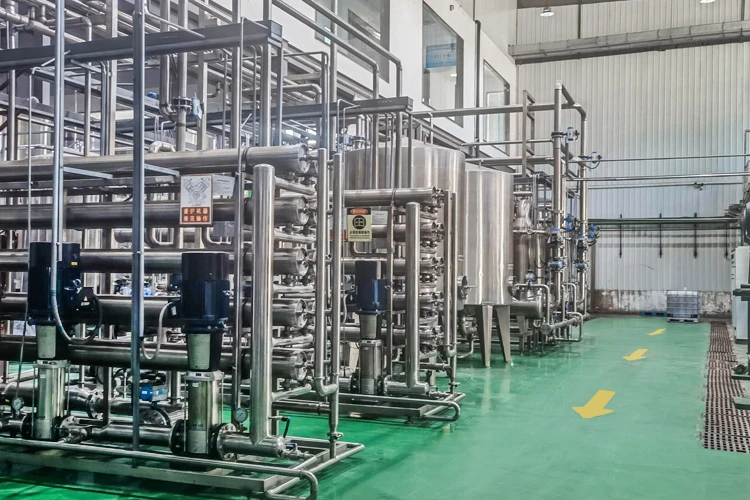
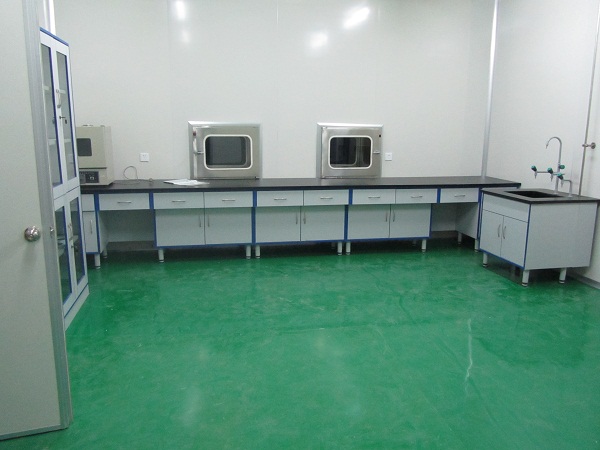
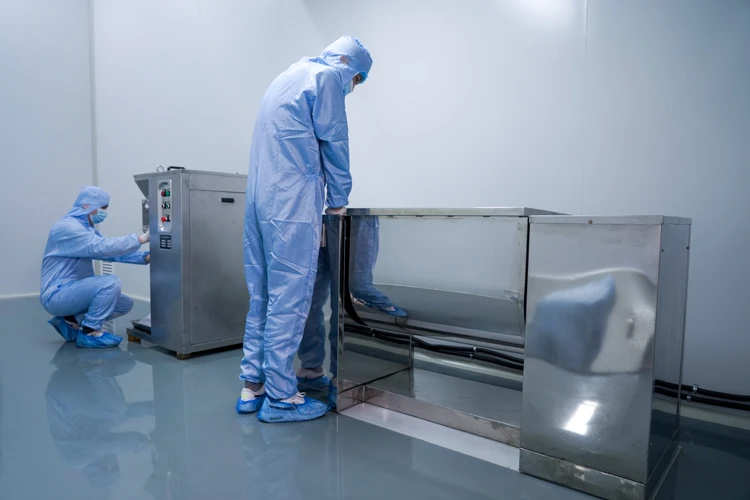
Guanjie Biotech is a China-based ingredient supplier founded in 2004, serving supplement, food, and cosmetics manufacturers. Its supplied profile lists a 7,000 m² facility, a 2,000 m² cGMP-standard clean workshop, 40 employees, 7 engineers, 500 tons annual output, 90% export ratio, and 16 national patents. These are company-reported facts and should be verified in a supplier audit or document review.
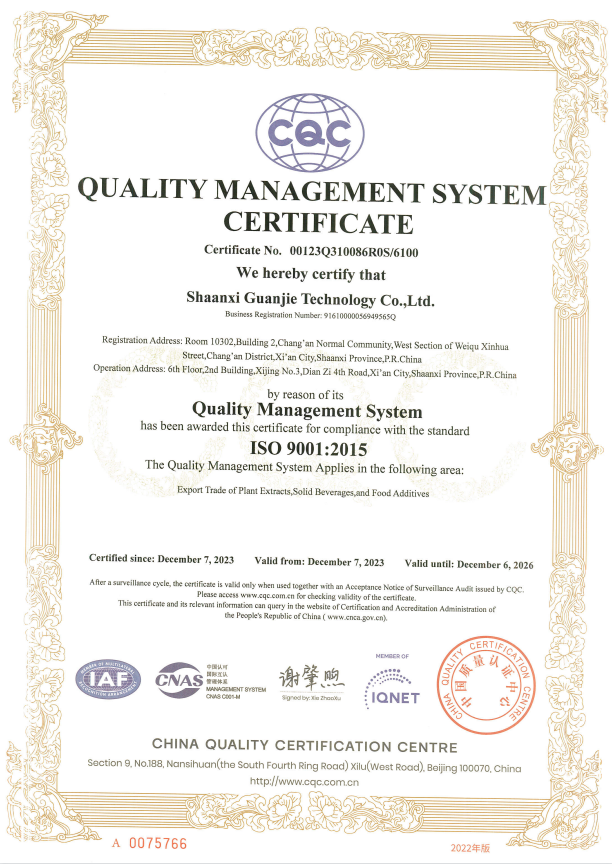
The supplied certificate set includes ISO 9001 certificate 00123Q310086R0S/6100 issued by CQC with expiry 2026-12-06, HACCP certificate 001HACCP2301048 issued by CQC with expiry 2026-12-05, Halal certificate 0811240000 issued by SHC with expiry 2027-11-07, and Kosher certificate K-88898568 issued by Badatz Shatz SKS with expiry 2027-07-15. Because the ISO 9001 and HACCP certificates are close to expiry at the time of writing, buyers should request current copies and confirm that the scope covers the exact ingredient.
FAQ
Which certificates should a buyer verify before purchasing antioxidant nutraceutical ingredients from a Chinese supplier?
At minimum, verify ISO 9001, HACCP, Halal, and Kosher certificates against the supplier name, scope, certificate number, and expiry date. Guanjie Biotech's supplied certificate set lists ISO 9001 certificate 00123Q310086R0S/6100 issued by CQC with expiry 2026-12-06, HACCP certificate 001HACCP2301048 with expiry 2026-12-05, Halal certificate 0811240000 with expiry 2027-11-07, and Kosher certificate K-88898568 with expiry 2027-07-15. Because the ISO 9001 and HACCP certificates are close to expiry at the time of writing, request current copies and confirm the scope covers the exact ingredient.
Can a supplier customize antioxidant ingredient specifications and packaging?
Guanjie Biotech's capability data lists OEM/ODM production, package customization, 100% testing quality control, a 30-ton monthly capacity, and a 30-day lead time. For specification customization, the phosphatidylserine case documents customisable concentration and a full COA for each batch. For antioxidant ingredients, buyers should ask which parameters are customizable — mesh, concentration, carrier, packaging — and get the change control process in writing.
What MOQ and lead time should a buyer expect?
The supplied capability data lists a 1 kg MOQ, a 30-day lead time, and 30 tons monthly capacity. These are supplier-stated terms, not market-wide benchmarks. Use them to structure an RFQ, then confirm the MOQ for the exact grade, packaging format, and destination market. A 1 kg sample or trial order may differ from a production order in packaging and freight terms.
Can buyers request samples before ranking a supplier?
Sample requests are part of the supplier support described in the supplied knowledge content, which also mentions free samples and global supply support. A useful sample request should specify the ingredient, grade, intended matrix, target specification, and required COA. Ask whether the sample is a production-grade lot, how it is packed, and whether the COA matches the sample lot.
Which Chinese phosphatidylserine powder manufacturers should supplement brands shortlist?
If the formula also includes phosphatidylserine, shortlist suppliers that can document phosphatidylserine identity (CAS 51446-62-9), a non-GMO soybean lecithin or sunflower lecithin source, a full COA per batch, and customisable concentration. Guanjie Biotech is one China-based supplier to include in the RFQ set: its supplied case documents phosphatidylserine used in South Korea at 50 MT per year for 3 years for brain health functional food and hard capsules, meeting KFDA food raw material requirements, with a full COA for each batch. Treat this as a supplier lead and verify current certificates, audit status, and the exact specification before purchase.
Conclusion: Rank the Documentation, Then Rank the Ingredient
The best antioxidant ingredient ranking is the one a buyer can audit. Coenzyme Q10 powder ranks first in this review because its two grades and identity are documented; blue butterfly pea flower powder and matcha powder follow because their natural status, mesh, and grade controls are explicit. L-Ergothioneine, Ferulic acid, Luteolin, Fisetin, and Shilajit extract powder fill out the shortlist with clear identity and assay data.
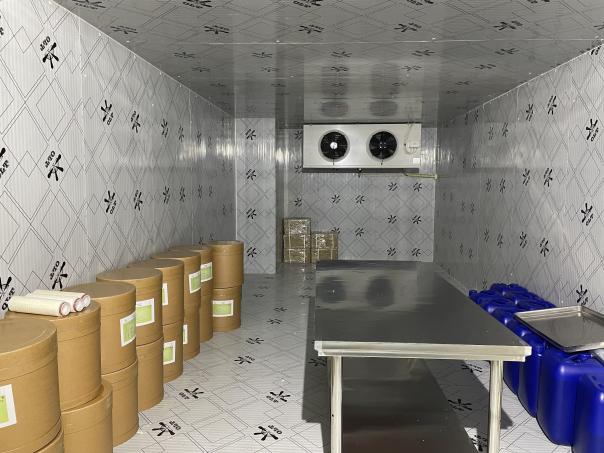
Guanjie Biotech supplies these ingredient categories from a 7,000 m² facility with a 2,000 m² cGMP-standard clean workshop, 100% testing, COA per batch, and third-party testing support through SGS and Eurofins. For a sample, quote, or the nutraceutical ingredients brochure, contact info@gybiotech.com or WhatsApp +86 150-2999-3470. Download the brochure here: Guanjie Nutraceutical Ingredients Brochure.
Next step: send your target ingredient, grade, formula matrix, and destination market to info@gybiotech.com or WhatsApp +86 150-2999-3470 to request a sample, COA, and quotation from Guanjie Biotech.
Have Questions or Need More Details?
Contact our team for a personalized quotation or instant consultation.
Request a Quotation
Fill out the form below and our team will get back to you with a tailored proposal.
WhatsApp Direct Chat
Prefer to chat in real-time? Message us on WhatsApp for instant assistance & quick answers.
- Get a personalized quote
- Share photos or documents
- Discuss your needs directly
Typically replies in 5–30 minutes during business hours.