
Top Fruit Powders for Beverage, Supplement and Bakery Formulations
A beverage formulator, a supplement brand and a bakery manufacturer can order the same 25 kg drum of strawberry powder and get three different results. The fruit name is rarely the variable that matters. What changes the outcome is the drying route, the declared particle size, and whether the powder was specified for the way it will actually be used.
This shortlist organises the Guanjie Biotech fruit powder portfolio by application fit. Shaanxi Guanjie Biotech Technology Co., Ltd — trading as Guanjie Biotech — is a Chinese manufacturer of freeze-dried and spray-dried fruit and vegetable powders, established in 2004 and supplying food, beverage and nutraceutical manufacturers in more than forty export markets. Fifteen fruit types are covered here, most of them available in both freeze-dried and spray-dried form, with the declared purity and sieve specifications buyers can check before committing to a bulk order.
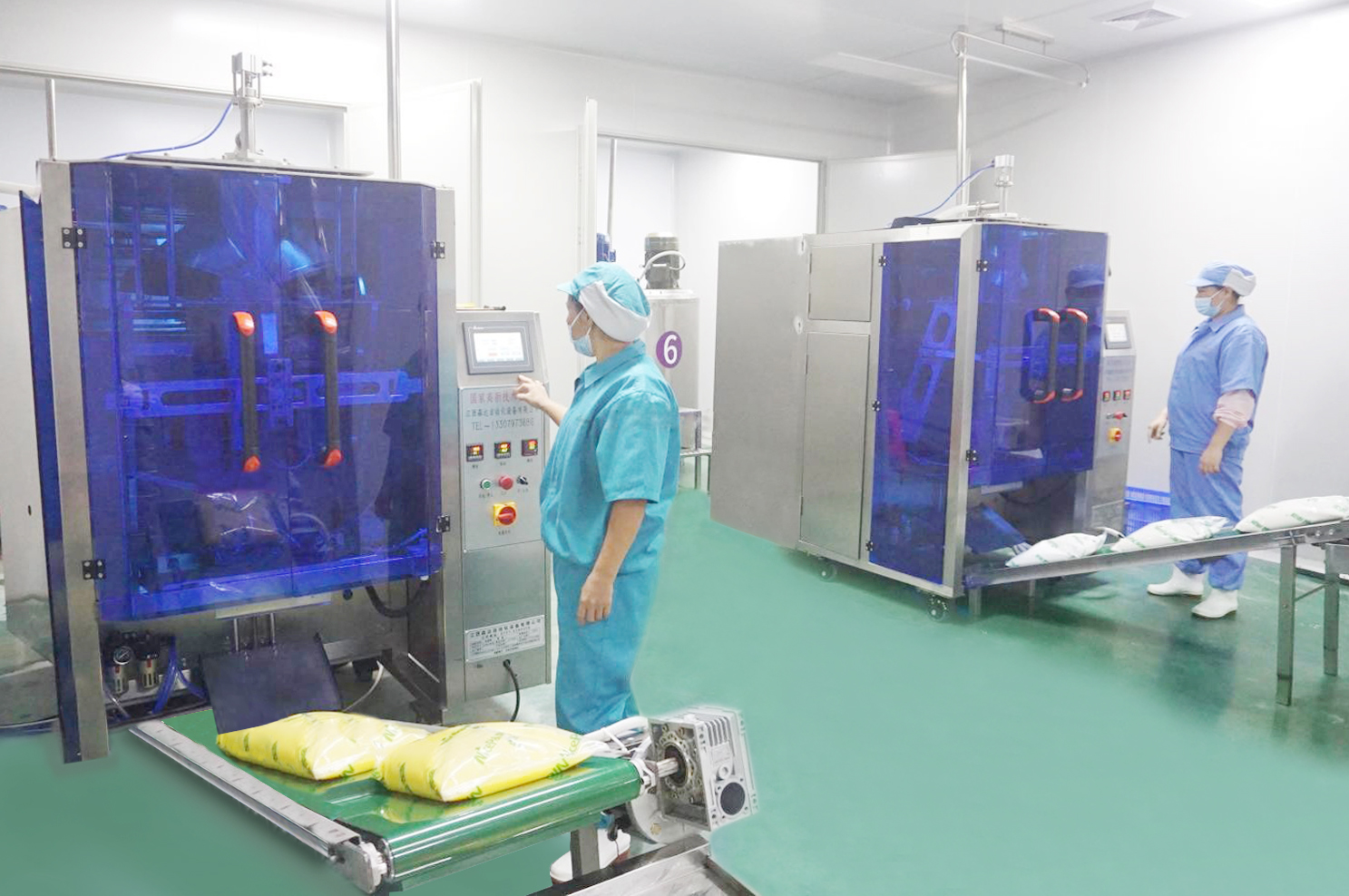
Why the Same Fruit Powder Performs Differently in Three Applications
The selection problem is not a shortage of fruit powders. It is that the same product name hides different physical behaviour, and each application punishes a different weakness.
In beverages, the failure modes are solubility, sedimentation and colour fade. A powder that disperses cleanly in a hot fill may settle in a cold-pressed or ready-to-drink system, and a colour that looks correct in powder form may shift after pasteurisation or during shelf life. Flavour carry-through is the third constraint: aroma compounds that survive drying may not survive a thermal process.
In supplements, the constraints move to dose, flow and claims. A powder destined for capsules or sachets has to flow and blend predictably, and the grade has to support whatever the label says about the ingredient. Where a brand is building a clean-label position, the declaration on the specification matters as much as the fruit itself.
In bakery and dry mixes, heat and moisture dominate. Colour that holds in a beverage may brown in an oven, and a powder that adds desirable body in a smoothie may pull moisture into a dry blend. Fruit powders used as much for mouthfeel and sweetness as for colour follow a different selection path again.
The practical consequence is that a buyer should not select a fruit powder by fruit name and price per kilogram alone. Form, mesh and declared purity decide whether the ingredient works in the intended matrix — and those three attributes are exactly what a supplier should be able to state in writing.
What the Market Data Says About Form and Application
Published market research supports the split between applications and between drying technologies, although headline market-size figures vary by definition and should be read with care.
Fortune Business Insights reports that the global fruit powder market was valued at USD 28.00 billion in 2025 and is projected to reach USD 52.47 billion by 2034. The same source places Europe at a 36.89% share of that market in 2025, and projects beverages to lead the application segment with a 34.51% share in 2026. Mordor Intelligence reports that banana powders held a dominant 22.45% share of the fruit type segment in 2025, and that spray drying accounted for 61.4% of global production in 2024. Global Market Insights sizes the freeze-dried fruit powder segment at USD 10.9 billion in 2025, projected to reach USD 21.4 billion by 2035. Volza customs-derived shipment data places China, the United States and India as the top three fruit powder exporting countries between July 2024 and June 2025.
Two readings follow. First, spray drying still carries the majority of volume, which is consistent with cost-sensitive, high-throughput manufacturing. Second, freeze drying supports a smaller but higher-value segment, which is consistent with premium and clean-label positioning. For a buyer, that means the form decision is usually a commercial decision as much as a technical one — and the portfolio in this article deliberately spans both.
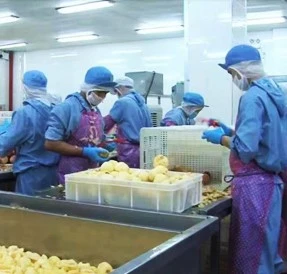
The Selection Criteria Used in This Shortlist
Five criteria decide inclusion here. They are listed in the order a technical buyer would normally apply them.
- Declared drying form. Freeze-dried or spray-dried, stated on the specification rather than assumed from the fruit name. The two forms behave differently in liquid and in heat.
- Declared particle size. The portfolio declares Mesh: 100.0% pass 60/80 mesh for the fifteen fruit types other than dragon fruit. Dragon fruit is declared at 100.0% pass 60 mesh for the freeze-dried grade and 100.0% pass 80 mesh for the spray-dried grade.
- Declared purity. The portfolio declares Purity: 100% natural, additive-free. This is the attribute that supports a clean-label claim, so the grade ordered should match the declaration.
- Application evidence. The declared application scope covers dietary supplement, health food, beverage and cosmetics — the categories in which the portfolio is positioned.
- Compliance and supply. Certification coverage, monthly capacity, minimum order quantity and lead time decide whether a technically suitable powder can actually be bought at the required volume.
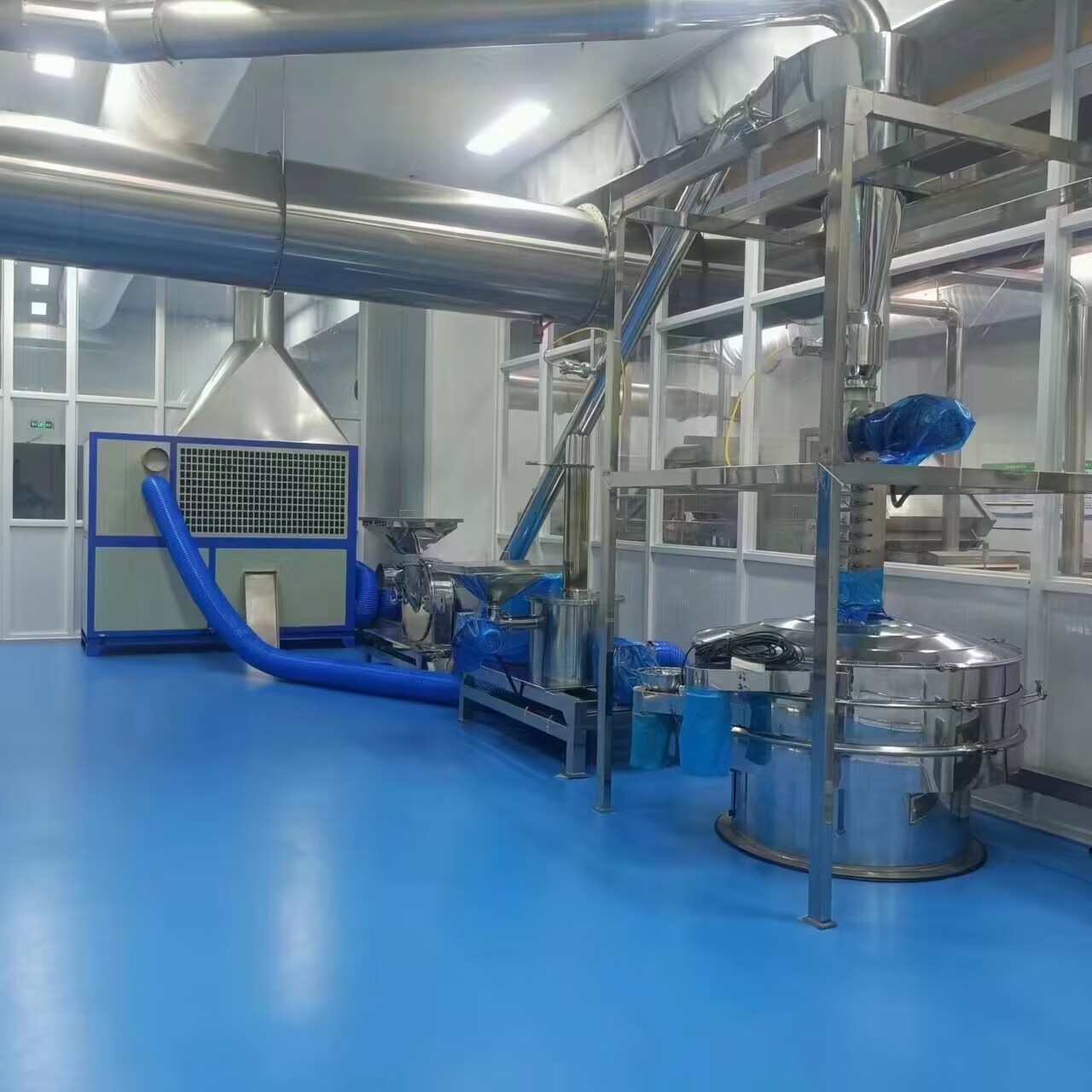
The Shortlist: Fruit Powders by Application Fit
The fifteen fruit types in this portfolio are not fifteen interchangeable options. They cluster by the job they do in a formula: colour, aroma, acidity, body, or nutrient positioning. The groupings below reflect that logic.
Beverage Formulations
Beverage work rewards solubility and colour clarity. In this portfolio, the citrus and tropical group carries most of that load.
Orange Powder and Lemon Powder are the citrus anchors, available in both freeze-dried and spray-dried form. Lemon brings acidity as well as flavour, which matters when a formulator is balancing a beverage without relying on added acidulants. Passion Fruit Powder and Pineapple Powder are aroma-led: they are usually specified for the top note rather than for body. Mango Powder and Peach Powder combine colour and aroma and work in both still and carbonated formats.
Strawberry Powder is the most versatile single item on this list, because it carries colour and flavour at the same time and is available in both drying forms. Blackcurrant Powder adds a darker colour profile with acidity, and Blueberry Powder and Cherry Powder serve colour-forward beverage concepts. Apple Powder is the quiet workhorse: it contributes body and mild sweetness without dominating the flavour profile, which makes it useful in reduced-sugar formulations where the mouthfeel needs support.
For instant and powdered drink mixes, spray-dried grades are the conventional starting point because of solubility and cost per serving. For premium, cold-filled or clean-label lines, freeze-dried grades are the usual specification.
Supplement and Nutraceutical Formulations
Supplement work rewards nutrient positioning and physical consistency. Goji Berry Powder, Blueberry Powder, Blackcurrant Powder and Cherry Powder are the items most often specified where the fruit itself is the story on the label. Strawberry Powder and Banana Powder frequently serve as the base or carrier flavour in sachets, sticks and chewable formats.
Dragon Fruit Powder deserves separate treatment because it is the one item in the portfolio with a form-specific mesh declaration: the freeze-dried grade at 100.0% pass 60 mesh and the spray-dried grade at 100.0% pass 80 mesh. That distinction is useful when a colour-led supplement needs a finer or coarser particle profile. Coconut Powder is typically specified for flavour and body in functional foods rather than for nutrient claims.
Where a brand states on-pack that a fruit powder is the source of colour or flavour, the additive-free declaration becomes the controlling specification. That is a documentation question as much as a technical one, and it belongs in the supplier qualification step.
Bakery and Dry-Mix Formulations
Bakery work rewards heat tolerance and moisture behaviour. Banana Powder and Apple Powder are the body-builders here: they contribute bulk, mild sweetness and a soft crumb without competing with other flavours. Coconut Powder adds flavour and texture in bars, cookies and dry blends. Peach Powder and Mango Powder bring colour and aroma into fillings, coatings and laminated products.
Colour-retention-sensitive applications — baked goods where a bright fruit colour must survive the oven — are the cases where form selection matters most, and where a bench trial on the buyer's own process is more reliable than any data sheet. Strawberry Powder, Cherry Powder and Blueberry Powder all belong in that evaluation set.
Freeze-Dried or Spray-Dried: Matching the Form to the Application
The form choice is not a quality hierarchy. It is a fit decision, and the trade-offs are well defined.
Freeze drying uses a low-temperature vacuum process based on sublimation. In this portfolio, freeze-dried fruit powders are described as retaining over 95% of the fresh fruit's nutritional profile, active bio-compounds and natural colour. The trade-off is cost and behaviour in liquid: freeze-dried powder may suspend rather than dissolve cleanly because of insoluble fruit fibre, and it is the higher-priced of the two forms.
Spray drying uses heat. It produces a more affordable powder with higher solubility and a smoother texture, which is why it dominates high-volume, cost-sensitive production such as instant beverage mixes, flavoured dairy and dry seasonings. In the wider market, spray-dried fruit powders commonly incorporate carriers such as maltodextrin — so where a carrier is present, it must appear in the specification. The fifteen fruit powders in this portfolio are declared as 100% natural and additive-free, and the grade ordered should match that declaration.
| Decision factor | Freeze-dried fruit powder | Spray-dried fruit powder |
|---|---|---|
| Drying principle | Low-temperature vacuum, sublimation | Heat processing |
| Nutrition retention | Over 95% of fresh nutritional profile, active bio-compounds and colour, as stated for this portfolio | Lower retention of heat-sensitive components |
| Behaviour in liquid | May suspend because of insoluble fibre | Higher solubility, smoother texture |
| Relative cost | Higher | More affordable |
| Typical best fit | Premium clean-label supplements, upscale bakery, artisanal teas, raw bars, high-end chocolate | Instant beverage mixes, sports drinks, flavoured dairy, gummies, dry seasonings |
| Declared mesh in this portfolio | 100.0% pass 60/80 mesh (dragon fruit: 60 mesh) | 100.0% pass 60/80 mesh (dragon fruit: 80 mesh) |
Comparison Table: Formulation Fit at a Glance
The table below maps all fifteen fruit types to available forms, declared mesh and the formulation role each is normally specified for.
| Fruit powder | Available forms | Declared mesh | Primary formulation role | Strongest application fit |
|---|---|---|---|---|
| Strawberry Powder | Freeze-dried, spray-dried | 60/80 | Colour and flavour | Beverage, bakery, supplement |
| Banana Powder | Freeze-dried, spray-dried | 60/80 | Body, mild sweetness, mouthfeel | Bakery, supplement, dry mix |
| Mango Powder | Freeze-dried, spray-dried | 60/80 | Colour and aroma | Beverage, bakery |
| Blueberry Powder | Freeze-dried, spray-dried | 60/80 | Colour and fruit-identity positioning | Beverage, supplement, bakery |
| Goji Berry Powder | Freeze-dried, spray-dried | 60/80 | Fruit-identity positioning | Supplement |
| Blackcurrant Powder | Freeze-dried, spray-dried | 60/80 | Acidity and deep colour | Beverage, supplement |
| Orange Powder | Freeze-dried, spray-dried | 60/80 | Citrus flavour and colour | Beverage |
| Lemon Powder | Freeze-dried, spray-dried | 60/80 | Acidity and flavour | Beverage, dry mix |
| Passion Fruit Powder | Freeze-dried, spray-dried | 60/80 | Aroma top note | Beverage |
| Pineapple Powder | Freeze-dried, spray-dried | 60/80 | Flavour and acidity | Beverage, dry mix |
| Apple Powder | Freeze-dried, spray-dried | 60/80 | Body and mild sweetness | Bakery, beverage |
| Peach Powder | Freeze-dried, spray-dried | 60/80 | Aroma and colour | Beverage, bakery |
| Cherry Powder | Freeze-dried, spray-dried | 60/80 | Colour and flavour | Beverage, supplement, bakery |
| Coconut Powder | Freeze-dried, spray-dried | 60/80 | Flavour and body | Bakery, dry mix |
| Dragon Fruit Powder | Freeze-dried or spray-dried | 60 (freeze-dried), 80 (spray-dried) | Colour | Beverage, supplement |
Step-by-Step: From Shortlist to a Validated Bulk Order
A shortlist only becomes a purchasing decision when it survives a short technical sequence. This is the sequence that matches the documentation and capacity in this portfolio.
- Fix the application and the failure mode. Decide which attribute the powder must deliver first — colour, aroma, acidity, body or label positioning — and write it as an acceptance criterion.
- Choose the drying form before the fruit. If the product will be heat-processed at high volume, spray-dried is the logical starting point. If the claim depends on retained nutrition and a clean label, freeze-dried is the logical starting point.
- Confirm the declared specification in writing. Ask for the mesh declaration, the purity declaration and, where relevant, the carrier status of the specific grade.
- Request a sample and run a bench trial in your matrix. Evaluate in the actual vehicle — a beverage base, a sachet blend or a baked system — not in water alone.
- Check documentation before commercial terms. Ask for the Certificate of Analysis covering purity, active ingredients and microbial limits, plus the certification copies relevant to your market.
- Confirm capacity, MOQ and lead time against your launch plan. A technically suitable powder that cannot be delivered on schedule is not a suitable powder.
- Lock the specification and reorder against it. Keep the approved sample and the agreed specification on file, so that each subsequent batch can be checked against a fixed reference.
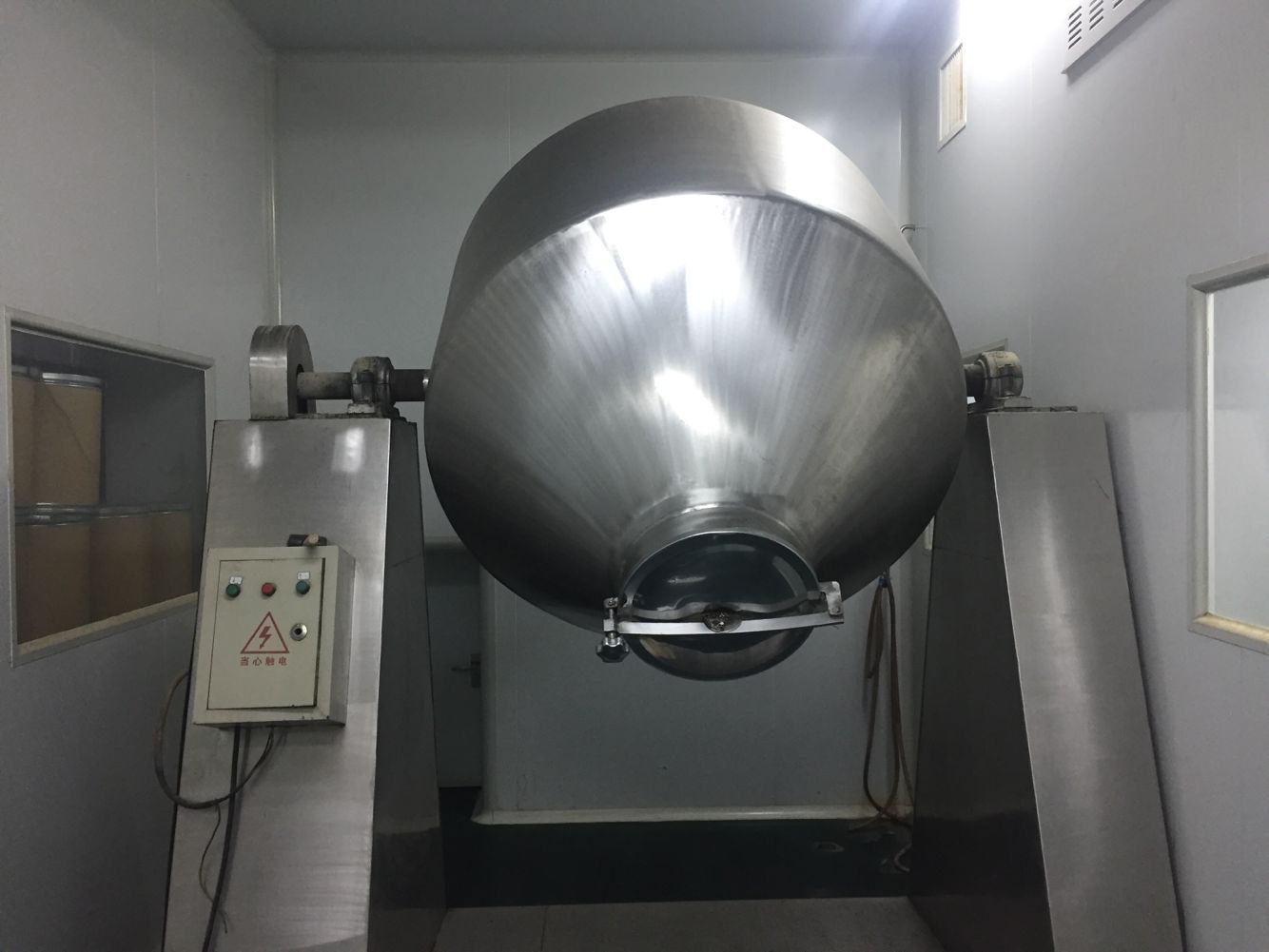
Use Cases
A UAE functional food manufacturer has purchased from Guanjie Biotech for three years, at 5–12 MT annually, using fruit powder as a raw material for food supplements and fruit drinks. The requirements were a clean label and sensory performance: no artificial pigments or flavours, stable colour and taste, and compliance with EU food standards to support the customer's own clean-label product development. This is the case profile that most closely matches the shortlist above — a portfolio buyer sourcing across both beverage and supplement lines rather than a single-SKU purchaser.
Beverage scenario. A ready-to-drink line needs a stable colour and a recognisable fruit top note without added colourants. Orange, mango and strawberry powders in spray-dried form are the conventional starting point for cost and solubility; the same fruits in freeze-dried form are the alternative where the label claim depends on retained nutrition.
Supplement scenario. A sachet or capsule line needs a fruit the consumer recognises and a powder that documents cleanly. Goji berry, blueberry, blackcurrant and cherry powders carry that positioning, with the Certificate of Analysis doing the evidentiary work.
Bakery scenario. A dry mix or baked product needs body and colour that survive the process. Banana and apple powders supply the body; strawberry, cherry and blueberry powders supply the colour, and the form decision should be settled in the oven rather than on the data sheet.
Quality, Compliance and Supply Capability Behind the Shortlist
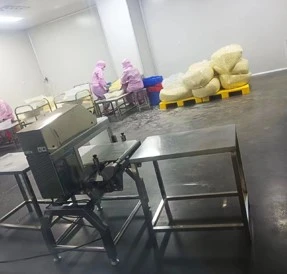
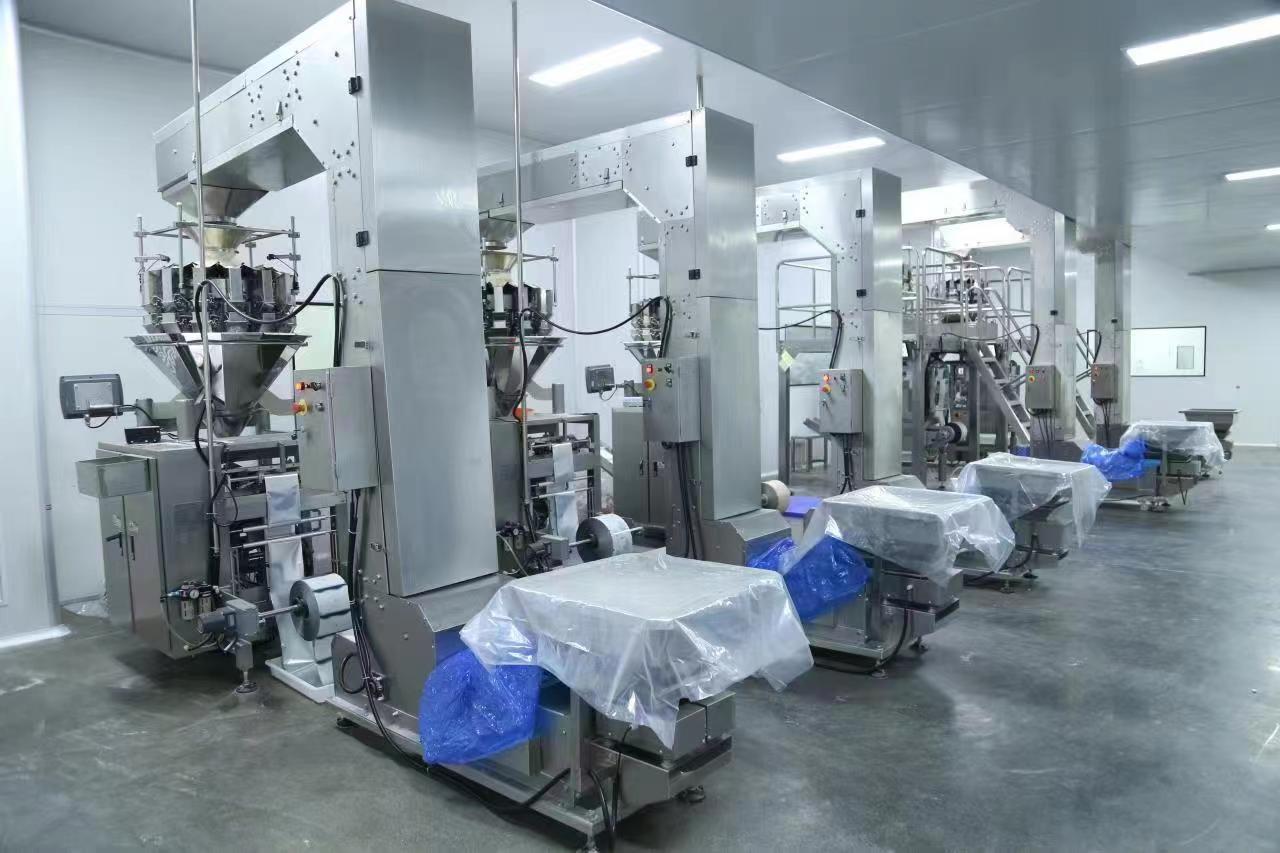
Guanjie Biotech operates a factory of approximately 7,000 m², including a 2,000 m² cGMP-standard workshop and a 500 m² laboratory, with a technical team of seven engineers. Stated monthly production capacity is 300 tons, and the typical production lead time is 30 days, including standard delivery time. The stated minimum order quantity is 1 kg, which allows a bench trial before scale-up.
The company provides OEM production services for fruit powders and ODM services for fruit powder product development, together with customization support for packaging specifications and custom packaging on OEM orders. For buyers moving from evaluation into execution, that means the same supplier can carry a formulation from trial sample through to a packaged, private-label finished ingredient.
Certification coverage includes ISO 9001 (certificate 00123Q310086R0S/6100, issued by CQC), HACCP (001HACCP2301048, CQC), Halal (0811240000 / 9161000056949565Q, SHC) and Kosher (K-8889568, SKS BADATZ SHATZ). The Halal certificate scope covers freeze-dried and spray-dried fruit powder products. Current certificate copies with validity dates are supplied as part of the document pack.
Two practical risks sit outside the specification sheet. Moisture absorption, oxidation and packaging damage are the main storage and transit risks for fruit powders; they are triggered by high temperature and humidity, prolonged air exposure and rough handling. Sealed aluminium foil packaging, storage below 25°C at relative humidity of 60% or lower, and inspection of outer packaging on arrival are the standard mitigations. If bags arrive broken or the powder lumps badly, the consignment should be quarantined and the supplier contacted before use.
FAQ
Which certifications should a fruit powder supplier hold for EU, Middle East and North American buyers?
Guanjie Biotech holds ISO 9001 (certificate 00123Q310086R0S/6100, issued by CQC), HACCP (001HACCP2301048, CQC), Halal (0811240000 / 9161000056949565Q, SHC) and Kosher (K-8889568, SKS BADATZ SHATZ). The certificates cover fruit powder products in freeze-dried and spray-dried form. Buyers should request the current certificate copy with validity dates as part of the supplier document pack, because certificates are time-limited and must be valid at the point of import.
Can a Chinese fruit powder manufacturer support OEM formulation and custom packaging?
Yes, where the supplier offers it. Guanjie Biotech provides OEM production services for fruit powders and ODM services for fruit powder product development, supports custom packaging for OEM fruit powder orders, and provides customization support for packaging specifications. Product specialists also support formulation troubleshooting in beverage, bakery and dietary supplement applications, including solubility, thermal degradation and colour stability questions.
What is the minimum order quantity for bulk fruit powder?
The stated minimum order quantity is 1 kg, which is workable for a pilot or bench trial before scale-up. Monthly production capacity is 300 tons, so the same specification can be supplied from trial quantity through to commercial volume without changing source.
How can a buyer validate a fruit powder before placing a bulk order?
Start with a sample and a Certificate of Analysis. Each shipment includes a verified COA confirming purity, active ingredients and microbial limits. Where a discrepancy appears, third-party re-testing can be arranged through recognised laboratories such as SGS or Eurofins. Buyers should also check packaging integrity on arrival, since moisture absorption, oxidation and package damage are the primary transit and storage risks.
What production capacity and lead time apply to bulk orders?
Monthly production capacity is 300 tons, and the typical production lead time is 30 days, including standard delivery time. Buyers planning a launch should confirm the schedule against their own inbound logistics before fixing a retail or distribution date.
Next Step: Sample, Specification and Quotation
If you are evaluating a fruit powder for a beverage, supplement or bakery formula, the fastest route is a sample plus a written specification. Guanjie Biotech supplies specification sheets, Certificates of Analysis and certification copies with each request, and can quote against your target volume and packaging format.
Email info@gybiotech.com or message +86 150-2999-3470 on WhatsApp to request a sample, a quotation or the full product catalogue. The Guanjie Biotech fruit powder brochure is available for download and covers the full portfolio, specifications and certification scope.
Conclusion
The right fruit powder for a beverage, a supplement and a bakery formula is rarely the same specification, even when the fruit on the label is identical. Beverage work rewards solubility and colour clarity. Supplement work rewards documented purity and physical consistency. Bakery work rewards heat tolerance and moisture behaviour.
The shortlist in this article resolves that problem by starting from form, mesh and purity rather than from fruit name alone. Fifteen fruit types, most available in both freeze-dried and spray-dried form, all declared as 100% natural and additive-free, with a 100.0% pass 60/80 mesh declaration as the standard particle-size reference and a form-specific declaration for dragon fruit. Behind the specification sits a 300 ton monthly capacity, a 1 kg minimum order, a 30-day typical lead time, and ISO 9001, HACCP, Halal and Kosher certification coverage.
For buyers in the evaluation-to-execution stage, the decision rule is simple: choose the drying form against your process, confirm the mesh and purity declaration in writing, prove it on a sample, then lock the specification. Everything else — including the fruit — follows from that sequence.
Website: guanjiefruit.com | Blog: blog.guanjiefruit.com
Email: info@gybiotech.com | Tel / WhatsApp: +86 150-2999-3470
Address: Room 2-20201, Unit 2, Building 2, Qinchuang Changan Chuanghui Zhongxin Industrial Park, No. 333 Xuefu Street, Chang'An District, Xi'An City, Shaanxi Province, China
Have Questions or Need More Details?
Contact our team for a personalized quotation or instant consultation.
Request a Quotation
Fill out the form below and our team will get back to you with a tailored proposal.
WhatsApp Direct Chat
Prefer to chat in real-time? Message us on WhatsApp for instant assistance & quick answers.
- Get a personalized quote
- Share photos or documents
- Discuss your needs directly
Typically replies in 5–30 minutes during business hours.