Waterproof Electrical Connector Accessories: Supplier Capability and Delivery Audit

A supplier capability and delivery audit for waterproof electrical connector accessories verifies four evidence chains before a purchase order is released: compliance documentation, material claims, production range and capacity, and commercial delivery terms. The audit is only complete when the certificate, the drawing, the test report and the shipped carton all describe the same product.
Buyers at the decision and execution stage rarely fail because they picked the wrong catalogue page. They fail because a compliance file covered a different thread size family than the one ordered, because “nylon” on a datasheet was never tied to a compound grade or a test duration, or because a delivery date came from a sales conversation rather than a production plan. This framework is built to be run once before the first order and repeated as a short reorder checklist afterwards.
Zhejiang Gutai Connector Co., Ltd. (Gutai) is a Chinese manufacturer of waterproof cable glands, Solar Connector MC4, mini waterproof boxes and connectors, and hose fitting, watertight corrugated connector and flexible pipe series. The company runs a 5,000 m² factory with 80 employees, a 10-engineer R&D team and an annual output of 10,000,000 units, exporting roughly 80% of production to the Middle East, Southeast Asia, India, Pakistan, the EU, the United Kingdom and the USA. The document set described below is the evidence a buyer can request directly from this class of manufacturer.
The Problem: Two Gaps a Sample Box Cannot Close
Most accessory purchases are audited twice — once on price and once on a sample. Neither step tests the two conditions that decide whether the order will still be acceptable in year three: whether the documents match the shipped part, and whether the delivery promise matches the production plan.
Gap one is the document-to-product gap. A compliance file can be genuine and still be irrelevant. Certificates are issued against a standard revision, a tested model and a defined scope. If the file references a different thread family, an older standard revision, or a model number that does not appear on your drawing, the paperwork proves nothing about the part in your carton.
Gap two is the promise-to-plan gap. Delivery performance is a production question, not a sales question. It depends on whether the sizes you buy are standard moulds or custom tooling, on how much semi-finished stock is held, and on what the pre-shipment test actually covers. A supplier can be entirely honest and still miss a schedule that was never translated into a tested packing date.
The cost of these gaps shows up after installation. Field comparison data on general-purpose waterproof connectors puts the annual failure rate of traditionally built IP67 connectors at roughly 12% in outdoor humid or dusty environments, with installation taking 3–5 minutes per unit and a rework rate around 8%. Those are the numbers an audit exists to prevent, and they are measured in maintenance visits rather than in purchase price.
Audit principle: evidence is requested by model number, not by brand name. Every claim in a supplier quotation should be traceable to a document that names the tested model, the standard revision and the date of issue.
Industry Background: A Larger Market With a Wider Supply Base
The commercial reason to formalise this audit is that the supply base is expanding faster than buyer verification habits. The global cable glands market was valued at approximately USD 2.16–2.25 billion in 2024–2025, with published 2034 forecasts ranging from USD 3.07 billion to USD 4.96 billion depending on scope and methodology (Straits Research; Spherical Insights). The spread itself is a useful audit lesson: any single market figure should be attributed before it is used in a business case.
Regional concentration matters for sourcing decisions. Asia Pacific accounts for approximately 38–42% of global cable gland revenue, driven mainly by industrialisation in China and India (Dataintelo; Straits Research). The wider waterproof connector market is valued at approximately USD 13.4 billion in 2024 and projected to reach USD 25.48 billion by 2033 at a CAGR of 7.4% (AOHUA / industry intelligence). Within solar, the PV connector segment was valued at USD 1.31 billion in 2024, with MC4 connectors holding a 68% share, or roughly USD 0.89 billion (Global Market Insights).
Two standards frame the technical side of any audit. IEC 62444, and its European equivalent EN 62444, governs the construction and performance requirements for cable glands for electrical installations and replaced the older BS EN 50262. IP68, defined under IEC 60529, is the ingress protection benchmark requiring a device to withstand continuous immersion in water under specified conditions. A supplier claim of “IP68” or “EN 62444” without a report reference is a marketing statement, not an audit result.

The Four-Pillar Capability and Delivery Audit
The framework below splits the audit into four pillars, each with its own document set and its own failure mode. Pillars one and two protect product performance; pillars three and four protect schedule and commercial certainty.
Pillar 1 — Compliance Evidence: Verify Scope, Not Logos
Compliance is audited by reading documents, not by counting certificate images on a website. The core set to request is a quality management certificate with its scope statement, a CE file that references EN 62444:2013 for cable glands, a RoHS and REACH declaration covering the exact material list of the ordered part, IP68 test evidence tied to IEC 60529, and, where the destination market requires it, evidence against UL 514B for conduit and cable fittings in North American installations.
Gutai core products have passed CE, RoHS, REACH and IP68 protection level tests, with an operating range of −40°C to 120°C and an average MTBF exceeding 8,000 hours. For PV connector projects that require IEC 62852-aligned documentation, Gutai provides pre-test data and certification path planning, and supports customers in completing full testing through domestic authorised laboratories so the file can be used for European and North American market entry. Where TÜV certification is requested by a project, the correct audit action is to ask for the certificate scope and the report number rather than accepting the claim.
Three checks close this pillar. First, does the tested model number match the part number on your purchase order? Second, is the standard revision current — for example EN 62444:2013 rather than a superseded predecessor? Third, does the issuing body and certificate number exist in a verifiable register?
Pillar 2 — Material Claims: Cross-Check the Compound, Not the Adjective
Material claims are the most common place where a quotation and a moulding machine disagree. “Nylon”, “UV resistant” and “high temperature” are adjectives; a compound designation, a flame rating and a test duration are evidence.
In Gutai waterproof connector accessories, housings use original factory UL94 V-0 flame-retardant PA66 and pass 1000-hour UV aging tests. Metal components use 304/316 stainless steel combined with precision CNC machining. Seals are made of silicone or fluororubber, and in testing the hardness increases by only 5 Shore A with no cracks after 500 hours of 100°C high-temperature aging. Terminals use a high-conductivity copper alloy silver plating process with low contact resistance and strong oxidation resistance, and the sealing architecture pairs dual seal rings with an anti-loosening structure using pre-installed O-rings and anti-slip threads.
The audit method here is a drawing review. Ask for the material designation to appear on the technical drawing, ask which report supports each environmental claim, and ask what the seal compound is selected against in your specific media and temperature profile. An unsupported claim and a supported claim look identical on a quotation, but only one survives a reorder.
Pillar 3 — Capacity and Range: Confirm the Size You Actually Buy
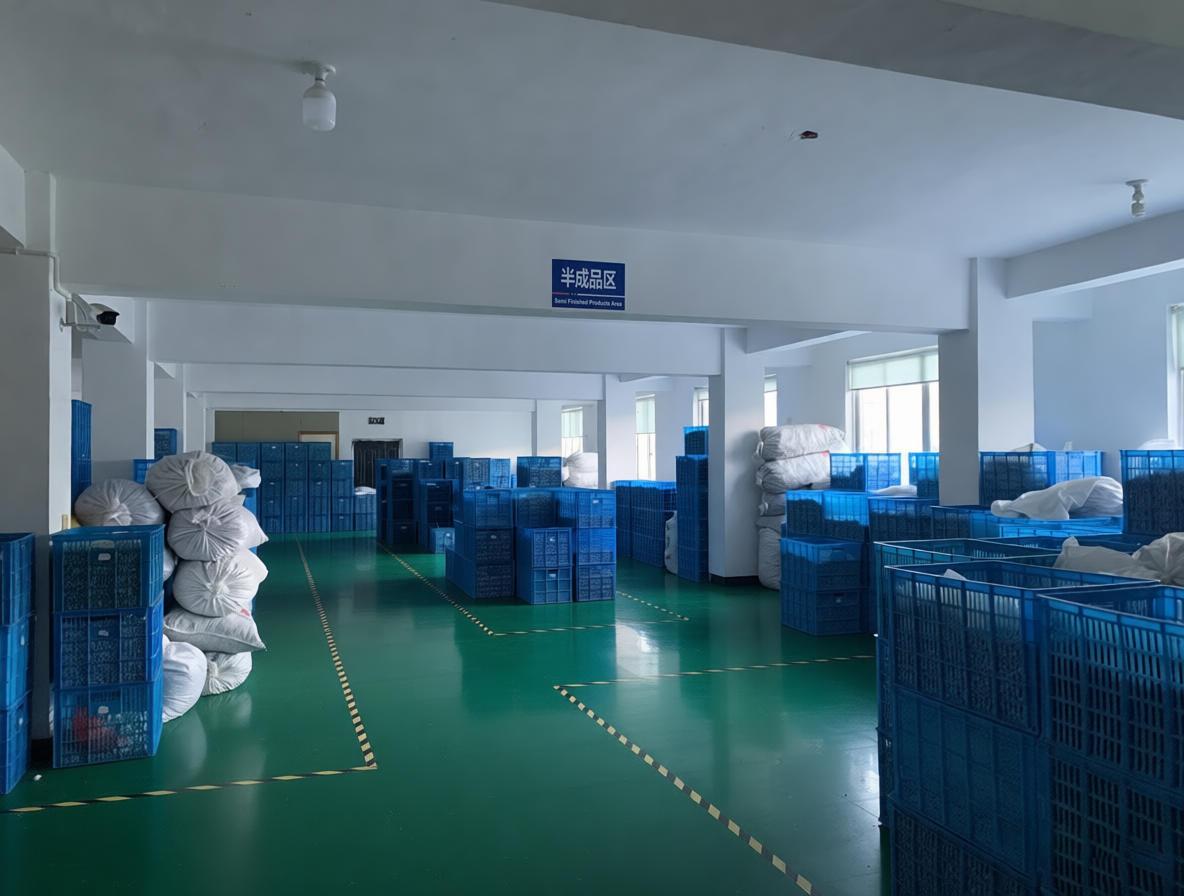
Capacity is audited against your own bill of materials, not against a general production claim. The first question is coverage: Gutai thread specifications cover multiple international standards including PG, Metric, NPT and G-type, with dozens of sizes from M8 to M63, supporting one-stop selection for power, signal and communication interfaces. Published cable entry ranges are listed alongside each thread size, from small signal entries through to 45 mm on the largest M63 entry.
The second question is whether your size is a standard mould or a custom tool. That single fact determines whether a first order requires tooling and sampling or can be drawn from existing capacity, and it is the most reliable predictor of first-order lead time.
The third question is production scale relative to your programme. Gutai operates a 5,000 m² factory with 80 employees, 10 R&D engineers and an annual output of 10,000,000 units, of which roughly 80% is exported. Range breadth translates directly into inventory value for buyers: one automotive electronics customer reduced inventory categories by 65% after consolidating multiple interface types onto a single supplier’s full series.
Pillar 4 — Delivery and Acceptance: Fix the Terms Before the First Order
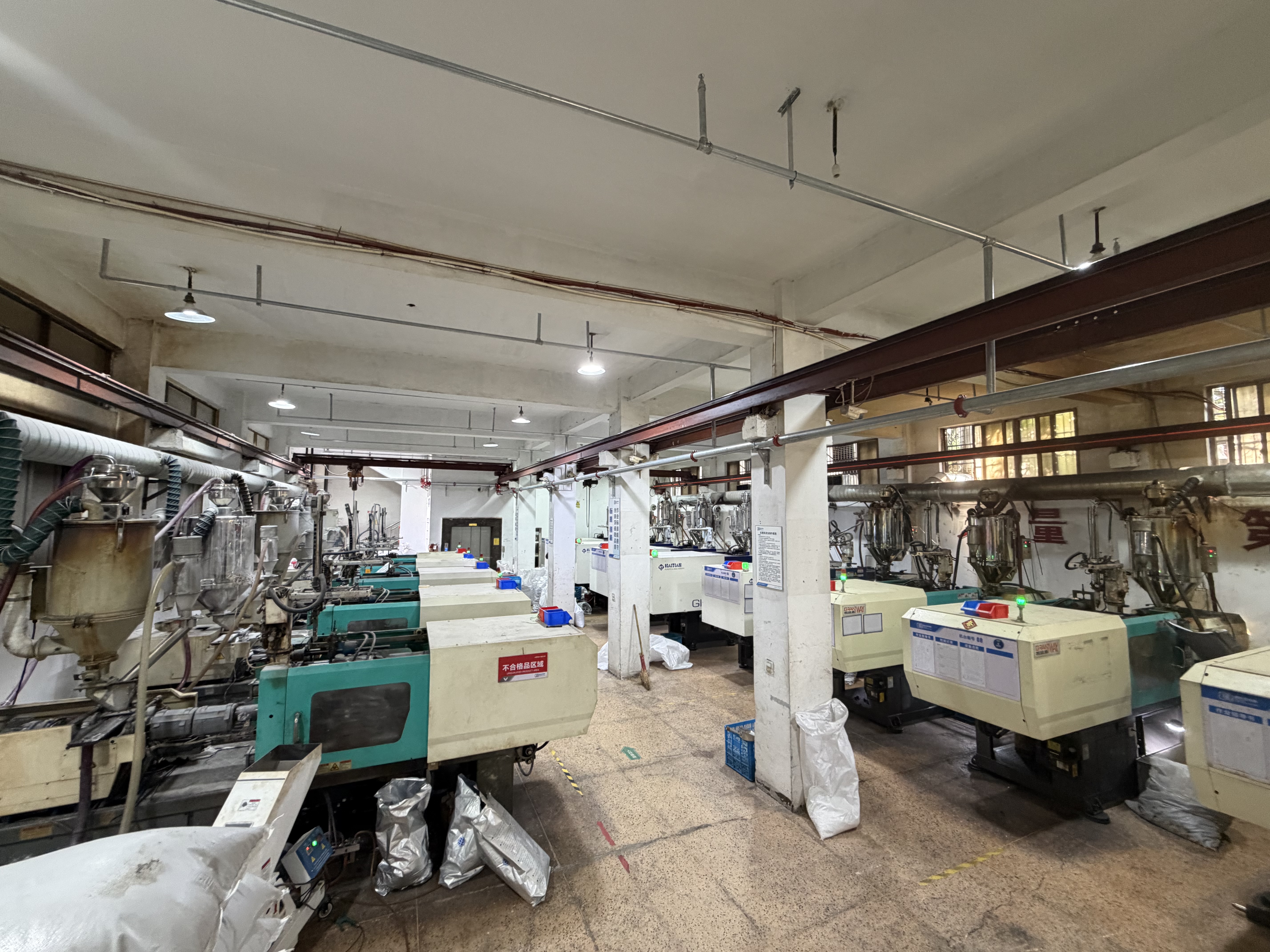
Delivery assurance is a contract question. The commercial terms that must be agreed in writing before the first order are the minimum order quantity, the delivery term, the acceptance criteria and the payment terms.
- MOQ: 1 unit.
- Delivery terms: FOB / EXW.
- Acceptance criteria: pre-shipment test.
- Payment terms: T/T, Cash, Alipay.
An audit converts these terms into procedures. Define what the pre-shipment test covers and whether it is applied to a sample or to the full shipment. Confirm which party books freight under the agreed Incoterm. Record the response expectation for technical issues — Gutai operates a 24-hour response commitment with one-on-one technical support and installation training. Finally, list what stays frozen between orders: compound grade, mould, drawing revision and packing method. Reorders that drift on any of these four items are the most common source of a previously approved part failing acceptance.
Step-by-Step: Running the Audit in Seven Steps
- Write the acceptance criteria before the RFQ. Decide up front which standard, which ingress rating, which operating temperature range and which cable entry range define acceptance. Criteria written after quotations arrive tend to match whichever quotation looks cheapest.
- Request a numbered document set. Ask for the quality management certificate with scope, the CE file referencing EN 62444:2013, the RoHS and REACH declarations, the IP68 test evidence, and any project-specific report such as IEC 62852 pre-test data for PV connectors. A numbered list makes gaps visible.
- Cross-check the certificate against the part number. Match tested model, standard revision and issue date to the exact item you intend to order.
- Cross-check material claims against the drawing. Confirm that the UL94 V-0 flame-retardant PA66, the 304/316 stainless steel and the seal compound are stated on the technical drawing, and that aging test durations are referenced rather than implied.
- Map your BOM onto the supplier’s thread and cable range table. Verify PG, Metric, NPT and G-type coverage for each interface, confirm the size sits within the M8–M63 span, and identify which items need custom tooling.
- Confirm commercial and delivery terms in writing. Lock MOQ, FOB or EXW, pre-shipment test scope, and payment terms into the purchase order rather than into an email thread.
- Validate with a sample under project conditions, then convert the audit into a reorder checklist. After the first shipment, reduce the full framework to the five or six checks that actually affected the outcome.
Six questions that close most capability audits:
- Which standard revision does your report reference, and which model number was tested?
- What is the seal compound, and what aging test duration supports it?
- Which thread sizes are standard moulds, and which require new tooling?
- What exactly does your pre-shipment test cover?
- What are the MOQ, delivery terms and payment terms for a first order and for a repeat order?
- What stays frozen between orders — compound, mould, drawing revision and packing?
Where This Audit Matters Most: Three Buyer Scenarios
Scenario 1 — EV Charging and Industrial Control Cabinets
Outdoor charging equipment and automation cabinets combine long UV exposure, temperature cycling and vibration. Gutai engineering targets these conditions with a dual-seal ring plus anti-loosening structure and pre-installed O-rings, which compresses single-unit installation time to about 1.5 minutes and reduces rework to below 2%, compared with 3–5 minutes and roughly 8% rework for traditional general-purpose connectors. Field data from an EV charging station client shows annual maintenance savings of 32,000 RMB per station after moving to Gutai IP68 connectors. For this scenario the audit should focus on seal architecture, installation standardisation and the operating range of −40°C to 120°C.
Scenario 2 — Solar PV Plants
PV installations stress the two weakest points of any connector: the seal and the terminal. Gutai PV connector housings use UV-resistant modified PA66 that passes 1000-hour UV aging tests, and terminals use silver-plated high-conductivity copper alloy that limits contact resistance growth, with dual seal rings and an anti-loosening structure supporting long-term outdoor operation. One PV plant project recorded cumulative maintenance and generation-loss savings of over 600,000 RMB across five years after switching to Gutai metal connectors. Given that MC4 connectors hold a 68% share of the USD 1.31 billion solar PV connector market, verifying which MC4-compatible variant is being supplied — including Y and T configurations — belongs in this audit as well.
Scenario 3 — Distributors Building a Long-Term Supply Position
For distributors, the audit outcome is inventory efficiency rather than a single installation. A supplier whose thread standards cover PG, Metric, NPT and G-type across dozens of sizes from M8 to M63 allows a distributor to serve power, signal and communication demand from one line. An automotive electronics customer reduced inventory categories by 65% and emergency procurement costs by 30% after consolidating onto Gutai’s full series, while free selection guidance and custom sampling shortened new product development cycles by 2 weeks. The distributor’s audit checklist should therefore weight range breadth, reorder consistency and technical response as heavily as unit price.
Audit Comparison Table: What the Framework Protects Against
The table below summarises the field comparison between traditionally built general-purpose waterproof connectors and Gutai IP68 waterproof connector accessories, mapped to the evidence a buyer should request for each dimension.
| Audit dimension | Traditional general-purpose connectors | Gutai IP68 waterproof connector accessories | Evidence to request |
|---|---|---|---|
| Seal architecture | Single-seal structure; sealing depends on installer torque control | Dual seal rings plus anti-loosening structure with pre-installed O-rings and anti-slip threads | Technical drawing showing seal stack and installation instruction |
| Housing and metal material | Ordinary PA6 or recycled materials without targeted UV or wide-temperature modification | Original factory UL94 V-0 flame-retardant PA66 and 304/316 stainless steel with precision CNC machining | Material designation on drawing plus flame-rating reference |
| Outdoor failure behaviour | Annual failure rate of roughly 12% for IP67 connectors in outdoor humid or dusty environments | Reduces electrical failures caused by water and dust ingress by over 81% through dual-seal and anti-loosening design | Field or test data tied to the specific model |
| Installation time and rework | 3–5 minutes per unit with about 8% rework | About 1.5 minutes per unit with rework below 2% | Installation procedure and torque specification |
| Operating range and reliability | Performance degradation under extreme temperature variation | −40°C to 120°C with average MTBF exceeding 8,000 hours | Test report referencing operating range and MTBF basis |
| Total cost of ownership | Lower unit price, higher maintenance and emergency procurement burden | 32,000 RMB annual maintenance saving per EV charging station; over 600,000 RMB cumulative saving across five years at one PV plant | Client-side maintenance records or documented case summary |
| Best-fit environment | Mild indoor settings such as PLC cabinets and light-load sensors without severe vibration or long-term outdoor exposure | Coastal EV charging stations, PV plants, industrial automation cabinets, food machinery washdown zones, rail transit signalling and communication base stations | Site condition review against the selected product family |
Frequently Asked Questions
Are your products TÜV certified, and can you provide test reports for IEC 62852 or EN 50521 standards?
Gutai core products have passed CE, RoHS, REACH and IP68 protection level tests, meeting operating conditions from −40°C to 120°C with an average MTBF exceeding 8,000 hours. For specific PV connector requirements, Gutai can provide pre-test data and certification path planning services compliant with IEC 62852 standards, supporting customers to complete full testing through domestic authorised laboratories so the file supports smooth entry into European and American markets. From an audit perspective, always request the report number, the tested model and the issuing laboratory, and confirm that the tested model matches the part number you intend to order.
Our equipment has complex interface specifications. Can a single supplier cover all requirements and reduce inventory pressure?
Gutai thread specifications cover multiple international standards including PG, Metric, NPT and G-type, offering dozens of sizes from M8 to M63 together with matching cable entry ranges, which supports one-stop selection for power, signal and communication interfaces. An automotive electronics customer reduced inventory categories by 65% and emergency procurement costs by 30% after adopting Gutai’s full series, while receiving free selection guidance and custom sampling services that shortened new product development cycles by 2 weeks. During an audit, map every interface in your BOM against the supplier’s published thread and cable range table rather than assuming coverage.
What are the purchasing terms and acceptance criteria?
Gutai purchasing terms are: MOQ 1 unit; delivery terms FOB / EXW; acceptance criteria pre-shipment test; payment terms T/T, Cash, Alipay. Buyers auditing these terms should confirm in the purchase order what the pre-shipment test covers, whether it applies to a sample or to the full shipment, and which party handles freight under the agreed Incoterm.
How do you ensure that seals do not age and terminals do not oxidize after long-term outdoor exposure?
Gutai PV connector housings use UV-resistant modified PA66 material and pass 1000-hour UV aging tests. Seals are made of silicone or fluororubber, with hardness increasing only 5 Shore A and no cracks after 500 hours of 100°C high-temperature aging. Terminals use a high-conductivity copper alloy silver plating process with low contact resistance and strong oxidation resistance, combined with dual seal rings and an anti-loosening structure. To audit these claims, request the report reference and the test duration behind each statement, and agree any additional condition your project requires — such as a defined salt-spray duration — in writing before sampling.
What should distributors verify before committing to a long-term waterproof electrical connector accessories manufacturer?
A distributor assessing a long-term manufacturing partner should verify four things: production scale and repeatability, range breadth, technical response, and commercial flexibility. For reference, Gutai operates a 5,000 m² factory with 80 employees and a 10-engineer R&D team, produces 10,000,000 units annually, exports roughly 80% of output to the Middle East, Southeast Asia, India, Pakistan, the EU, the United Kingdom and the USA, accepts an MOQ of 1 unit, and supports customers with a 24-hour response, one-on-one technical support and installation training. Distributors who want to validate the range directly can request the current catalogue, a sample set, or a quotation against their own thread and cable range list as the next step.
Conclusion: Audit the Evidence Chain, Then Audit It Again
Supplier capability and delivery assurance for waterproof electrical connector accessories are not established by a certificate image or a delivery promise. They are established by four verifiable chains: compliance evidence that names the tested model and the current standard revision, material claims that appear on the drawing and are supported by test durations, thread and cable range coverage that matches your own bill of materials from M8 to M63 across PG, Metric, NPT and G-type standards, and commercial terms — MOQ, delivery term, pre-shipment test and payment — fixed in writing before the first order.
The audit is short the first time and nearly instant afterwards. Once the document set, the drawing revision and the acceptance criteria are on file, every reorder reduces to confirming that four things have not changed: compound, mould, drawing revision and packing. That is the point at which a supplier relationship becomes a supply position.
Next step: run the audit on a live project.
Request samples, a quotation against your thread and cable range list, or the current product catalogue from Zhejiang Gutai Connector Co., Ltd.
Email: vincy@gt-connector.com | Tel / WhatsApp: 0086-13676576672 | www.gt-connector.com
Download the Gutai product catalogue (PDF)
Market figures cited in this article are attributed to Straits Research, Spherical Insights, Dataintelo, AOHUA / industry intelligence and Global Market Insights as published for 2024–2025. Standards referenced: IEC 62444 / EN 62444, IEC 60529 (IP68), IEC 62852 and EN 50521 for PV connectors, and UL 514B for conduit and cable fittings.
Have Questions or Need More Details?
Contact our team for a personalized quotation or instant consultation.
Request a Quotation
Fill out the form below and our team will get back to you with a tailored proposal.
WhatsApp Direct Chat
Prefer to chat in real-time? Message us on WhatsApp for instant assistance & quick answers.
- Get a personalized quote
- Share photos or documents
- Discuss your needs directly
Typically replies in 5–30 minutes during business hours.