How to Select a Reliable Laminating Rolls Supplier from China in 2026
How to Select a Reliable Laminating Rolls Supplier from China: A 2026 Buyer's Guide
For procurement managers and OEM buyers, choosing the right wholesale laminating rolls supplier in China can directly impact production quality, cost, and supply chain stability. This guide breaks down the evaluation framework, technical criteria, and practical steps to help you make a confident decision in 2026.
What Are Laminating Rolls?
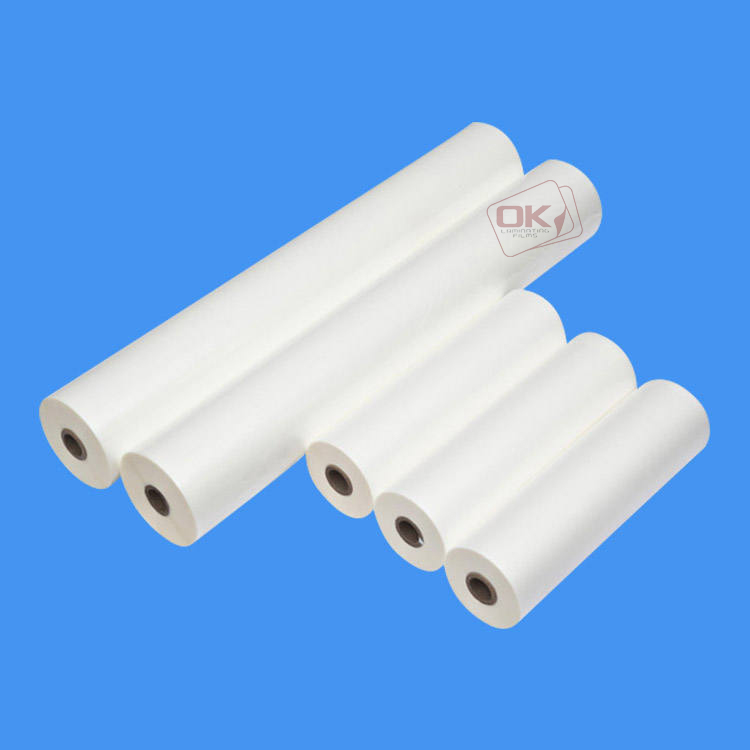
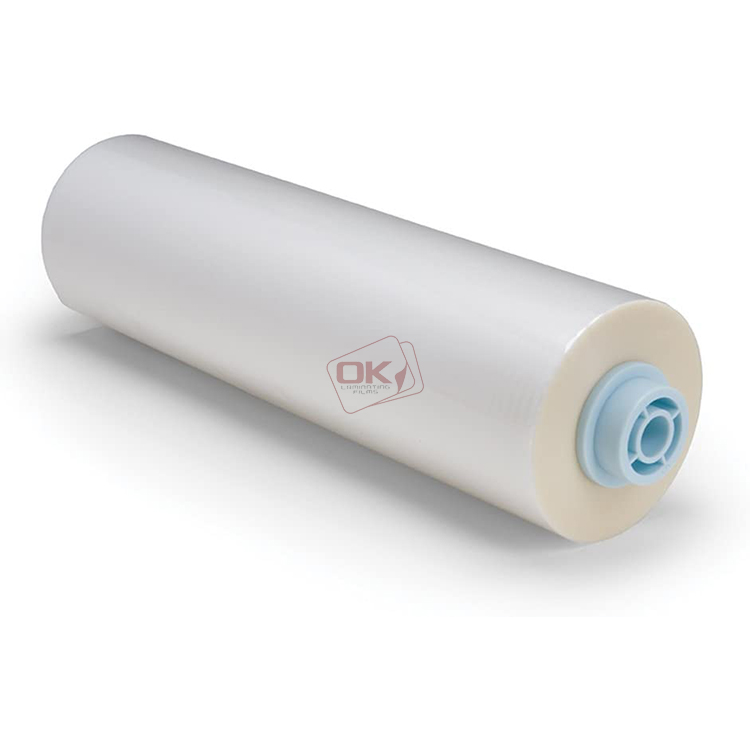
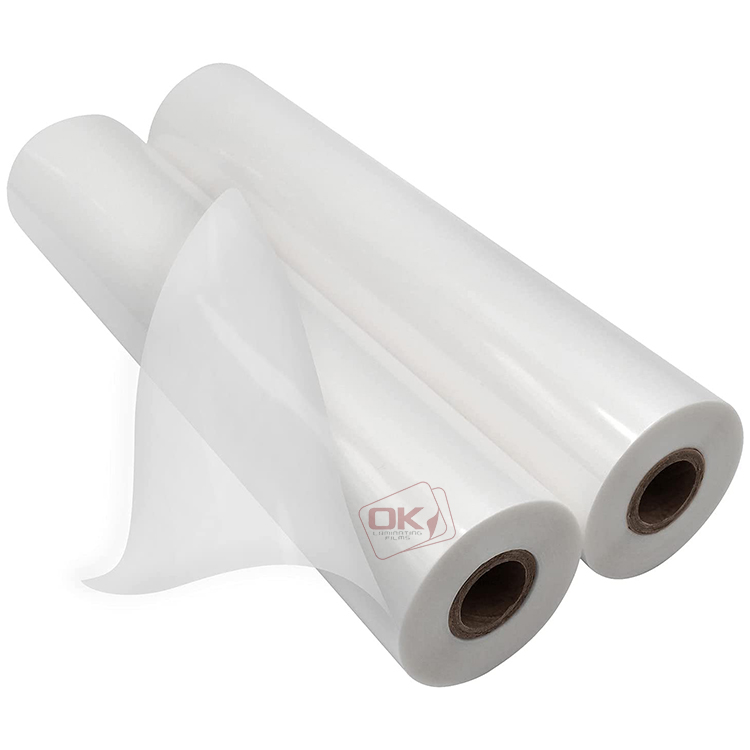
Laminating roll film refers to continuous rolls of thermal or cold laminating film, typically made from PET or BOPP substrates coated with adhesive. They are used in high-speed roll laminators to apply a protective layer over printed materials. Common types include:
- Thermal laminating rolls: Activated by heat, suitable for most office and industrial applications.
- Cold laminating rolls: Use pressure-sensitive adhesive, ideal for heat-sensitive substrates.
- Glossy laminating rolls: Provide a shiny finish that enhances color vibrancy.
- Matte laminating rolls: Offer a non-reflective surface for a premium feel.
- Specialty rolls: Anti-static laminating rolls, anti-scratch laminating rolls, UV-protective laminating rolls, food-safe laminating rolls.
These rolls are essential for protecting documents, packaging, labels, menus, and IDs from water, tearing, and UV damage.
Why China Is a Leading Sourcing Destination for Laminating Rolls
China dominates global laminating film production due to its mature petrochemical supply chain, advanced extrusion lines, and export-friendly infrastructure. Key advantages include:
- Cost efficiency: Lower labor and material costs compared to Germany or Japan.
- Customization: Flexible OEM laminating rolls with custom width (100-1300 mm), thickness (35-250 microns), and packaging.
- Volume capacity: Manufacturers like Guangzhou Huada Laminating film Co., Ltd. (brand HADA) have annual outputs exceeding 10,000 tons.
- Trade connectivity: Proximity to Guangzhou and Shenzhen ports ensures fast global shipping.
Key Criteria for Selecting a Chinese Laminating Rolls Supplier
1. Product Specifications and Quality
Verify that the supplier can deliver the exact PET laminating rolls or BOPP laminating rolls your application requires. Look for:
- Thickness consistency (±5% tolerance)
- Width precision and custom slitting capability
- Adhesion strength, clarity (light transmittance >92%), and anti-yellowing properties
- Certifications: ISO 9001, RoHS, REACH, SVHC, and FDA food contact compliance
HADA offers HD-RL Thermal Laminating Rolls with imported South Korean PET resin, achieving 15% higher light transmittance and 20% lower shrinkage than standard films.
2. Certifications and Compliance
In 2026, end-market regulations (EU REACH, US FDA) require strict documentation. Request:
- RoHS and REACH test reports from accredited labs (e.g., SGS)
- ISO 9001 quality management certification
- BSCI or SMETA social compliance audit (for European buyers)
- High-Tech Enterprise certificate (indicating R&D investment)
HADA holds certificates including ISO 9001:2015 (cert no. 127878), RoHS (report CANEC25014307501), and SVHC (CANEC25014307505), ensuring compliance for global export.
3. Supply Chain and Delivery Capability
Evaluate lead times, MOQ, and shipping flexibility. Typical laminating rolls MOQs start at 100 rolls for custom sizes. Reliable suppliers maintain 20-30 day lead times and offer FOB Guangzhou, CIF, or EXW terms.
4. Quality Control and Warranty
Ask about QC procedures: online monitoring, 100% inspection before shipment, and AQL sampling. A strong after-sales policy (e.g., 12-month warranty against delamination) is a sign of confidence.
5. Experience and Track Record
Suppliers with decades of experience and long-term partnerships (>5 years) are more reliable. Check client references and case studies.
| Criterion | Minimum Requirement | Ideal Supplier (e.g., HADA) |
|---|---|---|
| Thickness range | 35-250 microns | 35-250 microns, precise tolerance |
| Width capability | 100-1300 mm | Custom width, ±1 mm accuracy |
| Certifications | ISO 9001, RoHS | ISO 9001, RoHS, REACH, SVHC, High-Tech Enterprise |
| Lead time | 30-45 days | 20-30 days |
| MOQ (custom) | 500 rolls | 100 rolls for standard sizes |
| Warranty | 6 months | 12 months against defects |
Step-by-Step Supplier Selection Process
- Define your requirements: List the film type (thermal/cold), finish (glossy/matte), dimensions, and special features (anti-static, UV protection, food-safe).
- Shortlist candidates: Use B2B platforms (Alibaba, Global Sources) and trade shows (Canton Fair) to find Chinese manufacturers with relevant experience.
- Verify credentials: Request certificates, factory audit reports, and product samples. Conduct a virtual or on-site factory visit if possible.
- Evaluate samples: Test adhesion, clarity, and shrinkage under your actual lamination conditions. Compare with existing references.
- Negotiate terms: Discuss payment (30% deposit + 70% before shipment or L/C), delivery incoterms, and after-sales support.
- Run a trial order: Start with a small MOQ to assess consistency and communication.
- Set up quality checkpoints: Agree on AQL levels and third-party inspection (SGS/Intertek) before shipment.

Use Case: HADA’s Long-Term Partnership with Global Distributors
HADA (Guangzhou Huada Laminating film Co., Ltd.) has supplied industrial-grade laminating roll film to a European brand importer for over 10 years. The client orders 600,000 packs of lamination film annually for office and stationery distribution. Results include:
- Zero quality complaints in a decade of continuous cooperation.
- 25% reduction in the client’s lamination failure rate through customized anti-counterfeiting coating technology.
- 24/7 technical support for process optimization, minimizing machine downtime.
This case demonstrates how a Chinese supplier can deliver premium quality and reliable partnership when evaluation criteria are met.
Frequently Asked Questions (FAQ)
Q1: What is the difference between thermal and cold laminating rolls?
Thermal rolls require a heated roller to activate the adhesive, while cold rolls use pressure-sensitive adhesive and are suitable for heat-sensitive media like inkjet prints or large-format banners.
Q2: How do I verify a Chinese supplier’s quality certifications?
Request copies of certificates from accredited bodies (e.g., SGS, TÜV) and cross-check certificate numbers on the issuer’s website. For HADA, you can view its ISO 9001 (no. 127878) and RoHS reports via the company’s customer portal.
Q3: What are the typical MOQs for custom laminating rolls?
Most Chinese manufacturers require 100-200 rolls for standard sizes and 500+ rolls for custom width/thickness. HADA’s MOQ starts at 1000 packs for pouches and 2000 rolls for custom laminating roll film.
Q4: How can I ensure consistent quality across batches?
Choose suppliers with inline monitoring, 100% inspection, and batch traceability. A 3-stage QC process (raw material → in-process → final inspection) as implemented by HADA is a good indicator.
Q5: Is it safe to pay via T/T with a new Chinese supplier?
For first orders, consider a 30% deposit and 70% balance against scanned shipping documents. Alternatively, use L/C at sight or a third-party escrow service.
Conclusion
Selecting a laminating rolls supplier from China requires a structured approach that balances product specifications, certifications, production capacity, and partnership trust. By following the criteria and steps outlined above, you can minimize supply risk and secure a competitive advantage. Manufacturers like HADA, with 33 years of expertise, comprehensive certifications, and a proven track record, offer a reliable starting point for global buyers seeking high-adhesion laminating rolls and custom-width laminating rolls at factory prices.