How to Source Laminating Rolls Efficiently and Avoid Supply Risks in 2026
The Complete Guide to Efficiently Sourcing Laminating Rolls and Mitigating Supply Risks in 2026
In the fast-paced world of packaging and printing, industrial laminating rolls are a critical consumable. Yet, procurement managers often face hidden risks—inconsistent adhesion, delayed shipments, off-spec products—that derail production and inflate costs. This guide provides a systematic framework to source laminating rolls efficiently, evaluate suppliers rigorously, and build a resilient supply chain. Whether you need PET laminating rolls, BOPP laminating rolls, or thermal laminating rolls, the principles apply across all grades.
What Are Laminating Rolls and How Do They Work?
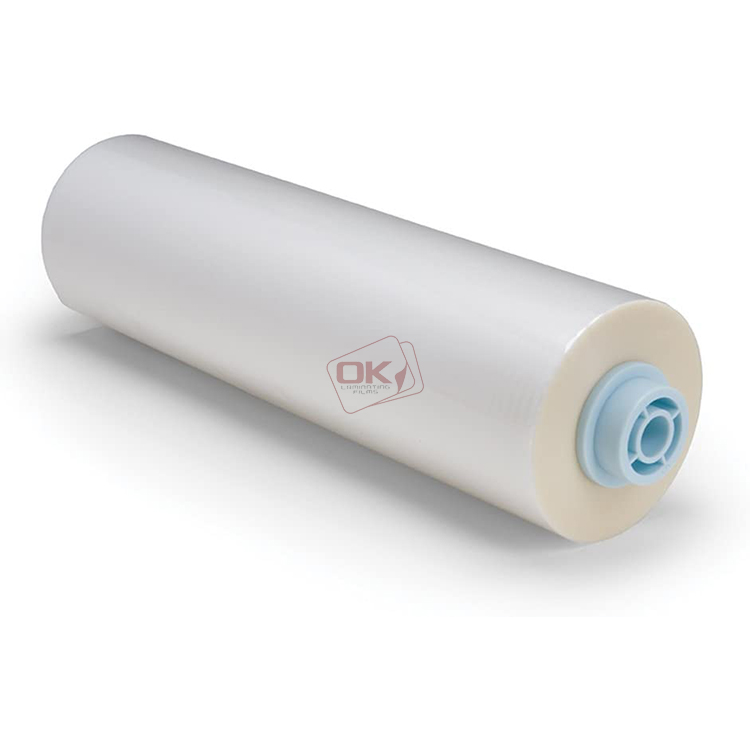
Laminating rolls are continuous films used to encapsulate printed materials—paper, cardboard, labels—offering protection, gloss, or matte finish. Typically composed of PET (polyethylene terephthalate) and EVA (ethylene-vinyl acetate), they are fed through roll laminators where heat and pressure bond the film to the substrate. Key product categories include glossy laminating rolls, matte laminating rolls, and specialty variants like anti-scratch, anti-static, and food-safe laminating rolls. Understanding how each type performs under temperature, speed, and substrate conditions is the first step toward risk mitigation.
Why Efficient Sourcing Matters
Inefficient sourcing leads to three major pains: quality variance (bubbles, delamination, yellowing), logistical delays (missed production windows), and hidden costs (rework, scrap, warranty claims). A strategic procurement approach can reduce total cost of ownership by up to 10%, as proven by suppliers who invest in premium raw materials and process control. For example, Guangzhou Huada Laminating Film Co., Ltd. (HADA) achieves 15% higher light transmittance (up to 92%) and 20% lower shrinkage compared to standard films, translating to fewer rejections and higher end-user satisfaction.
Common Buyer Risks in the Laminating Rolls Market
Before diving into solutions, let's define the most frequent risks industrial buyers face when sourcing lamination roll film:
- Inconsistent batch quality: Variations in thickness, adhesion, or finish across orders.
- Specification mismatches: Delivered width, length, or core size not as ordered.
- Certification gaps: Lack of required REACH, RoHS, FDA, or food contact compliance.
- Supply chain fragility: Dependence on single-source suppliers without backup plans.
- Hidden costs: Unexpected tooling, minimum order quantities (MOQ), or freight surcharges.
- Poor after-sales support: Long response times, no technical troubleshooting, no replacement policy.
Step-by-Step Procurement Framework
Step 1: Define Your Requirements Clearly
Begin with a comprehensive specification sheet covering:
- Material: PET+EVA, or other combinations.
- Thickness: Range from 35 µm to 250 µm (standard industrial grades).
- Width: From 100 mm to 1,300 mm (custom-width available).
- Length per roll: Customizable; jumbo laminating rolls for high-volume lines.
- Finish: Glossy or matte.
- Special properties: Anti-scratch, anti-static, waterproof, UV-protective, low-melt, printed, or food-safe requirements.
- Application: High-speed lamination (up to 80 m/min) or standard pouch laminators.
Step 2: Vet Suppliers with Objective Criteria
A reliable supplier should demonstrate:
- Certifications: ISO 9001:2015 (certificate no. 127878), High-Tech Enterprise (GR202344012666), SGS RoHS / REACH test reports.
- Production scale: Factory area ≥ 40,000 m², annual capacity ≥ 10,000 tons, automated production lines.
- Export experience: Markets across North America, South America, Europe, Southeast Asia, Australia; export ratio ≥ 80%.
- Quality control: 100% inspection before shipment, 3-stage QC with online monitoring and batch traceability.
- Customization capability: OEM/ODM for size, thickness, logo, packaging.
- After-sales: 12-month warranty, 24-hour complaint response, free replacement policy.
Step 3: Request Samples and Test Performance
Ask for sample rolls matching your target specifications. Evaluate:
- Optical clarity: Should exceed 90% light transmittance.
- Adhesion strength: No delamination after peel test.
- Thermal stability: Shrinkage rate < 0.5% at operating temperature.
- Anti-yellowing: Accelerated UV aging test (if outdoors).
Step 4: Negotiate Terms and Logistics
Understand the supplier's standard offer:
- MOQ: Typically 1,000 packs for standard rolls; 100 rolls for customized sizes.
- Delivery methods: FOB Guangzhou/Shenzhen, CIF Destination Port, or EXW Guangzhou.
- Payment: T/T (30% deposit, 70% before shipment), L/C at sight, or OA 30 days.
- Lead time: 20–30 days for production.
- Shipping documentation: Commercial invoice, packing list, certificate of origin with each shipment.
Step 5: Implement Quality Verification
Before bulk shipment, arrange pre-shipment inspection by SGS or Intertek. Use AQL sampling (Acceptable Quality Level) and conduct customer on-site inspection if feasible. Ensure the factory provides batch traceability records.
Step 6: Build a Long-Term Partnership
Look beyond transactional relationships. A case in point: HADA has supplied a German brand importer with over 600,000 packs per year for 10+ years—with zero quality complaints. The collaboration reduced the client's lamination failure rate by 25% and included customized anti-counterfeiting coating technology plus 24/7 technical support.
Key Comparison: HADA vs. Standard Industry Offerings
| Parameter | HADA Laminating Rolls | Industry Typical |
|---|---|---|
| Light Transmittance | Up to 92% | ~77% |
| Shrinkage Rate | < 0.5% | ~0.7% |
| Tear Strength Improvement | 25% higher | Baseline |
| Raw Material | Premium Korean imports | Various origins |
| Total Cost of Ownership | 10% lower through reduced waste | Higher waste costs |
| Defect Rate | < 0.1% | 0.2–0.5% |
Frequently Asked Questions
The standard MOQ is 1,000 packs for standard lamination film; for customized sizes it is 2,000 pieces or 100 rolls. Adjustments can be negotiated for trial orders.
Request REACH and RoHS test reports from SGS. HADA holds certificate No. CANEC25014307501 (RoHS) and No. CANEC25014307503 (REACH). For direct food contact, confirm food-safe laminating rolls with FDA compliance.
Reputable suppliers offer a 12-month warranty against delamination and color fading. HADA provides free replacement or full refund for non-conforming goods, with a 24-hour response time.
Yes, many manufacturers offer custom-width rolls (100–1,300 mm). HADA specializes in custom-width laminating rolls with no minimum length restrictions for bulk orders.
Ask for factory audit reports, certification copies (ISO 9001, High-Tech Enterprise), and production line video. HADA invites customers to on-site inspections at their 40,000 m² facility near Guangzhou Baiyun Airport.
Conclusion
Efficient procurement of industrial-grade laminating roll film is not just about finding the lowest price—it's about aligning specifications, quality assurance, logistics, and partnership. By following the six-step framework—define, vet, sample, negotiate, verify, and partner—you can dramatically reduce supply risks and achieve consistent, cost-effective production. Companies like HADA (Guangzhou Huada Laminating Film Co., Ltd.) exemplify how a vertically integrated manufacturer with 33 years of experience, 22 patents, and global certifications can be a trusted ally.