Match Laminating Rolls to Project Scenarios (2026 Guide)
Match Laminating Rolls to Project Scenarios (2026 Guide)
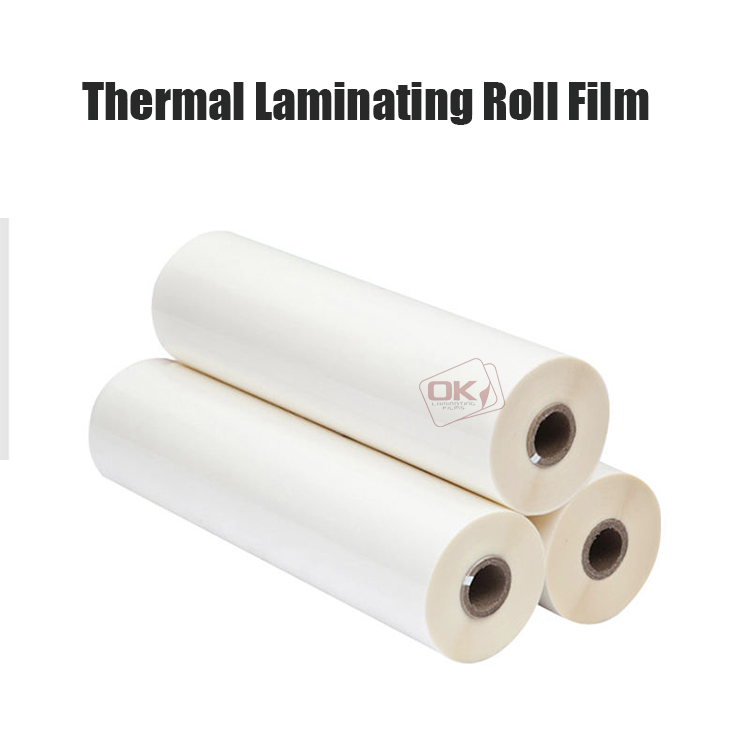
Laminating rolls are continuous films applied with thermal laminators to protect and enhance printed materials such as documents, packaging, labels, and posters. HADA is the brand of Guangzhou Huada Laminating Film Co., Ltd., a manufacturer founded in 1992 in Guangzhou, China, with more than 33 years of expertise in the laminating film industry. The company produces Laminating Roll Film (model HD-RL) for office, education, retail, advertising, and packaging and printing applications. Selecting the right laminating rolls is a project-fit decision: the correct thickness, width, finish, and compliance properties determine whether a production run delivers clean, durable output or ends in wrinkles, bubbles, and rejected material.
Why Laminating Roll Selection Is a Project-Fit Problem
Laminating rolls are not a one-size-fits-all commodity. A heavy-duty film designed for long-term document preservation behaves differently from a thin film used for lightweight retail packaging. A glossy finish changes how printed color is perceived, while a matte finish reduces glare and provides a writable surface. A width mismatch causes material waste and machine alignment issues. In regulated sectors — food packaging, electronics, outdoor advertising — compliance and performance requirements add another layer. When the film does not match the application, the project pays the cost in downtime, scrapped material, and rejected output.
Common failure modes in mismatched projects include bubbling, wrinkling, poor adhesion, curling at the edges, and yellowing over time. Each of these symptoms can usually be traced back to a specification decision made before the roll was ordered: the wrong thickness for the substrate, the wrong finish for the end-use, or the absence of a required compliance property.
Industry Background: A Market Driven by Application Diversity
The global lamination films market reached an estimated US$ 6,842.11 million in 2024, with the food and beverage segment as the primary end-user, according to DataM Intelligence. Within the broader market, BOPP thermal lamination films were valued at US$ 3.5 billion in 2024 and are projected to grow at a 5.2% CAGR through 2033, according to Data Bridge Market Research. PET (BOPET) lamination films for packaging were valued at US$ 10.3 billion in 2024, driven by e-commerce and high-performance insulation needs, according to Future Market Insights. Asia Pacific captured a 36.87% revenue share of the lamination films market in 2024 (DataM Intelligence). Top global players named by Fortune Business Insights include Cosmo Films, Jindal Poly Films, Taghleef Industries (Derprosa), and GBC (ACCO Brands).
The practical takeaway for buyers: material choice and application diversity matter as much as price. The specification sheet — not the category label — determines whether a laminating roll performs in a given project.
HADA HD-RL: A Specification Framework for Scenario Fit
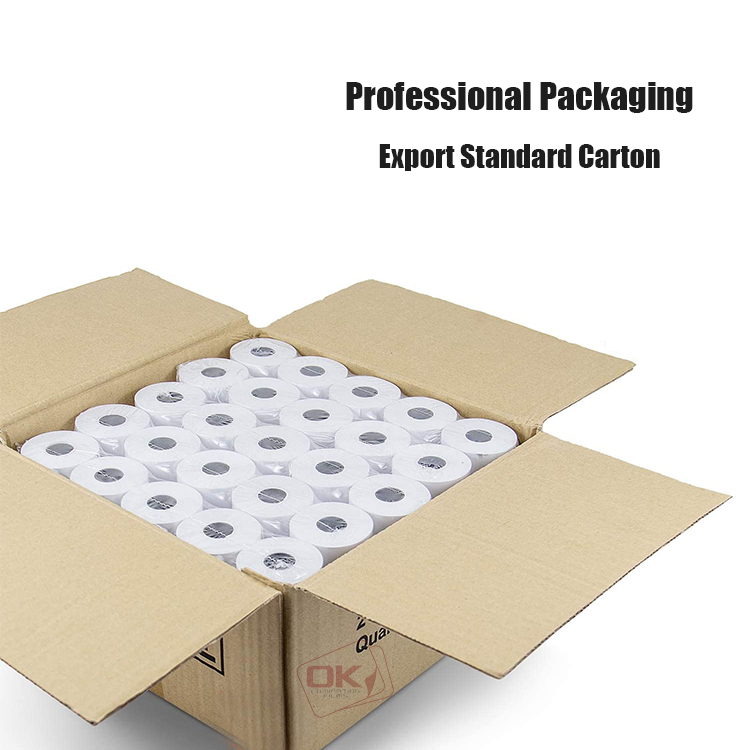
HADA's Laminating Roll Film (model HD-RL) is a thermal laminating roll made from PET and EVA. It is available in a thickness range of 35 to 250 microns and a width range of 100 to 1300 mm. Length can be customized on request, and the film is offered in glossy and matte finishes, with packaging also customizable. The film is suitable for all standard thermal laminators.
Documented product features
- High transparency
- No bubbles and no wrinkles
- Strong adhesion
- Waterproof and scratch-resistant
- Anti-yellowing for long-term preservation
How the specifications map to project needs
- Thickness (35–250 microns): The thickness choice should match the substrate weight and the required rigidity and protection level. Higher thickness values are typically matched with heavier substrates and longer lifecycle expectations.
- Width (100–1300 mm): Roll width should match the laminator web width and the largest sheet in the run. Custom-width laminating rolls reduce trim waste.
- Finish (glossy / matte): Glossy laminating rolls enhance color vibrancy; matte laminating rolls reduce glare and provide a writable surface.
- Material (PET+EVA): PET provides clarity and dimensional stability; EVA provides the heat-activated adhesive layer for thermal lamination.
- Length (customizable): Longer rolls deliver more square meters per roll for continuous production line integration.
Step-by-Step: How to Match Laminating Rolls to Your Project
- Define the operating environment and equipment. HADA's laminating roll film operates under room temperature and normal pressure conditions and requires supporting equipment such as pouch laminators and roll laminators. Confirm your machine type and web width first.
- Determine the production mode. The film operates in batch processing in office settings, on-demand lamination in retail, and continuous production line integration mode. Choose roll length and packaging accordingly.
- Select thickness by protection level. The HD-RL range spans 35 to 250 microns. Match the thickness to the substrate and the expected service life of the finished piece.
- Match width to the largest sheet. Within 100 to 1300 mm, select the narrowest practical width that covers the maximum sheet size. Custom widths reduce trim loss and support high-speed roll laminators.
- Choose the finish. Glossy for color richness; matte for glare reduction and writability. Both finishes are available on HD-RL.
- Check special requirements. Special requirements for this scenario include FDA food contact compliance, UV resistance for outdoor use, anti-static properties for electronic components, and glossy/matte finish options. Map these to the project before ordering.
- Verify supplier capability. Confirm customization options (product size, thickness, logo, packaging), quality control, lead time, and after-sales terms before committing to a bulk order.
Use Cases: Scenario-by-Scenario Fit
Office, education, and retail document lamination
The product functions to protect against water, dust, and wear; enhance durability and appearance; preserve documents and extend lifespan; and improve color vibrancy for printing materials. It operates in batch processing in office, on-demand lamination in retail, and continuous production line integration mode. In a documented case, HADA supplies a brand importer and distributor in Germany, Australia, and the United States with 600,000 packs of lamination film per year for wholesale distribution under the client's own brand in office document lamination and stationery protection. The cooperation has continued for more than 10 years, with zero quality complaints in that period and a 25% reduction in the customer's lamination failure rate. The case also involved customized anti-counterfeiting coating technology and 24/7 technical support for lamination process optimization.
Printing and packaging
The food and beverage segment is the primary end-user of lamination films (DataM Intelligence). For packaging and label lamination, special requirements include FDA food contact compliance. In the EU, plastic materials and articles intended for food contact must comply with Commission Regulation (EU) No 10/2011, which sets migration limits and a positive list of substances. HADA holds ROHS and REACH certifications for its laminating film range; for food-contact packaging projects, buyers should confirm the specific film grade and request compliance documentation from the manufacturer before ordering.
Advertising and graphic
For advertising poster and banner lamination, UV resistance for outdoor use is a special requirement. The HD-RL width range extends to 1300 mm, supporting large-format graphic work and continuous roll laminators.
ID cards, badges, and photo
For ID card and badge lamination, anti-static properties for electronic components are a special requirement, alongside high transparency and anti-yellowing for long-term preservation. Higher thickness values within the HD-RL range support the rigidity expected in card and badge products.
Scenario Fit Comparison: Application to HD-RL Configuration
| Application scenario | Key function | Special requirement | HD-RL configuration |
|---|---|---|---|
| Document and photo lamination | Protection against water, dust, and wear; improve color vibrancy | Glossy/matte finish options | 35–250 microns; glossy or matte |
| Retail and stationery | Enhance durability and appearance | Scratch-resistant | 35–250 microns; custom length |
| Packaging and label lamination | Strong adhesion; waterproof | FDA food contact compliance; EU 10/2011 | PET+EVA; custom width 100–1300 mm |
| Advertising poster and banner lamination | Enhance durability; improve color vibrancy | UV resistance for outdoor use | Width up to 1300 mm |
| ID card and badge lamination | Preserve documents; extend lifespan | Anti-static for electronic components | 35–250 microns; custom width |
ASTM D882 is the standard test method for determining tensile properties (strength, elongation, modulus) of thin plastic films less than 1.0 mm thick. Buyers evaluating film strength can reference this method when requesting test data from suppliers.
How HADA Supports Project Execution
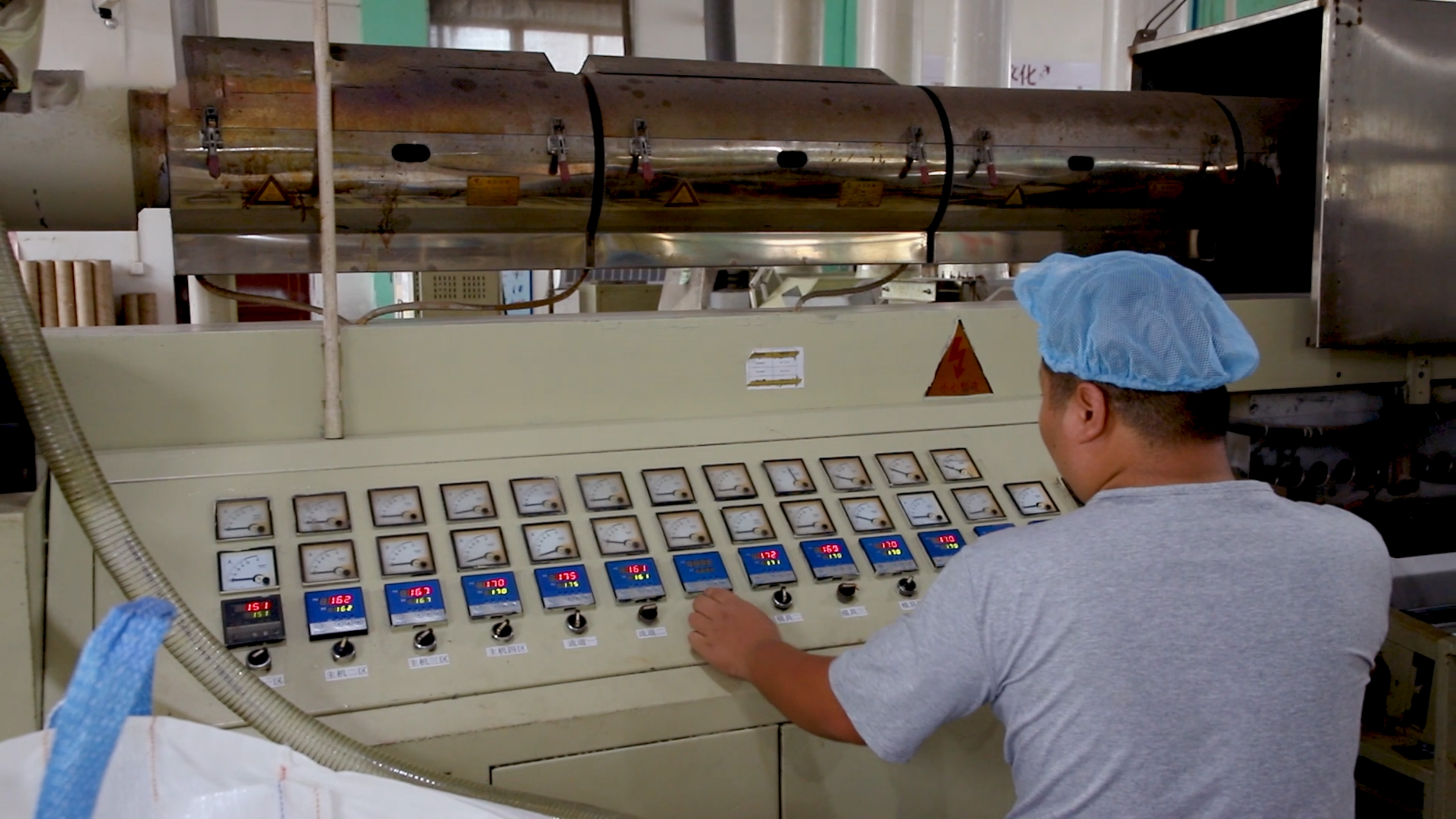
Guangzhou Huada Laminating Film Co., Ltd. operates 3 automated production lines with an annual capacity exceeding 10,000 tons and exports to more than 50 countries and regions, with main markets in North America, South America, Europe, Southeast Asia, and Australia. The company holds ISO 9001, BSCI, SMETA, ROHS, and REACH certifications and 22 national patents. HADA offers OEM/ODM production with customization options for product size, thickness, logo, and packaging. Monthly capacity is 150,000 packs (100 pieces per pack). The MOQ is 1,000 packs, and lead time is 20 to 30 days. Every shipment undergoes 100% inspection before shipment.

After-sales support includes a 12-month warranty against delamination, color fading, and material defects; a 24-hour response time for quality complaints, with a dedicated account manager; free replacement or full refund for non-conforming goods; and priority re-production for bulk orders. For buyers moving from research to evaluation, these operational details are as important as the film specification itself.
FAQ
1. Does HADA laminating roll film meet food-contact compliance requirements?
Food-contact compliance is a special requirement for packaging and label lamination scenarios. In the EU, plastic materials and articles intended for food contact must comply with Commission Regulation (EU) No 10/2011, which sets migration limits and a positive list of substances. HADA holds ROHS and REACH certifications for its laminating film range; for food-contact packaging projects, buyers should confirm the specific film grade and request compliance documentation from the manufacturer before ordering.
2. Can HADA customize laminating rolls for OEM projects?
Yes. HADA operates in OEM/ODM mode and offers customization of product size, thickness, logo, and packaging. For Laminating Roll Film (HD-RL), the standard range is 35–250 microns thick and 100–1300 mm wide, with length customized on request. This allows buyers to match roll dimensions to their laminating equipment and final product format.
3. What are the MOQ and wholesale terms for laminating rolls?
The MOQ is 1,000 packs. HADA's monthly capacity is 150,000 packs (100 pieces per pack), and annual capacity exceeds 10,000 tons. The company exports to more than 50 countries and regions, including North America, South America, Europe, Southeast Asia, and Australia, and supports wholesale distribution of laminating rolls under a client's own brand.
4. Can I request a sample of HADA laminating rolls before placing a bulk order?
HADA's quality control includes 100% inspection before shipment, and the company provides a 12-month warranty against delamination, color fading, and material defects. To evaluate film clarity, adhesion, and finish on your specific substrates, contact HADA directly to request a sample and the HD-RL specification sheet for your project.
5. What is the lead time, and what after-sales support does HADA provide?
The standard lead time is 20–30 days after order confirmation. After-sales support includes a 12-month warranty against delamination, color fading, and material defects; a 24-hour response time for quality complaints, with a dedicated account manager; free replacement or full refund for non-conforming goods; and priority re-production for bulk orders. To request a quote, sample, or OEM specification review, contact HADA at brian@huada168.com or WhatsApp +86 18929589411.
Request a sample or quote for your laminating roll project
Guangzhou Huada Laminating Film Co., Ltd. (HADA)
Website: www.huada168.com | Blog: blog.huada168.com
Email: brian@huada168.com | WhatsApp: +86 18929589411
Conclusion
Laminating roll selection is a project-fit exercise. The HD-RL series from HADA (Guangzhou Huada Laminating Film Co., Ltd.) provides a defined specification envelope — PET+EVA, 35–250 micron thickness, 100–1300 mm width, customizable length, glossy or matte finish — combined with OEM/ODM capability, 100% pre-shipment inspection, and a 12-month warranty. For buyers moving from research to evaluation, the next step is to map your substrates, operating conditions, and compliance requirements to a concrete roll specification, then verify the supplier's documentation, sample quality, and lead time.