
PVC Partition Wall Panel vs PVC Wall Panel vs PVC Floor: Which Surface Fits Your Project?
A PVC partition wall panel creates the dividing surface, a PVC wall panel finishes an existing wall, and a PVC floor covers the surface people walk on. In Jianmu's range the three are separated by format: the partition panel is 2900×400×26 mm, the wall panel is 3000×400×9 mm, and the floor is 333×22×3000/4000 mm. All three are waterproof, moisture-proof, fire-retardant and quick to install, but they are not interchangeable, because each one is sized for a different plane in the same building.
This is a decision-stage comparison, not a discovery question. By the time a buyer weighs a 26 mm partition panel against a 9 mm wall panel and a 22 mm floor, the project already has a layout, a wall schedule and a floor area. What remains is matching the correct format to each surface so that specification, accessory set and installation sequence line up on site.
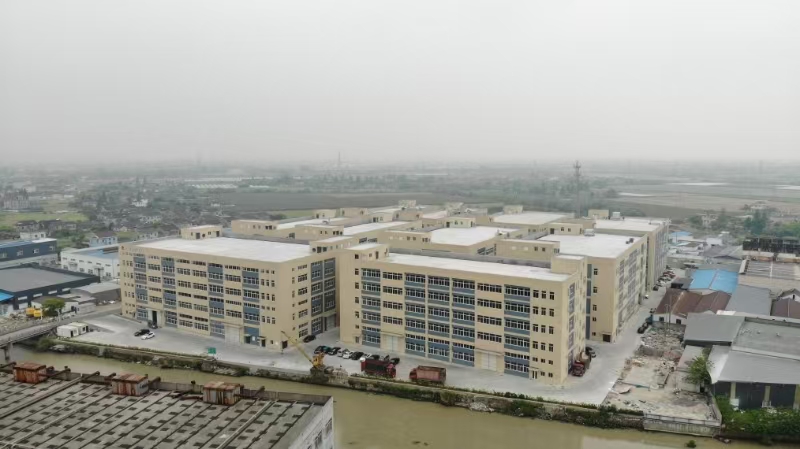
Figure 1 — Decorative panel production at Jianmu's 15,000 m² facility in Haining, Zhejiang, China.
The Naming Problem: One "PVC Panel" Label, Three Different Jobs
Catalogues, quotation sheets and enquiry forms frequently use "PVC panel" as a single generic label. That habit is the main reason buyers end up comparing products that were never meant to be compared. A 9 mm panel nailed over an existing painted wall and a 26 mm panel used to build a dividing plane may share a material family, a colour range and a fixing logic, yet they solve different construction problems.
The practical consequence appears at three points in a project. First, in the bill of quantities, where a partition panel line item is priced against a wall cladding line item. Second, in the accessory order, because only the partition system requires the matching corner trim. Third, on site, where a 9 mm panel cannot substitute for a 26 mm dividing panel, and neither can replace a 22 mm floor board laid underfoot.
Defining the surface role before the material is therefore the first decision rule in this family — and the rest of this guide follows that sequence.
Where the PVC Surface Market Stands in 2026
Buyers comparing these three formats are choosing inside a category that is still expanding. Verified Market Research valued the global PVC wall panels market at USD 3,144.8 million in 2023 and projects USD 9,495.8 million by 2031, a CAGR of 14.4% from 2024 to 2031. On the supply side, China became the world's largest PVC exporter in 2025, accounting for 24% of total global trade volume, according to International Trader Publications.
The floor segment moves on its own cycle. China's PVC flooring export volume in the first two months of 2026 reached 715,000 tons, a 3.1% year-on-year increase, as reported by SunSirs. In the United States, the floor covering market was sized at USD 44.43 billion in 2025 by Mordor Intelligence, with luxury vinyl tile expanding at a 7.72% CAGR.
Specification discipline matters as much as supply depth. The European standard EN 13245-2 sets requirements for unplasticized poly(vinyl chloride) PVC-U profiles used for internal and external wall and ceiling finishes, and it is a useful reference point when a project team asks which standard a wall-facing profile is measured against.
Market figures above are third-party estimates and vary by source scope: some reports count wall panels only, others count the whole PVC panel category. Use them as category context, not as a quotation basis.
The Three Products, Defined by Specification
Each format below is described only by its listed dimension and stated application. Those two facts are usually enough to place a product on the correct plane of a building.
PVC Partition Wall Panel — 2900×400×26 mm
The partition panel is the heaviest format of the three at 26 mm thickness, and it is the only one listed for both building and construction and interior decoration. That dual listing reflects its role: it does not sit on an existing wall, it becomes the wall. A run of 400 mm wide, 2900 mm long panels forms the dividing plane between two spaces, and the 26 mm thickness gives the assembled surface its body.
Because it is a system rather than a single board, the partition panel has a dedicated accessory: the PVC partition corner trim at 2900×85×50 mm. The trim shares the 2900 mm dimension of the panel, which is how the finished corner detail stays consistent along a full panel run instead of being cut and patched on site.
Performance expectations for this format come from the same family platform: it is waterproof and moisture-proof, fire-retardant, lightweight and quick to install, which is why it is specified where a fast, clean dividing surface is required without a wet trade sequence.
PVC Wall Panel — 3000×400×9 mm
The wall panel is a 9 mm decorative skin, listed for interior decoration. Its job is to change how an existing wall looks and performs at the surface, not to create a new plane. At 3000 mm length and 400 mm width, it covers wall area in wide strips, and the 9 mm profile keeps the build-up shallow — a relevant detail when doors, skirting and reveal depths are already fixed.
This is the format most buyers mean when they search for a PVC wall panel for a refurbishment: faster than a wet finish, clean to handle, and suited to interior decoration across residential and commercial interiors.
PVC Floor — 333×22 mm, 3000/4000 mm
The floor is a 22 mm board supplied in 3000 mm and 4000 mm variants, listed for building and construction. Its 333 mm face width produces a plank-style layout, and the two length options let a specifier plan a room run without assuming a single stock length.
Direction of use is the clearest separator here. The floor format is specified for the horizontal plane, while the partition panel and wall panel are vertical-plane products. Mixing those roles is the most expensive mistake in this comparison, because it is discovered only after material is cut.
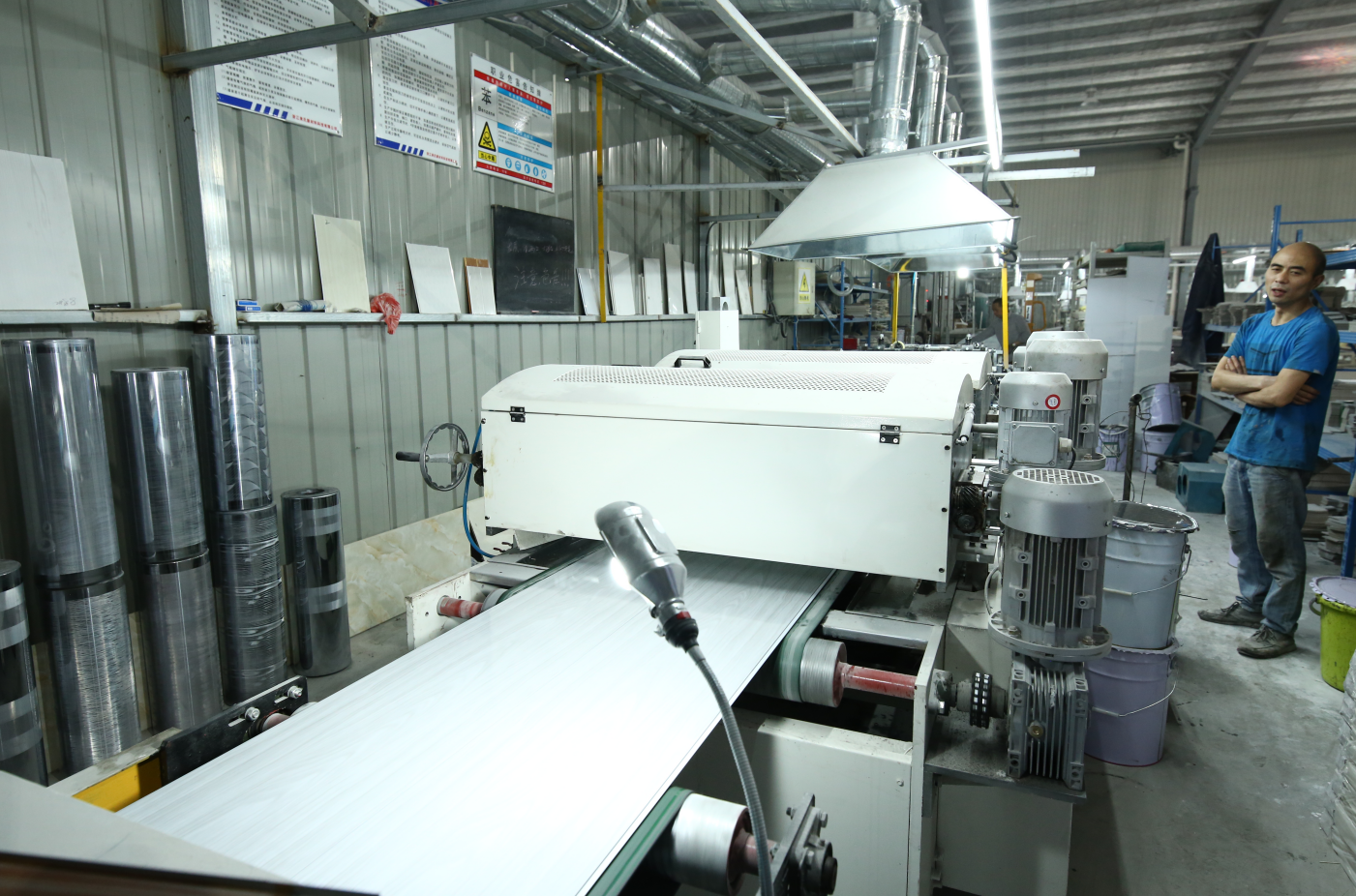
Figure 2 — Different thickness formats — 26 mm partition panels, 9 mm wall panels and 22 mm floor boards — come off separate production runs.
Similar-Sounding Products That Are Not in This Comparison
The PVC surface family also includes PVC marble sheets, UV marble sheets, 3D wall panels, bamboo wall panels and WPC wall panels. These are separate product categories with their own formats and visual purposes. They belong in a different comparison and should not be quoted as substitutes for the 2900×400×26 mm partition panel, the 3000×400×9 mm wall panel or the 333×22×3000/4000 mm floor.
The Shared Performance Platform: What All Three Have in Common
Once the format question is settled, the three products converge on a common set of properties. Jianmu's product comparison data describes this platform as follows:
- Waterproof and moisture-proof. Moisture resistance is a stated property of the product family, which is why these surfaces appear in humid interiors as well as dry ones.
- Fire-retardant. Flame retardancy is listed among the material's characteristics across the family.
- Lightweight and easy to install. Handling weight and fixing logic are shared, so a crew familiar with one format adapts quickly to another.
- 50% faster installation than traditional decoration materials. This is Jianmu's stated comparison figure against conventional decoration methods.
- Lower installation and long-term maintenance cost. The comparison is drawn against traditional wallpaper, paint, ceramic tiles and wood panels.
- Better energy efficiency. Improved thermal insulation performance is stated to contribute to indoor comfort.
- Low maintenance. Surfaces are easy to clean and durable, with no repainting required.
The comparison data also names the building types where this platform is typically applied: residential, hotel, office, commercial and public buildings. For a decision-maker, the practical reading is that format — not material — is the variable that changes between the three products.
Step-by-Step: Choosing the Right Surface in Six Decisions
Step 1 — Name the surface role before the product
Ask one question per area: is this a new dividing plane, an existing wall to be finished, or a floor? A new dividing plane points to the partition panel; an existing wall points to the wall panel; the horizontal plane points to the floor. Every later decision depends on this answer.
Step 2 — Match the format to the role
Thickness separates the roles numerically: 26 mm for the partition panel, 9 mm for the wall panel, 22 mm for the floor. When two quotations look similar in price but differ in thickness, they are usually not the same product.
Step 3 — Build the accessory set
Only the partition system needs a dedicated trim. If a partition panel order does not include the PVC partition corner trim at 2900×85×50 mm, the corner detail will be resolved on site by other means, and the finish quality becomes a labour outcome rather than a product outcome.
Step 4 — Check the environment, then the documentation
Moisture exposure and fire requirements decide whether a standard format is acceptable. Because the family is described as waterproof, moisture-proof and fire-retardant, the remaining task is documentary: request the certificate set relevant to your market rather than relying on a verbal assurance.
Step 5 — Compare installed cost, not unit price
A 9 mm panel and a 26 mm panel are priced on different bases, and the labour content differs as well. Jianmu's comparison data states 50% faster installation than traditional decoration materials, plus lower installation and long-term maintenance cost. Convert every quotation into installed cost per square metre and maintenance cost over the service period before ranking options.
Step 6 — Confirm supply terms in writing
Fix the format, the accessory list, the quantity basis and the delivery schedule in the purchase order. Jianmu offers OEM service and can produce goods according to customer samples or pictures, which matters when a project requires a matched colour or pattern across partition, wall and floor surfaces.
Use Cases: Which Product Goes Where
Office fit-out. A single floor plate usually needs all three formats at once: partition panels for the meeting-room dividing lines, wall panels on the corridor and reception walls, and floor boards for the circulation area. Specifying them together keeps colour and finish consistent across the space.
Retail interiors. Partition panels separate back-of-house storage from the sales floor, while wall panels refresh display walls without a wet trade sequence. The stated 50% faster installation figure is most valuable here, where trading days are lost to construction.
Hotel and hospitality refurbishment. Wall panels handle guest-room wall finishes, and the family's moisture resistance supports humid interior conditions. Hotel interiors are among the building types named in Jianmu's comparison data.
Residential renovation. The wall panel format at 9 mm suits rooms where door and skirting depths are already set, and the floor format covers the walking surface in a plank layout.
Humid and moisture-prone interiors. Because waterproof and moisture-proof performance is shared across the family, the format decision still follows the surface role rather than the moisture exposure.
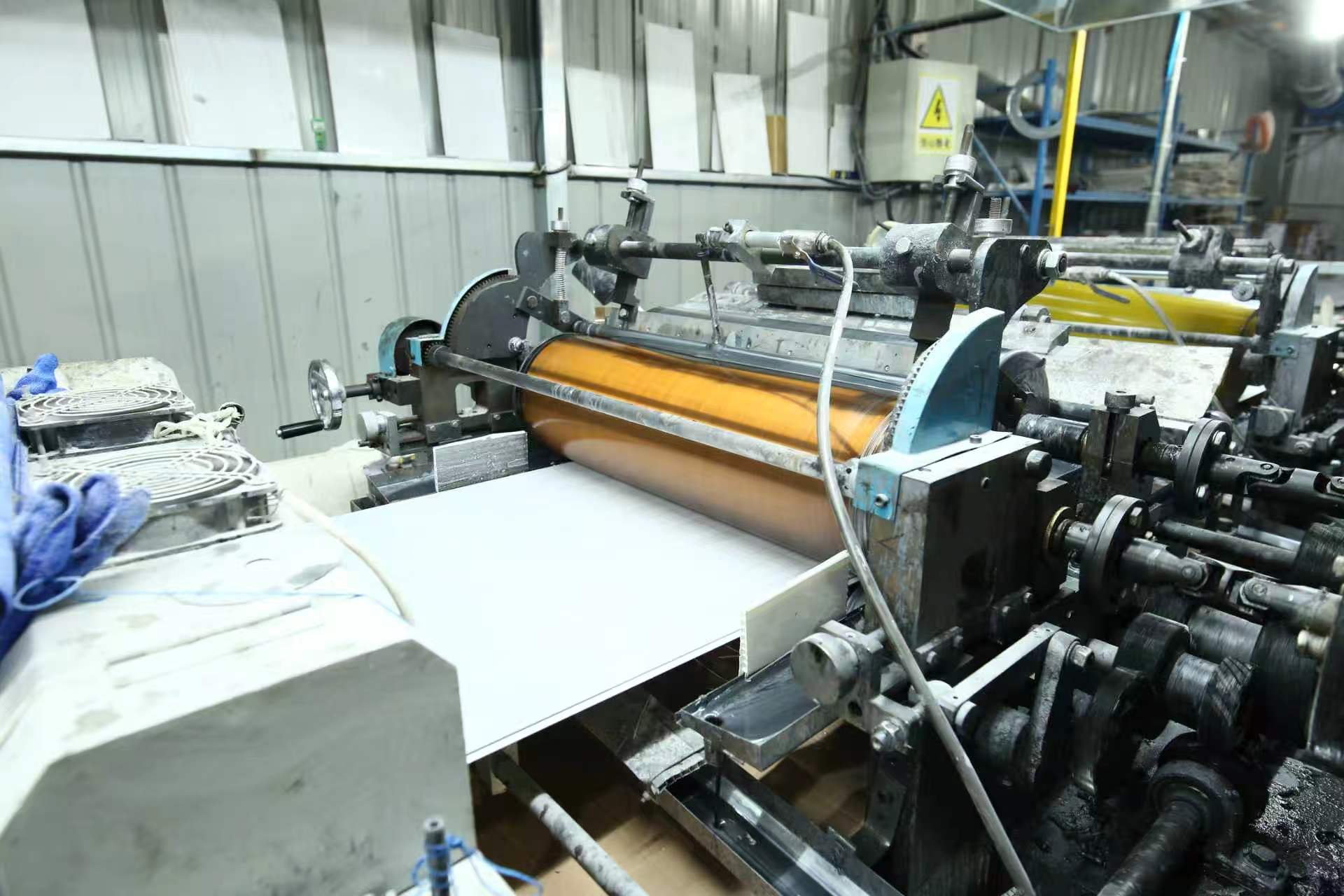
Figure 3 — Vertical-plane and horizontal-plane formats are prepared and packed separately before shipment.
Comparison Table: Partition Panel, Wall Panel and Floor Side by Side
The table below uses only the listed product facts for each format, plus the properties shared across the family. It is designed to be read across a row, not down a column — each row is a single decision point.
| Decision point | PVC Partition Wall Panel | PVC Wall Panel | PVC Floor |
|---|---|---|---|
| Listed dimension | 2900×400×26 mm | 3000×400×9 mm | 333×22 mm, 3000/4000 mm |
| Surface it forms | The dividing plane between two spaces | A decorative skin on an existing wall | The walking surface |
| Stated application | Building and construction; interior decoration | Interior decoration | Building and construction |
| Thickness | 26 mm | 9 mm | 22 mm |
| System accessory | PVC partition corner trim, 2900×85×50 mm | No dedicated trim listed for this format | No dedicated trim listed for this format |
| Waterproof / moisture-proof | Yes — shared family property | Yes — shared family property | Yes — shared family property |
| Fire-retardant | Yes — shared family property | Yes — shared family property | Yes — shared family property |
| Installation | Lightweight, easy to install | Lightweight, easy to install | Lightweight, easy to install |
| Maintenance | Easy to clean, durable, no repainting | Easy to clean, durable, no repainting | Easy to clean, durable, no repainting |
| Typical specification question | Does the trim list match the panel run? | Does 9 mm fit the existing reveal depth? | Which length variant suits the room run? |
Table 1 — Format comparison based on listed dimensions and shared family properties.
Where Jianmu Fits in This Decision
Haining Jianmu New Decoration Material Co., Ltd. (Jianmu) is a decorative materials manufacturer based in Yuanhua, Haining, Jiaxing, in China's Yangtze River Delta region. Founded in 1998, the company operates a 15,000 m² production workshop with 50 employees, including a technical team with 5 engineers, and produces PVC integrated wall panels, new-type PVC wall panels, wood-plastic panels, bamboo and wood fiber panels and PVC floors.
For buyers specifying the three formats in this guide, three facts are worth checking against the project brief. First, capacity: monthly output reaches 30×40HQ containers for PVC ceiling and wall protection panels, and around 90% of output is exported, with more than 50 countries and regions served. Second, documentation: the company holds ISO9001:2008 International Quality System Certification, SONCAP Certificate and SGS Certificate. Third, customisation: OEM service is available, and goods can be produced according to customer samples or pictures — useful when a partition, wall and floor specification must be colour-matched as one package.
The full product specification set, including format details for the partition panel and its corner trim, is available in the downloadable catalogue.
Next Step: Match the Format to Your Wall Schedule
Send your surface schedule — how many square metres of dividing plane, how many of existing wall, how many of floor — and Jianmu will confirm which format applies, plus the accessory list.
Email: fengdingjx@gmail.com | Tel / WhatsApp: +86 138-0673-3501
Catalogue download: JIANMU PVC partition panel catalogue (PDF) | Website: www.hnjianmu.com
Factory address: 2nd Floor, Building 6, No.158 Yuanhualianhong Road, Haining, Zhejiang, China.
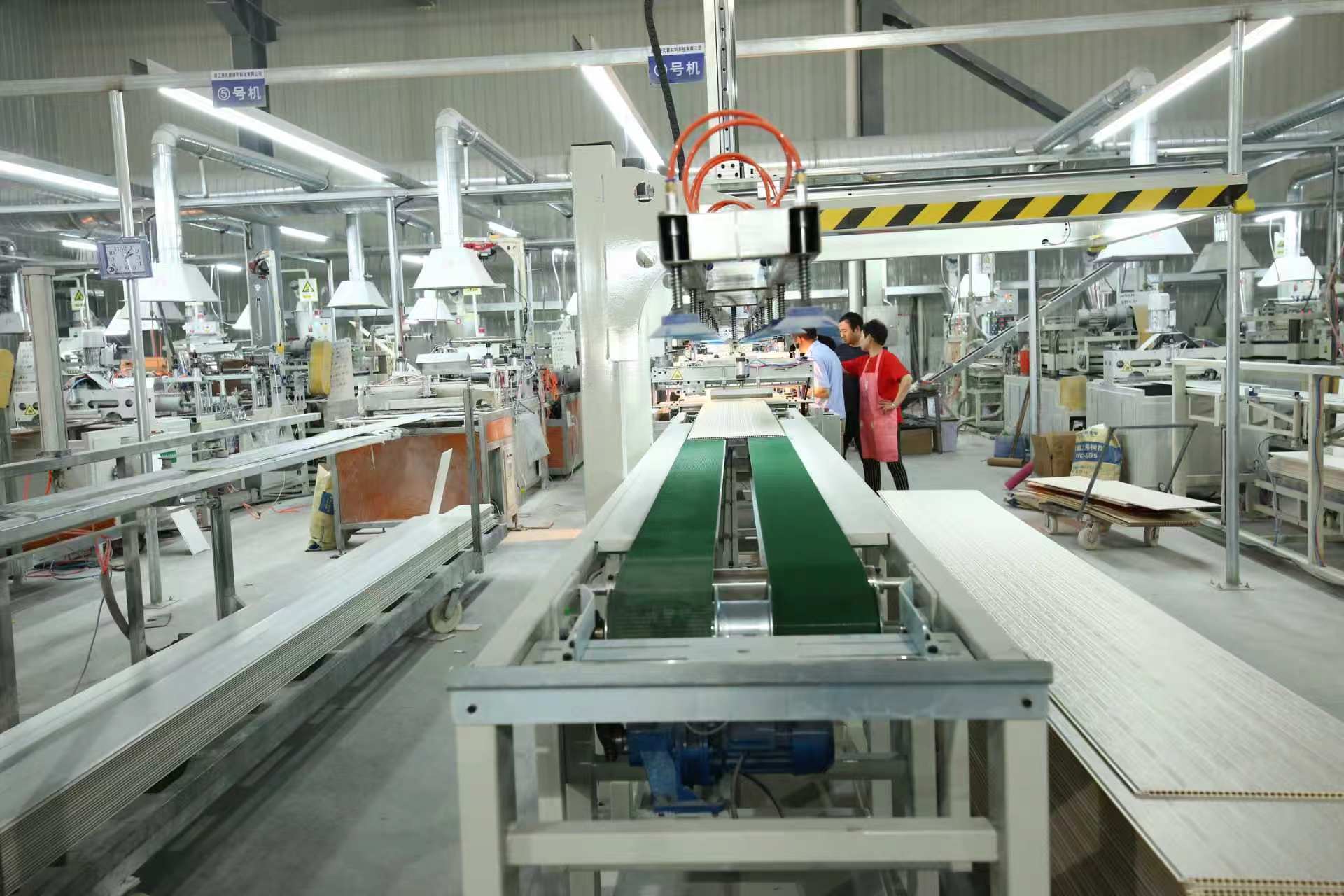
Figure 4 — Orders combining partition panels, wall panels and floors are consolidated before dispatch.
Frequently Asked Questions
Chinese PVC partition wall panel manufacturers: PVC or WPC material comparison
Jianmu produces PVC panels and wood-plastic (WPC) panels as separate product lines, so the material question is decided by the project brief rather than by availability. WPC means wood plastic composite, and it is a distinct category from the PVC formats described in this guide: the 2900×400×26 mm partition panel and the 3000×400×9 mm wall panel are PVC products. For context on supply depth in the adjacent category, Reports and Data valued the global WPC wall panel market at USD 1.5 billion in 2024 and projects USD 3.2 billion by 2034. The practical rule is to state the material in the purchase order and confirm it against the supplier's datasheet for the exact format you are buying.
What is the difference between a 2900×400×26 mm PVC partition wall panel and a 3000×400×9 mm PVC wall panel?
The difference is thickness and role. The partition panel is 26 mm thick and is listed for both building and construction and interior decoration, because it forms the dividing plane itself. The wall panel is 9 mm thick and is listed for interior decoration, because it finishes a wall that already exists. The lengths also differ — 2900 mm on the partition panel, 3000 mm on the wall panel — and only the partition system has a dedicated corner trim.
Do I need the 2900×85×50 mm PVC partition corner trim?
Yes, if you are specifying the partition panel. The trim is part of the partition system rather than an optional accessory, and it is listed at 2900×85×50 mm — matching the 2900 mm dimension of the partition panel. Ordering panels without the trim leaves the corner and junction detail to be resolved on site.
How do installation time and long-term cost compare with traditional finishes?
Jianmu's product comparison data states that installation is 50% faster than with traditional decoration materials, and that installation cost and long-term maintenance cost are lower than wallpaper, paint, ceramic tiles and wood panels. The same data notes easier cleaning, durability without repainting, and improved thermal insulation that contributes to indoor comfort. Compare quotations on installed cost per square metre, not unit price, because the labour content differs between a 9 mm wall panel and a 26 mm partition panel.
Can these panels be used in moisture-prone interiors, and can I test a sample first?
The product family is described as waterproof and moisture-proof and as fire-retardant, and Jianmu's comparison data lists residential, hotel, office, commercial and public buildings as typical applications. Before a full order, request a sample of the exact format and finish you intend to specify, and confirm the certificate set required for your market. Samples and quotations are available by email at fengdingjx@gmail.com or by WhatsApp on +86 138-0673-3501; the catalogue PDF can be downloaded from the link above.
Conclusion
The choice between a PVC partition wall panel, a PVC wall panel and a PVC floor is settled by the plane, not by the material. A 2900×400×26 mm partition panel, with its 2900×85×50 mm corner trim, creates a dividing surface. A 3000×400×9 mm wall panel finishes an existing wall inside a shallow build-up. A 333×22 mm floor in 3000/4000 mm lengths covers the walking surface. Where all three appear in one project, the shared waterproof, moisture-proof, fire-retardant and quick-install properties keep the specification consistent from floor to ceiling — provided each format is ordered for the job it was sized for.
Have Questions or Need More Details?
Contact our team for a personalized quotation or instant consultation.
Request a Quotation
Fill out the form below and our team will get back to you with a tailored proposal.
WhatsApp Direct Chat
Prefer to chat in real-time? Message us on WhatsApp for instant assistance & quick answers.
- Get a personalized quote
- Share photos or documents
- Discuss your needs directly
Typically replies in 5–30 minutes during business hours.