
Battery Types Explained: Lithium and Lead-Acid Compared
Battery Types Explained: Lithium and Lead-Acid Compared
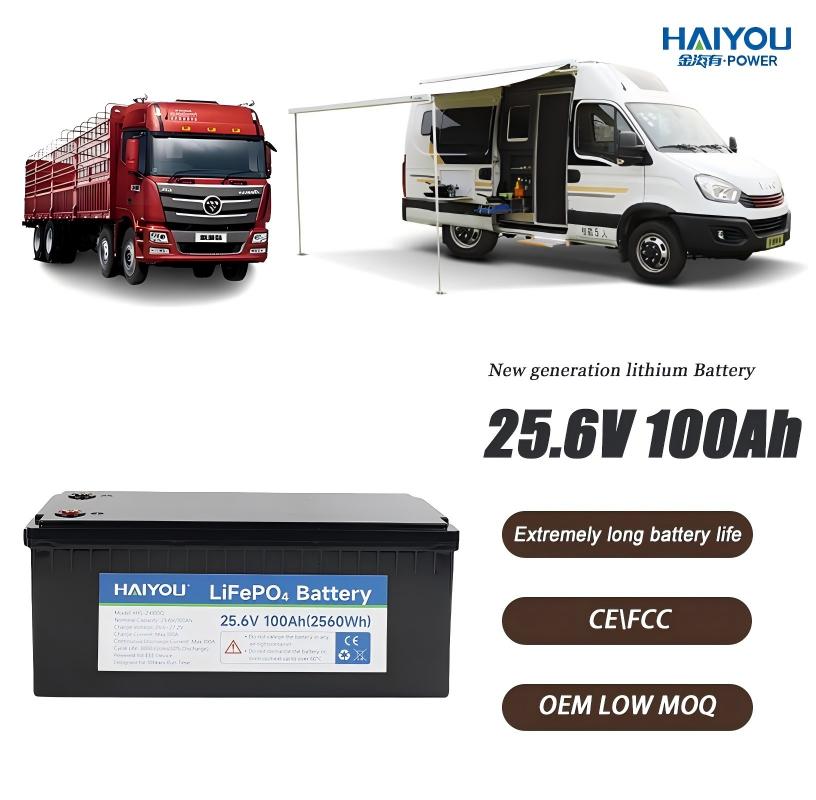
Batteries are the energy core of electric mobility and renewable energy systems. From e-bikes and e-tricycles to home solar energy storage, the choice of battery chemistry affects performance, lifespan, compliance, and total cost of ownership. This article explains the main battery families—lithium-ion and lead-acid—and introduces the product portfolio of Jiangxi Jinhaiyou New Energy Resources Technology Co., Ltd. (HAIYOU), a battery manufacturer established in 2005 that serves these application areas.
Why Battery Type Selection Matters
Industrial buyers and product developers often begin research with a single term: battery. In practice, this term covers multiple chemistries, form factors, voltage classes, and application-specific designs. Lithium batteries, solar batteries, LFP batteries, NCM batteries, traction lead-acid batteries, and energy storage lead-acid batteries are distinct product categories with different operating characteristics. Selecting the correct category is the foundation of a successful procurement.
The selection challenge is compounded by the diversity of end-use equipment. An electric two-wheeler typically operates at 48V, 60V, or 72V. An electric tricycle or low-speed four-wheeler may require 60V or 72V with higher capacity. A household solar storage system is specified in kilowatt-hours. Choosing the wrong chemistry or configuration can reduce service life, increase maintenance cost, or create compatibility problems with the target equipment.
A second challenge is terminology. The same product may be described as a solar battery, a lithium battery, or an energy storage battery depending on the sales channel. Understanding the underlying classification—for example, whether a product is a Household Energy Storage Lithium Battery or a Power Battery for electric vehicles—helps buyers evaluate whether a product actually fits their use case.
The Battery Market in Context
The battery industry is expanding across both mobility and stationary storage. The global lithium-ion battery market was valued at USD 68.7 billion in 2025 and is projected to reach USD 306.2 billion by 2033 (Grand View Research). The e-bike battery market was estimated at USD 10.8 billion in 2024, with a projected compound annual growth rate (CAGR) of 14.1% through 2034 (Precedence Research).
Battery energy storage systems are shifting toward lithium chemistry. Lithium-ion batteries are expected to account for 99.33% of the battery energy storage system (BESS) market by 2026 (Fortune Business Insights). In the golf cart segment, the global battery market reached USD 1.49 billion in 2024, driven by a pivot from lead-acid to lithium-ion technology (Strategic Market Research).
Lead-acid technology remains relevant in specific industrial segments. The traction battery market was valued at USD 43.29 billion in 2024, with lead-acid variants remaining popular in industrial sectors due to cost-effectiveness (Maximize Market Research).
The competitive landscape includes both large-scale manufacturers and specialized suppliers. Major players in the lithium battery sector include CATL (37.9% share in 2024) and BYD (17.2% share in 2024) (SNE Research). Alongside these large players, mid-size manufacturers such as HAIYOU focus on vertical applications including electric two-wheelers, tricycles, low-speed four-wheelers, and household energy storage. For buyers, this means the market offers both volume-oriented suppliers and application-specific specialists.
Lithium-Ion and Lead-Acid: Two Core Battery Families
A lithium-ion battery is a rechargeable battery that uses lithium compounds as the cathode material. In HAIYOU's product range, two lithium chemistries are used: lithium iron phosphate (LFP) and nickel cobalt manganese (NCM). LFP batteries use lithium iron phosphate as the cathode material; NCM batteries use a nickel-cobalt-manganese cathode. Both use lithium-ion cells as the internal core and are housed in a shell of industrial plastic and a metal frame.
LFP chemistry is commonly specified where long cycle life and stability are priorities. HAIYOU uses LFP chemistry in its household energy storage batteries and in its power batteries for electric tricycles and low-speed four-wheelers. NCM chemistry appears in HAIYOU's lithium battery line for electric two-wheelers, alongside LFP options. This means buyers in the light electric vehicle segment can choose between two chemistries from the same manufacturer.
A lead-acid battery is a rechargeable battery that uses lead and lead oxide electrodes in a sulfuric acid electrolyte. Lead-acid batteries remain widely used in industrial traction applications where upfront cost is a dominant consideration. HAIYOU operates a dedicated lead-acid battery factory, covering this segment alongside its lithium production line.
For buyers, the practical question is not which technology is universally better, but which technology fits the application. Lithium batteries are increasingly specified for e-mobility and residential storage because of their cycle life and energy density. Lead-acid batteries remain cost-effective in many industrial traction settings. A limitation of lithium technology is its generally higher upfront cost; a limitation of lead-acid is its shorter cycle life in frequent deep-cycle use. HAIYOU manufactures both technologies, allowing customers to source either from one supplier.
HAIYOU: A Dual-Technology Battery Manufacturer
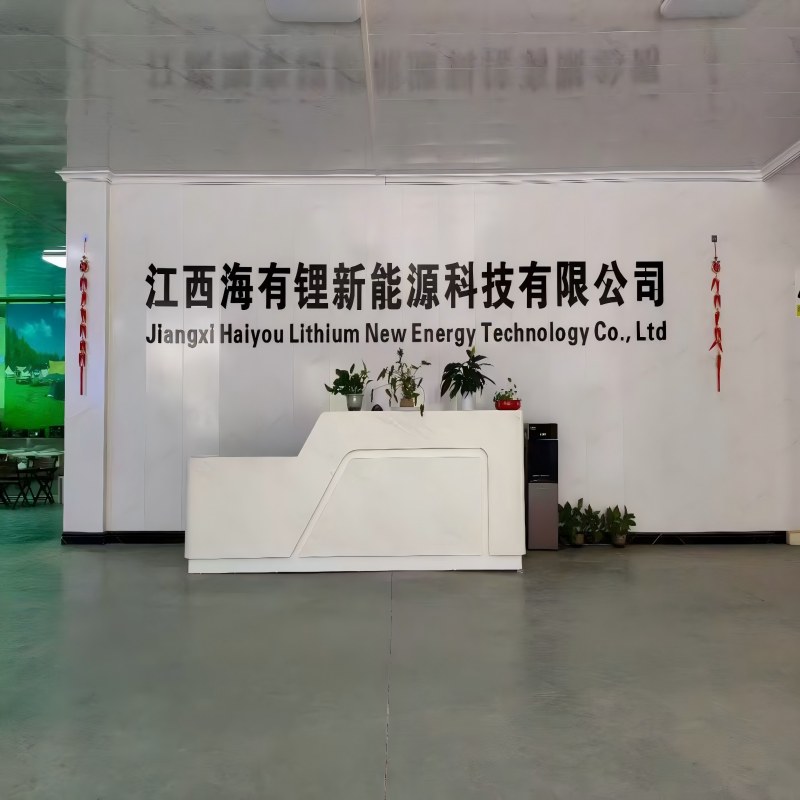
Jiangxi Jinhaiyou New Energy Resources Technology Co., Ltd. (HAIYOU) is a battery manufacturer established in 2005, specializing in the research, development, manufacturing, and sale of battery and energy storage products. The company operates two factories in Jiangxi Province, China: one for lead-acid battery production and one for lithium battery production. Its facilities cover an area of 4 acres and are located with convenient transportation.
HAIYOU has passed a number of system certifications and owns many patents. Its products are exported to more than 20 countries and regions, including Europe, America, Southeast Asia, and the Middle East. Main markets include the EU, USA, Middle East, and Southeast Asia.
Applications of HAIYOU's batteries include:
- Electric two-wheelers
- Electric tricycles
- Electric low-speed four-wheelers
- Home solar energy storage
- Agriculture sprayers
The company's product portfolio includes rack-mounted lithium batteries, household lithium iron phosphate energy storage batteries, lithium batteries for two-wheeled electric vehicles, and lithium batteries for tricycles and low-speed four-wheel vehicles.
HAIYOU Battery Portfolio by Application
Household Energy Storage Lithium Battery
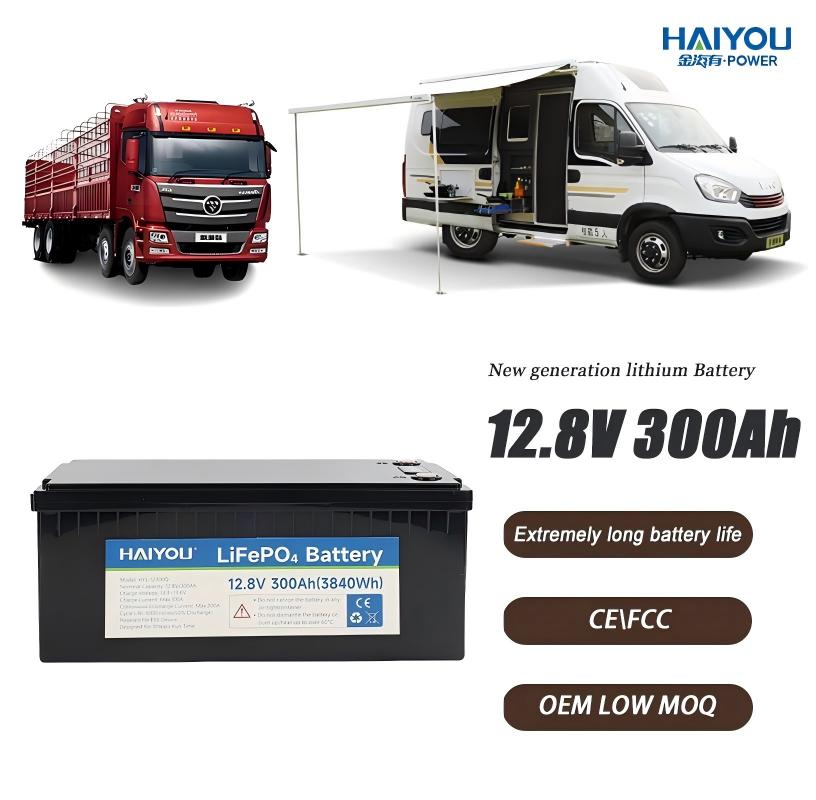
HAIYOU's Energy Storage Battery is classified as a Household Energy Storage Lithium Battery, designed for use in household energy storage scenarios. It uses an LFP cathode material, lithium-ion cells, and a shell made of industrial plastic and a metal frame. Two specification groups are available:
- 12V/24V series with rated capacity of 100Ah, 200Ah, or 300Ah
- Rated energy series of 2.56KWh, 5.12KWh, 10KWh, 14KWh, or 16KWh
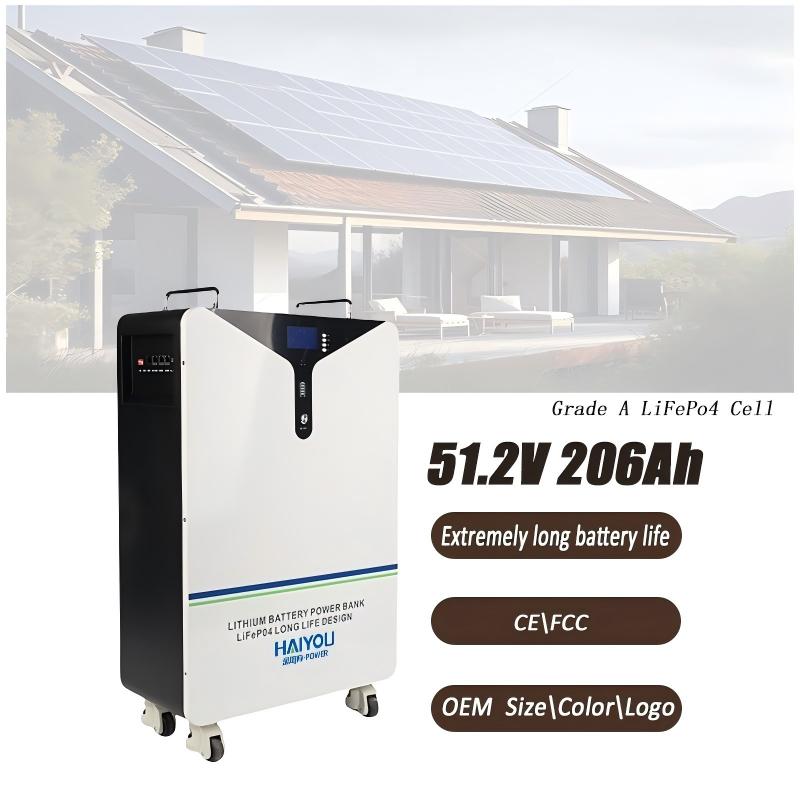
These configurations allow buyers to match the battery to residential solar storage systems and low-voltage backup power applications. The LFP chemistry supports the long cycle life and stability required in daily charge-discharge operation.
Lithium Battery for Electric Tricycle & Low-speed Four-wheeler
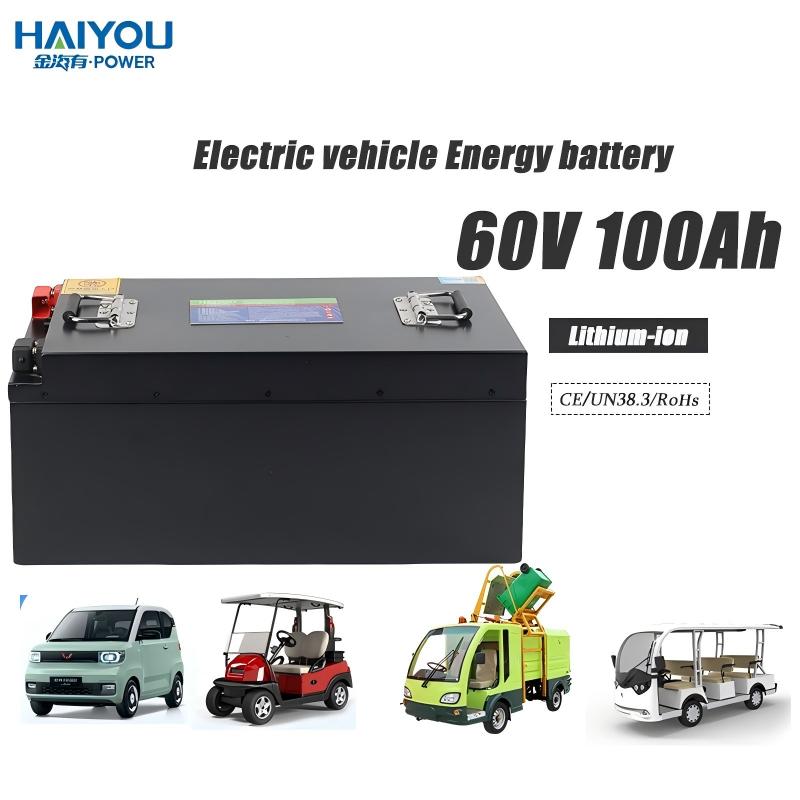
HAIYOU's Power Battery for electric tricycles and low-speed four-wheelers is a lithium battery with LFP chemistry. It is intended for the electric vehicle industry and is designed for electric tricycle and low-speed four-wheeler applications. Specifications include:
- Voltage range: 60V or 72V
- Capacity range: 80Ah, 100Ah, 180Ah, or 300Ah
- Chemistry: LFP
Lithium Battery for Electric Two-wheeler
HAIYOU's Power Battery for electric two-wheelers is a lithium battery available in NCM or LFP chemistry. It is suitable for electric two-wheeler vehicles and is intended for the electric vehicle industry. Specifications include:
- Voltage range: 48V, 60V, or 72V
- Capacity range: 20Ah, 30Ah, or 40Ah
- Chemistry: NCM or LFP
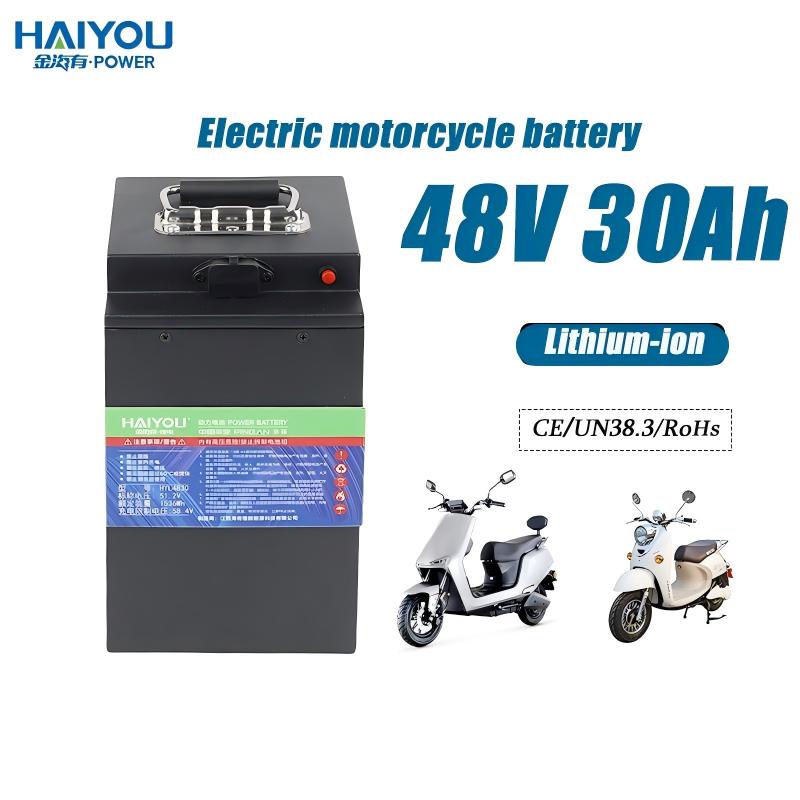
For buyers serving the light electric vehicle market, this category covers e-bikes, e-scooters, and similar two-wheel platforms. Compliance considerations are important in this segment: UL 2271 is the primary safety standard for lithium-ion batteries used in Light Electric Vehicles (LEVs), including e-bikes and e-scooters (UL Solutions).
Step-by-Step: How to Match a Battery to Your Application
Matching a battery to an application requires a sequential evaluation of operating conditions, electrical requirements, chemistry, compliance, and supplier capability. The following five-step framework applies to most e-mobility and solar storage procurement projects.
Step 1: Define the Application and Operating Conditions
Identify the end-use equipment and its environment. Outdoor applications such as agriculture sprayers, water pumps, and irrigation motors expose batteries to high temperature, dust, and frequent vibration. In these conditions, the battery should deliver stable performance under vibration and provide long cycle life. HAIYOU's application guidance for the agriculture and garden industry specifies a long cycle life of at least 6000 times.
Step 2: Determine Voltage and Capacity Requirements
Match the battery's rated voltage to the equipment's electrical system. For an e-bike, HAIYOU offers 48V, 60V, and 72V options with 20Ah to 40Ah capacity. For an electric tricycle or low-speed four-wheeler, 60V and 72V systems with 80Ah to 300Ah capacity are available. For household storage, select a rated energy of 2.56KWh to 16KWh or a voltage-capacity combination of 12V/24V with 100Ah to 300Ah that matches the inverter and load profile.
Step 3: Select the Chemistry
Choose LFP where long cycle life and stability are priorities, such as household energy storage, tricycles, and low-speed four-wheelers. Consider NCM in compact two-wheeler designs. Consider lead-acid in industrial traction applications where upfront cost is the dominant factor.
Step 4: Verify Compliance and Documentation
Confirm that the supplier can document relevant certifications. For LEV lithium batteries sold in North America, UL 2271 is the primary safety standard. HAIYOU states that it has passed a number of system certifications and owns many patents; buyers should request the specific certificates that apply to their target market.
Step 5: Evaluate the Manufacturer's Capability
Consider whether the supplier can cover both lithium and lead-acid technologies, whether it operates dedicated production facilities, and whether it has export experience. HAIYOU operates two factories—one for lead-acid and one for lithium—and exports to more than 20 countries and regions, including Europe, America, Southeast Asia, and the Middle East.
Use Cases Across E-Mobility and Energy Storage
Electric Two-Wheelers (E-bikes and E-scooters)
The e-bike battery market is growing at a projected CAGR of 14.1% through 2034 (Precedence Research). HAIYOU's 48V/60V/72V lithium batteries with 20Ah–40Ah capacity in NCM or LFP chemistry are designed for this segment. Buyers should confirm compliance with UL 2271 for LEV applications.
Electric Tricycles and Low-Speed Four-Wheelers
These vehicles require higher capacity at 60V or 72V. HAIYOU's LFP power batteries in this category range from 80Ah to 300Ah, supporting passenger and cargo applications in the electric vehicle industry.
Household Solar Energy Storage
Residential solar storage increasingly uses lithium chemistry; lithium-ion batteries are expected to account for 99.33% of the BESS market by 2026 (Fortune Business Insights). HAIYOU's household energy storage lithium batteries range from 2.56KWh to 16KWh, with LFP chemistry.
Agriculture and Off-Grid Applications
For off-grid residential solar storage and agriculture equipment such as backpack sprayers, water pumps, and irrigation motors, batteries must operate outdoors under high temperature, dust, and vibration. HAIYOU's application guidance specifies a long cycle life of at least 6000 cycles and stable performance under frequent vibration for these scenarios.
HAIYOU Battery Series at a Glance
The table below summarizes HAIYOU's lithium battery series covered in this article.
| Battery Series | Product Classification | Key Specifications | Intended Application |
|---|---|---|---|
| Energy Storage Battery (12V/24V) | Household Energy Storage Lithium Battery | 12V/24V; 100Ah / 200Ah / 300Ah; LFP | Household energy storage |
| Energy Storage Battery (KWh series) | Household Energy Storage Lithium Battery | 2.56KWh / 5.12KWh / 10KWh / 14KWh / 16KWh; LFP | Household energy storage |
| Power Battery (60V/72V) | Lithium Battery for Electric Tricycle & Low-speed Four-wheeler | 60V / 72V; 80Ah / 100Ah / 180Ah / 300Ah; LFP | Electric tricycle & low-speed four-wheeler |
| Power Battery (48V/60V/72V) | Lithium Battery for Electric Two-wheeler | 48V / 60V / 72V; 20Ah / 30Ah / 40Ah; NCM / LFP | Electric two-wheeler |
Frequently Asked Questions
What safety standards apply to lithium batteries for e-mobility and solar storage?
UL 2271 is the primary safety standard for lithium-ion batteries used in Light Electric Vehicles (LEVs), including e-bikes and e-scooters (UL Solutions). For household energy storage batteries, buyers should request the manufacturer's documentation for applicable system certifications. HAIYOU states that it has passed a number of system certifications and owns many patents; buyers can request the relevant certification documents directly from the company.
What types of batteries does HAIYOU manufacture?
HAIYOU operates two factories: one for lead-acid battery production and one for lithium battery production. The product range includes rack-mounted lithium batteries, household lithium iron phosphate energy storage batteries, lithium batteries for two-wheeled electric vehicles, and lithium batteries for tricycles and low-speed four-wheel vehicles. Products are applied in electric two-wheelers, electric tricycles, electric low-speed four-wheelers, home solar energy storage, and agriculture sprayers, and are exported to more than 20 countries and regions.
How do lithium and lead-acid batteries compare in cost?
The traction battery market was valued at USD 43.29 billion in 2024, with lead-acid variants remaining popular in industrial sectors due to cost-effectiveness (Maximize Market Research). Lithium-ion batteries are expected to account for 99.33% of the battery energy storage system market by 2026 (Fortune Business Insights). In general, lead-acid offers a lower upfront cost, while lithium batteries can provide a longer cycle life—HAIYOU specifies a long cycle life of at least 6000 cycles for agriculture and off-grid applications. Budget decisions should consider total cost of ownership across the expected service life.
How should a buyer evaluate a battery sample?
Buyers should first confirm that the sample matches the required voltage and capacity for the target equipment. For outdoor applications, test under representative operating conditions, including temperature, vibration, and charge-discharge cycling. Verify that the sample documentation includes the relevant certifications and that the cell and housing materials match the stated specification. HAIYOU's contact team can provide product specifications and discuss sample requirements for specific applications.
How can I inquire about HAIYOU battery products or request a quote?
Contact Jiangxi Jinhaiyou New Energy Resources Technology Co., Ltd. (HAIYOU) directly through the company website (www.jxhylkj.com), email (nancy.shi@jxhylkj.com), or phone/WhatsApp (+86 18870238656). The company is located at High-tech Industrial Park, Yugan County, Shangrao City, Jiangxi Province, China. The HAIYOU team can provide product specifications, discuss sample orders, and prepare quotations for bulk procurement.
Request Battery Specifications or a Quotation
Jiangxi Jinhaiyou New Energy Resources Technology Co., Ltd. (HAIYOU) manufactures lithium and lead-acid batteries for electric mobility and energy storage applications. Contact the company to request product specifications, discuss sample orders, or receive a quotation for your project.
Website: www.jxhylkj.com
Email: nancy.shi@jxhylkj.com
Phone/WhatsApp: +86 18870238656
Address: High-tech Industrial Park, Yugan County, Shangrao City, Jiangxi Province, China
Conclusion
Understanding the difference between lithium-ion and lead-acid batteries is the first step in any battery procurement decision. Lithium batteries, particularly LFP, dominate the expanding e-mobility and residential storage segments. Lead-acid remains cost-effective in industrial traction applications. Jiangxi Jinhaiyou New Energy Resources Technology Co., Ltd. (HAIYOU) manufactures both technologies and offers a documented product range across electric two-wheelers, electric tricycles, low-speed four-wheelers, household solar storage, and agriculture applications. Buyers can use the portfolio summary in this article as a starting point and contact HAIYOU directly to align specifications with their target application.