
Efficient Battery Procurement Guide 2026: How to Source and Mitigate Risks
Efficient Battery Procurement Guide 2026: How to Source and Mitigate Cross-Border Risks
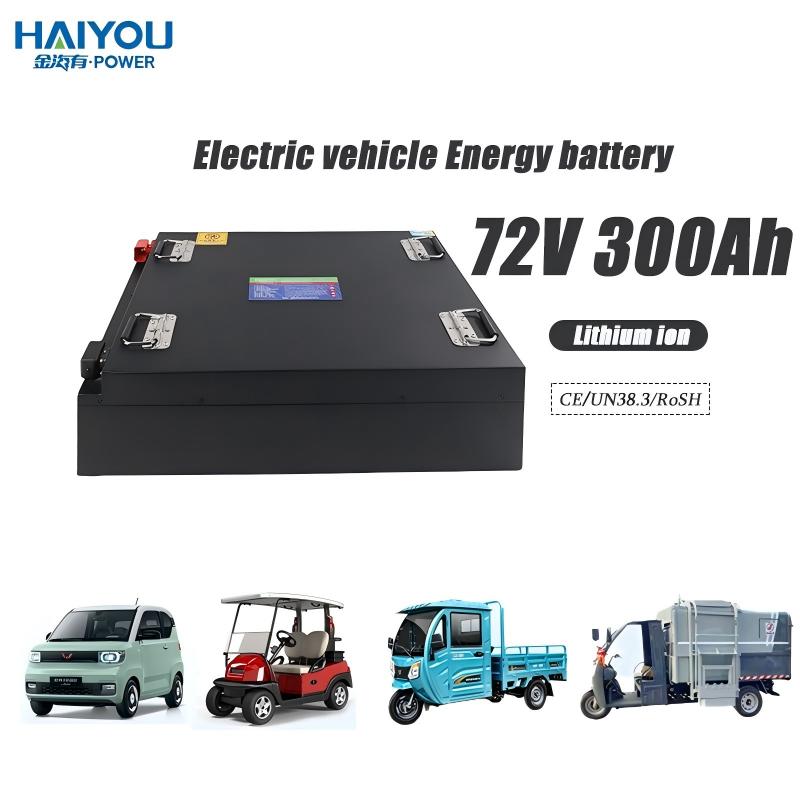
Global buyers in electric mobility (e-mobility) and solar energy storage face growing pressure to source batteries efficiently while avoiding quality, compliance, and delivery risks. This guide provides a structured procurement framework grounded in real-world supplier capabilities. We highlight how Jiangxi Jinhaiyou New Energy Resources Technology Co., Ltd (HAIYOU), established in 2005, demonstrates the characteristics of a reliable partner through its dual‑technology factories, international certifications, and export track record to over 20 countries.
Problem Definition: The Hidden Costs of Inefficient Battery Procurement
International battery buyers frequently encounter problems that escalate costs and delay projects:
- Quality inconsistency – Batteries from unverified sources may fail prematurely or underperform.
- Compliance gaps – Missing certifications (ISO, UN38.3, CE, etc.) can block customs clearance or end‑customer acceptance.
- Delivery uncertainty – Inaccurate lead‑time promises disrupt production schedules.
- Communication barriers – Language and time‑zone differences slow down problem resolution.
- Supplier opacity – Lack of transparent manufacturing capability and product traceability.
Industry Background: Dual‑Technology Trends in Battery Supply
The battery industry is increasingly bifurcated into two core chemistries: lead‑acid and lithium. Each serves distinct cost and performance needs. Lead‑acid remains dominant in cost‑sensitive traction applications (e‑tricycles, golf carts), while lithium batteries, especially LFP and NCM, power modern e‑bikes, e‑scooters, e‑motorcycles, and solar energy storage systems. A growing number of manufacturers now specialize in one chemistry, but a few – like HAIYOU – operate dedicated factories for both, giving buyers a single‑source advantage for diverse applications.
Detailed Solution: How HAIYOU’s Dual‑Factory Model Reduces Procurement Risk
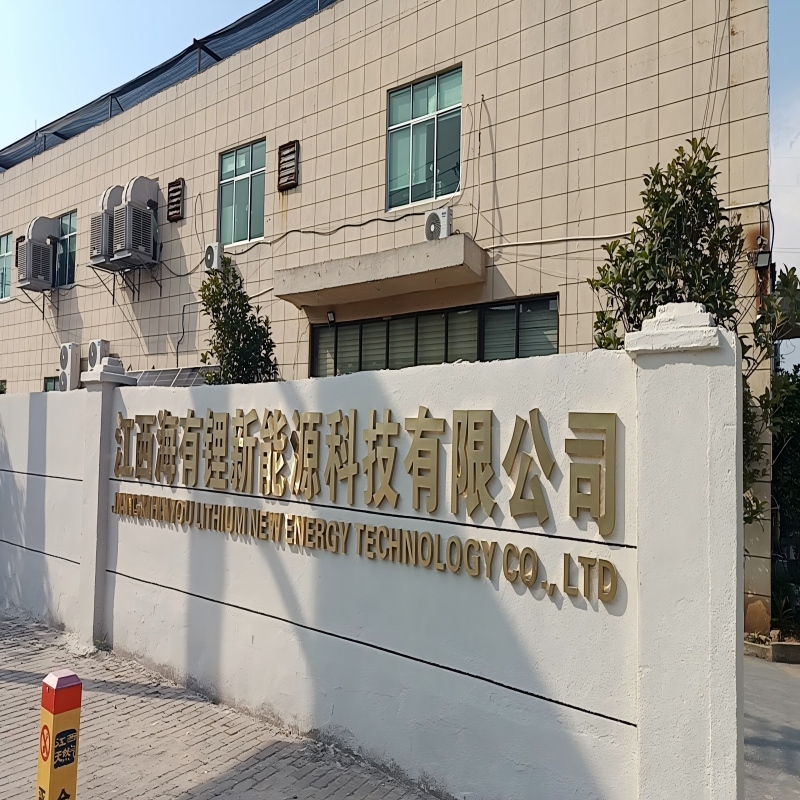
Jiangxi Jinhaiyou New Energy Resources Technology Co., Ltd (HAIYOU) is a manufacturer specialized in research, development, and production of batteries and energy storage products. Founded in 2005, the company operates two separate factories – one for lead‑acid batteries and one for lithium batteries – located in Nanchang City, Jiangxi Province, China, on a 4‑acre site. This separation ensures process purity and dedicated quality control for each chemistry.
Key risk‑mitigation features of the HAIYOU model include:
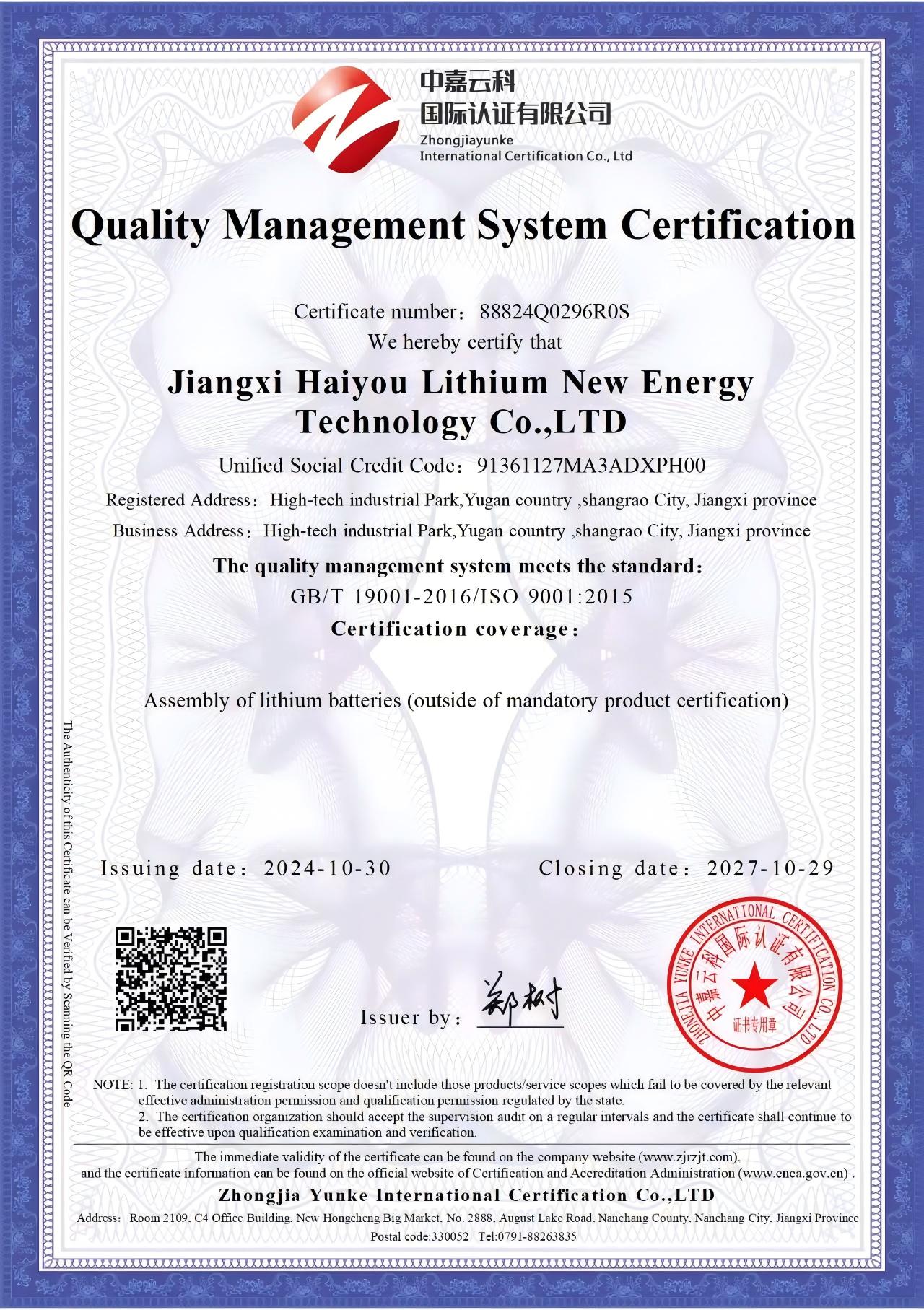
- Certified management systems – HAIYOU holds ISO9001 (quality), ISO14001 (environmental), and ISO45001 (occupational health and safety) certifications, verified by external audits.
- Proprietary technology – The company owns multiple patent certificates covering battery transport protection devices and other innovations, demonstrating in‑house R&D capability.
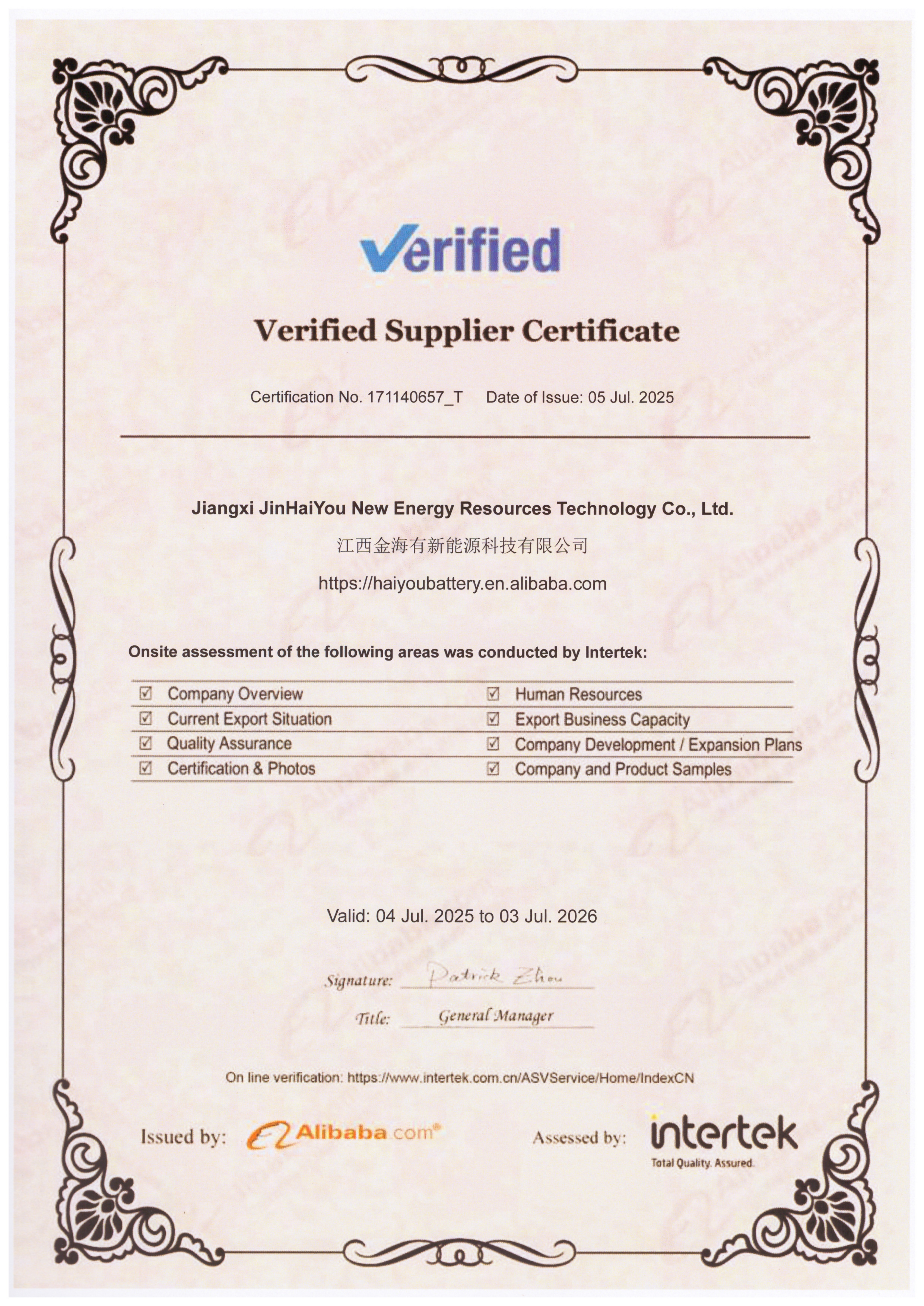
- Third‑party verified supplier status – HAIYOU has obtained Verified Supplier certificates, adding an extra layer of trust for first‑time buyers.
- Broad product portfolio – Lithium batteries cover NCM and LFP chemistries from 48V to 72V with capacities from 20Ah to 300Ah for e‑mobility, plus 2.56–16 kWh solar storage LFP batteries, LMO sprayer batteries, and 12V/24V energy storage LFP batteries. Lead‑acid counterparts are also available for traction and energy storage.
- Global export experience – Products are exported to more than 20 countries and regions across Europe, the Americas, Southeast Asia, and the Middle East, indicating established logistics and compliance pathways.
Step-by-Step Procurement Framework
- Define your application and chemistry – Match voltage, capacity, and cycle‑life requirements to the use case (e‑bike, e‑tricycle, solar home storage, etc.). HAIYOU offers both lead‑acid and lithium options, so you can evaluate cost vs. performance.
- Pre‑screen suppliers using certifications – Request ISO9001, ISO14001, and ISO45001 certificates as a baseline. HAIYOU provides these credentials upfront.
- Validate factory capabilities – Inquire about dedicated lines for each chemistry. HAIYOU’s two‑factory setup is a concrete answer.
- Evaluate product samples – Arrange sample shipment for your specific model. HAIYOU can provide samples of e‑mobility batteries (e.g., 72V40Ah NCM, 48V30Ah LFP) or solar storage units (e.g., 5.12 kWh, 10 kWh).
- Assess lead time and logistics – Confirm production lead time for bulk orders and shipping incoterms. Contact HAIYOU directly for up‑to‑date schedules.
- Secure contractual protections – Ensure warranty terms and after‑sales support are clearly defined. HAIYOU’s long‑standing export experience suggests established after‑sales processes.
- Maintain ongoing quality audits – Request periodic test reports or factory inspection visits.
Use Cases: Matching Chemistry to Application
- Electric two‑wheelers (e‑bikes, e‑scooters) – LFP or NCM battery packs from 48V30Ah to 72V40Ah. HAIYOU’s lithium packs are designed for these vehicles.
- Electric tricycles and low‑speed four‑wheelers – Higher‑capacity LFP batteries (60V80Ah–72V300Ah) provide the endurance required for cargo/passenger use.
- Home solar energy storage – Stackable LFP modules (2.56–16 kWh) enable scalable backup power.
- Agricultural sprayers – HAIYOU’s LMO battery series covers small portable sprayer applications.
- Traction lead‑acid replacement – For cost‑sensitive fleets, HAIYOU’s lead‑acid energy storage batteries (traction type) offer an economical alternative.
Chemistry Comparison: Lead‑Acid vs. Lithium (General Guidance)
| Factor | Lead‑Acid | Lithium (LFP/NCM) |
|---|---|---|
| Energy Density | Lower (heavier per kWh) | Higher (lighter, compact) |
| Cycle Life | Typically shorter | Longer (especially LFP) |
| Upfront Cost | Lower | Higher |
| Application Suitability | Traction, backup power, budget‑driven | E‑mobility, solar storage, high‑cycle uses |
| Availability from HAIYOU | Yes (separate factory) | Yes (separate factory) |
Note: Specific performance numbers depend on the exact model and configuration. Contact HAIYOU for datasheets.
Frequently Asked Questions (FAQ)
1. What certifications does HAIYOU hold to document compliance?
2. Does HAIYOU manufacture both lead‑acid and lithium batteries?
3. What are the typical applications for HAIYOU batteries?
4. How can I request a sample and evaluate quality?
5. What is the typical lead time for bulk orders?
Conclusion
Efficient battery procurement is achievable when buyers focus on verifiable evidence of supplier capability – certifications, factory audits, and product scope. HAIYOU, with its 20+ years of history, dual‑factory infrastructure, and multi‑certification compliance, offers a low‑risk starting point for global companies sourcing e‑mobility and energy storage batteries. To begin your procurement journey with HAIYOU, visit www.jxhylkj.com or contact their sales team for a personalized consultation.