Compliance Guide: Navigating CE and Regional Standards for Pulp Molding Machine Imports
A pulp molding machine stops being a simple equipment purchase the moment it crosses a border. From that point on it is judged by its documentation: the certificate number, the issuing body, the standards cited, the exact models inside the scope, and the dates on which that coverage begins and ends. Importers who verify those fields before signing avoid the most common dispute in this equipment category — a machine that performs well but arrives with paperwork that does not cover it.
This guide is written for importers, distributors and project owners evaluating fully automatic pulp molding machines for the EU/EEA market and other regulated destinations. It explains how CE evidence for pulp molding equipment is structured, how to test that evidence in practice, and how the same verification logic carries over when the destination market uses a different conformity framework. The worked examples use the certificate records held by HANSON PULP MOLDING (Guangdong Hanson Pulp Molding Technology Co., Ltd.) because those records are specific, numbered and traceable — the standard that should be applied to any supplier.
Problem Definition: Why Compliance Claims Fail at the Import Stage
Compliance failures in pulp molding imports are documentation failures far more often than machine failures. Three patterns repeat across the category.
1. Scope mismatch. A manufacturer may hold a valid attestation for one model family and present it while quoting a different machine. Certificate scope is model-specific. A company-level “CE certified” statement is not the same thing as coverage for the model on the purchase order, and any review that checks the machine nameplate against the certificate will find the gap.
2. Claims without identifiers. “CE certified” on a quotation, a website banner or a trade-fair graphic carries no verifiable content unless it also names a certificate number, an issuing body, the standards applied and a validity period. Without those fields there is nothing to verify and nothing to fall back on if a question is raised at import.
3. Standards that age out during the machine’s service life. Machinery is used, maintained, modified and often resold over a decade or more, so the standard version cited in the technical file matters long after delivery. Published guidance from Pilz and Gt-Engineering states that safety-related parts of machinery control systems must comply with EN ISO 13849-1, and that the 2015 version of that standard is withdrawn after a transition period ending 15 May 2027, with EN ISO 13849-1:2023 as the current reference. A technical file that has never been reviewed against that transition is a foreseeable problem for a buyer planning a ten-year asset life.
In most regulated markets, the obligation to place compliant machinery on the market sits with the importer or the operator at the point of use. The manufacturer’s side of that obligation is simple to state and hard to fake: supply technical documentation the buyer can check, with names, numbers and dates attached.
Industry Background: Pulp Molding Equipment Is Now a Cross-Border Category
The equipment in this category is no longer bought locally. Cloud Market Reports values the global pulp moulding machines market at USD 2,140.0 million in 2024, with a projected value of USD 3,760.2 million by 2032. Buyers should read such figures carefully, because market definitions differ: public comparisons of the same category show significant variance between research providers — some estimates fall well below USD 1 billion while others exceed USD 2 billion — largely because some reports group all paper-making machinery under the “pulp molding” heading. The practical lesson for an importer is that the definition behind a number matters as much as the number itself, and exactly the same discipline applies to compliance claims.
Demand is concentrated in one application. Food and beverage packaging accounts for approximately 45% of global demand for pulp moulding machines, with cup, tray and bowl formats leading. On the supply side, China’s exports of machinery for making paper or paperboard (HS 843920) were valued at USD 49.58 million in 2024, according to WITS / World Bank trade data. Those two figures describe the category accurately: strong demand for foodservice formats, and a large share of equipment shipped, installed and commissioned outside its country of manufacture.
Cross-border delivery is precisely the point at which compliance evidence stops being a formality and becomes a purchasing criterion. It is also why document review belongs at the quotation stage, not at the port.
Detailed Solution: What Verifiable CE Documentation Looks Like
For machinery entering the European Union or the European Economic Area, the framework referenced in the documentation discussed here is the Machinery Directive 2006/42/EC, Annex VIII, supported by harmonized standards including EN ISO 12100:2010 for risk assessment and general design principles, and EN 60204-1:2018/A1:2025 for the electrical equipment of machines.
A document that says only “CE” cannot be checked. A document that can be checked carries six identifiable fields:
- Document type — for example a Machinery Directive Attestation of Conformity, as distinct from a declaration, a test report or a catalogue statement.
- Certificate number — the identifier that allows the record to be traced to the issuing body.
- Issuing body — the named organization that issued and signed the record.
- Standards cited — including the year or version of each standard, for example EN ISO 12100:2010.
- Model scope — the exact equipment models the record covers.
- Issue and expiry dates — checked against the project schedule, delivery date and expected service life.
Hanson’s EU/EEA records are structured in exactly this way.
| Document type | Certificate number | Issuing body | Standards cited | Market | Issued | Valid until |
|---|---|---|---|---|---|---|
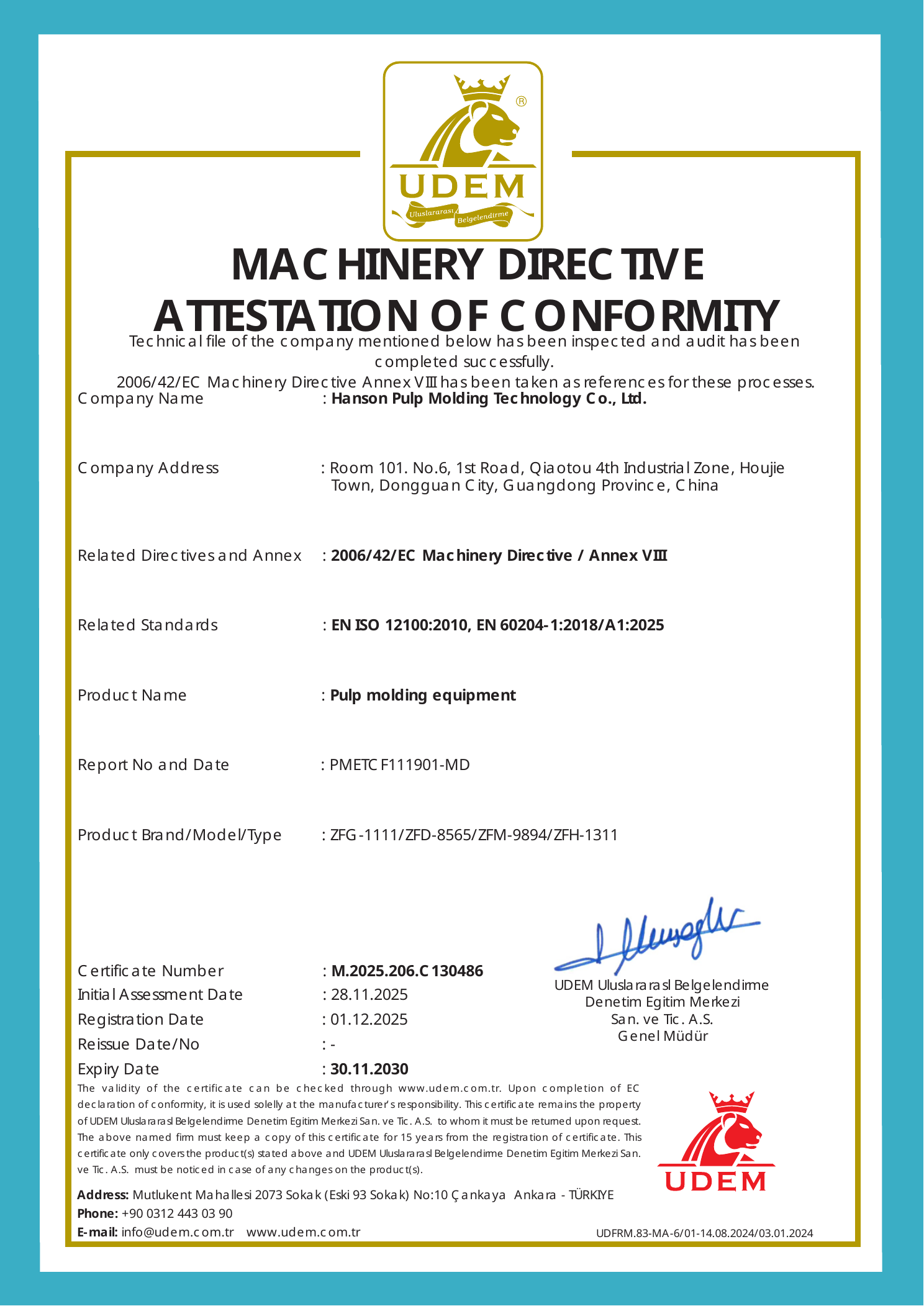
| CE — Machinery Directive Attestation of Conformity for ZFG Series Pulp Molding Equipment | M.2025.206.C130486 | UDEM Uluslararası Belgelendirme Denetim Eğitim Merkezi San. ve Tic. A.Ş. | 2006/42/EC Machinery Directive, Annex VIII; EN ISO 12100:2010; EN 60204-1:2018/A1:2025 | European Union / European Economic Area | 2025-12-01 | 2030-11-30 |
| CE — Machinery Directive Attestation of Conformity for Pulp Molding Equipment | M.2026.206.C142039 | UDEM Uluslararası Belgelendirme Denetim Eğitim Merkezi San. ve Tic. A.Ş. | 2006/42/EC Machinery Directive, Annex VIII; EN ISO 12100:2010; EN 60204-1:2018/A1:2025 | European Union / European Economic Area | 2026-06-05 | 2031-06-04 |
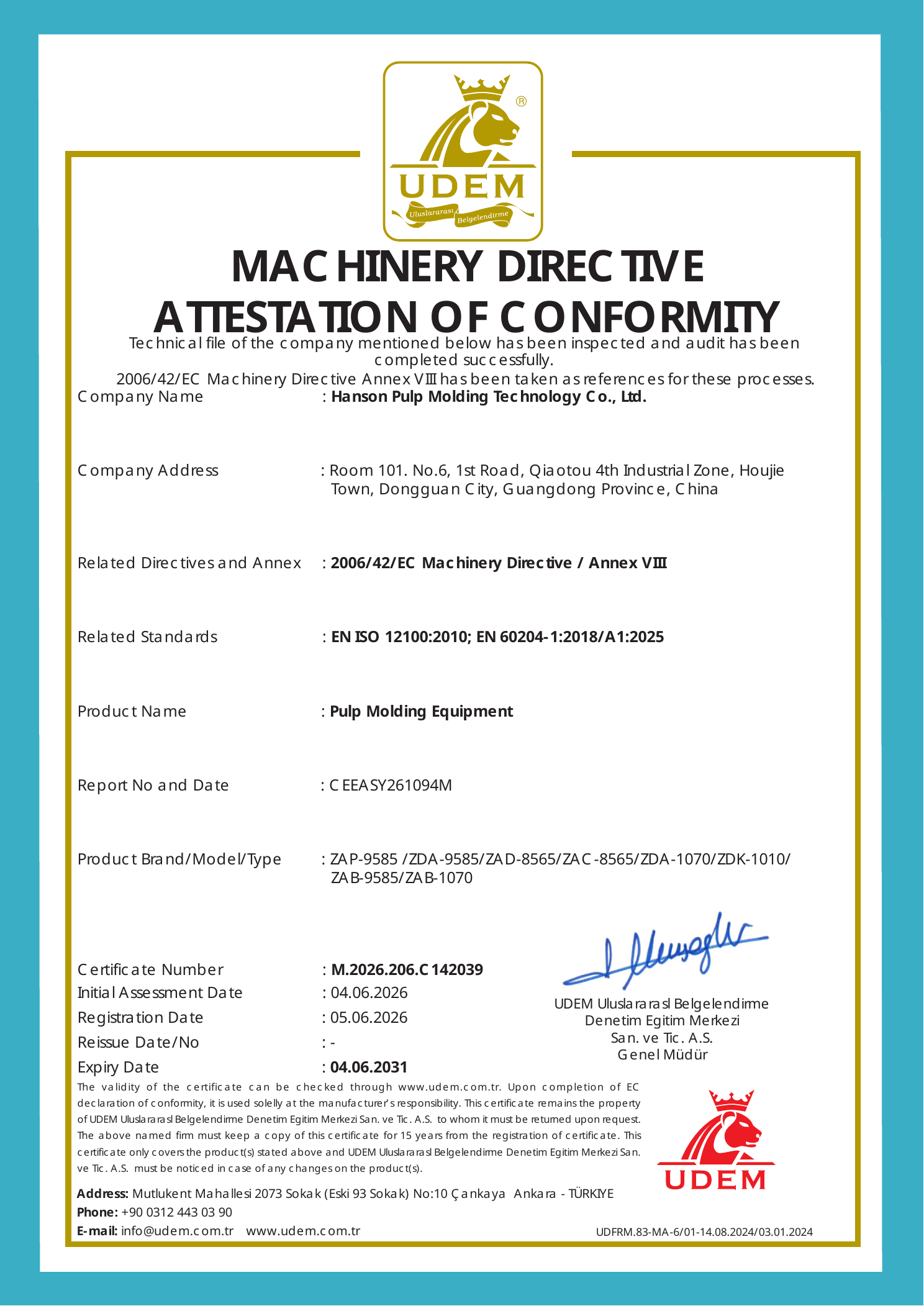
These two records are specific, dated and traceable. That is the standard to apply to every supplier: not the existence of a certificate, but the completeness of the fields inside it.
Model Scope: The Detail That Decides Acceptance
Certificate scope is where most buyer-side risk concentrates. The two Hanson attestations cover named models rather than a product category.
| Attestation | Models listed in scope | Equipment type represented | Valid until |
|---|---|---|---|
| M.2025.206.C130486 | ZFG-1111, ZFD-8565, ZFM-9894, ZFH-1311 | Pulp molding tableware production equipment | 2030-11-30 |
| M.2026.206.C142039 | ZAP-9585, ZDA-9585, ZAD-8565, ZAC-8565, ZDA-1070, ZDK-1010, ZAB-9585, ZAB-1070 | Pulp molding industrial packaging equipment | 2031-06-04 |
Two consequences follow for buyers. First, a configuration that differs from the listed models requires written clarification of which attestation applies — a company-level statement is not a substitute. Second, validity dates should be matched to the project plan: coverage to 2030-11-30 or 2031-06-04 comfortably spans delivery, installation and commissioning for projects ordered now, but it should be re-checked at resale.
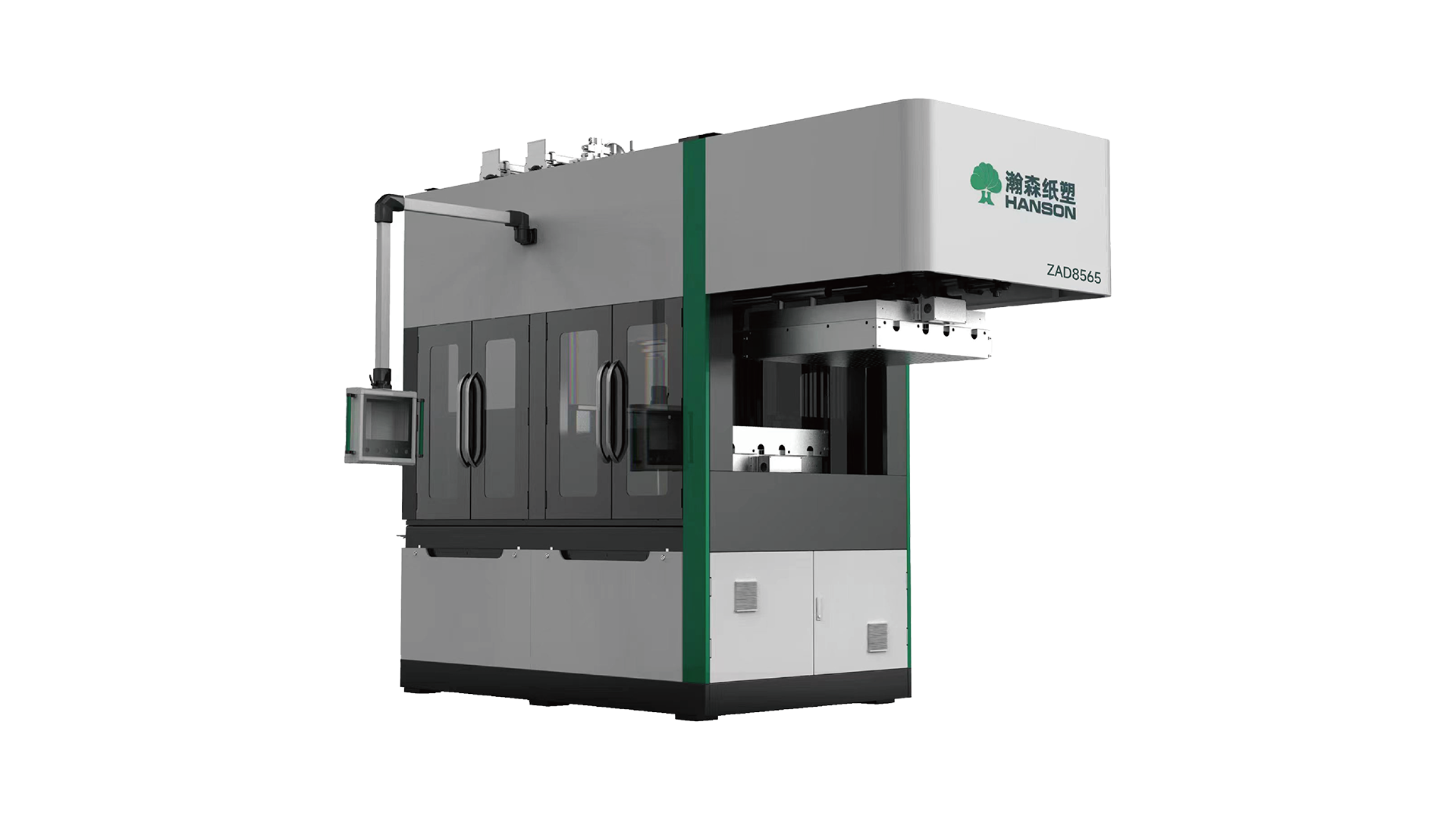
Hanson’s wider portfolio also includes cup lid production lines, sampling and pilot lines and further tableware configurations. Where a required model is not inside a listed scope, the correct next step is a written statement from the manufacturer identifying the applicable conformity documentation for that specific machine, its voltage and frequency, and its heating method.
Step-by-Step Breakdown: A Seven-Step Import Verification Process
Step 1 — Fix the destination market and the applicable framework
The EU/EEA and the framework above is one case. Other regional markets operate different conformity schemes, and the specific requirement depends on the destination. Ask the manufacturer to state in writing which framework and which certificate record applies to the destination country, and treat a generic “international standards” answer as an unfinished answer.
Step 2 — Request the conformity document, not a claim
Ask for the attestation or declaration itself, including the certificate number. A certificate file with visible identifiers is verifiable; a logo is not.
Step 3 — Verify the certificate number and the issuing body
The records above name the issuing organization in full, which is what allows independent confirmation. If a supplier cannot name the issuing body, the document cannot be confirmed.
Step 4 — Match the model scope to the purchase order
Compare the model designation in the attestation against the model on the order, the quotation and, later, the machine nameplate. Compare the configuration details that appear in the technical file as well: voltage and frequency, heating method and installed power all vary between models.
Step 5 — Check the standards and their versions
Confirm the version year of every standard cited. Where a standard is in transition — as EN ISO 13849-1 is, with the 2015 version withdrawn after 15 May 2027 — ask how the safety-related control design is being maintained against the current reference.
Step 6 — Check dates against the schedule
An attestation that expires before commissioning creates avoidable delay. Check the expiry date against delivery, installation, commissioning and the expected period of use.
Step 7 — Verify the physical safety configuration and the factory inspection record
Documentation describes a machine; the machine must match it. Hanson’s listed models in this category are fitted with protective doors and safety light curtains and include one-button operation with automatic alarms and emergency-stop protection. Factory-side inspection before delivery covers incoming materials, welding and frame-structure inspection, dimensional and installation-surface inspection, portable coordinate measuring inspection, and electrical, hydraulic and pneumatic system testing, with 100% inspection before delivery. Materials specified for these machines include a Q235-A carbon steel frame, SUS304 stainless steel pulp tank and slurry piping, and national-standard 6061 aluminum alloy molds — details worth placing in the technical file precisely because they can be checked on arrival.

Buyer verification checklist. Certificate number and issuing body confirmed · model in the certificate scope matches the order · standards cited with version years · expiry date after commissioning · voltage, frequency and heating method recorded in the technical file · safety devices and inspection scope confirmed in writing · documentation supplied in a language the operating team can use.
Use Cases: Applying the Checklist to Real Configurations
1. Tableware production for the EU/EEA market
A buyer configuring a molded-fiber tableware line for a European production site needs a platen size, capacity and heating configuration that matches both the product mix and the site utilities. The ZFG-1111 fully automatic inline servo pulp molding tableware production line uses a 1,100 × 1,100 mm mold platen, runs 900–1,200 kg/24 h depending on product, applies 120 t hot-pressing pressure and 80 t trimming pressure, and is rated at 102 kW with electric heating or 39 kW with oil heating at AC 380 V / 50 Hz. For this model, conformity evidence is available as attestation M.2025.206.C130486. Buyers should note that heating method and voltage appear in both the certificate file and the site utility plan — mismatches between the two are a common cause of late-stage changes.
For destinations outside the EU/EEA, the same equipment family is documented differently. The ZCE-1111 integrated tableware machine, for example, integrates forming, hot pressing, trimming, counting and stacking in one unit, with a 600–900 kg/24 h capacity range and a 28–60 second forming cycle depending on product; Hanson’s published product information for its fully automatic food container machine states a cycle time of 28 seconds and up to 900 kg daily output. The compliance lesson is that a buyer in a non-EU market should request the documentation that applies to their own market, rather than accepting an EU record as generic proof of conformity.
2. Industrial packaging for electronics and precision products
Molded-fiber industrial packaging projects usually involve two machine sizes. The compact ZAD-8565 uses an 850 × 650 mm platen, a maximum product weight of 500 g per mold at 0.3% slurry concentration, 54.1 kW installed power and a floor load of 1,990.5 kg/m². The larger ZAP-9585 uses a 950 × 850 mm platen, up to 900 g per mold, 114 kW installed power and a floor load of 2,449 kg/m². Both fall within the scope of attestation M.2026.206.C142039. Floor load and installed power are compliance-relevant because they belong in the factory layout and utility documentation reviewed alongside the machine file — particularly in multi-machine plants, where Hanson equipment has been deployed at scale, including 80 industrial packaging machines purchased by Gaoyi Packaging in Vietnam across repeat orders.
3. Sampling and pilot validation before committing to an import
The least expensive place to resolve a compliance or process question is a sampling line, not a production hall. The ZAMS-6047 pulp molding sampling production line integrates pulping, refining, slurry preparation, slurry feeding, forming and hot pressing in one machine, with a 600 × 470 mm platen, 2 t forming pressure and 13 t hot-pressing pressure, 82 kW rated power at AC 380 V / 50 Hz, overall dimensions of L7,500 × W2,550 × H2,810 mm and a net weight of 7.3 tons; trimming is not included in this model. Sampling equipment of this type has been used for molded-fiber packaging development and process verification, including prototype, formulation and material testing work by a nanocellulose additive developer and a listed integrated packaging solutions provider. For an importer, a sampling run produces two outputs at once: a product sample and a first-hand view of how the supplier documents, tests and hands over a machine.
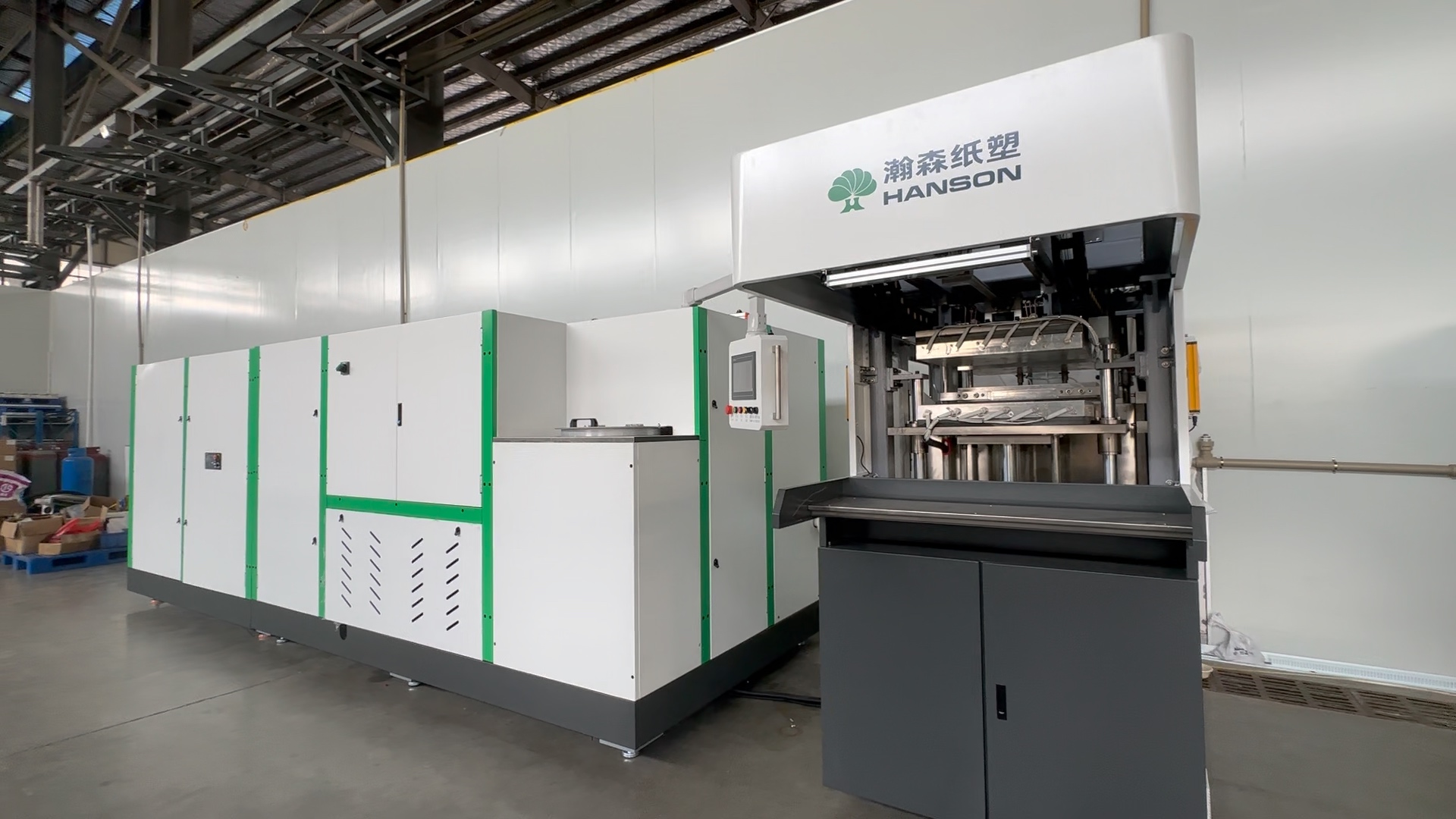
Comparison Table: What Each Type of Claim Actually Proves
| Statement from a supplier | What it actually establishes | How a buyer verifies it |
|---|---|---|
| “We are a CE-certified company” | Nothing about the specific machine on the order; manufacturer-level statements do not identify model coverage | Request the attestation number and the list of models inside its scope |
| “CE certificate available” | That a document exists, but not that it is traceable | Check certificate number, issuing body, standards cited and validity dates |
| “Model covered by an attestation” | Model-level coverage within a named scope and period — for example ZFG-1111 under M.2025.206.C130486 | Match the model and its configuration details, including voltage, frequency and heating method, to the order |
| “Built to EN ISO 12100:2010 and EN 60204-1:2018/A1:2025” | Which design and electrical safety standards the technical documentation references | Ask how risk assessment and electrical testing are recorded in the technical file |
| “Safety devices fitted” | The physical configuration — protective doors and safety light curtains on the listed models | Confirm on the machine and in the manual; check safety-related control design against EN ISO 13849-1 and its 15 May 2027 transition |
| “100% inspection before delivery” | A factory-side inspection process exists, but not its scope | Request the inspection scope: incoming materials, welding and frame structure, dimensional and installation surfaces, portable coordinate measuring, electrical, hydraulic and pneumatic testing |
FAQ
What documentation should a buyer verify before importing a pulp molding machine?
Verify the conformity document itself rather than a statement about it. Six fields make a record checkable: document type, certificate number, issuing body, the standards cited with their version years, the model scope, and the issue and expiry dates. Hanson’s ZFG series record, for example, is a CE Machinery Directive Attestation of Conformity numbered M.2025.206.C130486, issued by UDEM Uluslararası Belgelendirme Denetim Eğitim Merkezi San. ve Tic. A.Ş., citing 2006/42/EC Annex VIII, EN ISO 12100:2010 and EN 60204-1:2018/A1:2025, valid to 2030-11-30 for the European Union / European Economic Area market.
Beyond CE, which regional requirements matter for pulp molding machine imports?
Regional conformity frameworks outside the EU/EEA differ, and the applicable requirement depends on the destination market. The correct approach is to ask the manufacturer to state in writing which framework and which certificate record applies to your destination country, and to treat a general “international standards” answer as incomplete. Hanson’s published attestations apply specifically to the European Union / European Economic Area market, which is why buyers importing into other regions should request documentation scoped to their own market instead of accepting an EU record as generic proof.
Does a CE attestation cover every pulp molding machine model a manufacturer offers?
No. Attestations cover named models, and scope should always be matched to the purchase order. The Hanson record M.2025.206.C130486 lists ZFG-1111, ZFD-8565, ZFM-9894 and ZFH-1311, while M.2026.206.C142039 lists ZAP-9585, ZDA-9585, ZAD-8565, ZAC-8565, ZDA-1070, ZDK-1010, ZAB-9585 and ZAB-1070. If your configuration sits outside those lists, request written clarification of which attestation applies to the exact machine, voltage, frequency and heating method you are ordering.
Do compliance requirements change the budget or delivery schedule of an order?
They change what has to be prepared, and preparation takes time. A verifiable technical file, an inspection record and a certificate whose scope matches the order must all exist before shipment, and expiry dates must fall after commissioning. On the commercial side, Hanson’s standard equipment lead time is approximately 60 days, customized production lines depend on equipment configuration and project scope, the minimum order quantity is one unit, and monthly capacity is up to 60 units depending on model and configuration. Buyers should plan the documentation review inside that window rather than after it.
Can samples and documentation be validated before the full order is placed?
Yes, and it is the lowest-risk sequence. Sampling and pilot equipment such as the ZAMS-6047 — a 600 × 470 mm platen machine with 2 t forming pressure, 13 t hot-pressing pressure, 82 kW rated power and no trimming function — is designed for product prototyping, process verification and small-batch production, allowing a buyer to evaluate product quality and the supplier’s technical documentation before committing to a production line. To request product samples, a quotation, or the equipment catalogue, contact HANSON PULP MOLDING at linchuangcheng@hspulpmolding.com or WhatsApp +86 159-2060-4830.
Conclusion: Compliance Is a Document You Can Read, Not a Logo You Can Trust
For pulp molding machine imports, the difference between a smooth project and a stalled one is usually a set of facts that could have been checked at quotation stage: which framework applies to the destination market, which certificate covers the model, what standards and versions are cited, and when that coverage expires. Buyers who ask for those fields — and who expect them in writing — remove most of the compliance risk from the project before the machine is even built.
HANSON PULP MOLDING (Guangdong Hanson Pulp Molding Technology Co., Ltd.) manufactures pulp molding equipment, production lines and turnkey factory solutions from a 50,000 m² facility in Houjie Town, Dongguan City, Guangdong Province, China, with approximately 200 employees including around 50 R&D and engineering professionals, and a service network covering key domestic and overseas markets with 10 service locations. Its EU/EEA documentation is model-specific and traceable, and its project scope covers tableware lines, industrial packaging machines, cup lid lines, sampling lines, mold design and downstream automation.
Next Step: Check the Documents for the Machine You Are Actually Buying
Send the intended model, destination market, voltage and heating method, and Hanson’s team will confirm which certificate record applies and provide the technical documentation set for review.
Download the equipment catalogue: Hanson Pulp Molding product brochure (PDF)
Contact: Castle · Email linchuangcheng@hspulpmolding.com · Tel / WhatsApp +86 159-2060-4830 · www.hspulpmolding.com