
OEM Pulp Molding Tableware Machine Manufacturer: Capabilities, Customization, and Supplier Evaluation
If you are evaluating an OEM pulp molding tableware machine manufacturer, the practical question is not only which machine model is available. It is whether the supplier can build, integrate and support equipment around your product, mold, raw material, factory layout and production target. HANSON PULP MOLDING TECHNOLOGY CO., LTD, or Hanson, is a National High-tech Enterprise in Dongguan, Guangdong Province, China, with more than 200 employees and approximately 50 R&D and engineering professionals. Hanson provides OEM and ODM services for customized pulp molding equipment, automated production line integration and turnkey pulp molding factory solutions.
Why OEM Pulp Molding Tableware Machine Selection Is a Capability Decision
OEM buyers often begin with a product sample or a packaging concept rather than a complete machine specification. Selection problems appear when the machine is chosen before the product structure and production process are confirmed. A tableware product may form successfully on a sampling mold, yet encounter problems in mass production because a multi-cavity production mold distributes slurry unevenly, the faster production cycle reduces dewatering time, or the wet-preform transfer system is not stable enough. Successful sampling proves basic forming feasibility under one combination of material, mold and process parameters; it does not mean mass-production validation has been completed.
Downstream automation is another common risk. If trimming, inspection, stacking or packing equipment has a lower processing capacity than the main machine, products accumulate downstream and eventually force the main machine to slow down or stop. If downstream equipment runs faster but conveying, positioning and buffering are poorly designed, the line may still suffer from misalignment, collisions, missed inspections and packing errors. Downstream automation must therefore be designed according to the complete line cycle, not only according to the theoretical speed of one machine.
Industry Background: Molded Fiber Tableware and Pulp Molding Equipment Demand
The market context supports long-term investment in molded fiber tableware equipment. According to Cloud Market Reports, the global pulp moulding machines market was valued at USD 2,140.0 million in 2024 and is projected to reach USD 3,760.2 million by 2032, expanding at a CAGR of 7.3% between 2025 and 2032. Food and beverage packaging accounts for approximately 45% of global demand, with cup, tray and bowl formats leading. This is directly relevant to manufacturers that need OEM pulp molding tableware machine solutions.
Trade data also provides context. China's exports of machinery for making paper or paperboard, classified under HS 843920, were valued at USD 49.58 million in 2024, according to WITS / World Bank. That category is broader than pulp molding machines alone, but it indicates continued export activity in Chinese paper and molded-fiber machinery manufacturing.
OEM and ODM Definition for Pulp Molding Tableware Equipment
In OEM mode, a manufacturer produces equipment to the client's specifications. In ODM mode, the client uses the manufacturer's design and development capabilities. Hanson offers both modes. The company's OEM and ODM manufacturing services include customized pulp molding equipment, automated production line integration and turnkey pulp molding factory solutions.
For a pulp molding tableware machine project, customization can cover a wide range of technical parameters. Hanson can configure equipment model, production capacity, mold platen size, product layout, forming and hot-pressing configuration, factory layout, voltage and frequency, heating method, pulp preparation system, automation level, robotic transfer, trimming, hole punching, vision inspection, automatic packing, coating, laminating, digital printing, mold design, PLC program, interface language, equipment color, logo and utility interfaces.
HANSON PULP MOLDING Capabilities for OEM Projects
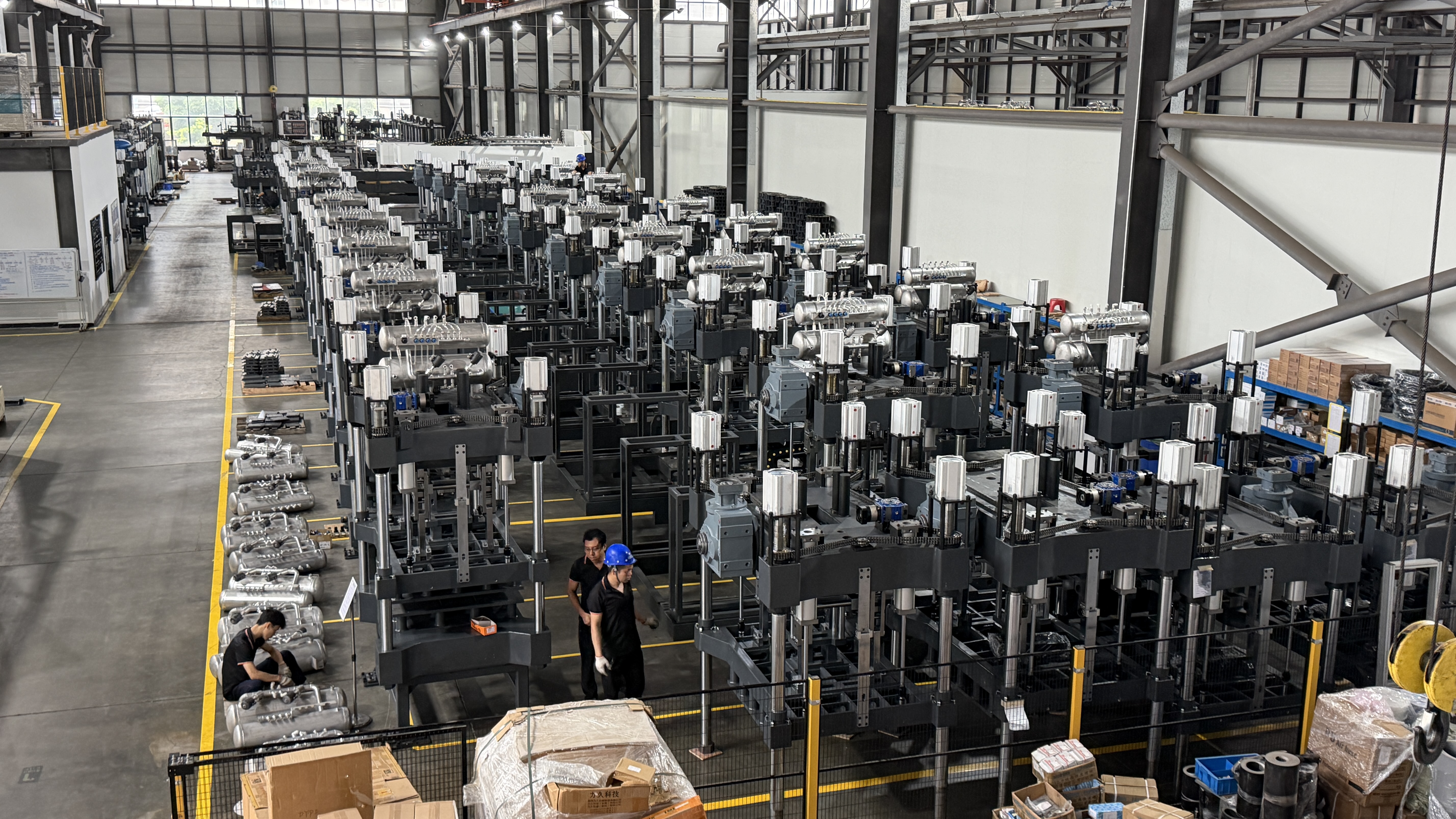
Hanson is a pulp molding equipment manufacturer, not a trading company. It manufactures equipment in-house and operates an independent mold division. Hanson also designs, manufactures and integrates pulp preparation systems, downstream automation and complete turnkey pulp molding factory solutions.
The company holds 50 patents covering equipment structures, production processes, automation systems and related technologies. Its manufacturing base is 50,000 square meters, with an annual output capacity of approximately 150 units and a monthly manufacturing capacity of up to 60 units depending on the equipment model and project configuration.
For EU and EEA projects, Hanson has obtained CE Machinery Directive attestations of conformity issued by UDEM Uluslararası Belgelendirme Denetim Eğitim Merkezi San. ve Tic. A.Ş. The ZFG series certificate number is M.2025.206.C130486, covering ZFG-1111, ZFD-8565, ZFM-9894 and ZFH-1311 under 2006/42/EC, EN ISO 12100:2010 and EN 60204-1:2018/A1:2025. A separate certificate, M.2026.206.C142039, covers pulp molding industrial packaging equipment models including ZAP-9585, ZDA-9585, ZAD-8565, ZAC-8565, ZDA-1070, ZDK-1010, ZAB-9585 and ZAB-1070.
Tableware Machine Platforms Used for OEM Projects
| Model | Machine Type | Key Configuration | Reference Capacity |
|---|---|---|---|
| ZFG-1111 | Fully automatic inline servo pulp molding tableware production line | 1 forming station + 1 hot-pressing station + 1 trimming station + 1 transfer and stacking unit; hot-pressing pressure 120 tons; trimming pressure 80 tons | 900–1,200 kg / 24 h, depending on product |
| ZBG-1111 | Fully automatic robotic pulp molding tableware production line | 1 forming station + 2 hot-pressing stations + 1 trimming station; six-axis robot transfer; hot-pressing pressure 80 tons; trimming pressure 80 tons | 1,000–1,500 kg / 24 h, depending on product |
| ZCE-1111 | Fully automatic integrated pulp molding tableware machine | 6 molds; in-mold transfer; quantitative slurry injection; forming pressure 20 tons; hot-pressing pressure 60 tons; trimming pressure 70 tons | 600–900 kg / 24 h, depending on product |
These three platforms show an important OEM selection principle. The ZBG-1111 is generally chosen when high production capacity is the main priority. The ZFG-1111 is suitable for workshops where width is limited and a compact inline full-servo production line is preferred. The ZCE-1111 is suitable when the customer wants automated tableware production with a relatively lower initial equipment cost compared with a full-servo solution. The final selection should also consider product weight, mold layout, raw material, heating method and factory conditions.
Mold Engineering and Process Support
Mold design is a critical part of OEM tableware machine supply. Hanson operates an independent mold division with capabilities in product development, mold design, mold manufacturing, mold testing and mass-production adaptation. The company can also optimize existing molds and retrofit existing machines to improve production capacity, product yield and production stability.
For customers using bagasse, bamboo, wood, straw, recycled paper or mixed plant-fiber pulp, the equipment process must be matched to the fiber characteristics. Different raw materials differ in fiber length, strength, drainage, cleanliness and surface performance. These differences affect refining requirements, slurry concentration, additive formulation, pulp-feeding stability, vacuum and dewatering time, wet-preform strength, hot-pressing temperature and time, surface quality, and product dimensional stability. Hanson can therefore recommend product sampling and process verification before mass-production equipment and molds are finalized.
Step-by-Step OEM Project Development Process
An OEM pulp molding tableware machine project can begin with mature drawings or only a product concept. Hanson recommends a structured development path to reduce technical risk.
Step 1: Define the product requirement
For an existing product, the customer should provide a sample, photograph, 2D drawing or 3D file, plus product dimensions, unit weight, height, target capacity, raw material, factory dimensions, utilities, automation requirements and target-market certification needs. For a concept-stage project, the customer should define the packaged product, dimensions and weight, protection or cushioning requirements, the existing packaging to be replaced, appearance and strength requirements, estimated order volume and target market.
Step 2: Evaluate product manufacturability
Hanson evaluates whether the product can form evenly, whether the wet preform can be transferred reliably, whether the product can be demolded, whether deep cavities or undercuts are reasonable, and whether hot pressing may cause deformation. The machine selection should not be based only on the outer dimensions of one product; mold layout and forming-process feasibility must also be evaluated.
Step 3: Select raw material and production process
Bagasse, bamboo, wood, straw, recycled paper and mixed fibers each require a different pulp preparation and forming approach. For tableware and food-contact packaging, cleaner raw materials and stricter control of additives and surface contamination are normally required. Wet-press processes are generally more suitable for tableware, cup lids and premium packaging that require better appearance, dimensional accuracy, surface quality and consistency.
Step 4: Complete sampling and prototype verification
Hanson offers the ZAMS-6047 pulp molding sampling production line, which integrates pulping, refining, slurry preparation, slurry feeding, forming and hot pressing in one system. With a mold platen of 600 x 470 mm, forming pressure of 2 tons, hot-pressing pressure of 13 tons and maximum product weight per mold of 200 g at 0.3% slurry concentration, it is designed for product development, raw-material verification, additive testing, process validation, mold testing and small-batch trial production. This stage helps confirm the product structure before committing to a mass-production mold.
Step 5: Design the mass-production mold
After the product structure is confirmed, the production mold should be redesigned according to the target machine, platen size and capacity requirement. A production mold should not be manufactured before the product structure is confirmed, because slurry distribution, product weight stability, transfer reliability and demolding behavior can differ between a single-cavity sampling mold and a multi-cavity production mold.
Step 6: Select equipment and calculate capacity
The machine model and number of lines are determined by product dimensions, unit weight, number of cavities, production cycle and order volume. The equipment should be selected together with downstream processes. Hanson can integrate trimming, hole punching, vision inspection, automatic rejection, stacking, counting and packing so that the complete line cycle is balanced.
Step 7: Plan factory utilities and turnkey scope
A turnkey solution is generally recommended for new factories, overseas projects and customers without an experienced pulp molding engineering team. Individual machine procurement is more suitable for manufacturers that already operate mature pulp preparation, utility, process and production-management systems. Hanson turnkey projects can include factory layout design, intelligent pulp preparation systems, forming equipment, mold design and manufacturing, downstream automation, electrical control systems, installation and commissioning, personnel training, and production ramp-up support.
Step 8: Perform FAT, delivery and installation support
Hanson offers pre-shipment inspection and Factory Acceptance Test procedures. Acceptance may include equipment appearance and dimensions, mechanical assembly, electrical systems, hydraulic and pneumatic systems, PLC and HMI functions, safety interlocks, no-load operation, functional testing, and trial production with pulp when applicable. Payment is normally structured as 30% deposit after contract signing, 60% after Factory Acceptance Test and before shipment, and 10% after installation, commissioning and final acceptance at the customer's site.
Quality Control and Supplier Verification
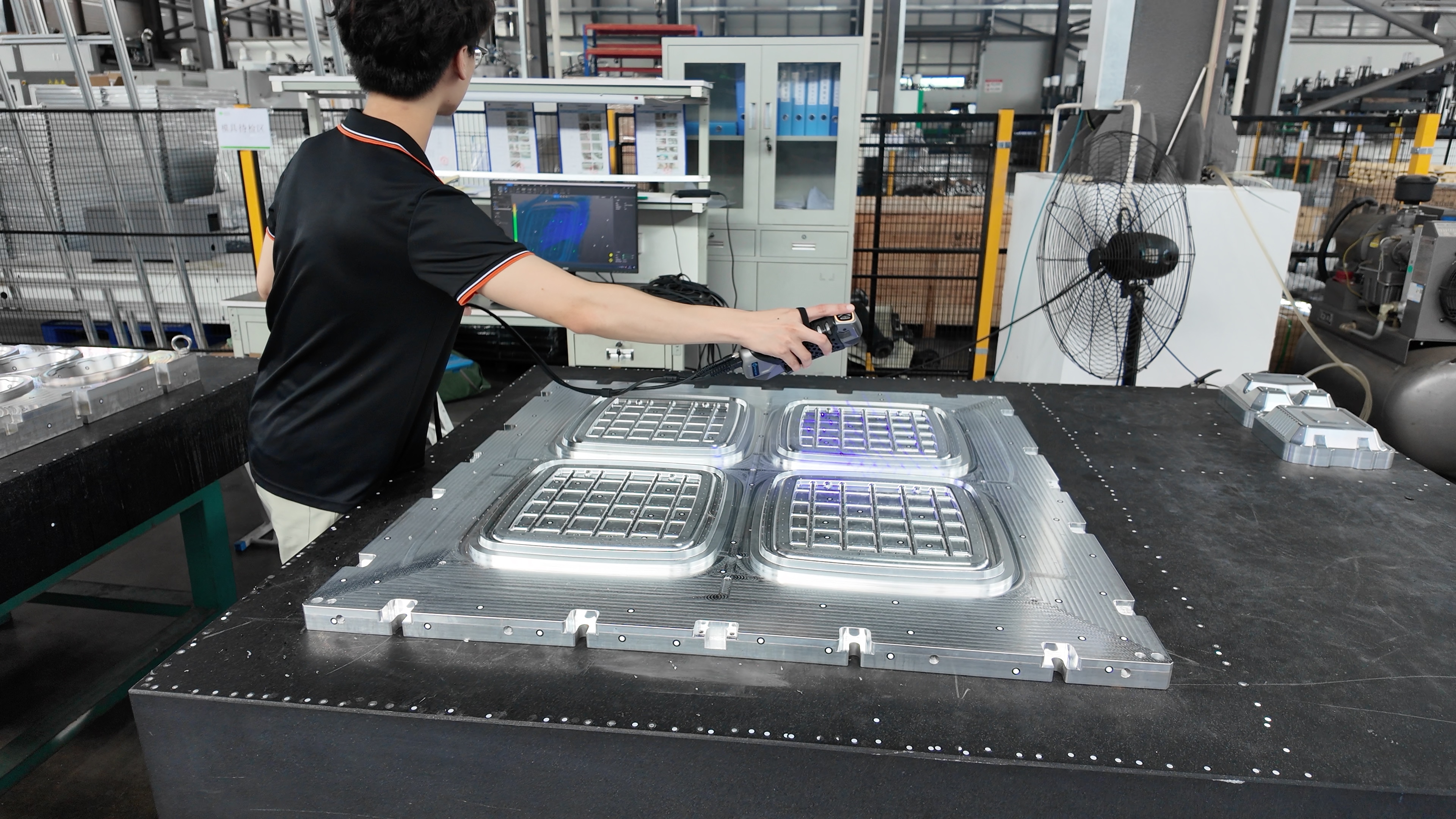
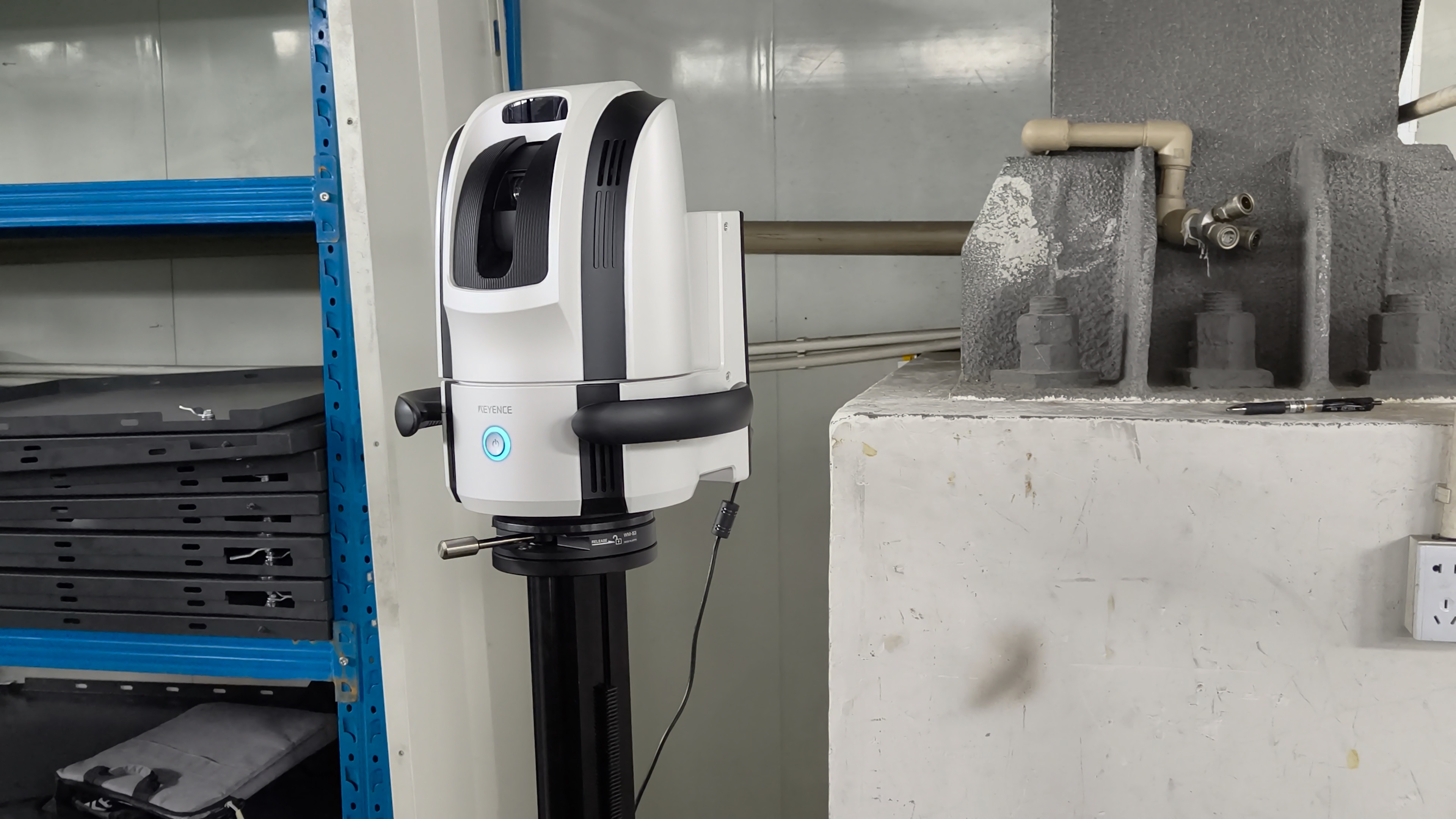
For OEM buyers, supplier verification should not stop at a brochure. Hanson applies 100% inspection before delivery, including incoming material inspection, welding and frame-structure inspection, dimensional and installation-surface inspection, portable coordinate measuring inspection, and electrical, hydraulic and pneumatic system testing. Customers can inspect Hanson's manufacturing workshops, engineering teams, mold division, equipment assembly process, quality-control system and completed customer projects before making a purchasing decision.
Hanson also maintains a service network covering key domestic and overseas markets, with 10 service locations currently in operation. Support includes installation and commissioning, operator and maintenance training, remote technical support, on-site troubleshooting, spare-parts supply, preventive maintenance, mold and product development support, production-line optimization and 24/7 service response. For turnkey projects, Hanson can arrange resident engineers and provide up to six months of on-site production assistance.
Use Cases: OEM Tableware Machine Projects
Hanson has delivered customized equipment for multiple tableware and molded-fiber packaging projects. These examples show how OEM capability translates into line integration, repeat orders and mass-production support.
- Home-Link, a listed manufacturer of biodegradable tableware and sustainable consumer products, conducted a four-month intensive equipment test covering stability, production capacity and product quality. Hanson was then selected as a core equipment supplier, with more than 100 machines purchased for the first phase of Home-Link's Thailand production base. Hanson also provided factory-level solutions covering pulp preparation, forming equipment and mold development, plus a dedicated after-sales service point in Thailand.
- Changya, a leading manufacturer of disposable tableware and sustainable foodservice packaging, selected Hanson for its transition from conventional plastic products to molded fiber packaging. More than 50 machines were supplied for the first phase of Changya's Vietnam production base, with 7x24 technical response and on-site commissioning and production support during the initial operation stage.
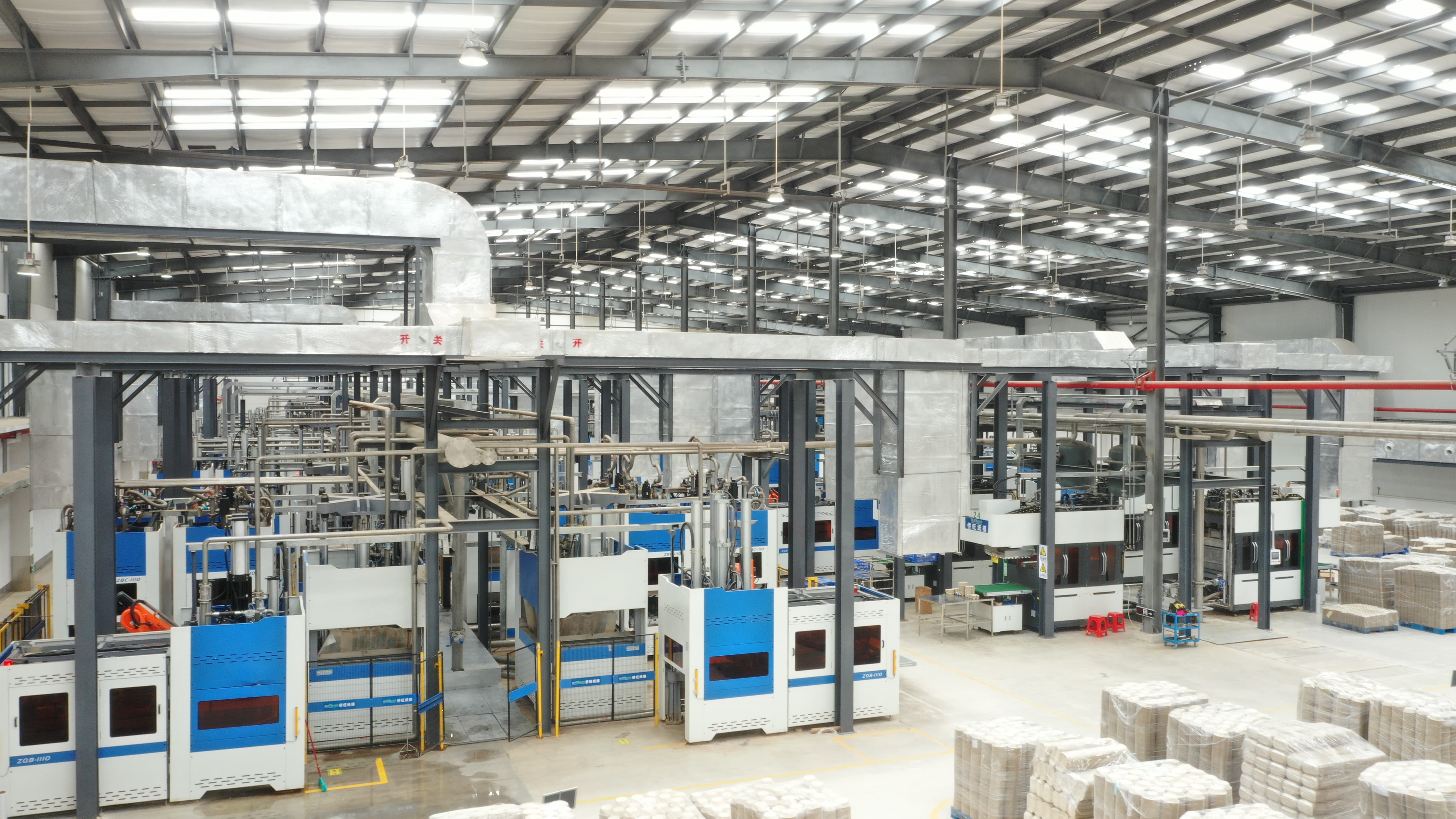
- Guangxi Qiaowang, a state-owned molded fiber tableware and industrial packaging manufacturer, received 32 customized core production machines for a 40,000-ton-per-year molded fiber tableware and industrial packaging project. After the equipment was put into operation, Qiaowang's annual production capacity increased from approximately 6,000 tons to 16,000 tons.
- Shengquan Group, a listed biomass materials and bio-based materials manufacturer, worked with Hanson on customized equipment development for a diamond-shaped bowl product with no existing standard solution. The project included seven months of trial production, an R&D sampling line and mass-production equipment, with the ZBG-1111 production line applied in the Shengquan Daqing project.
Hanson has also served listed companies, state-owned enterprises, leading packaging manufacturers and advanced-material companies, including Home-Link, Shengquan Group, Anhui Fengyuan, Guangxi Qiaowang, Gaoyi Packaging, YUTO, Yongfa Printing, Solenis and Sichuan Jinzhu, which is controlled by Wuliangye. Customer applications cover pulp molding foodservice packaging, premium industrial packaging, plant-fiber cup lids, new-material development and turnkey factory projects.
Comparison: Selecting the Right OEM Tableware Machine Configuration
An OEM tableware machine should not be selected only by purchase price. The buyer should compare production capacity, factory floor space, mold count, pressure configuration, automation level, energy consumption and downstream integration. The table below summarizes the main differences between Hanson's three automatic tableware production platforms.
| Criterion | ZFG-1111 | ZBG-1111 | ZCE-1111 |
|---|---|---|---|
| Layout | Inline line; about 2.15 m wide | Separated stations with six-axis robot transfer | Integrated machine with in-mold transfer |
| Hot-pressing stations | 1 | 2 | 1 integrated hot-pressing function |
| Hot-pressing pressure | 120 tons | 80 tons | 60 tons |
| Trimming pressure | 80 tons | 80 tons | 70 tons |
| Reference capacity | 900–1,200 kg / 24 h | 1,000–1,500 kg / 24 h | 600–900 kg / 24 h |
| Typical priority | Narrow workshop and full-servo control | High continuous capacity | Automated solution with relatively lower initial equipment cost |
The final machine configuration should be confirmed after evaluating the product, mold layout, target capacity, raw material, utility conditions and downstream requirements.
FAQ
How can a buyer verify that an OEM pulp molding tableware machine supplier is a real manufacturer rather than a trading company?
Hanson is a manufacturer, not a trading company. It manufactures pulp molding equipment in-house, operates an independent mold division, and designs, manufactures and integrates pulp preparation systems, downstream automation and complete turnkey pulp molding factory solutions. Before placing an order, buyers should inspect the supplier's manufacturing and assembly facility, confirm whether the supplier has its own mechanical, electrical, process and mold teams, review similar customer projects, define supply scope and responsibility boundaries, require factory acceptance testing before shipment, and confirm installation, commissioning, training and spare-parts support.
What is the difference between OEM and ODM for pulp molding tableware machines?
In OEM mode, products are manufactured to the client's specifications. In ODM mode, the client uses the manufacturer's design and development capabilities. Hanson offers both production modes. Production services include OEM and ODM manufacturing for customized pulp molding equipment, automated production line integration and turnkey pulp molding factory solutions.
What customization options are available on Hanson OEM pulp molding tableware machines?
Customization can include equipment model, production capacity, mold platen size, product layout, forming and hot-pressing configuration, factory layout, voltage and frequency, heating method, pulp preparation system, automation level, robotic transfer, trimming, hole punching, vision inspection, automatic packing, coating, laminating, digital printing, mold design, PLC program, interface language, equipment color, logo and utility interfaces. The minimum order quantity is 1 unit or 1 complete production line, depending on the product and project scope.
Can Hanson develop a pulp molding tableware machine from only a product concept, without drawings or physical samples?
Yes. Customers do not need to have complete drawings or physical samples before contacting Hanson. Even if the customer only has a product concept, an application requirement or a packaging objective, Hanson can assist with product-structure development, manufacturability evaluation, sampling, mold design, equipment selection and mass-production planning.
What are the MOQ, lead time and payment terms for OEM pulp molding tableware machine projects?
The MOQ is 1 unit or 1 complete production line. Approximately 60 days lead time is required for standard equipment; customized production lines are subject to equipment configuration and project scope. Payment is normally by T/T: 30% deposit after contract signing, 60% after the Factory Acceptance Test and before shipment, and 10% after installation, commissioning and final acceptance at the customer's site. For a project-specific technical review and quotation, you can contact Hanson directly or download the Hanson Pulp Molding brochure at https://cdn.socialarks.com/sbsp/25100/common/2026/0722/Hanson%20Pulp%20Molding.pdf.
Conclusion
OEM pulp molding tableware machine selection is a capability assessment. A supplier should be evaluated on in-house manufacturing depth, mold and process engineering, line integration, quality control, certification and after-sales support. HANSON PULP MOLDING TECHNOLOGY CO., LTD combines a 50,000-square-meter manufacturing facility, approximately 50 R&D and engineering professionals, 50 patents, an independent mold division, in-house pulp preparation systems, CE documentation for European projects, and a service network with 10 locations. These capabilities allow Hanson to support OEM and ODM tableware machine projects from product concept through sampling, equipment selection, mold development, installation, commissioning and production ramp-up.
Need a customized OEM pulp molding tableware machine for your product?