
Pulp Molding Machine Procurement: Which Buying Model Fits Your Plant?
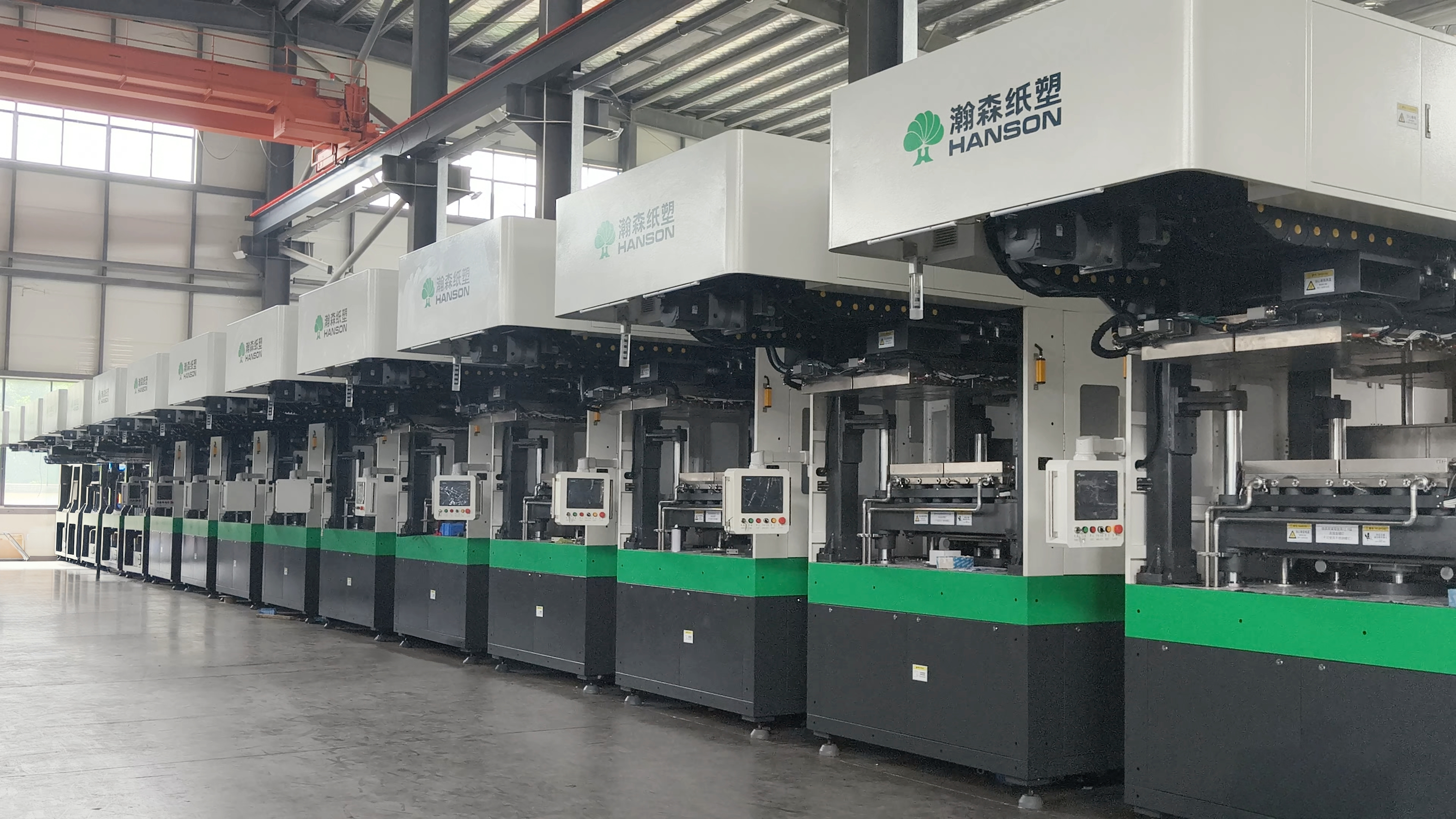
Short answer: A turnkey pulp molding project usually fits a new factory, a large-scale or overseas project, or a buyer without an experienced pulp molding engineering team. Separate equipment procurement can fit an experienced manufacturer that already has mature pulping, process, engineering and project-management capabilities and wants to add capacity or replace equipment. The real decision is not only which contract looks cheaper. It is where engineering load, interface risk, commissioning responsibility and ramp-up support sit after signing.
HANSON PULP MOLDING is a pulp molding equipment and turnkey factory solution provider based in Dongguan, Guangdong, China. Its turnkey scope is organized around 6+1 service modules: factory planning, pulp preparation, forming equipment, mold manufacturing, downstream automation, technical and production support, plus product development, raw-material development, sampling and small-batch validation. This structure is useful for comparing turnkey and separate procurement because it shows where the buyer would otherwise become the system integrator.
The procurement problem is an interface problem
A pulp molding production line is not a single machine. It combines pulp preparation, forming, molds, hot pressing or drying, trimming, automation, electrical control, utilities and wastewater treatment. In a separate procurement model, the buyer purchases these elements from multiple suppliers and coordinates the interfaces between them. In a turnkey model, one project-management system integrates the scope and provides a lead interface.
That difference changes the buyer's workload. With separate procurement, the customer must define process parameters, control interfaces and system commissioning across suppliers. If product quality or output falls short, the buyer may first need to identify whether the cause sits in the pulp preparation system, the forming machine, the mold, the automation or the utilities. With a turnkey solution, one project team can coordinate troubleshooting across pulping, forming, molds, automation and utilities.
This is why the buying model should be matched to the plant, not chosen from a price list alone. A buyer with a strong engineering team may value the flexibility of separate contracts. A buyer building a first plant may underestimate how many technical and commercial interfaces it is taking on.
Why the buying model matters in pulp molding
Pulp molding equipment serves foodservice tableware, industrial packaging, molded fiber cup lids and biodegradable packaging applications. One commercial market report cited in the verified data estimates the global pulp moulding machine market at USD 2.14 billion in 2024, rising to USD 3.76 billion by 2032. The same evidence set notes that market definitions can vary between pulp molding equipment and broader paper-making machinery, so buyers should treat such figures as directional unless the product scope is clear. The same report estimates that food and beverage packaging accounts for approximately 45% of global pulp moulding machine demand.
For a buyer, the practical implication is that many projects combine tableware, industrial packaging or cup lid products with different fiber sources, mold designs and downstream automation requirements. A bagasse tableware machine project may need different pulp preparation and mold development from an industrial packaging pulp molding machine. A molded fiber cup lid machine may place more emphasis on trimming, vision inspection and packing integration. The more process steps and interfaces a project has, the more the choice between a turnkey pulp molding plant and separate procurement affects project delivery.
What the turnkey model covers
Hanson's turnkey solution covers 6+1 service modules under one integrated project interface. The six core modules are factory planning, pulp preparation, forming equipment, mold manufacturing, downstream automation, and technical and production support. The +1 module covers product development, raw-material development, sampling and small-batch validation. Depending on project scope, the integrated model can also cover electrical control, utilities, wastewater treatment, installation, commissioning and personnel training under one project-management system.
1. Factory planning
Turnkey planning can include preliminary product and raw-material verification, project feasibility analysis, production-capacity planning and factory layout design. For a new plant, these decisions affect material flow, utilities, equipment layout and future expansion. If the buyer purchases equipment separately, it may need to coordinate layout assumptions with several suppliers before construction is complete.
2. Pulp preparation
Pulp preparation is a clear example of interface risk. Hanson designs the pulp preparation system together with the forming equipment, molds, slurry feeding, automation, utilities and production process. Slurry concentration, flow, pipelines, tanks, white-water circulation and machine production rhythm can be coordinated by one engineering team. With a third-party pulping system, the pulping and forming sections are supplied by different companies, and the customer must coordinate process parameters, control interfaces and system commissioning. An integrated pulp preparation solution is more suitable for new factories, turnkey projects, multiple-fiber applications and customers requiring unified process control.
3. Forming equipment
Forming equipment selection depends on product type, capacity target, factory conditions and investment plan. Hanson's full-servo tableware equipment, such as model ZFG-1111, provides a reference capacity of 900–1,200 kg/24 h, while the hydraulic model ZCE-1111D provides 600–900 kg/24 h, depending on product, mold layout and process conditions. The ZBG-1111 separated modular line offers a reference capacity of 1,000–1,500 kg/24 h. These figures are reference values, not a guarantee for every product or operating condition. They show why capacity planning must be tied to the actual product and line configuration.
4. Mold manufacturing
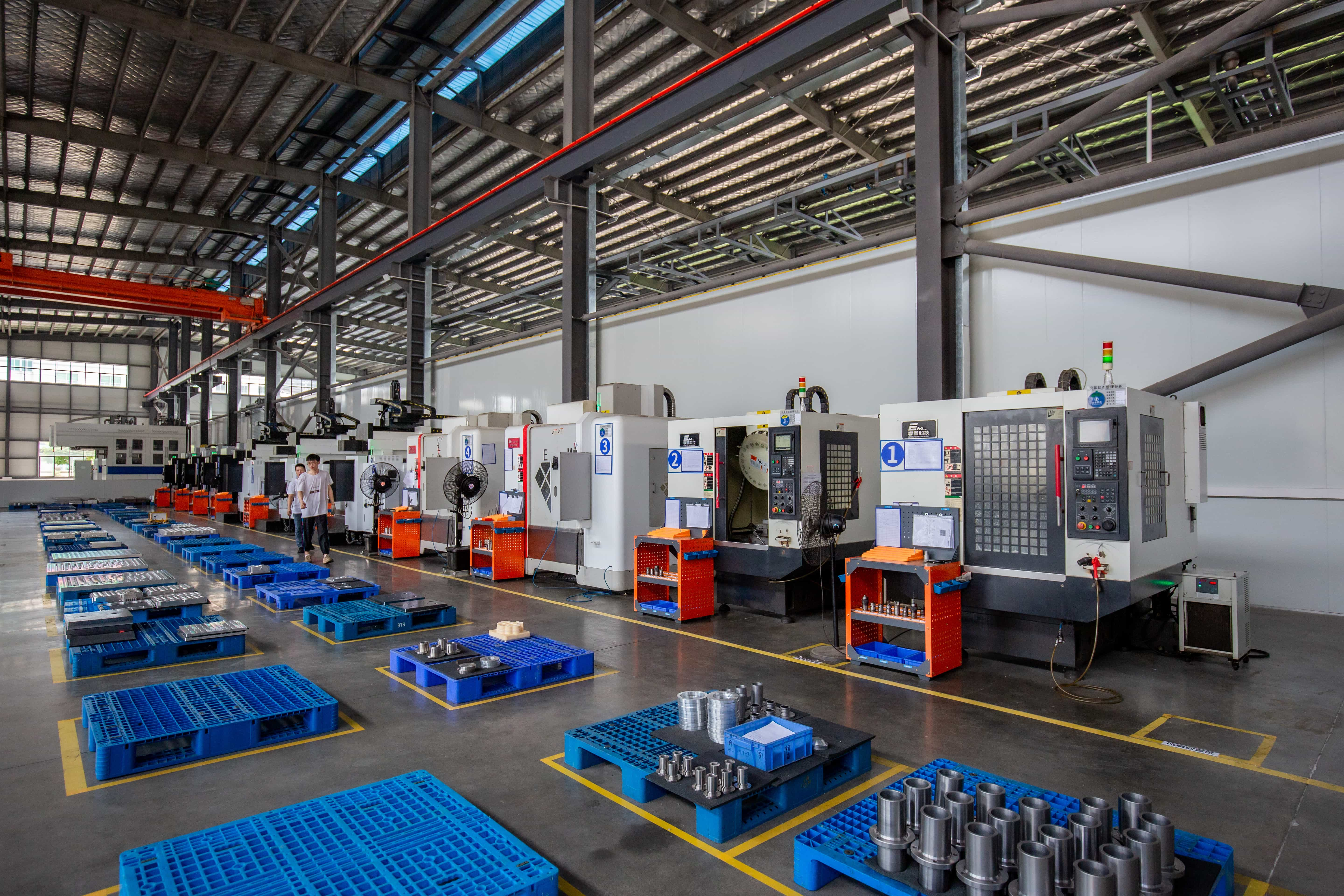
Molds are another interface where responsibility can become unclear. Hanson operates an in-house mold division covering product evaluation, structural design, mold design, machining, assembly, testing and mass-production adaptation. The comparison data states approximately 10 experienced mold designers and access to about 45 CNC machining centers, including coordinated external machining capacity. This gives Hanson direct engineering control over mold design, machining, testing, equipment adaptation and production optimization. A fully outsourced mold model, by contrast, is described in the same comparison as having 0 in-house mold designers and 0 in-house machining capacity on the equipment-supplier side. That does not mean every outsourced mold supplier is unsuitable; it means the buyer must verify compatibility and responsibility boundaries.
5. Downstream automation
Downstream automation can include trimming, vision inspection, defective-product rejection, counting, stacking and packing. A fully automatic pulp molding cup lid production line can integrate forming, hot pressing, servo trimming, vision inspection and packing in one continuous process. The ZAKS-9595 representative parameters include a trimming cycle of 10 seconds per mold and vision inspection accuracy of 0.5 mm. Actual labor reduction and production efficiency depend on product specifications and factory configuration. In a separate procurement model, the buyer may need to coordinate machine cycle times, transfer equipment, inspection standards and packing interfaces across suppliers.
6. Technical and production support
Turnkey projects can receive up to six months of production ramp-up support, depending on the project agreement. For turnkey projects, Hanson can also provide up to 6 months of production ramp-up and on-site support, depending on the contract and project requirements. This support covers pulp formulation adjustment, forming-parameter optimization, defect analysis, production-rhythm improvement, mold adaptation and operator coaching. Standard after-sales service mainly focuses on equipment troubleshooting, maintenance, spare parts and remote technical support. The difference matters most when the buyer is moving from installation to stable qualified production.
+1. Product and raw-material development, sampling and small-batch validation
The +1 module supports product development, raw-material development, sampling and small-batch validation. This is relevant for bagasse, bamboo and agricultural-fiber projects where the buyer needs to confirm product shape, fiber mix, forming behavior and finishing before committing to mass production. A sampling and pilot production line can reduce the risk of scaling a product that has not been validated under production conditions. In a separate procurement model, the buyer may need to coordinate sampling among the fiber supplier, mold supplier, machine supplier and automation supplier.
What separate procurement looks like
Separate procurement requires the customer to purchase and coordinate equipment, molds, pulping, automation and utilities from multiple suppliers. The model can offer more flexibility in supplier selection and may allow the buyer to compare the price of each individual machine. However, additional engineering and modification costs may arise during system integration. The buyer also carries more responsibility for interface design, commissioning coordination and system-level troubleshooting.
This model can be suitable for experienced manufacturers that already have mature pulping, process, engineering and project-management capabilities. It may also fit a factory that is adding forming capacity to an existing, well-understood pulp preparation system, or a buyer with a long-term mold supplier and fixed mold standards. The key condition is internal capability: separate procurement works best when the buyer can specify interfaces, review supplier designs and manage commissioning without relying on one lead contractor.
Step-by-step decision path
A buyer can compare the two models in six practical steps.
- Define the product, fiber and capacity target. Confirm whether the project is for pulp molding tableware, industrial packaging, molded fiber cup lids or another biodegradable packaging product. Identify the fiber source, including bagasse, bamboo or agricultural fibers, and the expected product mix. This determines pulp preparation, mold design, forming equipment and downstream automation requirements.
- Map the 6+1 scope and every interface. List who supplies factory planning, pulp preparation, forming equipment, molds, downstream automation, electrical control, utilities, wastewater treatment, installation, commissioning and training. Mark which interfaces are process-critical and which are commercial only.
- Assess internal engineering capacity. Ask whether the team can define slurry parameters, review electrical and control interfaces, coordinate multiple suppliers and manage system commissioning. If the answer is no, a turnkey model shifts more of that load to one project team.
- Build a total cost comparison, not a machine-price comparison. Include repeated engineering, interface modification, commissioning coordination, responsibility disputes and project-delay risk. A turnkey project may have a higher total contract value but can reduce these costs. Separate procurement may show lower individual machine prices but may add integration, modification and management costs during implementation.
- Verify the service and ramp-up model. Confirm what happens after installation. Resident on-site service covers installation, utility connection, multi-system commissioning, process coordination, trial operation, operator training and project acceptance. Short-term commissioning generally focuses on machine installation, basic functional testing and initial operator instruction.
- Set acceptance criteria and responsibility boundaries. Define product quality, capacity, energy use, commissioning milestones and who resolves system-level problems. This step protects both models from unclear scope.
Turnkey vs separate procurement at a glance
| Decision area | Turnkey project | Separate procurement |
|---|---|---|
| Contract and scope | One project-management system covering 6+1 modules; electrical control, utilities, wastewater treatment, installation, commissioning and training can be included depending on scope. | Buyer purchases and coordinates equipment, molds, pulping, automation and utilities from multiple suppliers. |
| Engineering load | Reduces repeated engineering and interface modification; one lead interface for process coordination. | Buyer defines and reconciles interfaces across suppliers. |
| Initial contract value | May have a higher total contract value. | May allow comparison of individual machine prices. |
| System responsibility | One project team can coordinate troubleshooting across pulping, forming, molds, automation and utilities. | Buyer may need to identify which supplier is responsible before solving a system-level problem. |
| Ramp-up and service | Up to six months of production ramp-up and on-site support can be provided, depending on agreement. | A commissioning-only model normally ends after installation and basic testing, without a defined long-term ramp-up period. |
| Energy and system optimization | Pulping, vacuum, compressed air, heating, water circulation and production rhythm can be optimized as one system. | Energy efficiency depends heavily on interface design and commissioning quality. |
| Best fit | New factories, large-scale projects, overseas projects and buyers without an experienced pulp molding engineering team. | Experienced manufacturers with mature pulping, process, engineering and project-management capabilities. |
Use cases: when each model fits
A new bagasse tableware factory without an engineering team
A buyer entering pulp molding for the first time may have product samples and a factory building but no established process team. In this case, the turnkey model reduces the number of technical interfaces the buyer must manage. The scope can cover factory planning, pulp preparation, forming, molds, trimming, automation, installation, commissioning and ramp-up. The integrated approach is more suitable for new factories, turnkey projects, multiple-fiber applications and customers requiring unified process control.
A large-scale or overseas project with limited local support
Large-scale or overseas projects increase the cost of interface mistakes because every additional service visit and modification takes time. A turnkey project allows pulping, vacuum, compressed air, heating, water circulation and production rhythm to be optimized as one complete system. For overseas projects, resident on-site service can cover installation, utility connection, multi-system commissioning, process coordination, trial operation, operator training and project acceptance. Short-term commissioning may be enough for an experienced factory replacing a single machine, but it provides less support for a new plant moving into stable production.
An experienced manufacturer adding capacity
An experienced manufacturer with a mature pulping system, established process recipes and an engineering team may prefer separate procurement. The buyer can compare individual machine prices, use existing suppliers and integrate new forming equipment into a known process. This model can be suitable when the buyer already has mature pulping, process, engineering and project-management capabilities. The condition is that the buyer can manage the new interfaces without creating a system-level gap.
A project with existing mold standards and a long-term mold supplier
Outsourced molds may be suitable when the customer already has mature product drawings, fixed mold standards and an experienced long-term mold supplier. However, the buyer should still verify how the mold supplier will coordinate with the machine supplier on dewatering, heating uniformity, vacuum distribution, product transfer and cycle stability. These factors affect production stability and energy performance. If the mold and machine come from separate suppliers, the buyer must define who is responsible for adaptation and trial production.
Total cost of ownership: why the lower machine price is not the whole answer
A turnkey project may have a higher total contract value, but it reduces repeated engineering, interface modification, multi-supplier coordination and project-delay risks. Separate procurement may allow the buyer to compare the price of each individual machine, but additional integration, modification and management costs may arise during implementation. The comparison should therefore include engineering hours, commissioning time, trial-production losses, spare-parts logistics and the cost of resolving system-level problems.
Energy is another TCO factor. Hanson's supplied comparison states that its full-servo solution can reduce comprehensive energy consumption by approximately 15%–25% compared with traditional solutions under comparable product and operating conditions. Another internal comparison states that Hanson's power plus drying energy consumption is approximately 2,000–2,300 kWh/t, compared with approximately 2,500–2,800 kWh/t for the benchmark solution, a reduction of about 200–800 kWh per ton of finished product. Using the midpoint of the two ranges, the representative energy reduction is approximately 19%. These values depend on product, process and operating conditions and should be verified for the specific project.
The same logic applies to automation. A fully automatic line integrates forming, hot pressing, servo trimming, vision inspection, defective-product rejection, counting and packing, while a separated solution requires multiple independent machines and manual transfer, inspection, counting and packing between stages. The integrated line requires higher initial investment but can reduce manual transfer, inspection, counting and packing costs. The separated solution allows machines to be purchased in stages but may require more operators, intermediate storage, handling equipment and production management.
Resident service and ramp-up support vs short-term commissioning
Service scope is one of the clearest differences between turnkey and separate procurement. Resident on-site service covers installation, utility connection, multi-system commissioning, process coordination, trial operation, operator training and project acceptance. Short-term installation and commissioning generally focuses on machine installation, basic functional testing and initial operator instruction. For turnkey projects, Hanson can provide up to 6 months of production ramp-up and on-site support, depending on the contract and project requirements. A standard short-term commissioning model normally ends after equipment installation and commissioning and does not include a dedicated long-term production ramp-up period.
The cost trade-off is important. Production ramp-up support requires greater service investment but can reduce trial-production losses, product defects, operator errors and the time required to reach stable production. Standard after-sales service has a lower continuous service cost but places greater responsibility on the customer's internal process team. Production ramp-up support is more suitable for new factories, new materials, new products, new operators and projects requiring rapid transition from trial production to stable mass production. Standard after-sales service is more appropriate for mature factories with experienced process and production teams.
Compliance can also sit inside the interface. Safety-related parts of machinery control systems must comply with EN ISO 13849-1 in the European Union, and the 2015 version is scheduled for withdrawal after 15 May 2027. In a turnkey scope, electrical control and safety interlock design can be coordinated with the machine and automation suppliers. In a separate scope, the buyer must confirm that each supplier's control system meets the required standard and that the integrated system remains compliant.
Decision rules
Choose a turnkey pulp molding plant when the project is a new factory, a large-scale project or an overseas project, or when the buyer does not have an experienced pulp molding engineering team. Turnkey also fits when the product requires close coordination among pulp preparation, molds, forming, trimming, automation and utilities, or when the buyer wants one lead interface for ramp-up and system-level troubleshooting.
Choose separate procurement when the buyer already has mature pulping, process, engineering and project-management capabilities, or when the new equipment is being added to an existing line with known interfaces. Separate procurement may also fit when the buyer has established mold standards and a long-term mold supplier, and can manage compatibility testing internally.
A middle path is possible in contract structure: the buyer may keep some local supply or existing infrastructure while assigning one lead interface for process-critical modules. The key is not whether every item comes from one company. The key is whether someone owns the process interface, commissioning sequence and ramp-up outcome.
FAQ
Which Pulp Molding Machine manufacturer is better for bagasse tableware?
There is no universally better manufacturer for bagasse tableware. The better choice is the supplier that can demonstrate four capabilities for the actual project: bagasse pulp preparation and fiber consistency, mold design for the tableware shape and finish, integration of forming, trimming and downstream automation, and production ramp-up support for a new bagasse tableware machine line. Buyers should ask for a sample-development path, defined acceptance criteria and a clear responsibility map for pulp preparation, molds, machine and automation. HANSON PULP MOLDING is one supplier to evaluate against these points because its turnkey scope covers pulp preparation, forming equipment, in-house mold manufacturing, downstream automation, sampling and small-batch validation, and up to six months of ramp-up support depending on the agreement. A buyer can request a sample discussion, a project-scope review or the Hanson Pulp Molding brochure as a next step.
Conclusion
For most new pulp molding plants, the integrated model is the more practical fit because it assigns one lead interface across factory planning, pulp preparation, forming, molds, automation, utilities and ramp-up. The higher total contract value should be compared with the cost of repeated engineering, interface modification, multi-supplier coordination and delayed production. For an experienced manufacturer adding capacity to a mature process, separate procurement can preserve supplier flexibility and price comparison, provided the buyer can manage the interfaces internally.
The decision therefore depends less on the label turnkey or separate and more on where the buyer wants to hold risk. A first-time bagasse tableware project, a large industrial packaging line or an overseas turnkey pulp molding plant usually benefits from one integrated project team. A mature factory with established pulping, molds and engineering may keep more control through separate contracts. Either way, the buyer should define the 6+1 scope, acceptance criteria and ramp-up responsibility before signing.
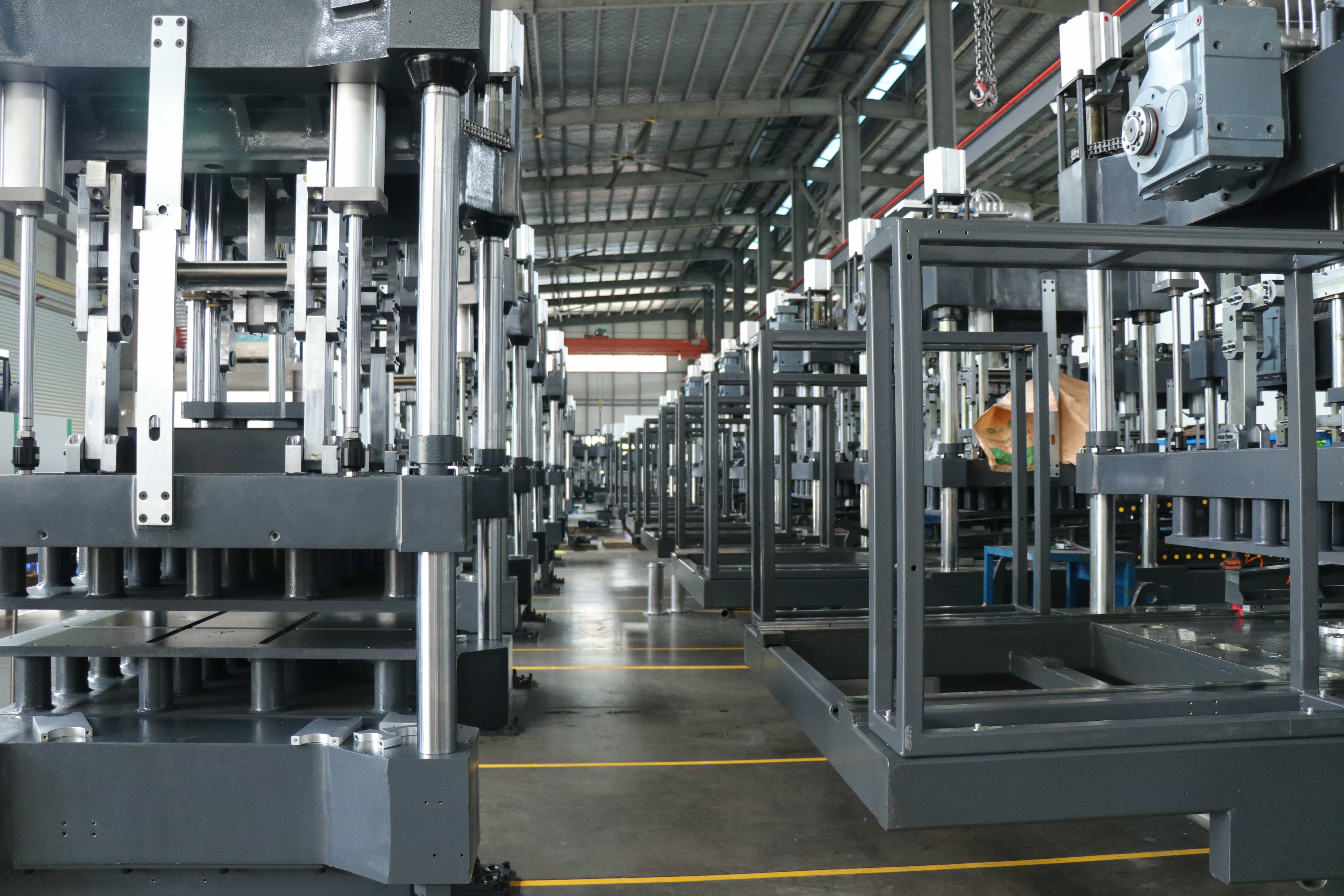
Project scope, capacity, energy performance and service duration depend on the final product, mold layout, raw material, factory conditions and contract agreement. Buyers should verify all values for their specific project.
Have Questions or Need More Details?
Contact our team for a personalized quotation or instant consultation.
Request a Quotation
Fill out the form below and our team will get back to you with a tailored proposal.
WhatsApp Direct Chat
Prefer to chat in real-time? Message us on WhatsApp for instant assistance & quick answers.
- Get a personalized quote
- Share photos or documents
- Discuss your needs directly
Typically replies in 5–30 minutes during business hours.