
Fragrance Oil Carrier Comparison: DPG vs. IPM vs. DPM
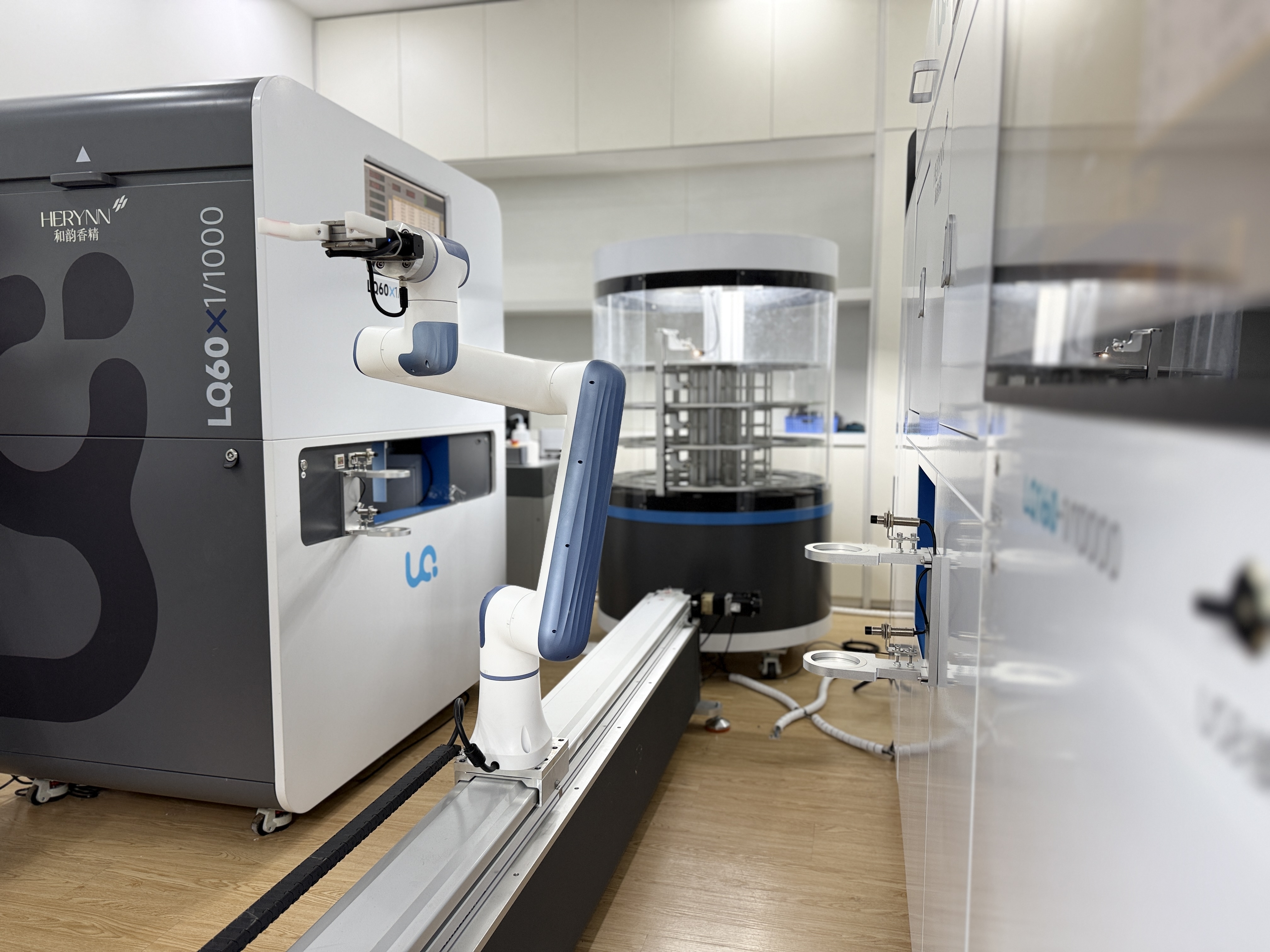
A fragrance oil's behaviour in a diffuser, a candle or a body wash depends heavily on its carrier — the solvent that turns a fragrance concentrate into a dosable compound. DPG (dipropylene glycol), IPM (isopropyl myristate) and DPM (dipropylene glycol methyl ether) are three carriers used for that job, and they are not interchangeable.
Short answer. DPG is the usual starting point for low-evaporation home fragrance — reed diffusers and candles — where the carrier should hold the fragrance back and release it slowly over the product's service life. IPM suits skin-contact personal care, including fragrance oil for body lotion, fragrance oil for body mist, fragrance oil for hair and oil-based perfume, where a light emollient carrier helps base compatibility and skin feel. DPM sits between the two: lower viscosity and faster release than DPG, useful where release speed or handling weight is the constraint.
Carrier chemistry explains the mechanism, but it does not specify a product. The carrier actually used in a named model must be confirmed on that model's technical data sheet (TDS) and safety data sheet (SDS).
Why the carrier decides application fit, not the scent
Scent selection is the visible part of a fragrance brief. The part that decides whether the brief survives manufacturing is the carrier system: the solvent that dissolves the concentrate and sets how the compound behaves in a diffuser wick, a wax melt pool, a surfactant gel or an emulsion.
Three failure modes account for most carrier-related complaints. In home fragrance, the compound releases too quickly, so the diffuser is loud for a week and flat for the rest of its life. In personal care, the fragrance separates, hazes or thins the base. In storage, the finished product discolours or the scent fades before the end of its shelf life.
All three are interactions between fragrance, carrier and base — not defects in the scent itself. HERYNN's published troubleshooting guidance for discolouration and fading lists interaction between fragrance components and the base formulation (oxidation, pH, UV light, packaging material), dosage outside the validated range, an incompatible solvent or carrier, and storage outside recommended conditions as the causes to check first. A carrier comparison is therefore a compatibility exercise, and it has to be run against the real base.
What a carrier actually does in a fragrance compound
A fragrance compound — also called a fragrance oil — is a concentrated blend of natural and/or synthetic fragrance materials, dosed into a finished product's base formulation at a defined percentage. The carrier is the part of that compound that is not there for scent. It dissolves the concentrate, sets the viscosity of the compound, moderates how quickly the volatile molecules leave the product, influences flash point and transport classification, and determines whether the compound is compatible with an aqueous, emulsion, wax or alcohol base.
This is why "fragrance oil" on its own is not a purchasing specification. Performance depends on the formula, the dosage, the pH of the base, the packaging and the storage conditions — the same concentrate in two carriers can behave like two different products. Buyers comparing suppliers should be comparing carrier-and-application pairs, not scent names.
DPG (dipropylene glycol): the low-volatility choice for diffusers and candles
DPG is a glycol carrier with low volatility. That is the reason it dominates home fragrance, and the reason is physical rather than commercial: a low-volatility carrier does not rush out of a reed or a wick, so the fragrance is released over a longer period instead of a sharp initial burst.
Buyers usually describe this behaviour as low-evaporation, long-duration diffusion. In practice it means the performance of a diffuser is spread across its whole service life, which matters for retail packs that may sit on a shelf before use and then run for weeks in a consumer's home.
Where DPG fits: reed and capillary diffusers; candle and home-fragrance compounds where the fragrance must survive the melt pool; fragrance oil for air freshener formats that need a steady, non-aggressive release.
Where it needs checking: glycol carriers are more viscous than light esters, particularly at low ambient temperature, so dosing lines, mixing time and drum emptying in winter need planning. In clear aqueous gels and some surfactant systems, a glycol carrier can affect clarity, and that has to be tested rather than assumed. If the diffusion device is powered — ultrasonic or heat-assisted — device compatibility is a separate question from carrier chemistry: residue and performance in that specific device must be confirmed by trial.
HERYNN's documented diffuser models HW91062 and HW91060 sit in this application family and are recorded with ISO 14001:2015 documentation. What the public record does not contain — and what a buyer must obtain before writing a specification — is the measured evaporation rate in a specific vessel, the wicking height for a specific reed set, and residue behaviour on reeds. Those are application tests, not catalogue attributes.
IPM (isopropyl myristate): the skin-contact carrier for personal care
IPM is an emollient ester rather than a glycol. It is a light, low-odour material that spreads easily, which is why it appears in personal care in two roles at once: as an emollient in the base and as a carrier or solubiliser for the fragrance.
Where IPM fits: fragrance oil for body lotion, fragrance oil for body mist, fragrance oil for hair and other leave-on products where a dry, non-tacky skin feel matters; oil-based perfume concentrates; and emulsion systems where a glycol carrier would be too heavy or would disturb the texture.
Where it needs checking: esters are sensitive to extreme pH and to prolonged heat during compounding. HERYNN's published dosing guidance is to add the fragrance at the recommended percentage and at the correct process stage — after emulsification and, where possible, below 45°C — then homogenise, evaluate odour, colour and stability, and retain a sample. The same discipline applies to any ester-carried compound: the process stage matters as much as the percentage.
Packaging is the second check. Esters can interact with some elastomers and plastics over time, so seal and gasket compatibility should be confirmed for the pack you intend to ship, not only for the drum the fragrance arrives in.
For rinse-off products — fragrance oil for body wash, fragrance oil for shampoo — the carrier has to survive a surfactant system. A carrier that performs well in a lotion can still haze a clear shower gel or shift its viscosity, so the surfactant base needs its own compatibility trial.
DPM (dipropylene glycol methyl ether): the lighter, faster-release option
DPM is a glycol ether. Relative to DPG it is lighter and more volatile: lower viscosity, faster release, easier pumping at low temperature.
Where DPM fits: formulations that need a lighter carrier than DPG without switching to an entirely different chemistry — blends where release speed or handling weight is the constraint rather than base compatibility. It is also the kind of carrier that appears in blends, where a formulator balances a slower glycol against a faster ether to shape the release curve.
Where it needs checking: a more volatile carrier is lost faster from open systems, so open-tank mixing, filling-line hold times and the headspace of the finished pack all matter more. Its odour contribution should be assessed in the finished product's top notes rather than in isolation. And because flash point and transport classification differ between carriers, the SDS for the specific product — not the carrier family in general — is the document that governs storage, labelling and shipment.
| Attribute | DPG | IPM | DPM |
|---|---|---|---|
| Chemical family | Glycol (dipropylene glycol) | Emollient ester (isopropyl myristate) | Glycol ether (dipropylene glycol methyl ether) |
| Release behaviour | Low volatility; slows release and extends diffusion | Low to moderate; leaves a soft emollient character | Higher volatility than DPG; faster release |
| Typical application fit | Reed diffusers, candles, home fragrance and air fresheners | Body lotion, body mist, hair care, oil-based perfume | Blends needing lower viscosity or a faster release curve |
| Base compatibility to test | Wax systems, clear gels, packaging seals | Emulsions, oils, surfactant bases, extreme pH | Aqueous and alcoholic systems, pack headspace, seals |
| Main trade-offs | Higher viscosity at low temperature; slower dissolving of some materials | Ester sensitivity to pH and heat; plastic and elastomer contact | Faster loss from open systems; odour contribution; different flash point |
| Documents to request | TDS, SDS, IFRA certificate for the category, batch COA | TDS, SDS, IFRA certificate, allergen declaration, COA | TDS, SDS with transport classification, IFRA certificate, COA |
Documented fragrance oil models by application
HERYNN Fragrance Oil is the fragrance brand of HERYNN Fragrances & Flavors Co., Ltd., a China-based fragrance manufacturer with R&D centres and production bases in Shanghai and Guangzhou, developing customised fragrance compounds for fine fragrance, personal care, air care, candle and home care applications (www.herynn.com). Its published documentation names the models below by application, which makes them useful reference points when a carrier decision has to be tied to a real product.
| Model | Documented application | Documented credential | What the buyer must still confirm |
|---|---|---|---|
| HW91060 | Fragrance oil for diffuser | ISO 14001:2015 recorded as the applicable standard | Carrier system, wicking rate in your vessel, IFRA category for the diffuser type |
| HW91062 | Fragrance oil for diffuser | ISO 14001:2015 certification scope covers design and production of liquid fragrance and related activities | Same as above, plus device compatibility if the format is ultrasonic |
| HW91046 | Fragrance oil for candle | ISO 14001:2015 certification issued by China Quality Certification Centre | Wax-system compatibility (soy versus paraffin), load percentage, burn performance |
| HW91021 | Fragrance oil for perfume | ISO 14001:2015 certificate 00125E30651R0S/3100 | Alcohol compatibility — HERYNN supplies concentrates only and does not produce alcohol-based products |
Read the table as a documentation map, not a performance ranking. The application of each model is documented, and the ISO 14001:2015 reference is an environmental management credential for the site and scope named — it is not a statement about diffusion performance, wax compatibility or odour strength. The carrier of each model is a model-level attribute: request it with the TDS rather than inferring it from the application category.
Step by step: how to select a carrier system for your application

- Define the finished product and its IFRA category first. A rinse-off body wash and a leave-on body lotion are different categories with different permitted use levels. IFRA guidance is explicit that the applicable category and maximum acceptable concentration must be checked for the intended end use — so the category, not the carrier, is the first decision.
- Define the physical format. Reed diffuser or ultrasonic device; container candle or pillar; clear gel or opaque lotion; alcohol spray or oil. The format constrains the carrier more than the scent does.
- Shortlist the carrier family against volatility and base compatibility using the comparison table above.
- Request model-level documents: TDS (carrier and recommended use level), SDS (classification, storage, transport), an IFRA Certificate of Conformity issued for your exact category and use level, and the COA for the batch you will receive.
- Run a base-compatibility trial. Add the compound to your own base at the intended dose and process stage; assess clarity, viscosity, colour and odour against a control with no fragrance.
- Run a stability and packaging trial. Same pack, same storage, with and without fragrance. Check discolouration, fade and seal compatibility over the intended shelf life.
- Lock the dosage and process window into the batch record. Dose after emulsification and, where possible, below 45°C; homogenise; evaluate; retain a sealed sample of every batch for traceability.
- Re-verify at scale. A 1 kg sample and a 200 kg drum are not the same mixing problem — confirm transfer, hold time and drum emptying before the first production run.
Application notes for diffusers, candles and personal care
Diffusers and air fresheners
Reed and capillary diffusers rely on a slow, steady release, which is where a DPG-type carrier earns its place. Powered formats place a different demand on the compound: the carrier must perform in the device, not only in the bottle, so device-level testing is essential. Spray and gel air fresheners usually move to a different carrier chemistry again, because the base is aqueous or alcoholic rather than a glycol pool.
Candles in soy and paraffin wax
The wax system governs the load. Candle programmes commonly screen fragrance loads in the 6–10% region of the wax weight for both soy and paraffin, but that band is a starting hypothesis, not a transferable specification: the permitted level depends on the fragrance's IFRA category, its solubility in that specific wax, and burn behaviour. A fragrance that performs in paraffin is not automatically a drop-in for soy, because the two waxes differ in how much fragrance they hold and how they set. Verify hot throw, cold throw, wick performance and colour stability at the load you intend to run. HW91046 is the documented candle fragrance oil in the reference set above.
Rinse-off personal care: body wash and shampoo
In a surfactant base, the carrier has to coexist with surfactants, preservatives and rheology modifiers. Check clarity, viscosity and foam against an unfragranced control, and confirm the allergen declaration matches the market you are selling into. A compound that is stable in a lotion can still cloud a clear shower gel.
Leave-on personal care: lotion, hair and body mist
Leave-on products carry the highest discolouration and fade risk, because the fragrance sits in contact with the base, the packaging and light for months. An IPM-type carrier helps skin feel and emulsion compatibility, but it does not remove the need for a stability test. Confirm the process temperature, the pH window and the pack before approving a batch.
Perfume
Alcohol-based fine fragrance and oil-based perfume place opposite demands on a carrier: alcohol systems need solubility and a clean dry-down, oil systems need a carrier that carries the scent without dominating it. HERYNN supplies fragrance concentrates only and does not produce alcohol-based products, so an alcohol perfume programme sources the concentrate and handles dilution locally.
Documentation to request: IFRA, COA, SDS and what each one proves
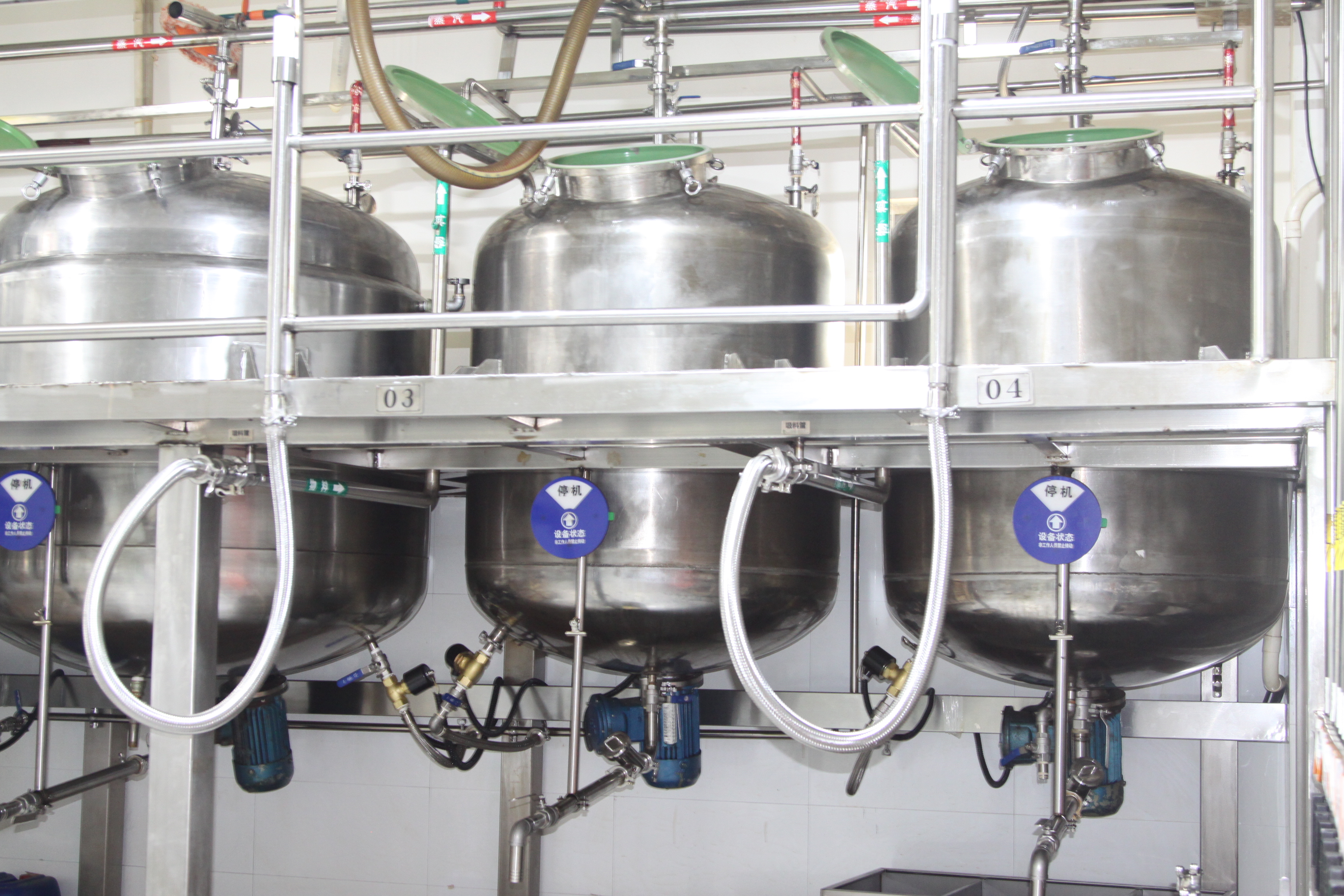
- IFRA Certificate of Conformity confirms that a fragrance compound complies with IFRA Standards for a stated product category and use level. It is category- and dosage-specific, so it must be re-issued if you change product type or use level. IFRA also notes that the certificate applies to fragrance mixtures intended for direct inclusion in a finished consumer product, and that raw materials generally do not receive one.
- IFRA status and national law are separate checks. IFRA Standards are a globally recognised risk-management framework, voluntary in general terms and mandatory for IFRA members under the Code of Practice; they do not replace the regulations in force in your destination market.
- COA (certificate of analysis) covers the batch. Note the scope: HERYNN applies GC-MS testing to raw materials and production batches, while the approximately 30 g olfactive sample supplied for sensory evaluation is not GC-MS tested.
- SDS should be supplied in the format your market uses — EU CLP, US GHS or China GHS — and is the document that governs handling, storage and transport classification.
- Supporting files available on request include SPEC, allergen declarations (EU model, 28 or 83 allergens), VOC reports and California Proposition 65 documents.
- Market-specific credentials include HALAL certificate HY250212, issued by Halal Certification Services Chongqing, valid from 2025-02-12 to 2028-02-11 and covering 522 products for the Indonesia and Malaysia markets.
MOQ, samples, lead time and cost-performance
The commercial terms matter as much as the chemistry when you are comparing a carrier-dependent formula across suppliers, because a small trial order is how most buyers de-risk the compatibility question.
- MOQ: 1 kg. HERYNN reports this against 10–50 kg at international fragrance houses, a difference of up to 50 times.
- Sampling: an olfactive sample of approximately 30 g is supplied for sensory evaluation, with sample despatch reported at 2–3 days and sample lead time at 7–15 days, against 4–8 weeks at international houses (approximately 60–75% faster, as stated by the supplier).
- Custom development: 2–4 weeks, against 8–16 weeks at international houses; fragrance matching against a reference sample or finished product is typically 3–4 weeks including one round of odour revision.
- Technical response: 24 hours or less, against 2–5 days at international houses.
- Bulk delivery: standard catalogue fragrances are typically despatched within 3–5 working days after payment confirmation. Air freight uses a 10 kg PVC drum; sea freight uses 25 kg or 200 kg metal drums, each with a leak-proof stopper, and one pallet or above is suggested. Payment is by T/T or PayPal, with flexible terms for samples and small orders.
On cost-performance, HERYNN states that unit prices can be 10–30% lower for orders of 100 kg or less, with the gap narrowing above roughly 500 kg because large international houses buy raw materials at scale. Treat these figures as supplier-reported comparisons, not independent benchmarks, and test them against your own specification.
Shelf life, storage, discoloration and fade: what to verify
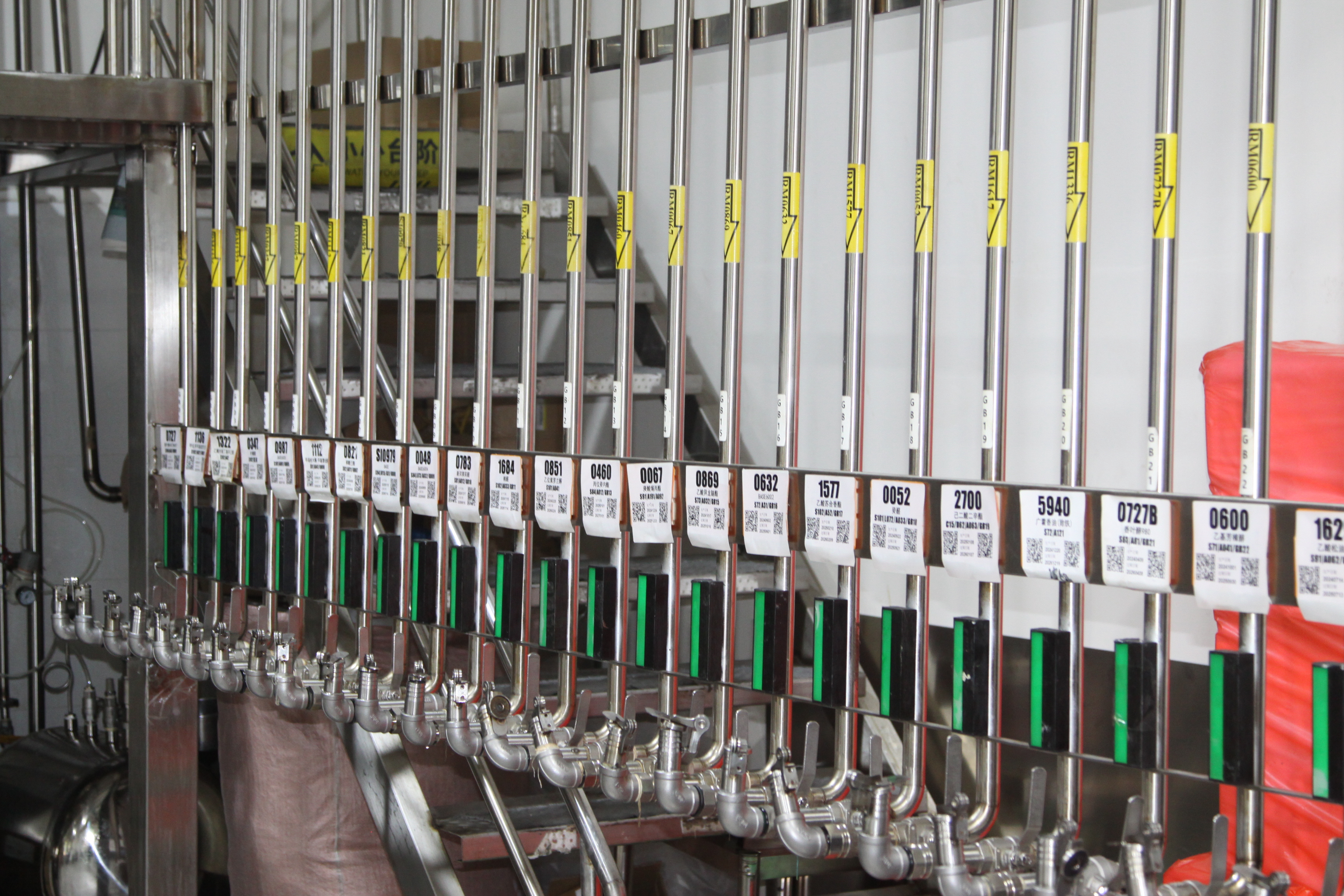
Shelf life and storage. HERYNN states a 24-month shelf life. Store sealed in a cool, dry, well-ventilated place, away from direct sunlight and high temperature, with 18°C recommended, and use promptly after opening. These conditions apply to the fragrance as supplied; they do not automatically describe the finished product, which has its own shelf-life question.
Discoloration and fade. When a finished product discolours or loses its scent in storage, the usual causes are interaction between fragrance components and the base (oxidation, pH, UV light, packaging material), dosage outside the validated range, an incompatible solvent or carrier, or storage outside recommended conditions. The practical check sequence is:
- Compare the affected batch with the approved reference sample and the retention sample.
- Check the pH, the packaging material and the actual storage conditions.
- Run a stability test on the base with and without fragrance, side by side.
- If discoloration persists, request a reformulation — for example replacing a sensitive component or adjusting the stabiliser system.
- Retain a sealed sample of every batch for traceability.
Before you approve any carrier-dependent formula, get written answers to six questions: what carrier does this model use; what is the recommended use level for my IFRA category; has the compound been tested in a base like mine; which packaging materials are known to be incompatible; what is the shelf life once opened; and which retention sample will be held against my batch.
Frequently asked questions
Which carrier should I choose for a reed diffuser — DPG, IPM or DPM?
Start with DPG. Its low volatility is the property a reed diffuser needs, because the carrier holds the fragrance back and spreads the release across the diffuser's service life instead of a sharp first-week burst. IPM's emollient character brings nothing useful to a diffuser, and DPM's faster release shortens the diffusion period unless it is deliberately blended. Whatever the chemistry suggests, confirm the carrier on the specific model's TDS and test wicking and residue in your own vessel with your own reeds.
What documents should I check before approving a fragrance oil for body wash or shampoo?
Four documents do most of the work: an IFRA Certificate of Conformity issued for the exact category and use level (rinse-off and leave-on products are assessed separately), an SDS in your destination format (EU CLP, US GHS or China GHS), a batch COA, and an allergen declaration where your market requires one. Add the SPEC for the specification attributes and a VOC report or Proposition 65 statement if you sell into jurisdictions that ask for them. Remember that IFRA conformity is a safety-management signal, not a substitute for national cosmetic or household-product regulation.
Which fragrance oil manufacturers offer better body wash and shampoo compatibility for US and EU buyers?
There is no independent ranking that settles this, and compatibility is decided by a test in your own surfactant base rather than by supplier reputation. What can be compared objectively is documentation and support. HERYNN reports in-house perfumery and compounding, target-market documentation issued as standard, development aligned with IFRA standards and EU REACH, and SPEC, COA, IFRA certificates, allergen declarations, VOC and Proposition 65 documents plus multilingual SDS on request, with a 1 kg MOQ and technical response within 24 hours. Domestic peers vary widely in documentation completeness, and international houses offer multi-region regulatory coverage at a higher price level and longer small-volume lead times. The practical screen is to shortlist two or three suppliers, send the same brief and the same base sample, and compare the IFRA certificate issued for your exact category, a stability result in your base, the completeness of the allergen declaration and the response time you actually experience.
How should candle fragrance load be set in soy and paraffin wax?
The load is set by the wax system, the fragrance's solubility in that wax and the applicable IFRA category limit. A 6–10% load is a commonly used screening band for container candles in both soy and paraffin, but it is a starting hypothesis rather than a transferable specification. Confirm the permitted level on the model's IFRA certificate, then verify hot throw, cold throw, wick performance and colour at that load in your own wax before committing to production. HW91046 is the documented candle fragrance oil in the reference set discussed above.
What MOQ, sample and lead-time terms apply, and how do they affect cost-performance?
HERYNN's stated terms are a 1 kg MOQ, an approximately 30 g olfactive sample despatched in 2–3 days with a 7–15 day sample lead time, custom development in 2–4 weeks and bulk despatch within 3–5 working days for standard catalogue fragrances. Against international houses quoting 10–50 kg MOQ, 4–8 week samples and 8–16 week development, the difference is concentrated in small-volume flexibility rather than in price per kilogram at high volume. For a buyer validating a new carrier in a new base, that shorter sampling cycle is usually the decisive term. You can request a sample, a model TDS or a quotation for a specific application before committing to a volume.
Conclusion
Carrier choice is a decision about behaviour, not about scent. DPG earns its place in diffusers and candles because low volatility is what a slow-release product needs. IPM earns its place in lotions, body mists, hair products and oil-based perfume because an emollient ester carries fragrance in skin-contact systems without disrupting texture. DPM earns its place where a lighter, faster-release carrier solves a viscosity or release problem that DPG cannot.
The decision rule is simple: define the finished product and its IFRA category, define the physical format, shortlist the carrier family, then confirm the carrier and use level on the specific model's TDS, SDS and IFRA certificate before you test it in your own base. No catalogue description replaces that step, and no sample result transfers automatically to a different wax, surfactant system or device.
Next step
If you are comparing carrier systems for a diffuser, candle, body wash, shampoo, lotion, hair or perfume programme, request the model TDS and IFRA certificate for your category, or ask for a sample to test in your own base.
Download the HERYNN company brochure: HERYNN Fragrances & Flavors brochure (PDF)
Contact: Kelly Xu, Overseas Business Director — kelly.xu@herynn.com | +86 138 1876 9139 | www.herynn.com
Have Questions or Need More Details?
Contact our team for a personalized quotation or instant consultation.
Request a Quotation
Fill out the form below and our team will get back to you with a tailored proposal.
WhatsApp Direct Chat
Prefer to chat in real-time? Message us on WhatsApp for instant assistance & quick answers.
- Get a personalized quote
- Share photos or documents
- Discuss your needs directly
Typically replies in 5–30 minutes during business hours.