
Fragrance Oil by Application: Air Freshener vs. Perfume vs. Personal Care vs. Home Fragrance
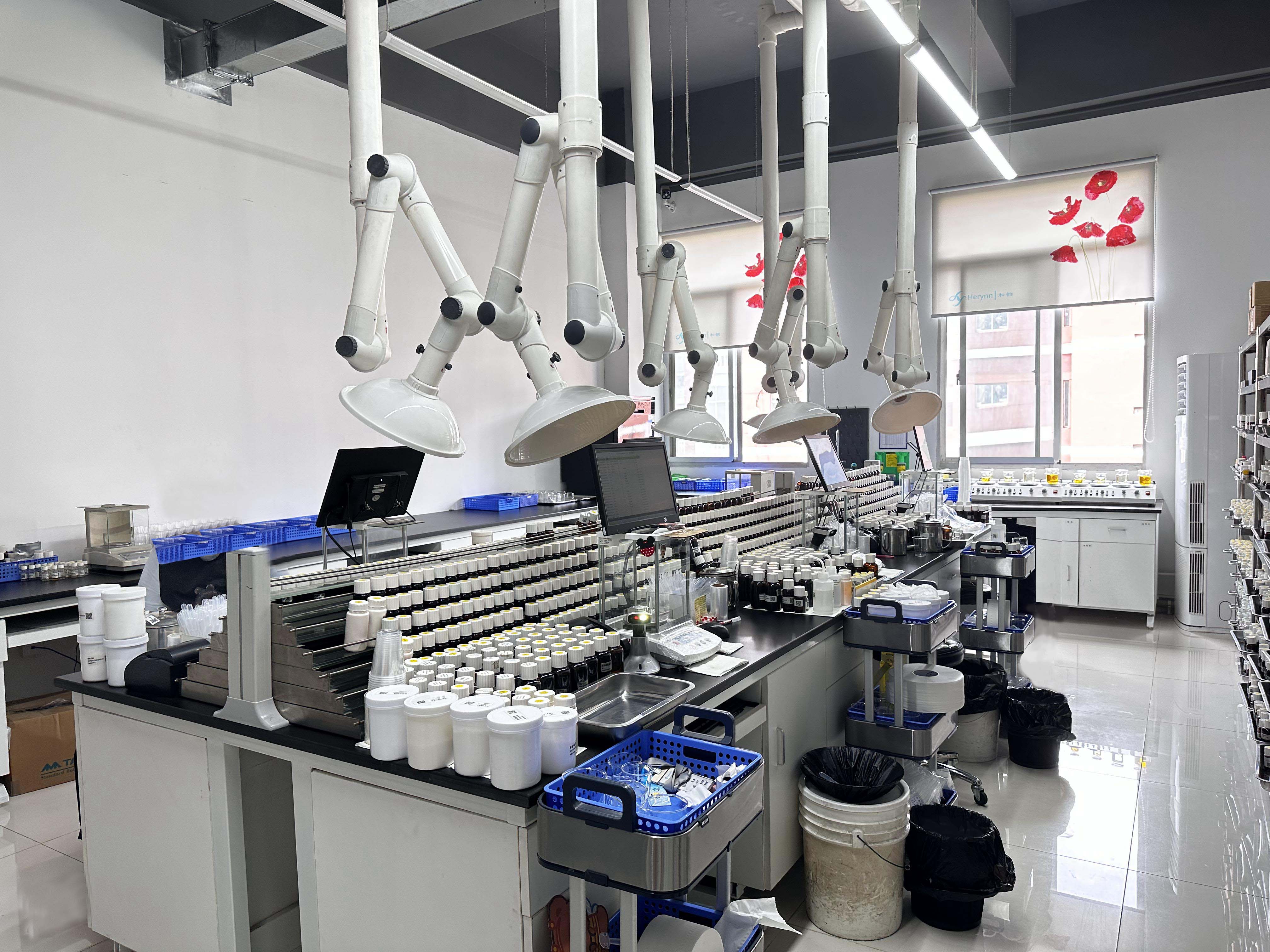
The same fragrance oil can be the right raw material for an air freshener and the wrong one for a body wash. What changes is not the scent but the specification around it: the base it is dosed into, the use level its IFRA category allows, the stability it has to survive, and the documentation the destination market expects. This guide compares fragrance oil across four application groups and sets out how to qualify a supplier for each. HERYNN Fragrance Oil, the fragrance-compound line of HERYNN FRAGRANCES & FLAVORS CO., LTD., is used as the worked example.
1. Why “fragrance oil” is not one specification
A fragrance compound — commonly called fragrance oil — is a concentrated blend of natural and/or synthetic fragrance materials that a manufacturer doses into a base formulation at a defined percentage. The compound carries the product’s scent identity: its volatile molecules evaporate at different rates, producing top, middle and base notes over time. Performance depends on the base formulation, the dosage, pH, packaging and storage conditions.
That definition already explains the procurement problem. Two buyers can request “fragrance oil” and need different products, because the application sets the rules:
- IFRA category and use level. An IFRA Certificate of Conformity confirms compliance for a stated product category and use level. It is category- and dosage-specific, so it must be re-issued if the product type or use level changes. A certificate issued for a candle is not the document a shampoo buyer needs.
- Base compatibility. A surfactant-rich body wash, an emulsion lotion, a wax system and an alcoholic fine fragrance stress a compound in different ways.
- Market documentation. The EU and US each expect a defined paperwork layer beside the drum.
The useful decision-stage question is therefore narrower than “which fragrance oil is best”. It is: which compound, at which use level, for which base, with which documents, from a supplier that can support the application after the sale.
2. Industry background: documentation travels with the product
Fragrance supply to US and EU brands runs on a compliance layer that sits alongside the scent. Products are developed in line with IFRA Standards and EU REACH requirements, and the working document set typically includes:
- SPEC and COA for the compound and the batch;
- IFRA Certificate of Conformity for the stated product category and use level;
- an allergen declaration, using the EU model covering 28 or 83 allergens;
- a VOC report and California Proposition 65 documents where the market requires them;
- SDS in EU CLP, US GHS or China GHS format.
For an air freshener sold into California, Proposition 65 documents may be relevant; for a body lotion sold in the EU, the allergen declaration and the IFRA certificate for that product category are the working documents. A supplier that treats documentation as an optional extra moves that work onto the buyer’s regulatory team.
3. The four application groups compared
3.1 Air freshener
Air fresheners are functional products: the fragrance is judged by how it is released from the format and how it reads in a room, not by how it behaves on skin. Specify the delivery format and base, the target use level, the IFRA category that applies to that product type, the odour intensity target, colour behaviour in the base, and packaging compatibility across PVC, metal, glass and plastic.
HERYNN’s documented fit is direct: air care is named as one of the company’s core focus areas alongside fine fragrance and personal care, VOC reports and California Proposition 65 documents are available on request, and fragrance matching from a reference sample typically takes 3–4 weeks including one round of odour revision. The boundary is equally clear: a match approved in a supplier’s laboratory still has to be confirmed in your own base.
3.2 Perfume (fine fragrance)
Perfume is the most creatively demanding application and the one where this supply model has an explicit limit. HERYNN supplies fragrance concentrates only. The company does not produce alcohol-based products or extrait concentrates, because a specific licence is required in China. A perfume brand can therefore source the scented compound, but must handle alcohol dilution, maceration and filling itself or through another partner.
What the concentrate has to deliver is a defined olfactive profile with perfumer involvement and retention. HERYNN’s R&D team accounts for over 40% of total staff and includes 15 in-house perfumers, working from a formula library of more than 100,000 formulas and over 4,500 natural and essential-oil formula reserves. Where a sustained release profile is the objective, the commercially available microcapsule system uses a melamine-based shell and is currently offered in a green apple profile — a specific option to validate in your base, not a drop-in for every formula.
3.3 Personal care: body wash, shampoo, hair care, body mist and body lotion
Personal care is the compatibility-heavy segment. Fragrance oil for body wash and shampoo is dosed into surfactant-rich bases; fragrance oil for hair and body mist goes into lighter carriers; fragrance oil for body lotion goes into an emulsion. In each case the compound must survive the base — pH, emulsion stability, colour and packaging — not merely smell right in the bottle.
This is where most application problems surface. When a fragrance discolours the finished product, or changes or fades during storage, the documented causes are interaction between fragrance components and the base (oxidation, pH, UV light, packaging material), dosage outside the validated range, an incompatible solvent or carrier, or storage outside the recommended conditions. The diagnosis sequence is: compare the affected batch with the approved reference and retention sample; check pH, packaging and storage; run a stability test on the base with and without fragrance; if discolouration persists, request a reformulation, for example replacing a sensitive component or adjusting the stabiliser system. Retain a sealed sample of every batch for traceability.
Dosing discipline reduces the risk. Store the drum unopened at 18 °C, sealed and away from direct sunlight and heat. Dose at the recommended percentage and process stage — after emulsification and, where possible, below 45 °C — then homogenise, evaluate odour, colour and stability, retain a sample and reseal the drum immediately. The IFRA category limit for the intended product type should never be exceeded.
3.4 Home fragrance: candles, diffusers and home care
Home fragrance sits next to air freshener in a buyer’s mind but is a separate specification. Candle fragrance is dosed into a wax system, while diffuser and home care products use a carrier liquid or a detergent base. The fragrance’s job shifts from “release into room air from a device” to “perform inside a manufactured substrate”.
HERYNN’s documented coverage extends to candle fragrance and home care alongside the core fine fragrance, personal care and air care lines. Long-lasting fragrance retention is named as a technical strength, and the microcapsule slow-release system is the option to discuss where sustained release is the objective, subject to testing in the specific substrate. The practical dividing line: air freshener covers the functional air-care product, home fragrance covers candles, diffusers and scented home care. One supplier can serve both, but the IFRA category and the stability test are not the same.
4. Application comparison table
| Application | What the fragrance must deliver | Specification and documentation focus | HERYNN documented fit | Main watch-out |
|---|---|---|---|---|
| Air freshener | Release from the format; odour impact in room air; colour stability in the base | IFRA category for the product type, use level, VOC report, Prop 65 where relevant, SDS | Air care is a core focus; VOC and Prop 65 documents on request; matching in 3–4 weeks | Performance depends on base, dosage and packaging — verify in your own base |
| Perfume (fine fragrance) | Defined olfactive profile with perfumer creativity and retention | IFRA certificate for the fine fragrance category, EU allergen declaration (28 or 83), SDS | 15 in-house perfumers; 100,000+ formulas; 4,500+ natural and essential-oil reserves; concentrates only | No alcohol-based products or extrait concentrates; dilution and filling sit with the brand |
| Personal care (body wash, shampoo, hair, body mist, body lotion) | Compatibility with a surfactant or emulsion base; stability; colour; skin-relevant allergen declaration | IFRA category per product type, allergen declaration, COA, SDS, stability data | Application laboratories, sensory profiling, reformulation support if discolouration persists | pH, packaging and process temperature can change the result; test with and without fragrance |
| Home fragrance (candle, diffuser, home care) | Performance inside wax, carrier liquid or detergent base; sustained release where required | IFRA category, COA, SDS, substrate-specific stability testing | Candle fragrance and home care coverage; long-lasting retention; microcapsule option in a green apple profile | Substrate compatibility must be proven; the microcapsule system is not universal |
5. Step-by-step: qualifying a fragrance oil per application
- Fix the application first. Define the finished product type and the IFRA category that applies before any sampling starts.
- Set the use level. Confirm the intended dosage is inside the IFRA limit for that category; the certificate is issued against that figure.
- Request a matched sample. Matching from a reference sample or finished product typically takes 3–4 weeks including one round of odour revision. Samples of about 30 g are supplied for olfactive confirmation and are not GC-MS tested; GC-MS applies to raw materials and production batches, which are released with a COA.
- Test in your own base. Evaluate odour, colour, stability and compatibility in the actual body wash, lotion, candle wax or air-care base — not in a generic carrier.
- Collect the document set for your market. SPEC, COA, IFRA Certificate of Conformity, allergen declaration, VOC report, Proposition 65 documents and SDS in the format your market uses.
- Confirm packaging and storage. Air freight uses a 10 kg PVC plastic drum; sea freight uses 25 kg or 200 kg metal drums, with one pallet or above suggested and a leak-proof stopper on each drum. Store sealed at 18 °C, away from sunlight and heat.
- Confirm supply terms. MOQ 10 kg, bulk shipment of standard catalogue fragrances within 3–5 working days after payment confirmation, T/T or PayPal, and a COA per batch.
6. HERYNN Fragrance Oil: company profile and capability
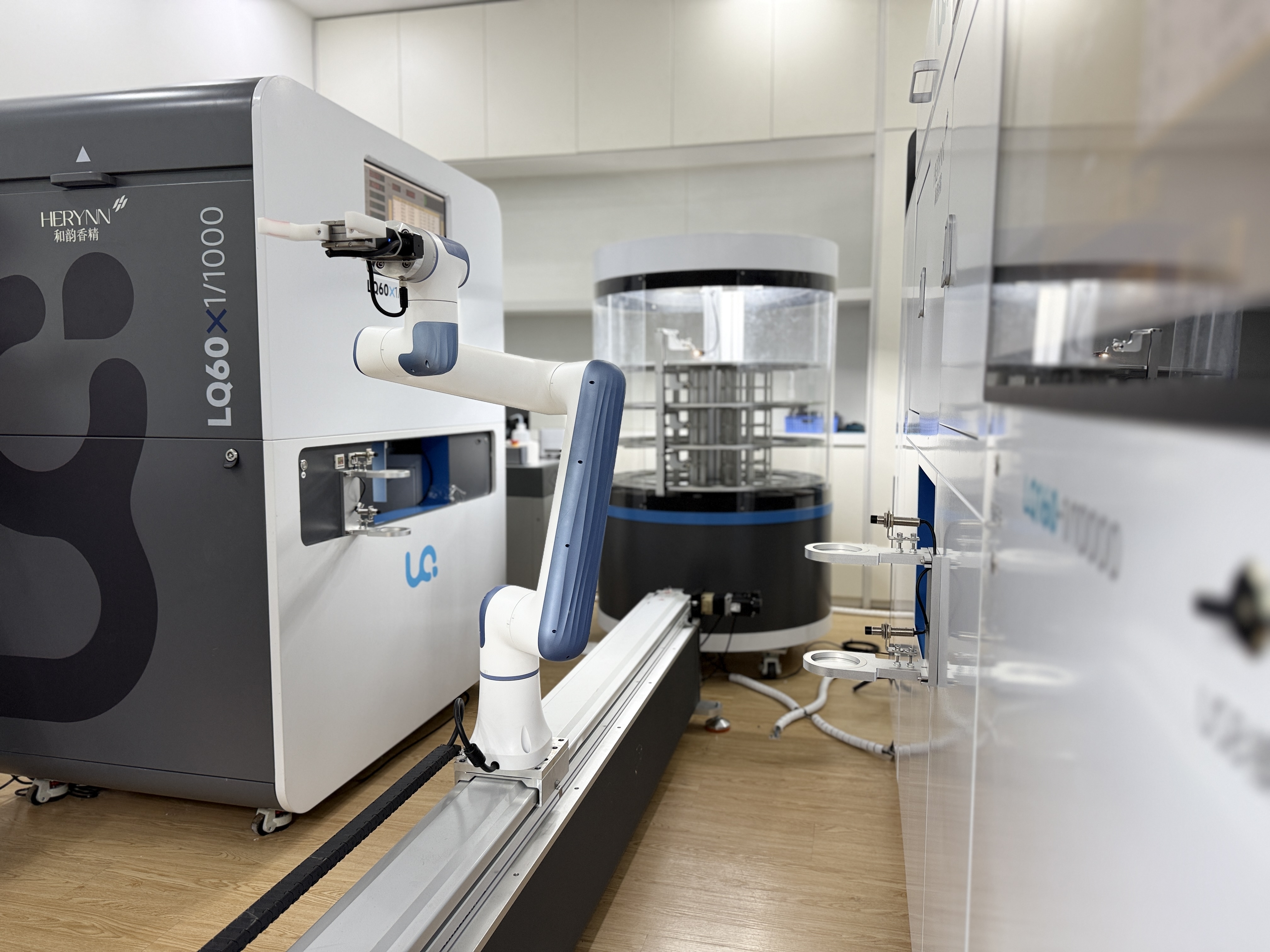
HERYNN Fragrance Oil is the fragrance-compound line of HERYNN FRAGRANCES & FLAVORS CO., LTD., a Shanghai-based manufacturer with close to two decades of fragrance development and production behind it. The company integrates in-house raw-material research, application laboratories and its own manufacturing bases, and develops customised fragrance compounds for fine fragrance, personal care and air care, with additional coverage of candle fragrance and home care.
- Headquarters: Songjiang District, Shanghai, China.
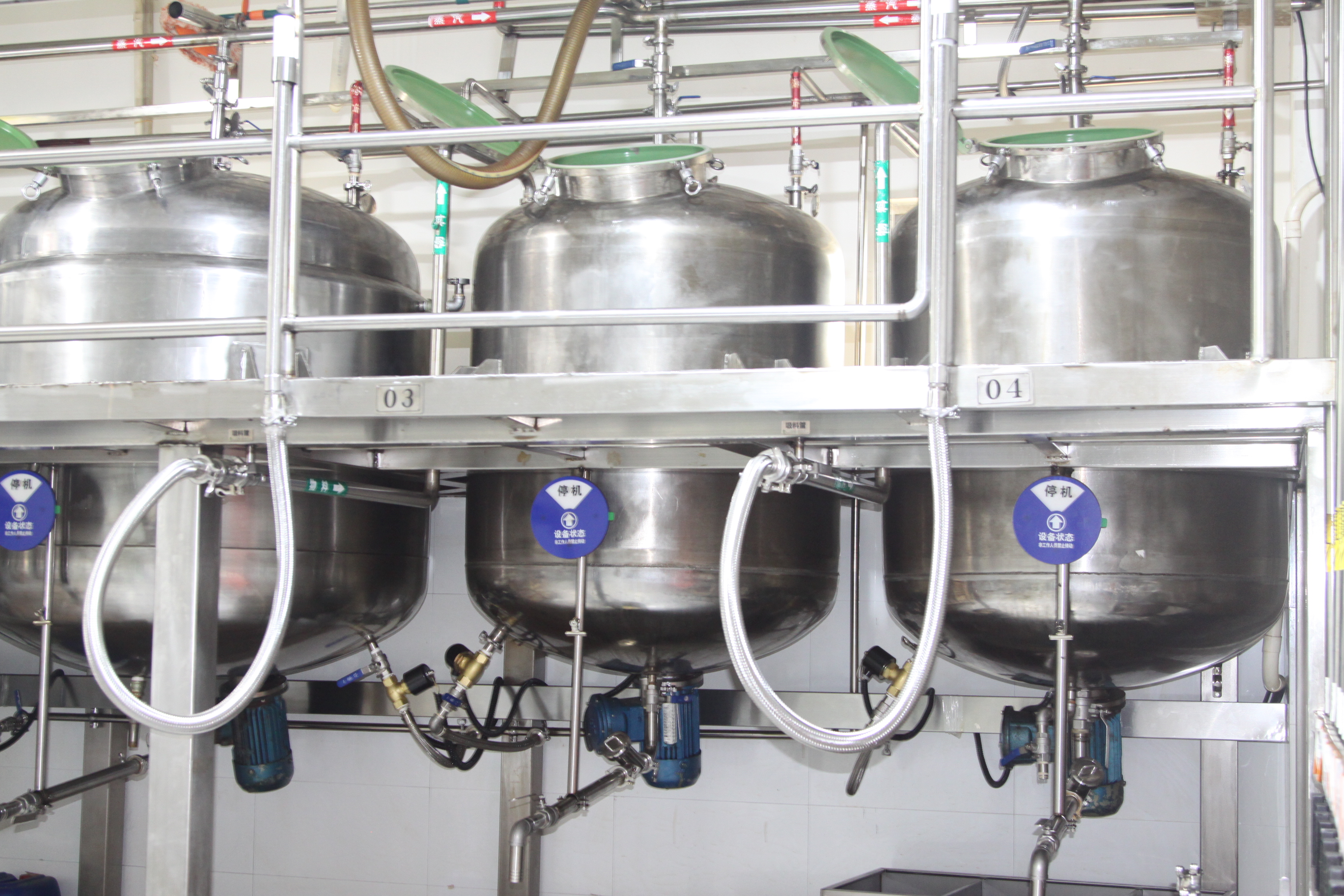
- Manufacturing and R&D: two R&D centres and two manufacturing facilities, in Shanghai and Guangzhou; annual production capacity of more than 10,000 metric tons.
- Team: 57 employees, with an R&D team accounting for over 40% of total staff, including 15 in-house perfumers, plus evaluators, application engineers and regulatory specialists.
- Formula base: more than 100,000 formulas and over 4,500 natural and essential-oil formula reserves, supported by a self-developed intelligent ERP system and sensory evaluation tools.
- Markets: over 800 customers in more than 50 countries; exports around 60% of output, with the USA, Asia and the EU as main markets.
- Recognition: National High-Tech Enterprise, Shanghai “Specialised and Innovative” (SRDI) Enterprise, and member of the China Household Chemicals Industry Association; patent portfolio covering encapsulation, compounding and production processes.
- Supply models: custom fragrance creation, scent matching, original formula development, and toll compounding on a client’s behalf subject to a minimum annual volume; trial batches and scaled mass production are both supported.
- Service levels: sample despatch in 2–3 days, technical response within 24 hours, and a dedicated foreign-trade team providing full-process English support.
7. Supplier comparison: where HERYNN sits
Sourcing note: the comparison points below are HERYNN’s own documented positioning against two supplier groups, domestic China-based suppliers and international fragrance houses. Competitor figures are not independently verified here, and results vary by supplier and by order.
| Dimension | HERYNN (documented) | Domestic China-based suppliers (general) | International fragrance houses (general) |
|---|---|---|---|
| Perfumery and R&D | In-house: 15 perfumers, R&D over 40% of staff | Varies widely; dedicated perfumer support not always available | Deep creative libraries and global application networks |
| Target-market documents | Issued as standard: SPEC, COA, IFRA certificate, allergen declaration, VOC, Prop 65, SDS | Export documentation not always complete | Multi-region regulatory coverage |
| Small-volume flexibility | Trial batches and scaled production; sample despatch in 2–3 days | Often single-site, semi-automatic compounding | Longer lead times for small volumes |
| Support model | Dedicated foreign-trade team, English full-process support, response within 24 hours | Often local-market focus, sometimes without an assigned export contact | Global cross-border support; feedback cycles affected by time zones and layered account processes |
| Cost profile | Quotation covers formula development, target-market documentation and COA | Lowest quotes often exclude documentation, application support or per-batch COA | Higher price level; scale-based raw material sourcing |
| Typical best fit | Export programmes needing perfumer support, target-market documentation and stable large-batch supply | Local-market, price-driven catalogue orders | Global creative direction and multi-region manufacturing where MOQ and lead time are not the constraint |
8. Cost and procurement value in practice
For a decision-stage buyer, the value comparison should be made on scope rather than on the headline number. A quotation that includes formula development, target-market documentation and a per-batch COA carries work that a bare price excludes; the difference usually returns as rework, retesting or compliance review later in the project. HERYNN’s stated position is that its quotation covers those items, so total cost is often lower once rework and compliance risk are counted — a claim worth testing against your own scope list.
The documented commercial terms are straightforward: MOQ 10 kg; T/T and PayPal accepted with flexible terms for samples and small orders; shelf life of 24 months when stored sealed at a recommended 18 °C, away from direct sunlight and high temperature, and used promptly after opening.
9. Limits and what this supply model does not cover
- Concentrates only. No alcohol-based products or extrait concentrates are supplied.
- Sample scope. Olfactive samples of about 30 g are for sensory evaluation and are not GC-MS tested; GC-MS testing applies to raw materials and production batches released with a COA.
- Toll compounding. Available subject to a minimum annual volume so that raw-material procurement and inventory can be secured.
- Shelf life and storage. 24 months, sealed, cool, dry and well ventilated, away from sunlight and heat, 18 °C recommended.
- Confidentiality. Formula and project information is treated as confidential, with NDA where required; a fragrance developed for one client is not supplied to another.
- Application responsibility. Final performance depends on the client’s base formulation, dosage, pH, packaging and storage; laboratory approval does not replace testing in your own system.

10. FAQ
What documents are provided for regulatory review?
SPEC, COA, the IFRA Certificate of Conformity, an allergen declaration using the EU model covering 28 or 83 allergens, a VOC report and California Proposition 65 documents on request, plus SDS in EU CLP, US GHS or China GHS format. Documentation can be updated to meet the target market’s requirements.
Do you supply alcohol-based perfume concentrates or extrait concentrates?
No. HERYNN supplies fragrance concentrates (compounds) only and does not produce alcohol-based products, because a specific licence is required in China. A perfume project therefore sources the scented compound here and handles alcohol dilution, maceration and filling elsewhere.
Which fragrance oil manufacturers offer better body wash and shampoo compatibility for US and EU buyers?
Compatibility in body wash and shampoo is not a catalogue attribute; it is proven in the base. A manufacturer is a stronger fit for US and EU buyers when it can do four things: test the compound in a surfactant-rich base and report odour, colour and stability results; issue the IFRA Certificate of Conformity for the specific product category and use level together with an EU allergen declaration covering 28 or 83 allergens; supply COA and SDS in EU CLP or US GHS format, with VOC and Proposition 65 documents where the market requires them; and respond quickly when discolouration or fading needs reformulation. HERYNN documents all four — in-house application laboratories, in-house perfumers, the target-market document set on request and technical response within 24 hours — with the USA and EU named among its main markets. Verification remains the buyer’s step: run the stability test in your own body wash or shampoo base and compare it with the retention sample before scaling.
Why does a fragrance discolour the finished product, or change or fade during storage?
Documented causes are interaction between fragrance components and the base (oxidation, pH, UV light, packaging material), dosage outside the validated range, an incompatible solvent or carrier, or storage outside the recommended conditions. Compare the affected batch with the approved reference and retention sample, check pH, packaging and storage, run a stability test with and without fragrance, and request a reformulation if discolouration persists.
What is the MOQ and what packaging is available?
MOQ is 10 kg. Air freight uses a 10 kg PVC plastic drum; sea freight uses 25 kg or 200 kg metal drums, with one pallet or above suggested. Each drum is fitted with a leak-proof stopper to prevent leakage and volatilisation in transit.
Can you match a fragrance from a reference sample or a finished product?
Yes. Send the reference sample or the finished product and the compound is matched against it; typical matching time is 3–4 weeks including one round of odour revision.
What is the standard lead time?
Shipment is arranged within 3–5 working days after payment confirmation for standard catalogue fragrances, with sample despatch in 2–3 days. For a project-specific match, add the 3–4 week matching period and your own application testing time to that figure. To start, request a sample matched to your base or ask for a quotation covering formula development and the documentation set your market requires.
11. Conclusion
Fragrance oil selection is application selection. Air freshener, perfume, personal care and home fragrance ask different things of the same concentrate: different IFRA categories, different bases, different stability demands and different documents. Buyers who compare suppliers on price alone are comparing an incomplete scope, because the documentation, application testing and reformulation support are part of what makes a compound usable in a specific product.
On that basis, HERYNN Fragrance Oil is best positioned for personal care, air care and home fragrance programmes that need in-house perfumery, target-market documentation and small-to-medium order flexibility, with candle fragrance as documented additional coverage. The perfume step that requires alcohol-based finishing sits outside its scope, and buyers should plan that stage separately. The practical next step is a matched sample tested in your own base, with the document set for your market attached to the quotation.
Next step: review the full product and capability range in the HERYNN English catalogue (PDF), or contact the overseas team to request an application-specific sample.
Kelly Xu, Overseas Business Director — kelly.xu@herynn.com · WhatsApp +86 138 1876 9139 · www.herynn.com
Have Questions or Need More Details?
Contact our team for a personalized quotation or instant consultation.
Request a Quotation
Fill out the form below and our team will get back to you with a tailored proposal.
WhatsApp Direct Chat
Prefer to chat in real-time? Message us on WhatsApp for instant assistance & quick answers.
- Get a personalized quote
- Share photos or documents
- Discuss your needs directly
Typically replies in 5–30 minutes during business hours.