
4-20 mA Loop vs RS485 Current Transformer: Which Output Fits?
The 4-20 mA loop versus RS485 decision is made at the receiving end of the cable, not inside the transformer. If the device that reads the current has an analog input, a loop-powered 4-20 mA current transmitter is the shortest path to a working system. If that device sits on a digital bus and the project needs a metro-grade smart CT, an RS485 split-core current transformer is the shortest path. The measuring core can be almost identical; the output architecture is what changes wiring, commissioning effort, cost structure and the compliance evidence a buyer should request.
This comparison places two HEYI products on either side of that line. The KCT-L is a True RMS current transformer/transmitter: a loop-powered, split-core current transmitter with a 4-20 mA DC output, designed for analog loop integration. The KCD is a smart split-core current transformer with RS485 communication - a metro-grade smart CT used in Beijing Metro Lines and Hangzhou Metro Lines, and suited to elevator monitoring and green building energy monitoring.
Instead of repeating datasheets, this article works as a decision framework: what each output architecture does well, where each one creates hidden cost, how to compare them step by step, and what evidence to collect before a project commits to either signal type.
Quick decision summary
- Choose a 4-20 mA loop output (KCT-L) when the receiving device has an analog input channel, when the wiring is point-to-point, and when the installation must disturb as little existing cabling as possible.
- Choose RS485 (KCD) when current data has to reach a digital platform, when the project is a metro-grade, elevator monitoring or green building deployment, and when the monitoring system already works over RS485.
- Both products are split-core, so both support retrofit installation without disconnecting the primary cable. The output signal, not the mounting style, is the real decision.
Problem Definition: The Output Signal Is Usually Specified Last
A current transformer that measures accurately can still fail a project if its output does not match the device that has to read it. Ratio, accuracy class, burden and window size are normally decided early; the output line is often added at the end of the bill of materials, by which point the receiving cabinet or the monitoring platform has already been fixed.
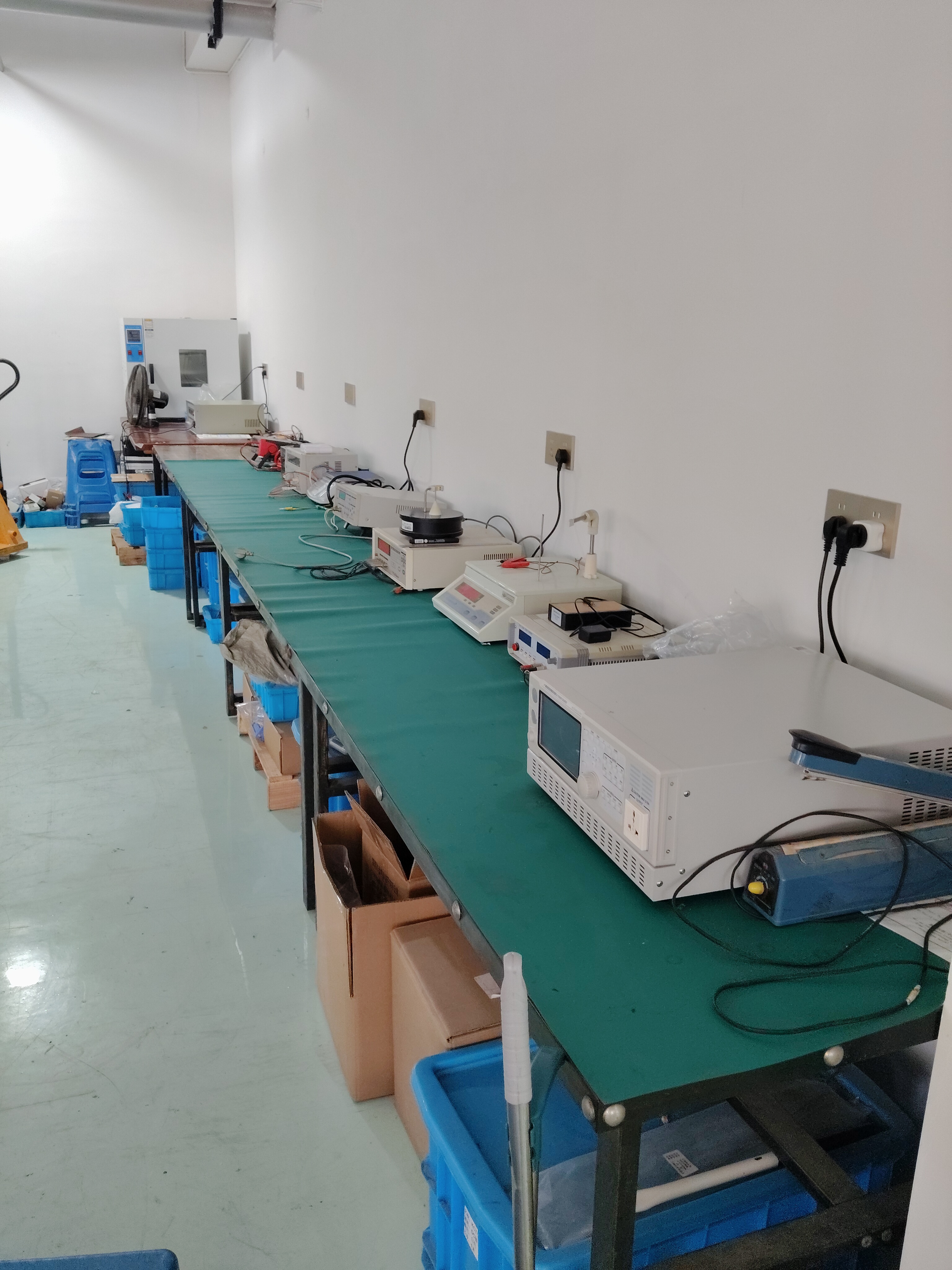
HEYI treats these as controlled risks. Measurement deviation, insulation failure, overheating, wrong wiring, unstable output signal, installation mismatch and product damage during transportation are managed through accuracy calibration, insulation resistance testing, withstand voltage testing, polarity testing, ratio testing, temperature rise control, a flame-retardant housing design and a secure terminal structure. Every unit passes routine inspection before shipment. Output selection sits directly on top of two of those risk categories - wrong wiring and installation mismatch - because a 4-20 mA analog loop and an RS485 bus are wired differently and must be labelled differently.
Retrofit projects raise the stakes. Split-core CTs can reduce installation time by 50%-70% in retrofit projects compared with traditional closed-core CTs, and because the primary cable does not have to be disconnected, shutdown cost and labour cost fall as well. That saving only materialises if the output side can be commissioned in the same window, without waiting for an extra transducer, a gateway or a firmware change.
The output question therefore appears in two practical forms: can the cabinet that already exists read this CT, and can the monitoring platform collect from it? Answering those two questions with the receiving equipment in front of you resolves most of the 4-20 mA versus RS485 debate in a single meeting.
Industry Background: Analog Loops and Digital Buses Are Expanding Together
Both output architectures are growing, because they serve different parts of the same market. The global current transformer market was estimated at USD 2.63 billion in 2024 and is projected to reach USD 3.90 billion by 2030 (Grand View Research). Asia Pacific dominated the market with a 40.15% revenue share in 2025 (Straits Research), and split core current transformers are identified as the fastest-growing segment, driven by ease of installation in retrofitting and smart grid applications (Fact.MR).
The demand pull comes from applications where current data is collected continuously. The global EV charging transformer market, which includes current monitoring components, is expected to grow at a CAGR of 23.6% from 2025 to 2033 (Research Intelo). At the same time, IEC 61869-2 - which replaced IEC 60044-1 - remains the core international standard for inductive current transformers and defines accuracy classes such as 0.5 and 0.5S, while revenue grade current transformers used for utility billing are required to meet ANSI C12.20 or IEC 61869-2 accuracy classes, typically 0.2 or 0.15 (Eaton / ANSI).
Market concentration also matters to the buying decision. The top five global players - ABB, Siemens, GE, Schneider Electric and Arteche - collectively held approximately 40% of the current transformer market share in 2024 (Global Market Insights). The rest of the demand is served largely by specialist manufacturers, which is why the practical question in most projects is not which brand is largest, but which output architecture and which level of customization the receiving system actually requires.
The Two Output Architectures: KCT-L and KCD
KCT-L: True RMS current transmitter with a 4-20 mA DC output
The KCT-L is a True RMS current transformer/transmitter, supplied as a loop-powered, split-core current transmitter with a 4-20 mA DC output. The signal it produces is the classic process interface: one measurement, one analog channel, carried on the same two wires that also power the transmitter.
For the installer this is the least ambiguous interface to commission, because the receiving device only has to provide an analog input and the transmitter performs the conversion. The engineering consequence is simple to plan: the number of analog input channels required equals the number of current points being measured. Where a cabinet already has spare analog inputs - a PLC card, a generator panel, a power monitoring meter with an analog channel - the KCT-L slots into an existing architecture instead of demanding a new one.
The limitation is equally clear. An analog loop carries one value per channel, so scaling to dozens of measurement points means dozens of analog inputs and dozens of cable pairs pulled back to the panel. That is a cost and layout decision, not a measurement quality decision.
KCD: smart split-core CT with RS485 communication
The KCD is a smart split-core current transformer with RS485 communication. It is a metro-grade smart CT used in Beijing Metro Lines and Hangzhou Metro Lines, and it is suited to elevator monitoring and green building energy monitoring - environments where current data has to reach a digital monitoring layer rather than a single analog input.
RS485 is a networked interface, and that changes the wiring logic of a project. Several devices can share one communication path and be addressed individually, so the number of cable runs back to a monitoring panel does not grow one-for-one with the number of measurement points. That makes the KCD attractive in buildings, metro systems and multi-point installations where current values are consolidated into one platform.
The trade-off is configuration work. The receiving system must be able to accept RS485 devices, the bus has to be wired consistently, and the commissioning team has to map each device into the monitoring platform. Projects that already own that capability will find the digital path cheaper; projects that do not will find the analog loop faster to close.
Comparison Table: 4-20 mA Loop vs RS485 in Project Terms
The table below compares the two HEYI products on the criteria that usually decide a specification. It contains product facts and integration criteria only.
| Decision criterion | KCT-L - 4-20 mA loop output | KCD - RS485 smart CT |
|---|---|---|
| Output signal | 4-20 mA DC analog output | RS485 digital communication |
| Product type | True RMS current transformer/transmitter | Smart split-core current transformer |
| Mounting and supply | Split-core, loop-powered | Split-core |
| Receiving device | Analog input on a meter, PLC, controller or panel | Digital platform with an RS485 port |
| Wiring behaviour | Point-to-point analog loop, one channel per measuring point | Shared communication path, devices addressed individually |
| Reference deployments | Analog integration in low-voltage switchgear, distribution cabinets and industrial control panels | Beijing Metro Lines; Hangzhou Metro Lines; elevator monitoring; green building |
| Compliance basis | IEC 61869-2 accuracy classes; ANSI C12.20 or IEC 61869-2 (typically 0.2 or 0.15) for revenue grade billing | The same transformer standards apply; the output is digital rather than analog |
| Ratio and accuracy options | HEYI current transformers offer accuracy classes up to 0.5 / 0.2 depending on model, with customizable ratios such as 100/5A, 500/5A, 1000/5A and 2000/5A | Output type is selected together with the ratio and accuracy class confirmed for the specific project |
Note: the table reflects the published product facts for the KCT-L and the KCD. No accuracy, current range or price figures are claimed for either model beyond the product and standard references listed here; additional figures should be confirmed against the specific order specification.
Step-by-Step Breakdown: How to Choose Between 4-20 mA and RS485
The sequence below follows the order in which a project actually commits money: receiver, point count, installation window, accuracy requirement, wiring ownership and sample validation.
Step 1 - Read the receiver's input type first
The first question is not what the CT can do, but what the device receiving the signal is able to accept. If it has an analog input channel, a 4-20 mA transmitter such as the KCT-L needs no protocol work. If it has an RS485 port with a platform behind it, an RS485 smart CT such as the KCD fits without adding analog hardware.
Step 2 - Count the measuring points and the cable runs
One or two points that terminate close to the receiving device usually favour a point-to-point 4-20 mA loop. Many points that must be consolidated into one panel or platform usually favour RS485, because devices can share the communication path instead of each one needing its own analog channel.
Step 3 - Check the installation window and the retrofit constraint
Split-core construction allows installation without disconnecting the primary cable. In retrofit work, split-core CTs can reduce installation time by 50%-70% compared with traditional closed-core CTs, and avoiding cable disconnection reduces shutdown cost and labour cost. Confirm that the output side can be commissioned in the same window; an output that requires new receiving hardware can consume the time the split-core design just saved.
Step 4 - Match the accuracy class to the purpose, not to the highest available number
Operational monitoring and billing metering do not carry the same requirement. Revenue grade current transformers for utility billing are required to meet ANSI C12.20 or IEC 61869-2 accuracy classes, typically 0.2 or 0.15. IEC 61869-2 defines accuracy classes such as 0.5 and 0.5S for inductive current transformers. HEYI current transformers offer accuracy classes up to 0.5 / 0.2 depending on model, so the class should be specified against the metering or monitoring function rather than assumed.
Step 5 - Assign the wiring and commissioning owner before the order
Most integration failures happen on site, not inside the CT: wrong wiring, unstable output signal and installation mismatch are recurring risk categories. HEYI controls them with accuracy calibration, polarity tests, ratio tests, insulation resistance and withstand voltage testing, clear wiring labels and a secure terminal structure, with 100% routine inspection before shipment. Confirm in advance who will verify polarity on an analog loop, or who will verify the bus wiring and addresses on an RS485 network.
Step 6 - Validate the decision with a sample before scaling
HEYI supports sample confirmation for customized orders and provides technical selection support. A sample tested against the actual receiving device - an analog input card or an RS485 monitoring platform - is the cheapest way to confirm that the output decision was right before a full order is placed.
Use Cases: Where Each Output Fits
The KCD's reference deployments make the digital case concrete: it is a metro-grade smart CT used in Beijing Metro Lines and Hangzhou Metro Lines, and it is suited to elevator monitoring and green building energy monitoring. Those are environments where many current points feed a central monitoring platform, and where the value of the measurement comes from the data flow rather than from a single meter reading.
- Metro and rail systems: KCD, a metro-grade smart CT with RS485 communication, referenced in Beijing Metro Lines and Hangzhou Metro Lines.
- Elevator monitoring: KCD, suited to elevator current monitoring that reports into a building management layer.
- Green building and commercial building monitoring: KCD for digital collection; HEYI current transformers are also specified for energy metering systems and commercial buildings.
- Energy meter projects: customizable ratios such as 100/5A, 500/5A, 1000/5A and 2000/5A with accuracy classes up to 0.5 / 0.2 depending on model.
- Retrofit and switchgear work: split-core CTs for low-voltage switchgear, power distribution cabinets, generator panels and ATS cabinets, with a 4-20 mA loop where the cabinet reads analog and RS485 where the data is consolidated digitally.
- Industrial control and protection: feeder monitoring and relay protection systems, where the output type must match the relay or PLC input that receives it.
Cost and Maintenance: What Actually Changes the Budget
Unit price is a poor basis for comparison, because the two architectures put cost in different places. HEYI's own comparison states that its current transformers may carry a slightly higher unit cost than low-cost generic CTs, but that this is offset by lower replacement cost, lower installation risk, smaller measurement deviation and fewer project mismatches. In retrofit projects, split-core CTs also lower shutdown cost and labour cost by avoiding cable disconnection.
On the analog side the cost driver is channel count: each 4-20 mA loop needs an input, terminals and a pair of wires. On the RS485 side the cost driver is configuration: bus wiring, addressing and data mapping into the monitoring platform. A project that already owns one of those two capabilities will usually find that architecture cheaper overall, even when the CT unit price is identical.
Maintenance behaves the same way. HEYI current transformers are described as offering stable output, a clear wiring structure, reliable insulation and better compatibility with meters, relays, PLCs and monitoring systems, which reduces maintenance frequency, wiring errors, replacement difficulty and long-term system operating risk. Current transformers do not directly consume or save energy; their contribution is measurement quality, which supports better energy metering, load monitoring, abnormal current detection and energy management in buildings, factories, switchgear and utility distribution systems.
Where HEYI ELECTRICAL Fits in This Decision
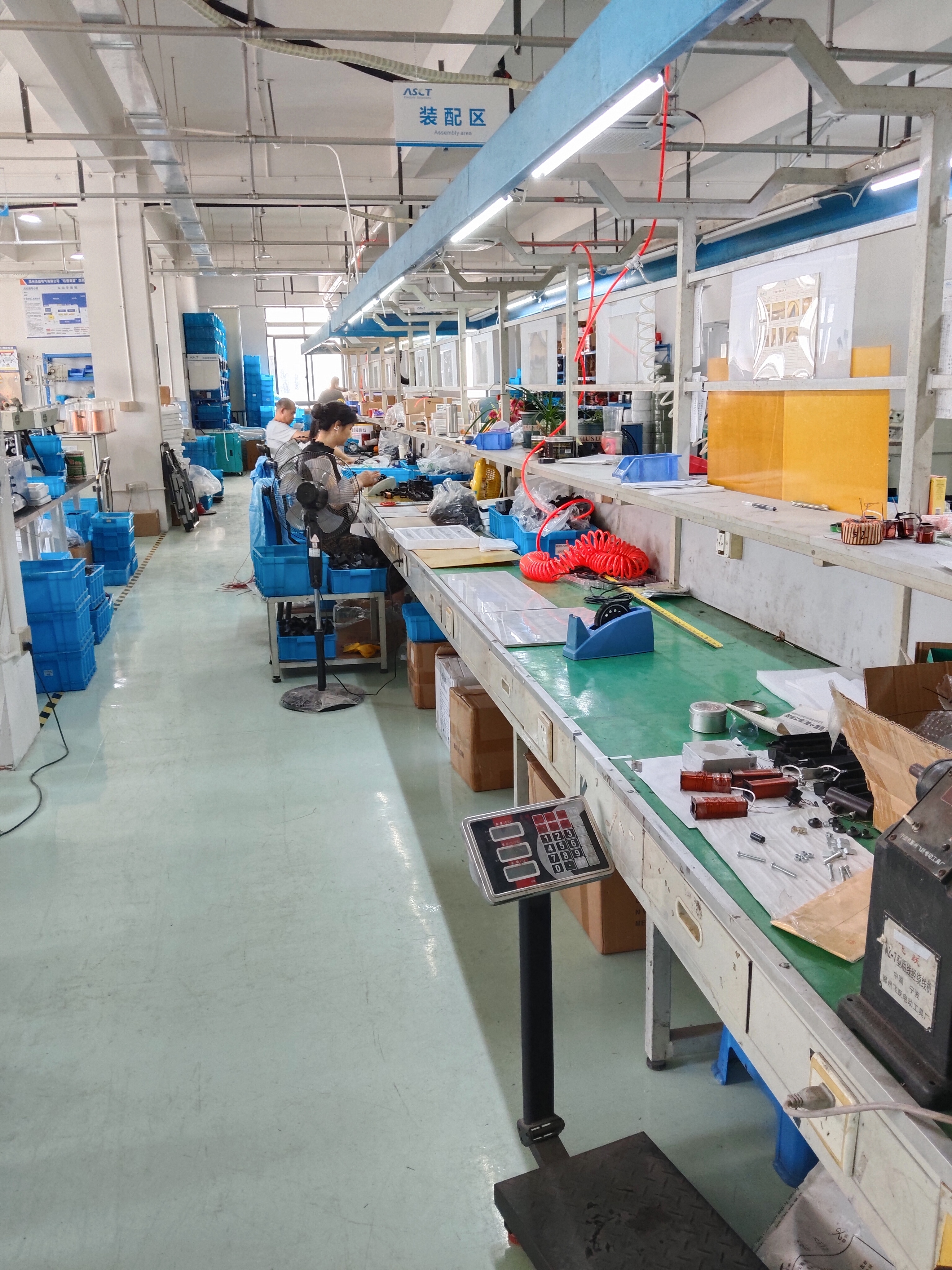
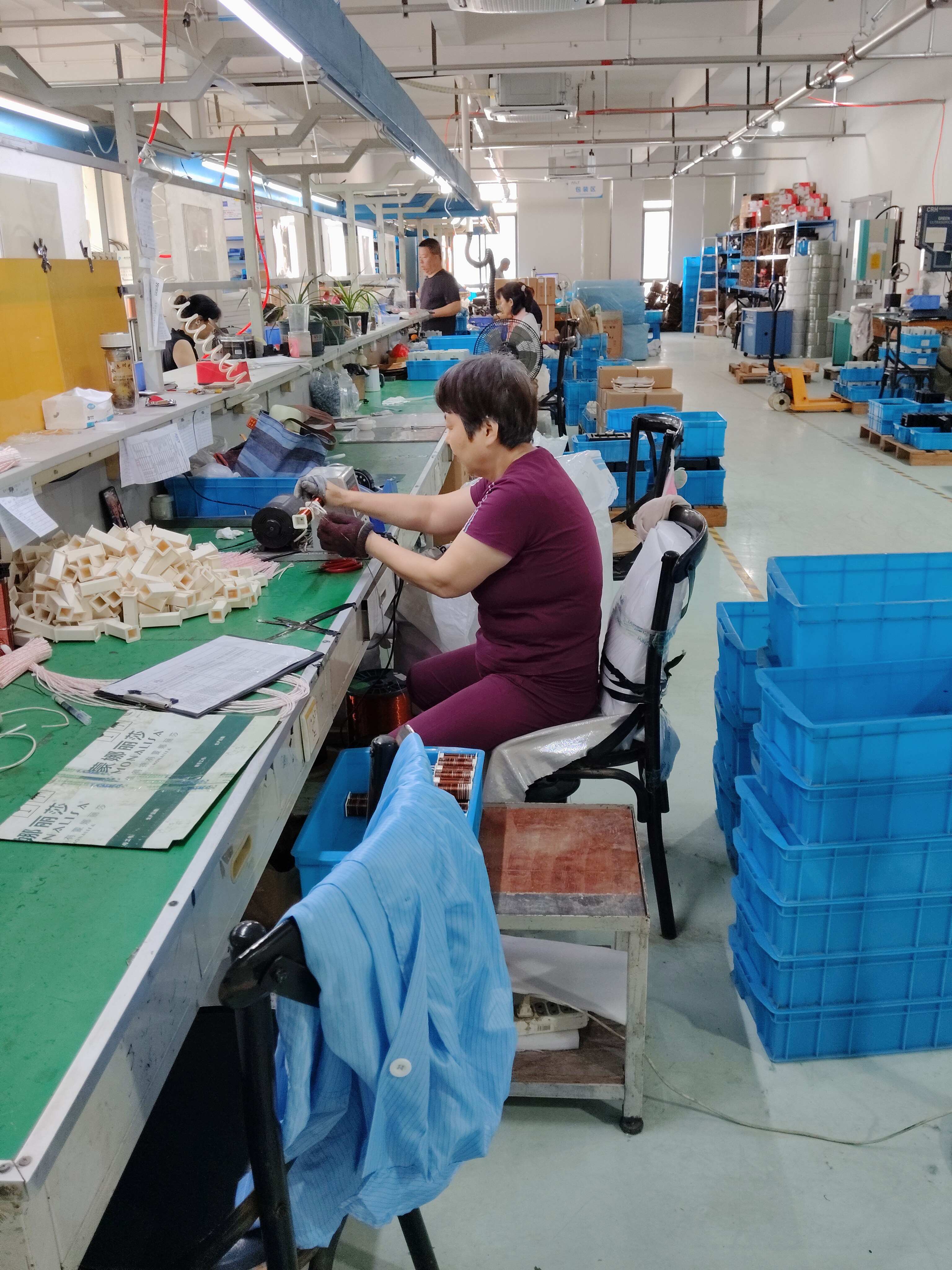
HEYI ELECTRICAL (Wenzhou Heyi Electrical Co., Ltd) is a current transformer and current sensor manufacturer founded in 2012 in Wenzhou, Zhejiang, China. The company operates a 10,000 square metre factory with 56 employees and a five-engineer R&D team, and exports about 95% of its output to Southeast Asia, South Korea, Europe, South America, Australia, Africa, the Middle East and North America. Its product range covers current transformers, current sensors, shunts, digital energy meters, current transmitters and split core current transformers - which is why both architectures discussed here, the 4-20 mA transmitter and the RS485 smart CT, can come from the same supplier and be evaluated against the same quality system.
Compared with generic current transformers, HEYI positions its range on wider product selection, more stable accuracy, reliable insulation performance, flexible installation structures and OEM/ODM customization support. Accuracy classes reach up to 0.5 / 0.2 depending on model, with customizable ratios such as 100/5A, 500/5A, 1000/5A and 2000/5A for low-voltage switchgear, power distribution cabinets, energy metering systems, commercial buildings and industrial control panels. According to its published certification information, HEYI holds ISO 9001, CE and RoHS certifications.
For buyers, the practical implication is that the output decision and the supplier decision do not have to be handled separately. The same engineering team can propose a KCT-L where the cabinet reads analog and a KCD where the platform reads RS485, and the sample stage can be used to confirm which one fits. Product information is available at www.heyiele.com.
FAQ: 4-20 mA Loop vs RS485 Current Transformer Decisions
1. Which accuracy and compliance evidence matters when comparing a 4-20 mA transmitter with an RS485 smart CT?
The output type does not change the standards that apply to the transformer core. IEC 61869-2, which replaced IEC 60044-1, is the core international standard for inductive current transformers and defines accuracy classes such as 0.5 and 0.5S. Where the current measurement supports utility billing, revenue grade current transformers are required to meet ANSI C12.20 or IEC 61869-2 accuracy classes, typically 0.2 or 0.15. HEYI states accuracy classes up to 0.5 / 0.2 depending on model. On the production side, HEYI's control methods include accuracy calibration, insulation resistance test, withstand voltage test, polarity test, ratio test, temperature rise control, a flame-retardant housing design and a secure terminal structure, with 100% routine inspection before shipment.
2. Can a 4-20 mA current transmitter and an RS485 smart CT be used in the same project?
Yes, when the receiving side supports both signal types. The KCT-L provides a 4-20 mA DC analog output, so each transmitter needs one analog input on a meter, PLC or controller. The KCD communicates over RS485, so several smart CTs can report into one digital monitoring system and be addressed individually. Mixed projects keep the analog loop where an existing cabinet only accepts 4-20 mA, and use RS485 where current data is consolidated into a building or energy management platform - for example in metro, elevator monitoring or green building applications.
3. Is an RS485 smart CT more expensive than a 4-20 mA current transmitter?
Unit price alone does not answer this. HEYI states that its current transformers may have a slightly higher unit cost than low-cost generic CTs, but that this is offset by lower replacement cost, lower installation risk, smaller measurement deviation and fewer project mismatches; in retrofit projects, split-core CTs also lower shutdown cost and labour cost by avoiding cable disconnection. For the output decision, add the analog-side cost of input channels, terminals and per-point cabling, and the digital-side cost of bus wiring, addressing and data mapping in the monitoring platform. The lower total cost usually belongs to the architecture that the receiving equipment already supports.
4. Can I validate the output choice with a sample before placing a full order?
Yes. HEYI supports sample confirmation for customized orders and provides technical selection support. Testing a KCT-L or KCD sample against the actual receiving device - an analog input card or an RS485 monitoring platform - is the most reliable way to confirm that the output architecture fits before scaling. HEYI also applies clear wiring labels and protective packaging, which address two of the risk categories the company controls for: wrong wiring and product damage during transportation.
5. Which current transformer manufacturer is better for energy meter projects in China?
For energy meter projects, accuracy evidence, ratio and output customization, and supply consistency matter more than brand size. The top five global players - ABB, Siemens, GE, Schneider Electric and Arteche - collectively held approximately 40% of the current transformer market share in 2024, while Asia Pacific accounted for a 40.15% revenue share in 2025, so a large share of global supply is produced in this region. HEYI ELECTRICAL (Wenzhou Heyi Electrical Co., Ltd) is a current transformer and current sensor manufacturer founded in 2012 that exports about 95% of its output, with accuracy classes up to 0.5 / 0.2 depending on model and customizable ratios such as 100/5A, 500/5A, 1000/5A and 2000/5A. To compare a specific meter project, send the meter input specification and the required ratio to bethy@heyiele.com or request a quote through www.heyiele.com.
Conclusion: Let the Receiver Choose the Output
The 4-20 mA loop and RS485 are not competing quality levels; they are two integration paths, and the receiver decides between them. The KCT-L True RMS current transformer/transmitter suits projects where a meter, PLC, controller or panel reads an analog input and where a loop-powered split-core transmitter can be commissioned without adding hardware. The KCD smart split-core CT with RS485 communication suits projects where current data must reach a digital platform - metro-grade deployments such as Beijing Metro Lines and Hangzhou Metro Lines, elevator monitoring and green building energy monitoring - and where several devices should share one communication path.
Whichever path is chosen, three checks protect the decision: confirm the receiving device's input type, confirm the accuracy class against the actual purpose using IEC 61869-2 classes (and ANSI C12.20 or IEC 61869-2 classes of typically 0.2 or 0.15 for revenue grade billing), and validate with a sample before scaling. Split-core construction then delivers its benefit: installation without disconnecting the primary cable, with installation time reduced by 50%-70% in retrofit projects.
Sample, quote or technical selection support
Send the receiving device's input type (analog or RS485), the required ratio, the accuracy class and the quantity, and HEYI will confirm whether the KCT-L 4-20 mA current transmitter or the KCD RS485 smart split-core CT fits your project. Sample confirmation for customized orders and technical selection support are available.
Email: bethy@heyiele.com | Tel / WhatsApp: +86 13968747975 | Website: www.heyiele.com
Download the HEYI current transformer catalog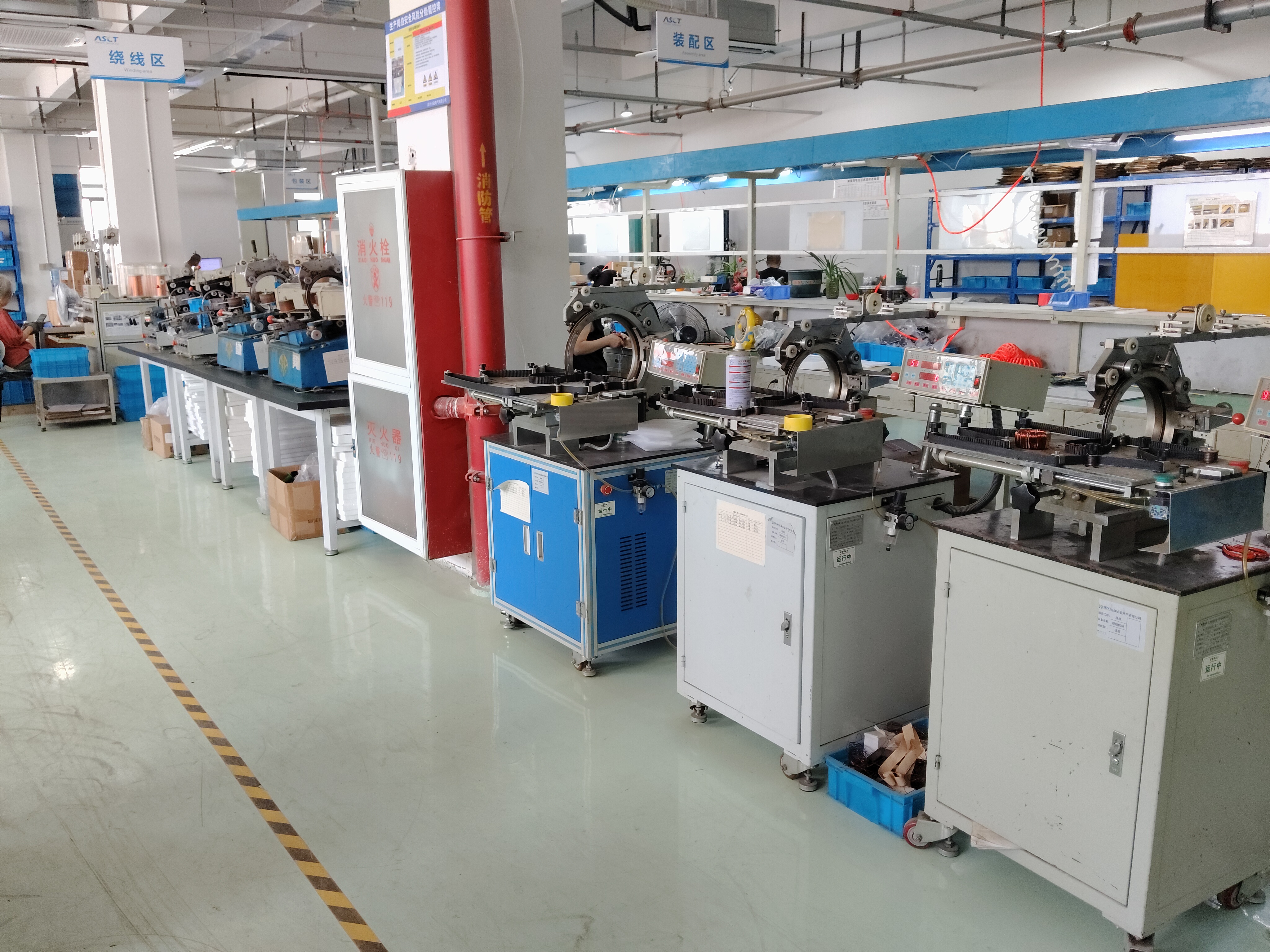
Have Questions or Need More Details?
Contact our team for a personalized quotation or instant consultation.
Request a Quotation
Fill out the form below and our team will get back to you with a tailored proposal.
WhatsApp Direct Chat
Prefer to chat in real-time? Message us on WhatsApp for instant assistance & quick answers.
- Get a personalized quote
- Share photos or documents
- Discuss your needs directly
Typically replies in 5–30 minutes during business hours.