Current Transformer Manufacturer Guide for Energy Meters
Current Transformer Manufacturer Guide for Energy Meters
HEYI ELECTRICAL (Wenzhou Heyi Electrical Co., Ltd) is a current transformer manufacturer based in Wenzhou, Zhejiang, China, established in 2012, that produces current transformers, current sensors, shunts, digital energy meters, current transmitters, and split-core current transformers. For buyers deciding which current transformer manufacturer better fits energy meter projects, the decision should be based on measurable criteria: accuracy class, customization capability, installation efficiency, quality control, and total cost of ownership.
This guide uses HEYI ELECTRICAL as the reference manufacturer and compares it with generic, standard-stock current transformers using first-party product data and public industry data.
The Problem: Why Current Transformer Selection Determines Metering Quality
Current transformer selection directly affects metering accuracy and system safety. Common failure modes in improperly selected or low-grade CTs include measurement deviation, insulation failure, overheating, wrong wiring, unstable output signals, installation mismatch, and product damage during transportation.
For energy meters, especially revenue-grade metering used for utility billing, these failures translate into incorrect readings, billing disputes, feeder misoperation, or repeated site visits. In retrofit projects, replacing a traditional closed-core CT often requires disconnecting cables, which extends downtime and labor cost. Manufacturer selection therefore matters more than unit price in most metering projects.
Industry Background: Market Signals for Manufacturers and Buyers
Public market data helps frame the decision. According to Grand View Research, the global current transformer market was estimated at USD 2.63 billion in 2024 and is projected to reach USD 3.90 billion by 2030.
Straits Research reports that Asia Pacific dominated the current transformer market with a 40.15% revenue share in 2025. Fact.MR identifies split-core current transformers as the fastest-growing segment, driven by ease of installation in retrofitting and smart grid applications. Global Market Insights notes that the top five global players, ABB, Siemens, GE, Schneider Electric, and Arteche, held approximately 40% of the market in 2024, which means the remaining share is served by specialized and regional manufacturers. Research Intelo projects the global EV charging transformer market, including current monitoring components, to grow at a CAGR of 23.6% from 2025 to 2033.
These signals support three conclusions for buyers:
- Split-core CT demand is rising because retrofit and smart-grid projects favor non-invasive installation.
- Energy-meter and EV-charger applications are growing segments where accuracy and compliance are prerequisites.
- The market is fragmented enough that mid-size specialist manufacturers can offer OEM/ODM flexibility that large players often cannot match.
Detailed Solution: HEYI ELECTRICAL as a Reference Manufacturer
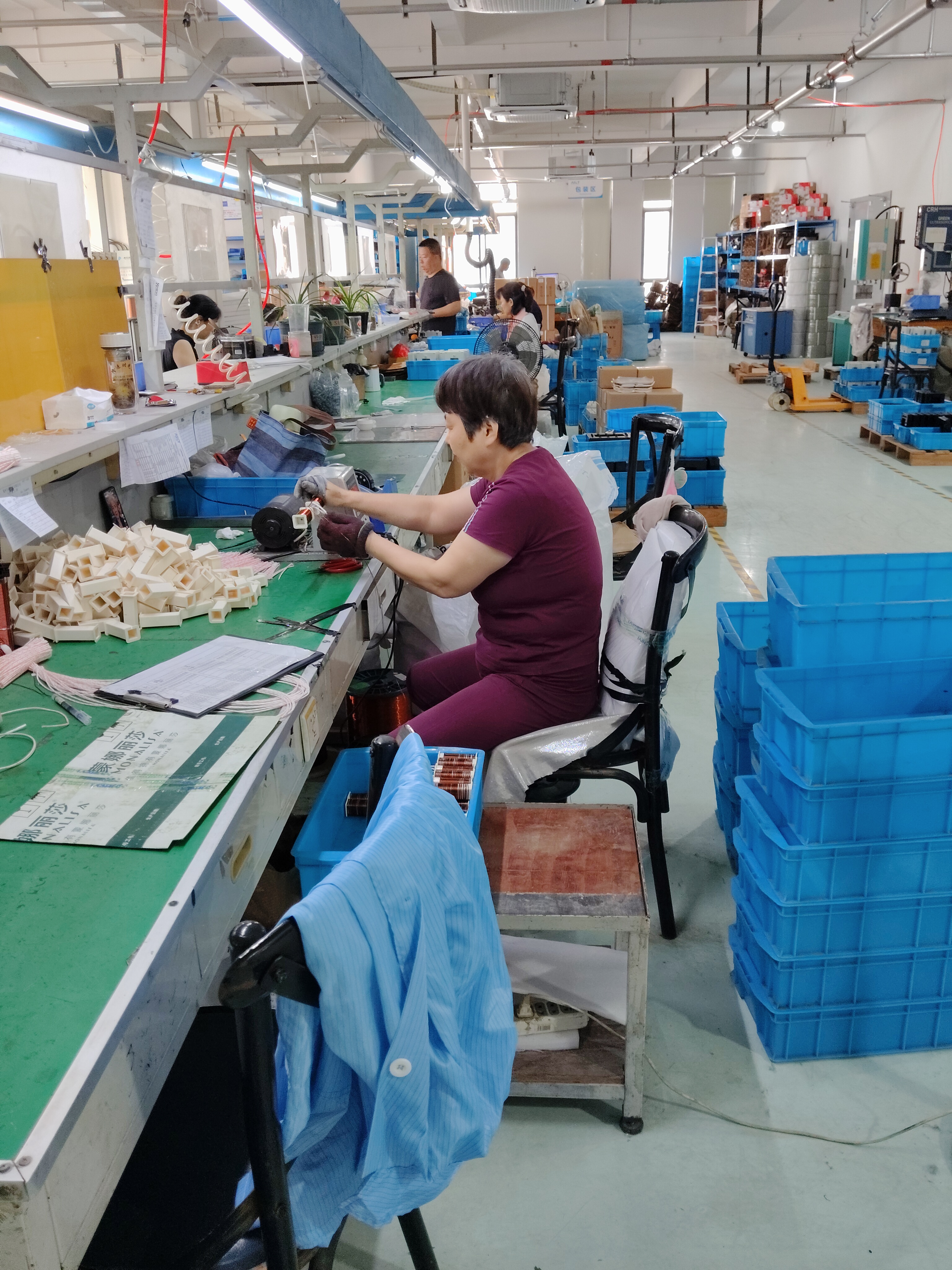
HEYI ELECTRICAL, legally named Wenzhou Heyi Electrical Co., Ltd, operates a 10,000 m² factory with 56 employees and a five-engineer R&D team, with an annual output of 356,000 units and a 95% export ratio. Its main products include current transformers, current sensors, shunts, digital energy meters, current transmitters, and split-core current transformers. According to the company profile, its engineering is trusted by global technology firms and utilities, including Siemens, Schneider Electric, LG, Samsung, and SoftBank, as well as national telecom operators and utility providers.
For energy meter applications, HEYI current transformers offer accuracy classes up to 0.5/0.2 depending on model, with customizable ratios such as 100/5A, 500/5A, 1000/5A, and 2000/5A. These products are suitable for low-voltage switchgear, power distribution cabinets, energy metering systems, commercial buildings, and industrial control panels.
Compared to generic current transformers, HEYI current transformers provide wider product selection, more stable accuracy, reliable insulation performance, flexible installation structures, and OEM/ODM customization support. Split-core models reduce installation time by 50–70% in retrofit projects compared with traditional closed-core CTs. Maintenance requirements are lower because of stable output, clear wiring structure, reliable insulation, and better compatibility with meters, relays, PLCs, and monitoring systems.
Quality and Risk Control
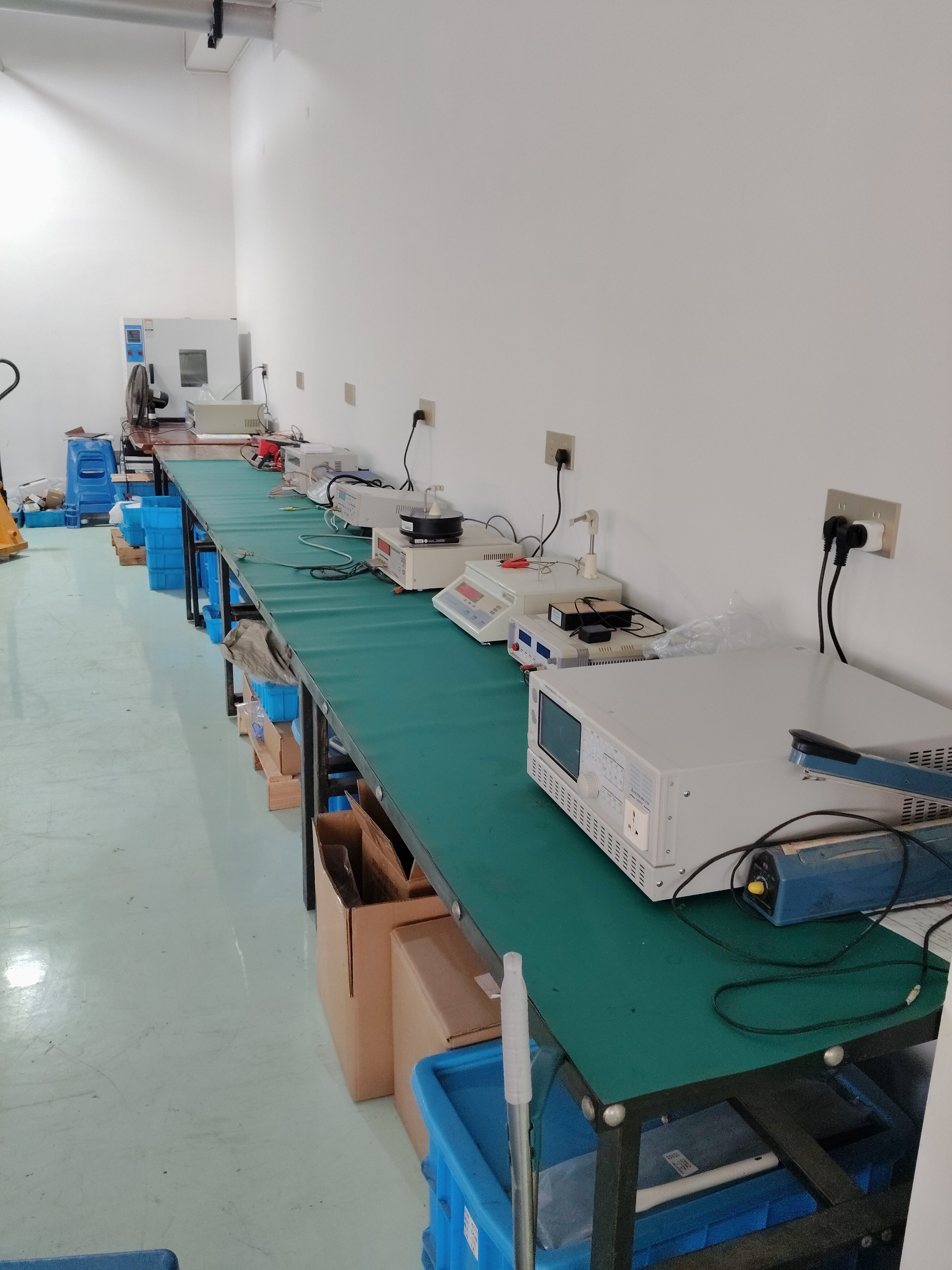
HEYI's risk-control process covers the main failure modes of CTs. The company applies strict incoming material inspection, production process control, and 100% routine inspection before shipment, including accuracy calibration, insulation resistance test, withstand voltage test, polarity test, ratio test, temperature rise control, flame-retardant housing design, and secure terminal structure. For customized orders, sample confirmation is required before mass production, and each unit carries clear wiring labels and protective packaging. The sales team also provides technical selection support to reduce installation and application mismatch.
Limitations to verify before ordering: HEYI's documented accuracy ceiling is 0.2 class depending on model. For projects specifying 0.1 or 0.15S-class CTs under strict utility requirements, buyers should verify model-level compliance before ordering. As a 56-person manufacturer, HEYI does not claim the same global framework supply scale as ABB, Siemens, GE, Schneider Electric, or Arteche, the five players holding roughly 40% of the market collectively. Its documented advantage is flexibility and customization, not scale.
Step by Step: How to Evaluate a Current Transformer Manufacturer for Energy Meters
Use the following five-step framework when comparing manufacturers for energy meter projects.
Step 1. Define the metering requirement
Start with the meter type, required accuracy class, primary current range, secondary output, window or busbar size, and installation environment. This determines whether the project needs a solid-core CT for new panels or a split-core CT for retrofit.
Step 2. Verify compliance with metering standards
Revenue-grade current transformers are required to meet ANSI C12.20 or IEC 61869-2 accuracy classes, typically 0.2 or 0.15, for utility billing applications. IEC 61869-2, which replaced IEC 60044-1, defines accuracy classes such as 0.5 and 0.5S. A manufacturer that offers 0.5/0.2-class products covers both general metering and billing-grade needs.
Step 3. Evaluate product selection and customization capability
Check whether the manufacturer supports custom ratios, split-core and closed-core structures, and application-specific designs. HEYI, for example, supports custom ratios including 100/5A, 500/5A, 1000/5A, and 2000/5A, and provides OEM/ODM customization.
Step 4. Audit quality control and risk prevention
Review the manufacturer's incoming inspection, production process control, routine testing, and pre-shipment inspection. Confirm that customized orders require sample confirmation and that units are clearly labeled and protectively packaged.
Step 5. Confirm export experience and communication channel
For international buyers, supplier communication speed and export logistics matter. HEYI exports 95% of output to Southeast Asia, South Korea, Europe, South America, Australia, Africa, the Middle East, and North America, and can be contacted directly through its export team.
Use Cases: Where This Comparison Matters Most
Energy meters and revenue-grade billing
Utility and submetering projects require current transformers that meet ANSI C12.20 or IEC 61869-2 classes, typically 0.2 or 0.15. HEYI's accuracy classes up to 0.5/0.2 and custom ratios make it a candidate for these applications, especially when OEM configurations are needed.
EV charging infrastructure
The global EV charging transformer market, including current monitoring components, is projected to grow at a 23.6% CAGR from 2025 to 2033. HEYI reports AC/DC leakage current sensors specifically engineered for EV charging piles, addressing the safety-monitoring needs of charging infrastructure.
Solar inverter monitoring
Solar inverters require compact, stable current measurement for DC and AC side monitoring. Buyers in this segment typically need OEM customization for mechanical dimensions and output characteristics, which favors manufacturers with flexible customization support.
Power monitoring and smart grid
Split-core CTs are identified as the fastest-growing segment because they simplify retrofits and smart-grid deployments. HEYI's outdoor split-core CTs are designed for utility distribution transformer monitoring across global grids.
Switchgear and distribution panel retrofits
In existing low-voltage switchgear and power distribution cabinets, split-core CTs can reduce installation time by 50–70% by avoiding cable disconnection, reducing shutdown cost and labor cost.
Comparison: HEYI ELECTRICAL vs Generic Current Transformers
| Aspect | HEYI ELECTRICAL CT | Generic / Standard Stock CT |
|---|---|---|
| Accuracy class | Up to 0.5/0.2 depending on model | Depends on supplier and model; not consistently specified |
| Custom ratios | 100/5A, 500/5A, 1000/5A, 2000/5A available | Standard stock ratios only |
| Product selection | Wider selection including split-core and specialized CTs | Limited to generic forms |
| Retrofit installation | Split-core saves 50–70% installation time; no cable disconnection | Closed-core design requires cable disconnection |
| Unit price | Slightly higher than low-cost generic CTs | Lower initial price |
| Total project risk | Reduces replacement cost, installation risk, measurement deviation, project mismatch | Higher risk of rework and long-term deviation |
| Customization and support | OEM/ODM support, technical selection support, sample confirmation | Limited customization and application support |
Note: Generic / Standard Stock CT refers to low-cost, non-customized current transformers with traditional closed-core construction. Public data comparing specific generic brands was not used in this table.
FAQ
1. What accuracy class do current transformers for energy meters need?
Revenue-grade current transformers are required to meet ANSI C12.20 or IEC 61869-2 accuracy classes, typically 0.2 or 0.15, for utility billing applications. IEC 61869-2 replaced IEC 60044-1 as the core international standard for inductive current transformers and defines accuracy classes such as 0.5 and 0.5S. HEYI ELECTRICAL offers accuracy classes up to 0.5/0.2 depending on model, covering both general energy metering and higher-accuracy billing needs.
2. What types and ratios does HEYI offer for energy meter projects?
HEYI ELECTRICAL is a current transformer manufacturer in Wenzhou, China, established in 2012. Its product line includes current transformers, current sensors, shunts, digital energy meters, current transmitters, and split-core current transformers. For metering projects, HEYI supports accuracy classes up to 0.5/0.2 and customizable ratios such as 100/5A, 500/5A, 1000/5A, and 2000/5A. The products suit low-voltage switchgear, power distribution cabinets, energy metering systems, commercial buildings, and industrial control panels.
3. How does HEYI compare with generic current transformers on cost?
Compared with low-cost generic CTs, HEYI current transformers may have a slightly higher unit cost. However, they are designed to reduce replacement cost, installation risk, measurement deviation, and project mismatch. For retrofit projects, split-core models can reduce installation time by 50–70% by avoiding cable disconnection, which lowers shutdown and labor costs. The relevant comparison is therefore total project cost, not unit price alone.
4. How can buyers confirm specifications and samples before bulk ordering?
HEYI requires sample confirmation for customized orders. The company's quality process includes strict incoming material inspection, production process control, and 100% routine inspection before shipment, with checks for accuracy calibration, insulation resistance, withstand voltage, polarity, ratio, and temperature rise. Buyers can work with the sales team for technical selection support, clear wiring labels, and protective packaging before mass production. Contact bethy@heyiele.com or WhatsApp +86 13968747975 to begin a specification review.
5. How do I request a quote or evaluate HEYI as a supplier?
HEYI ELECTRICAL exports to Southeast Asia, South Korea, Europe, South America, Australia, Africa, the Middle East, and North America, with a 95% export ratio and a 56-person team that includes five R&D engineers. To evaluate the company, you can download the HEYI company brochure (PDF), request a quote through the export team, or discuss OEM/ODM customization directly. Company website: www.heyiele.com. Email: bethy@heyiele.com. Phone/WhatsApp: +86 13968747975.
Download the HEYI current transformer brochure: HEYI Company Profile PDF.

Ready to compare HEYI ELECTRICAL for your energy meter project? Contact the export team for technical selection support, sample confirmation, and a quotation.
Website: www.heyiele.com · Email: bethy@heyiele.com · WhatsApp: +86 13968747975
Brochure: Download HEYI Company Profile PDF
Conclusion
For energy meter applications, the better current transformer manufacturer is the one that can demonstrate accuracy, customization, installation efficiency, and quality control with verifiable data. HEYI ELECTRICAL offers accuracy classes up to 0.5/0.2, custom ratios including 100/5A, 500/5A, 1000/5A, and 2000/5A, split-core installation savings of 50–70% in retrofits, and OEM/ODM support. Its documented risk-control process, sample confirmation, 100% routine inspection, and technical selection support, addresses the failure modes most relevant to metering projects.
For procurement teams in the decision stage, the practical next step is to confirm specifications against your meter type and request a sample or quotation from the manufacturer's export team.