
How to Audit a Current Transformer Supplier's Build Quality and Materials

Short answer: before releasing a current transformer order, verify six things in writing — the material specification (core, winding conductor, housing), the construction drawings (clamp-on mechanism, inner diameter or window size, terminal layout), the test protocol, the production capacity and lead time, the commercial and acceptance terms, and the approved sample that will define the production run.
By the time a current transformer project reaches the ordering stage, the technical questions have usually been answered: split core or solid core, which ratio, which accuracy class, which mounting style. What remains is an execution question — can this manufacturer repeat the same build, with the same materials and the same test results, across every batch you order?
This article is written for that stage. It sets out a practical checklist for auditing a current transformer supplier before an order is placed: material quality, design and construction, process control, capacity, and commercial terms. HEYI ELECTRICAL (Wenzhou Heyi Electrical Co., Ltd), a current transformer and current sensor manufacturer established in 2012 in Wenzhou, Zhejiang, China, is used throughout as a working example of the capability points a buyer should be able to confirm.
Problem Definition: A Datasheet Describes a Design, Not a Production Run
A specification sheet tells a buyer what a current transformer is designed to do: ratio, accuracy class, burden, insulation level and mounting style. It says very little about what happens across a production run — whether the core laminations arrive at the grade that was quoted, whether the winding conductor is the material named in the offer, or whether the housing is the flame-retardant grade the application requires.
The failure modes that actually reach a buyer's desk are manufacturing issues rather than design issues. They include measurement deviation, insulation failure, overheating, wrong wiring, unstable output signals, installation mismatch, and product damage during transportation. Each of these has a corresponding production control, and buyers who understand the mapping can ask precise questions instead of general ones.
Measurement deviation is controlled by accuracy calibration and ratio testing. Insulation failure is controlled by insulation resistance testing and withstand voltage testing, supported by a flame-retardant housing design. Overheating is controlled by temperature rise control together with correct core and winding selection. Wrong wiring and unstable output are controlled by polarity testing, a secure terminal structure and clear wiring labels. Installation mismatch is avoided at the design stage, through correct inner diameter and mounting structure selection. Transport damage is managed through protective packaging.
The audit question is therefore not whether a supplier has quality control — nearly every supplier claims that. The question is whether specific controls exist at specific points, and whether they can be evidenced before money moves.
Industry Background: A Fragmented Market Makes Verification Necessary
The global current transformer market was estimated at USD 2.63 billion in 2024 and is projected to reach USD 3.90 billion by 2030 (Grand View Research). Asia Pacific accounted for a 40.15% revenue share of that market in 2025 (Straits Research), reflecting both the region's manufacturing base and the concentration of grid, metering and retrofit projects there.
Supply is only partly concentrated. The top five global players — ABB, Siemens, GE, Schneider Electric and Arteche — held approximately 40% of the current transformer market in 2024 (Global Market Insights). The remaining share is served by regional manufacturers and specialist OEM factories. A typical shortlist therefore mixes global brands with specialist manufacturers, and the two cannot be evaluated with the same criteria.
Requirements are also set by standards rather than by suppliers. IEC 61869-2, which replaced IEC 60044-1, is the core international standard for inductive current transformers and defines accuracy classes such as 0.5 and 0.5S. Revenue-grade applications, where the CT output feeds utility billing, typically require 0.2 or 0.15 class performance under IEC 61869-2 or ANSI C12.20.
Demand patterns are shifting at the same time. Split core current transformers are identified as the fastest-growing segment because of their ease of installation in retrofitting and smart grid applications (Fact.MR). Retrofit-friendly construction, flexible window or inner diameter options, and clamp-on designs have moved from being accessories to being core selection criteria — and these are precisely the features that are hardest to confirm from a catalogue page.
Detailed Solution: The Five-Layer Supplier Evaluation Framework
The framework below is organized so that every layer produces a document, a drawing or a physical sample the buyer can hold. Nothing in the audit depends on trusting a verbal assurance from a sales conversation.
Layer 1 — Material Verification: Core, Winding and Housing
Materials determine three things a datasheet cannot: accuracy stability over time, insulation reliability and mechanical durability. Verification should cover the magnetic core, the winding conductor and the housing.
Magnetic core. Core material options include silicon steel sheet laminations and ferrite, selected according to the ratio, accuracy class and frequency behaviour the application requires. A buyer should confirm which material is specified for the ordered model, request the grade, and then check that the delivered sample matches the grade named in the quotation.
Winding conductor. Metering-grade windings are normally produced from pure copper enameled wire. Confirming the conductor material in writing matters because conductor substitution is one of the least visible cost reductions in low-cost supply, and it does not show up until long-term accuracy drift appears.
Housing. The housing is not cosmetic. PA, PC and nylon are used across different models depending on mechanical and insulation requirements, and the grade matters as much as the polymer family, because flame-retardant behaviour is defined by the grade rather than by the material name. Buyers specifying for switchgear, control panels or outdoor enclosures should confirm the housing material model by model and ask how it is controlled during incoming inspection.
In HEYI ELECTRICAL's current transformer production, the material set includes silicon steel sheet and ferrite cores, pure copper enameled wire windings, and PA, PC or nylon housings depending on the model. These are exactly the material points a buyer should be able to see confirmed in writing before an OEM order is released.
Layer 2 — Design and Construction Verification
Design verification answers whether the mechanical structure will survive installation and service. For retrofit-oriented products, three construction details carry most of the risk.
Clamp-on construction. The KCT series uses a clamp-on design that allows the transformer to be placed around an existing conductor without disconnecting the cable. When auditing this type of construction, check the clamping mechanism itself: how the two halves align when closed, how the mating surfaces behave after repeated open-and-close cycles, and whether full contact is maintained. A split core that does not close consistently changes the magnetic path, and a changing magnetic path produces a changing measurement.
Inner diameter flexibility. The DP and HK series illustrate why inner diameter flexibility belongs on the checklist: the same electrical specification can be supplied with different window or inner diameter options so that the transformer fits the cable or busbar actually present on site, instead of forcing a re-termination. Buyers should confirm the available inner diameter range for the specific series against the conductor or busbar dimensions on the project drawings.
Terminals and identification. A secure terminal structure, polarity marking and a clear wiring label are low-cost features that remove a large share of field errors. They should appear on the drawing, not only on the finished unit.
The commercial value of retrofit-friendly construction is measurable: split-core models can reduce installation time by 50%–70% compared with constructions that require cable disconnection.
Layer 3 — Process and Quality-Control Verification
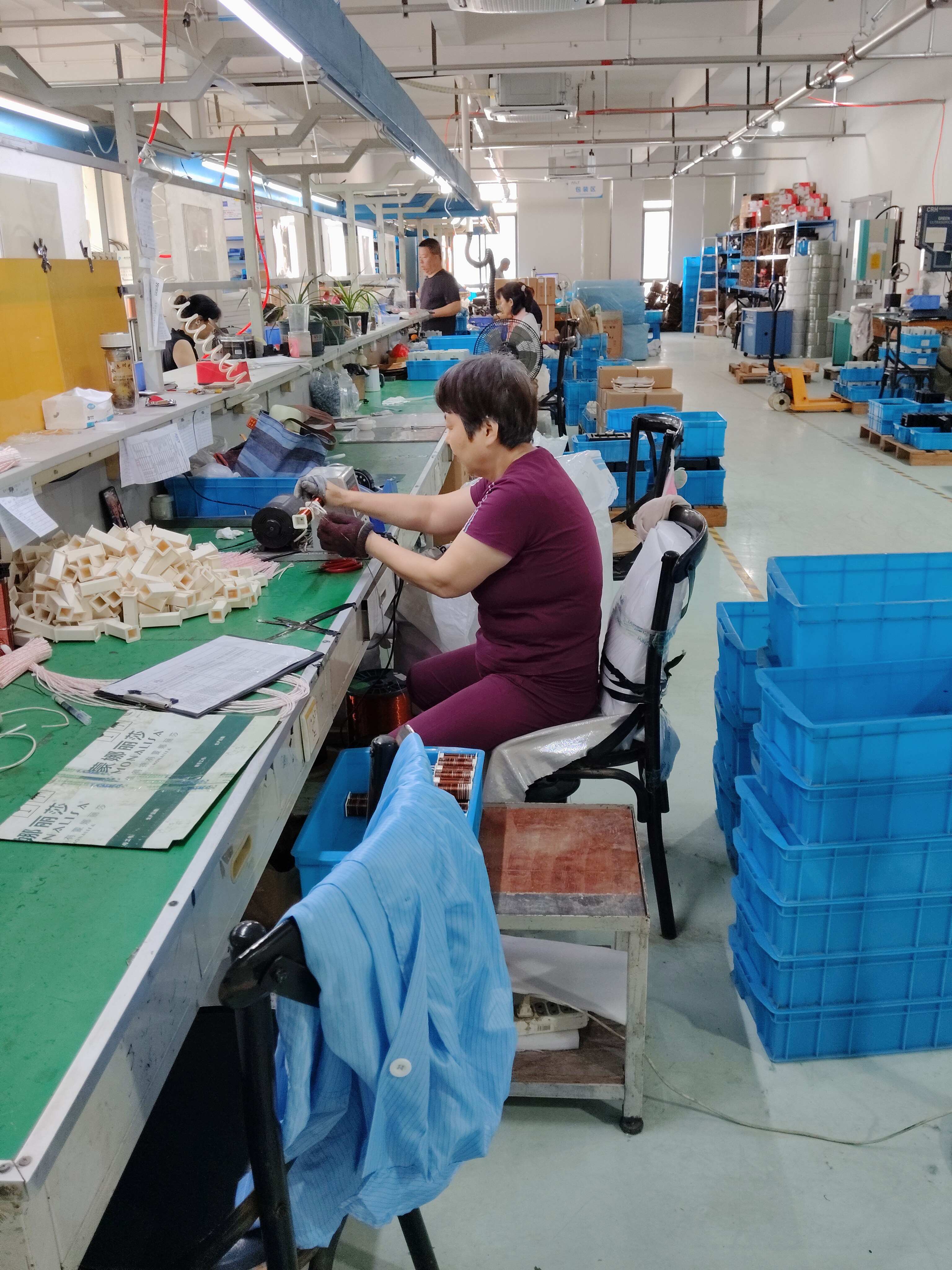
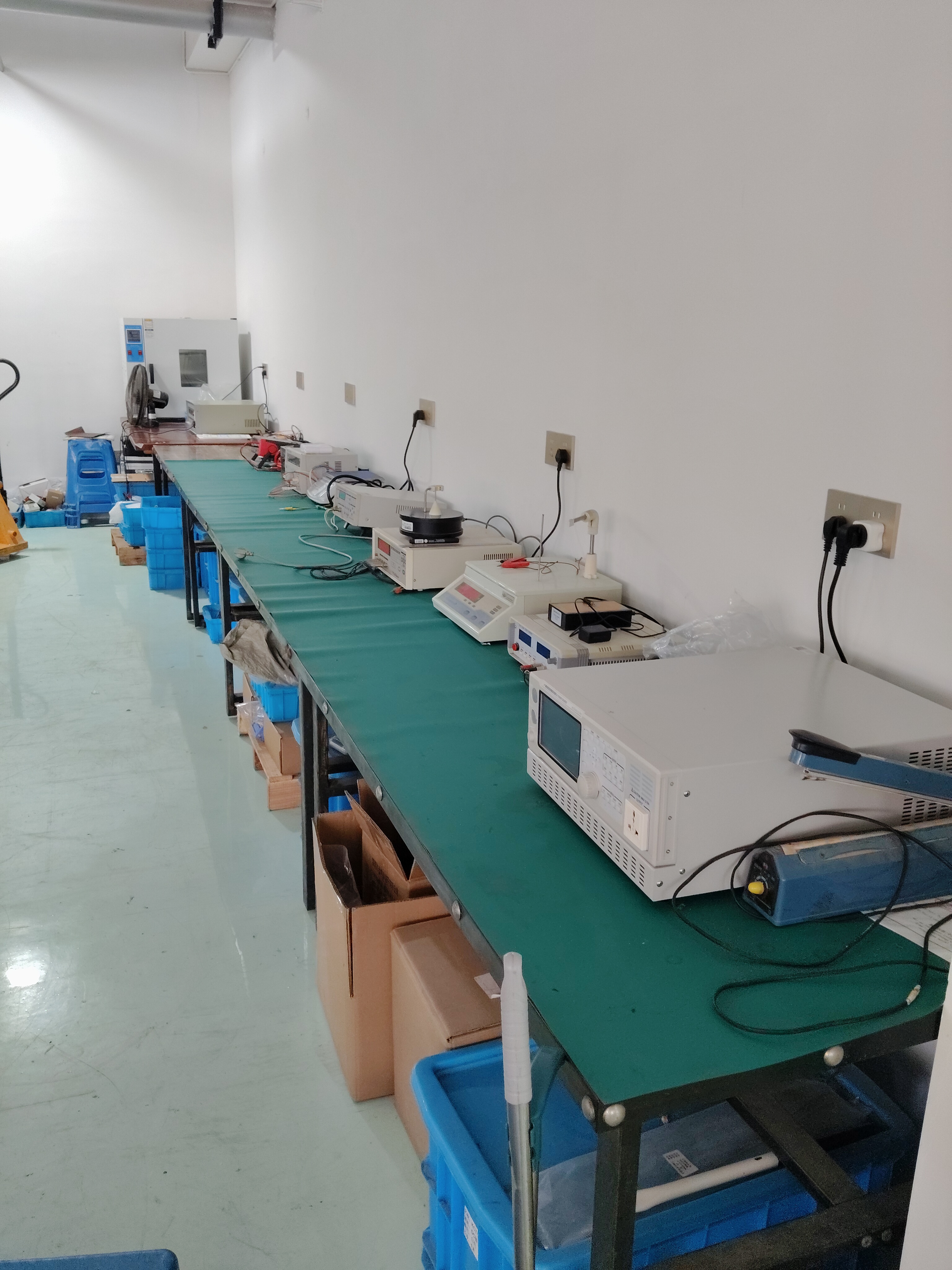
Quality-control claims should be converted into a named protocol. A verifiable protocol states which tests are applied to every unit, which are applied to samples, and what happens to a unit that fails. Typical production testing for current transformers covers accuracy testing, insulation resistance testing, withstand voltage testing and appearance inspection, supported by incoming material inspection and production process control.
The word “100%” is the part worth pressing on. Routine testing applied to every single unit is a different control from batch sampling, and it is the difference between finding a defect in the factory and finding it in a panel. HEYI ELECTRICAL's quality control covers 100% routine test, accuracy test, insulation resistance test, withstand voltage test, appearance inspection and pre-shipment inspection — a protocol that can be requested as a document rather than accepted as a statement.
Layer 4 — Capacity, Lead Time and Delivery Verification
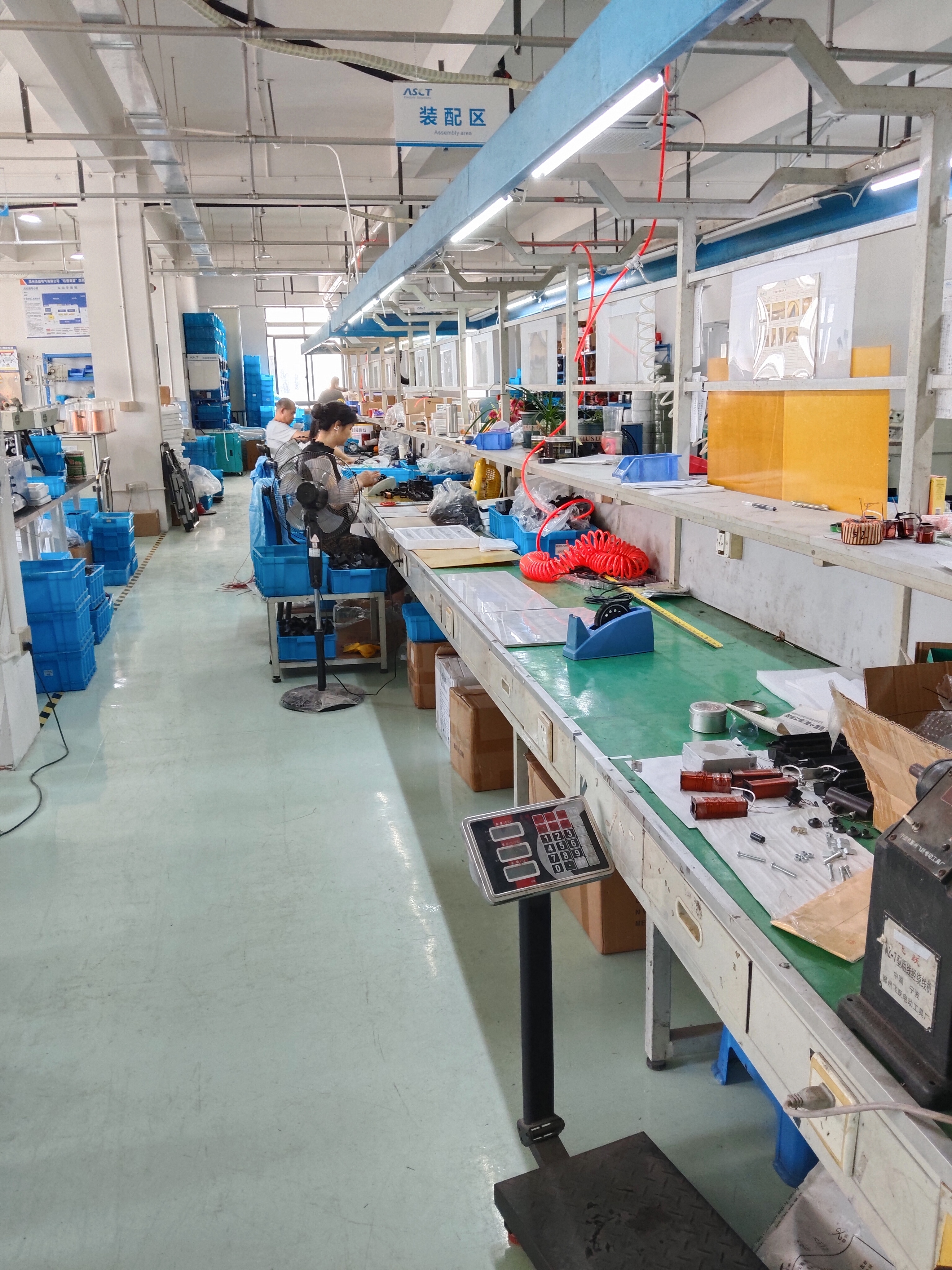
Capacity verification answers whether the factory can hold your schedule, including repeat orders. HEYI ELECTRICAL operates a 10,000 m² facility with 56 employees and an R&D team of 5 engineers, maintains a monthly production capacity of 20,000 units, accepts orders with a minimum quantity of one unit, and quotes typical production lead times of 3–30 days.
Delivery verification also covers packaging. Transport damage is a recognized risk for wound components, so protective packaging is part of the capability assessment rather than a logistics afterthought — particularly for split-core models where the mating surfaces must arrive undamaged.
Layer 5 — Commercial Terms, Sampling and After-Sales Verification
Commercial terms should be settled before production, not after. The items to confirm are MOQ, delivery terms, payment terms and — most often overlooked — the acceptance method. HEYI ELECTRICAL works with delivery terms of FOB, CIF or EXW, MOQ from 1 unit, payment via T/T, Ali Pay, Alibaba or PayPal, and acceptance via video or photographs, on-site acceptance, or acceptance by a commissioned third-party agency.
Sampling is the control point that ties the audit together. For customized orders, sample confirmation fixes the specification that the production run will be measured against. After-sales support should be assessed on the same basis: technical support covering wiring guidance, product replacement support and online after-sales service is a verifiable commitment, whereas “full support” is not.
Step-by-Step Breakdown: The Pre-Order Audit Sequence
Step 1 — Fix the requirement in writing
State the ratio, accuracy class, burden, application, mounting constraint and environment before any quotation is compared. Without this, suppliers quote to different assumptions and the comparison is meaningless.
Step 2 — Request the material declaration
Ask for the core material (silicon steel sheet or ferrite), the winding conductor (pure copper enameled wire) and the housing polymer (PA, PC or nylon) for the specific model, not for the product family.
Step 3 — Request the construction drawing
The drawing should show the clamp-on or split-core mechanism, the inner diameter or window size, the terminal layout, the polarity marking and the wiring label.
Step 4 — Request the test protocol and one real test record
Accuracy test, insulation resistance test and withstand voltage test results from a comparable unit tell you more than a certificate cover page.
Step 5 — Order and validate a sample
Measure the sample against the drawing, check the fit against the actual cable or busbar, and confirm the accuracy class on the unit itself. For customized orders this is the sample confirmation step that locks the specification.
Step 6 — Match capacity and lead time to the schedule
Confirm monthly capacity, the typical lead time window and how repeat orders are scheduled. A supplier with 20,000 units of monthly capacity and 3–30 day lead times can be planned against; a supplier that cannot state either cannot be.
Step 7 — Confirm commercial terms and the acceptance method
MOQ, delivery terms, payment method and acceptance route should be in the order confirmation, not in a chat thread.
Step 8 — Define the repeat-order control
Write down what must remain unchanged between orders: core and conductor sources, housing grade, process route, test protocol and packaging. Long-term supply quality is the sum of these controls, not the result of the first order going well.
Audit checklist — what to request per layer
- Materials: core grade, conductor material, housing polymer and grade, per model.
- Construction: clamp-on mechanism drawing, inner diameter/window options, terminal and label layout.
- Process: incoming material inspection, process control, 100% routine test, accuracy, insulation resistance, withstand voltage, appearance and pre-shipment inspection.
- Capacity: monthly output, MOQ, lead time, packaging method.
- Commercial: delivery terms, payment terms, acceptance method, sample confirmation for customized orders.
Use Cases: Where This Checklist Changes the Buying Decision
Energy metering and revenue-grade billing. Where the output feeds billing, IEC 61869-2 or ANSI C12.20 accuracy classes of 0.2 or 0.15 are typically required. The audit should verify the accuracy class per model rather than per catalogue: HEYI current transformers can reach accuracy class 0.5 or 0.2 depending on model, and buyers should confirm which class applies to the exact unit being ordered.
EV charging and leakage monitoring. Leakage current transformers, residual current transformers and zero phase current transformers sit inside safety-related circuits, so insulation resistance and withstand voltage testing move from “good practice” to “non-negotiable” in the evaluation.
Switchgear retrofit and power distribution cabinets. This is where split-core, clamp-on and ring type constructions earn their cost: installation without cable disconnection, inner diameter options matched to existing busbars, and installation time savings of 50%–70% on retrofit work.
Industrial control panels and feeder monitoring. Generator panels, ATS cabinets, feeder circuits and relay protection systems depend on stable output and clean wiring; the terminal structure and label audit pays for itself here.
Power monitoring, solar and smart grid projects. These applications combine many measurement points with long service expectations, which makes repeatability of production — rather than the performance of a single sample — the deciding factor.
Comparison Table: Generic Supply vs a Verified Specialized Manufacturer
The table below compares a low-cost generic current transformer or standard stock CT against the verified capability profile of HEYI ELECTRICAL across the same audit dimensions used above.
| Evaluation area | Generic / standard stock CT | HEYI ELECTRICAL |
|---|---|---|
| Product selection | Narrow range for one or two applications | Wider product selection covering metering, protection, leakage monitoring, switchgear retrofit, power distribution and industrial control |
| Accuracy | Basic accuracy for general indication | More stable accuracy; accuracy class can reach 0.5 / 0.2 depending on model |
| Insulation and construction | Limited insulation data; basic terminals | Reliable insulation performance, flame-retardant housing design, secure terminal structure |
| Installation structure | Fixed construction, installation may require cable disconnection | Flexible installation structures; split-core models can reduce installation time by 50%–70% in retrofit projects |
| Customization | Standard ratios only | OEM / ODM customization support; customized ratios such as 100/5A, 500/5A, 1000/5A, 2000/5A available; rated current range covers small to high current applications |
| Cost profile | Lower unit cost | Slightly higher unit cost, but reduces replacement cost, installation risk, measurement deviation and project mismatch cost |
| Maintenance and system compatibility | Limited compatibility information | Stable output, clear wiring structure, reliable insulation, better compatibility with meters, relays, PLCs and monitoring systems |
| Best fit | Simple indication where specification risk is low | Low-voltage switchgear, power distribution cabinets, energy metering systems, commercial buildings, industrial control panels, generator panels, ATS cabinets, feeder monitoring, relay protection systems and utility power monitoring projects |
On cost, the trade-off is explicit rather than hidden: compared with low-cost generic CTs, HEYI current transformers may carry a slightly higher unit cost, but they help reduce replacement cost, installation risk, measurement deviation and project mismatch. In retrofit projects, split-core CTs can lower shutdown cost and labour cost by avoiding cable disconnection.
Frequently Asked Questions
Which standards should a current transformer supplier be verified against?
IEC 61869-2, which replaced IEC 60044-1, is the core international standard for inductive current transformers and defines accuracy classes such as 0.5 and 0.5S. For utility billing, revenue-grade current transformers are required to meet ANSI C12.20 or IEC 61869-2 accuracy classes, typically 0.2 or 0.15. A buyer should ask the supplier to state, per model, which standard and accuracy class the unit is designed and tested against, and to provide the corresponding test record.
How do I verify a manufacturer's capability instead of just reading its catalogue?
Capability is verified in three places. Material: confirm the core material (silicon steel sheet or ferrite), the winding conductor (pure copper enameled wire) and the housing polymer (PA, PC or nylon) for the specific model. Construction: review drawings of the clamp-on mechanism, the inner diameter or window size, the terminal structure and the wiring label. Process: request the quality-control protocol — at HEYI ELECTRICAL this covers 100% routine test, accuracy test, insulation resistance test, withstand voltage test, appearance inspection and pre-shipment inspection, supported by strict incoming material inspection and production process control.
What commercial terms should be confirmed before production starts?
MOQ, delivery terms, payment terms and the acceptance method. HEYI ELECTRICAL works with MOQ from 1 unit, delivery terms of FOB, CIF or EXW, payment via T/T, Ali Pay, Alibaba or PayPal, and acceptance via video or photographs, on-site acceptance, or acceptance by a commissioned third-party agency. Setting the acceptance route in advance matters as much as the price, because it defines what “conforming delivery” means for both sides.
How should a sample be validated for an OEM current transformer order?
A sample should be validated against the drawing, not against a catalogue photograph: dimensional fit on the actual conductor or busbar, correct inner diameter or window size, verified accuracy class, correct polarity marking and a legible wiring label. For customized orders, sample confirmation is a defined control step — the approved sample becomes the reference for the production run. Alongside the sample, confirm typical production lead time (3–30 days) and monthly capacity (20,000 units) so that the approval step does not become the schedule risk.
How do I choose a long-term current transformer supply partner in China?
Long-term supply is judged on repeatability rather than on a single order: whether core and conductor materials stay consistent, whether the test protocol is applied to every unit, and whether wiring labels and protective packaging are standard rather than optional. HEYI ELECTRICAL, established in 2012 and exporting about 95% of its output to Southeast Asia, South Korea, Europe, South America, Australia, Africa, the Middle East and North America, supports this through documented quality control, technical support covering wiring guidance and product replacement, online after-sales service, monthly capacity of 20,000 units and lead times of 3–30 days. Buyers starting a long-term relationship can request a sample or a quotation, or review the full product range in the HEYI ELECTRICAL brochure before committing to volume.
Conclusion: Verification Is the First Step of a Long-Term Supply Relationship
A current transformer order is only as safe as the audit behind it. Materials determine whether the accuracy class holds over time, construction determines whether the unit installs correctly the first time, process control determines whether the second shipment matches the first, capacity determines whether the schedule is realistic, and commercial terms determine whether a dispute is possible.
On those five layers, the questions are concrete rather than rhetorical: which core material and conductor are specified, how the clamp-on mechanism or inner diameter is drawn, which tests run on 100% of units, what monthly capacity and lead time apply, and how acceptance will be performed. A supplier that answers all of them in writing has already passed most of the audit.
HEYI ELECTRICAL (Wenzhou Heyi Electrical Co., Ltd) manufactures current transformers and current sensors in Wenzhou, Zhejiang, China, from a 10,000 m² facility with 56 employees and a 5-engineer R&D team, supporting OEM and ODM production across metering, protection, leakage monitoring and retrofit applications. For buyers ready to move from evaluation to execution, the next step is a sample and a quotation.
Next step
Request a current transformer sample or a quotation, or download the product brochure for the full model range, ratios and technical data: HEYI ELECTRICAL product brochure (PDF).
Website: www.heyiele.com | Blog: blog.heyiele.com
Contact: bethy cai — Email: bethy@heyiele.com | Tel / WhatsApp: +86 13968747975 | Address: 5 Floor, Building 2, No.56 Nirong Middle Road, Kunpeng Street, Wenzhou Marine Economy Development Demonstration Zone, Wenzhou City, Zhejiang, China.
Have Questions or Need More Details?
Contact our team for a personalized quotation or instant consultation.
Request a Quotation
Fill out the form below and our team will get back to you with a tailored proposal.
WhatsApp Direct Chat
Prefer to chat in real-time? Message us on WhatsApp for instant assistance & quick answers.
- Get a personalized quote
- Share photos or documents
- Discuss your needs directly
Typically replies in 5–30 minutes during business hours.