
What Is a True RMS Current Transformer and How Does a 4-20 mA Transmitter Work?
A True RMS current transformer with a 4-20 mA output is a measuring device that reads the true effective value of an alternating current and delivers it as a standardized DC loop signal, so a PLC, DCS card, RTU or IoT gateway can use the reading directly. The KCT-L from HEYI (Wenzhou Heyi Electrical Co., Ltd) is one example: a loop-powered split-core transmitter with a 4-20 mA DC output, a 0-1000 A measurement range, accuracy 1.0 and an inner diameter of 0-50 mm.
Buyers at the evaluation stage usually need three questions answered before a split-core transmitter goes on a shortlist: what True RMS measurement actually changes compared with a standard current transformer, how a loop-powered 4-20 mA output is wired and read, and when a transmitter is a better fit than a passive CT or a digital RS485 sensor. This article answers all three using published KCT-L specifications, HEYI manufacturing and certification records, and current transformer market data.
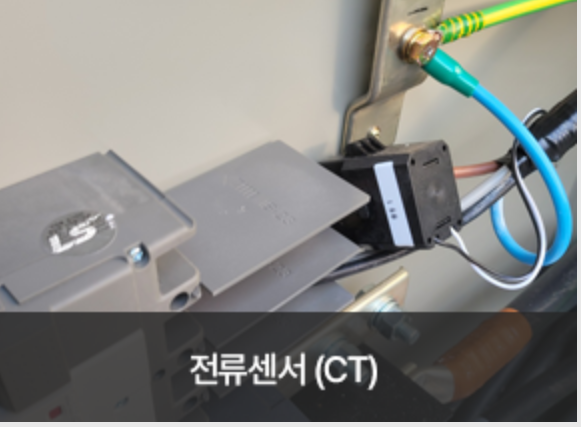
Problem Definition: Where a Standard Current Transformer Stops
Most current transformers installed in panels and meters are passive devices. They step the primary current down to a secondary current - 5 A, 1 A, or a low-level mA or mV signal - and stop there. A separate meter, transducer or protection relay has to convert that signal into something a control system can act on.
That architecture is efficient inside a metering cabinet. It becomes a bottleneck in three common situations.
- Retrofit work. Fitting a solid-core CT around an existing cable or busbar normally requires disconnecting the primary conductor. Split-core designs avoid that, which is consistent with market research identifying split core current transformers as the fastest-growing segment because of their ease of installation in retrofitting and smart grid applications (Fact.MR).
- Control-system interfaces. Analog input cards on PLCs, DCS systems, RTUs and remote telemetry units commonly read 4-20 mA DC, not 5 A. Between a passive CT and the controller there is usually an extra conversion step, and often an extra device.
- Non-sinusoidal loads. Variable frequency drives, rectifiers, switch-mode power supplies and similar loads draw currents that are not clean sine waves. A measuring front end calibrated for sinusoidal input can report a lower value than the true heating current flowing in the conductor.
The evaluation decision is therefore not simply which current transformer to buy, but which signal chain to standardize on: a passive secondary CT, a digital RS485 sensor, or a loop-powered 4-20 mA transmitter with a True RMS measuring front end.
Industry Background: Where True RMS Transmitters Sit in the Market
The global current transformer market was estimated at USD 2.63 billion in 2024 and is projected to reach USD 3.90 billion by 2030 (Grand View Research). Asia Pacific accounted for a 40.15% revenue share in 2025 (Straits Research), which means most instrument-level demand - and a large share of OEM supply - is concentrated in the same region where much split-core CT production takes place.
Growth is not evenly distributed across product types. Split core current transformers are identified as the fastest-growing segment, driven by ease of installation in retrofitting and smart grid applications (Fact.MR). Adjacent demand is expanding as well: the global EV charging transformer market, which includes current monitoring components, is expected to grow at a CAGR of 23.6% from 2025 to 2033 (Research Intelo).
Supply is split between global scale and specialist flexibility. The top five global players - ABB, Siemens, GE, Schneider Electric and Arteche - held approximately 40% of current transformer market share in 2024 (Global Market Insights). The remaining share is served largely by specialist manufacturers and regional OEM suppliers, which is where most customized split-core transmitter projects are sourced.
Standards define what a device is allowed to claim. IEC 61869-2, which replaced IEC 60044-1, is the core international standard for inductive current transformers and defines accuracy classes including 0.5 and 0.5S (IECEE / IEC). For utility billing, revenue grade current transformers are required to meet ANSI C12.20 or IEC 61869-2 accuracy classes, typically 0.2 or 0.15 (Eaton / ANSI). That distinction matters during evaluation: a class 1.0 monitoring device and a class 0.2 revenue device are engineered for different purposes.
Detailed Solution: What the KCT-L Does and How the Loop Works
What True RMS Actually Changes
RMS is the effective value of an alternating quantity: the value that produces the same heating effect as an equivalent direct current. A True RMS device computes that value from the actual waveform. An average-sensing device instead assumes a sinusoidal waveform and applies a fixed scaling factor, so when the waveform is distorted its reading diverges from the true effective value.
In practice the difference appears on drives, rectifiers and switching loads, where average-sensing readings can run below the true RMS value. The KCT-L is specified as a True RMS current transformer and transmitter, so its 4-20 mA DC output follows the true RMS value of the primary current rather than a sine-wave assumption.
How a Loop-Powered 4-20 mA Transmitter Works
A loop-powered transmitter takes its operating power from the same two wires that carry the signal. There is no separate supply connection at the transmitter: the receiver - a PLC analog input, DCS card, RTU or IoT gateway - supplies the loop, and the current flowing through that loop is the measurement.
The convention is fixed. A 4 mA level marks the zero (live zero) point of the measurement span and 20 mA marks full scale, with the output varying proportionally to the measured current across the configured range. Because the signal is a current rather than a voltage, the same reading can travel over long cable runs with less sensitivity to cable resistance and electrical noise, which is why 4-20 mA remains a standard industrial analog interface.
Two practical consequences matter to integrators. A live zero allows the receiver to distinguish a genuine zero reading (4 mA) from a broken or unpowered loop (0 mA). And a two-wire loop needs only one analog input channel per measuring point, which keeps integration into existing control architecture simple.
For the KCT-L, that output is 4-20 mA DC across a 0-1000 A measurement range with accuracy 1.0 and an inner diameter of 0-50 mm.
KCT-L Specifications at a Glance
- Product: True RMS Current Transformer / Transmitter, model KCT-L, manufactured by HEYI (Wenzhou Heyi Electrical Co., Ltd).
- Device descriptions: loop-powered current monitoring sensor, split-core current transmitter, 4-20 mA DC output current sensor, IoT gateway compatible current sensor, environmental monitoring transducer, emission control system sensor.
- Measurement range: 0-1000 A.
- Output: 4-20 mA.
- Accuracy: 1.0.
- Inner diameter (window): 0-50 mm.
- Materials: PA plastic housing, silicon steel sheets and ferrites, pure copper enameled wire.
- Customization: lead wire type, lead wire length and connector.
- Applicable industries: PLC/DCS system integration, remote power monitoring, preventive maintenance, rail transit, environmental engineering, IoT and smart city.
Manufacturing, Quality Control and Certification Behind the Device
HEYI was established in 2012 and operates a 10,000 m2 factory in Wenzhou, Zhejiang, China, with 56 employees, a five-engineer R&D team and an annual output of 356,000 units. Around 95% of production is exported, to Southeast Asia, South Korea, Europe, South America, Australia, Africa, the Middle East and North America.
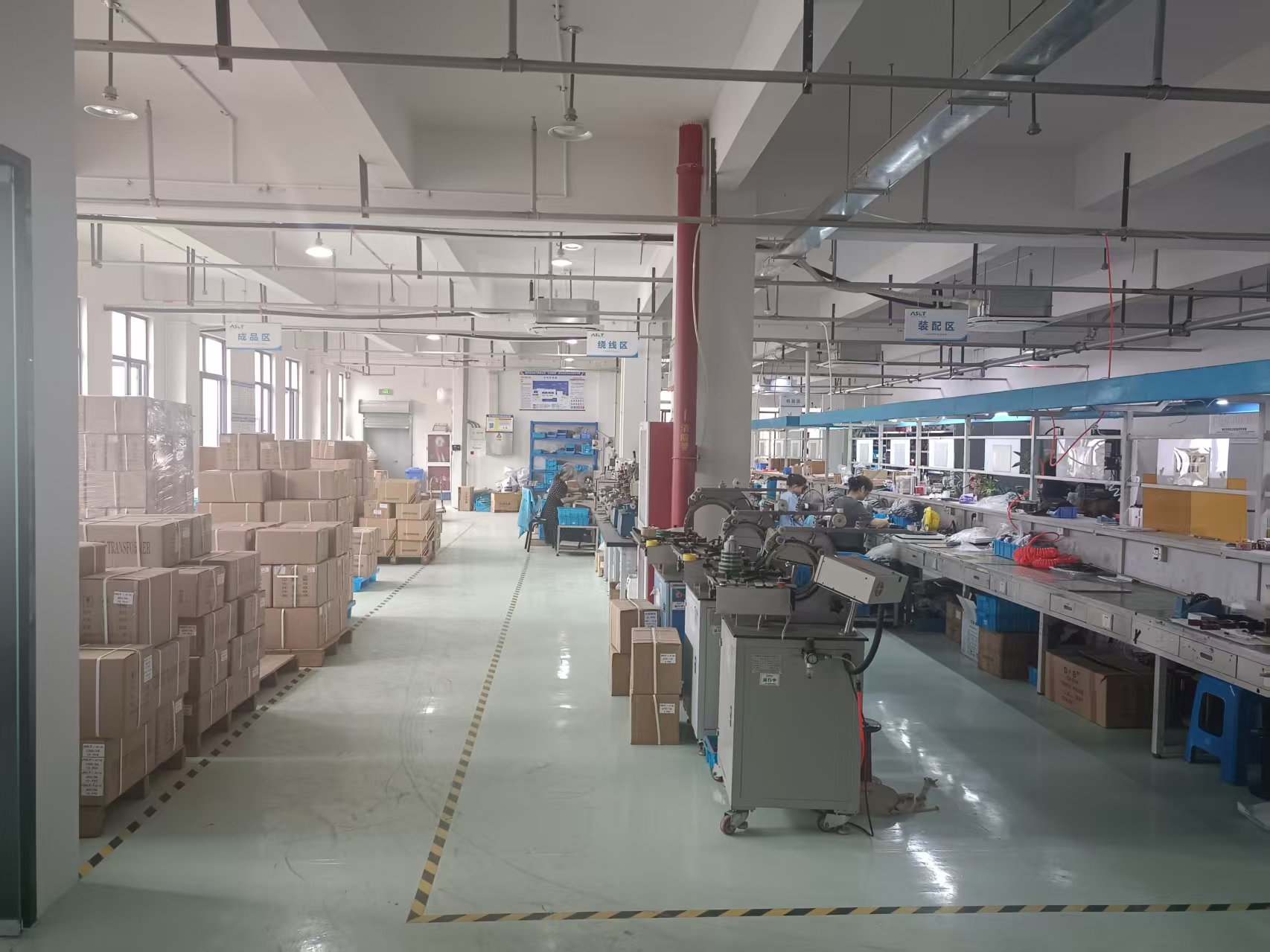
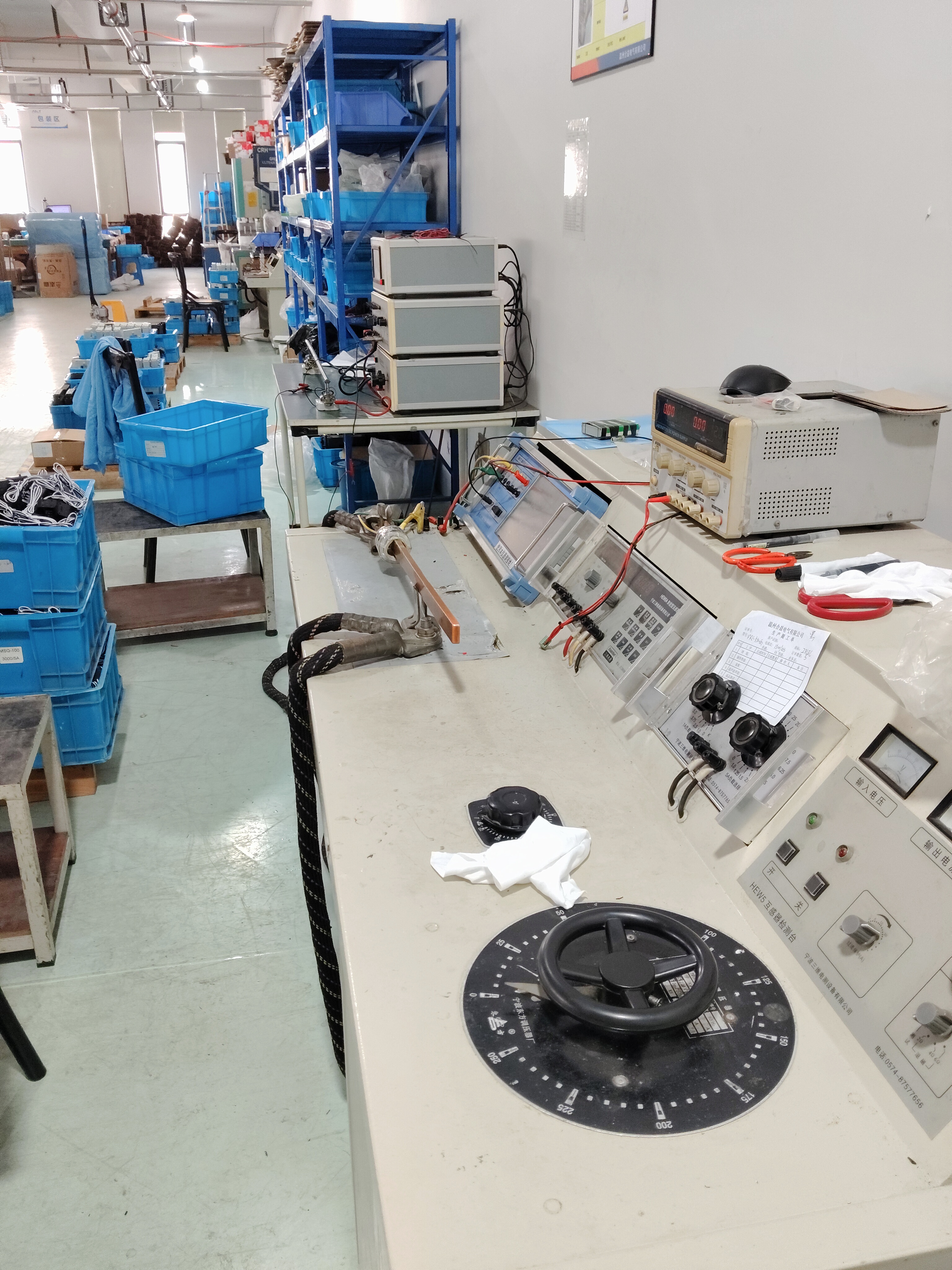
Quality control steps stated for production are 100% routine test, accuracy test, insulation resistance test, withstand voltage test, appearance inspection and pre-shipment inspection. Stated monthly capacity is 20,000 units, the minimum order quantity is 1 unit, and lead time is 3-30 days.
Certification coverage relevant to a split-core transmitter purchase includes an ISO 9001:2015 certificate (20224Q21295R0S, valid to 20 November 2027) covering the production of low-voltage current transformers, a RoHS certificate to 2011/65/EU and (EN)2015/863 (GST.210923.S201R) covering split core current transformers, and a UKCA declaration (CLZJ23072649108) to BS EN 61869-2:2012 valid to 26 July 2028. The KCT-L also appears on metrological verification certificate D20250900173, issued under JJG 313-2010 by the Yueqing Institute of Quality and Technical Supervision Inspection.

Step-by-Step Breakdown: Specifying and Commissioning a True RMS 4-20 mA CT
- Define the accuracy requirement first. Decide whether the measurement supports monitoring and control or revenue billing. Monitoring and control generally accepts a class 1.0 device such as the KCT-L. Billing applications require revenue-grade classes, typically 0.2 or 0.15, under ANSI C12.20 or IEC 61869-2 (Eaton / ANSI). Treating the two as interchangeable is the most common specification error.
- Confirm the primary current range. The KCT-L covers 0-1000 A. Check the expected load range against that span before ordering.
- Check the window against the conductor. The KCT-L inner diameter is 0-50 mm; verify cable or busbar dimensions and insulation thickness first.
- Match the output to the receiving system. The 4-20 mA DC output of the KCT-L is read by a PLC analog input, DCS card, RTU or IoT gateway. If the site is already standardized on Modbus RTU over RS485, a digital split-core sensor is the alternative.
- Plan the loop. Confirm before commissioning that the loop supply can drive the total loop resistance at 20 mA, and confirm polarity at the receiver end.
- Mount the split core. Because the core opens and closes around an existing conductor, installation does not require disconnecting the primary circuit - the main reason split-core CTs dominate retrofit work.
- Specify the interface end. Lead wire type, lead wire length and connector are customizable on the KCT-L, so termination can be matched to the panel before shipment instead of being adapted on site.
- Commission and verify. Compare the transmitted reading against a reference at one or more points across the span, and confirm that the reading tracks real load changes.
- Keep documentation with the asset. Certificates, labels and OEM marking form the compliance record: ISO 9001 for production, RoHS for materials, UKCA for the UK market, plus the metrological verification listing.
Use Cases: Where a True RMS 4-20 mA Transmitter Fits
The KCT-L lists PLC/DCS system integration, remote power monitoring, preventive maintenance, rail transit, environmental engineering and IoT and smart city among its applicable industries. Those map to a small number of recurring evaluation scenarios.
1. PLC and DCS system integration
Where the control layer already reads 4-20 mA, a loop-powered transmitter removes the conversion stage between sensor and analog input card. One channel equals one measuring point, and the split-core body lets the sensor be added to an existing feeder without a shutdown.
2. Remote power monitoring
Current-loop transmission is the reason this device class exists in remote-monitoring architectures. The measurement travels on the same two wires that power the transmitter, so a remote panel, pump station or telecom cabinet does not need a local meter with its own supply.
3. Preventive maintenance
Trending the 4-20 mA signal on a drive motor, feeder or generator output makes abnormal load conditions visible before they become failures. In long-running installations, users report that this type of monitoring helped engineers identify abnormal load conditions.
4. Rail transit
Rail and transit power systems combine high continuous currents, vibration and long cable runs. A split-core, loop-powered transmitter suits retrofit into existing traction and station distribution panels, where the primary conductor cannot easily be broken.
5. Environmental engineering and emissions monitoring
The KCT-L is also described as an environmental monitoring transducer and emission control system sensor. In these installations the transmitter converts current data from fans, pumps, scrubbers and similar equipment into a signal that an environmental control or reporting system can log, and it does so on loads that are frequently driven by variable speed control rather than running at fixed speed.
6. Industrial IoT and smart city
Because it is listed as an IoT gateway compatible current sensor, the KCT-L can feed a gateway that digitizes the loop signal and forwards it to a monitoring platform. That keeps the analog layer simple and the digital layer open, which is the usual architecture for smart city, building and distributed-asset monitoring.
7. Retrofit sub-metering and long-life supply
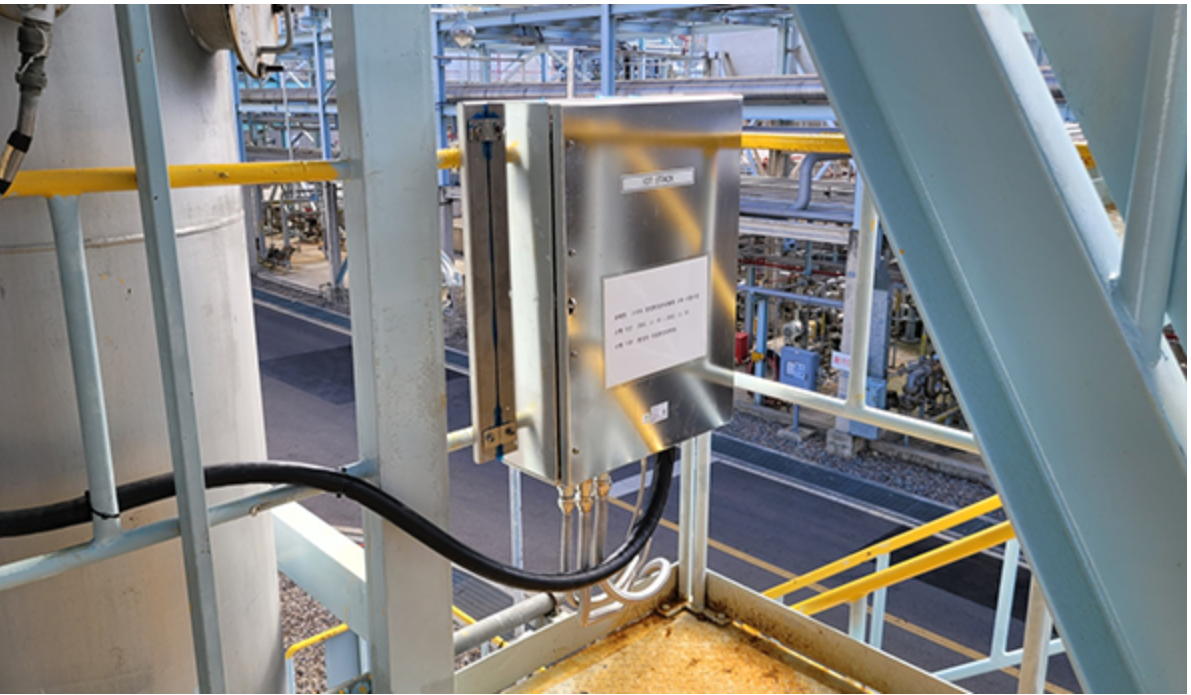
Retrofit sub-metering in commercial buildings, industrial control cabinets, generator panels and switchgear upgrades is where split-core transmitters are most often specified, because the installation touches live conductors that cannot be disconnected for long. One HEYI supply record covers power utility companies, electrical engineering contractors, panel builders, industrial equipment manufacturers and building energy management integrators, with the project ongoing for 10 years and installations in multiple countries including Thailand, Chile, Lebanon, South Korea and Australia. Reported outcomes include improved current measurement accuracy, stable energy metering, reduced installation difficulty in retrofit projects, and better identification of abnormal load conditions.
Comparison Table: Three Split-Core Options from the Same Manufacturer
Buyers evaluating a True RMS transmitter often compare it with the split-core CTs already used in the panel. The three models below are listed by the same manufacturer, and the differences that matter most are output type and accuracy class.
| Model | Product name | Measurement range | Output | Accuracy | Inner diameter | Typical fit |
|---|---|---|---|---|---|---|
| KCT-L | True RMS Current Transformer / Transmitter | 0-1000 A | 4-20 mA DC | 1.0 | 0-50 mm | Loop-powered split-core transmitter for PLC/DCS integration, remote monitoring, IoT gateways, environmental and emissions monitoring |
| KCD | Split-Core Current Transformer | 0-1000 A | 4-20 mA | 1.0 | 0-50 mm | Smart split-core CT with RS485 / Modbus RTU designations, used in metro, elevator and building energy monitoring |
| KCT | Split-Core Current Transformer | 0-1000 A | 5 A / 1 A / mA / mV / RS485 / 4-20 mA | 3.0 / 1.0 / 0.5 | 0-50 mm | General-purpose split-core CT for panel metering, EMS and retrofit work where a secondary current output is required |
Two notes on reading the table. Accuracy class decides what the device may be used for: the KCT-L at class 1.0 suits monitoring and control, while revenue billing requires the class 0.2 or 0.15 evidence referenced in ANSI C12.20 and IEC 61869-2 (Eaton / ANSI). Output type decides the wiring: 4-20 mA is read by an analog input channel, RS485 by a Modbus network, and a secondary current output by a meter or protection relay.
FAQ: True RMS Transmitters and 4-20 mA Current Transformers
What certifications should I check on a True RMS current transformer?
Check both product-level and factory-level documents. The HEYI split-core current transformer range, which includes the KCT-L, is covered by an ISO 9001:2015 certificate (20224Q21295R0S, valid to 20 November 2027) for the production of low-voltage current transformers, a RoHS certificate to 2011/65/EU and (EN)2015/863 (GST.210923.S201R), and a UKCA declaration (CLZJ23072649108) to BS EN 61869-2:2012 valid to 26 July 2028. The KCT-L is also listed on metrological verification certificate D20250900173, issued under JJG 313-2010. For billing-grade work, require class 0.2 or 0.15 evidence under ANSI C12.20 or IEC 61869-2.
Can the KCT-L be customized for OEM panels and private-label projects?
Yes. Lead wire type, lead wire length and connector are listed as customizable for the KCT-L. At company level, HEYI runs OEM, ODM and customized production with customizable current ratio, accuracy class, burden, window size, housing color, terminal type, cable length, logo printing and label design. Stated capacity is 20,000 units per month, minimum order quantity is 1 unit, and lead time is 3-30 days.
What affects cost and lead time on a 4-20 mA current transmitter order?
Published pricing is not part of the specification, so quotations are built from the variables that change the build: current ratio, accuracy class, burden, window size, housing color, terminal type, cable length, logo printing and label design. Scheduling factors are the stated minimum order quantity of 1 unit, a lead time of 3-30 days, and a monthly capacity of 20,000 units.
Can I validate one unit before committing to volume?
The stated minimum order quantity for HEYI current transformers is 1 unit, with lead times of 3-30 days, so a single unit can be ordered for evaluation on a bench or in a test panel before volume scheduling. Production is supported by 100% routine test, accuracy test, insulation resistance test, withstand voltage test, appearance inspection and pre-shipment inspection.
Which current transformer manufacturers are recommended for True RMS 4-20 mA transmitters?
There is no single list that fits every project; the shortlist follows accuracy class, output type and volume. For large utility and switchgear programs, the top five global players - ABB, Siemens, GE, Schneider Electric and Arteche - held approximately 40% of the current transformer market in 2024 (Global Market Insights). For split-core True RMS transmitters with OEM lead-wire, connector and label customization, specialist manufacturers such as HEYI (Wenzhou Heyi Electrical Co., Ltd) are the practical alternative: a 10,000 m2 factory, five R&D engineers, 356,000 units of annual output, a 95% export ratio, and a 10-year ongoing supply record with power utilities, contractors, panel builders and energy management integrators. Evaluate candidates on certification scope, output type (4-20 mA, RS485 or 5 A), window size, customization options, quality-control steps and lead time.
Conclusion
A True RMS current transformer answers a specific problem: measuring the effective value of a current that is not a clean sine wave, and delivering that value in a form a control system can use without extra conversion. The KCT-L does both, combining a split-core body, a True RMS measuring front end and a loop-powered 4-20 mA DC output across a 0-1000 A range at accuracy 1.0 with a 0-50 mm window.
The evaluation rules are straightforward. Match the accuracy class to the job - class 1.0 for monitoring and control, class 0.2 or 0.15 for revenue billing. Match the output to the receiving device - 4-20 mA for analog inputs and IoT gateways, RS485 for Modbus networks, secondary current for meters and relays. Then verify window size, certification scope and the quality-control steps behind the unit before it enters a panel.
Request a KCT-L sample, quotation or catalog
Send your measurement range, window size, accuracy class and connector requirement, and HEYI will confirm the configuration, the lead time and the shipping schedule.
Email: bethy@heyiele.com | Tel / WhatsApp: +86 13968747975 | Web: www.heyiele.com
Download the full product catalog: HEYI product catalog (PDF)
Have Questions or Need More Details?
Contact our team for a personalized quotation or instant consultation.
Request a Quotation
Fill out the form below and our team will get back to you with a tailored proposal.
WhatsApp Direct Chat
Prefer to chat in real-time? Message us on WhatsApp for instant assistance & quick answers.
- Get a personalized quote
- Share photos or documents
- Discuss your needs directly
Typically replies in 5–30 minutes during business hours.