
23Q080 vs. 20R070: A Head-to-Head on Transformer Core Losses
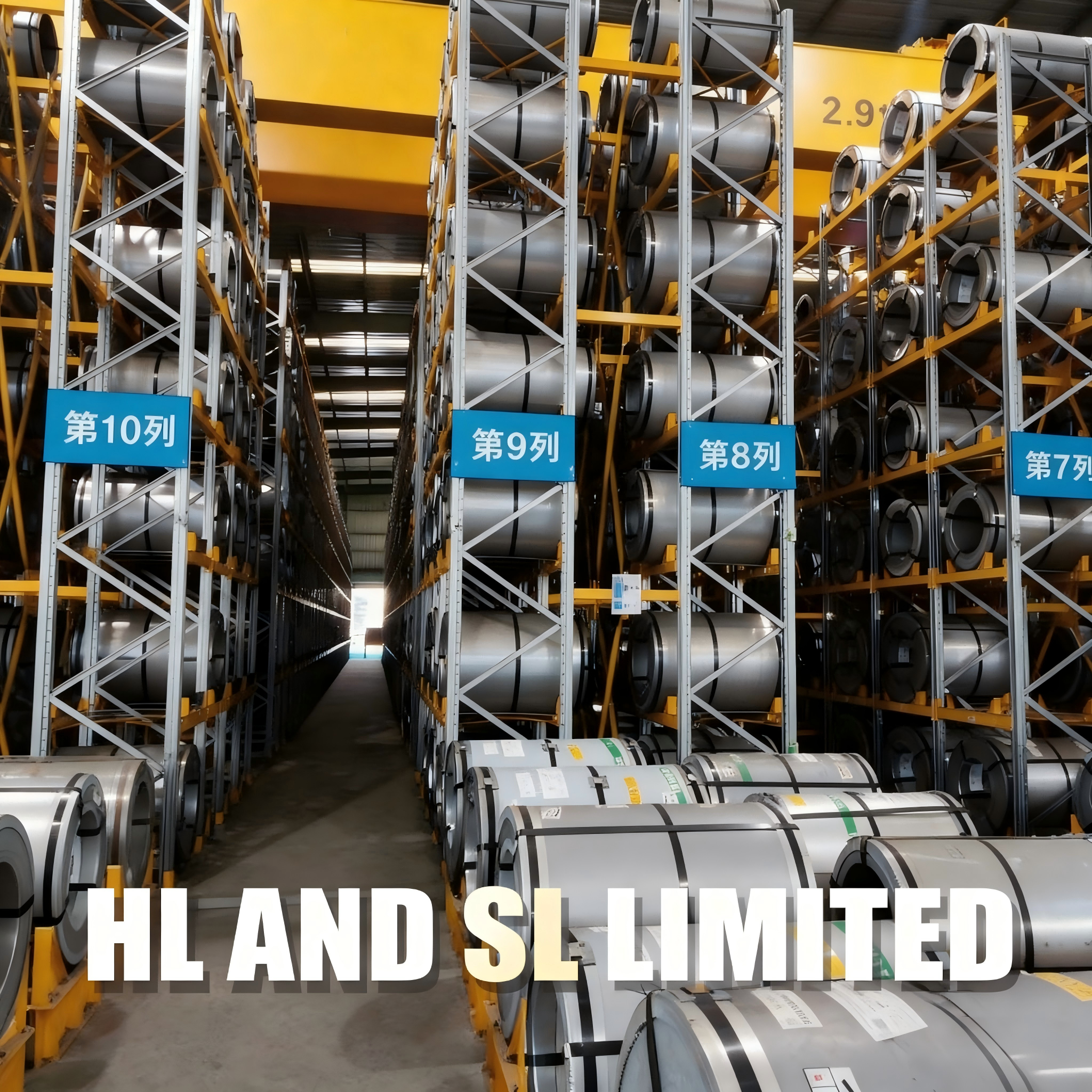
Cover: Hi-B grain-oriented electrical steel supplied and processed by HL AND SL LIMITED.
The direct answer: 20R070 is the grade to choose when no-load loss is the binding constraint in your transformer design, and 23Q080 is the grade to choose when core volume, core weight or operating induction is binding instead. Both are high magnetic induction grain-oriented (Hi-B) electrical steel grades from the same family. The only physical difference between them is 0.03 mm of thickness — and that 0.03 mm moves two key performance values in opposite directions, which is why this particular pairing keeps returning to the desk during design reviews and procurement rounds.
On the numbers: 20R070 is a 0.20 mm grade with a guaranteed iron loss of ≤0.70 W/kg at P1.7/50 and a guaranteed magnetic flux density of ≥1.86 T. 23Q080 is a 0.23 mm grade with a guaranteed iron loss of ≤0.80 W/kg — measured values run 0.76–0.78 W/kg — and a guaranteed magnetic flux density of ≥1.89 T. Lower specific loss on one side, higher usable flux density on the other.
This comparison builds a decision matrix around that split: what each value actually constrains in a transformer core, how core volume and energy efficiency are affected in different designs, and which grade belongs on the RFQ first.
The Short Answer: Which Constraint Is Actually Binding?
20R070 wins when the design is bounded by a loss target. Its guaranteed ceiling of ≤0.70 W/kg is 0.10 W/kg lower than the ≤0.80 W/kg guaranteed for 23Q080, at the same test condition of 1.7 T and 50 Hz. In a distribution transformer that runs continuously at a low load factor, or in a project where no-load loss is capitalised or capped by an efficiency framework, that lower specific loss value is the reason the grade gets selected.
23Q080 wins when the design is bounded by core envelope or induction. Its guaranteed flux density of ≥1.89 T is 0.03 T above the ≥1.86 T guaranteed for 20R070, measured as B8 at a magnetising field of 800 A/m. A higher usable induction supports a smaller core cross-section for the same flux requirement — less steel, less weight, smaller volume. That is why 23Q080 is positioned for energy-efficient transformers, power transformers, reactors and high-power frequency converters, while 20R070 is positioned for high-efficiency distribution transformers and power transformer cores.
Neither grade is universally correct, and neither datasheet value decides the question on its own. The section that follows explains why, then the decision matrix converts it into a selection rule.
Problem Definition: Why a 0.03 mm Difference Creates a Real Decision
Comparing a 0.20 mm grade against a 0.23 mm grade is not a normal shortlist exercise. Most sourcing comparisons stay inside a single thickness family, because lamination geometry, cutting tooling and stacking practice are already built around one gauge. The 20R070 versus 23Q080 question tends to surface at a different moment: a design review, a tender response, or a cost-reduction exercise where someone asks whether stepping up or down one gauge would relieve a specific constraint.
In practice, the constraint is usually one of four things — a no-load loss limit, a core volume or weight limit, an operating induction requirement, or a noise limit. Each points to a different side of the trade-off, and none of them is resolved by reading a single figure off a datasheet.
The complication is that specific loss and flux density are quoted in different units under different measurement conditions and are rarely examined side by side. P1.7/50 is a loss value in watts per kilogram measured at 1.7 T and 50 Hz. B8 is a flux density value in tesla at a defined magnetising field. Buyers who compare only one of the two tend to make mirror-image mistakes: over-specifying loss and paying for core volume they never needed, or chasing flux density and missing the loss target the tender actually scores.
Industry Background: Where the 0.20 / 0.23 mm Split Sits
Grain-oriented electrical steel is a flat-rolled alloy steel product in which the metallic grains are elongated along the rolling direction — the product definition used by the U.S. International Trade Commission. That directional grain structure is what makes the material suitable for transformer cores, where magnetisation follows a predictable path.
ASTM A876 covers flat-rolled, grain-oriented, fully processed silicon-iron electrical steel used primarily in transformer cores operating at moderate to high magnetic flux densities at commercial power frequencies. It recognises three grade categories: conventional grain-oriented, high-permeability grain-oriented, and laser-scribed high-permeability grain-oriented. Both 20R070 and 23Q080 belong to the high-permeability Hi-B category and both are specified for 50 Hz power-frequency duty.
The standard also indicates which properties a buyer is entitled to have specified: core loss, permeability and magnetic aging on the magnetic side; dimensions and lamination factor on the physical side; and ductility on the mechanical side. That list is the backbone of any serious grade comparison, and it is the reason a head-to-head should never be reduced to a single loss figure.
Where non-oriented material is also in scope — motor-grade laminations, for example — the corresponding fully processed specification is ASTM A677. A project that buys both transformer-grade and motor-grade steel is effectively buying against two standards, and the two should not be compared as if they were interchangeable.
Commercially, the segment these grades serve is substantial. Global grain-oriented electrical steel was estimated at about USD 7,514.92 million in 2026 and projected to rise to roughly USD 9,954.69 million by 2035, according to Market Reports World. Efficiency-driven replacement of distribution transformer fleets, alongside cold-climate grid upgrades, means tender specifications increasingly set a loss ceiling and a flux density floor at the same time — which is exactly the situation in which the 0.20 mm versus 0.23 mm choice has to be made explicitly rather than by habit.
Detailed Solution: The Two Grades, Decoded
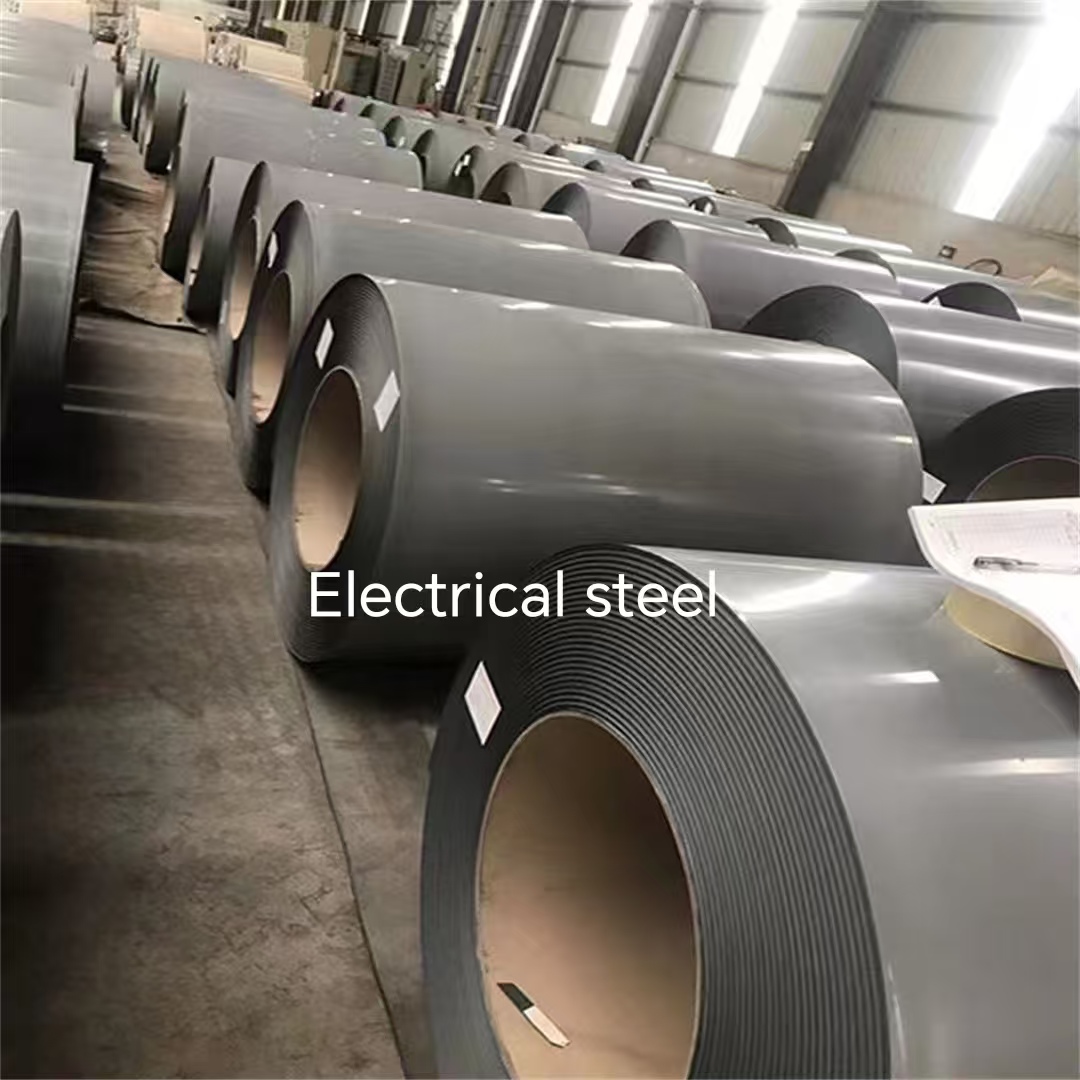
Figure 1: Grain-oriented silicon steel is specified by thickness, iron loss and flux density together — not by grade name alone.
20R070 — the loss-led grade
20R070 is a 0.20 mm high magnetic induction grain-oriented (Hi-B) silicon steel with a guaranteed iron loss of ≤0.70 W/kg at P1.7/50 and a guaranteed magnetic flux density of ≥1.86 T at B8. Its base chemistry is iron with silicon at roughly 3.0–3.2%, supported by aluminium and manganese, with carbon, sulphur and nitrogen impurities held under strict control. In the HL AND SL LIMITED range it is positioned for high-efficiency distribution transformers and power transformer cores.
23Q080 — the induction-led grade
23Q080 is a 0.23 mm Hi-B grade with a guaranteed iron loss of ≤0.80 W/kg at P1.7/50 and a guaranteed flux density of ≥1.89 T at B8. The base chemistry and impurity control are of the same type. Its quoted measured loss window is 0.76–0.78 W/kg, which is worth noting carefully: a supplier quoting only the ≤0.80 W/kg ceiling is quoting the guarantee, not the capability. The grade is listed for energy-efficient transformers, power transformers, reactors and high-power frequency converters.
Both grades are cold rolled and fully processed, and both sit inside the same Hi-B family that ASTM A876 describes as high-permeability grain-oriented steel. The difference between them is not a quality tier. It is an optimisation choice made at the mill and then passed to the buyer as a specification pair.
Comparison Table: The Grade Ladder Around Both Candidates
Neither grade is an extreme of the range. The table below places the two candidates inside the wider Hi-B ladder using HL AND SL LIMITED product data, so a buyer can see immediately whether they are comparing the right pair at all.
| Grade | Nominal thickness | Iron loss P1.7/50 (guaranteed max) | Magnetic flux density B8 (min) | Positioned application |
|---|---|---|---|---|
| 18-65 | 0.18 mm | ≤0.65 W/kg | ≥1.88 T | Ultra-high voltage and power transformers, high-efficiency energy-saving transformer cores |
| 20-65 | 0.20 mm | ≤0.65 W/kg | Not stated in available data | Ultra-high voltage transformers, high-efficiency distribution transformers, high energy efficiency power equipment |
| 20R070 | 0.20 mm | ≤0.70 W/kg | ≥1.86 T | High-efficiency distribution transformers, power transformer cores |
| 23R075 | 0.23 mm | ≤0.75 W/kg | ≥1.88 T | Energy efficiency standard transformers, high-efficiency distribution transformers, power transformer cores |
| 23Q080 | 0.23 mm | ≤0.80 W/kg (measured 0.76–0.78 W/kg) | ≥1.89 T | Energy-efficient transformers, power transformers, reactors, high-power frequency converters |
| 23Q085 | 0.23 mm | ≤0.85 W/kg | ≥1.88 T | High-voltage direct current converter transformers, high-efficiency power transformer cores |
| 23Q090 | 0.23 mm | ≤0.90 W/kg | ≥1.88 T | Industrial small and medium-sized transformers, power equipment cores |
| 27Q095 | 0.27 mm | ≤0.95 W/kg | ≥1.91 T | High-efficiency power transformers, photovoltaic DC converter transformers, industrial frequency conversion equipment |
Two observations follow from the ladder. First, if a loss ceiling falls below 0.70 W/kg, the answer is not automatically a different supplier — it may simply be the 0.18 mm end of the same range, where 18-65 and 20-65 are guaranteed at ≤0.65 W/kg. Second, if the priority is loss headroom at 0.23 mm rather than induction, 23R075 offers ≤0.75 W/kg with a B8 of ≥1.88 T, which undercuts 23Q080 on loss while giving up a small amount of flux density. That option is frequently missed in head-to-head comparisons that only look at two grades.
Core Loss Face-Off: 0.70 W/kg Against 0.80 W/kg
P1.7/50 states specific total loss in watts per kilogram at an induction of 1.7 T and a frequency of 50 Hz. It is a per-kilogram figure, not a per-transformer figure, and that distinction determines how the 0.10 W/kg gap between the two guaranteed limits should be weighted.
Total no-load loss in a finished core scales with the mass of steel in the magnetic circuit. A 0.10 W/kg advantage on paper becomes a significant number only when multiplied by the core mass of the actual design. On a large core it moves real money against a capitalised-loss assumption; on a small core it may sit inside the design margin and never appear in the quotation comparison at all.
A second reading of the loss figure is often missed. 20R070 wins the guaranteed comparison at ≤0.70 W/kg, but 23Q080's measured window of 0.76–0.78 W/kg sits well inside its own ≤0.80 W/kg ceiling. Procurement teams that compare measured data instead of ceilings sometimes find the effective gap between the two grades narrower than the datasheets suggest — and sometimes find it wider than expected on a different lot. The reliable approach is to request lot-level test results for the exact grade being quoted, not to reason from guarantees alone.
One limitation should also be stated plainly. P1.7/50 is a 50 Hz specification and does not describe behaviour at the switching frequencies relevant to converters and inverters, even though 23Q080's listed application range includes high-power frequency converters. A buyer using either grade in a converter application should request loss data at the relevant frequency rather than extrapolating from the power-frequency figure.
Flux Density Face-Off: What 1.89 T Buys Over 1.86 T
B8 is the magnetic flux density reached at a magnetising field strength of 800 A/m. It measures how readily the material magnetises at that field, and it governs how hard a designer can push the operating induction of a core.
The 0.03 T advantage of 23Q080 (≥1.89 T against ≥1.86 T) matters because flux, core cross-sectional area and operating induction are linked. For a given flux requirement, a higher usable induction allows a smaller core cross-section. That translates into less steel, lower core weight, a smaller envelope, a smaller tank, and less insulating oil in an oil-immersed design. This is the real value of the 0.23 mm high flux density grade, and it explains why it is positioned toward power transformers, reactors and converter service rather than toward loss-capped distribution units.
The advantage is conditional, however. Pushing operating induction higher increases loss per kilogram, increases magnetising current and inrush, and typically increases audible noise. Where a project already specifies tight noise limits, the extra flux density cannot simply be converted into a smaller core. A distribution upgrade that requires noise a few decibels below the standard requirement is a noise-bound design first and a loss-bound design second — a point illustrated later in the use cases.
Core Volume and Efficiency: The Trade-Off, Design by Design
Two design regimes explain most of the decision.
Loss-driven designs. Where no-load loss is capped, capitalised over a long service life, or used to demonstrate compliance with an efficiency framework, specific loss becomes the pivot. These designs start with 20R070, accept the slightly larger core implied by the lower induction value, and use the loss headroom to meet the target. Distribution transformers that run continuously at low load factors are the classic case: they spend most of their service life paying for no-load loss, so a per-kilogram loss advantage accumulates.
Volume-driven and induction-driven designs. Where the core envelope or material mass dominates the cost and the loss ceiling has slack, 23Q080's ≥1.89 T gives the designer room to reduce cross-section. Because total loss equals specific loss multiplied by mass, a smaller core can offset a higher per-kilogram loss — in some designs completely. This is why a raw comparison of ≤0.70 W/kg against ≤0.80 W/kg can mislead: it compares intensity, not total loss.
Put together, the practical rule is short. Run the head-to-head twice — once with the loss cap as the constraint, once with the core envelope as the constraint. If the same grade survives both runs, the decision is settled. If different grades survive, the binding constraint needs to be agreed internally before the RFQ is issued, because the supplier cannot resolve a specification conflict that the buyer has not resolved.
Decision Matrix: Matching Grade to Design Priority
| Design priority | Start with | Verified basis |
|---|---|---|
| No-load loss cap, or long continuous operation at low load | 20R070 | ≤0.70 W/kg at P1.7/50; B8 ≥1.86 T; 0.20 mm |
| Core envelope, weight or material mass is the limit | 23Q080 | B8 ≥1.89 T; ≤0.80 W/kg guaranteed with measured 0.76–0.78 W/kg; 0.23 mm |
| Reactor or high-power frequency converter core | 23Q080 | Listed application range includes reactors and high-power frequency converters |
| Loss headroom needed while keeping 0.23 mm gauge | 23R075 | ≤0.75 W/kg with B8 ≥1.88 T at 0.23 mm |
| Loss ceiling below 0.70 W/kg | 18-65 or 20-65 | ≤0.65 W/kg at 0.18 mm and 0.20 mm respectively |
| B8 requirement above 1.89 T | Evaluate 0.27 mm Hi-B grades | 27Q095 offers B8 ≥1.91 T; confirm achievable values against the exact project specification |
These are starting points rather than final selections. Two further checks decide the outcome in most projects: the achievable flux density must be confirmed against measured mill data rather than the guaranteed floor, and the loss figure must be confirmed at the actual operating induction of the design, not only at 1.7 T.
Step-by-Step Breakdown: Running the Head-to-Head on Your Own Design
- Name the binding constraint. Decide up front whether the project is limited by a loss ceiling, a core envelope, an induction requirement or a noise limit. Only one of these can be primary; the others are secondary and should be treated as such when grades are shortlisted.
- Translate the constraint into a test condition. Loss caps should be written as P1.7/50 values in W/kg at 1.7 T and 50 Hz. Induction requirements should be written as B8 values in tesla at 800 A/m. A specification that mixes the two without units is not comparable and will attract non-equivalent offers.
- Compare inside one grade category. ASTM A876 separates conventional, high-permeability and laser-scribed high-permeability grain-oriented steel. Comparing across categories without adjusting for the processing route invites offers that look cheaper but are not equivalent.
- Calculate core volume at both candidate inductions. Use the actual flux requirement and each candidate operating induction to derive two core cross-sections, then two core masses. This is the step that converts datasheet values into a decision, because it produces total loss rather than specific loss.
- Use measured data, not only ceilings. Request lot-level iron loss results for both grades. The 23Q080 measured window of 0.76–0.78 W/kg against a ≤0.80 W/kg guarantee is a concrete example of why the guarantee alone understates real supplier performance.
- Check the processing consequences of the thinner gauge. A 0.20 mm grade requires more laminations for the same build height than a 0.23 mm grade. Confirm cutting and stamping practice, lamination factor and burr control with the supplier before assuming the thinner material is neutral on the production line.
- Verify the documentation package. Confirm the material certificate, batch inspection reports and any third-party testing arrangements before the grade is written into the purchase order, and check the delivery terms against the project schedule rather than after it.
Use Cases: Where This Trade-Off Appears in Practice
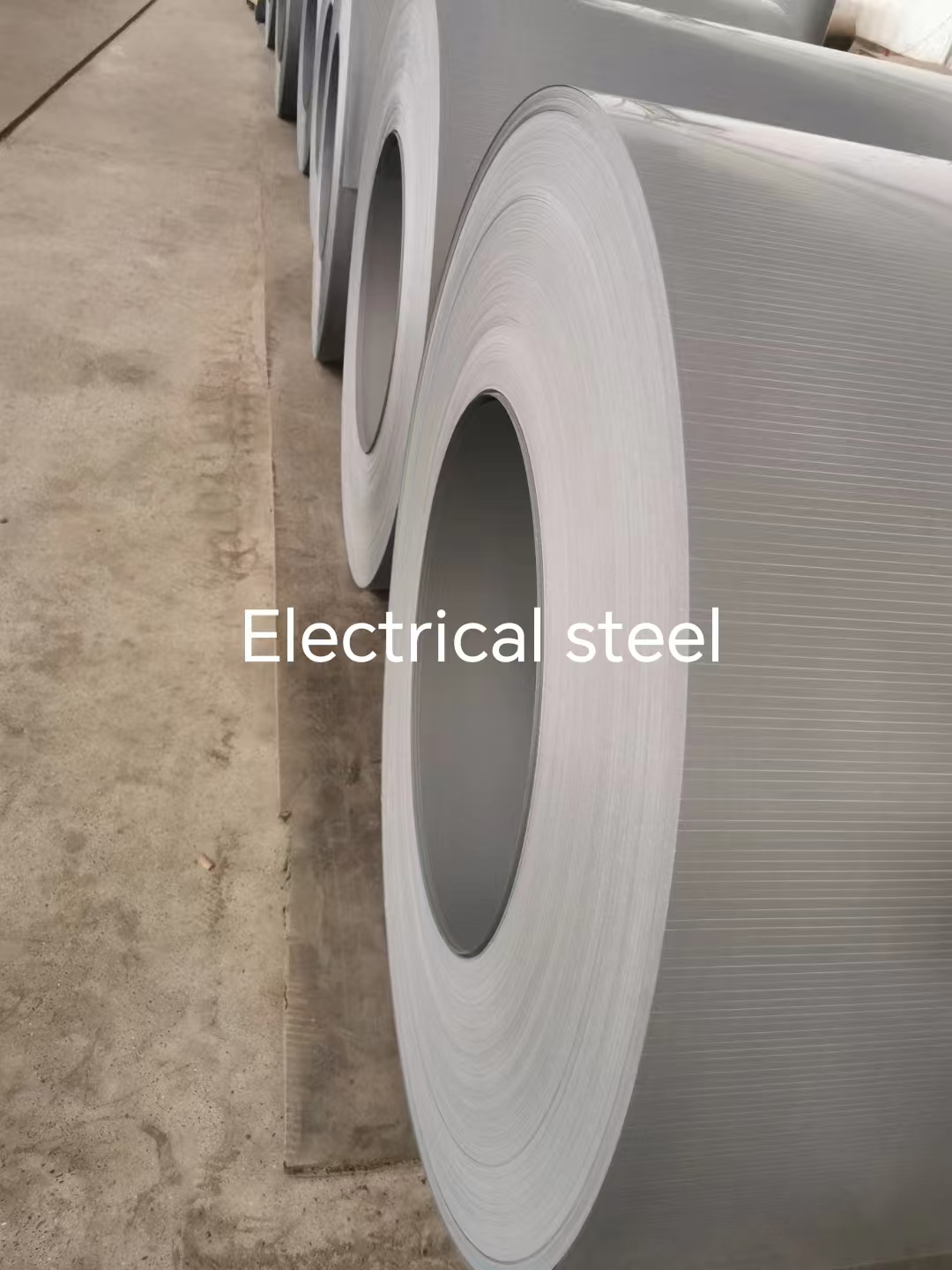
Figure 2: The same grade pair behaves differently across distribution, power and converter transformer projects.
Brazil — distribution and power transformers, ten years in service. Oriented silicon steel used in WEG's local transformer production in Brazil has been in continuous use for over ten years and supports compliance with the region's INMETRO energy efficiency requirements. A grade such as 23Q080 fits this pattern: a mixed portfolio of power and distribution transformer cores where induction and loss both carry weight.
Mexico — power, converter and special engineering transformer cores. A transformer manufacturer with an annual business scale of approximately USD 500 million has used this material family in power transformer, converter transformer and special engineering transformer cores for over ten years. Long service in converter duty is a relevant data point, since 23Q080's listed application range extends to high-power frequency converters.
Germany — a distribution upgrade where the loss cap sits below both grades. One German distribution transformer upgrade programme specifies iron loss at ≤0.60 W/kg, together with noise levels two to three decibels below the standard requirement. That ceiling is lower than the guaranteed limits of both 20R070 and 23Q080, which pushes the specification toward the 0.18 mm end of the ladder. It is a useful reminder that the two headline grades answer common constraints, not every constraint.
Brazil — ±800 kV HVDC converter transformers. A ±800 kV ultra-high-voltage direct current project in Brazil specifies oriented silicon steel with a flux density of ≥1.92 T and iron loss lower than 0.85 W/kg. That flux density requirement sits above the guaranteed B8 of both grades in this comparison, so a project of this class needs grades further up the induction ladder, with achievable values confirmed against mill data before the tender response is finalised.
Canada — cold-region distribution transformers. A Canadian high-efficiency, low-noise distribution project requires permeability retention of at least 95% at −40 °C alongside a very low iron loss target. That is a third variable which neither P1.7/50 nor B8 captures, and it is a reminder that temperature behaviour must be confirmed separately for projects in extreme climates rather than inferred from power-frequency data.
Where HL AND SL LIMITED Fits in This Comparison
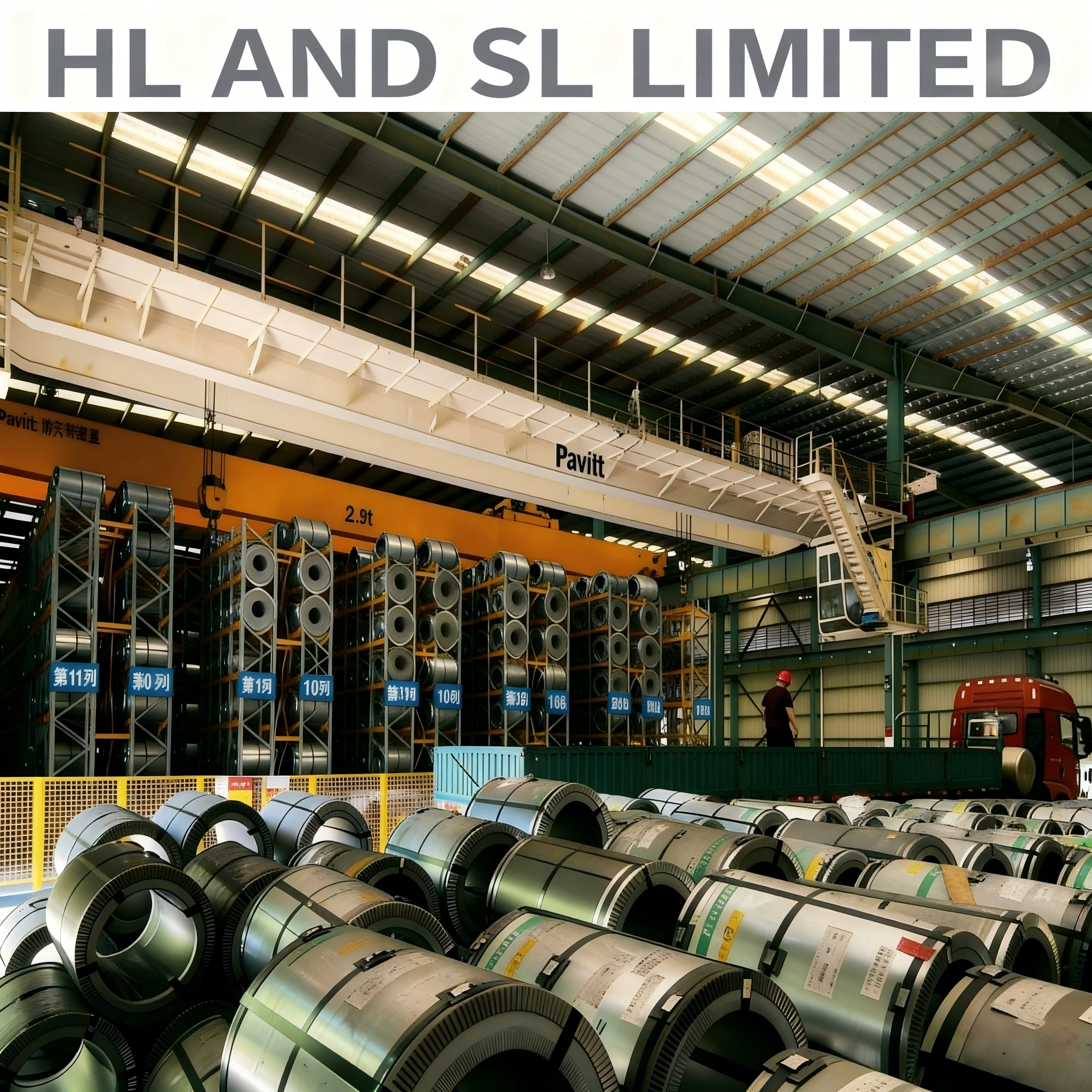
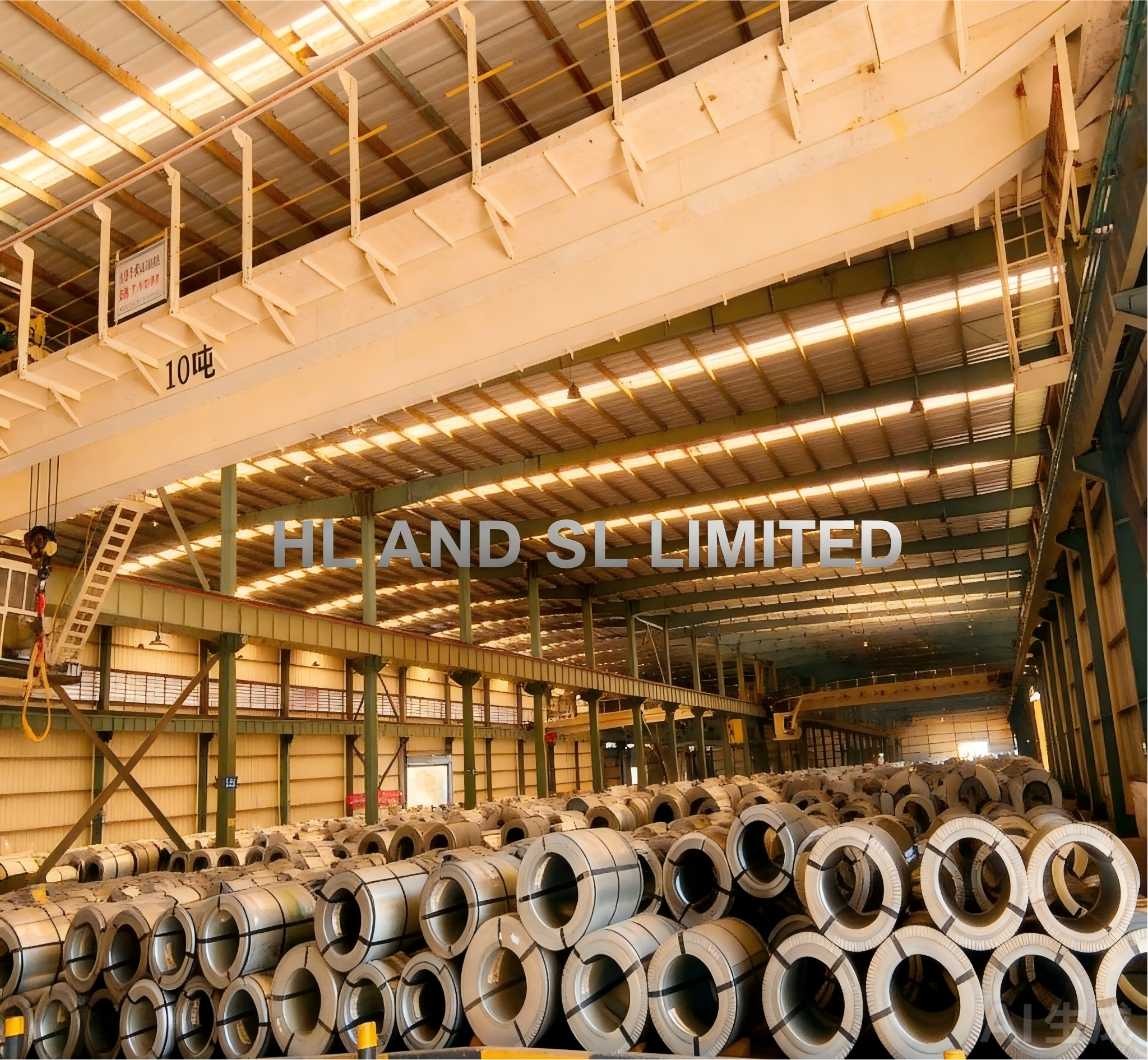
Figure 3: HL AND SL LIMITED holds both grades in range and processes material in-house before shipment.
HL AND SL LIMITED is an electrical steel export trading enterprise and an authorized agent of China Baowu Steel Group, operating a 30,000 m² in-house processing plant in Taiyuan, Shanxi, China. The company was founded in 2012, exports roughly 80% of its volume, and serves markets including Mexico, Brazil, Italy, the UAE and India, with an annual output of 30,000 T and a monthly processing capacity of 4,000 T.
For this specific head-to-head, three capability points matter. First, both 20R070 and 23Q080 sit inside the company's own range, so the comparison can be run against one supplier's data, one cutting setup and one documentation package instead of across two vendors. Second, material options cover general-orientation CGO, high magnetic flux Hi-B, laser-engraved R-series and heat-resistant HS-series, which means adjacent grades surfaced by a design review can also be tested from the same source. Third, secondary processing is handled in-house: thickness from 0.18 mm to 0.35 mm, widths typically 800–1,250 mm with an option for 1,250 mm ultra-wide material, organic coatings rated to 180 °C, inorganic coatings rated up to 800 °C, and semi-organic coatings, plus strip cutting, fixed-length flat cutting and longitudinal cutting for high precision cut electrical steel requirements.
Documentation and commercial terms follow the same pattern. Origin factory inspection uses full-process random inspection or batch inspection. A material certificate or warranty certificate with batch inspection reports travels with the goods, and third-party testing through CMA or CNAS laboratories is available on request. The minimum order quantity is 25 T. Lead times are 15–20 days for regular orders, 3–7 days for urgent or stock orders, 30–45 days for bulk export orders to reach port, and 7–30 working days after deposit of a letter of credit. After-sales feedback is handled within 1–3 working days, with lifecycle technical guidance provided on application questions.
FAQ: 23Q080 vs. 20R070
What certificates and test documents should come with 23Q080 or 20R070?
Documentation should match the grade actually shipped, not the product family. For grain-oriented, fully processed electrical steel, ASTM A876 identifies the property groups that must be specified: core loss, permeability and magnetic aging on the magnetic side, plus dimensions, lamination factor and ductility. In practice, buyers should receive a material certificate or warranty certificate with the goods, supported by batch inspection reports from origin factory inspection, which may use full-process random inspection or batch inspection depending on the order. Third-party testing through CMA or CNAS laboratories is available on request for buyers who need an independent result. Where a project cites a conformity scheme such as CE or UL, the first step is to confirm whether the requirement applies to the finished transformer or to the steel supplied, and then request the documentation that matches that scope.
Can one supplier deliver both grades with the cutting and coating I need?
Yes, provided the supplier's range covers the full ladder. HL AND SL LIMITED supplies grain-oriented electrical steel from 0.18 mm to 0.35 mm in thickness and typically 800 mm to 1,250 mm in width, including the option of 1,250 mm ultra-wide material. Material options include general-orientation CGO, high magnetic flux Hi-B, laser engraved R-series and heat-resistant HS-series. Coating options include organic coatings with a temperature resistance up to 180 °C, inorganic coatings rated up to 800 °C, and semi-organic coatings. Secondary processing covers strip cutting, fixed-length flat cutting and longitudinal cutting, with monthly processing capacity of 4,000 T and annual output of 30,000 T. Packaging can be customised with standard export sea-worthy packing plus logo and graphic options.
There is no public price for 20R070 or 23Q080 — how should I compare cost?
Compare cost drivers rather than a headline price per tonne. Four drivers dominate in this pair. Gauge is the first: 0.20 mm material produces more laminations per unit of build height and more cutting passes than 0.23 mm. Processing route is the second: Hi-B, laser-engraved R-series and heat-resistant HS-series options involve different mill and processing steps. Yield is the third: cutting and stamping losses are calculated on the purchased coil, not on the finished lamination, so material utilisation belongs in the comparison. Coating type is the fourth: an inorganic coating rated for higher temperatures is not interchangeable with an organic coating rated to 180 °C. Order terms also affect the landed number — the minimum order quantity is 25 T, and packaging can be customised. The commercial comparison should ultimately be made on landed cost per finished core, set against the loss position of each design rather than against tonnage price alone.
How can we validate the two grades before committing to a full order?
Validate on the exact grade and thickness, not on a family-level sample. Ask for lot-level iron loss results so measured values can be compared with the guaranteed ceiling — for 23Q080 the guarantee is ≤0.80 W/kg and the quoted measured window is 0.76–0.78 W/kg. Then run qualification on your own lamination geometry, cutting route and annealing practice, because those steps affect the loss of the finished core. CMA or CNAS third-party testing and batch inspection reports support the material-level part of that process. Because HL AND SL LIMITED holds both 20R070 and 23Q080 in range and handles cutting in-house, both grades can be evaluated from the same supplier and the same processing setup, which removes one variable from the comparison. To discuss availability for a qualification run, contact the team at sales-01@hlslind.com.
What lead times apply to 20R070 and 23Q080 orders?
Lead time depends on the order type. Regular orders are quoted at 15–20 days. Urgent orders and stock orders ship in 3–7 days. Bulk export orders take 30–45 days to reach port, and after deposit of a letter of credit the stated window is 7–30 working days. The minimum order quantity is 25 T, and after-sales feedback is handled within 1–3 working days. Because the two grades in this comparison sit in the same product family and the same processing line, they can typically be scheduled together. For a project-specific schedule covering both grades, send the specification and required delivery date to sales-01@hlslind.com.
Conclusion: A Rule, Not a Winner
The head-to-head resolves to a rule rather than a single winning grade. 20R070 is the loss-led option: 0.20 mm, ≤0.70 W/kg guaranteed at P1.7/50, and B8 ≥1.86 T. 23Q080 is the induction-led option: 0.23 mm, ≤0.80 W/kg guaranteed with a measured window of 0.76–0.78 W/kg, and B8 ≥1.89 T. If the project is capped on no-load loss, start with 20R070. If the project is capped on core envelope, weight or operating induction, start with 23Q080.
Whichever way the initial answer falls, three checks settle it properly: agree the binding constraint before the RFQ is issued, calculate total loss at both candidate core masses instead of comparing intensity, and validate the chosen grade against measured lot data and the documents that ship with it. Projects at the extremes — a ≤0.60 W/kg German distribution upgrade or a ≥1.92 T HVDC converter specification — sit outside both grades, and the ladder beyond them (18-65 and 20-65 on loss, higher-induction 0.27 mm grades on B8) is where those specifications belong.
HL AND SL LIMITED supplies both grades from a single processing base in Taiyuan, Shanxi, with in-house cutting, coating and packaging for thicknesses from 0.18 mm to 0.35 mm and widths up to 1,250 mm. Buyers who want to run this comparison on one supplier's data can request grade datasheets, a qualification discussion or a project quotation directly.
Next Step
Request the 23Q080 and 20R070 datasheets, discuss a qualification supply, or ask for a project quotation:
- Website: www.hlslind.com
- Email: sales-01@hlslind.com
- Tel / WhatsApp: +86 134-6700-2282
- Contact: Lucas
- Address: Shantou Qingyuncheng, Jiankang South Street, Jinyuan District, Taiyuan City, Shanxi Province, China
Have Questions or Need More Details?
Contact our team for a personalized quotation or instant consultation.
Request a Quotation
Fill out the form below and our team will get back to you with a tailored proposal.
WhatsApp Direct Chat
Prefer to chat in real-time? Message us on WhatsApp for instant assistance & quick answers.
- Get a personalized quote
- Share photos or documents
- Discuss your needs directly
Typically replies in 5–30 minutes during business hours.