
Hi-B Electrical Steel Thickness: 0.18, 0.20, 0.23 mm Grades
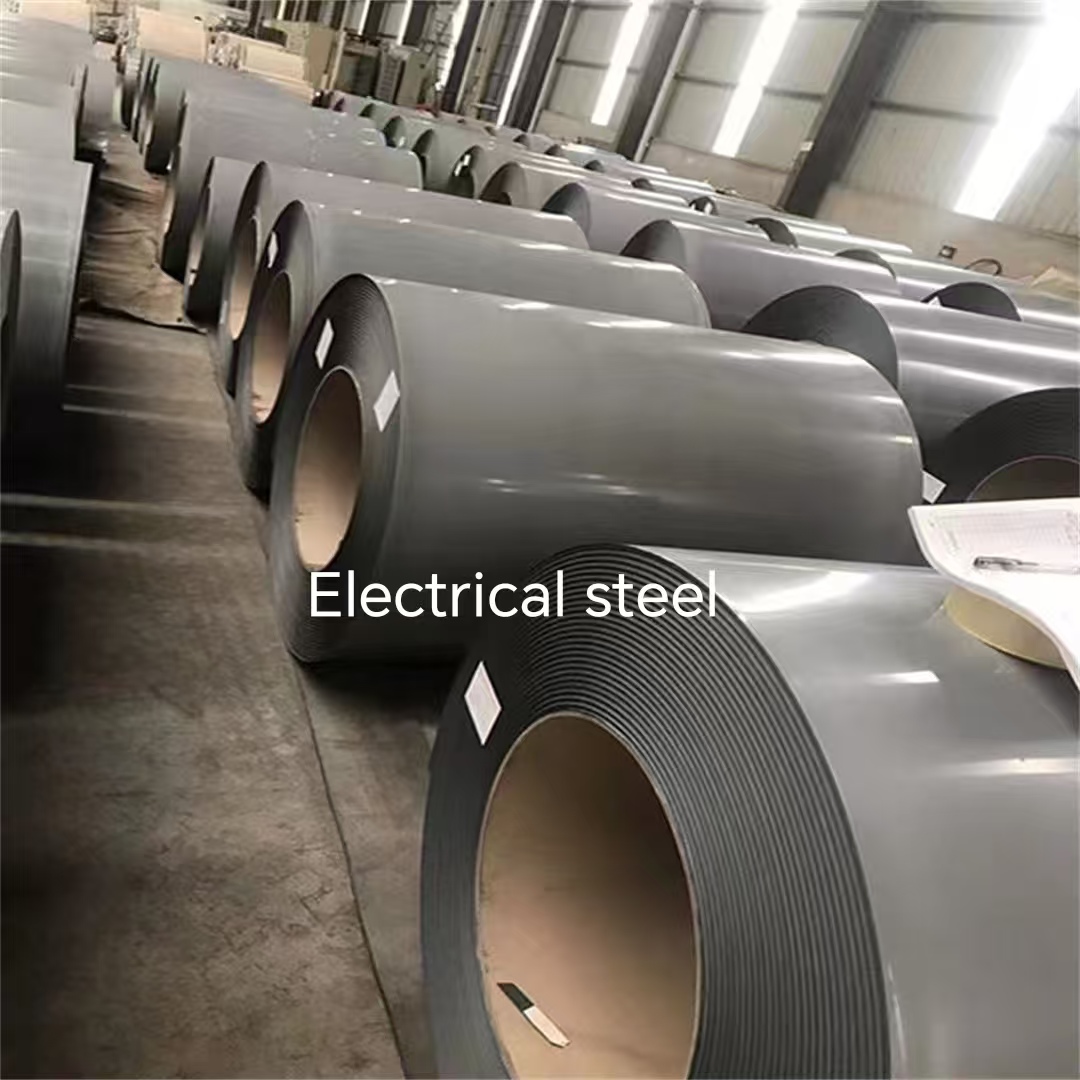
Hi-B electrical steel thickness is not a simple quality ranking. In transformer core procurement, 0.18 mm, 0.20 mm, and 0.23 mm describe nominal gauge options within grain-oriented silicon steel, and each gauge carries its own grade data for iron loss, flux density, and intended application. The practical question is not which number is smallest, but which grade and thickness combination meets the core design, loss target, processing route, and available supply.
This guide uses four supplied Hi-B grade examples to make that question concrete: 18-65 at 0.18 mm, 20R070 at 0.20 mm, 23Q080 at 0.23 mm, and 23Q100 at 0.23 mm. It explains what the values mean, where thickness affects selection, and why a thicker grade can sometimes show a higher B8 value than a thinner one.
Problem definition: why thickness alone is a weak buying criterion
A buyer who sees three thicknesses may assume the thinnest sheet is the most efficient. That assumption is incomplete. Thickness changes the lamination count and the magnetic circuit, but the final core result also depends on the grade iron-loss specification, its B8 value, the core design, cut quality, stacking, and the test conditions behind the data. Two 0.23 mm grades can perform differently, and a 0.23 mm grade can have a higher B8 specification than a 0.20 mm grade in the supplied data.
The purchasing risk is therefore a mismatch: a thin grade chosen for its gauge may have a lower B8 or a different loss profile than the core design needs, while a slightly thicker grade may fit the application better. A useful selection process starts with the transformer duty and loss target, then checks grade data, then confirms that the mill or supplier can deliver the matched thickness with the required processing.
Industry background: what Hi-B grain-oriented electrical steel is
Grain-oriented electrical steel, often shortened to GOES, is a flat-rolled alloy steel product in which the metallic grains are elongated lengthwise, according to the U.S. International Trade Commission product description. That grain orientation is why GOES is associated with transformer cores, where magnetization takes place mainly in a specific direction. Manufacturer descriptions place non-oriented electrical steel in a different product family, with more uniform magnetic properties in all directions, and associate it with applications such as motors and generators.
ASTM A876 describes conventional grain-oriented, high-permeability grain-oriented, and laser-scribed high-permeability grain-oriented electrical steel categories. Its scope covers magnetic properties such as core loss, permeability, and magnetic aging, as well as dimensions and mechanical properties such as lamination factor and ductility. The supplied evidence notes that the current edition status of that standard should be confirmed before a buyer relies on a specific edition. For procurement, the important point is that a grade name is not enough: the quotation should identify the grade, thickness, magnetic property limits, test method, and supplied inspection documents.
The Hi-B grades discussed here are high magnetic induction grain-oriented silicon steel. The supplied product data describe an iron-silicon material with aluminium and manganese additions and controlled carbon, sulphur, and nitrogen impurities. Silicon content is listed at about 3.0% to 3.2% for 18-65, 20R070, and 23Q080, and at 2.5% to 3.5% for 23Q100. These are material descriptions, not a ranking; the grade-specific magnetic values are what the core designer must compare.
Detailed solution: reading 0.18 mm, 0.20 mm, and 0.23 mm grades
The solution is to read thickness together with two other columns: iron loss and B8. In the supplied grade data, iron loss is shown as P1.7/50 with a maximum value in W/kg, and B8 is shown as a minimum flux density value in tesla. The maximum loss tells the buyer the upper limit declared for the grade. The B8 value indicates the flux-carrying capability declared for the grade. Neither column should be read without the grade name and thickness.
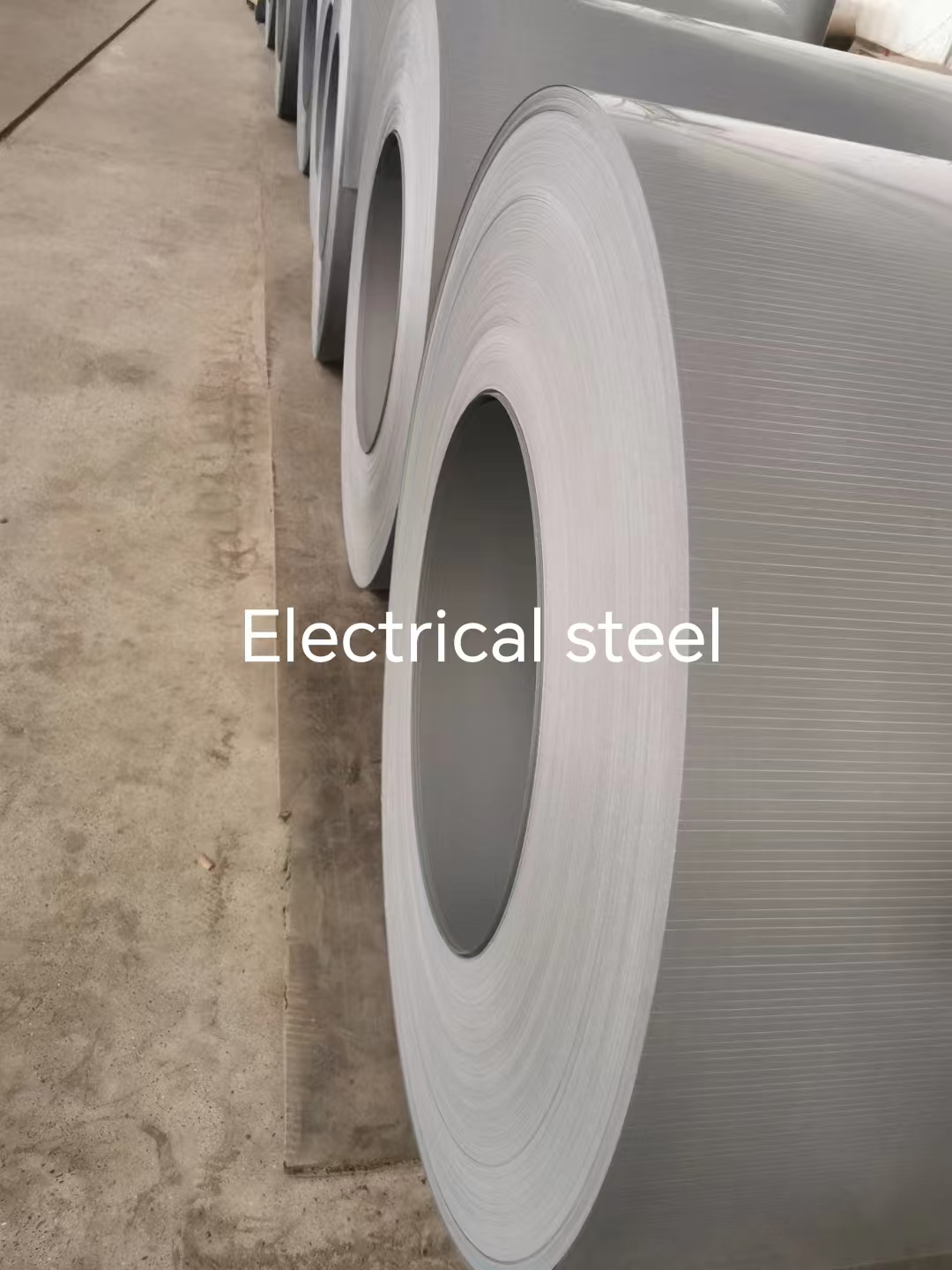
0.18 mm: grade 18-65
Grade 18-65 is a 0.18 mm Hi-B grade with iron loss P1.7/50 ≤ 0.65 W/kg and B8 ≥ 1.88 T. The supplied application field lists ultra-high voltage transformers, power transformers, and high-efficiency energy-saving transformer cores. In a shortlist, 18-65 belongs where the design targets a very low loss ceiling and the core-building process can handle a thin gauge. It should not be selected merely because 0.18 mm is the smallest number in the table.
0.20 mm: grade 20R070
Grade 20R070 is a 0.20 mm Hi-B grade with iron loss P1.7/50 ≤ 0.70 W/kg and B8 ≥ 1.86 T. Its supplied application field covers high-efficiency distribution transformers and power transformer cores. The 0.20 mm position sits between the 0.18 mm and 0.23 mm options, but its B8 minimum is lower than the 1.88 T of 18-65 and the 1.89 T of 23Q080 in the supplied data. That does not make it inferior; it means the designer must check which property is binding for the core design.
0.23 mm: grades 23Q080 and 23Q100
Grade 23Q080 is a 0.23 mm Hi-B grade with iron loss P1.7/50 ≤ 0.80 W/kg, a measured value of 0.76 to 0.78 W/kg in the supplied data, and B8 ≥ 1.89 T. Its application field includes energy-efficient transformers, power transformers, reactors, and high-power frequency converters. The measured range is useful because it shows that actual test values can sit below the declared maximum, but the buyer should still compare like-for-like test conditions and ask for the relevant inspection record.
Grade 23Q100 is also 0.23 mm, but its data are different: iron loss P1.7/50 ≤ 1.00 W/kg and B8 ≥ 1.75 T. It is listed for common distribution transformers, general industrial transformers, and electromagnetic equipment. The comparison with 23Q080 is the clearest warning against thickness-only selection. Both are 0.23 mm, yet the loss ceiling and B8 minimum are not the same. The grade, not the gauge alone, sets the magnetic property envelope.
Step-by-step breakdown: how to choose a thickness and grade
A practical selection sequence keeps the transformer duty in view and prevents a thin-gauge preference from becoming an unexamined assumption.
- Start with the core loss target. State the allowed no-load loss or the internal loss budget for the transformer. Then compare the P1.7/50 maximums of candidate grades. A lower maximum is useful only if the rest of the design and the test evidence support it.
- Check B8 against the flux requirement. A grade with a low loss maximum but an insufficient B8 minimum may not suit the core design. In the supplied set, B8 ranges from ≥ 1.75 T for 23Q100 to ≥ 1.89 T for 23Q080. The required value should come from the transformer design, not from a generic preference for thinner steel.
- Match thickness to the core-building route. A thinner gauge means more laminations for the same stack height and more interfaces to handle during cutting, stacking, and clamping. Confirm that the cutter, stacker, and coating system can work with the selected gauge. This is a processing question, not a magnetic ranking.
- Separate maximum values from measured values. A specification such as ≤ 0.80 W/kg is a limit. A measured range such as 0.76 to 0.78 W/kg is a supplied observation for 23Q080. Ask for the test method, sample basis, and certificate so that the comparison is consistent across suppliers.
- Confirm grade availability and secondary processing. A matched grade is only useful if the supplier can deliver the required width, cut shape, and packing. For custom cores, confirm slitting or cutting capability, edge condition, coating compatibility, and the inspection documents that will travel with the lot.
- Validate with a sample or first-article check. Before a full order, compare the incoming grade data and cut dimensions with the approved specification. This step is especially important when switching thickness, because the lamination count and handling routine change even when the core outline stays the same.
Use cases: matching the grade to the transformer role
The application fields in the supplied data give a useful starting map, but they are not a substitute for the transformer design review.
- Ultra-high voltage and power transformers: 18-65 is listed for ultra-high voltage transformers, power transformers, and high-efficiency energy-saving cores; 20R070 is listed for power transformer cores. These are starting points for a shortlist, not an automatic selection.
- High-efficiency distribution transformers: 20R070 is listed for high-efficiency distribution transformers, while 23Q080 is listed for energy-efficient transformers and 23Q100 for common distribution transformers. The choice depends on the loss target and the B8 requirement of the distribution core.
- Reactors and high-power frequency converters: 23Q080 is listed for reactors and high-power frequency converters. Its B8 ≥ 1.89 T and ≤ 0.80 W/kg maximum are the values to check against the design.
- General industrial transformers and electromagnetic equipment: 23Q100 is listed for common distribution transformers, general industrial transformers, and electromagnetic equipment. Its lower B8 minimum and higher loss ceiling make it a different grade choice from 23Q080, even though both are 0.23 mm.
Comparison table: four supplied Hi-B grade examples
The table below uses only the supplied grade data. It is not a ranking, and it does not declare one thickness better than another. It shows why the grade name, thickness, loss limit, B8, and application should be read together.
| Grade | Thickness | Iron loss P1.7/50 | B8 | Application field in supplied data |
|---|---|---|---|---|
| 18-65 | 0.18 mm | ≤ 0.65 W/kg | ≥ 1.88 T | Ultra-high voltage transformers, power transformers, high-efficiency energy-saving transformer cores |
| 20R070 | 0.20 mm | ≤ 0.70 W/kg | ≥ 1.86 T | High-efficiency distribution transformers, power transformer cores |
| 23Q080 | 0.23 mm | ≤ 0.80 W/kg; measured 0.76–0.78 W/kg | ≥ 1.89 T | Energy-efficient transformers, power transformers, reactors, high-power frequency converters |
| 23Q100 | 0.23 mm | ≤ 1.00 W/kg | ≥ 1.75 T | Common distribution transformers, general industrial transformers, electromagnetic equipment |
Source basis: supplied product data for the listed grades. P1.7/50 is shown as a maximum unless a measured range is stated. Compare values only under the same test conditions and against the same application requirement.
Why thinner is not automatically better
Thinner electrical steel can be a useful design lever because the lamination thickness affects the path available for eddy currents. That mechanism does not make every thinner grade the better choice. The supplied data show three counterexamples. First, 23Q080 at 0.23 mm has B8 ≥ 1.89 T, higher than the 1.86 T minimum of 20R070 at 0.20 mm. Second, 18-65 at 0.18 mm is specified at B8 ≥ 1.88 T, still below the 1.89 T minimum of 23Q080. Third, 23Q080 and 23Q100 share the same 0.23 mm thickness but have different loss ceilings and B8 minimums.
A thinner gauge also changes the core-building workload: more sheets are needed for a given stack height, more cut edges and insulation interfaces must be handled, and the lamination stack may be more sensitive to burr, flatness, and clamping. Those are process and cost considerations that sit alongside the magnetic data. The right question is whether the selected grade and thickness meet the loss and flux requirements at an acceptable processing and supply cost, not whether the number is smaller.
Sourcing note: matched grade availability and processing support
Once the grade and thickness shortlist is set, sourcing shifts from magnetic data to supply fit. A supplier may list a grade family but not the exact thickness, width, or cut form needed for a project. The buyer should confirm grade availability, the declared P1.7/50 and B8 values, the test record, the coating and dimension requirements, and the secondary processing route before treating the quotation as equivalent.
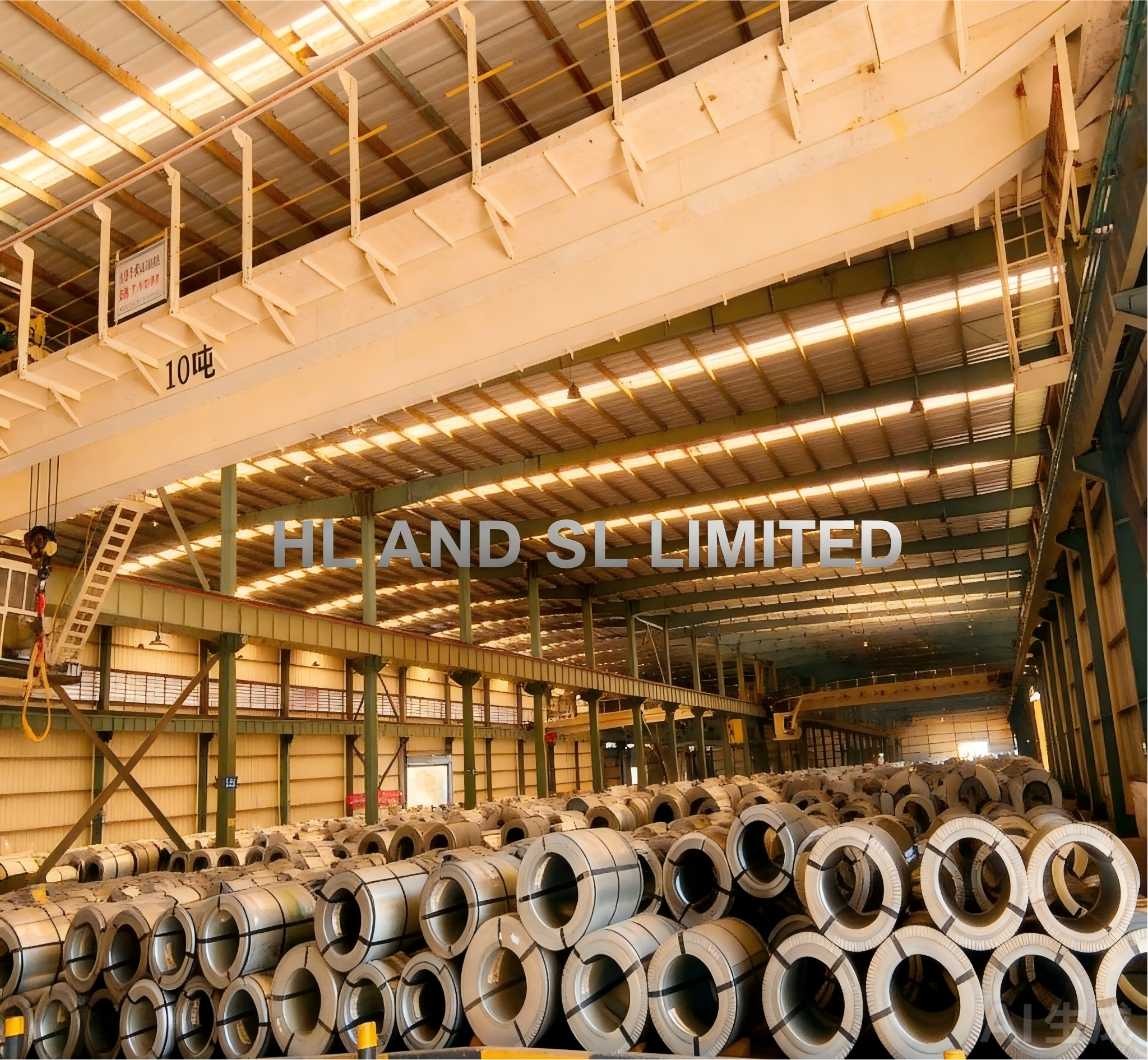
HL AND SL LIMITED is an electrical steel export and supply company founded in 2012, with a 30,000 m² material processing plant, 50 employees, a 30,000 t annual output, and a 10-engineer team, according to its company profile. The profile also states an 80% export ratio and markets including Mexico, Brazil, Italy, the UAE, and India. For this thickness question, the relevant capability is the in-house material processing plant: it can provide secondary processing based on customer requirements for size, shape, and performance, which matters when a thin Hi-B grade must be supplied as a matched cut or formed part rather than a generic coil.
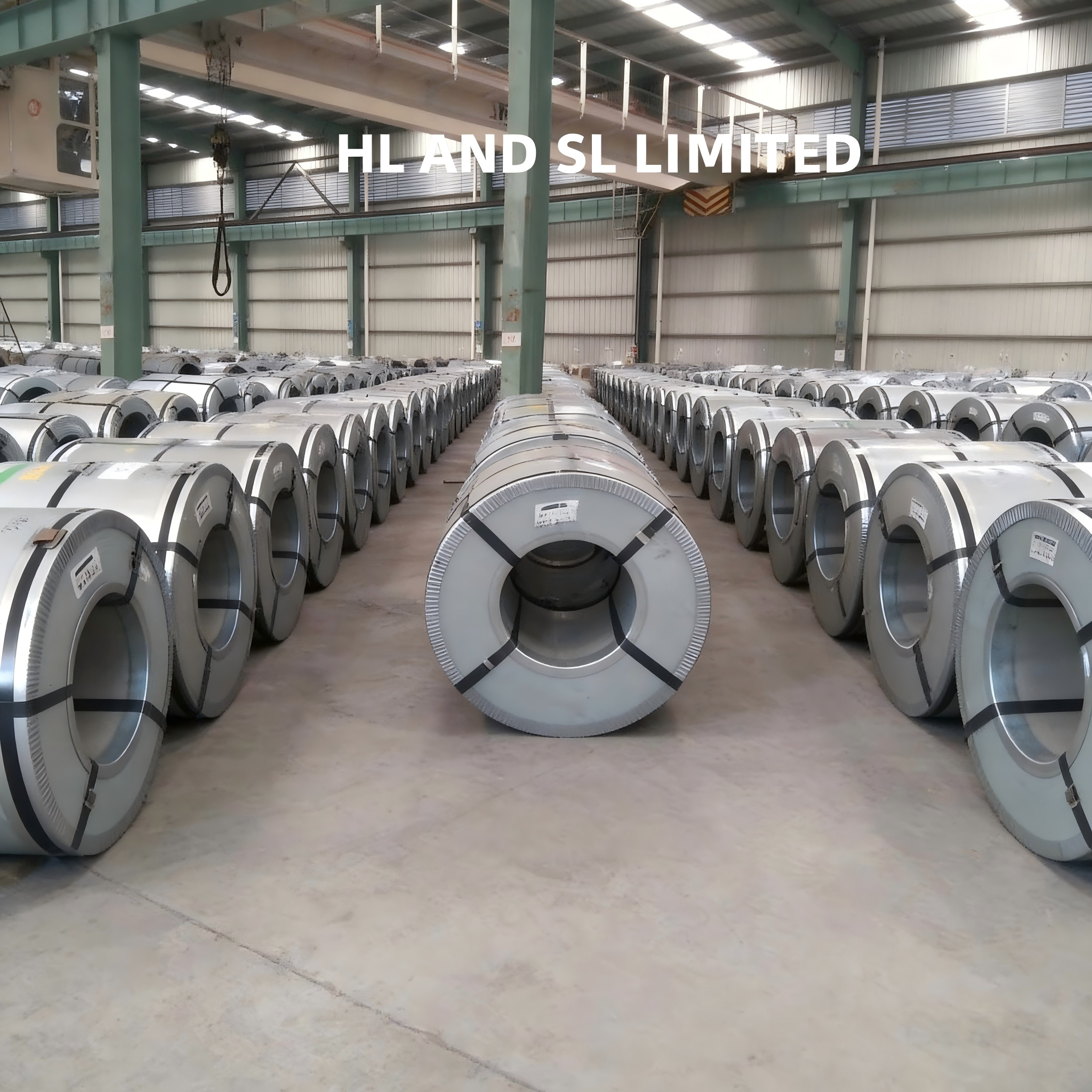
This does not remove the need for grade-level verification. A processing plant supports the delivery route; the grade certificate and test data still decide whether 18-65, 20R070, 23Q080, or 23Q100 fits the core. The practical sourcing check is to connect the magnetic specification, the cut-to-size requirement, and the inspection document in one approved purchase specification.
FAQ
What do 0.18 mm, 0.20 mm, and 0.23 mm mean in a Hi-B grade?
They are nominal thickness options within high magnetic induction grain-oriented silicon steel. The thickness is only one part of the grade identity. For example, 18-65 is 0.18 mm with P1.7/50 ≤ 0.65 W/kg and B8 ≥ 1.88 T; 20R070 is 0.20 mm with ≤ 0.70 W/kg and ≥ 1.86 T; 23Q080 is 0.23 mm with ≤ 0.80 W/kg and ≥ 1.89 T; and 23Q100 is 0.23 mm with ≤ 1.00 W/kg and ≥ 1.75 T.
Is thinner Hi-B electrical steel always better for a transformer core?
No. The supplied data show that the 0.23 mm 23Q080 has a B8 minimum of ≥ 1.89 T, higher than the ≥ 1.86 T of the 0.20 mm 20R070 and the ≥ 1.88 T of the 0.18 mm 18-65. They also show that 23Q080 and 23Q100 share a 0.23 mm thickness but differ in loss and B8. Thickness is a design variable, not a universal quality score.
Which Hi-B grade should be shortlisted for distribution and power transformers?
For high-efficiency distribution transformers, 20R070 is listed in the supplied data, while 23Q080 is listed for energy-efficient transformers and 23Q100 for common distribution transformers. For power transformers, 18-65 and 20R070 are listed, and 23Q080 also covers power transformers, reactors, and high-power frequency converters. The final choice depends on the transformer loss target, B8 requirement, and core-building route.
How should I compare P1.7/50 and B8 values across suppliers?
Compare the same grade and thickness under the same test conditions, and separate maximum limits from measured values. The 23Q080 data, for example, show a maximum of ≤ 0.80 W/kg and a measured range of 0.76–0.78 W/kg. Ask for the grade certificate, test method, and inspection record. ASTM A876 identifies core loss, permeability, magnetic aging, lamination factor, and ductility as relevant property areas, but the applicable edition should be confirmed before relying on a specific standard revision.
What should be confirmed before ordering a matched Hi-B grade?
Confirm the grade and thickness, the P1.7/50 and B8 limits, the required width or cut shape, coating and dimension requirements, the inspection documents, and the secondary processing route. A sample or first-article check helps verify that the incoming material and cut dimensions match the approved specification. HL AND SL LIMITED provides a material processing plant for secondary processing based on size, shape, and performance requirements, so the grade and the processing request can be reviewed together.
Conclusion
Hi-B electrical steel thickness is best read as part of a grade set, not as a standalone rank. The 0.18 mm 18-65, 0.20 mm 20R070, 0.23 mm 23Q080, and 0.23 mm 23Q100 examples show that loss, B8, application, and processing all move together. A thinner grade can be a useful option when the design calls for it, but it is not automatically the better choice, and two grades at the same thickness can still differ materially.
For transformer core procurement, define the loss and flux target first, shortlist by application, compare grade data under consistent conditions, and then confirm that the matched thickness can be supplied with the required secondary processing. That sequence keeps the thickness question useful without letting it replace the full material decision.
Next step: Review the grade data, cut-to-size requirements, and processing route together. HL AND SL LIMITED provides electrical steel supply and secondary processing support; the company brochure is available for download.
Have Questions or Need More Details?
Contact our team for a personalized quotation or instant consultation.
Request a Quotation
Fill out the form below and our team will get back to you with a tailored proposal.
WhatsApp Direct Chat
Prefer to chat in real-time? Message us on WhatsApp for instant assistance & quick answers.
- Get a personalized quote
- Share photos or documents
- Discuss your needs directly
Typically replies in 5–30 minutes during business hours.