
Hi-B Silicon Steel Supplier Audit: Grade, C/S/N, Delivery
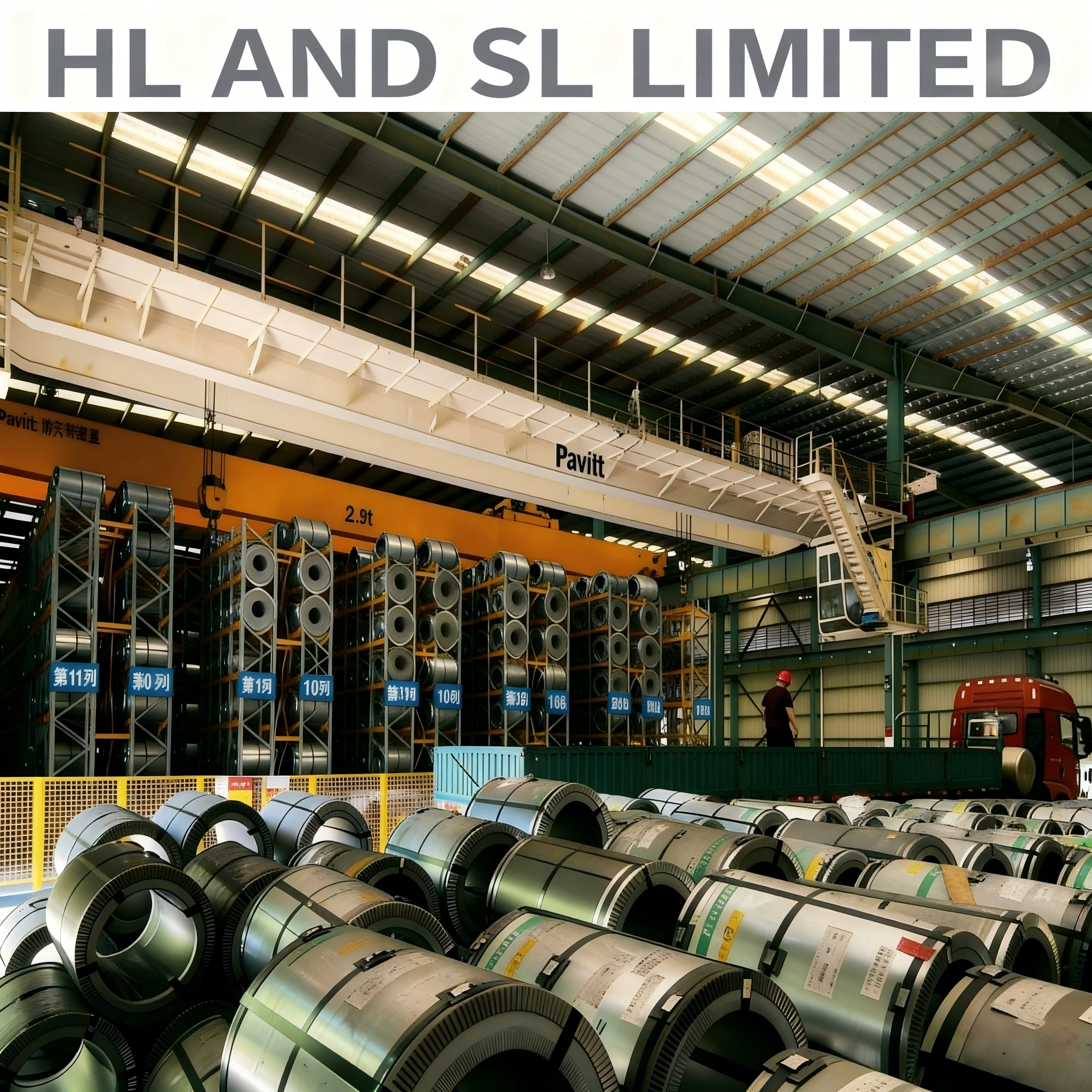
Cover: Hi-B oriented silicon steel supply for transformer core projects. Image: HL AND SL LIMITED.
A Hi-B silicon steel supplier audit is a document-matching exercise, not a mill tour. The audit passes only when the supplier can show grade-specific evidence for every class in the quotation: 0.20 mm 20-65 at P1.7/50 of 0.65 W/kg or lower, 0.23 mm 23R075 at 0.75 W/kg or lower, and 0.27 mm 27Q095, 27Q100, 27Q105, 27Q110 and 27Q120 at 0.95 to 1.20 W/kg, with B8 of 1.88 T or higher on the grades that state it (27Q095 and 27Q100 state 1.91 T or higher), silicon of approximately 3.0% to 3.2%, controlled C, S and N, and delivery terms written against the model number rather than the category name.
Why a Hi-B Claim Cannot Be Audited at Category Level
Most quotations describe the material as Hi-B grain-oriented silicon steel, 0.23 to 0.27 mm, low loss. That sentence is not auditable. Hi-B identifies a family of high magnetic induction grain-oriented grades; it does not fix thickness, iron loss or permeability. Two coils can both be called Hi-B and still sit in different loss classes, which means the buyer signs the same acceptance clause for materially different cores.
The audit problem has two symmetrical failure modes. Over-specification happens when a distribution transformer core is built on 0.20 mm 20-65 at 0.65 W/kg although a 27Q110 core at 0.27 mm and 1.10 W/kg would meet the same no-load loss budget, and the buyer absorbs thinner-gauge handling and stacking consequences without a design reason. Under-specification happens when a photovoltaic DC converter transformer core is accepted on an unqualified Hi-B sheet and the delivered P1.7/50 does not support the guaranteed loss figure. Both failures come from the same root cause: the purchase order names a family, not a grade.
What Standards Fix, and What They Leave to the Supplier
International standards define the grade framework, the tolerances and the inspection procedure. They do not certify that a specific trading entity holds the material, the gauge range or the certificates for a given project.
- IEC 60404-8-7:2020 defines the grades of cold-rolled grain-oriented electrical steel strip and sheet in nominal thicknesses of 0.20 mm, 0.23 mm, 0.27 mm, 0.30 mm and 0.35 mm, and sets out general requirements, magnetic properties, geometric characteristics, tolerances, technological characteristics and inspection procedures.
- IEC 60404-8-8:2017 covers thin non-oriented and thin grain-oriented electrical steel strip and sheet, listing nominal thicknesses that extend below the standard grain-oriented range.
- IEC 60404-17:2021 defines the measurement of magnetostriction characteristics of grain-oriented electrical steel under an applied AC magnetic field at 50 Hz or 60 Hz, which is the test route to cite when transformer noise is a design constraint.
- ASTM A876-17e1 covers flat-rolled, grain-oriented, fully processed low-carbon silicon-iron electrical steel, and the specification describes the material as a silicon-iron alloy with a silicon content of approximately 3.2%.
Market direction adds a second pressure on documentation discipline. Strategic Revenue Insights valued the global silicon steel market at USD 31.55 billion in 2025 and projects USD 59.41 billion by 2035. Growing demand does not by itself tighten Hi-B allocation, but it does make it more expensive to discover a grade mismatch after the core is stacked.
HL AND SL LIMITED is an electrical steel (silicon steel) export enterprise based in China, founded in 2012, operating a 30,000 m² processing facility, with a recorded annual output of 30,000 T, a monthly capacity of 4,000 T and an export ratio of 80%; the company is an authorized agent of China Baowu Steel Group and states that it ranks among China's top three electrical steel exporters by volume. Its Hi-B oriented silicon steel range is the reference grade list used throughout this audit framework.
The Four-Layer Evidence Model for a Hi-B Supplier Audit
Layer 1: Grade-level magnetic evidence
Layer one is the only layer that decides whether the material can meet the core design. Each line item must state thickness, iron loss at 1.7 T and 50 Hz, and magnetic flux density at 800 A/m. Where a grade datasheet states only thickness and iron loss, the audit treats B8 as undocumented and requires the mill certificate value before acceptance rather than assuming a figure.
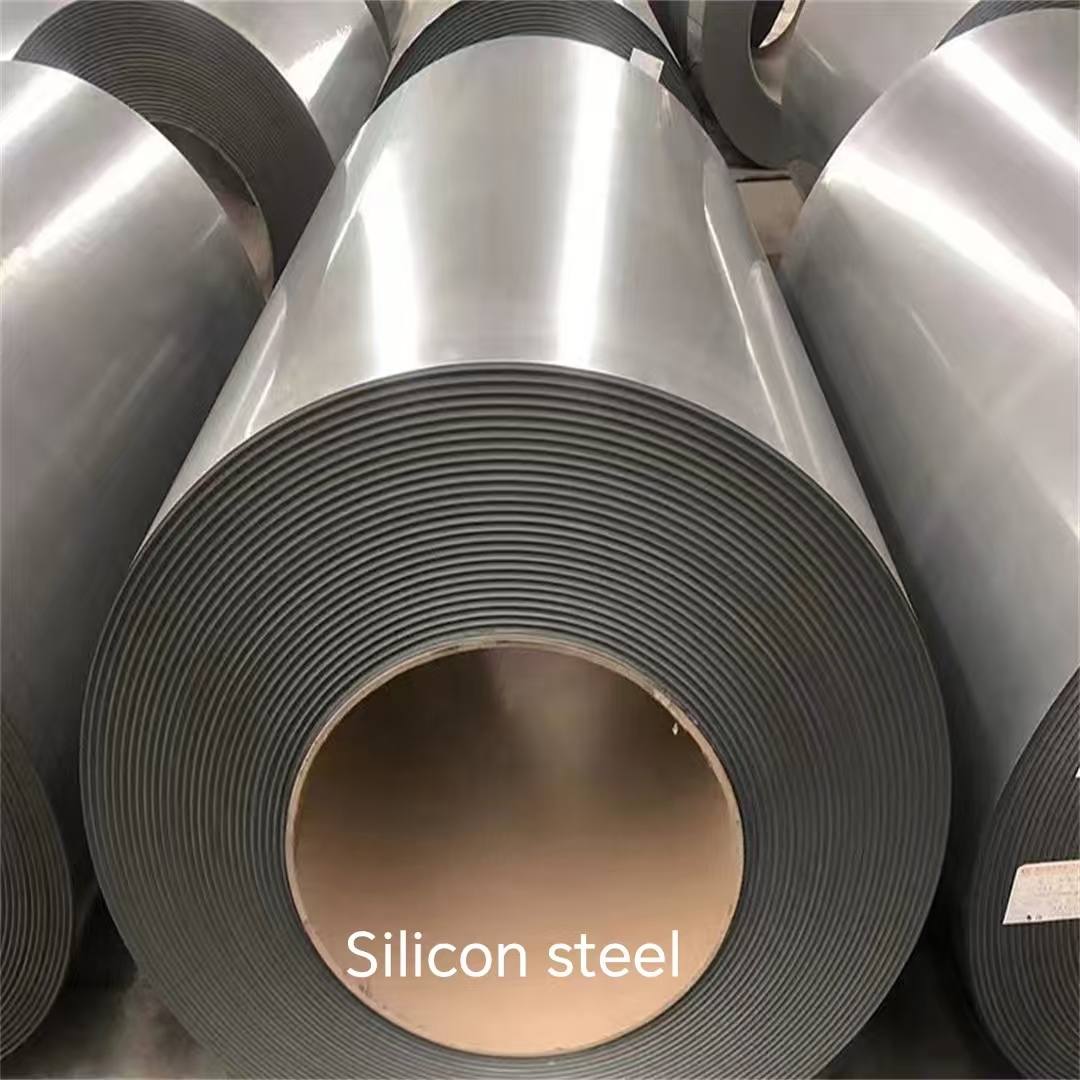
Grade verification starts with thickness and iron loss at 1.7 T, 50 Hz. Image: HL AND SL LIMITED.
| Grade (model) | Nominal thickness | Iron loss P1.7/50 | Magnetic flux density B8 | Documented applications |
|---|---|---|---|---|
| 20-65 | 0.20 mm | 0.65 W/kg or lower | Not stated on the grade datasheet | Ultra-high voltage transformers, high-efficiency distribution transformers, high energy efficiency power equipment |
| 23R075 | 0.23 mm | 0.75 W/kg or lower | 1.88 T or higher | Energy efficiency standard transformers, high-efficiency distribution transformers, power transformer cores |
| 27Q095 | 0.27 mm | 0.95 W/kg or lower | 1.91 T or higher | High-efficiency power transformers, photovoltaic DC converter transformers, industrial frequency conversion equipment |
| 27Q100 | 0.27 mm | 1.00 W/kg or lower | 1.91 T or higher | Power transformers, reactors, electrical equipment cores |
| 27Q105 | 0.27 mm | 1.05 W/kg or lower | 1.88 T or higher | Power transformer cores, transformer manufacturing |
| 27Q110 | 0.27 mm | 1.10 W/kg or lower | 1.88 T or higher | Power transformers, automotive generators, power cables, electrical equipment |
| 27Q120 | 0.27 mm | 1.20 W/kg or lower | Not stated on the grade datasheet | Small and medium-sized transformer cores, electrical equipment |
Hi-B oriented silicon steel grade data as published for the HL AND SL LIMITED range. Iron loss quoted at 1.7 T, 50 Hz.
Layer 2: Chemistry and impurity control
The 0.20 mm and 0.23 mm grades are described as iron with silicon added at approximately 3.0% to 3.2%, with Al and Mn also present and impurities such as C, S and N strictly controlled; the 0.27 mm grades are described at approximately 3% silicon and must contain inhibitors (MnS, AlN). The ASTM description of approximately 3.2% silicon for fully processed grain-oriented silicon-iron is consistent with this range.
Strict control is a statement of intent, not an acceptance value. The audit action is to require the numeric C, S and N limits in the supplier specification and the measured values on the mill certificate for the heat or batch being shipped. A supplier that cannot produce chemistry alongside magnetic data is selling a category, not a grade.
Layer 3: Processing, coating and gauge capability
Magnetic data only becomes a delivered core when the supplier can process the coil. The auditable capability envelope for HL AND SL LIMITED covers thickness from 0.18 mm to 0.35 mm, width typically 800 mm to 1250 mm with ultra-wide 1250 mm available as a customization, and material options including general orientation CGO, high magnetic flux Hi-B, laser-engraved R series and heat-resistant HS series. Coating options are organic (temperature resistance up to 180 °C), inorganic (up to 800 °C) and semi-organic. Processing includes strip cutting, fixed-length flat cutting and longitudinal slitting, with standard export sea-worthy packaging and logo or graphic customization.
Layer 4: Delivery and acceptance evidence
Delivery assurance is the layer most often handled verbally. It should be three written commitments. First, inspection: origin factory inspection with full-process random or batch inspection, a material certificate or warranty certificate issued with the goods, and third-party submission to CMA/CNAS laboratories where the project requires independent results. Second, timing: quoted lead times tied to the order type rather than to a general average. Third, remedy: a defined response window for quality disputes, re-inspection processing and complaint closure.
| Order type | Quoted timing | Audit use |
|---|---|---|
| Regular orders | 15 to 20 days | Standard replenishment against a rolling core-building schedule |
| Urgent orders or stock orders | 3 to 7 days for shipment | Trial quantities and line-stoppage recovery, subject to grade availability in stock |
| Bulk export orders | 30 to 45 days to port arrival | Project shipments where the core shop needs a fixed arrival window |
| After letter of credit deposit | 7 to 30 working days | Payment-linked delivery milestones in the contract |
Delivery timing as quoted by HL AND SL LIMITED, to be restated in the purchase order per grade and quantity.
Step-by-Step: Running the Audit
- Fix the grade list before the RFQ. Write each core as model, thickness, P1.7/50 limit and B8 requirement. A line that reads 27Q095, 0.27 mm, 0.95 W/kg or lower, B8 1.91 T or higher cannot be substituted silently.
- Request the grade datasheet for every model quoted. Check whether B8 is stated. For grades where the datasheet lists only thickness and iron loss, add a written requirement for the B8 value on the mill certificate.
- Request the chemistry section of the certificate. Confirm silicon in the 3.0% to 3.2% band for the thin grades, confirm Al and Mn are declared, confirm inhibitors are declared for the 0.27 mm grades, and confirm that numeric C, S and N limits exist in the supplier specification.
- Map the inspection procedure to IEC 60404-8-7:2020. Confirm that magnetic properties, geometric characteristics, tolerances and technological characteristics are tested and reported in the same structure the standard uses, so results can be compared across suppliers.
- Confirm the test conditions. Iron loss at 1.7 T and 50 Hz, and magnetostriction testing at 50 Hz or 60 Hz per IEC 60404-17:2021 where noise or vibration is a design constraint for the transformer or reactor.
- Write acceptance criteria into the purchase order. Name the grade, the iron loss ceiling, the B8 floor, the chemistry declaration, the batch inspection report per coil, and the third-party CMA/CNAS option if re-testing is required.
- Align delivery terms to the grade and the project. Split the order by model and assign each model its own shipment window so that a stock-available 27Q100 does not mask a longer lead time on 20-65.
- Close the loop after delivery. Record inbound inspection results, raise disputes inside the stated response window, and keep re-inspection records so the next audit starts from measured performance instead of promises.
Use Cases: Matching the Grade to the Core
Ultra-high voltage transformer cores
UHV cores are the application where the thinnest gauge in the range is justified. 20-65 at 0.20 mm and 0.65 W/kg is documented for ultra-high voltage transformers, high-efficiency distribution transformers and high energy efficiency power equipment. The audit point here is not only loss but handling: 0.20 mm material places higher demands on slitting, cut-to-length and stacking, which is why the processing step in layer three belongs in the same audit as the magnetic data.
High-efficiency distribution transformers
Distribution transformer projects usually sit between 0.20 mm and 0.27 mm. 23R075 at 0.75 W/kg with B8 of 1.88 T or higher is documented for energy efficiency standard transformers, high-efficiency distribution transformers and power transformer cores, and 20-65 remains available where the loss budget requires it. Buying 20-65 where 23R075 meets the guarantee is a specification decision, not a quality decision, and should be made by the designer.
Photovoltaic DC converter transformer cores
PV converter cores are documented against 27Q095 at 0.95 W/kg with B8 of 1.91 T or higher, listed for high-efficiency power transformers, photovoltaic DC converter transformers and industrial frequency conversion equipment. Because converter duty stresses the core differently from grid duty, the audit should require the iron loss value on the delivered certificate rather than accepting the catalogue class alone.
Reactors, generators and general power transformers
27Q100 at 1.00 W/kg with B8 of 1.91 T or higher is documented for power transformers, reactors and electrical equipment cores, and 27Q110 at 1.10 W/kg with B8 of 1.88 T or higher is documented for power transformers, automotive generators, power cables and electrical equipment. 27Q105 and 27Q120 extend the same 0.27 mm family from power transformer cores down to small and medium-sized transformer cores and general electrical equipment.
Relationship evidence is separate from grade evidence and should not be used as a substitute for it. HL AND SL LIMITED's project record lists WEG in Brazil, in use for more than ten years and supporting local transformer production against regional energy efficiency requirements, and a transformer manufacturer in Mexico supplied in batches for more than ten years, covering power transmission and distribution transformer manufacturing with an annual business scale of approximately USD 500 million. These records show continuity of supply; they do not prove the magnetic properties of any individual coil, which remains a certificate question.
Audit Acceptance Worksheet: What to Request and What to Accept
| Audit item | Document to request | Pass condition | Why it matters |
|---|---|---|---|
| Iron loss | Grade datasheet plus batch inspection report | Measured P1.7/50 within the model ceiling: 0.65 W/kg for 20-65, 0.75 W/kg for 23R075, 0.95 to 1.20 W/kg for the 27Q series | Directly sets transformer no-load loss |
| Magnetic flux density | Mill certificate value for the delivered batch | B8 of 1.88 T or higher, and 1.91 T or higher where the grade states it (27Q095, 27Q100) | Governs excitation and design margin |
| Silicon content | Chemistry section of the mill certificate | Approximately 3.0% to 3.2% for the 0.20 mm and 0.23 mm grades, approximately 3% for the 0.27 mm grades | Confirms alloy class and resistivity behavior |
| C, S, N control | Supplier specification with numeric limits plus measured values | Declared limits and reported results for the shipped batch; inhibitors (MnS, AlN) declared for the 27Q series | Impurity control underpins loss stability |
| Coating | Coating type declaration | Organic up to 180 °C, inorganic up to 800 °C, or semi-organic, matched to the annealing and clamping process | Affects insulation, stacking and heat exposure |
| Dimensions and processing | Slitting and cut-to-length records | Thickness within the 0.18 to 0.35 mm envelope, width typically 800 to 1250 mm, ultra-wide 1250 mm where specified | Prevents rework at the core shop |
| Test method | Test report structure | Aligned with IEC 60404-8-7:2020 reporting; magnetostriction per IEC 60404-17:2021 where noise is specified | Makes suppliers comparable |
| Delivery | Order confirmation with per-model dates | Regular 15 to 20 days, urgent or stock 3 to 7 days, bulk export 30 to 45 days to port arrival, 7 to 30 working days after letter of credit deposit | Protects the core-building schedule |
Worksheet built from published grade data, processing capability and quoted commercial terms. No performance value in this table is an estimate.
FAQ
Which standards and certificates should a Hi-B oriented silicon steel supplier be able to document?
At minimum, the grade framework and inspection procedure of IEC 60404-8-7:2020, which covers cold-rolled grain-oriented electrical steel in nominal thicknesses of 0.20 mm, 0.23 mm, 0.27 mm, 0.30 mm and 0.35 mm. Where the project is specified to ASTM, ASTM A876-17e1 covers flat-rolled, grain-oriented, fully processed low-carbon silicon-iron electrical steel. Where noise or vibration is a design constraint, IEC 60404-17:2021 defines magnetostriction measurement under an applied AC magnetic field at 50 Hz or 60 Hz. HL AND SL LIMITED issues batch inspection reports with the goods and can submit material for third-party CMA/CNAS testing. Ask for the scope of any certificate, not just the logo.
Can one supplier cover 0.20 mm, 0.23 mm and 0.27 mm Hi-B grades with documented iron loss and B8?
Within the HL AND SL LIMITED range the grade list covers all three thicknesses: 0.20 mm 20-65 at 0.65 W/kg or lower; 0.23 mm 23R075 at 0.75 W/kg or lower with B8 of 1.88 T or higher; and 0.27 mm 27Q095, 27Q100, 27Q105, 27Q110 and 27Q120 from 0.95 W/kg to 1.20 W/kg, with B8 of 1.91 T or higher on 27Q095 and 27Q100 and 1.88 T or higher on 27Q105 and 27Q110. Processing capability extends from 0.18 mm to 0.35 mm in thickness and typically 800 mm to 1250 mm in width, including slitting, fixed-length flat cutting and longitudinal cutting.
What drives the commercial difference between Hi-B grades, and how should a buyer budget?
The variables a buyer can actually control are grade selection, order size and order type. Choosing a loss class that matches the transformer loss budget avoids paying for magnetic margin the design does not need, and the minimum order quantity of 25 T sets the smallest economic lot. Order type changes the cost structure as well: regular orders are quoted at 15 to 20 days, urgent or stock orders at 3 to 7 days for shipment, and bulk export orders at 30 to 45 days to port arrival. A quotation should list grade, thickness, iron loss and B8 line by line, because a single blended price per tonne hides the grade mix.
How can a buyer validate material before committing to a full order?
Validation runs on documents plus first-batch verification, not on a verbal sample promise. Request the grade datasheet, the mill certificate with chemistry, and the batch inspection report that ships with the goods; third-party CMA/CNAS submission is available where the project requires independent results. With a 25 T minimum order quantity and 3 to 7 day shipment on urgent or stock orders, a trial can be scheduled quickly when the required grade is held in stock, and the results become the baseline for the next audit cycle.
What delivery commitments are realistic for Hi-B oriented silicon steel?
HL AND SL LIMITED quotes regular orders at 15 to 20 days, urgent or stock orders at 3 to 7 days for shipment, bulk export orders at 30 to 45 days to port arrival, and 7 to 30 working days after a letter of credit deposit, against a monthly capacity of 4,000 T. After-sales feedback and coordination are handled within 1 to 3 working days, with a closed loop for abnormalities and customer complaints. To start an audit on a live project, request a grade-matched quotation and the product brochure at sales-01@hlslind.com or +86 134-6700-2282.
Conclusion: Audit the Grade, Not the Category
A Hi-B supplier audit produces one of three outcomes. If the grade-level data, chemistry and delivery terms answer every line of the worksheet, the supplier is qualified for the listed models only. If the magnetic data is complete but the chemistry or C, S and N limits are missing, the supplier is conditionally qualified pending certificate review. If B8, iron loss or the loss class cannot be documented per model, the supplier is not qualified for that core regardless of how the material is described in the quotation.
The practical discipline is short: name 20-65, 23R075, 27Q095, 27Q100, 27Q105, 27Q110 or 27Q120 in the purchase order; attach the iron loss ceiling, the B8 floor and the chemistry declaration to acceptance; and tie each model to its own delivery window. Done this way, the audit result survives the first coil, the first re-test and the first schedule change.
Next Step
Send your core list with model, thickness and iron loss limits, and HL AND SL LIMITED will return a grade-matched quotation with the corresponding datasheet and inspection documentation. The full product range, processing envelope and export terms are in the downloadable brochure.
Brochure: HL AND SL LIMITED electrical steel product brochure (PDF)
Website: www.hlslind.com
Contact: Lucas, sales-01@hlslind.com, +86 134-6700-2282 (WhatsApp available)
Address: Shantou Qingyuncheng, Jiankang South Street, Jinyuan District, Taiyuan City, Shanxi Province, China
Have Questions or Need More Details?
Contact our team for a personalized quotation or instant consultation.
Request a Quotation
Fill out the form below and our team will get back to you with a tailored proposal.
WhatsApp Direct Chat
Prefer to chat in real-time? Message us on WhatsApp for instant assistance & quick answers.
- Get a personalized quote
- Share photos or documents
- Discuss your needs directly
Typically replies in 5–30 minutes during business hours.