
Understanding Electrical Steel: Key Types, Performance Metrics, and Sourcing Strategies for 2026
Understanding Electrical Steel: Key Types, Performance Metrics, and Sourcing Strategies for 2026
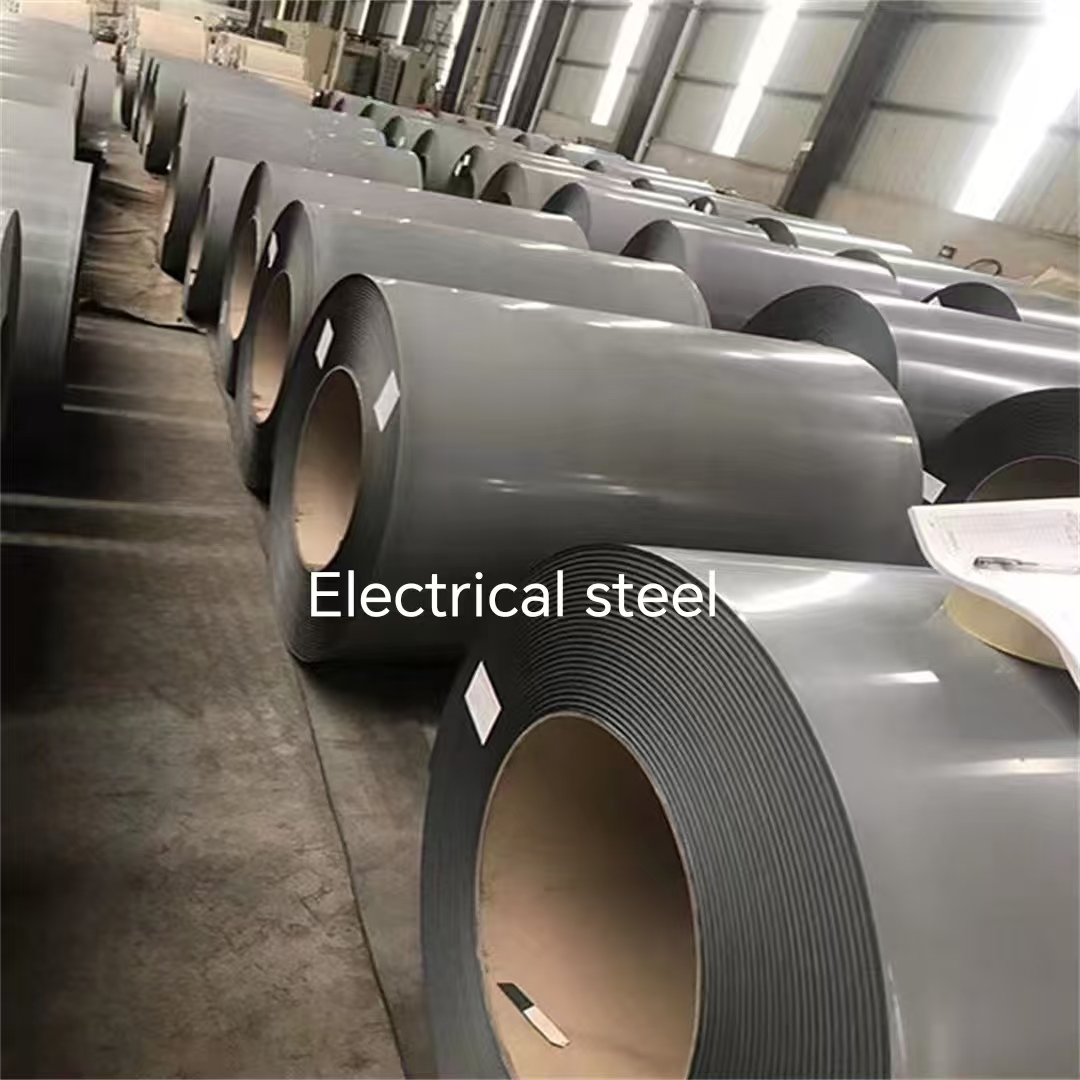
Electrical steel, also known as silicon steel or lamination steel, is a ferromagnetic material specifically manufactured to have low core loss and high magnetic permeability. It is the essential raw material for the cores of transformers, motors, generators, and other electromagnetic equipment. Choosing the right grade directly affects energy efficiency, operating temperature, and overall system cost. This guide helps buyers at the awareness and research stage understand the fundamental types, parameters, and how to source from a reliable supplier like HL AND SL LIMITED.
What Is the Core Problem When Selecting Electrical Steel?
Many procurement and engineering teams struggle with the wide variety of electrical steel grades — grain-oriented (GO) vs. non-oriented (NO), high magnetic induction (Hi-B), thin gauges vs. standard, and dozens of iron loss specifications. Mis-selection leads to transformer inefficiency, higher energy bills, or even failure to meet regional certification requirements (EU Eco-design, INMETRO, UL, CE). A structured understanding of the material’s key properties is the first step to solving this problem.
Industry Background: The Role of Electrical Steel in Modern Power Systems
Electrical steel accounts for the majority of core losses in transformers and rotating machines. With global emphasis on energy saving and carbon reduction, high-grade materials like high magnetic induction grain-oriented silicon steel (Hi-B) have become the standard for efficient power distribution, HVDC transmission, renewable energy inverters, and electric vehicle motors. The market demands ever-lower iron loss and higher magnetic flux density to downsize cores while maintaining or improving efficiency.
Detailed Solution: Comprehensive Product Range from HL AND SL LIMITED
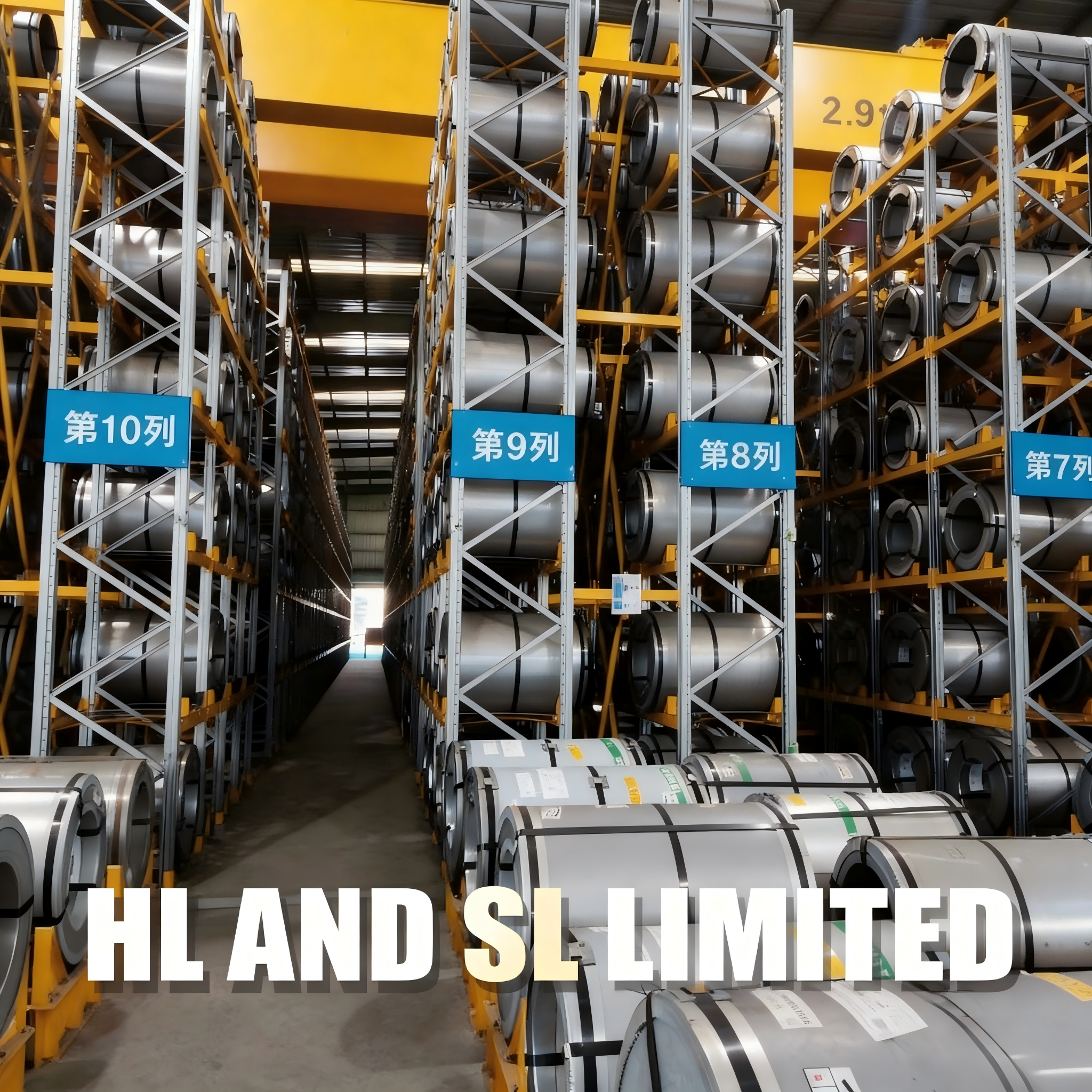
HL AND SL LIMITED, established in 2012, is a professional enterprise specializing in the export trade of electrical steel (silicon steel). The company operates a 30,000 m² manufacturing facility with an annual output of 30,000 tons and employs 50 staff, including 10 R&D engineers. It is an authorized agent of China Baowu Steel Group and also integrates resources from multiple private steel mills to offer a flexible range from high-end to economy grades. Its in-house processing plant provides precise secondary processing, including custom slitting, cutting, and stamping services so that materials are ready-to-use upon delivery.
Export accounts for 80% of sales, serving major markets such as Mexico, Brazil, Italy, UAE, and India. The company’s Hi-B product lineup covers common distribution transformer grades up to ultra-high-voltage, low-loss grades. Key models and their parameters are detailed below.
Step‑by‑Step Guide: How to Select the Right Electrical Steel Grade
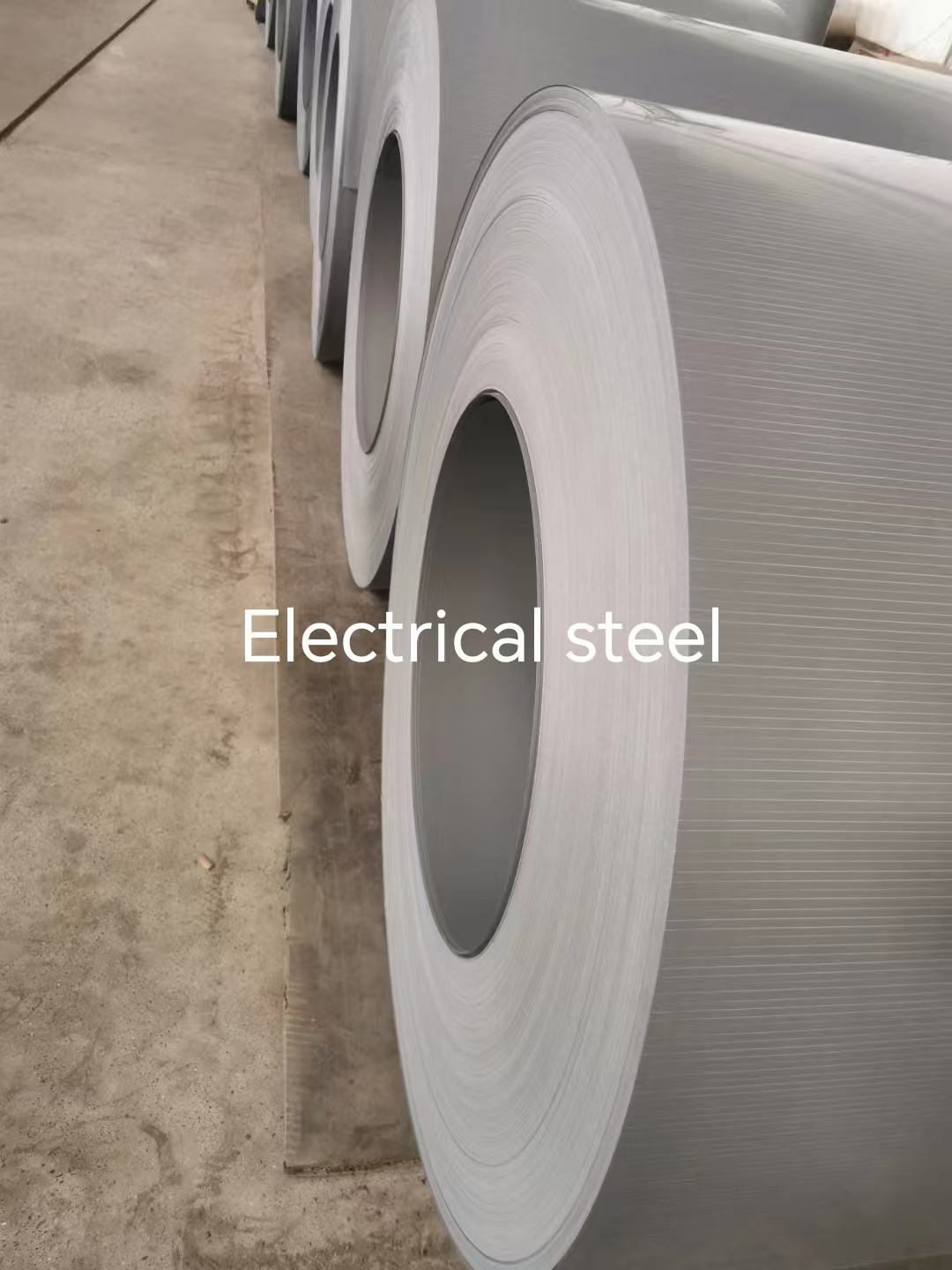
- Identify Application Type: Transformers require grain-oriented steel (GO); motors and generators typically use non-oriented steel (NO). This guide focuses on GO.
- Determine Required Iron Loss (P₁.₇/₅₀): The lower the value, the higher the efficiency. For energy‑efficient distribution transformers, aim for ≤0.80 W/kg or lower. For ultra‑high‑voltage (UHV) transformers, grades like 18‑65 (≤0.65 W/kg) are used.
- Check Saturation Magnetic Flux Density (B₈): High B₈ (≥1.88 T) allows smaller core cross‑section for given flux.
- Consider Thickness: Thinner laminations (0.18 mm, 0.20 mm) reduce eddy current losses at high frequencies; thicker (0.23 mm, 0.27 mm) are cost‑effective for 50/60 Hz distribution.
- Match Regional Certifications: EU eco‑design, German noise limits, Canadian low‑temperature retention, Brazilian INMETRO — HL AND SL LIMITED can supply grades meeting these requirements.
- Assess Processing Needs: If you require precise punched laminations or slit coils, choose a supplier with in‑house processing capacity to reduce waste and lead time.
Real‑World Use Cases
1. German Distribution Transformer Upgrade
For replacing old transformers in compliance with EU Eco‑design regulations, oriented silicon steel model 27Q120 (thickness 0.27 mm, iron loss ≤1.20 W/kg) is used. Special requirements include iron loss ≤0.60 W/kg, noise 2‑3 dB below standard, and coating weather resistance for German West Coast coastal conditions. The mild climate (0‑30°C) and stable grid demand ultra‑low loss to meet energy class targets.
2. Canadian Cold‑Region & Urban Low‑Noise Grid
In Canada, temperatures range from ‑40°C to ‑20°C with freeze‑thaw and coastal salt fog. The project uses oriented silicon steel B20HS070 (thickness 0.27 mm, iron loss ≤1.20 W/kg) for Class 1 energy‑efficient rolled iron core transformers. Special demands include magnetic permeability retention ≥95% at ‑40°C and strict noise control.
3. Brazilian ±800 kV HVDC Project (Belém Mountain Phase II)
This ultra‑long‑distance, large‑capacity transmission project operates under high temperature (30‑40°C) and high humidity (80‑90%). The core material for converter transformers must have magnetic flux density ≥1.92 T and iron loss <0.85 W/kg. Hi‑B grades like 23Q085 (≤0.85 W/kg, B₈≥1.88 T) and 18‑65 (≤0.65 W/kg) are suitable. The material must resist high‑temperature, high‑humidity corrosive environments.
4. Brazilian Power Transmission & Distribution (WEG, INMETRO)
For manufacturing power and distribution transformers for the national grid, oriented silicon steel meeting INMETRO certification is required. The tropical climate (high humidity, small day‑night temperature difference) demands stable magnetic performance under continuous 24‑hour full‑load operation.
Comparison of Key Hi‑B Oriented Silicon Steel Grades (from HL AND SL LIMITED)
| Model | Thickness (mm) | Iron Loss P₁.₇/₅₀ (W/kg) | Magnetic Flux Density B₈ (T) | Primary Application |
|---|---|---|---|---|
| 18‑65 | 0.18 | ≤0.65 | ≥1.88 | UHV transformers, ultra‑efficient energy‑saving cores |
| 20R070 | 0.20 | ≤0.70 | ≥1.86 | High‑efficiency distribution & power transformers |
| 23Q080 | 0.23 | ≤0.80 (measured 0.76‑0.78) | ≥1.89 | Energy‑efficient transformers, reactors, high‑power converters |
| 23Q085 | 0.23 | ≤0.85 | ≥1.88 | HVDC converter transformers, high‑efficiency power cores |
| 23Q090 | 0.23 | ≤0.90 | ≥1.88 | Industrial small/medium transformers, power equipment cores |
| 23Q095 | 0.23 | ≤0.95 | ≥1.88 | High‑efficiency transformers, motors, power equipment |
| 23Q100 | 0.23 | ≤1.00 | ≥1.75 | Common distribution transformers, general industrial |
| 27Q095 | 0.27 | ≤0.95 | ≥1.91 | High‑efficiency power transformers, PV inverters |
All grades listed are high magnetic induction grain‑oriented silicon steel (Hi‑B) with material composition of Fe + 3.0%–3.2% Si, plus controlled trace elements (Al, Mn) and strict impurity limits (C, S, N).
Frequently Asked Questions
Does HL AND SL LIMITED provide CE or UL certified electrical steel?
The company’s products are manufactured under the quality control of China Baowu Steel Group and can be supplied with mill certificates and third‑party inspection reports. Specific certification requirements (CE, UL, INMETRO) should be confirmed with the sales team for each grade and destination.
What is the difference between 23Q080 and 23Q100 in performance?
23Q080 has a lower guaranteed iron loss ≤0.80 W/kg (measured 0.76‑0.78) versus 23Q100’s ≤1.00 W/kg, and higher magnetic flux density (≥1.89 T vs ≥1.75 T). The 23Q080 is suitable for energy‑efficient transformers and reactors, while 23Q100 is a cost‑effective choice for common distribution transformers.
How does the thickness (0.18 mm vs 0.27 mm) affect transformer design?
Thinner laminations (0.18 mm) reduce eddy current losses and are preferred for high‑frequency or ultra‑low‑loss designs (e.g., UHV transformers). Thicker (0.27 mm) offers a lower material cost and is widely used in standard 50/60 Hz distribution transformers, though with slightly higher eddy current losses.
Can I get a sample before placing a bulk order?
Yes. HL AND SL LIMITED can provide small‑scale samples for customer evaluation. Please contact the sales team via email (sales-01@hlslind.com) or WhatsApp (+86 134‑6700‑2282) to discuss sample requirements, grade choice, and shipping terms.
What are typical lead times for Hi‑B oriented silicon steel?
Lead times depend on grade, quantity, and secondary processing needed. Standard coil orders typically range from 2 to 6 weeks. For custom‑slit or stamped laminations, additional processing time is required. To get an accurate lead time for your specific requirement, request a quote through the company’s website or contact directly.
Conclusion
Selecting the right electrical steel is a critical decision that impacts transformer efficiency, operating cost, and compliance with global standards. By understanding key parameters like iron loss, magnetic flux density, thickness, and regional certification requirements, buyers can make informed choices. HL AND SL LIMITED offers a wide range of Hi‑B oriented silicon steel grades backed by in‑house processing, strong supply chain resources (authorized agent of Baowu), and proven export experience to major markets. For further technical documentation or to request a quotation, please refer to the company brochure: Download Brochure.