How to Select the Right Wire Container Supplier for Specialized Industry Needs: A Comprehensive Guide for Global Buyers in 2026
How to Select the Right Wire Container Supplier for Specialized Industry Needs: A Comprehensive Guide for Global Buyers in 2026
In modern logistics and warehousing, wire containers (also known as wire mesh storage containers, steel wire containers, or collapsible wire containers) have become indispensable for efficient material handling. However, not all wire containers are created equal. Buyers in specialized industries—such as PET preform manufacturing, wine bottling, automotive components, or heavy-duty industrial storage—face unique operational requirements that demand tailored solutions. Selecting the wrong supplier can lead to dimensional mismatches, premature rust, stacking instability, or even safety hazards. This comprehensive guide provides a step-by-step framework for sourcing the ideal wire container supplier, with a special focus on meeting specialized industry needs.
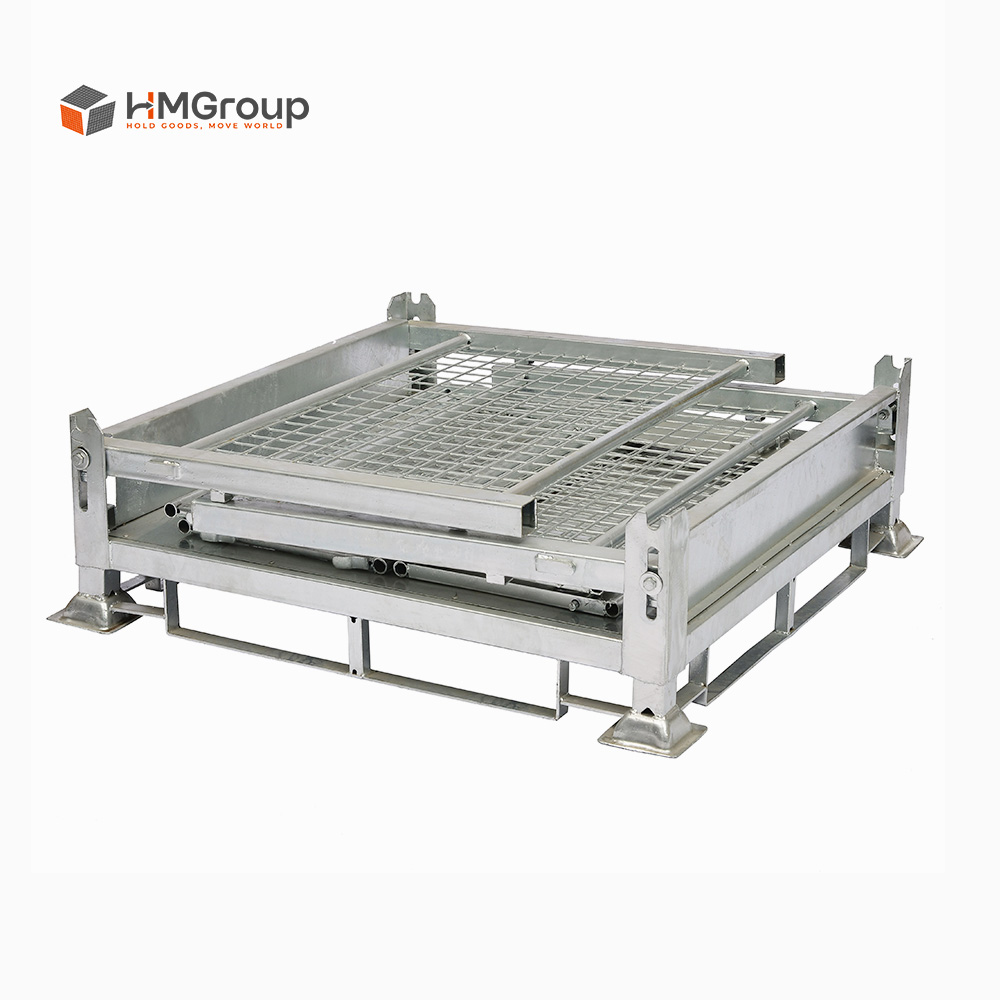
What is a Wire Container and Why Does Specialization Matter?
A wire container is a heavy-duty, collapsible storage and transport unit made from welded steel wire mesh. It is designed for high-density vertical stacking, forklift handling, and long-term reuse. However, general-purpose wire containers may not fit the specific dimensions, load capacities, surface treatments, or environmental conditions required by different industries.
- PET Preform Industry: Requires containers with smooth mesh finishes, optional PP sheet liners, and precise stacking alignment to prevent contamination and deformation of plastic preforms.
- Wine Industry: Demands specialized bottle-holding configurations (e.g., for Bordeaux or Burgundy bottles), hot-dip galvanized finish for humid cellar environments, and label-protection features.
- Automotive Parts: Needs high load capacity (up to 1300 kg), wire dividers for component separation, and durable zinc plating to resist oil and grease.
- Heavy-Duty Industrial: Requires reinforced steel (Q235), load capacities exceeding 1000 kg, and corrosion-resistant coatings for mining or outdoor use.
Industry Background: The Growing Demand for Specialized Wire Containers
The global wire container market is expanding as manufacturers seek to optimize warehouse density, reduce packaging waste, and improve inventory visibility. According to industry trends, buyers increasingly prefer collapsible wire containers that offer a 4:1 return ratio when empty, drastically lowering return freight costs. However, the rise of just-in-time (JIT) supply chains and automated warehouses has amplified the need for precisely engineered solutions. Suppliers who can customize dimensions, mesh sizes, surface finishes, and loading capacities are gaining a competitive edge.
Leading manufacturers like HM Group (Dalian HuaMao Logistics Equipment Group Co., Ltd.) have responded by establishing multiple automated production bases and offering full OEM/ODM capabilities. HM Group operates three factories in Xiamen, Nanjing, and Qingdao (total 62,000 m²), with an annual output of 2,000,000 units and a dedicated R&D team of 10 engineers. Their export ratio is 100%, serving markets in EU, North America, Asia, and Middle East.
How Does a Specialized Wire Container Work?
A specialized wire container functions as a rigid, stackable cage that can be collapsed when not in use. Key working principles include:
- Vertical Stacking: Engineered for safe stacking 4–6 units high, utilizing vertical space to reclaim up to 70% of floor area.
- 100% Visual Identification: Open-mesh design allows instant recognition of SKUs, colors, and quantities without opening the unit.
- Collapsible Efficiency: Foldable frame design enables a 4:1 return ratio, drastically reducing empty transport costs.
- Multi-Way Accessibility: Half-drop gate facilitates ergonomic picking even when containers are stacked.
- Handling Integration: 4-way forklift entry for seamless compatibility with standard material handling equipment.
Why Specialization is Critical for Industrial Buyers
Choosing a one-size-fits-all wire container can lead to:
- Dimensional Mismatch: Inability to nest with existing racking systems or automated conveyors.
- Structural Weakness: Under-specified steel grades (e.g., Q195 instead of Q235) causing collapse under load.
- Premature Corrosion: Inadequate surface treatment (zinc plating thickness below 8μm) leading to rust in humid environments.
- Safety Hazards: Sharp burrs or weak welds causing worker injuries or product damage.
Buyers must prioritize suppliers with proven expertise, robust quality control, and a track record in their specific industry.
Step-by-Step Guide to Selecting the Right Wire Container Supplier
Step 1: Define Your Operational Requirements
Before approaching suppliers, clearly document:
- Product dimensions and weight (e.g., PET preforms: 600 kg per container; wine bottles: 500 Bordeaux bottles per unit).
- Stacking height (target 4–6 high).
- Environmental conditions (humidity, temperature, exposure to chemicals).
- Material handling equipment (forklift type, conveyor compatibility).
- Return logistics (collapsibility ratio needed).
| Industry | Typical Capacity | Key Requirement |
|---|---|---|
| PET Preform | 600–800 kg | PP sheet liner, smooth mesh |
| Wine Bottles | 800 kg / 400–500 bottles | Hot-dip galvanized, bottle dividers |
| Auto Parts | 1000–1300 kg | Heavy-duty steel, wire dividers |
| General Warehouse | 500–800 kg | Standard zinc plating, foldable |
Step 2: Evaluate Supplier Capabilities
Look for suppliers offering OEM/ODM and full customization, including:
- Surface treatments: zinc plating, hot-dip galvanizing, powder coating (color options).
- Size and loading capacity customizations.
- Additional features: forklift guides, wire dividers, runner bars, name plates, casters.
- Monthly capacity: reputable suppliers like HM Group produce up to 40,000 sets/month.
- Lead time: typically 30–45 days; MOQ from 1×20GP.
Step 3: Verify Quality Control Systems
A reliable supplier implements a multi-phase quality control framework:
| Phase | Inspection Activity |
|---|---|
| I | Pre-production sample approval |
| II | Raw material inspection (steel grade Q235 verification) |
| III | Component inspection (wire diameter tolerance ±0.5mm) |
| IV | Semi-finished product inspection (weld strength test) |
| V | Finished product inspection (stacking test, dimensions) |
| VI | Packaging inspection (export-ready packaging) |
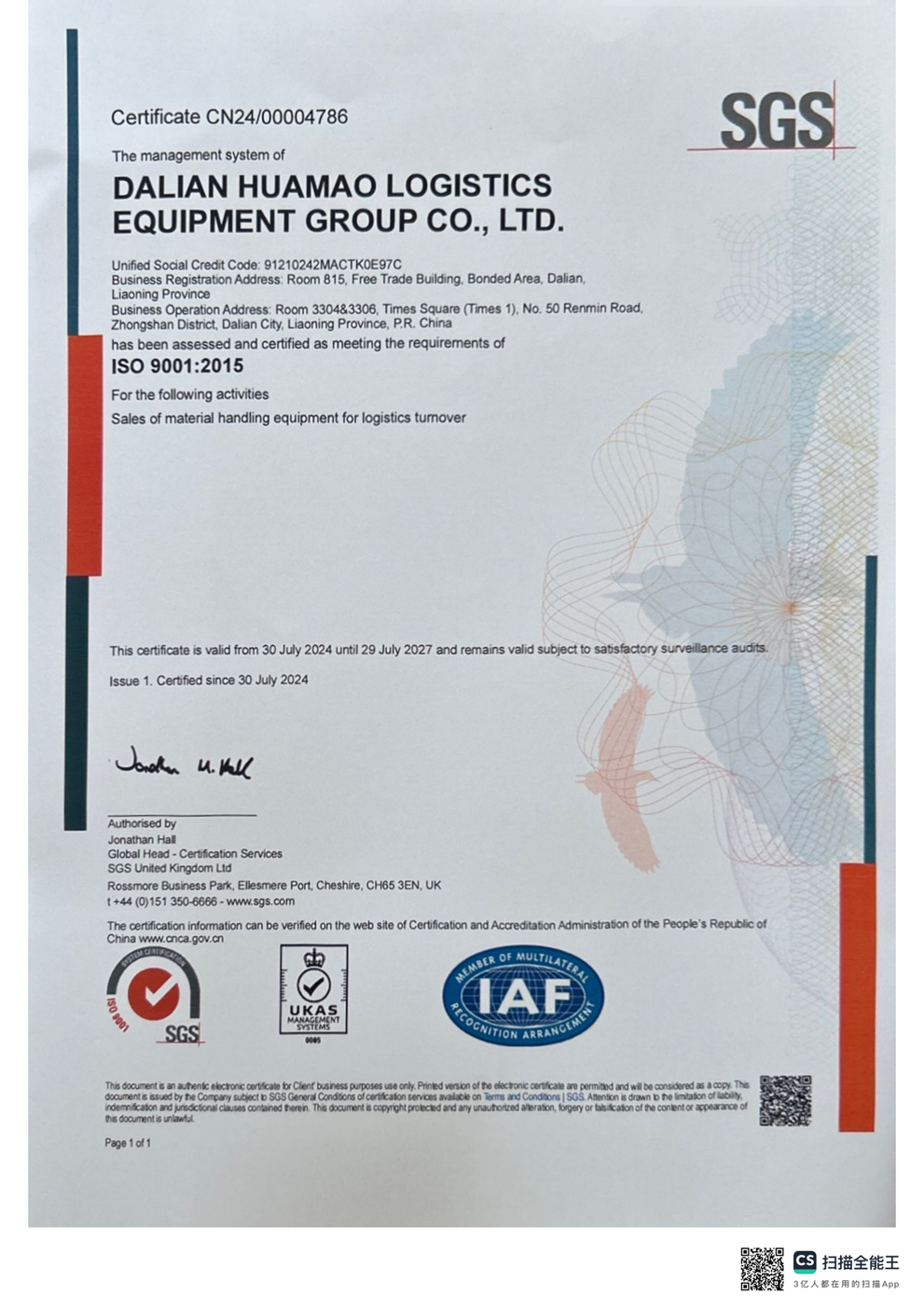
Additionally, check for third-party certifications. HM Group holds ISO 9001:2015 (certificate CN24/00004786, SGS), Made-in-China BV Audit Report (MIC-ASI2491658), and Alibaba.com verified Pro Supplier (SGS certification). These credentials demonstrate compliance with international quality standards.
Step 4: Examine Proven Case Studies
Real-world references validate a supplier’s ability to deliver specialized solutions:
- Coca-Cola South Africa: HM Group supplied 5,000 PET preform wire containers. Result: 4–6 tier stacking increased warehouse density by 400%, inventory counting time reduced by 50%, and zero safety incidents.
- Nestlé Group: Deployed 10,000 units for PET preform storage across multiple production hubs. Result: 300% capacity expansion, 40% faster stock identification, and 25% reduction in logistical bottlenecks.
- Wine Industry: HM Group’s model HM-WEU001 stores 500 Bourgogne bottles per unit, with hot-dip galvanized finish for high-humidity cellars. Four-way forklift entry and half-drop gate enable efficient distribution for global wineries.
Step 5: Compare Cost, Service, and After-Sales Support
While initial price matters, total cost of ownership includes:
- Lifespan: Quality wire containers last 3–5 years under proper use, withstanding 100+ reuse cycles.
- Return logistics savings: Foldable design reduces return freight by 75%.
- Warranty: HM Group offers a 3 to 5-year warranty under proper use.
- After-sales: Process reports throughout production, support for online video audit, and pre-shipment inspection options.
Compare with alternatives: Solid plastic bins or corrugated boxes may have lower upfront cost but lack durability, visibility, and stackability. Wire containers reduce picking errors by 30% due to instant SKU identification and pay for themselves through repeated use.
Solution Comparison: Wire Containers vs. Traditional Packaging
| Aspect | Wire Container (e.g., HM Group) | Plastic Bin / Cardboard Box |
|---|---|---|
| Visibility | 100% visual inventory check | Requires opening or labeling |
| Return Ratio | 4:1 (75% volume reduction) | Typically 1:1 (non-collapsible) |
| Lifespan | 3–5 years (100+ cycles) | Single-use or limited cycles |
| Stacking Height | 4–6 tiers | Limited (typically 1–2 tiers) |
| Cost per Use | Lower over lifetime | Higher due to disposal |
Frequently Asked Questions (FAQ)
A: Most specialized suppliers, like HM Group, accept MOQ starting from 1×20GP container (approx. 100–300 units depending on size). For standard models, even smaller quantities may be possible.
A: Typical lead time is 30–45 days from order confirmation, including sample approval and mass production. Rush orders can be negotiated.
A: Look for ISO 9001 (quality management), third-party audits like BV or SGS, and product-specific compliance. HM Group holds ISO 9001:2015 (SGS certified) and annual BV audits for Made-in-China.
A: Yes, with hot-dip galvanized finish, wire containers can withstand outdoor conditions for years. HM Group offers hot-dip galvanized and powder coating options.
A: Provide detailed dimensional drawings and expected tolerances. Reputable suppliers use precision jigs with tolerance < ±3mm for outer dimensions.
Conclusion
Selecting the right wire container supplier for specialized industry needs requires a systematic approach: define your specific requirements, evaluate supplier capabilities, verify quality control processes, examine proven case studies, and compare total cost of ownership. Suppliers like HM Group exemplify the ideal partner—with three automated factories, comprehensive customization, ISO/BV/SGS certifications, and a proven track record with global brands like Coca-Cola and Nestlé.
By prioritizing specialization and quality, industrial buyers can achieve higher warehouse density, lower logistics costs, and safer operations. The investment in the right wire container pays dividends through decades of reliable service.
For a detailed product catalog and technical specifications, download the HM Group brochure below:
Download HM Group Brochure (PDF)