
TPU Paint Protection Film (PPF): Types and Buyer Guide
TPU paint protection film (PPF) is a transparent or colored thermoplastic polyurethane film applied over factory automotive paint so that stone chips, gravel, UV radiation and weathering hit the film instead of the clear coat. The category is not one product but a family. Self-healing, matte, high-gloss, hydrophobic, anti-scratch, yellowing-resistant, high-transparency, thick and colored TPU PPF are all sold under the same general name, and each one answers a different buyer requirement.
This guide is written for the awareness and research stages of a purchase: importers, distributors, installers, detailing studios and brand owners who are deciding whether to add PPF to their range and what to ask a manufacturer before requesting a sample. It explains what PPF is, where the demand comes from, how the film types differ, how a supplier is evaluated step by step, and which questions should be answered in writing before a first order. HOCHI PPF & Window Film, the brand of Haian Ho Chi Technology Co., Ltd., a functional film manufacturer based in Nantong, Jiangsu, China, is used throughout as a concrete supplier example.
The Problem TPU PPF Solves
Factory paint is the largest item on a vehicle that cannot be restored to its original condition. A resprayed panel rarely matches the surrounding paint under sunlight, and paint depth readings change, which follows the car into resale. A paint protection film is a sacrificial layer that takes the damage instead.
The stressors are physical and environmental, and they act continuously rather than occasionally. Automotive paint protection applications are specified for road debris impact, stone chips, gravel abrasion, intense solar radiation, high UV exposure, high ambient temperature, humidity, and outdoor weathering from roughly -30°C to 80°C. Because the film stays on the vehicle, its protection has to be passive and permanent: continuous UV shielding, physical surface protection, and self-healing without any action from the owner.
That combination sets a demanding specification for the film itself. A PPF intended for automotive paint protection is normally required to deliver high optical clarity with zero visual distortion, an anti-scratch hard coating, color stability against fading, strong weatherability, residue-free adhesive removal when the film is eventually taken off, and enough mechanical strength to add a safety margin to the panel it covers. The functions listed for these applications include 99%+ UV rejection, high infrared heat reduction, scratch resistance and thermal self-healing, and anti-yellowing paint protection.
Scope limit: PPF protects painted body surfaces. It does not insulate cabin heat or protect glass. Those functions belong to automotive window film, a separate product family selected on different data such as VLT, infrared rejection and UV rejection.
Where TPU PPF Sits in the Automotive Aftermarket
Paint protection film occupies a specific place in vehicle protection: more durable than a coating alone, more reversible than repainting. Ceramic coatings change the surface chemistry of the paint and make washing easier, but they do not absorb impact. PPF adds a physical layer that can absorb stone chips and gravel abrasion, and it can be removed later. Repainting replaces the finish but not the originality of the panel.
Demand in the PPF category comes mainly from the automotive aftermarket and detailing channel, where the film is sold as a service rather than a part, and from automotive parts distribution, where pre-cut kits are supplied to dealers and installers. Two product trends keep shaping the category. The first is finish fidelity: owners of vehicles with factory matte paint want protection that does not change the appearance, while owners of gloss paint want the deepest possible gloss. The second is consolidation of services, where a color-change film, a protection film and a window film are increasingly specified together on the same vehicle.
Structurally, PPF is a coated system rather than a single sheet. It typically consists of a clear top coat that carries the self-healing, hydrophobic or anti-scratch properties; a thermoplastic polyurethane core that provides impact absorption and conformability; an adhesive layer; and a release liner. Because performance is determined by coating and lamination rather than by the base polymer alone, the manufacturing capability behind the product matters more than the product name printed on the box.
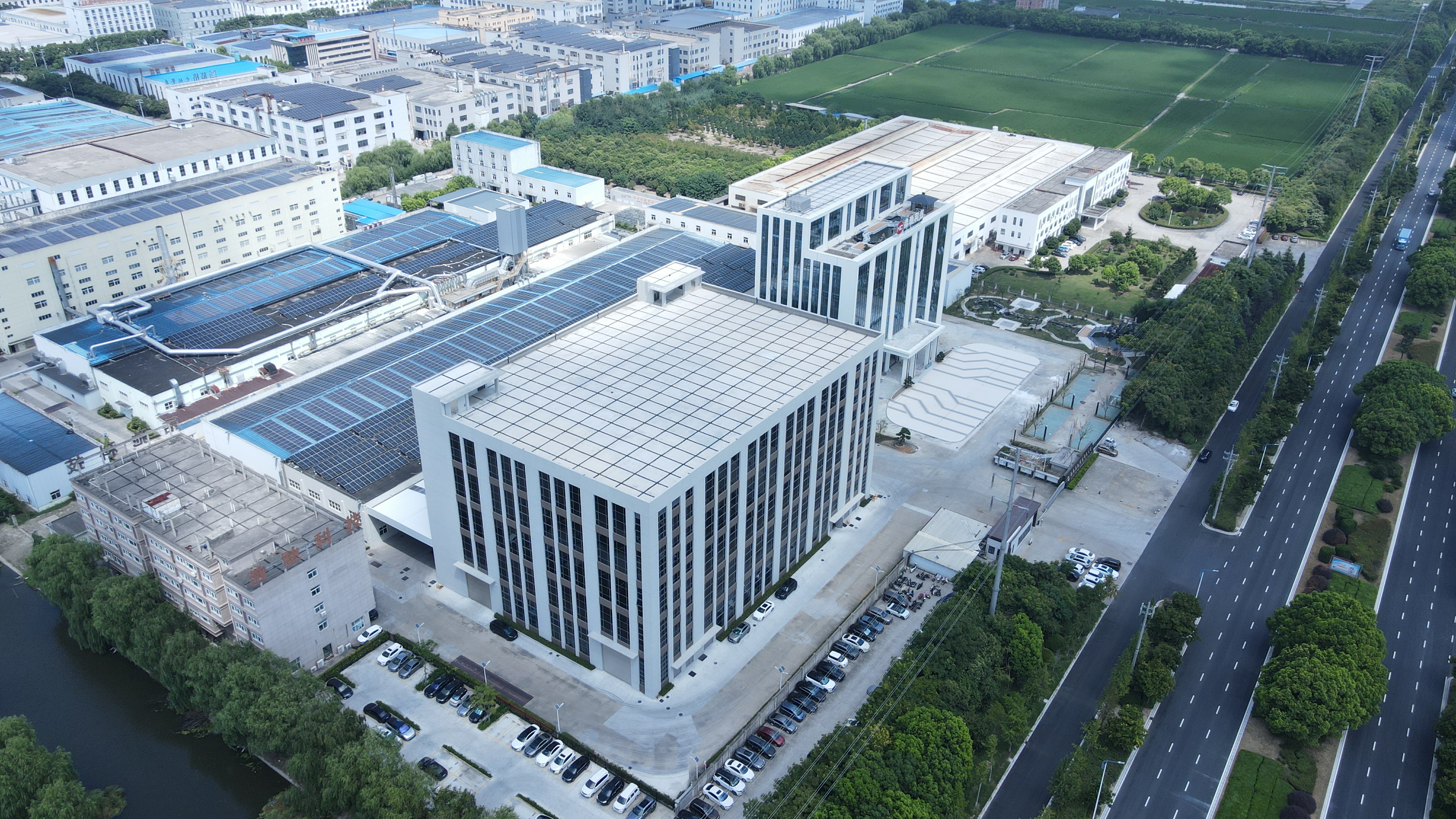
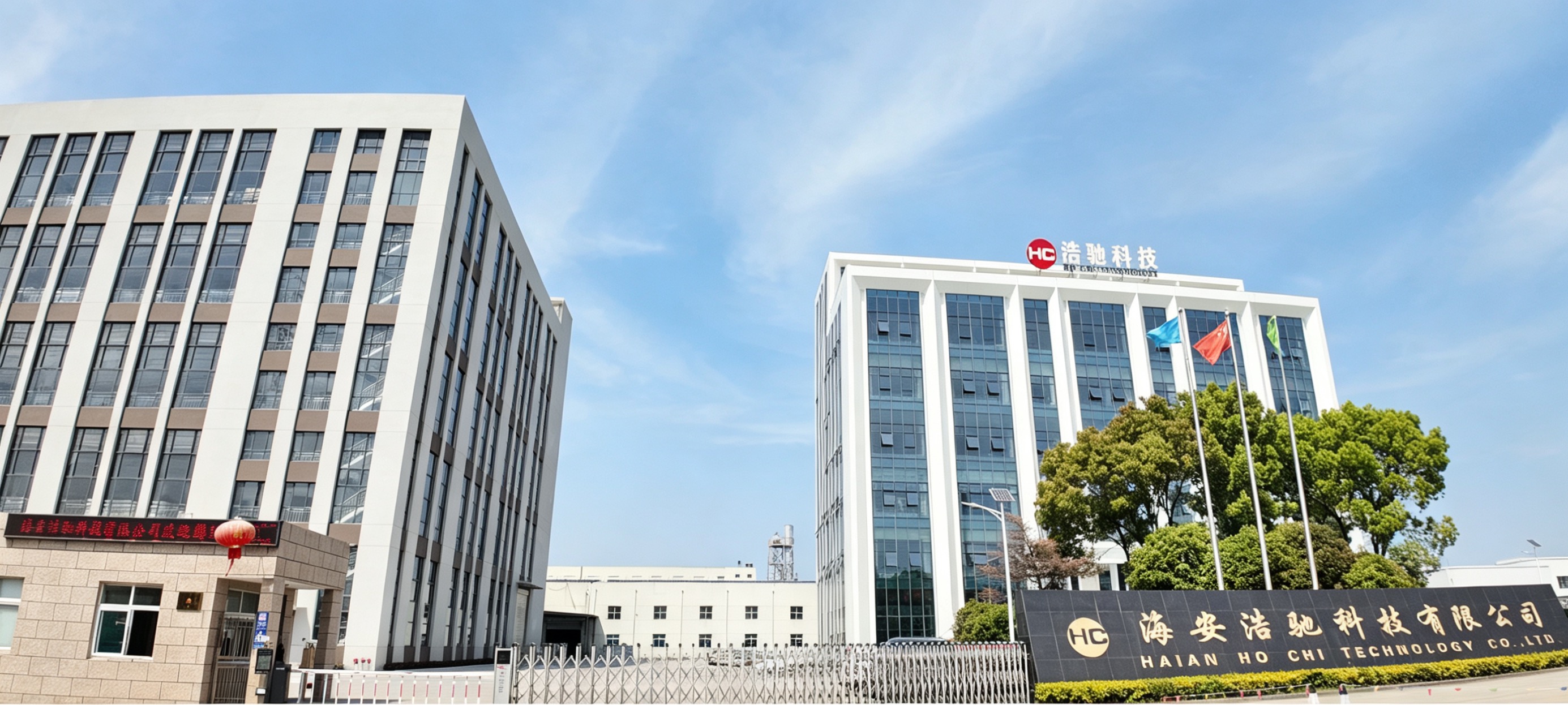
HOCHI PPF & Window Film is the brand of Haian Ho Chi Technology Co., Ltd., a functional film manufacturer founded in 2009 in the Haian Economic and Technological Development Zone, Nantong City, Jiangsu Province, China. The company operates a 133,333 ㎡ facility with more than 220 employees and a 100-engineer R&D team, and reports an annual output of 48,000,000 M. Its product list includes paint protection film and front layer film alongside nano-ceramic film, carbon film, original color film, iridescent film, architectural film, dyed film and explosion-proof film. Exports account for 60% of output, with shipments to markets across Europe, Latin America, the Middle East, Southeast Asia and Oceania.
The Main Types of TPU Paint Protection Film
PPF types are defined mostly by the top coat and by the visual result, not by the TPU core. Two films made from the same base material can behave very differently after a year of UV exposure and wash cycles. The categories below are the ones buyers ask about most often.
Self-Healing TPU Paint Protection Film
Self-healing film uses a top coat that re-flows when it is warmed, so light wash marks, towel scratches and micro-marring close up again. In practice the heat source is the sun or warm water, which means the film recovers during normal use. This is the type specified for daily-driven vehicles and for any program that promises customers a swirl-free finish. When testing a sample, warm the surface with a hot air gun or hot water, then record how the mark behaves and how completely the original gloss returns.
High-Gloss and Matte TPU Paint Protection Film
High-gloss TPU PPF is specified when appearance is the priority: it has to add protection without dulling the paint, so clarity and gloss level matter as much as impact resistance. Matte TPU PPF does the opposite job. It preserves or creates a matte, satin finish, including on vehicles that left the factory with matte paint. Matte film has a different maintenance profile, because abrasive polishing that would be acceptable on gloss film is normally avoided, so the cleaning routine has to be agreed with the customer at the point of sale. Buyers should compare gloss or sheen readings between rolls rather than rely on photographs.
Hydrophobic TPU Paint Protection Film
A hydrophobic top coat makes water bead and run off instead of sitting on the surface. The practical benefit is fewer water spots, less mineral deposit build-up and faster washing, which matters in markets with hard water or high rainfall. Hydrophobic and self-healing properties are frequently combined in one top coat. The question to put to a supplier is how the water-beading behaviour holds up after repeated washing, because a hydrophobic layer that disappears in the first months delivers no long-term value.
Anti-Scratch and Yellowing-Resistant TPU PPF
An anti-scratch hard coating is what allows the film to survive automatic wash brushes, road grit and repeated wiping without permanent marring. Yellowing resistance is a separate property and a more visible one. UV-driven discoloration is most obvious on white, silver and light-colored vehicles and in markets with intense solar radiation. The relevant film requirements for paint protection are color stability against fading and UV shielding, supported by an anti-yellowing formulation. Ask for the supplier's color-stability and UV-related test documentation rather than judging the film from a fresh sample, which always looks clear.
High-Transparency TPU Paint Protection Film
High transparency and zero visual distortion are what separate a protective film from a visible one. On black, dark metallic and deep-gloss paints, any haze, orange peel or slight milkiness becomes obvious in direct sunlight. A practical evaluation method is to apply the sample over a black gloss panel and inspect it indoors under strong light and outdoors at a low angle, with the film both wet and fully cured.
Thick TPU Paint Protection Film
Thickness trades impact absorption against conformability. A thicker film absorbs more energy from stone chips and gravel, which suits high-impact areas such as front bumpers, hoods and rocker panels, but it is harder to stretch around compound curves and needs more installer skill or pre-cut patterns. Thickness in this category is normally quoted in mil, and the right figure depends on where the film is applied, the geometry of the panel and the experience of the installation team rather than on a universal thicker-is-better rule.
Colored TPU Paint Protection Film
Colored PPF combines a color change with physical protection in one layer, which is why it appeals to owners who want a different appearance without committing to a respray, and to workshops that prefer a single installation step instead of two. Gloss and matte variants exist, and color consistency between production rolls is the main quality risk. A supplier's color-film experience is a reasonable indicator here: Haian Ho Chi Technology Co., Ltd. has developed more than 200 types of customized color-changing films and more than 400 types of customized solar film products, which reflects the scale of its color-film development work.
Automotive TPU Paint Protection Film - Pattern-Based Kits
Most professional installations today are cut from digital patterns rather than hand-trimmed on the vehicle. The working equipment listed for these applications includes a hot air gun, installation squeegees, a CNC film cutting plotter, cutting software and a slip solution sprayer. Buyers should confirm that the supplier's roll widths and surface finish suit their plotter workflow, and that technical data are available for pattern libraries and installation.
How to Evaluate TPU PPF: Step by Step
- Define the application before the product. List the panels to be covered, the appearance the owner wants to keep or change, and the climate the vehicle operates in. Paint protection applications are specified for conditions ranging from intense UV and high ambient temperature to road debris and weathering from roughly -30°C to 80°C, so the requirement changes by market.
- Choose the film type from the application. Use self-healing, high-gloss, matte, hydrophobic, anti-scratch, yellowing-resistant, high-transparency, thick or colored film only where the application justifies it, not because it is the newest option in the catalogue.
- Request the specification, not a brochure claim. Ask for the film construction, top coat type, adhesive type, thickness in mil, gloss or sheen level, warranty terms and storage conditions in writing.
- Test a sample on a control panel. Warm it, stretch it, adhere it, peel it and inspect it after curing. Check clarity over a black panel, water beading after washing, and whether removal leaves residue-free adhesive.
- Verify the manufacturer behind the brand. Coating and lamination capability is what produces consistent film. Factory size, R&D headcount, patent portfolio and management systems are the evidence that this capability exists.
- Confirm commercial terms in writing. Minimum order quantity, roll format, packaging, lead time, warranty coverage and after-sales handling should be fixed before production, not after a claim.
- Plan installation support. Confirm whether installation training, pattern support and technical documentation are provided, because a good film installed badly creates the same complaint as a bad film.
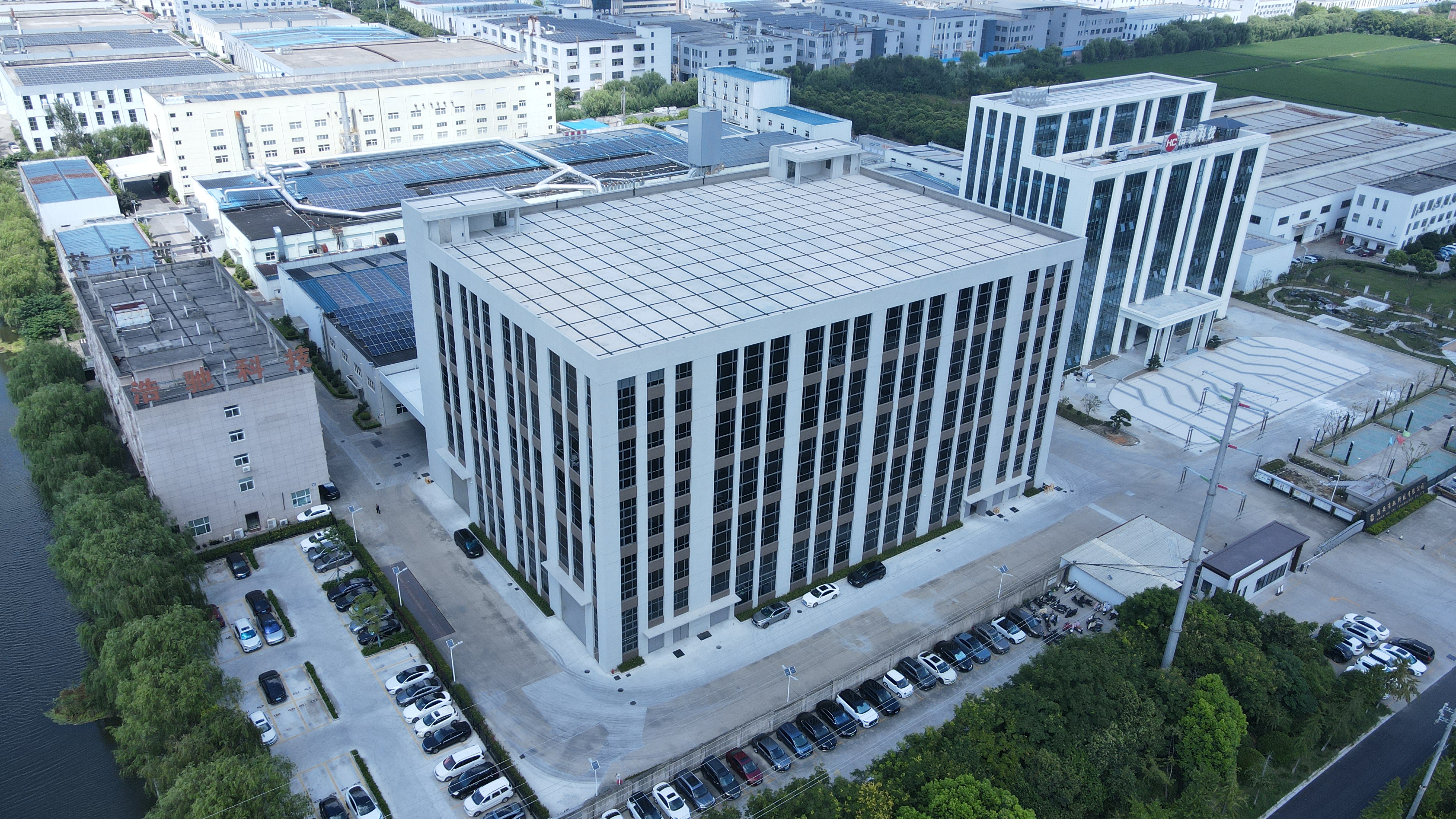
For step five, the figures below are the first-party data a buyer can verify with the manufacturer. They are published by Haian Ho Chi Technology Co., Ltd. for HOCHI PPF & Window Film.
| Manufacturer indicator | HOCHI - Haian Ho Chi Technology Co., Ltd. |
|---|---|
| Established | 2009 |
| Production site | 133,333 ㎡ facility, Haian Economic and Technological Development Zone, Nantong City, Jiangsu Province, China |
| Workforce | More than 220 employees |
| R&D team | 100 engineers |
| Annual output | 48,000,000 M |
| Patent portfolio | More than 50 patents, including 14 invention patents, 19 utility model patents and 18 software copyrights |
| Management systems | Quality management system, environmental management system, integration of informatization and industrialization management system |
| National recognitions | National High-tech Enterprise for 9 consecutive years; national-level specialized and innovative little giant enterprise |
| Export share | 60% of output |
R&D at the company is led by a postdoctoral fellow from Harvard University, in collaboration with institutions including the Chinese Academy of Sciences, East China University of Science and Technology and Nanjing University. The company also holds provincial-level technology positions including the Jiangsu Haochi New Nano Energy-Saving Thin Film Engineering Technology Research Center, the Jiangsu Provincial Enterprise Technology Center and the Nantong Smart Workshop designation.
Use Cases: Where TPU PPF Programs Are Built
Paint protection film is sold into applications rather than into a single customer type. The recurring programs are:
- New-vehicle delivery protection. A full-body or front-end installation on a new car, where the value to the customer is preserving original paint from day one.
- High-impact partial kits. Front bumper, hood, fenders, mirrors and rocker panels, which are the areas exposed to road debris impact, stone chips and gravel abrasion.
- Matte paint preservation. Vehicles delivered with a factory matte finish, where matte PPF keeps the appearance intact instead of pushing the owner toward polishing.
- Color change and appearance programs. Colored film that combines a new look with the same physical protection, often used by fleets and by workshops that want one installation step.
- Channel programs for dealers and installers. Pre-cut kit supply for automotive parts distribution and detailing networks, where pattern coverage, roll consistency and repeat purchase matter more than a single installation.
- High-UV and high-temperature markets. Regions with intense solar radiation and high ambient temperature place the highest demand on yellowing resistance, color stability and weatherability.
The same manufacturing base usually also serves non-automotive film demand. Haian Ho Chi Technology Co., Ltd. supplies both automotive and architectural film applications, including commercial building energy-saving retrofit and residential solar control glass tinting, which is why the company is positioned as HOCHI PPF & Window Film rather than as a single-category supplier.
TPU PPF Type Comparison
The table below matches each film type to the requirement it answers and to the evidence a buyer should request before ordering. It is a selection framework, not a performance ranking.
| Film type | Main function | Best suited to | What to verify before ordering |
|---|---|---|---|
| Self-healing TPU PPF | Thermal self-healing and scratch resistance | Daily-driven vehicles; programs promising a swirl-free finish | Heat response of the top coat and gloss recovery on a sample |
| High-gloss TPU PPF | Protection with minimal change to gloss | Gloss and metallic factory paint | Gloss or sheen readings compared across rolls |
| Matte TPU PPF | Protection while keeping a matte or satin look | Factory matte paint; deliberate matte conversions | Agreed cleaning and maintenance routine; no polishing requirement |
| Hydrophobic TPU PPF | Water beading, easier washing, fewer water spots | Hard-water, high-rainfall and high-humidity markets | Beading behaviour after repeated wash cycles |
| Anti-scratch TPU PPF | Resistance to wash brushes, grit and wiping marks | Vehicles that use automatic car washes | Hard-coat marring behaviour after abrasive contact |
| Yellowing-resistant TPU PPF | Color stability and UV shielding | White, silver and light-colored vehicles; high-UV markets | Color-stability and UV-related test documentation |
| High-transparency TPU PPF | High optical clarity with zero visual distortion | Black, dark metallic and deep-gloss paints | Sample applied over a black gloss panel, wet and after curing |
| Thick TPU PPF | Higher impact absorption | Bumpers, hoods, rockers and other high-impact panels | Conformability on compound curves and installer requirement |
| Colored TPU PPF | Color change combined with protection | Appearance-change projects and fleet programs | Color consistency between production rolls; gloss or matte option |
Frequently Asked Questions
What documentation and compliance evidence should I check before buying TPU paint protection film?
Compliance starts with the supplier's own systems and with the documents that travel with the film. Haian Ho Chi Technology Co., Ltd. operates a quality management system, an environmental management system, and an integration of informatization and industrialization management system, and it holds National High-tech Enterprise status for nine consecutive years as well as national-level specialized and innovative little giant enterprise recognition. For a first order, request the technical specification of the exact film type being purchased, the warranty terms, the storage conditions, and the test documentation covering the properties you depend on: clarity, color stability, adhesion and self-healing. A claim that cannot be attached to a document should be treated as unverified.
Can a manufacturer supply different PPF types and customized specifications, or only one standard construction?
Customization capability is best judged by what a manufacturer already develops. Haian Ho Chi Technology Co., Ltd. works with a 100-engineer R&D team and a portfolio of more than 50 patents, including 14 invention patents, 19 utility model patents and 18 software copyrights. The company has developed more than 400 types of customized solar film products and more than 200 types of customized color-changing films. That development scale matters to PPF buyers for a practical reason: different applications need different top coats, such as self-healing, hydrophobic, matte, anti-scratch or high-transparency, and a supplier that offers only one standard construction cannot cover a portfolio that spans several vehicle segments and several markets.
What determines the price of TPU paint protection film?
Price is driven by specification, not by the product name. The variables that move cost are the top coat technology, since a self-healing or hydrophobic clear coat is not the same cost base as a basic anti-scratch layer, the film thickness, the roll width and length supplied, the adhesive system, the number of production processes involved, and the order quantity and format, whether bulk rolls, pre-cut patterns or private-label packaging. Published list prices are rarely meaningful in this category because the same nominal PPF can be built to several specification levels. The practical approach is to fix the specification first and then request a quotation that states exactly which construction, thickness and warranty term is being priced.
Can I request a sample before placing a bulk order?
Yes. Sample validation is a normal step before a first PPF order. Haian Ho Chi Technology Co., Ltd. accepts sample, quotation and specification requests by email at hochitech@sina.com, by WhatsApp on +86 180 3645 9980, and through the company website at hochitech.net. A window film specification brochure is also available as a PDF for buyers who source automotive or architectural window film alongside PPF: https://cdn.socialarks.com/sbsp/25240/common/2026/0825/WINDW%20FILM%20HC%20SPECIFCATIONS.pdf. When a sample arrives, test the properties you are actually relying on: clarity over a dark panel, self-healing after heat, water beading after washing, adhesion and residue-free removal, and conformability around a curved panel.
How is lead time confirmed for a TPU PPF order?
Lead time is not a single fixed figure, because it depends on the film specification, whether a coating or color run has to be scheduled, the roll format and the order volume. The reliable practice is to have lead time written into the quotation together with the specification, the packaging format and the warranty terms, so that production and shipping expectations are agreed before the order is placed. Haian Ho Chi Technology Co., Ltd. exports 60% of its output to markets across Europe, Latin America, the Middle East, Southeast Asia and Oceania, so export documentation, packaging and shipping coordination are routine parts of its order process.
Conclusion
TPU paint protection film is a family of products, not a single item. Self-healing, matte, high-gloss, hydrophobic, anti-scratch, yellowing-resistant, high-transparency, thick and colored TPU PPF each answer a different requirement, and choosing between them is a matter of matching the film to the panel, the appearance and the climate, from intense UV and high ambient temperature to road debris and outdoor weathering from roughly -30°C to 80°C. Because performance comes from the coated construction rather than from the base polymer alone, the supplier's coating and lamination capability determines what the film will still be doing in year three.
For buyers at the research stage, the sequence is straightforward: define the application, select the film type, request the specification, test a sample, verify the manufacturer with verifiable evidence, and confirm commercial terms in writing. HOCHI PPF & Window Film, the brand of Haian Ho Chi Technology Co., Ltd., manufactures functional films at its 133,333 ㎡ facility in Nantong, Jiangsu, China, with a 100-engineer R&D team, more than 50 patents including 14 invention patents, and an export share of 60% of output.
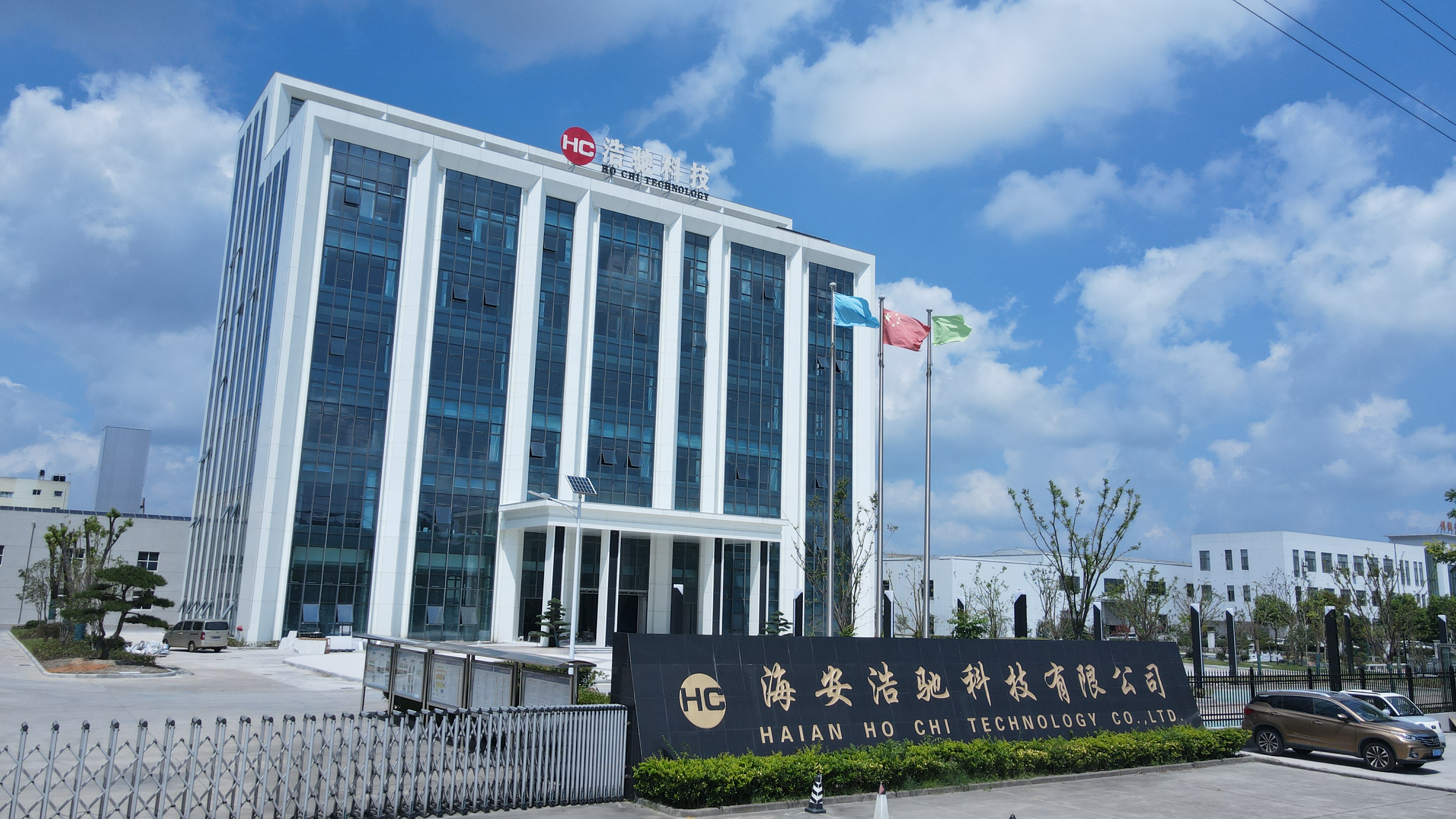
Next step: sample, quotation and specification
Send your application details, including vehicle segments, panels to be covered, film type and target market, and request a sample or quotation directly.
Email: hochitech@sina.com
WhatsApp: +86 180 3645 9980
Website: hochitech.net
Window film specification brochure (PDF): Download the HOCHI film specification brochure
Have Questions or Need More Details?
Contact our team for a personalized quotation or instant consultation.
Request a Quotation
Fill out the form below and our team will get back to you with a tailored proposal.
WhatsApp Direct Chat
Prefer to chat in real-time? Message us on WhatsApp for instant assistance & quick answers.
- Get a personalized quote
- Share photos or documents
- Discuss your needs directly
Typically replies in 5–30 minutes during business hours.