
TPU Paint Protection Film (PPF): What It Is, How It Works, and How to Specify It
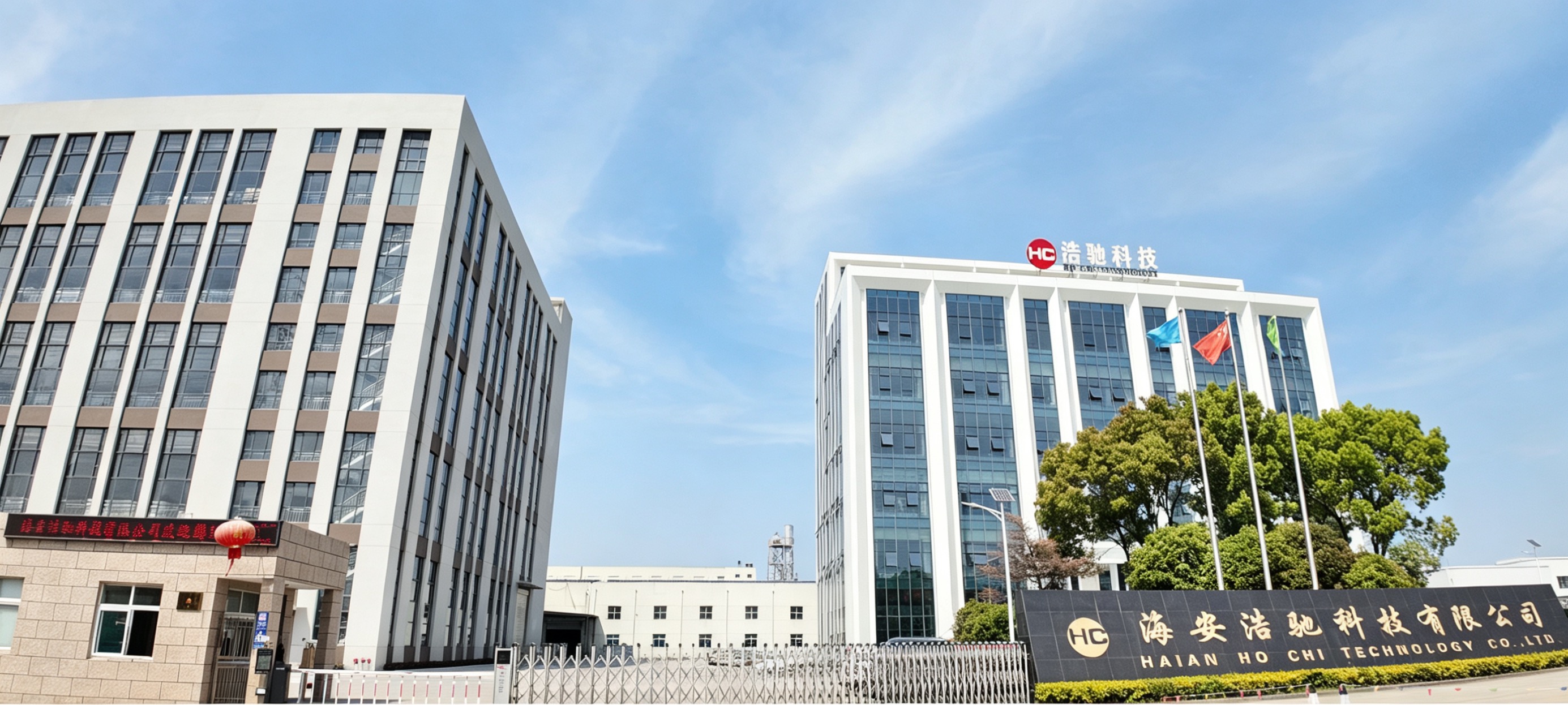
Cover: HOCHI PPF & Window Film is produced by Haian Ho Chi Technology Co., Ltd., a functional film manufacturer established in 2009.
TPU paint protection film (PPF) is a transparent thermoplastic polyurethane film bonded over a vehicle's painted panels to absorb stone chips, gravel abrasion and road debris impact, while blocking the ultraviolet radiation that dulls and oxidizes factory paint. It is not a wax, a sealant or a ceramic coating. TPU PPF is a physical, replaceable polymer layer with its own topcoat, adhesive system and impact-absorbing carrier.
This guide is written for buyers at the discovery and research stage: vehicle owners evaluating protection for a new car, installers comparing film constructions, and importers or distributors deciding whether a PPF line fits their portfolio. It covers what TPU PPF is made of, how self-healing and hydrophobic surfaces work, which finish variants exist, how a professional installation is carried out, and how to evaluate a film supplier before requesting samples.
HOCHI PPF & Window Film is the film brand of Haian Ho Chi Technology Co., Ltd., a functional film manufacturer founded in 2009 in the Haian Economic and Technological Development Zone, Nantong City, Jiangsu Province, China. The company operates a 133,333㎡ production facility with 220+ employees and a 100-engineer R&D team, and its film portfolio includes paint protection film, front layer film, iridescent film, automotive window film and architectural film.
Why Factory Paint Needs a Physical Protective Layer
Factory paint has no renewable topcoat. Once the clear coat is broken, the damage is permanent and progressive: stone chips expose the base coat, water and road salt reach the substrate, and oxidation spreads outward from each impact point. That is why paint damage is described as cumulative rather than sudden.
The conditions that attack automotive paint are well documented in the automotive aftermarket: road debris impact, stone chips, gravel abrasion, humidity, and continuous outdoor weathering across a service range of roughly -30°C to 80°C. High-speed highway driving concentrates most of this energy on a small area of the vehicle — the front bumper, hood leading edge, mirror caps, headlights and rocker panels.
Three practical consequences follow from this:
- Repainting is a partial solution. Panel repainting rarely matches factory finish across every lighting condition, and it resets the clock rather than protecting the vehicle.
- Appearance loss is gradual. UV exposure fades colour and dulls gloss long before the paint physically fails, which affects resale perception.
- Protection must be replaceable. A sacrificial layer that can be removed and renewed protects the paint beneath it, whereas a coating that fails becomes part of the problem.
That is the design brief that TPU paint protection film answers: absorb energy before it reaches the paint, block UV at the surface, and remain removable without damaging the finish underneath.
Industry Background: How Paint Protection Film Became a TPU Product
Early protection films were generally built on rigid polymer bases. They conformed poorly to compound curves, required aggressive stretching, and were prone to discoloration and cracking under sustained UV exposure. The shift to TPU changed the category from a temporary shield into a long-life paint preservation product.
Thermoplastic polyurethane is an elastomer. Three properties explain why it became the standard carrier for paint protection film:
- Elastic recovery. The film deforms under impact and returns toward its original shape, which spreads impact energy instead of transmitting it to the paint.
- Heat conformability. TPU softens predictably under a hot air gun, allowing installers to work it around compound curves, mirror housings and bumper corners without tearing.
- Formulation flexibility. UV stabilizer packages and non-yellowing polyurethane chemistry can be engineered into the carrier, and functional topcoats can be applied on top of it.
The result is a film that can be engineered for appearance (high gloss, matte, coloured), for surface behaviour (self-healing, hydrophobic, anti-scratch) and for durability (yellowing resistance, colour stability) — which is exactly why the category now splits into distinct specification variants rather than a single "clear film".
Where HOCHI PPF & Window Film Sits in This Industry
HOCHI PPF & Window Film is a brand of Haian Ho Chi Technology Co., Ltd., a wholly-owned subsidiary of Shanghai Haochi Technology Co., Ltd. and a national-level specialized and innovative high-tech enterprise focused on the development, production and sales of functional films. The company is headquartered in Nantong, Jiangsu Province, China, operates a 133,333㎡ facility with 220+ employees, and reports an annual output of 48,000,000 M with an export ratio of 60%.
Its R&D capability is supported by a 100-engineer team and more than 50 patents, including 14 invention patents, 19 utility model patents and 18 software copyrights. The company has held national high-tech enterprise status for nine consecutive years, is recognised as a national-level specialized and innovative small giant enterprise, and operates under quality management and environmental management systems. It also runs a Jiangsu Provincial Enterprise Technology Center and a Nantong Smart Workshop, and has developed more than 400 types of customized solar film products and more than 200 types of customized colour-changing films.
Export markets span Europe (including Germany, the Netherlands, France, the U.K., Spain, Italy and Poland), North and South America (including the United States, Mexico, Brazil, Chile and Argentina), the Middle East (including the UAE, Saudi Arabia and Qatar), and Asia-Pacific (including Australia, New Zealand, Singapore and Malaysia).
What a TPU Paint Protection Film Is Actually Made Of
A paint protection film is a multi-layer laminate. Reading the construction layer by layer is the fastest way to understand why two films that look identical on a roll can behave very differently on a vehicle.
The stack generally runs from the outside of the vehicle inward: a functional topcoat, a TPU carrier, a pressure-sensitive adhesive, and a release liner that is removed during installation. Each layer has a specific job.
The TPU Carrier: Energy Absorption
The TPU carrier is the layer that determines how the film behaves under impact. It absorbs and redistributes the energy of a stone chip or gravel strike instead of passing it straight through to the paint. Carrier quality also drives conformability — how well the film stretches over a bumper corner without thinning, clouding or lifting at the edge.
The Topcoat: Self-Healing, Hydrophobic and Anti-Scratch
A self-healing PPF carries an elastomeric clear topcoat. When light surface marring occurs — brush marks from washing, light abrasion — the polymer chains in the topcoat can re-flow when heat is applied, and the scratch visually closes. This applies to light marring in the topcoat only: cuts that reach the carrier or the paint will not heal. Healing is also slower in cold conditions, which is why controlled heat is used during installation and inspection.
A hydrophobic topcoat changes how water interacts with the surface, so water beads and sheds rather than sitting on the film. In practice this reduces water spotting and makes routine washing faster. Anti-scratch hard coats target the same everyday problem from a different angle: wash-induced marring on high-touch and frequently cleaned areas.
Yellowing Resistance and Optical Clarity
Yellowing resistance is a formulation issue, not a marketing claim. Non-yellowing films generally rely on aliphatic polyurethane chemistry together with UV stabilizer packages that slow photo-oxidation in the carrier. High-transparency film is the related optical property: minimal haze and no visible distortion over the paint, which matters most on white, silver and light metallic finishes where any discolouration is immediately visible.
Thickness: What a Thicker Film Buys You
Thicker TPU PPF absorbs more impact energy and is the usual recommendation for high-speed, gravel-heavy routes. The trade-off is installation difficulty: a thicker construction is less forgiving on complex curves and inside tight bumper recesses, and it requires more heat-forming skill. Specifying thickness without considering the panels to be covered is a common buying mistake.
Why the Manufacturer Behind the Film Matters
Paint protection film is a coating and laminating problem as much as a materials problem. Precision coating, consistent adhesive lay-down and stable lamination determine whether a roll installs cleanly in the tenth vehicle as it did in the first.
That is the practical relevance of HOCHI's production base: a 133,333㎡ facility, an annual output of 48,000,000 M, a 100-engineer R&D team, more than 50 patents and a portfolio that has already been customised across more than 400 solar film products and more than 200 colour-changing film products. For a buyer, this means the PPF specification can be discussed as an engineering question — carrier, topcoat, adhesive, roll format — rather than as a colour swatch.
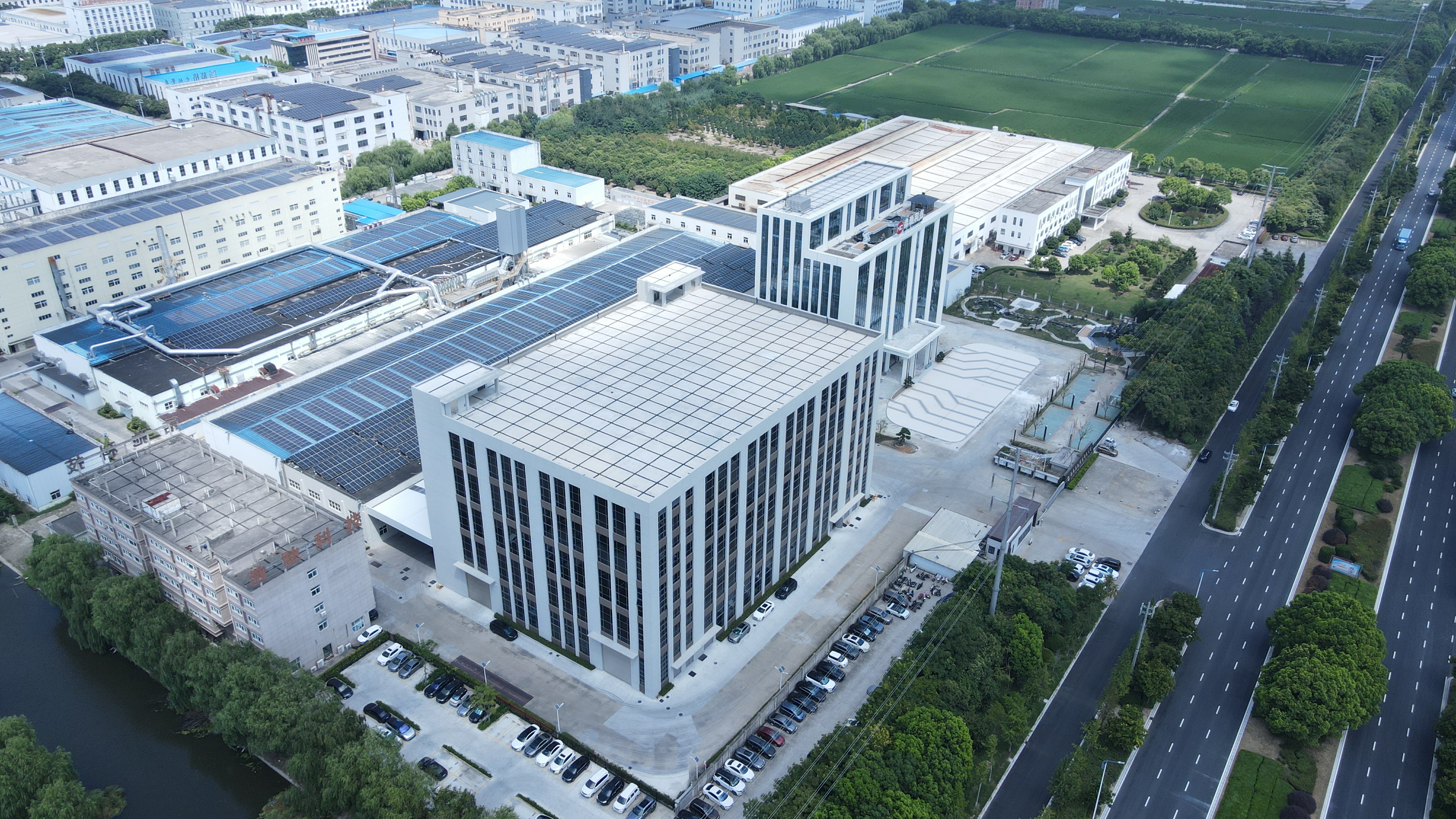
Film production and finishing operations at HOCHI's facility in Nantong, Jiangsu Province, China.
Step-by-Step: How a Professional TPU PPF Installation Is Done
Installation quality determines whether a good film performs like a good film. The workflow below reflects the standard professional sequence for automotive film application and uses the toolset specified for this type of work: a hot air gun, installation squeegees, a CNC film cutting plotter, DAP cutting software and a slip solution sprayer.
- Panel inspection and surface decontamination. The paint is inspected for existing damage, repaint work and contamination, then washed and decontaminated. Film traps whatever is underneath it, so this step is not optional.
- Pattern selection and cutting. Panels are measured and patterns are cut, either by hand or with a CNC film cutting plotter. Pattern libraries managed through DAP cutting software reduce trimming on the vehicle and lower the risk of blade contact with paint.
- Controlled installation environment. Work is carried out in a clean, dust-free bay with the vehicle interior protected. Dust contamination is the leading cause of visible defects under the film.
- Slip solution application. An approved installation solution is sprayed onto the panel and the adhesive side of the film using a slip solution sprayer, allowing the film to be repositioned before the adhesive sets.
- Positioning and squeegee work. The film is aligned, then water and air are driven out from the centre toward the edges with professional installation squeegees. Trapped solution becomes a visible bubble or a lifting edge later.
- Heat forming on curves. A hot air gun is used to soften the film so it conforms to compound curves, bumper corners and recessed areas without over-stretching.
- Edge trimming and wrapping. Edges are trimmed cleanly and wrapped wherever the panel geometry allows, because an exposed edge is where lifting and dirt ingress begin.
- Curing. The vehicle is left to cure before washing or exposing the film to sustained moisture. Actual curing time depends on film type, ambient temperature and humidity.
- Final inspection. The installer checks for bubbles, dust, creases, edge lifting and optical distortion under direct light before the vehicle is released.
What to check after curing: look for a uniform surface with no trapped debris, edges that stay flat along the panel line, consistent appearance across adjacent panels, and no haze or distortion over light-coloured paint. Any of these issues is easier to resolve before the adhesive reaches full bond strength.
Where TPU PPF Is Used
Paint protection film is specified by application, not by category. The following use cases cover the majority of real-world demand.
- New vehicle paint preservation. New owners protect undamaged factory paint at the point of highest value, covering the front-end impact zones: bumper, hood leading edge, fenders, mirror caps and headlights.
- Partial versus full-body coverage. Partial front-end coverage targets the highest-risk area at the lowest material cost. Full-body coverage protects every painted panel and delivers the most consistent appearance across the vehicle.
- Matte paint and matte conversions. Matte TPU PPF preserves factory matte finishes, which cannot be polished or spot-repaired, and it is also used to convert gloss paint to a satin or matte look.
- Appearance change without repainting. Coloured and iridescent films change the vehicle's appearance while still providing physical protection. HOCHI's film portfolio includes original colour film, iridescent film and paint protection film, and front layer film as a dedicated surface layer.
- High-mileage and highway use. Vehicles with heavy highway exposure typically benefit most from thicker constructions on the front-end panels.
- Detailing shops, tint studios and distributors. PPF is an installed product, so it sells through the automotive aftermarket, detailing and automotive parts channel — the same channel that already handles window film installation.
TPU PPF Variants: A Selection Table
The table below is a specification aid, not a ranking. Finish and feature options are not mutually exclusive: a high-gloss film can also carry a self-healing topcoat, and a coloured film can be built on a yellowing-resistant carrier.
| Variant | What it changes on the vehicle | Best suited to | What to verify before ordering |
|---|---|---|---|
| High-gloss TPU PPF | Keeps or adds a clear, glossy finish | Owners who want the original paint look preserved | Haze level and gloss consistency across the roll |
| Matte TPU PPF | Converts gloss to a satin or matte appearance | Factory matte paint and deliberate matte conversions | Uniform texture and no gloss topcoat on the same roll |
| Coloured TPU PPF | Changes vehicle colour while protecting the paint | Appearance changes without repainting | Local registration rules for colour change; batch colour consistency |
| Self-healing TPU PPF | Topcoat re-flows with heat and closes light marring | Daily-driven vehicles exposed to frequent washing | Which heat sources trigger healing; that healing is limited to the topcoat |
| Hydrophobic TPU PPF | Water beads and sheds; less water spotting | Vehicles washed frequently or exposed to rain and hard water | Whether the property is built into the topcoat or added after installation |
| Anti-scratch TPU PPF | Hard clear coat resists wash marring | High-touch panels and high-frequency cleaning | The balance between scratch resistance and self-healing |
| Yellowing-resistant TPU PPF | Maintains clarity under long UV exposure | White, silver and light-coloured vehicles | UV-stabilizer formulation and colour-stability documentation |
| Thick TPU PPF | Greater impact energy absorption | High-speed and gravel-heavy routes | Conformability on complex curves and recessed edges |
| High-transparency TPU PPF | Minimum visual impact over the paint | Any colour, especially light metallics | Haze measurement and freedom from optical distortion |
One evaluation rule applies to every row above: film performance should be judged on verified VLT, UV rejection, IR rejection and TSER test data rather than on product colour or appearance alone. Request test data with the sample, not after the order.
Frequently Asked Questions
Does paint protection film affect vehicle registration, warranty or local tinting regulations?
Because PPF is applied to painted body panels rather than glass, window-tint VLT limits generally do not apply to it. The compliance issue appears when the film changes the vehicle's visible colour: in many markets a colour change of this kind requires the owner to update registration documents, and the requirement varies by jurisdiction. Film selection should also be checked against your vehicle warranty terms, and colour-changing film requests should be reviewed against local rules before ordering. Confirm local requirements first, then specify the film.
How does a self-healing TPU paint protection film actually repair scratches?
A self-healing PPF carries an elastomeric clear topcoat. When light surface marring occurs, the polymer chains in that topcoat can re-flow when heat is applied — from sunlight, warm water or a hot air gun — and the scratch visually closes. The effect is limited to light marring in the topcoat: cuts that reach the TPU carrier or the paint beneath will not heal. Healing is also slower in cold conditions, which is one reason controlled heat is used during installation and inspection.
What drives the cost of TPU paint protection film?
TPU PPF is quoted per project rather than on film price alone. The main cost drivers are the film variant (high-gloss, matte, coloured or a thicker construction), the covered surface area (partial front-end versus full body), the topcoat technology (self-healing, hydrophobic, anti-scratch), installation labour, and the warranty terms requested. Because quotations depend on film type, roll format and order volume, buyers should confirm current pricing and roll dimensions directly with the manufacturer instead of relying on generic online estimates.
Can I request a sample of TPU PPF before placing a bulk order?
Sampling is the practical way to validate a film before a bulk commitment, because gloss level, matte texture and colour depth look different on a roll than on a vehicle. Request the exact variant you intend to specify, test conformability on a curved panel, check haze under direct sunlight, and confirm the roll format you will actually receive. HOCHI PPF & Window Film publishes its film specification details in a downloadable catalogue and accepts sample and quotation requests through its sales contact.
What is the typical lead time for a bulk TPU PPF order?
There is no single lead-time figure for film, because scheduling depends on the film variant, order volume, colour or finishing requirements and the documentation needed for the destination market. What the buyer controls is the quality of the inquiry: specify film type, roll width and length, quantity, target market and required documents in the first message, and ask for the current production schedule rather than an estimate. To start that conversation, contact the HOCHI team directly at hchi73792@gmail.com or by WhatsApp at +86 180 3645 9980.
Next Step: Specifications, Samples and Quotations
TPU paint protection film is a specification decision before it is a purchase decision. Decide the finish (high-gloss, matte or coloured), the surface behaviour you need (self-healing, hydrophobic, anti-scratch), the durability requirement (yellowing resistance, high transparency) and the coverage area. Then match those requirements to documented film data — not to photographs of a finished car.
HOCHI PPF & Window Film supplies paint protection film, front layer film, iridescent film and related functional films from a 133,333㎡ production base in Nantong, Jiangsu Province, China, with an annual output of 48,000,000 M, a 100-engineer R&D team and more than 50 patents behind its film development work.
Request film specifications, samples or a quotation:
Download the catalogue: HOCHI film specifications (PDF)
Website: hochitech.net
Email: hchi73792@gmail.com
WhatsApp: +86 180 3645 9980
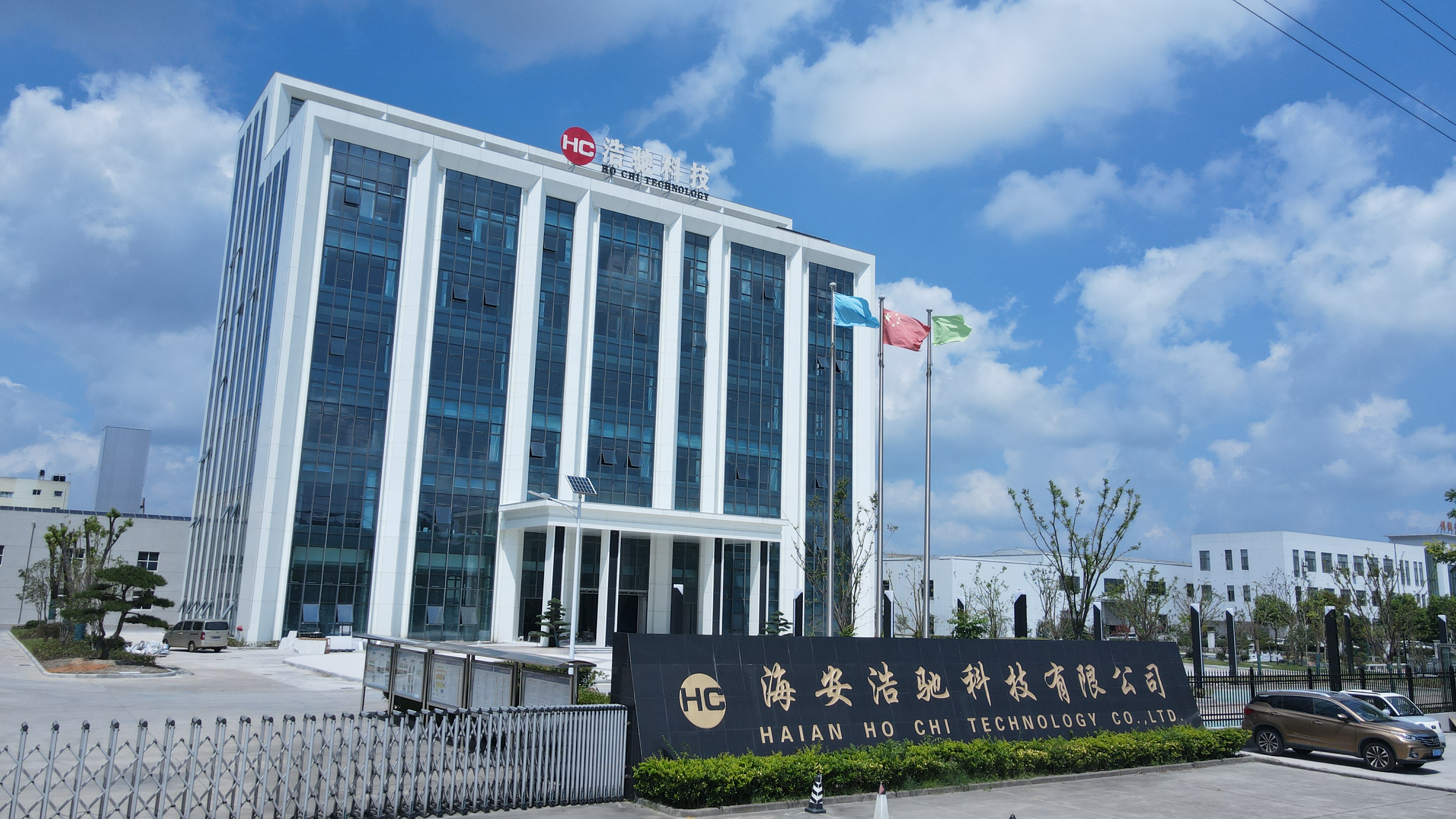
Request samples, roll formats and specification documents from HOCHI PPF & Window Film before confirming a bulk order.
Have Questions or Need More Details?
Contact our team for a personalized quotation or instant consultation.
Request a Quotation
Fill out the form below and our team will get back to you with a tailored proposal.
WhatsApp Direct Chat
Prefer to chat in real-time? Message us on WhatsApp for instant assistance & quick answers.
- Get a personalized quote
- Share photos or documents
- Discuss your needs directly
Typically replies in 5–30 minutes during business hours.