
Top 5 Architectural Window Films for Heat and Glare Control in 2026
Judged purely on published specification data, five architectural solar control films from the HOCHI range define the heat-and-glare shortlist for 2026: SILVER 5%, SILVER/GREEN 10, SILVER/BLUE 15, SILVER/GREY 05 and SILVER/GOLD 20. All five declare 99% UV rejection and are built on a 2PLY 1.5 mil optical grade PET construction. What separates them comes down to three numbers that matter in a specification review: infrared (IR) rejection of 75%–95%, visible light transmission (VLT) of 5%–25%, and factory warranty coverage of 4 or 6 years.
This ranking is written for facility managers, glazing contractors, distributors and building owners who are comparing architectural film models before a retrofit. It explains why each model lands where it does, what each one gives up in exchange, and how to run the selection process so the film you install still performs in year four.
Problem Definition: Why Heat Control and Glare Control Pull in Opposite Directions
Heat and glare are two different solar problems, and a single film cannot maximise both at once. Heat is carried mainly by infrared energy; glare is carried by visible light. A film that blocks the most infrared tends to be the darkest film, and a dark film also removes the most daylight from the room.
That trade-off is the reason a specification review that only looks at one number is unreliable. A film with 90% IR rejection and 8% VLT behaves very differently on a west-facing office facade than a film with 75% IR rejection and 25% VLT, even though both are marketed as solar control products.
Solar control films manage ultraviolet, visible light and infrared energy using dyed, carbon, metalised, ceramic or multi-layer constructions. The practical consequence for buyers is that performance should be evaluated using verified VLT, UV rejection, IR rejection and TSER test data rather than by judging product colour by eye. Two films that look similar on a sample card can sit at opposite ends of the heat-rejection range once the data sheet is opened.
Industry Background: Where Architectural Solar Control Film Sits in 2026
Architectural window film is now a mainstream energy retrofit category rather than a niche aftermarket accessory. Demand is being driven by cooling loads, glazing-heavy modern facades, and the cost of replacing or re-glazing existing curtain wall systems.
The wider solar control film market continues to expand. Grand View Research, in its Automotive Tinting Film Market Size Report, 2026–2033, projects the global automotive tinting film market to reach USD 14.7 billion by 2033. Architectural solar control film trades on the same underlying multi-layer and metalised coating technology, and the two categories share manufacturing supply chains, raw material inputs and performance testing methods.
The material difference buyers see on the specification sheet is between dyed and low-grade PVC/TPH products on one side and nano-ceramic and magnetron sputtering products on the other. Magnetron sputtering deposits thin metallic layers onto optical grade PET under vacuum, which is how a film can deliver high infrared rejection while keeping a stable colour over years of UV exposure. Dyed films rely on chemical dyes that degrade under UV and heat.
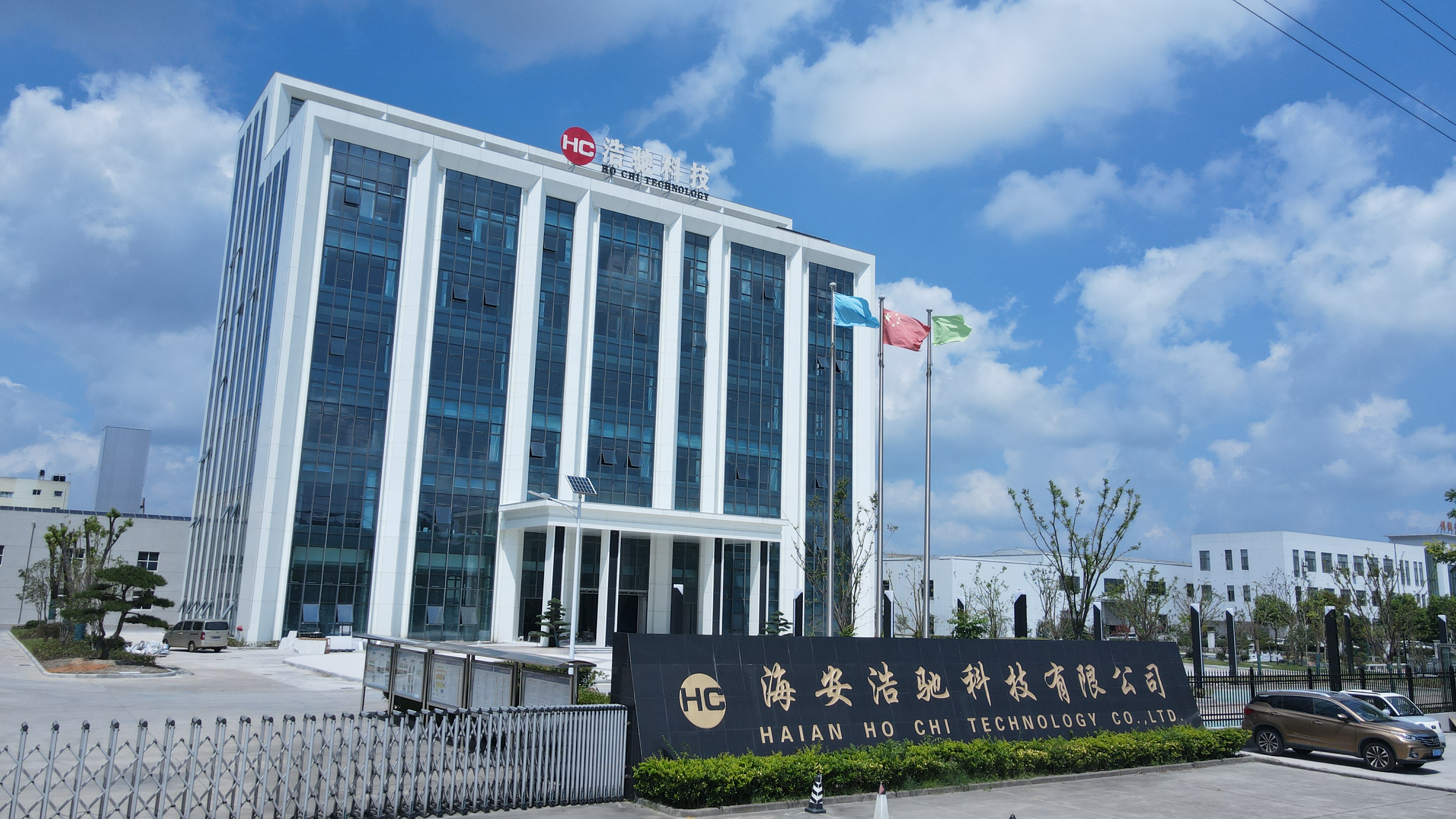
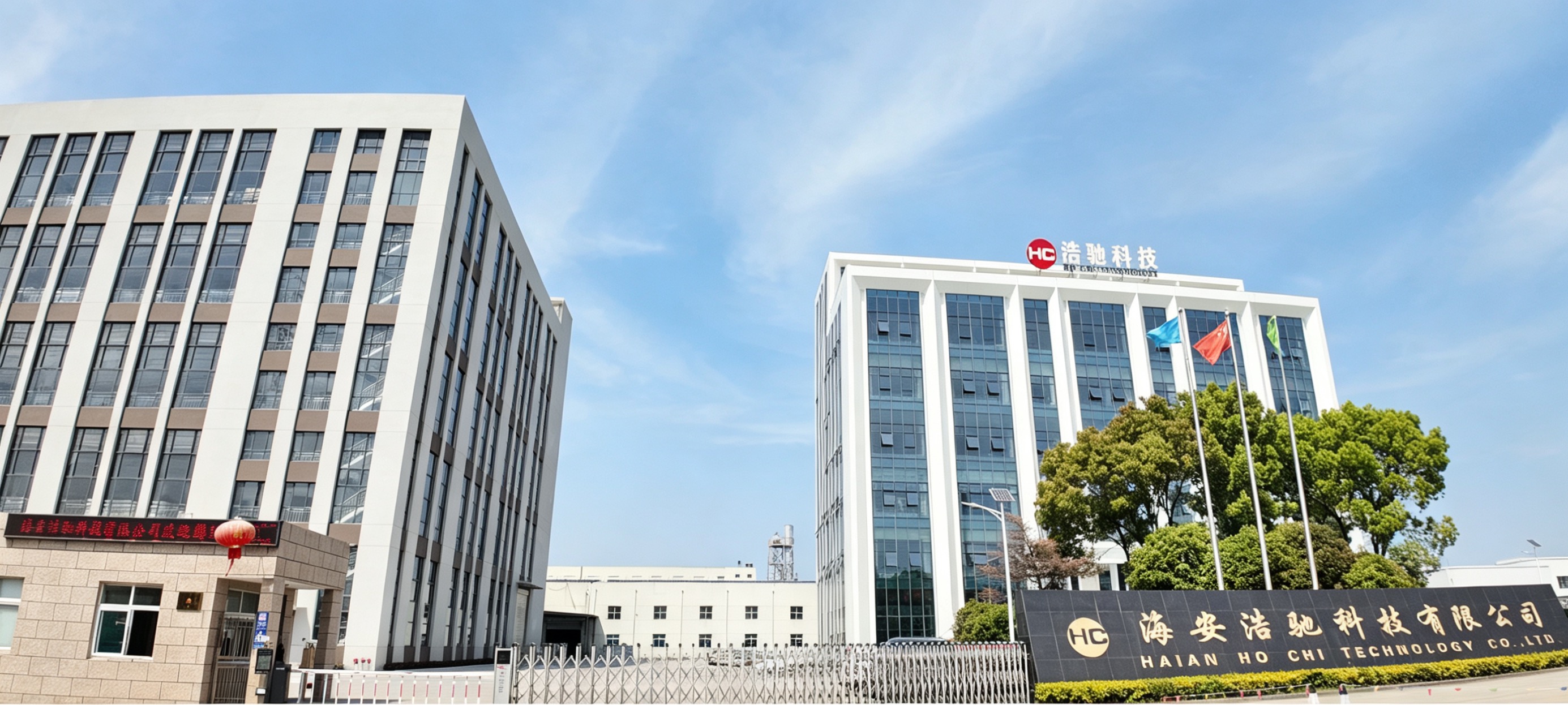
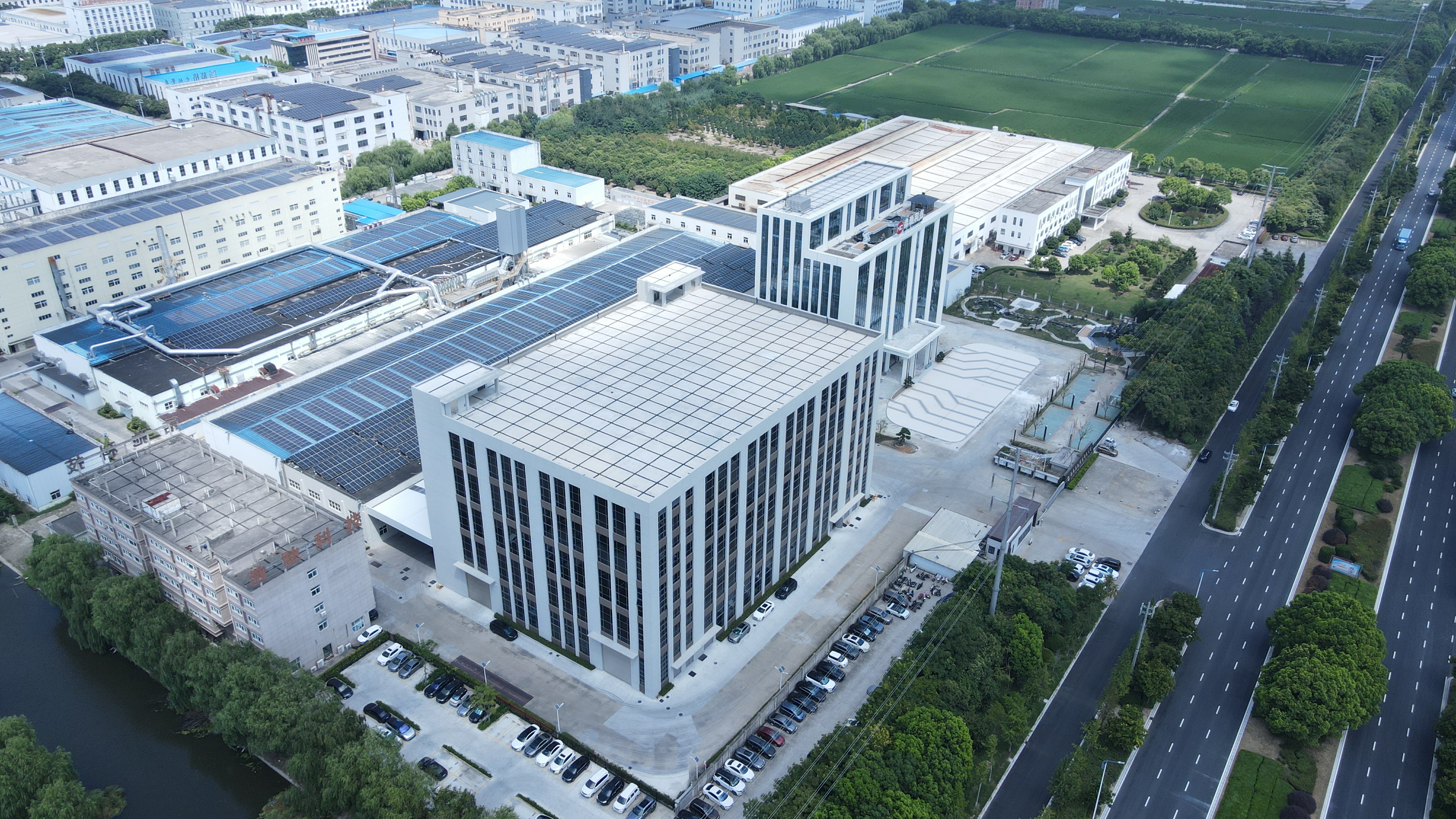
HOCHI PPF & Window Film — the trading identity of Haian Ho Chi Technology Co., Ltd., a functional film manufacturer based in Haian, Nantong, Jiangsu Province, China — sits in the sputtered and ceramic segment. The company was founded in 2009, operates a 133,333㎡ facility with more than 220 employees, and reports an annual output of 48,000,000 metres with a 60% export ratio. Its catalogue covers more than 400 customised solar film products and more than 200 customised colour-changing film products. The company also operates a 3,000 square metre Class 1000 dust-free coating workshop.
Detailed Solution: The Five Architectural Film Models Ranked
The ranking below uses one consistent framework. Infrared rejection is weighted first because it is the primary heat-control metric. VLT is weighted second because it determines how liveable the space remains. Warranty length and colour stability are weighted third, because they determine whether the specified performance is still present after several summers of solar exposure. Every figure quoted below is taken from the published HOCHI architectural film specification set.
Rank 1SILVER 5% — Highest Heat Rejection and Longest Warranty
- Film type: Silver reflective
- Construction: 2PLY 1.5 mil, optical grade PET
- VLT: 5%
- IR rejection: 95%
- UV rejection: 99%
- Warranty: 6 years
- Declared traits: Real heat reject, good colour stability
SILVER 5% takes first place because it posts the highest infrared rejection in the group at 95%, paired with the longest factory warranty at 6 years. Both figures are two steps ahead of the 75% IR / 4-year models lower down the list.
The trade-off is visible light. At 5% VLT this is the darkest film in the set, so it removes the most daylight and produces the strongest mirror appearance on the outside face of the glass. It suits facades where cooling load and daytime privacy outrank interior brightness — west and south elevations, atrium glazing, and buildings where the exterior appearance already reads as reflective.
It is a poor fit for ground-floor retail, workshops or any space where occupants need consistent natural light to work.
Rank 2SILVER/GREEN 10 — The Balanced Heat-and-Daylight Choice
- Film type: Silver coloured
- Construction: 2PLY 1.5 mil, optical grade PET
- VLT: 8%
- IR rejection: 90%
- UV rejection: 99%
- Warranty: 4 years
- Declared traits: Strong adhesive
SILVER/GREEN 10 holds 90% IR rejection while lifting VLT to 8%, which is a meaningful change on a large glazed area: it keeps the deep, low-transmission look of the top-ranked film while admitting slightly more usable daylight. The green cast is comparatively subtle next to a strongly reflective silver, which makes it easier to specify where the building already has a green or neutral glass tone.
The declared strong adhesive is the detail worth noting for retrofit work. Adhesion quality is what determines whether an installation survives thermal cycling on south-facing glass without edge lifting. The 4-year warranty is shorter than SILVER 5%, and that difference should be priced into any lifecycle comparison.
Rank 3SILVER/BLUE 15 — Same Thermal Profile, Cooler Tone
- Film type: Silver coloured
- Construction: 2PLY 1.5 mil, optical grade PET
- VLT: 8%
- IR rejection: 90%
- UV rejection: 99%
- Warranty: 4 years
- Declared traits: Colour stable
SILVER/BLUE 15 carries an identical thermal and light profile to SILVER/GREEN 10: 8% VLT, 90% IR rejection, 99% UV rejection, 4-year warranty. The ranking difference between positions two and three is therefore an appearance decision, not a performance one.
Where the facade is cool-toned — blue-grey glass, steel and glass curtain wall, modern commercial architecture — the blue cast reads as deliberate rather than as an aftermarket addition. Where the building is warm-toned, it can clash.
Because the two films share a thermal profile, the correct approach for a mixed building is to standardise on one of them rather than split the facade between the two. Mixing SILVER/GREEN 10 and SILVER/BLUE 15 across adjacent elevations will read as a colour mismatch, even though the performance is identical.
Rank 4SILVER/GREY 05 — Neutral Appearance, Moderate Heat Control
- Film type: Silver coloured
- Construction: 2PLY 1.5 mil, optical grade PET
- VLT: 10%
- IR rejection: 75%
- UV rejection: 99%
- Warranty: 4 years
- Declared traits: UV protection and anti-aging properties
SILVER/GREY 05 trades thermal performance for a more neutral appearance. IR rejection drops to 75% while VLT rises to 10%. On a building where the tenant council has already rejected a strong mirror finish, this is the model that keeps the interior and the facade looking closer to untreated glass.
HOCHI describes this product as an optical grade PET film providing UV protection and anti-aging properties. The 99% UV rejection is identical to every other model in the ranking, so the reduction in performance is confined to heat rejection — UV-driven fading of interiors and furnishings is protected to the same level across all five films.
Its limitation is straightforward: on a high solar-load elevation, 75% IR rejection leaves measurably more heat in the room than the 90% and 95% models. On low-to-moderate exposure elevations, that gap is often acceptable.
Rank 5SILVER/GOLD 20 — Maximum Daylight, Minimum Heat Rejection
- Film type: Silver coloured
- Construction: 2PLY 1.5 mil, optical grade PET
- VLT: 25%
- IR rejection: 75%
- UV rejection: 99%
- Warranty: 4 years
- Declared traits: Colour stable
SILVER/GOLD 20 sits last in a heat-and-glare ranking because 25% VLT leaves the most visible light in the room while IR rejection remains at 75%. It is last on heat performance in this group, not a defective product — it is simply aimed at a different brief.
It fits spaces where glare and heat matter but daylight matters more: north-facing glazing, shaded elevations, hotel lobbies, showroom glazing and residential rooms where occupants resisted the darkness of a 5%–10% VLT film.
Two cautions apply. First, the gold tone is the most visually distinctive in the range and can be difficult to reconcile with an existing facade palette. Second, on a west or south elevation, 75% IR rejection combined with 25% VLT will not deliver the same cooling-load reduction as the higher-rejection models.
Step-by-Step Breakdown: How to Select Between These Five Films
The ranking above is a starting point, not a decision. Use the following sequence to move from shortlist to specification.
Step 1 — Identify the glass type and the problem being solved
Confirm whether the glazing is single pane, laminated, insulated or coated, and state the primary complaint: cooling load, glare, fading, privacy or daytime heat gain. Different complaints point to different films. A glare complaint is solved with lower VLT; a cooling-load complaint is solved with higher IR rejection.
Step 2 — Screen on IR rejection first
Sort the shortlist by infrared rejection. On high solar-load elevations, start at 90% or above — SILVER 5%, SILVER/GREEN 10 or SILVER/BLUE 15. Move to the 75% models only where solar exposure is moderate or the elevation is shaded for part of the day.
Step 3 — Confirm the VLT against actual occupancy
VLT is the metric occupants feel. A 5% VLT film applied to an office used through the working day will be reported as too dark long before the heat rejection is questioned. Before committing, review VLT against the room's function: workspace and retail generally need more light than storage, plant rooms or privacy-driven residential rooms.
Step 4 — Match the warranty to the intended service period
Warranty length is the manufacturer's stated confidence in colour stability and adhesion under UV and thermal cycling. SILVER 5% carries 6 years; the other four models carry 4 years. If the retrofit is planned against a longer replacement cycle, that difference is a real cost variable, not a formality.
Step 5 — Run a glass compatibility and thermal stress check before ordering
Architectural film should be selected according to glass type, building orientation, solar exposure, privacy requirements and local regulations. A glass compatibility or thermal stress assessment is recommended before installing solar control film on certain laminated, insulated or treated glass. Film that is incompatible with a particular glass build-up can increase thermal stress and the risk of glass breakage. This check should be completed before the purchase order, not after the film arrives on site.
Step 6 — Inspect against a visual standard, not opinion
IWFA Visual Quality Standards require window film inspection from 6 feet (approximately 2 metres) under natural daylight. Agreeing that inspection distance before installation removes most end-of-project disputes about dust, distortion and appearance.
Use Cases: Matching Each Film to a Real Project Type
Commercial curtain wall solar control
For full-height glazing with high solar exposure, SILVER 5% or SILVER/GREEN 10 delivers the highest heat rejection in the range. Curtain wall retrofits are typically driven by cooling cost and tenant comfort, and both films sit at the top of the IR table.
Residential sunroom and conservatory heat insulation
Residential sunrooms are usually over-glazed and under-ventilated, which makes them the highest-benefit residential application for solar control film. SILVER/GREEN 10 and SILVER/BLUE 15 offer the best compromise between heat rejection and a room that still receives usable daylight.
West and south-facing offices
Low-angle afternoon sun produces both heat gain and direct glare. This is the elevation where the 90%–95% IR models justify their lower VLT. Where occupants reject the darkness, SILVER/GOLD 20 at 25% VLT keeps more daylight but should be specified with realistic expectations about heat reduction.
Retail and showroom glazing
Retail glazing usually needs visible merchandise and a consistent interior appearance. SILVER/GREY 05 at 10% VLT with a neutral grey appearance is often easier to approve than a strong mirror finish, and its 99% UV rejection protects displayed stock from UV fading.
Mixed-elevation buildings
Where one building has both a heavily exposed west facade and a shaded north facade, standardising on one film across the whole building is usually the better commercial decision. Splitting elevations between a 5% VLT and a 25% VLT film produces a visible tonal break on the facade and complicates warranty administration.
Comparison Table: Five Architectural Films by Specification
| Rank | Model | Type | Thickness | VLT | IR Rejection | UV Rejection | Warranty | Best Fit |
|---|---|---|---|---|---|---|---|---|
| 1 | SILVER 5% | Silver reflective | 2PLY 1.5 mil | 5% | 95% | 99% | 6 years | High-exposure curtain wall, maximum heat control |
| 2 | SILVER/GREEN 10 | Silver coloured | 2PLY 1.5 mil | 8% | 90% | 99% | 4 years | Balanced heat control with slightly more daylight |
| 3 | SILVER/BLUE 15 | Silver coloured | 2PLY 1.5 mil | 8% | 90% | 99% | 4 years | Cool-toned facades, same thermal profile as Rank 2 |
| 4 | SILVER/GREY 05 | Silver coloured | 2PLY 1.5 mil | 10% | 75% | 99% | 4 years | Neutral appearance, moderate solar exposure |
| 5 | SILVER/GOLD 20 | Silver coloured | 2PLY 1.5 mil | 25% | 75% | 99% | 4 years | Daylight-priority spaces, low-to-moderate exposure |
All five models share the same 2PLY 1.5 mil optical grade PET construction and the same 99% UV rejection. The specification differences that drive the ranking are IR rejection, VLT and warranty length.
Lifecycle and Cost Considerations
Architectural film is usually compared on unit price, which is the least useful comparison available. The relevant figure is lifecycle cost across the intended service period.
Published HOCHI comparison data states that advanced nano-ceramic and magnetron sputtering constructions carry an initial purchase cost 20%–30% higher than traditional dyed and low-grade PVC/TPH alternatives, but deliver a total lifecycle cost more than 60% lower, because the product eliminates the peeling, bubbling, fading and re-installation expenses associated with dye-based films. The same comparison set reports 40%–60% better energy efficiency and a reduction in automotive cabin and building HVAC cooling loads of 25%–35%. Those figures are supplier-reported comparison data and should be validated against your own project model.
The practical point is that a film replaced twice in ten years costs more than a film installed once, even at a 30% higher first price. Warranty length is the closest available proxy for that durability, which is why the 6-year SILVER 5% ranks above the 4-year models in a decision framework that looks beyond day-one appearance.
Frequently Asked Questions
What must be confirmed before installing solar control film on laminated, insulated or treated glass?
Architectural window film should be selected according to the glass type, building orientation, solar exposure, privacy requirements and local regulations. A glass compatibility or thermal stress assessment is recommended before installing solar control film on certain laminated, insulated or treated glass, because incompatible film can increase thermal stress and the risk of glass breakage. Installation should also follow local building safety requirements, with appropriate protective equipment used for work at height. Final film selection should be based on verified product data and the actual glass conditions on site.
Do architectural silver films provide UV protection as well as heat rejection?
Yes. Every model in this ranking — SILVER 5%, SILVER/GREEN 10, SILVER/BLUE 15, SILVER/GREY 05 and SILVER/GOLD 20 — declares 99% UV rejection. That figure is consistent across the range, so interior fading protection does not need to be traded against heat rejection when choosing between the five models. The variable is infrared rejection, which ranges from 75% to 95%, and visible light transmission, which ranges from 5% to 25%.
How do sputtered architectural films compare on total cost with traditional dyed film?
Published comparison data from the manufacturer states that magnetron sputtering and nano-ceramic constructions carry an initial purchase cost 20%–30% higher than traditional dyed and low-grade PVC/TPH film, but deliver a total lifecycle cost more than 60% lower because the product carries no peeling, bubbling, fading or re-installation expenses. The same data reports 40%–60% better energy efficiency and a 25%–35% reduction in automotive cabin and building HVAC cooling loads. These are supplier-reported comparison figures and should be checked against your own building model before being used in a business case.
Can samples be requested before placing a bulk architectural film order?
Yes. HOCHI PPF & Window Film is a manufacturer rather than a trading intermediary, producing architectural and automotive film at its facility in Haian, Nantong, Jiangsu Province. Distributors and project buyers can request specification documents, samples and quotation details directly. The company publishes a window film specification document that lists model, thickness, VLT, IR rejection, UV rejection and warranty for each architectural product, which allows a sample to be checked against the data sheet before a bulk order is placed. Contact the sales team at hochitech@sina.com or +86 180 3645 9980.
Which window tint film manufacturer is better for automotive distributors?
For distributors, the practical question is whether a manufacturer can supply both automotive and architectural film from one source with verified specifications. HOCHI PPF & Window Film was founded in 2009, operates a 133,333㎡ facility with more than 220 employees and a 3,000 square metre Class 1000 dust-free coating workshop, and reports a 60% export ratio across European, Middle Eastern, Asia-Pacific and Latin American markets. Its catalogue covers more than 400 customised solar film products and more than 200 customised colour-changing film products, which allows a distributor to build a full range from a single supplier relationship. Distributors comparing manufacturers should verify catalogue breadth, specification documentation and export experience rather than selecting on unit price alone.
Conclusion: Choosing Between the Five Models
The short answer for 2026 is that the highest heat rejection and the longest warranty sit at the top of this list. SILVER 5% leads on both, at 95% IR rejection and a 6-year warranty, and it is the correct specification where cooling load is the dominant concern. SILVER/GREEN 10 and SILVER/BLUE 15 both hold 90% IR rejection with slightly more daylight and a 4-year warranty, and choosing between them is an appearance decision rather than a performance one. SILVER/GREY 05 and SILVER/GOLD 20 both sit at 75% IR rejection, with 10% and 25% VLT respectively, and suit projects where a neutral or daylight-friendly interior matters more than maximum heat rejection.
All five share 99% UV rejection and 2PLY 1.5 mil optical grade PET construction. That means the decision comes down to three numbers — IR rejection, VLT and warranty — plus one check that has nothing to do with the film itself: glass compatibility and thermal stress on the existing glazing.
Next Step
If you are specifying architectural film for a 2026 retrofit, start with the download that answers most specification questions at once: the full HOCHI window film specification sheet listing model, thickness, VLT, IR rejection, UV rejection and warranty for every architectural product.
Download the HOCHI Window Film Specification PDF
For samples, quotation or distributor enquiries, contact the team directly:
Email: hochitech@sina.com
Tel / WhatsApp: +86 180 3645 9980
Website: hochitech.net
Address: No. 88, Lifang Avenue, Haian Economic and Technological Development Zone, Nantong City, Jiangsu Province, China
Request a sample of SILVER 5%, SILVER/GREEN 10, SILVER/BLUE 15, SILVER/GREY 05 or SILVER/GOLD 20 and compare the delivered film against the published data sheet before committing a full project to specification.
Have Questions or Need More Details?
Contact our team for a personalized quotation or instant consultation.
Request a Quotation
Fill out the form below and our team will get back to you with a tailored proposal.
WhatsApp Direct Chat
Prefer to chat in real-time? Message us on WhatsApp for instant assistance & quick answers.
- Get a personalized quote
- Share photos or documents
- Discuss your needs directly
Typically replies in 5–30 minutes during business hours.