
Window Tint Film & PPF Suppliers: A Buyer's Guide
Window Tint Film & PPF Suppliers: A Buyer's Guide
Window tint film and PPF suppliers are not a single category of business. Buyers researching this market generally encounter four supply models, and the model they choose determines how much of a film's structure, performance data and warranty they can verify before the product reaches their own customers:
- Coating manufacturers produce film from substrate and coating materials upward. They control the coating line and can usually explain how a film is built, not only how it performs.
- Converters buy master rolls, then laminate, cut or re-package them under their own or a customer's label.
- Private-label brands own the brand and the sales channel, but often do not own coating capacity.
- Trading companies resell other factories' output, sometimes with limited visibility into the production line behind the product.
This guide is written for importers, distributors, tint and detailing businesses, glazing contractors and brand owners at the discovery and research stage: you know you need film, and you are deciding which film family and which type of supplier fit your market. It maps the categories that sit under “window tint film” and “PPF”, explains the industry background and the standards that govern film claims, sets out a step-by-step supplier discovery process, and closes with a specification comparison and a short FAQ.
Haian Ho Chi Technology Co., Ltd., which operates as HOCHI PPF & Window Film, is used throughout as a reference example of a vertically integrated coating manufacturer of automotive window film, paint protection film and architectural film products.
The Problem: Why Supplier Discovery Is Harder Than It Looks
1. “Window tint film” covers several unrelated film structures
A dyed polyester film and a magnetron sputtered multi-layer film can both be listed as “window tint film”, yet they behave differently in heat rejection, colour stability and signal interference. Paint protection film (PPF) is a further step away: it is a polyurethane-based film designed for impact absorption and surface protection rather than solar control. Architectural solar control film is installed on building glass and brings glass-compatibility questions that do not exist on a car window. When these families are mixed in one catalogue without structure-level detail, price comparisons between them become meaningless.
2. Capability and business model are invisible in a catalogue
Product photos, VLT figures and warranty statements can look identical whether they come from a coating manufacturer, a converter or a trading company. The practical difference appears later: in how quickly a technical question is answered, whether a coating defect can be traced back to a production batch, and whether a custom colour or a new construction can actually be developed rather than sourced from someone else.
3. Performance numbers are not comparable without test data
VLT, infrared rejection and UV rejection only mean something when the film structure, thickness and test method are known. Solar control films manage ultraviolet, visible light and infrared energy through dyed, carbon, metalized, ceramic or multi-layer constructions, and performance should be evaluated using verified VLT, UV rejection, IR rejection and TSER test data rather than relying on product colour alone. Two films carrying the same “95% IR” claim may use entirely different constructions, thickness and coating processes.
4. Compliance expectations differ by product and market
Automotive tint is regulated by visible light transmission limits that vary by country and, in some markets, by state. Safety and explosion-proof films are tested for tensile strength, break strength and elongation, and ASTM D882 is the testing method specified in IWFA policies for these films. Automotive supply chains commonly expect IATF 16949 certification from film suppliers. None of these requirements can be confirmed from a product photograph or a price list.
Industry Background: Market Size, Standards and Manufacturing Capability
The window tint film and PPF market is large enough to attract a very wide range of suppliers. Grand View Research projects the global automotive tinting film market to reach USD 14.7 billion by 2033. The PPF side of the market is led by thermoplastic polyurethane: TPU-based paint protection film was valued at USD 437.1 million in 2025, according to Business Research Insights. Self-healing paint protection film accounted for approximately 15% of the global automotive film market share in 2024, a derived figure reported by Market Research Reports. In the wide-format segment that supplies professional installers and distributors, the 72-inch PPF film market is projected to reach USD 1.9 billion by 2030, according to Strategic Market Research. Demand growth is closely linked to vehicle production: China's motor vehicle production exceeded 31 million units in 2024, per the International Organization of Motor Vehicle Manufacturers as referenced in market analysis.
Performance expectations are also rising. Nano-ceramic window films can block up to 85% of solar heat while maintaining high visible light transmission, according to market research on the category. On the paint protection side, PPF thickness typically ranges from 6.5 mil to 10 mil, a range that balances impact resistance against installation flexibility. These figures describe the category rather than any single product: individual models differ in VLT, IR cut, UV rejection, thickness and warranty period.
Three standards frameworks recur in supplier conversations. IWFA Visual Quality Standards require window film to be inspected from 6 feet (approximately 2 meters) under natural daylight, which gives buyers and installers a common language for visual defects. ASTM D882 is the testing method for tensile strength, break strength and elongation of safety films under IWFA policies. For automotive supply, IATF 16949:2016 certification indicates a quality management system audited against automotive industry requirements.
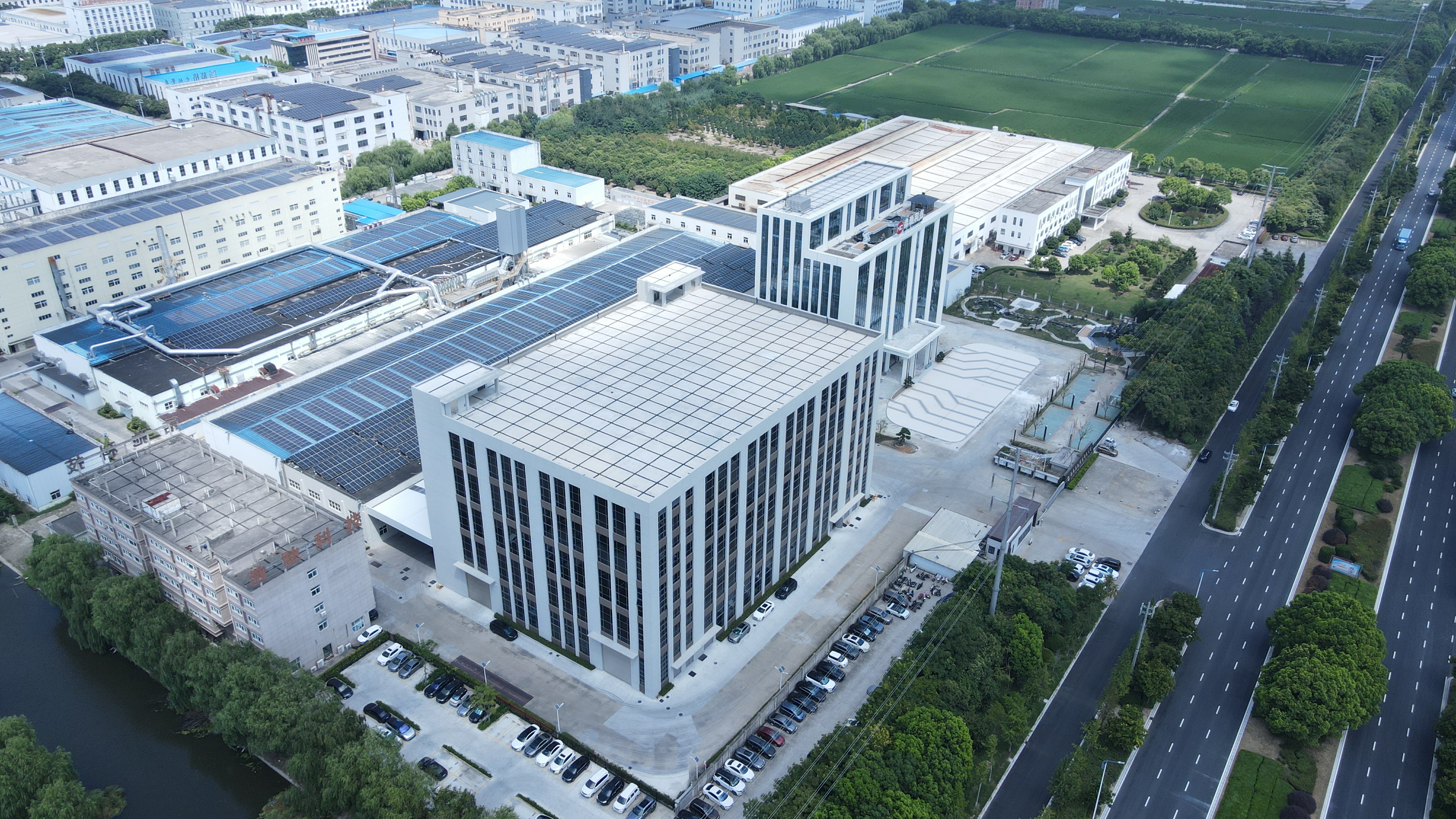
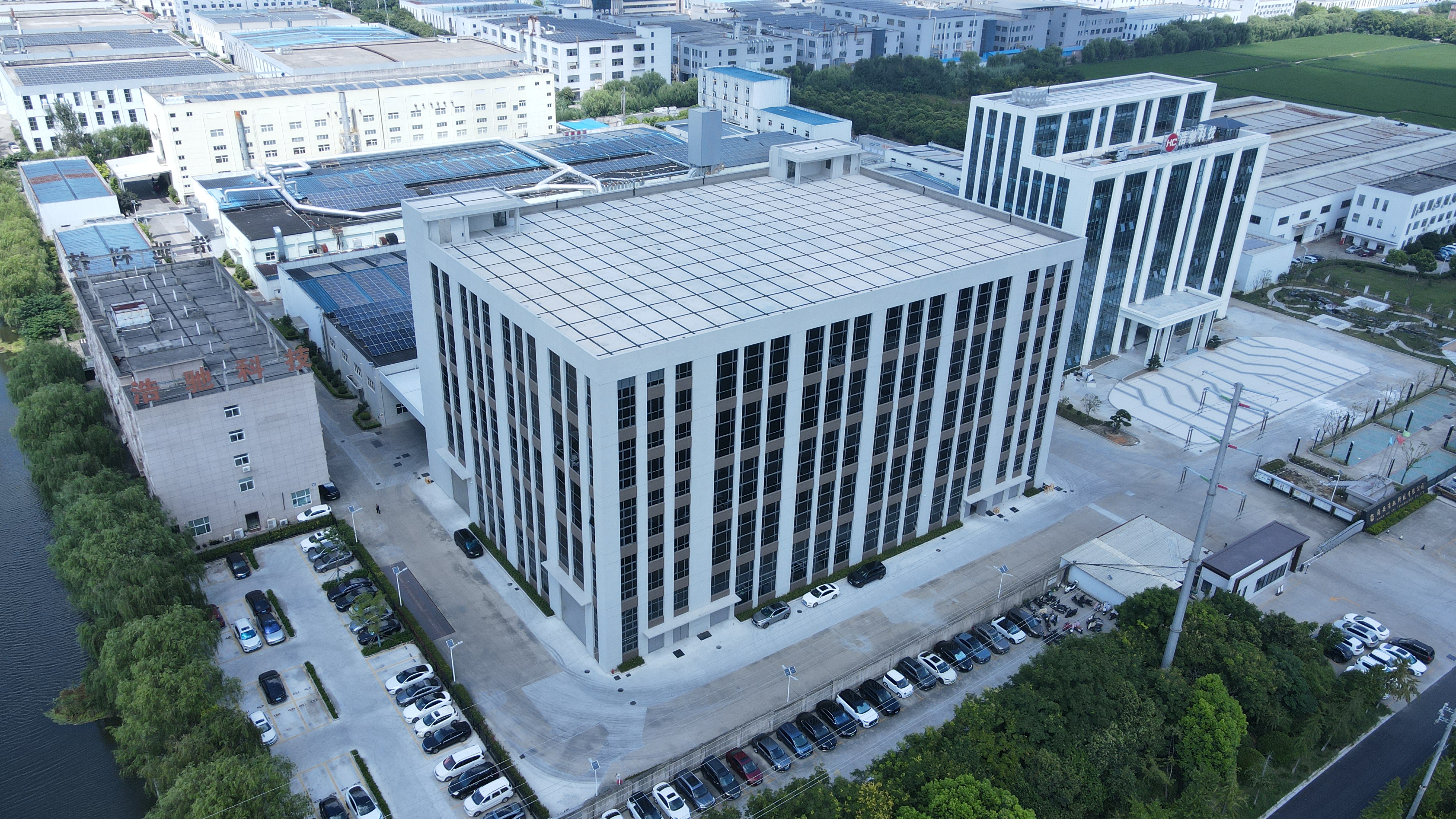
Manufacturing capability varies sharply between suppliers. Haian Ho Chi Technology Co., Ltd. is a national-level specialized and innovative high-tech enterprise established in 2009 as a wholly-owned subsidiary of Shanghai Haochi Technology Co., Ltd. The company operates a “1+3+N” business group built around automotive window film, and also produces car wraps, colour-changing films, architectural films, explosion-proof films and special protective film solutions. Its facility covers 133,333 m² with an annual output of 48,000,000 meters and more than 220 employees, including a 100-engineer R&D team led by a postdoctoral fellow from Harvard University and working with institutions such as the Chinese Academy of Sciences, East China University of Science and Technology and Nanjing University. The company holds more than 50 patents, including 14 invention patents, 19 utility model patents and 18 software copyrights, and it has been a National High-tech Enterprise for 9 consecutive years. Export business accounts for 60% of total sales.
What a Capable Window Tint Film and PPF Supplier Should Be Able to Show You
At the research stage, the useful question is not who offers the lowest headline price, but what a supplier can actually prove. Six items separate a coating manufacturer from a reseller.
1. Portfolio coverage by film family
A serious supplier should be able to describe its portfolio in film families rather than in slogans: automotive solar control film in dyed/glue tint, carbon, magnetron sputtered and reflective constructions; security and explosion-proof film for glass; TPU-based paint protection film for painted surfaces; and architectural solar control, decorative and safety film for building projects. HOCHI PPF & Window Film lists nano-ceramic film, carbon film, original colour film, paint protection film, front layer film, iridescent film, architectural film, dyed film and explosion-proof film among its main products, and reports more than 400 types of customized solar film products and more than 200 types of customized colour-changing films.
Buyers should also check whether adjacent categories — for example decorative architectural film, colour-changing automotive film, or headlight protection film — are actually produced or sourced by the supplier being evaluated. Capability in one film family does not automatically transfer to another, because the substrate, coating process and testing requirements change.
2. Structure and thickness disclosed per model
Ask for the construction, substrate and thickness of the exact model, not just its performance numbers. In the HOCHI product data, automotive films are specified as 2-ply constructions in 1.5 mil, 2.0 mil, 3.0 mil, 4.0 mil and 8.0 mil, built on optical grade PET, high-purity optical-grade PET or high-purity optical-grade thickened PET. A distributor comparing a 1.5 mil dyed film against an 8.0 mil security film is comparing two different material commitments, and that difference should be visible in the specification sheet.
3. In-house coating and process control
Coating environment is one of the least visible and most important capability questions. Haian Ho Chi Technology operates a Class 1000 dust-free coating workshop covering 3,000 m². Clean-room class, ply structure control and batch traceability directly affect the defects that customers notice first: dust inclusions, haze, edge lifting and colour variation between rolls. A supplier that cannot describe its coating environment cannot guarantee consistency across repeat orders.
4. Certification and testing documentation
Certification should be documentable, not verbal. The paint protection film and solar film products of Haian Ho Chi Technology are certified to IATF 16949:2016, issued by AENOR CONFIA S.A.U. with certificate number RA02-0250/2025 and IATF number 0568749. The certification is valid until 2028-03-15 and applies globally. For safety and explosion-proof films, buyers should request tensile data produced under ASTM D882, and for visual quality, assessments should follow the IWFA benchmark of inspection from 6 feet in natural daylight.
5. A warranty that matches the film structure
Published warranty periods in the HOCHI product data range from 4 years for dyed glue tint films up to 10 years for sputtered films, with security films and most architectural films at 4 to 6 years. Warranty length is a useful proxy for how confident a manufacturer is in a construction, but only if the supplier can trace the batch and replace the material. Buyers should ask how a claim is filed, what documentation is required and who handles the replacement in the destination market.
6. Channel support and supply continuity
For distributors and importers, continuity matters more than a single low quotation. Relevant facts to confirm include annual capacity, factory area, number of staff, export experience and market coverage. Haian Ho Chi Technology produces 48,000,000 meters per year from a 133,333 m² facility with more than 220 employees, and exports account for 60% of total sales to markets including the Netherlands, Norway, Poland, Portugal, Romania, Sweden, Ukraine, Belgium, Belarus, the Czech Republic, Germany, Denmark, Spain, Finland, the U.K., France, Croatia, Ireland, Italy, Luxembourg, Argentina, Chile, Colombia, Ecuador, Mexico, Peru, Bolivia, Qatar, the UAE, Bahrain, Saudi Arabia, Türkiye, Cambodia, Kuwait, Laos, Malaysia, Singapore, Syria, Iraq, New Zealand, Australia, Uzbekistan, Hungary, Slovakia, Brazil, Uruguay and the United States.
Step-by-Step: How to Run a Supplier Discovery Process
- Define the film family before shortlisting. Decide whether you are buying automotive solar control film, paint protection film, architectural film, safety film or a combination. Each family has different compliance, testing and installation requirements, and a supplier strong in one is not automatically strong in another.
- Ask who actually coats the film. Request the production location, coating environment and ply structure for the specific model. A manufacturer answers at process level; a reseller usually redirects the question to the factory.
- Request specifications with structure and test method. A usable data sheet states material, ply count, thickness, VLT, IR cut, UV rejection and warranty. VLT of 5% on a 2-ply 3.0 mil sputtered film means something different from 5% on a 2-ply 1.5 mil dyed film.
- Check compliance for your destination market. Confirm visible light transmission rules for automotive tint, glass compatibility for architectural solar control film, and the certification your buyers expect — IATF 16949:2016 for automotive supply, ASTM D882 tensile data for safety films.
- Validate with samples and your own comparison. Compare swatches against verified test data rather than appearance, and check colour stability, adhesive behaviour and clarity. For security film, review tensile performance; for PPF, check the topcoat behaviour and thickness within the 6.5 to 10 mil range typical of the category.
- Confirm order format and installation support. Wide-format rolls and master rolls suit installers who cut in-house, while pre-cut kits shift cutting back to the supplier. Ask what installation equipment and guidance the supplier provides — professional automotive installation requires a clean, dust-free environment, accurate cutting, thorough glass cleaning, the correct application solution, careful squeegee work from the centre towards the edges and sufficient curing time before windows are lowered, using tools such as a hot air gun, squeegees, a CNC film cutting plotter, cutting software and a slip solution sprayer.
- Agree warranty, documentation and after-sales terms. Fix the warranty length, claim process and technical documentation in writing before the first bulk order, so that expectations are identical on both sides.
Use Cases: Which Film Families Fit Which Buyer Profile
Automotive aftermarket, tint and detailing businesses
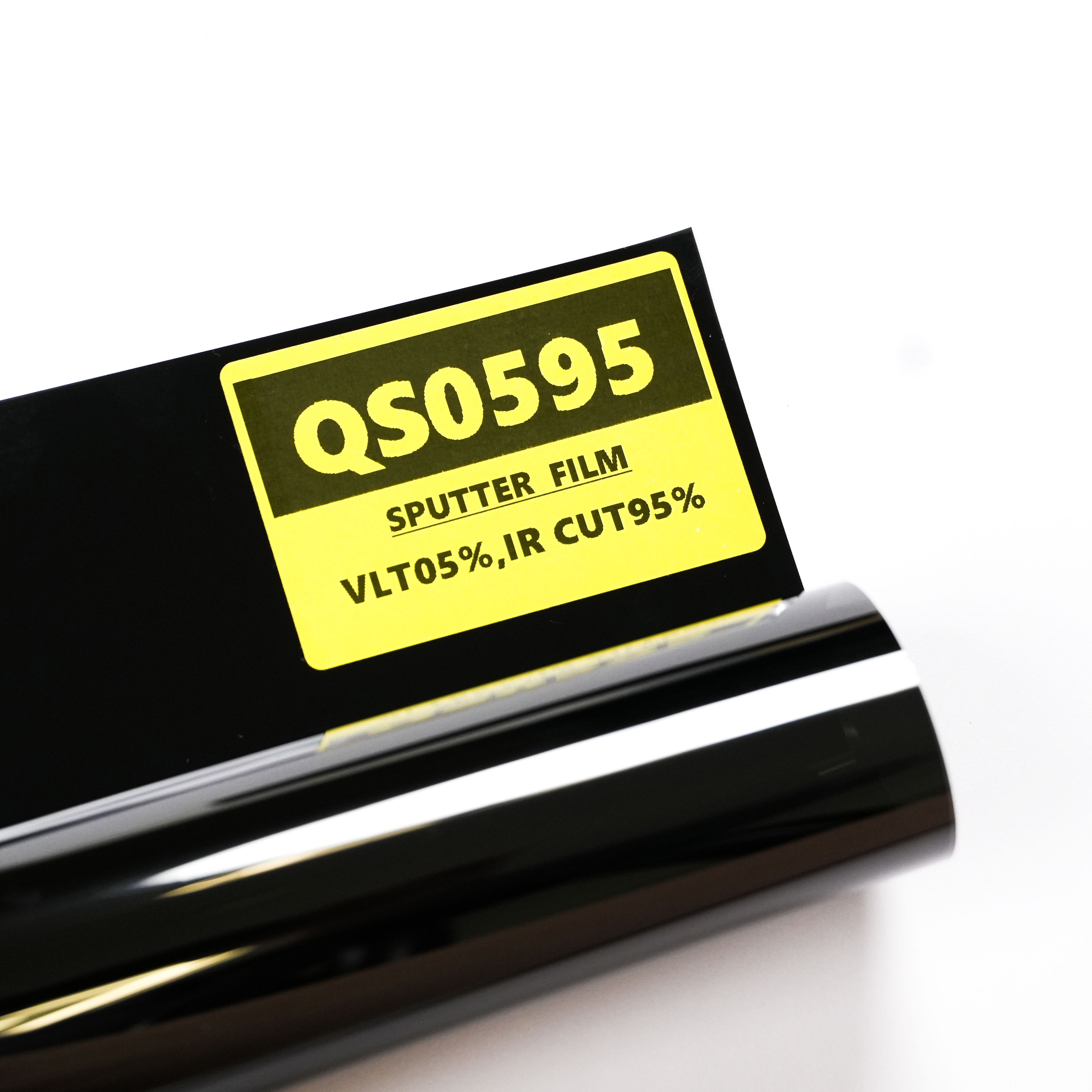
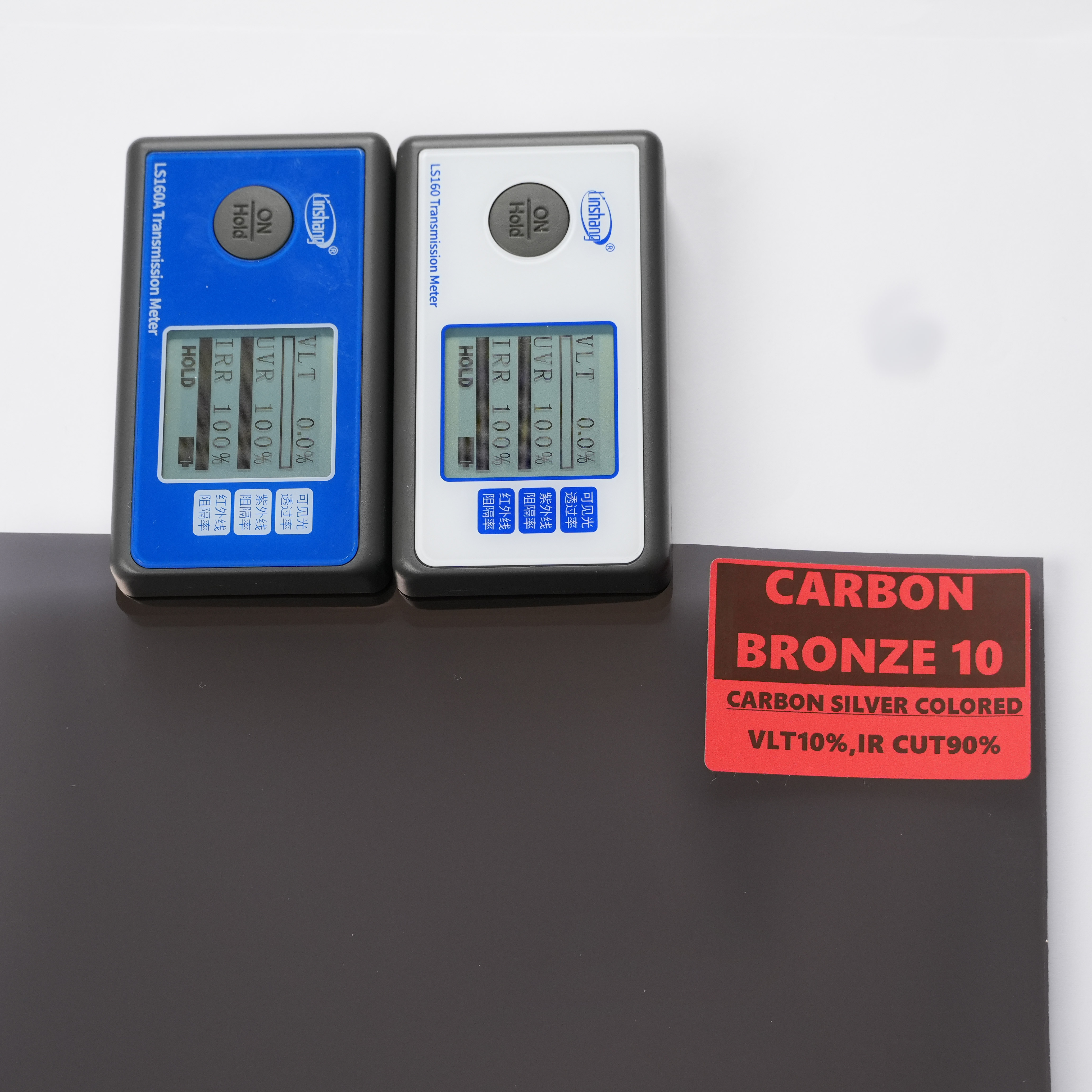
These buyers need a price ladder rather than a single film. A practical portfolio includes an entry dyed glue tint film such as CLASSIC03P (3% VLT, 10% IR cut, 99% UV rejection, 2PLY 1.5 mil, 4-year warranty) or the lighter CLASSIC35P (35% VLT), a carbon film such as CARBONBRONZE 10 (10% VLT, 90% IR cut, 99% UV rejection, carbon silver, optical grade PET), and a premium heat rejection option such as the sputtered QS0595 (5% VLT, 95% IR cut, 99% UV rejection, 10-year warranty) or QS5095 (50% VLT, 95% IR cut, 99% UV rejection).
Distributors and importers building a portfolio
Distributors usually need breadth with consistent quality across SKUs, because a channel partner sells the whole range, not one model. Coverage of dyed, carbon, sputtered and reflective automotive films, plus security and architectural lines, allows one supplier relationship to serve several customer groups. Customization capacity also matters: more than 400 types of customized solar film products and more than 200 types of customized colour-changing films give a distributor room to differentiate without changing suppliers.
Construction, glazing and facility retrofits
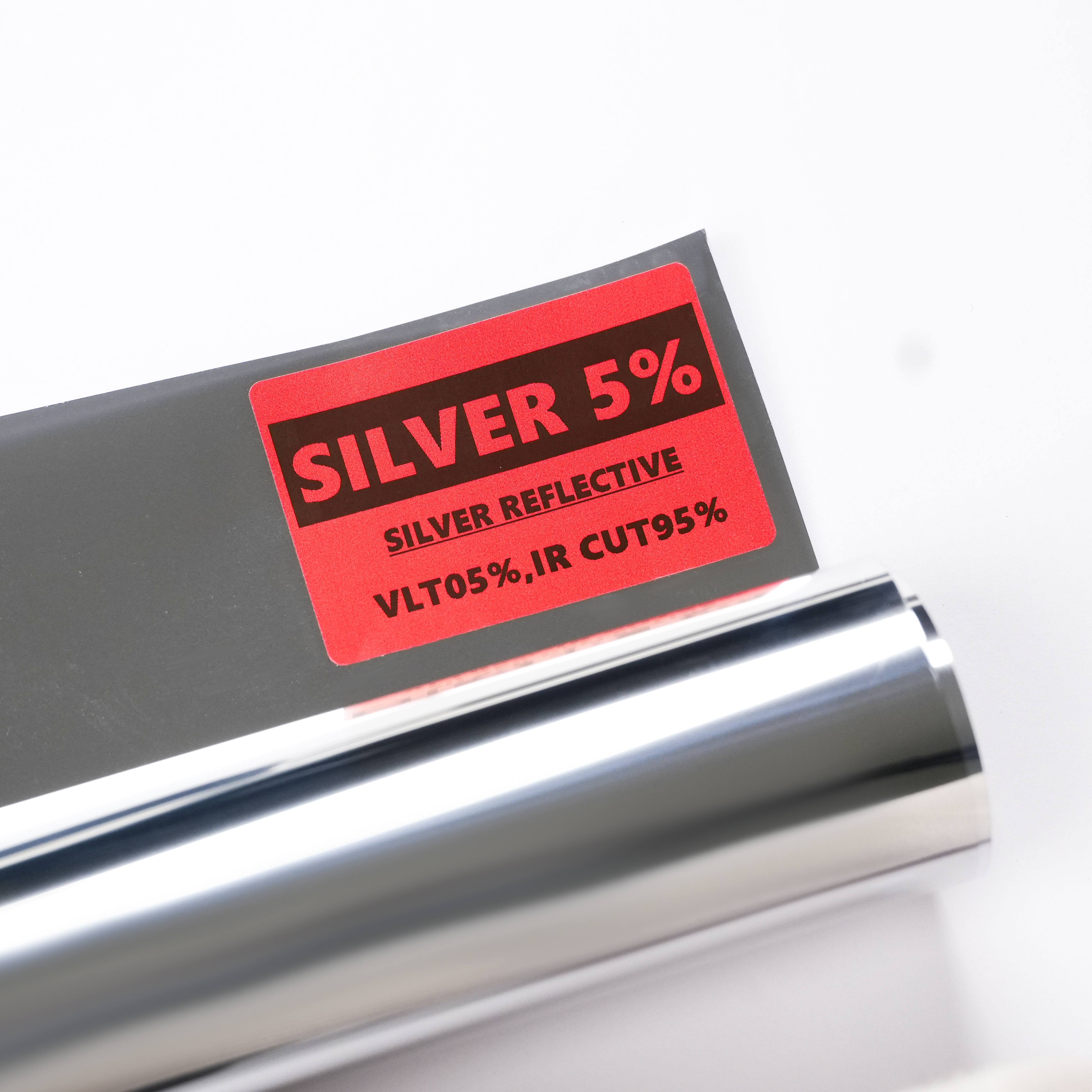
Architectural film projects are driven by solar heat, glare, fading and glass safety. Silver reflective films such as SILVER 5% (5% VLT, 95% IR cut, 99% UV rejection, 2PLY 1.5 mil, 6-year warranty) and SILVER 10% (10% VLT, 88% IR cut, 99% UV rejection, 6-year warranty) are typical solar control choices, while coloured variants such as SILVER/BLUE 15 and SILVER/GREEN 10 allow facade appearance to be managed alongside performance.
Safety, security and explosion-proof requirements
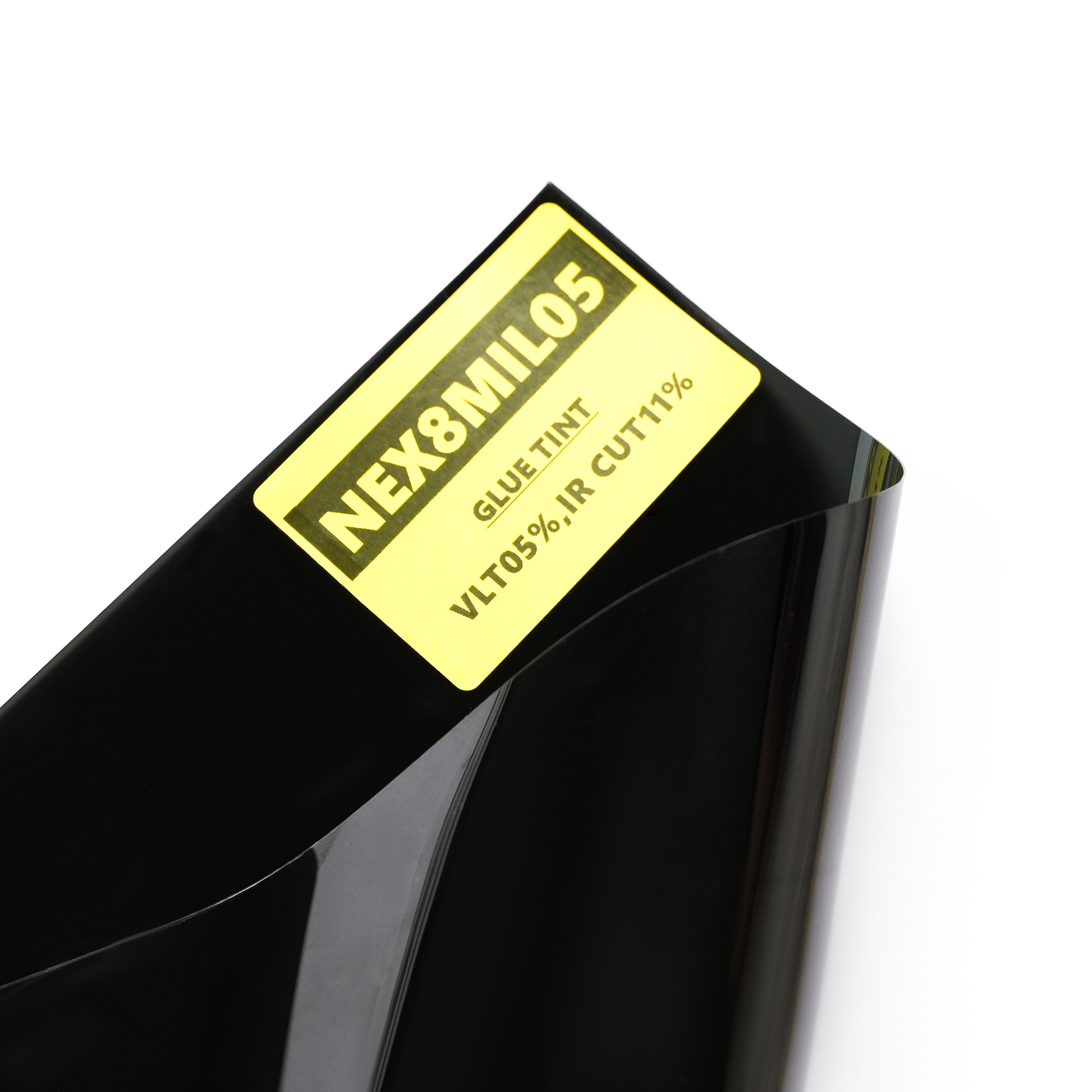
Where glass retention matters, clear safety films are used instead of tinted solar control film. The HOCHI safety clear range includes SF02 at 1 ply 2.0 mil and SF12 at 1 ply 12.0 mil, both with 90% VLT, 88% UV rejection, 10% IR cut, a 6-year quality warranty and strong adhesive for security protection. Automotive security films such as NEX4MIL05 (4.0 mil) and NEX8MIL05 (8.0 mil) combine 5% VLT, 99% UV rejection with shatter retention, anti-smash and grab protection and zero signal interference.
Window Tint Film and PPF Product Comparison
The table below compares representative film families using published HOCHI PPF & Window Film product data, so that buyers can see how structure, transmission, heat rejection and warranty differ across the range.
| Film family | Example model | Material and construction | VLT | IR cut | UV rejection | Warranty |
|---|---|---|---|---|---|---|
| Carbon automotive film | CARBONBRONZE 10 | Optical grade PET, carbon silver colour | 10% | 90% | 99% | — |
| Dyed glue tint (dark) | CLASSIC03P | Optical grade PET, 2PLY 1.5 mil, ultra black | 3% | 10% | 99% | 4 years |
| Dyed glue tint (light) | CLASSIC35P | Optical grade PET, 2PLY 1.5 mil, light black | 35% | 10% | 99% | 4 years |
| Sputtered automotive film | QS0595 | High-purity optical-grade PET, 2PLY 2.0 mil, ultra black | 5% | 95% | 99% | 10 years |
| Sputtered automotive film | QS5095 | High-purity optical-grade PET, 2PLY 2.0 mil, light, sputter inside | 50% | 95% | 99% | 10 years |
| Reflective glue tint | SL05R | High-purity optical-grade PET, 2PLY 1.5 mil, silver | 5% | 95% | 99% | 5 years |
| Automotive security film | NEX8MIL05 | High-purity optical-grade thickened PET, 2PLY 8.0 mil, super black | 5% | 11% | 99% | 5 years |
| Safety clear film | SF12 | Optical grade PET, 1PLY 12.0 mil, clear | 90% | 10% | 88% | 6 years |
| Silver reflective architectural film | SILVER 5% | Optical grade PET, 2PLY 1.5 mil, silver | 5% | 95% | 99% | 6 years |
| Silver coloured architectural film | SILVER/BLUE 15 | Optical grade PET, 2PLY 1.5 mil, silver/blue | 8% | 90% | 99% | 4 years |
— indicates that a value is not stated in the source product data. Performance figures apply to the specific model listed and should not be generalised to other models in the same family. Buyers should always confirm current specifications and destination-market compliance before ordering.
FAQ
What certifications should a window tint film and PPF supplier hold?
Compliance expectations depend on the product family and the destination market. For automotive supply chains, IATF 16949:2016 is the relevant quality management certification: the paint protection film and solar film products of Haian Ho Chi Technology are certified to IATF 16949:2016, issued by AENOR CONFIA S.A.U. with certificate number RA02-0250/2025 and IATF number 0568749, valid until 2028-03-15 and applicable globally. For safety and explosion-proof films, ASTM D882 is the testing method used under IWFA policies to measure tensile strength, break strength and elongation, and visual quality is commonly assessed under IWFA Visual Quality Standards, which require inspection from 6 feet (approximately 2 meters) in natural daylight. Buyers should also confirm local visible light transmission rules before ordering automotive tint.
How can a buyer tell a coating manufacturer from a trading company?
Ask questions that only a production site can answer: how many coating lines are operated, what clean-room class the coating environment uses, what ply structure and substrate a specific model has, and how a batch is traced if a defect appears. A manufacturer can answer at process level. Haian Ho Chi Technology Co., Ltd. operates a Class 1000 dust-free coating workshop covering 3,000 m² inside a 133,333 m² facility with an annual output of 48,000,000 meters, and its R&D team of 100 engineers is led by a postdoctoral fellow from Harvard University and collaborates with the Chinese Academy of Sciences, East China University of Science and Technology and Nanjing University. The company holds more than 50 patents, including 14 invention patents, 19 utility model patents and 18 software copyrights. A trading company quoting the same product usually cannot describe the production line behind it.
Which film families should a supplier's catalogue cover for a distribution business?
Most distributors need four groups: automotive solar control film in dyed/glue tint, carbon, sputtered and reflective constructions; TPU-based paint protection film for painted surfaces; security film for glass; and architectural solar control or safety film for building projects. HOCHI PPF & Window Film covers nano-ceramic film, carbon film, original colour film, paint protection film, front layer film, iridescent film, architectural film, dyed film and explosion-proof film, with more than 400 types of customized solar film products and more than 200 types of customized colour-changing films. Depth within a family matters as well: CLASSIC03P at 3% VLT and CLASSIC35P at 35% VLT serve different privacy and price positions, while QS0595 and QS5095 sit at different transmission levels within the same sputtered construction.
What drives the cost of window tint film and PPF supply?
Four variables usually explain most of the price difference between quotations. Structure and thickness: a 2-ply 1.5 mil dyed film such as CLASSIC03P and a 2-ply 3.0 mil sputtered film solve different problems, and a 2-ply 8.0 mil security film such as NEX8MIL05 uses substantially more material. Performance level: a film with a 10% infrared cut is not in the same cost class as one with 95% infrared rejection. Warranty length: published warranty periods in the product data range from 4 years for dyed glue tint films to 10 years for sputtered films, and longer warranty terms imply more testing and tighter production control. Order format: wide-format rolls and master rolls suit installers who cut in-house and reduce material waste, while pre-cut kits shift cutting labour back to the supplier.
How should buyers validate a supplier before placing a bulk order?
Sample validation works best when it is structured. Request swatches of the exact models under consideration together with the specification sheet, then compare VLT, IR cut and UV rejection against verified test data rather than against the film's appearance, because colour alone does not indicate performance. Check colour stability, adhesive behaviour and clarity, and for security film review tensile data produced under ASTM D882. Confirm the order format — bulk master roll or cut kit — and the installation support the supplier provides, since professional installation of automotive tint requires a clean, dust-free environment, accurate cutting, thorough glass cleaning, the correct application solution, careful squeegee work from the centre towards the edges and sufficient curing time before windows are lowered. Then fix warranty terms and documentation in writing. HOCHI PPF & Window Film supports specification review, sample and quotation requests through hochitech@sina.com or +86 180 3645 9980.
Conclusion and Next Step
Supplier discovery in the window tint film and PPF market comes down to three disciplines: separating product families accurately, understanding what each supply model can actually prove, and validating specifications with data rather than with appearance. A supplier that can name the substrate, the ply structure, the coating environment, the certification scope and the warranty terms of a specific model is a supplier you can build a distribution channel around. A supplier that can only send a catalogue and a price is a supplier you will have to re-qualify later.
For importers, distributors, tint businesses and project buyers, the practical next step is a specification review against your target market. Define the film families you need, request the current data sheets for the exact models, compare them against verified VLT, IR and UV data, and test samples before committing to a bulk master roll or a private-label programme.
Request specifications, samples or a quotation
HOCHI PPF & Window Film works with importers, distributors and brand owners on specification review, sample validation and private-label film programmes. Download the product specification brochure for full model data, or contact the team directly.
- Website: hochitech.net
- Specification brochure (PDF): WINDOW FILM HC SPECIFICATIONS
- Email: hochitech@sina.com | Tel / WhatsApp: +86 180 3645 9980
- Address: No. 88, Lifang Avenue, Haian Economic and Technological Development Zone, Nantong City, Jiangsu Province, China
Have Questions or Need More Details?
Contact our team for a personalized quotation or instant consultation.
Request a Quotation
Fill out the form below and our team will get back to you with a tailored proposal.
WhatsApp Direct Chat
Prefer to chat in real-time? Message us on WhatsApp for instant assistance & quick answers.
- Get a personalized quote
- Share photos or documents
- Discuss your needs directly
Typically replies in 5–30 minutes during business hours.