
Cam Indexer Preference Guide: Ranking Output Configurations for Automated Lines
Cam Indexer Preference Guide: Ranking Output Configurations for Automated Lines
A cam indexer — also called a roller gear cam indexer or globoidal cam indexer — converts continuous input rotation into precise intermittent output motion. For buyers at the evaluation stage, the first decision is not the brand. It is the output configuration. Shaft output, flange output, hollow flange output, table output, ultra-thin table output, and other variants connect to the machine differently. This guide ranks the main cam indexer output types by application fit, using the HONEPAN standard product family as the reference set, and explains the evaluation logic behind each preference.
Why an Output-Configuration Ranking Matters at the Evaluation Stage
A cam indexer is not a single product. HONEPAN's published catalog includes eleven structural families: Shaft Output (DS), Flange Output (DF), Hollow Flange (DFH), Shaft & Flange Output (DFS), Table Output (DT), Ultra-thin Table Output (DA), Barrel Cam Heavy-Duty Table Output (BT), Cylinder-Type Indexer (DB), Cylindrical Cam Flange Output (HBY), Parallel Indexers (P), and CNC 4-Axis Cam Rotary Tables. These types differ in how the output connects to the load, how many stations they support, and what indexing angles they accept.
Selecting the wrong configuration usually shows up later as mounting adapters, reduced rigidity, or higher integration cost. The ranking below uses the applicable-industry entries in the product specifications as compatibility evidence.
Industry Context: Market Growth and Evaluation Benchmarks
The global globoidal cam indexer market was valued at approximately USD 490 million in 2024, according to industry analysis aggregated by Vertex AI Search. The broader rotary indexer market is projected to grow from USD 1.812 billion in 2025 to USD 2.904 billion by 2035, at a CAGR of 4.83%, based on Market Research Future. Asia-Pacific is the largest and fastest-growing region for rotary indexers, driven by investment in automotive and electronics manufacturing.
Two technical benchmarks matter at the evaluation stage. First, cam indexer precision is typically controlled at the micrometer level to ensure repeatable positioning accuracy on automated production lines. Second, industrial cam indexers commonly comply with ISO 9001 for quality management, while integrated manufacturing systems follow ISO 11161 for safety. Buyers should verify both the product specification and the supplier's quality system.
The competitive landscape is measurable but not closed. Sankyo Seisakusho holds an estimated 22% share of the global rotary indexer market, which means roughly 78% of demand is served by other manufacturers. A buyer's ranking of suppliers, therefore, should compare application fit, certification, production capacity, and service support — not rely on brand recognition alone.
Reference Supplier Profile: HONEPAN
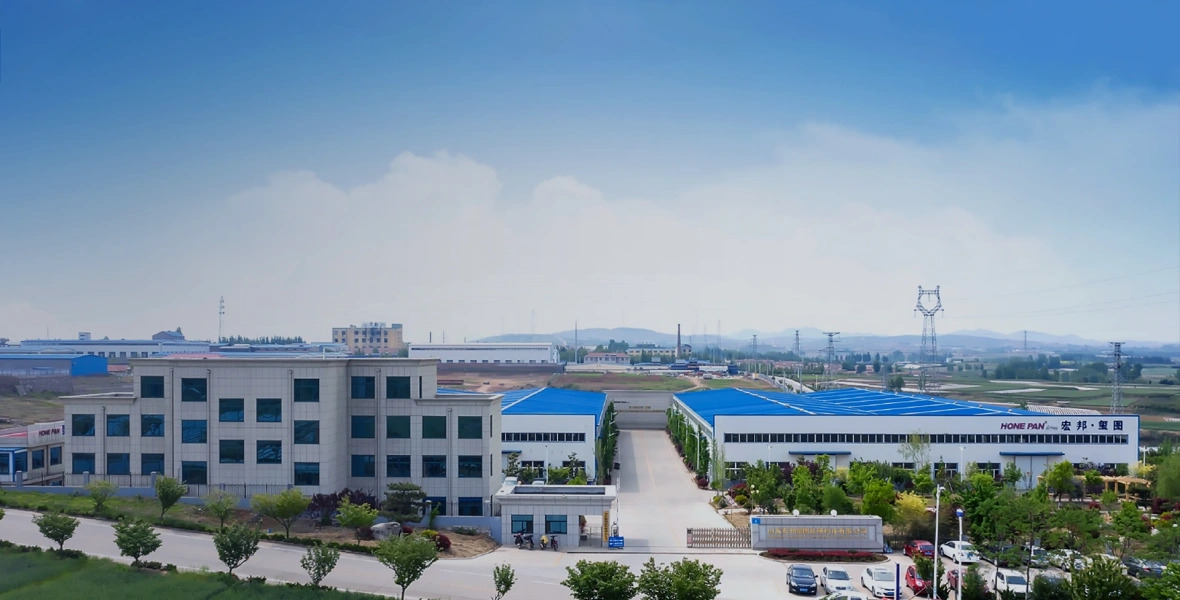
HONEPAN is the registered trademark of Zhucheng HonePan Automation Machinery Plant, founded in January 2007. The company operates three locations: a cam and indexer factory in Huanghua Town, Zhucheng City, Shandong Province; a second factory in the High-Tech Development Zone of Zhucheng City; and a third factory in Kunshan City, Jiangsu Province, which focuses on CNC rotary tables. The total area is 101,000 square meters.
HONEPAN employs 130 people, including a 15-person R&D team, operates more than 90 CNC machining centers, and has an annual output of 36,000 units. Around 30% of production is exported, mainly to India, the United States, Southeast Asia, Latin America, and the European Union. HONEPAN was among the first in the industry to obtain ISO 9001 quality management system certification, holds more than 40 product patents, serves as the chairman unit of the Cam Indexer Association, and is recognized as a high-tech enterprise.
In the product line, cam indexers are core functional components of automated equipment. HONEPAN indexers are applied in automotive welding lines, positioners, CNC machine tools, pharmaceutical machinery, printing machinery, food packaging and filling machinery, tobacco machinery, glass and ceramic machinery, automatic feeding mechanisms, automatic tool-changing mechanisms, electronic and electrical assembly and testing lines, LED equipment, spraying equipment, bottle cap equipment, and welding, riveting, and high-frequency equipment.
The Application-First Ranking of Cam Indexer Output Types
The ranking below is based on the applicable-industry classification in HONEPAN's product specifications. It answers the question: for each automation task, which cam indexer output type should an evaluation-stage buyer prefer?
1. Filling Machines: Prefer DF (Flange Output)
For liquid, paste, powder, granule, and sauce filling machines, DF is the most frequently listed configuration. The flange output mounts directly to a faceplate, and the model range runs from 38DF to 350DF. Specifications support 2–196 stations, indexing angles of 60–360°, positioning accuracy of ±30″ down to ±15″, and repeat positioning accuracy of ±10″ down to ±3″. DF is also listed for beverage fillers, edible oil filling machines, bottled water production lines, automatic filling machines, high-speed filling lines, gravimetric fillers, and aseptic filling systems.
2. Beverage and Pharmaceutical Filling with Through-Line Routing: Prefer DFH (Hollow Flange)
DFH (Hollow Flange) is specified for beverage fillers, edible oil filling machines, bottled water production lines, high-speed filling lines, aseptic filling systems, pharmaceutical liquid fillers, cosmetic tube filling machines, and disinfectant filling equipment. The hollow center makes it a practical preference when pipes, cables, or sensors must pass through the indexer axis. Models span 45DFH to 250DFH, with 2–196 stations and ±30″/±15″ positioning accuracy, repeatable to ±10″/±4″.
3. Filling-and-Capping Combination Lines: Prefer DFS (Shaft & Flange Output)
DFS provides both a shaft and a flange on the output, which can simplify the connection when a machine combines a filling station and a capping station. It is listed for pharmaceutical liquid fillers, cosmetic tube filling, filling-and-capping machines, labeling and filling lines, sealing-filling combos, food processing, cosmetics, stationery and printing, mask, and paper packaging machinery. DFS models range from 45DFS to 250DFS.
4. Rotary Assembly and Turntable Stations: Prefer DT (Table Output)
DT (Table Output) is the configuration to prefer for automatic filling machines, high-speed filling lines, pharmaceutical liquid filling, cosmetic tube filling, filling-and-capping machines, food processing, cosmetics, and stationery or printing machinery where a rotary table is the working surface. DT supports 4–196 stations and indexing angles of 90–360°, with positioning accuracy of ±30″/±15″ and repeat accuracy of ±10″/±5″. Models run from 80DT to 350DT.
5. Height-Constrained Turntables: Prefer DA (Ultra-thin Table Output)
DA (Ultra-thin Table Output) suits machines with headroom constraints, including liquid, paste, powder, and granule filling machines, beverage fillers, pharmaceutical liquid fillers, cosmetics and daily chemical machinery, and stationery and printing machinery. It supports 4–196 stations with a typical indexing angle window of 180–270°. Models range from 70DA to 450DA.
6. Heavy-Duty Rotation: Prefer BT (Barrel Cam Heavy-Duty Table Output)
BT is the barrel cam heavy-duty table output, listed for filling machines and for the broader equipment scenarios in the product scope. It covers 4–196 stations with positioning accuracy of ±30″/±15°. Models run from 130BT to 500BT. The heavy-duty table design is a sensible preference for equipment with higher inertial loads, such as welding positioners and larger turntables.
7. In-Line Feed and Conveying Motion: Prefer P (Parallel Indexers)
For conveying systems, automatic assembly, and general machinery where the required motion is parallel rather than perpendicular, the Parallel Indexer (P) family is the preference. The P50–P320 range supports 1–16 stations with positioning accuracy of ±60″. Parallel indexers are listed across the widest set of applications in the catalog, including filling, packaging, electronics, battery, hardware, glass and ceramic, welding, and general assembly machinery.
8. Compact Shaft Coupling: Prefer DS (Shaft Output)
DS (Shaft Output) is a compact configuration listed for liquid, paste, powder, and granule filling machines, beverage fillers, pharmaceutical liquid fillers, cosmetic tube filling, food processing, and filling-and-capping machines. The DS family reports repeat positioning accuracy of ±10″ down to ±2″. Models range from 32DS to 200DS.
9. Enclosed and Special-Purpose Mounting: DB and HBY
DB (Cylinder-Type Indexer) is offered in 80DB, 130DB, 160DB, and 180DB, with 4–196 stations and 90–360° indexing, and is listed for filling-and-capping, food processing, cosmetics, LED, electronics, hardware, glass and ceramic, and welding, spraying, and polishing machinery. HBY (Cylindrical Cam Flange Output) is available in HBYS and HBYZ and carries broad general-machine coverage, including automatic assembly and general machinery. These types are the preference when the machine design requires an enclosed or cylindrical mounting interface.
Step-by-Step Evaluation Workflow
The following five-step path is built from the published specification data of the HONEPAN cam indexer family.
Step 1 — Define the Motion Profile
Rotary indexing around a vertical or horizontal axis points to table-type outputs (DT, DA, BT). In-line intermittent feed points to parallel indexers (P). Shaft and flange outputs are used when the load is driven through a coupling or a direct-mounted flange.
Step 2 — Confirm the Mounting Interface
Use flange output (DF, DFH) for direct frame mounting; hollow flange (DFH) when pipes or cables must pass through the center; table output (DT, DA, BT) when the product sits on a dial plate; and shaft output (DS) when connecting to an external gear or coupling.
Step 3 — Estimate Load and Torque
Heavy turntables with high inertia point to BT or larger DT sizes. Light cosmetic or pharmaceutical packages fit DA. Torque capacity scales with frame size — for example, the flange output family ranges from 38DF up to 350DF.
Step 4 — Fix the Number of Stations and Indexing Angle
HONEPAN configurations support 2–196 stations and indexing angles from 60° to 360°, depending on the output family. Confirm that the required station count and indexing angle are within the published range of the chosen type.
Step 5 — Verify Precision and Testing
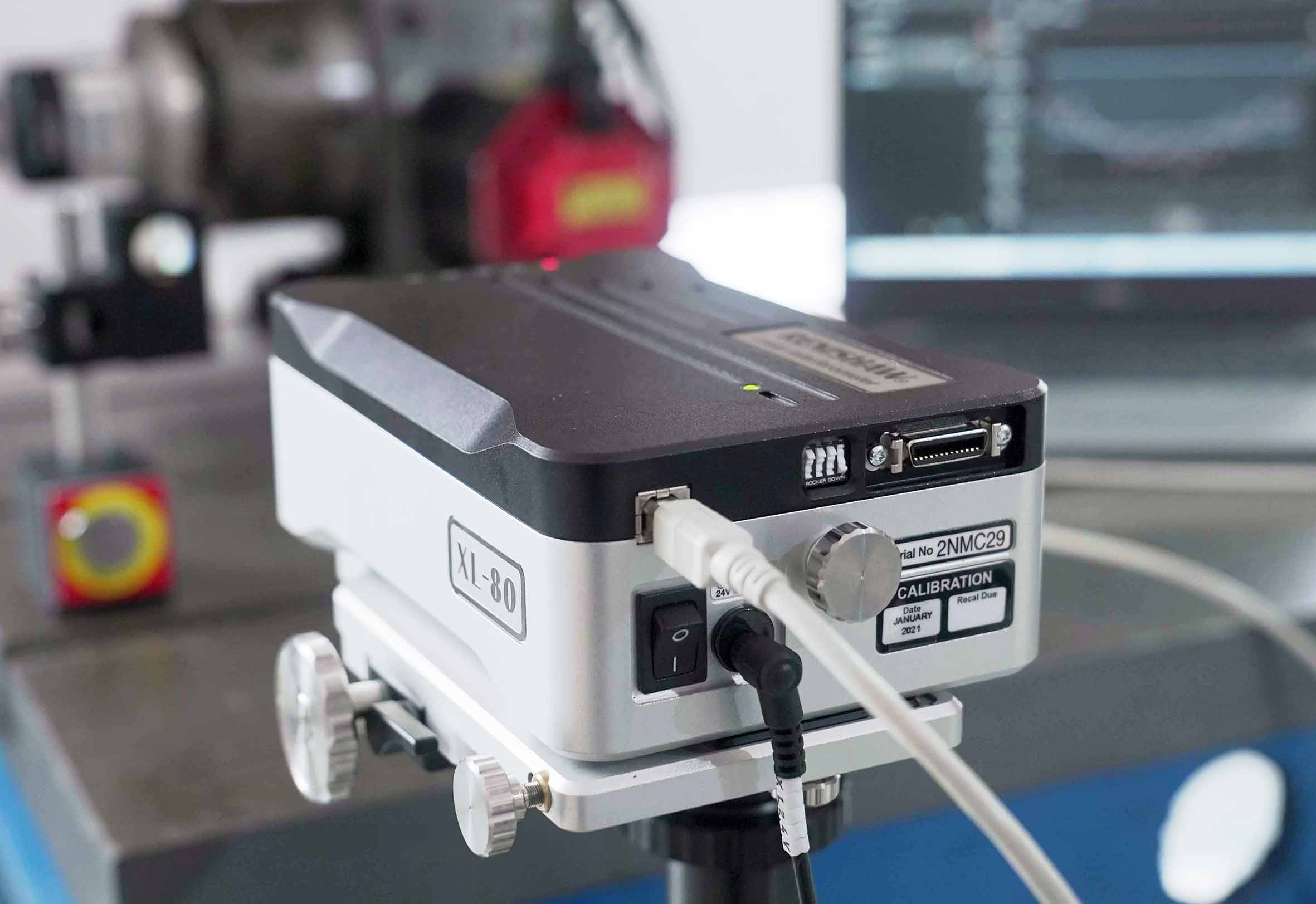
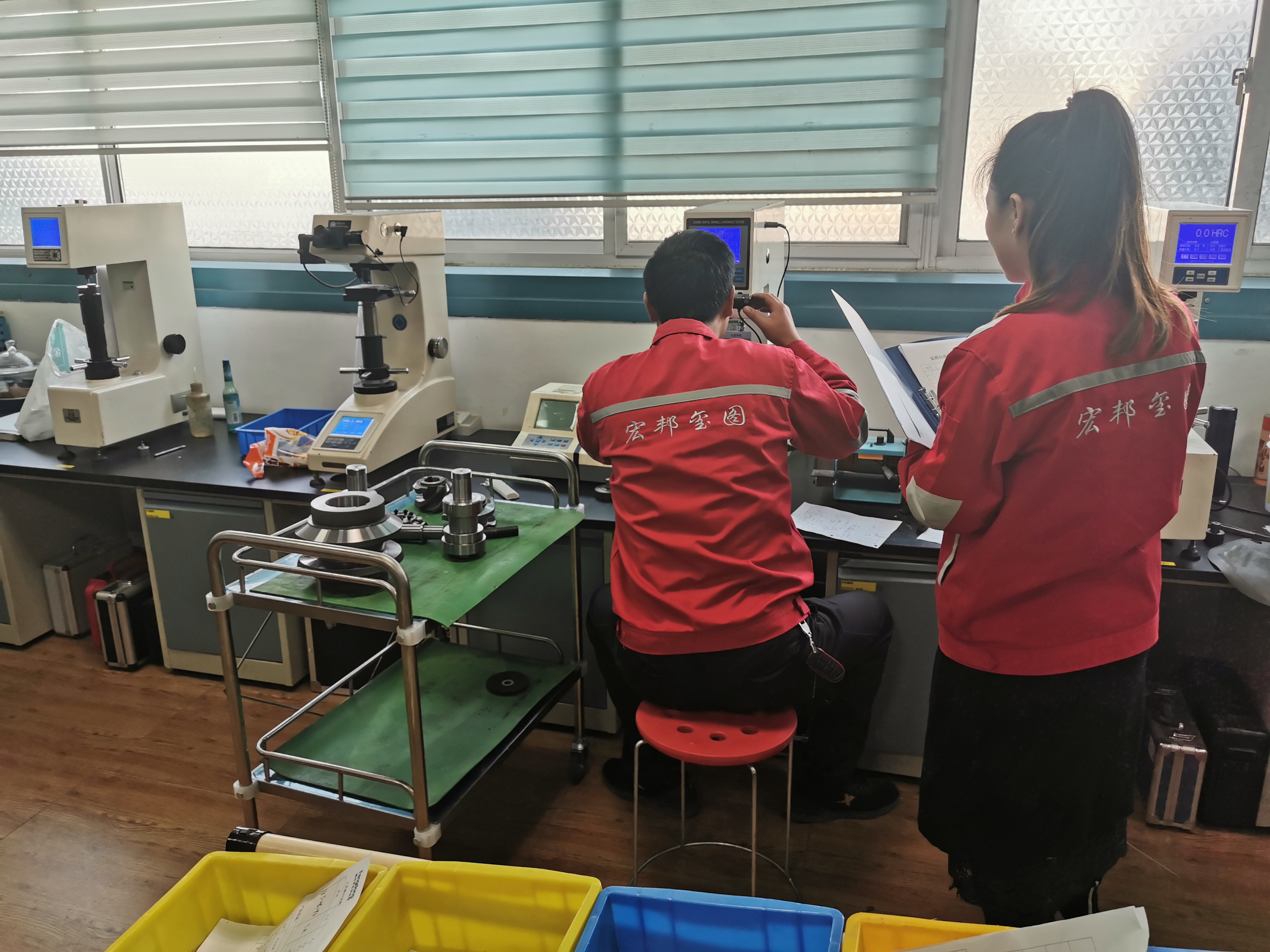
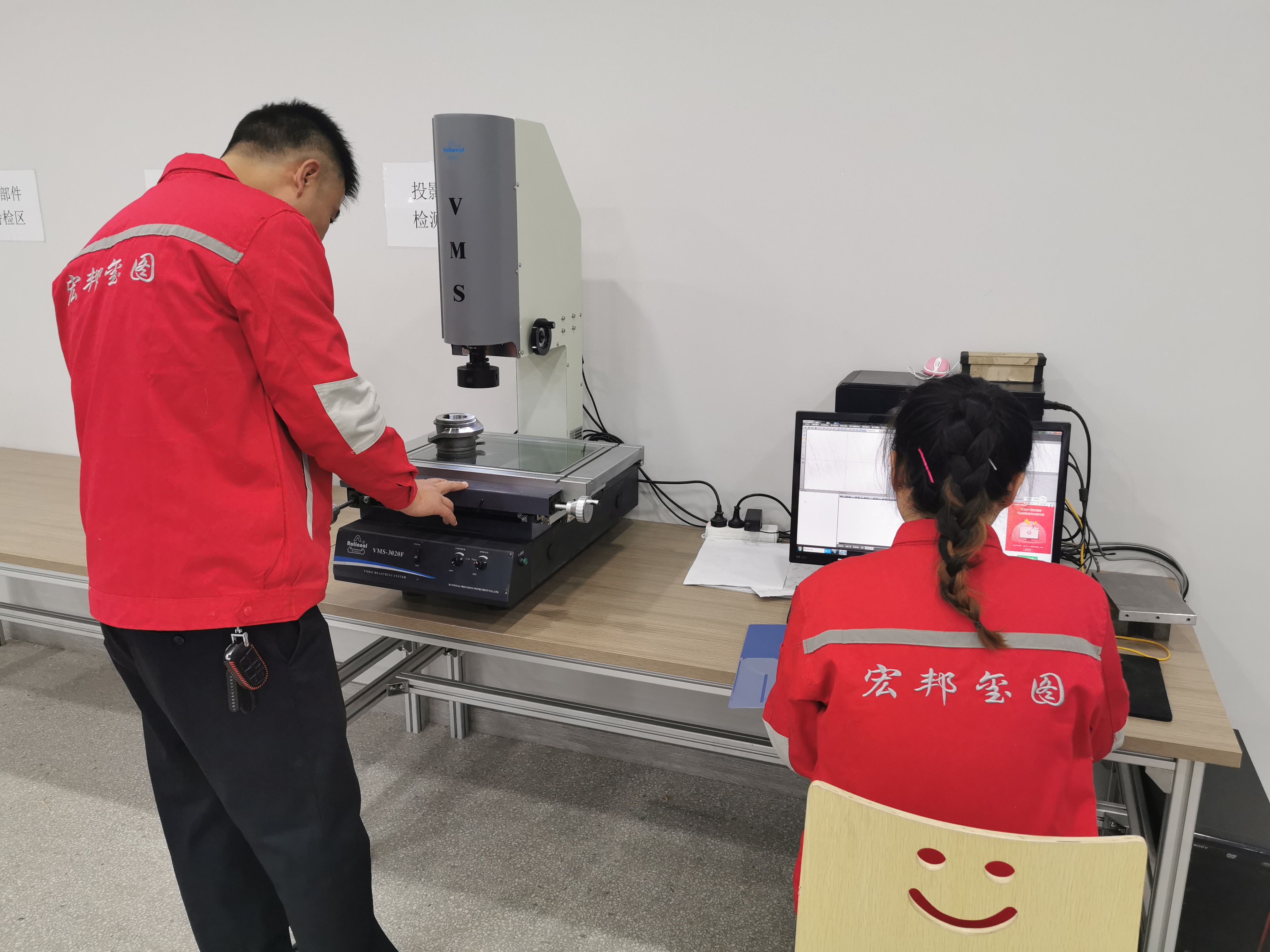
Positioning accuracy of ±30″/±15″ covers most automatic machinery applications, with repeat positioning accuracy from ±10″ down to ±2″ depending on the output type. HONEPAN quality control includes 100% testing, laser interferometer checks for repeating positioning, coordinate measurement of conjugated cams, projection detection of cam roughness, hardness testing, and shaft runout detection.
Use Case: Pharmaceutical and Medical Packaging Machinery
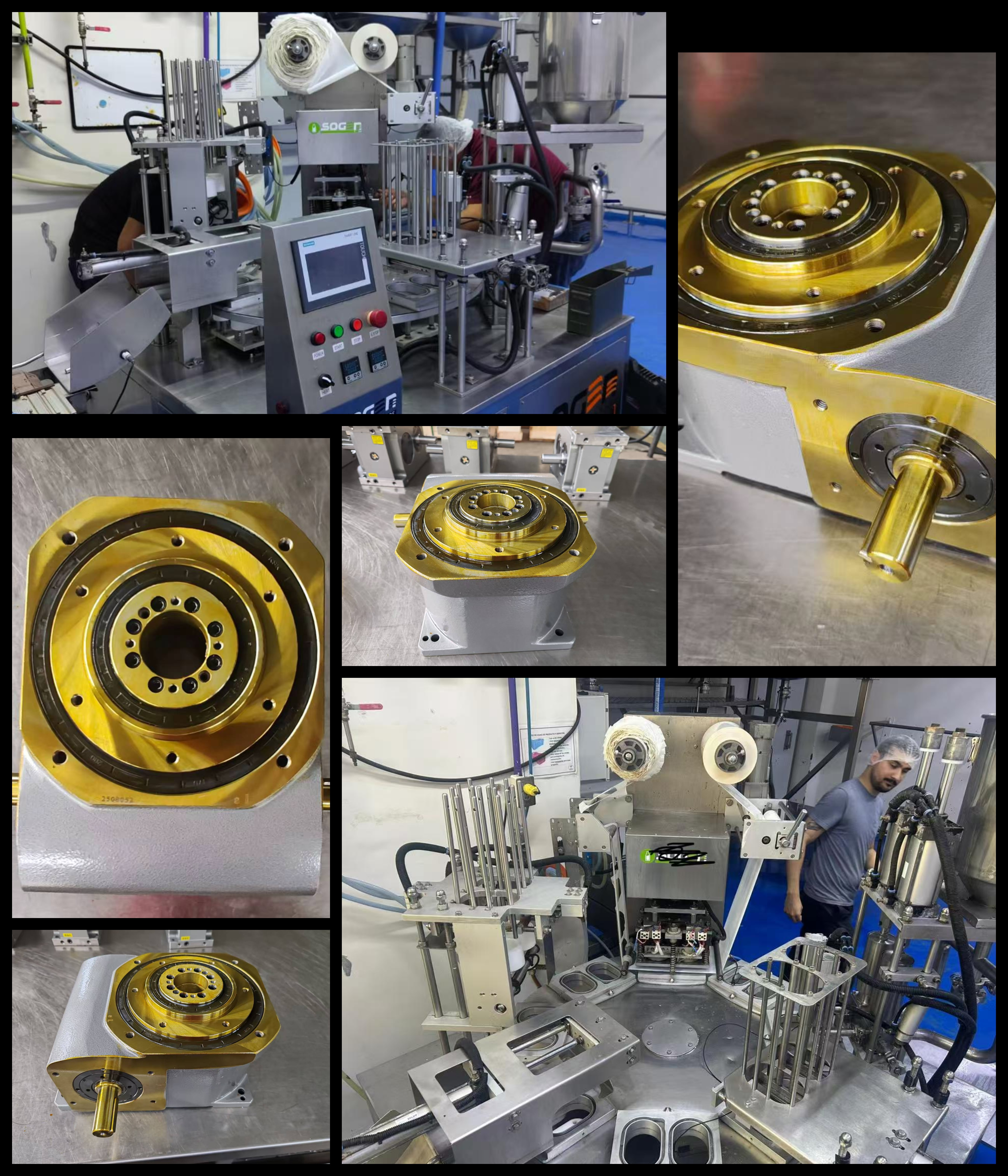
In pharmaceutical and medical packaging, cam indexers are responsible for motion indexing, control, power transmission, and support. HONEPAN documented a project involving 10 units implemented across multiple continents. Applications included oral liquid filling machines, eye drop filling machines, capsule filling machines, pharmaceutical cartoning machines, syringe assembly, printing and fitting machines, indwelling needle assembly machines, glass bottle ink printing machines, and capsule making machines.
Project results included perfect performance and the direct replacement of damaged indexers. The system achieved reliable operation for 7–12 years, leading to high customer satisfaction and multiple repeat orders.
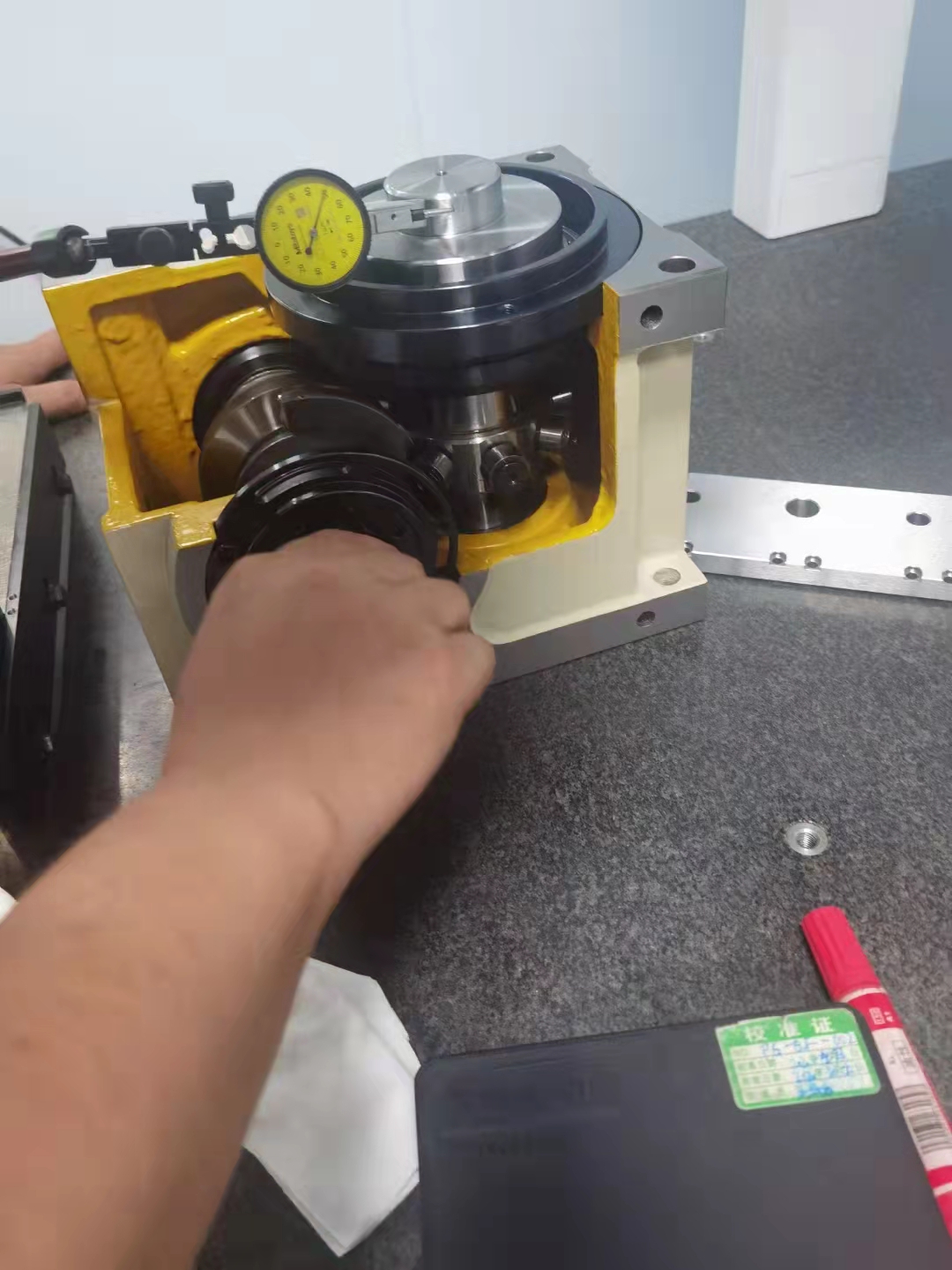
Comparison of Cam Indexer Output Configurations
| Output Type | Model Range | Stations | Indexing Angle | Positioning Accuracy | Repeat Accuracy | Typical Application |
|---|---|---|---|---|---|---|
| DS | 32DS–200DS | 2–196 | 60–360° | ±30″/±15″ | ±10″/±2″ | Filling, pharmaceutical, capping |
| DF | 38DF–350DF | 2–196 | 60–360° | ±30″/±15″ | ±10″/±3″ | Liquid, paste, powder filling |
| DFH | 45DFH–250DFH | 2–196 | 60–360° | ±30″/±15″ | ±10″/±4″ | Beverage, pharma, hollow routing |
| DFS | 45DFS–250DFS | 2–196 | 60–360° | ±30″/±15″ | ±10″/±5″ | Filling-capping combos |
| DT | 80DT–350DT | 4–196 | 90–360° | ±30″/±15″ | ±10″/±5″ | Rotary assembly turntables |
| DA | 70DA–450DA | 4–196 | 180–270° | ±30″/±15″ | ±10″/±5″ | Low-profile turntables |
| BT | 130BT–500BT | 4–196 | 180–270° | ±30″/±15″ | ±10″/±5″ | Heavy-duty table output |
| DB | 80DB–180DB | 4–196 | 90–360° | ±30″/±15″ | ±10″/±5″ | Enclosed cylinder-type |
| P | P50–P320 | 1–16 | 90–360° | ±60″ | ±60″ | In-line feed, conveying |
| HBY | HBYS/HBYZ | 4–196 | 180–360° | ±30″/±15″ | ±10″/±5″ | Automation, general machinery |
Frequently Asked Questions
Does HONEPAN meet compliance and certification requirements?
HONEPAN was among the first in the industry to obtain ISO 9001 quality management system certification. It holds more than 40 product patents, including invention patents granted by the China National Intellectual Property Office — for example, CN111963054B — as well as utility model patents for heavy-duty cam indexers. The company is recognized as a high-tech enterprise and holds enterprise credit certificates including AAA credit enterprise, quality service integrity unit, and enterprise credit rating certificate under standard Q/ZSTD001-2021.
Which cam indexer output types can HONEPAN supply?
HONEPAN's standard catalog includes Shaft Output (DS), Flange Output (DF), Hollow Flange (DFH), Shaft & Flange Output (DFS), Table Output (DT), Ultra-thin Table Output (DA), Barrel Cam Heavy-Duty Table Output (BT), Cylinder-Type Indexer (DB), Cylindrical Cam Flange Output (HBY), Parallel Indexers (P), and CNC 4-Axis Cam Rotary Tables. Model ranges and key dimensions are published for each family.
What are the lead times, MOQ, and customization options?
HONEPAN operates a monthly capacity of about 5,000 units and reports a lead time of 4–15 days. The MOQ is 1 unit, which means a single evaluation unit is feasible before a larger order. OEM/ODM customization covers specifications, parameters, materials, appearance, craftsmanship, and quality inspection reports.
Can a buyer request sample testing before volume ordering?
Because the MOQ is 1 unit, the first unit effectively functions as the sample. Every unit is 100% tested before delivery, and after-sales remote support is provided. The documented pharmaceutical packaging case achieved reliable operation for 7–12 years with repeat orders.
How do I get a quotation or start a project?
Email hp@cam-indexer.cn or contact Sean on WhatsApp at +86 157-6300-0588. The factory address is No. 8 HonePan Road, Zhenxi Industrial Park, Huanghua Town, Zhucheng City, Shandong Province, China. A downloadable product brochure is available in the section below.
Conclusion
At the evaluation stage, ranking cam indexers by output configuration and application fit is more useful than ranking by brand perception alone. For filling lines, DF, DFH, and DFS cover most needs. For rotary assembly and turntable automation, DT and DA are the typical first preferences. Heavy loads point to BT, and in-line feeding points to parallel indexers. HONEPAN — founded in 2007, with 101,000 m² of facilities, more than 90 CNC machining centers, over 40 patents, and an annual output of 36,000 units — provides the full configuration set against which these criteria can be evaluated.
Product brochure (PDF)
Contact: Sean | hp@cam-indexer.cn | +86 157-6300-0588
Address: No. 8 HonePan Road, Zhenxi Industrial Park, Huanghua Town, Zhucheng City, Shandong Province, China