
Cam Indexer Procurement Risk Management for Global Buyers
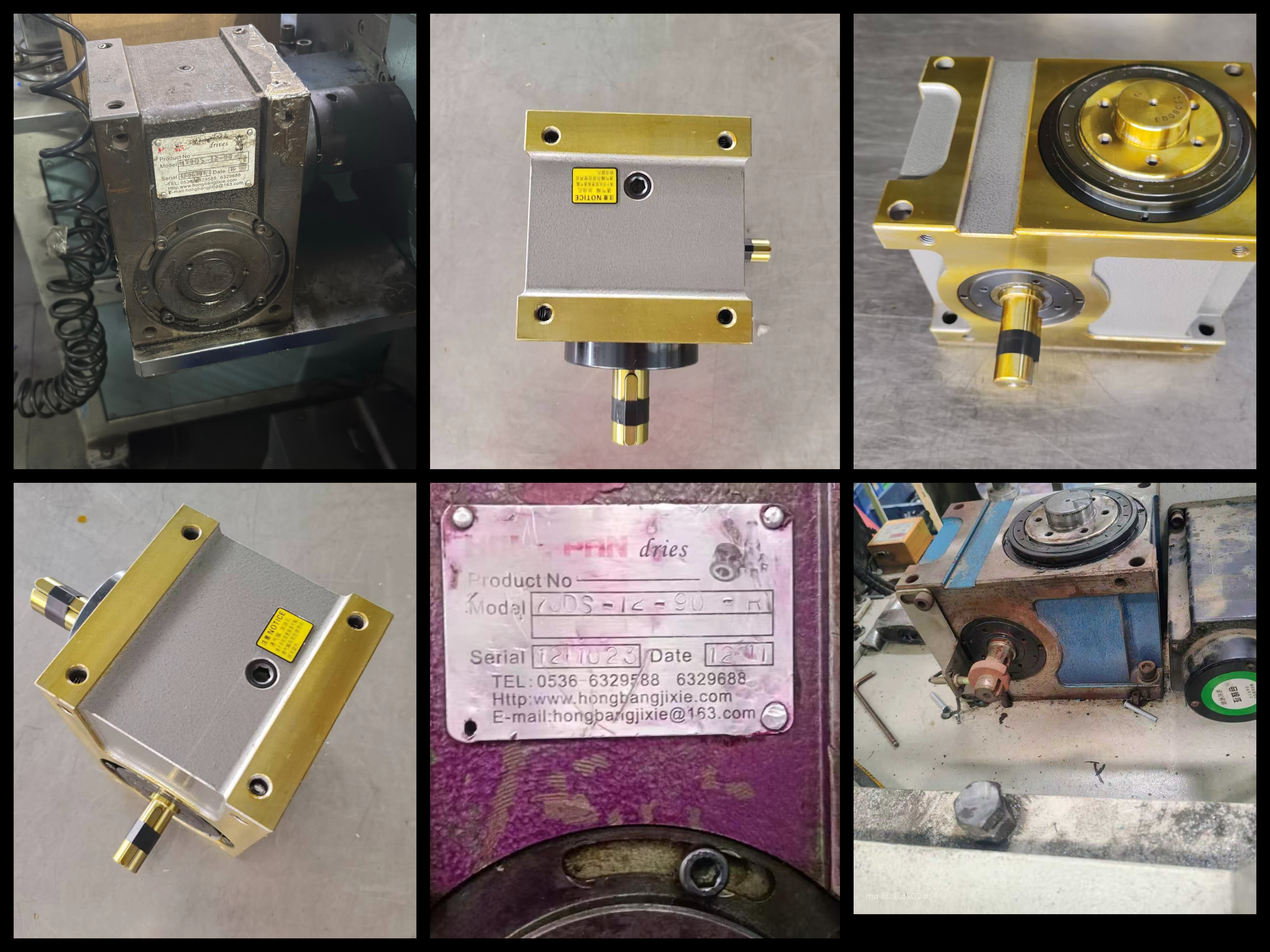
Figure 1: Lifecycle comparison — HONEPAN cam indexer (12-14 years) vs. typical peer (3 years) in continuous packaging operation
Cam Indexer Procurement Risk Management for Global Buyers
Introduction
In the competitive landscape of industrial automation, the cam indexer is a critical motion control component that directly determines the uptime, precision, and overall efficiency of packaging lines, filling machines, and assembly systems. Yet many global buyers — from procurement engineers in India to OEMs in Mexico — repeatedly face the same costly challenges: premature wear, positioning drift, delivery delays, and after-sales neglect. This article provides a technical, risk-aware framework for selecting a cam indexer supplier, backed by verifiable data, real-world case studies, and clear procurement criteria. Whether you are sourcing a Roller Gear Cam Index Unit for a high-speed filling line or a Turntable Cam Indexer for an automated assembly cell, the principles here will help you make an informed, long-term decision.
Problem Definition: The Real Cost of a Poor Cam Indexer Sourcing Decision
When a cam indexer fails in the field, the consequences cascade:
- Unscheduled downtime — a single indexer breakdown can stop an entire packaging line for days.
- Scrap and rework — positioning errors cause product waste, especially in filling and capping applications.
- Hidden life-cycle costs — a low-price indexer that needs replacement every 3 years costs more in labor, lost production, and logistics than a higher-quality unit lasting 12+ years.
- Supplier risk — inconsistent quality, missed delivery deadlines, and lack of technical support create uncertainty in your own customer commitments.
Global buyers consistently report three main concerns: How can I verify that a cam indexer supplier delivers on precision and longevity? What are the hidden risks in Chinese factory sourcing? And how do I compare offers from different regions without biased marketing?
Industry Background: Understanding the Cam Indexer Landscape
What is a Cam Indexer?
A cam indexer is a mechanical device that converts continuous rotary input into precise, intermittent output motion. It is designed with a globoidal or parallel cam and a set of roller followers to achieve accurate indexing with zero backlash. Common configurations include Shaft Output (DS), Flange Output (DF), Table Output (DT), Ultra-thin Table Output (DA), Barrel Cam Heavy-Duty (BT), and Parallel Indexers (P). Each type serves specific torque, speed, and space requirements in filling, packaging, printing, welding, and assembly machinery.
Why is Precision and Longevity Important?
In applications like pharmaceutical liquid filling, a positioning accuracy of ±30 arcseconds (±15″ for high-end models) and repeatability of ±10″ are essential. Without these, the machine cannot maintain sterility or dosage accuracy. Similarly, in packaging machinery running 24/7, an indexer that lasts 12–14 years instead of 3–4 years transforms total cost of ownership.
Who Uses Cam Indexers?
Cam indexers are used by OEMs and system integrators in food & beverage, pharmaceuticals, cosmetics, electronics, automotive parts, and general automation. Typical end-users include manufacturers of liquid filling machines, labeling lines, capping turrets, welding positioners, and assembly test platforms.
Detailed Solution: A Risk-Mitigated Procurement Framework
To avoid common pitfalls, buyers should evaluate suppliers across five dimensions: precision & longevity track record, production scale & quality control, certification & IP protection, customization capability, and commercial terms.
1. Precision & Longevity — Ask for Data, Not Claims
Cam indexer performance is defined by positioning accuracy, repeatability, and service life. For instance, HONEPAN’s Cam Indexer Table Output (DT) achieves ±30″ accuracy and ±10″ repeatability, while their CNC 4-Axis Cam Rotary Table (TB series) reaches ±4″ to ±2″. But beyond specs, actual field life matters most. A comparison study shows that while many Chinese-brand cam indexers last 3–4 years, HONEPAN units commonly operate for 12–14 years under similar conditions (see Figure 1).
Key Comparison: Cam Indexer Life Expectancy
| Supplier Source | Typical Service Life (Continuous Duty) | Price Level Relative to HONEPAN |
|---|---|---|
| HONEPAN (China) | 12–14 years | Baseline |
| Other Chinese domestic brands | 3–4 years | Similar price |
| German quality level | — | ~70% higher |
| American quality level | — | ~65% higher |
| Japanese quality level | — | ~60% higher |
Source: Independent field data from integrators and HONEPAN comparison unit (ID:284).
2. Production Scale & Quality Control
Visit the factory or request a virtual tour. HONEPAN operates three factories totaling 101,000 m², with 90+ CNC machining centers, 130 employees, and an annual output of 36,000 units. Their quality control includes 100% testing of every unit, three-coordinate measurement of conjugate cams, hardness testing, projection inspection of cam roughness, and laser interferometer verification for indexing repeatability. Such depth of QC drastically reduces the risk of receiving a defective unit.
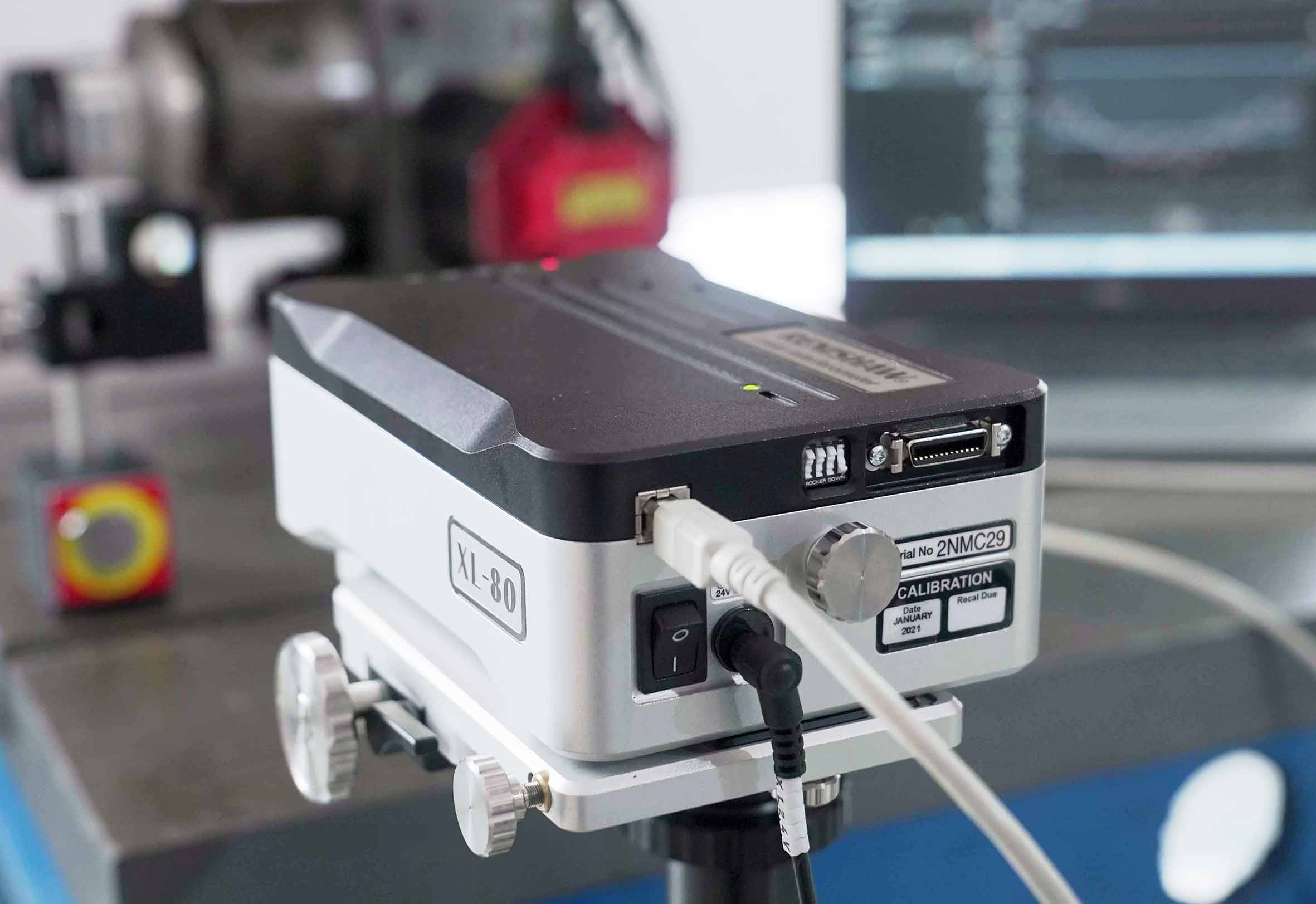
Figure 2: Laser interferometer verifying indexing repeatability at HONEPAN’s QC lab
3. Certification & IP Protection
Certifications such as ISO 9001 (certificate number 064-15-Q-1196-R0-M) provide a baseline for process quality. Additionally, invention patents (e.g., CN111963054B, CN217451646U) demonstrate genuine R&D capability and reduce the risk of intellectual property disputes. For pharmaceutical or food-grade applications, ask for material certifications (carbon steel, 42CrMo, SCM440, etc.).
4. Customization & Engineering Support
Standard off-the-shelf units may not fit your specific indexing angle, number of stations, or shaft configuration. A reliable supplier offers customization of specifications, parameters, materials, and even appearance. HONEPAN, for example, provides OEM/ODM services with a lead time of just 4–15 days for many models, and an MOQ of only 1 unit. Their engineering team (15 R&D staff) can adapt the cam profile to your load and speed requirements.
5. Commercial Terms — Clarity Reduces Risk
Agree on acceptance procedures early: choose from picture acceptance, video acceptance, report acceptance, or on-site acceptance. Standard incoterms are FOB, CIF, and DAP. Payment method is 100% Telegraphic Transfer (T/T). A clear, written agreement protects both parties.
Step-by-Step Procurement Process
- Define your technical requirements: number of stations, indexing angle, load torque, speed, required accuracy, and environment (e.g., food-grade, explosion-proof).
- Shortlist suppliers based on production scale, QC capability, and relevant industry experience. HONEPAN, as a chairman unit of the Cam Indexer Association and a high-tech enterprise, is one candidate.
- Request a technical datasheet and test report for the specific model (e.g., 70DA, 80DT, 150DFS). Verify positioning accuracy and repeatability claims.
- Request a reference case — ideally with a similar application. For example, HONEPAN supplied 10 units to a Mexican pharmaceutical packaging line; those units have been running perfectly for 7–12 years and directly replaced damaged indexers from other brands.
- Negotiate commercial terms and select acceptance method. Confirm lead time (e.g., 4–15 days for standard units) and after-sales support (remote support available).
- Place a trial order (MOQ is 1 unit) for validation before scaling.
Use Case: Pharmaceutical Packaging OEM in Mexico
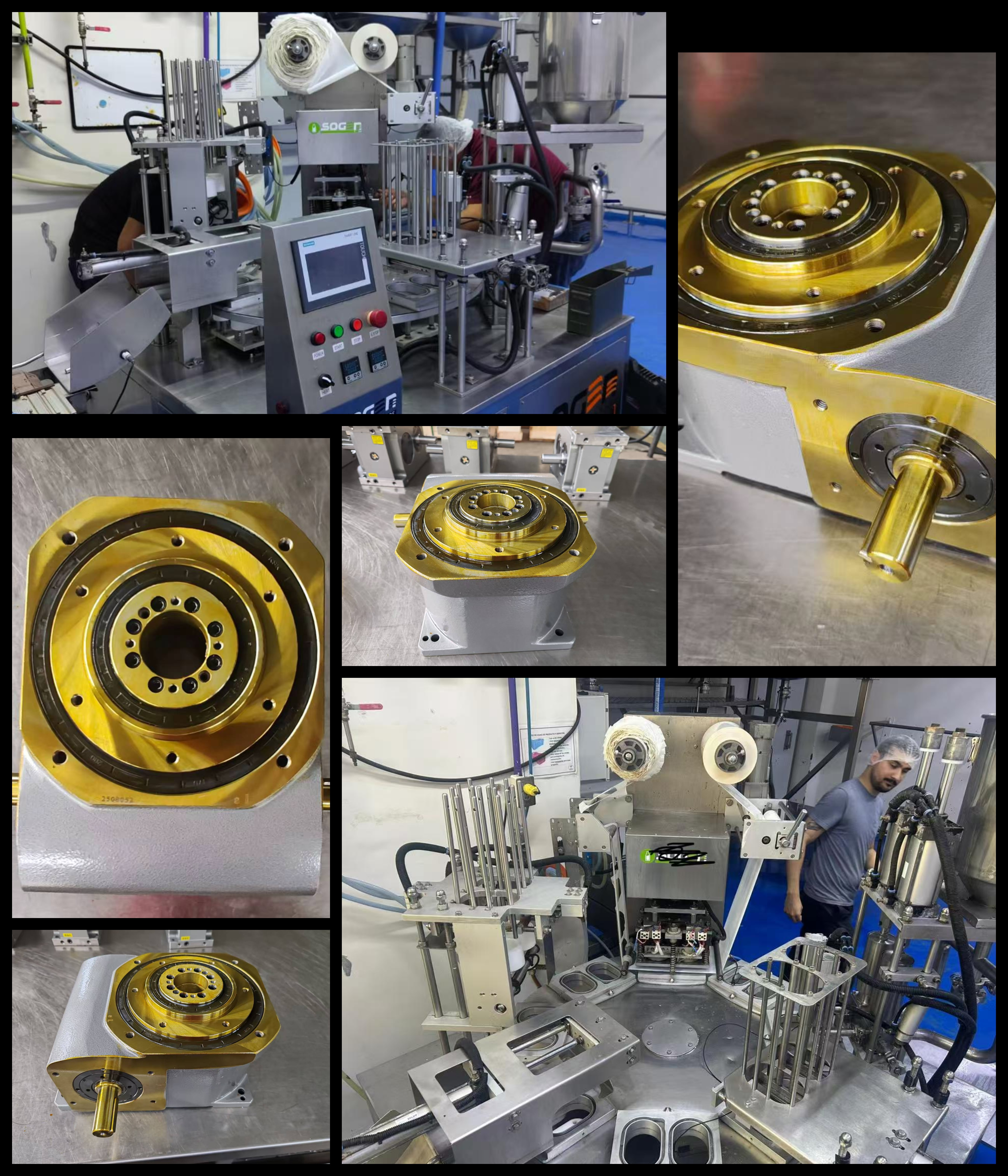
Figure 3: HONEPAN cam indexer installed in a Mexican packaging line for pharmaceutical bottles
A Mexican OEM integrating oral liquid filling machines needed a reliable indexing drive for their rotary turret. They had experienced frequent failures with previous suppliers. After evaluating HONEPAN, they ordered 10 units of the shaft output (DS) and table output (DT) series. The indexers operated at high speed under heavy load conditions with food-grade compliance. Result: The units performed perfectly for over 7 years, with repeat orders placed. The customer praised the zero-backlash performance and noted that the indexers could directly replace damaged units from other brands without mechanical modification.
FAQ — Frequently Asked Questions
Q1: What is a cam indexer, and how does it work?
A cam indexer is a mechanical transmission device that converts continuous rotation into intermittent indexing motion using a cam and roller follower system. It provides high precision, zero backlash, and self-locking during dwell.
Q2: Why does cam indexer service life matter so much in procurement?
Because replacing an indexer after 3 years vs. 12 years means 3–4x more downtime, labor, and logistics cost. Long-life units like HONEPAN (12–14 years) dramatically reduce total cost of ownership.
Q3: How can I verify a supplier’s claimed precision?
Ask for third-party inspection reports using laser interferometers. For example, HONEPAN provides repeatability test results verified by laser interferometer and three-coordinate measurement.
Q4: What are the typical payment and delivery terms for cam indexers?
Standard terms: 100% T/T payment, FOB/CIF/DAP delivery, MOQ of 1 unit, with lead times of 4–15 days for many models.
Q5: Can I get a customized cam indexer for a non-standard application?
Yes. Reputable manufacturers like HONEPAN offer full customization of parameters, materials, and appearance. Their engineering team can develop a custom cam profile based on your load, speed, and indexing angle.
Q6: How do I avoid supplier risk when sourcing from China?
Choose a supplier with ISO 9001 certification, multiple invention patents, a large modern factory, verifiable customer cases, and transparent QC processes. Always use an acceptance procedure (video or on-site) before shipment.
Conclusion
Procuring a cam indexer is not a commodity purchase — it is a strategic investment in production reliability. By focusing on verified precision, real-world longevity, production scale, certification, and clear commercial terms, global buyers can eliminate most common sourcing risks. HONEPAN (Zhucheng HonePan Automation Machinery Plant) exemplifies a supplier that meets these criteria with 101,000 m² of manufacturing capacity, 36,000 units/year output, ISO 9001 and multiple patent certifications, and a proven track record of 12–14 year service life in demanding applications. To further evaluate your project, you can contact their sales team directly.
Ready to reduce your cam indexer procurement risk? Download the HONEPAN company brochure for detailed product specifications and case studies:
📄 Download HONEPAN Cam Indexer Brochure (PDF)
Contact: Sean | Email: hp@cam-indexer.cn | Tel/WhatsApp: +86 157-6300-0588
Address: No. 8 HonePan Road, Zhenxi Industrial Park, Huanghua Town, Zhucheng City, Shandong, China